Top 10 Castles in Nationalpark Kongernes Nordsjælland
Best castles in Nationalpark Kongernes Nordsjælland are situated within a landscape of deep forests and large lakes. This region is known for its cultural heritage, encompassing royal residences and historical ruins. The area offers a combination of natural landscapes and significant historical sites.
Best castles in Nationalpark Kongernes Nordsjælland
- The most popular castles include Kronborg Castle, a castle and UNESCO World Heritage site. It is known as the setting for Shakespeare's *Hamlet* and features Renaissance design.
- Another must-see spot…
Last updated: October 20, 2026
Frederiksborg Castle
Highlight • Castle
The museum dates back to one of the many initiatives of J.C. Jacobsen, the founder of the Carlsberg breweries, in 1878. …
Translated by Google •
Tip by

Kronborg Castle
Highlight • Castle
Shakespeare and Kronborg
Shakespeare made Kronborg the setting for his immortal play about the prince Hamlet, and outside of Denmark, the castle is …
Showing Translation
Tip by

Sign up now to discover places like this
Get recommendations on the best single tracks, peaks, & plenty of other exciting outdoor places.
Dronningholm Castle Ruins
Highlight • Historical Site
Translated by Google •
Tip by
Marienlyst Castle
Highlight • Castle
Below the castle there is a small …
Translated by Google •
Tip by

Gurre Castle (ruin)
Highlight • Castle
Translated by Google •
Tip by
Sign up for free to discover even more castles in Nationalpark Kongernes Nordsjælland.
Already have an account?
Start today with a free account
Your next adventure awaits.
Popular around Nationalpark Kongernes Nordsjælland
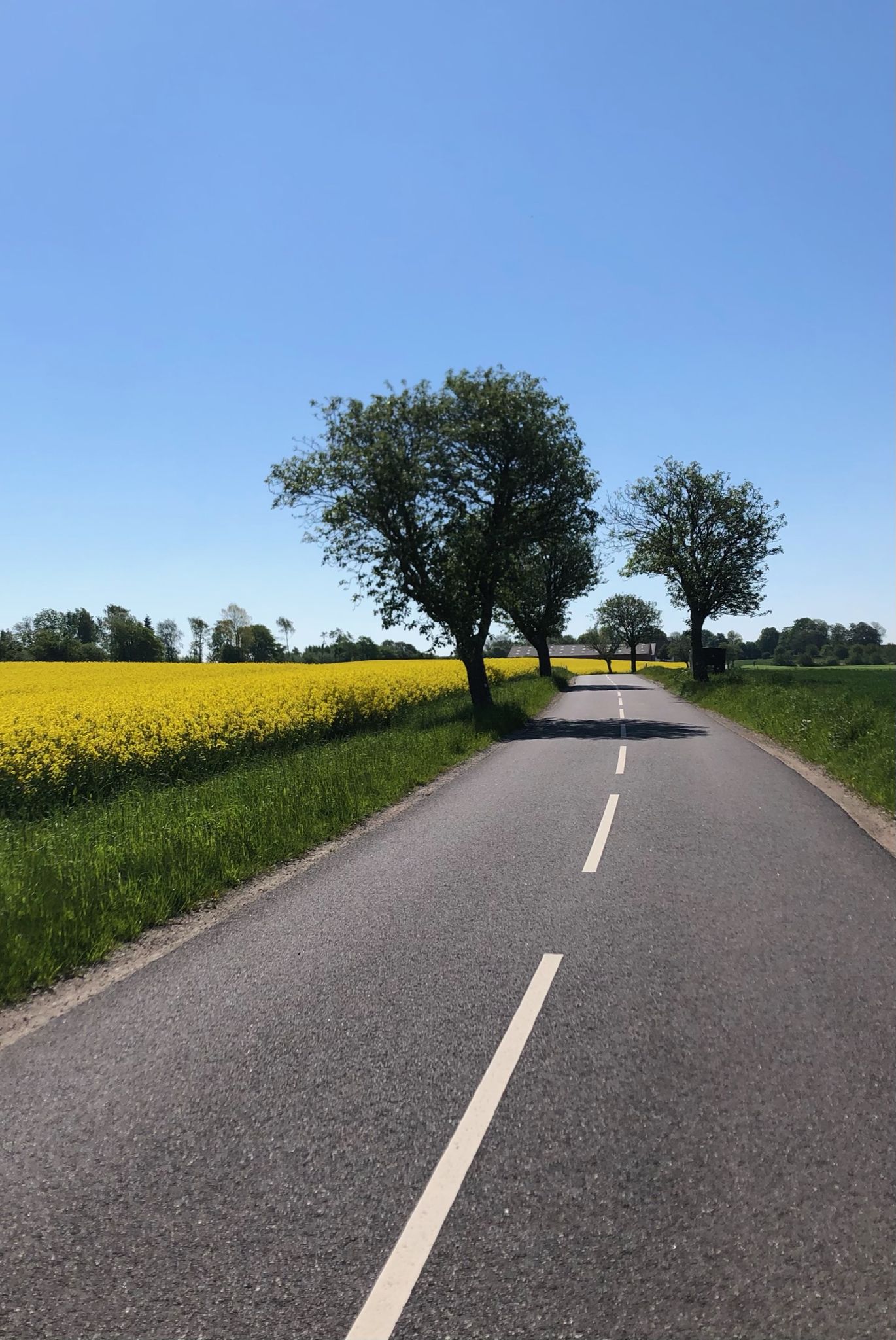
My favourite local road rides around Copenhagen
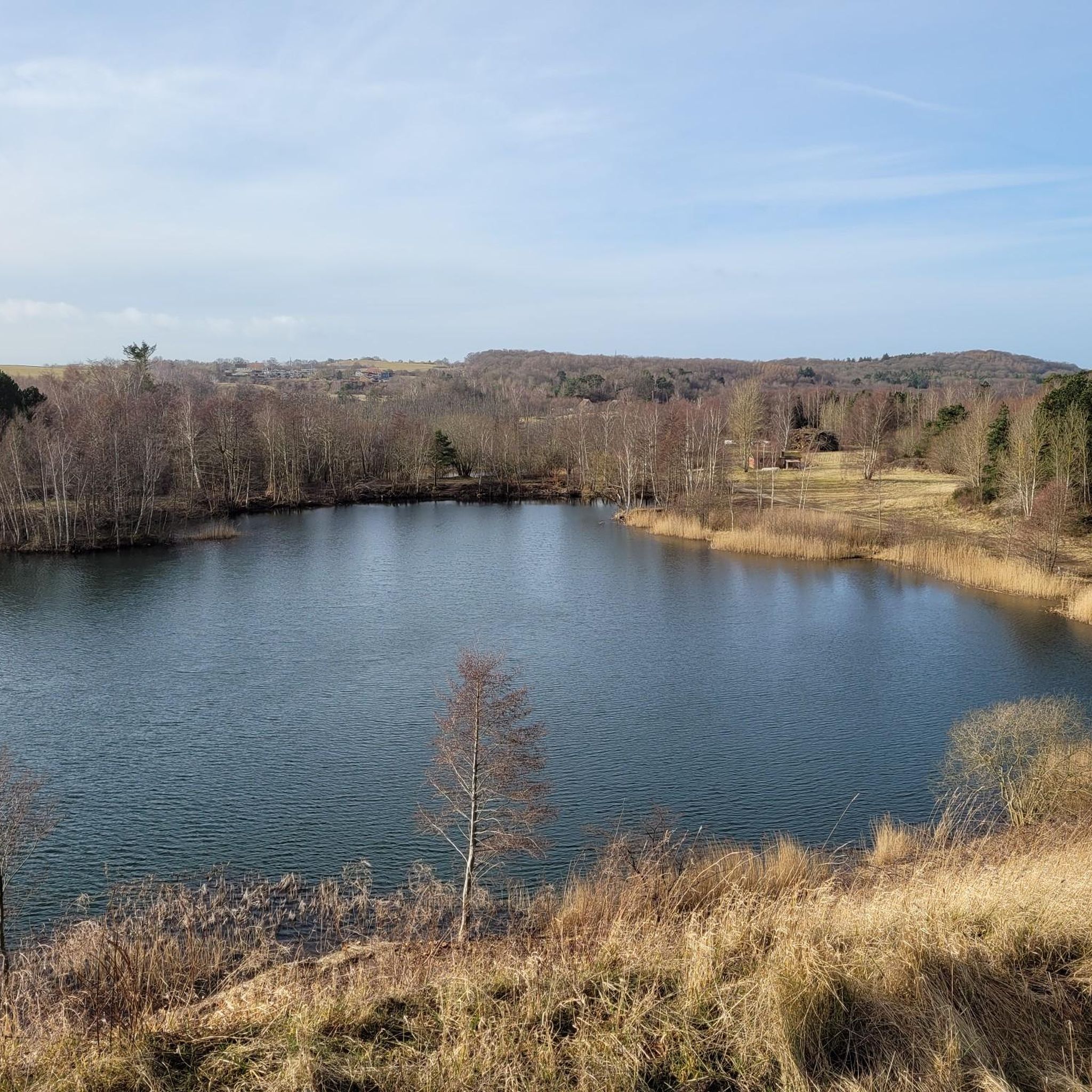
Hiking in Nationalpark Kongernes Nordsjælland
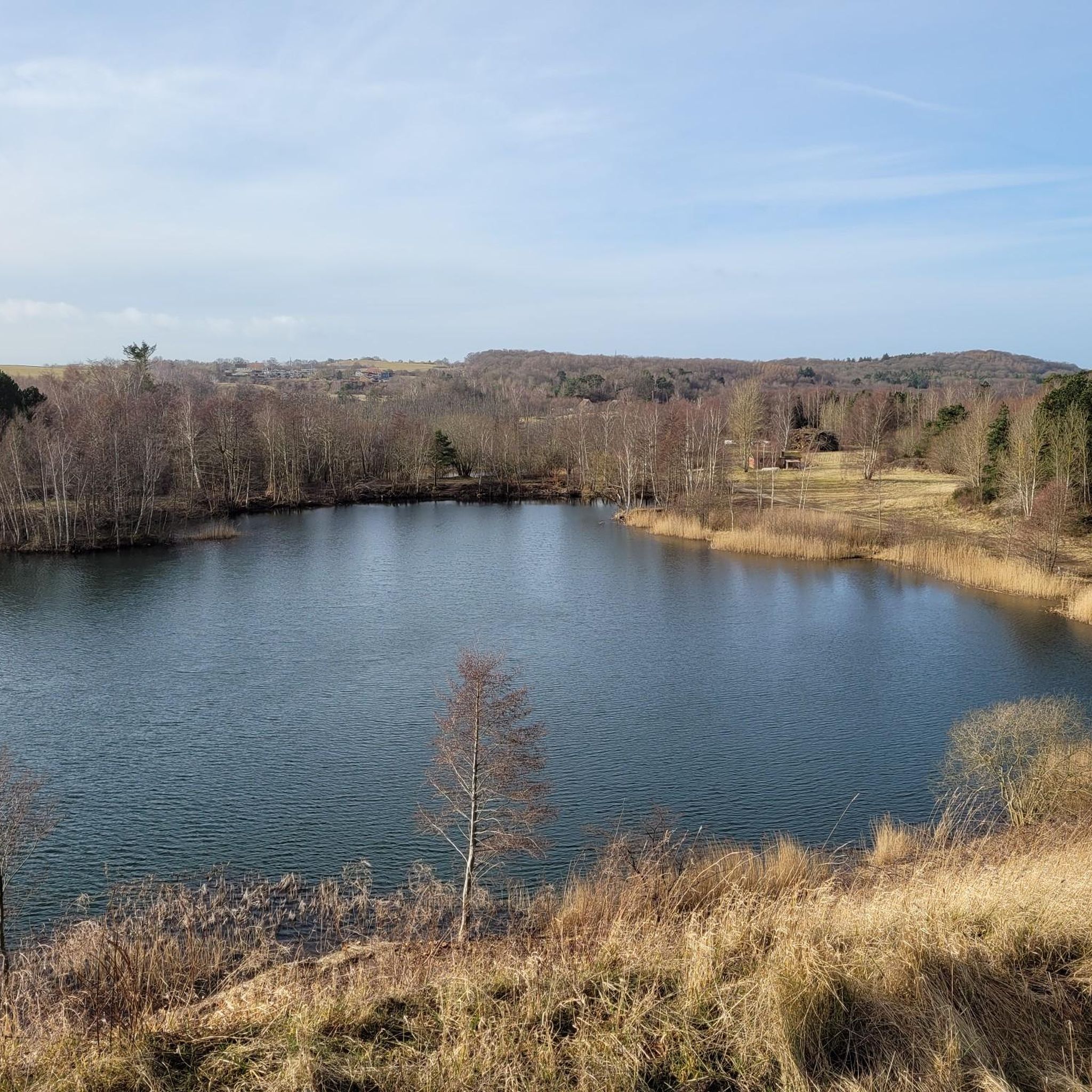
Cycling in Nationalpark Kongernes Nordsjælland
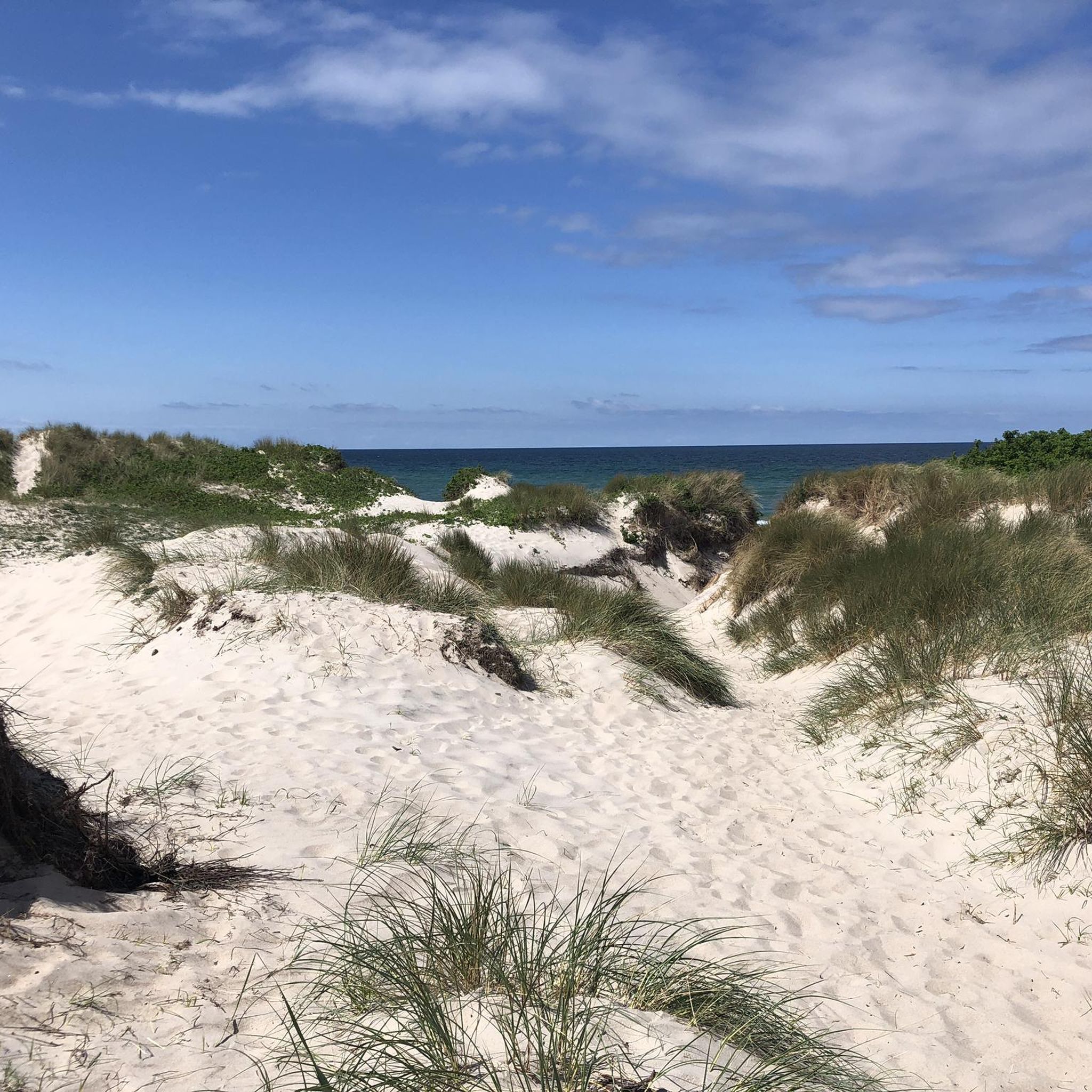
Running Trails in Nationalpark Kongernes Nordsjælland
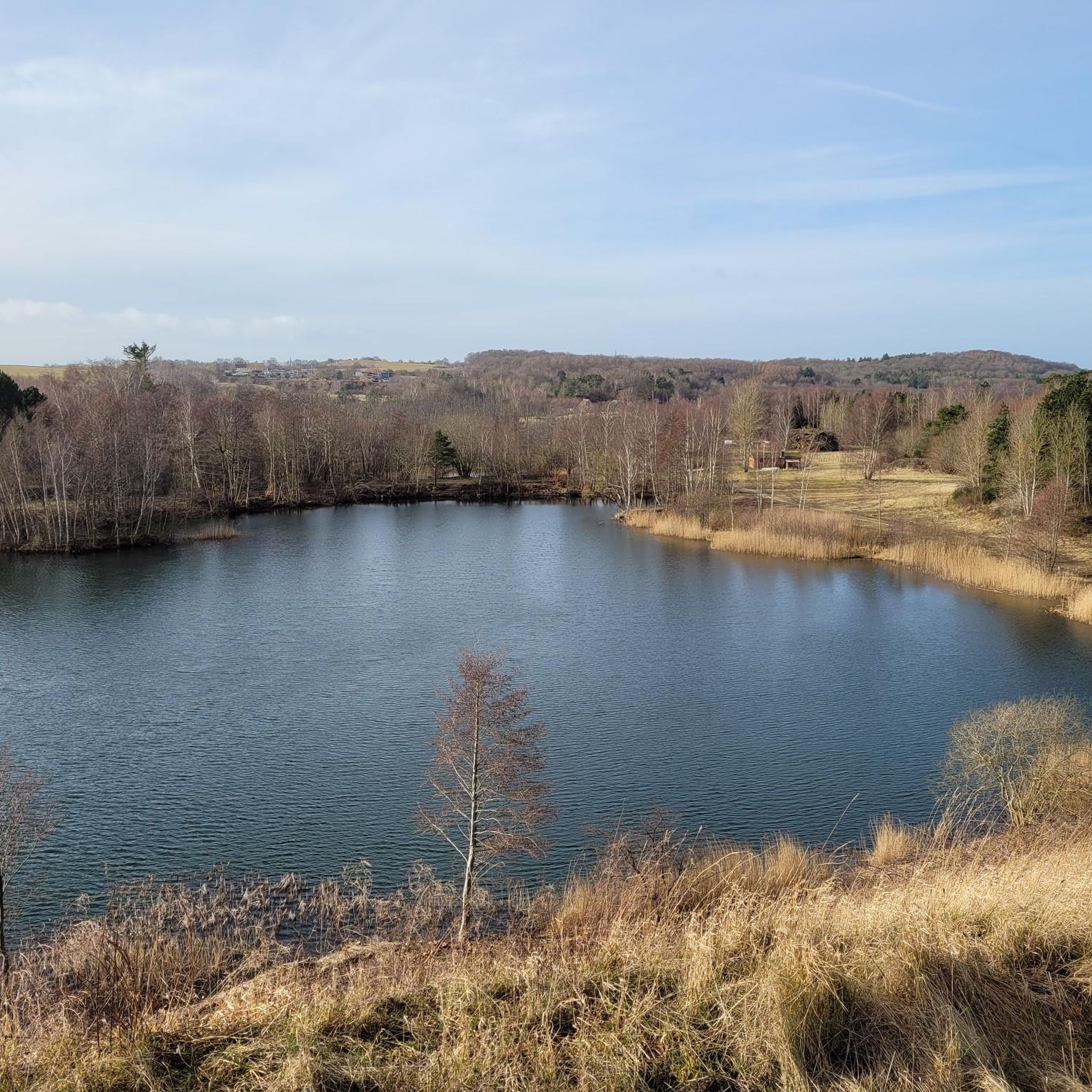
Road Cycling Routes in Nationalpark Kongernes Nordsjælland
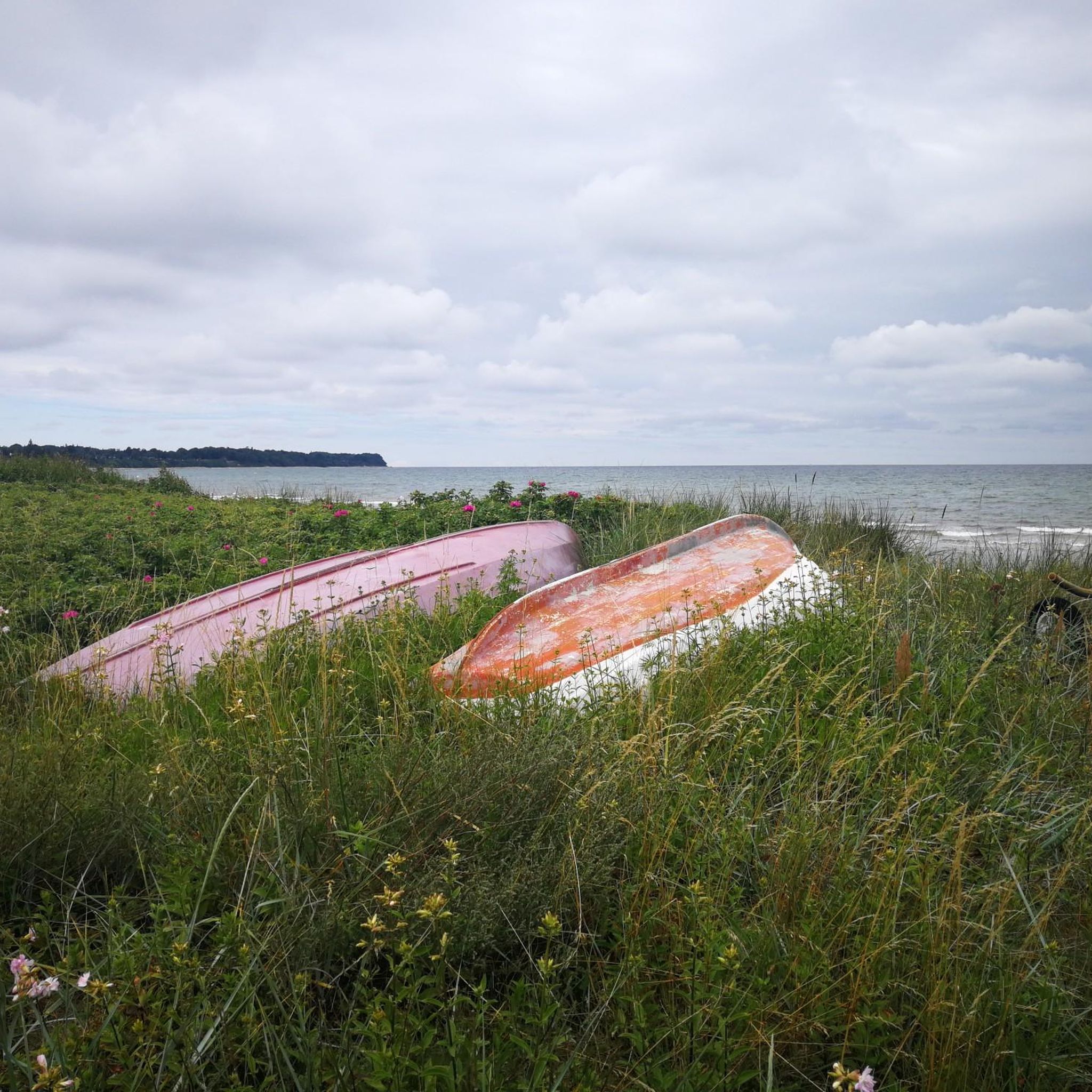
MTB Trails in Nationalpark Kongernes Nordsjælland

Gravel biking in Nationalpark Kongernes Nordsjælland
Other adventures in Nationalpark Kongernes Nordsjælland

Tips from the Community

Kronborg Castle (Kronborg Slot) in Helsingør, is a UNESCO World Heritage Renaissance fortress. It is best known as the inspiration for Elsinore in Shakespeare’s Hamlet. It is perched on a fortified narrow strip of land at the edge of the Øresund strait, with panoramic views over the water toward Sweden.
0
0

Nice little castle and small park.
2
0

An imposing castle and fortress at the same time.
4
0


Kronborg Castle, world-famous through Hamlet and Shakespeare, is one of Northern Europe's most beautiful Renaissance castles and also a UNESCO World Heritage Site. In Helsingør, where the strait between Denmark and Sweden is narrowest, lies Kronborg Castle, looking out over the Sound, surrounded by a mighty fortification with bastions and cannon batteries. The castle has a fascinating history and is absolutely worth a visit. Few places in the world are surrounded by as much drama and history as Kronborg Castle. Kronborg's history dates back to 1420, when Erik of Pomerania built the fortress Krogen to control the entrance to the Sound and collect the lucrative Sound toll from passing ships. The Sound toll was of great importance to Helsingør for over 400 years. The money went directly into the king's pocket, but the trade associated with the Sound toll made the town prosperous and known throughout the world. Frederik II built the magnificent Renaissance castle we know today between 1574 – 85 as a strong symbol of wealth and power. The Sound toll financed towers and spires, copper roofs and sandstone ornaments. During Kronborg's heyday at the end of the 16th century, rumours circulated among sailors, merchants, diplomats, and aristocrats of pomp and splendour and the decadent lifestyle of the court. Shakespeare made Kronborg the setting for his immortal play about the prince Hamlet, and outside Denmark, the castle is mainly known today as Hamlet's Castle. Kronborg was devastated by a fierce fire in 1629, which only the castle church survived. Christian IV rebuilt the castle with extensive new embellishments in the Baroque style, but in 1658, Kronborg suffered a new misfortune when the Swedes bombarded and conquered the castle, carrying off many precious art treasures as war booty. Kronborg was reinforced in 1690 by Christian V as a fortress with the Kronværket, but after that, the castle was, on the whole, no longer inhabited by royalty. From 1785 to 1923, the military used the castle, and only afterwards was it returned to its heyday of Frederik II and Christian IV after a thorough restoration. https://www.visitdenmark.de/daenemark/reiseplanung/schloss-kronborg-unesco-weltkulturerbe-gdk1077722
7
0

The royal fortress Kronborg with its fortifications and the magnificent royal palace is an absolute highlight and definitely worth a visit! Inside the castle, many historically furnished rooms can be viewed.
10
0
Marienlyst Castle was originally a royal pleasure palace, which was first built in 1588, later rebuilt and also used as a seaside hotel. Below the castle there is a small baroque park, above there is a tree-lined garden with wonderful vantage points. The view extends all the way to the sea.
11
0
Frequently Asked Questions
Which castles in the Nationalpark Kongernes Nordsjælland region are particularly family-friendly?
Several castles in the region offer engaging experiences for families. Frederiksborg Castle, with its Museum of National History and Baroque Garden, often hosts activities during school holidays. Kronborg Castle, famous for Hamlet, also has family-friendly aspects, including exploring its casemates. Esrum Abbey, while not a castle, provides a nature playground and interactive exhibitions on medieval life. Even the ruins like Dronningholm Castle Ruins offer an adventurous historical exploration for children.
What is the best season to visit the castles in Nationalpark Kongernes Nordsjælland?
The best season to visit is generally spring through early autumn (April to October) when the weather is mild, and the gardens, such as the Baroque Garden at Frederiksborg Castle, are in full bloom. Summer also offers extended opening hours and special events, like the Shakespeare Festival at Kronborg Castle. However, many castles and their grounds are accessible year-round, offering a different, often quieter, charm in the colder months.
Are there any hidden or lesser-known castle ruins to explore within Nationalpark Kongernes Nordsjælland?
Yes, for those interested in archaeology and history, the National Park contains several intriguing castle ruins. These include Gurre Castle Ruin, associated with the legend of King Valdemar IV Atterdag, and Dronningholm Castle Ruin, built by King Valdemar II. Asserbo Castle Ruin, nestled in a plantation, also offers a romantic glimpse into the past. These sites are ideal for exploring historical foundations within a natural setting.
What outdoor activities can I do near the castles in Nationalpark Kongernes Nordsjælland?
The region offers a variety of outdoor activities. You can find numerous cycling routes, such as the 'Castle route' or the 'Parforce Cycle Route 105', which connect several historical sites. There are also easy hiking trails like the 'Hornbæk Plantage and North Coast Trail Loop' or 'Bondedammen Loop'. For runners, routes like the 'Kronborg Castle loop' provide scenic paths. You can explore more options for cycling, hiking, and running in the National Park.
How long should I plan to spend at Frederiksborg Castle?
To fully appreciate Frederiksborg Castle, including the Museum of National History and the extensive Baroque Garden, plan for at least 3-4 hours. This allows time to explore the richly adorned interiors, the chapel, and stroll through the symmetrical designs and cascade systems of the garden. A boat trip around the castle is also an option if you have more time.
Are there public transport options to reach the castles in the Nationalpark Kongernes Nordsjælland region?
Yes, many of the major castles are accessible by public transport. For instance, Frederiksborg Castle in Hillerød is easily reached by train from Copenhagen. Kronborg Castle in Helsingør is also well-connected by train. Fredensborg Palace is located in the town of Fredensborg, which has train connections. It's advisable to check local train and bus schedules for specific routes and timings.
What are the main differences between Frederiksborg Castle and Kronborg Castle?
Both are magnificent Renaissance castles, but they offer distinct experiences. Frederiksborg Castle is the largest Renaissance complex in the Nordic region, housing the Museum of National History and known for its elaborate interiors and grand Baroque Garden. It focuses on 500 years of Danish history. Kronborg Castle, a UNESCO World Heritage site, is world-famous as the setting for Shakespeare's *Hamlet*. It has a more strategic, fortress-like feel, with formidable defensive systems and a focus on its role in controlling the Sound dues. While Frederiksborg is inland on a lake, Kronborg is coastal, offering views across the Sound to Sweden.
Can I find cafes or dining options near Frederiksborg Castle?
Yes, there are cafes and dining options available both within the grounds of Frederiksborg Castle and in the surrounding town of Hillerød. The castle itself has facilities, and Hillerød offers a range of restaurants and cafes to suit different tastes, making it convenient for visitors to enjoy a meal or a coffee break.
Are there viewpoints offering scenic views over the castles in the region?
Many castles, by their very nature, offer impressive views. From the walls of Kronborg Castle, you can enjoy a wonderful view of Helsingborg in Sweden and the Øresund strait. The Baroque Garden at Frederiksborg Castle provides picturesque views of the castle reflecting in the lake. Additionally, Marienlyst Castle features a tree-lined garden with vantage points extending all the way to the sea.
What makes Esrum Abbey & Møllegård a significant historical site to visit?
Esrum Abbey, though not a castle, was a powerful Cistercian monastery established in 1151, playing a central role in medieval Denmark. It showcases medieval architecture, a recreated monastery garden with medicinal plants, and offers exhibitions on medieval history, spirituality, and food culture. Visitors can experience the tranquility of monastic life and learn about its impact on local farming and culture through various events and workshops, including augmented and virtual reality experiences.
What do visitors enjoy most about the castles in Nationalpark Kongernes Nordsjælland?
Visitors frequently appreciate the blend of rich history, stunning architecture, and beautiful natural surroundings. The historical depth of sites like Kronborg Castle and Frederiksborg Castle, combined with their well-maintained gardens and scenic locations, creates a captivating experience. The opportunity to explore both grand royal palaces and ancient ruins within the National Park's diverse landscape is also highly valued.
Is Fredensborg Palace open to the public, and what can I see there?
Fredensborg Palace is the Danish royal family's most used residence, so the interior is generally inaccessible. However, large parts of its magnificent Baroque Garden are open to the public year-round. This garden is one of Denmark's largest historic gardens, known for its seven radiating avenues. During summer, guided tours may offer glimpses into the palace's chapel and the private Reserved Garden, providing a blend of grand architecture, royal tales, and beautiful nature.
Most popular routes in Nationalpark Kongernes Nordsjælland
Most popular attractions in Nationalpark Kongernes Nordsjælland

Get inspired with the komoot mobile app


Explore more
Looking for the best castles somewhere else? Discover other guides in Nationalpark Kongernes Nordsjælland:
