Top 20 Gorges in the Appalachian Mountains
Best canyons in the Appalachian Mountains are characterized by ancient, rolling peaks and dramatic geological formations. This region features deep gorges carved by rivers, showcasing steep walls, rock outcroppings, and diverse ecosystems. The landscape includes significant wilderness areas and numerous natural monuments. These canyons offer varied terrain for exploration, from river-carved chasms to limestone arches.
Best canyons in the Appalachian Mountains
- The most popular canyons is Natural Bridge of Virginia, a natural_monument that is a 215-foot-high limestone arch carved by Cedar Creek over millions of years. It is a National Historic Landmark, drawing visitors to marvel at it and explore the surrounding trails.
- Another must-see spot is The Flume Gorge Visitor Center, a facilities. The center offers educational exhibits on the area's natural history, wildlife, and geology, and serves as the trailhead for the Flume Gorge.
- Visitors also love Sunset Rock Overlook, a viewpoint. This overlook provides views of the surrounding natural landscape, including forests, rivers, and gorges.
- Appalachian Mountains is known for river-carved gorges, natural rock arches, and deep chasms. The region offers a variety of canyons to see and explore, from rugged wilderness areas to accessible natural monuments.
- The canyons in the Appalachian Mountains are appreciated by the komoot community, with 13 upvotes and 27 photos shared across various highlights.
Last updated: October 18, 2026
The Flume Gorge Visitor Center
Highlight • Rest Area
Tip by

Natural Bridge of Virginia
Highlight • Natural Monument
Tip by
Sign up now to discover places like this
Get recommendations on the best single tracks, peaks, & plenty of other exciting outdoor places.
Sunset Rock Overlook
Highlight • Viewpoint
Tip by

Little Devils Stairs Trail
Highlight (Segment) • Waterfall
Tip by

Castle Rock Trail
Highlight (Segment) • Trail
Castle Rock Trail and Grandview Rim Trail can make a great loop of about 1.6 km (almost 1 mile)
Tip by

Table Rock Flume Brook
Highlight • Natural Monument
Tip by

Quechee Gorge Bridge
Highlight • Bridge
Tip by
View of New River Gorge Bridge from Long Point
Highlight • Viewpoint
Remember to communicate with other hikers and use trail etiquette, as there is a falling risk in the last few yards before the point and at the point itself.
Tip by

Turkey Spur Overlook
Highlight • Viewpoint
The National Park Service had improved the overlook’s wooden boardwalk in 2015 but it was burned in an arson attack a few months later. In partnership with Friends of New River Gorge National River funds were raised for reconstruction and the Overlook was reopened in June 2017.
Tip by
Rocky Gorge
Highlight • Waterfall
Tip by

Sign up for free to discover even more gorges in the Appalachian Mountains.
Already have an account?
Start today with a free account
Your next adventure awaits.
Popular around Appalachian Mountains
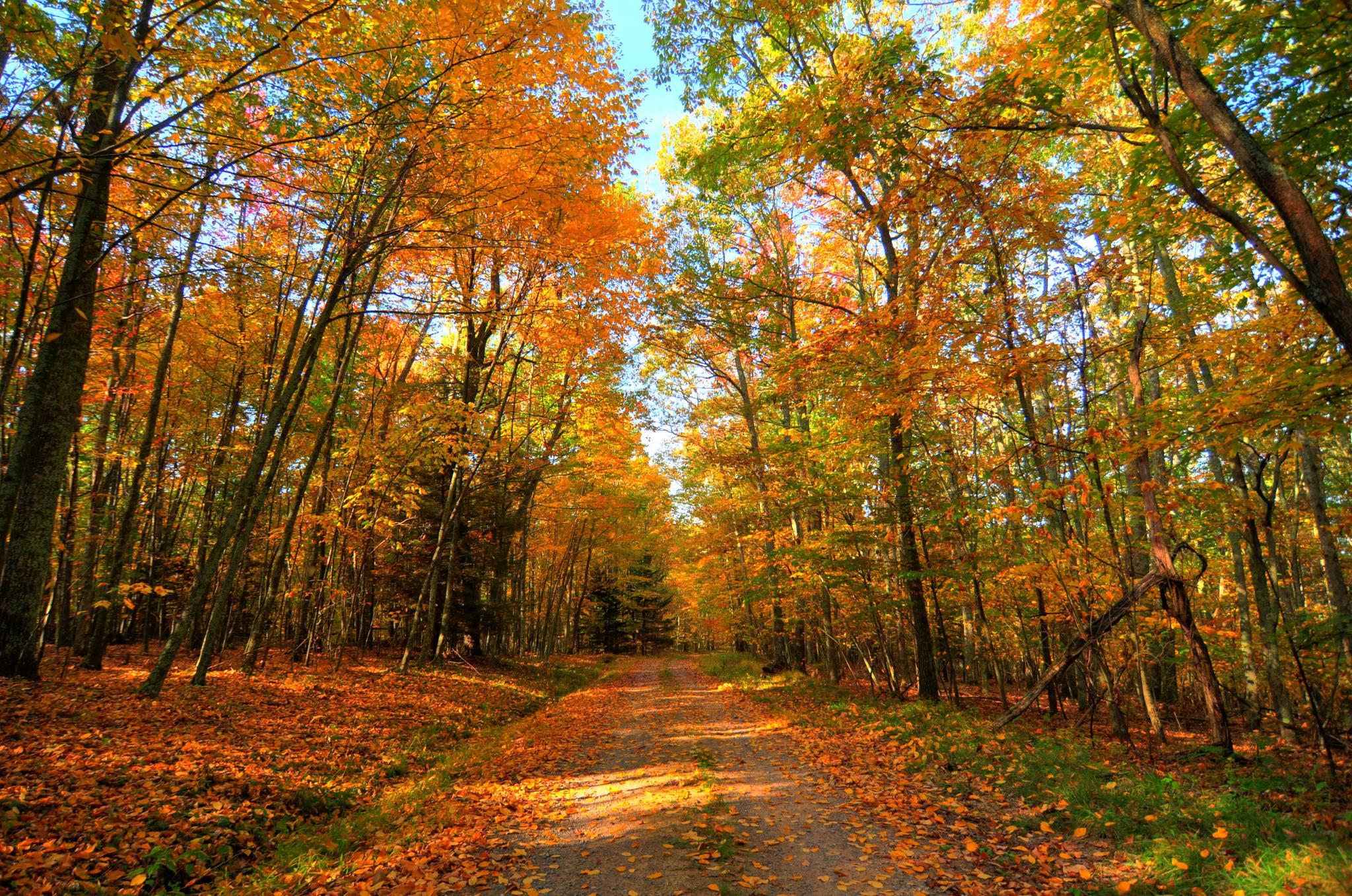
Greenbrier River & Allegheny Highlands loop — Cycling through the heart of West Virginia’s wild beauty
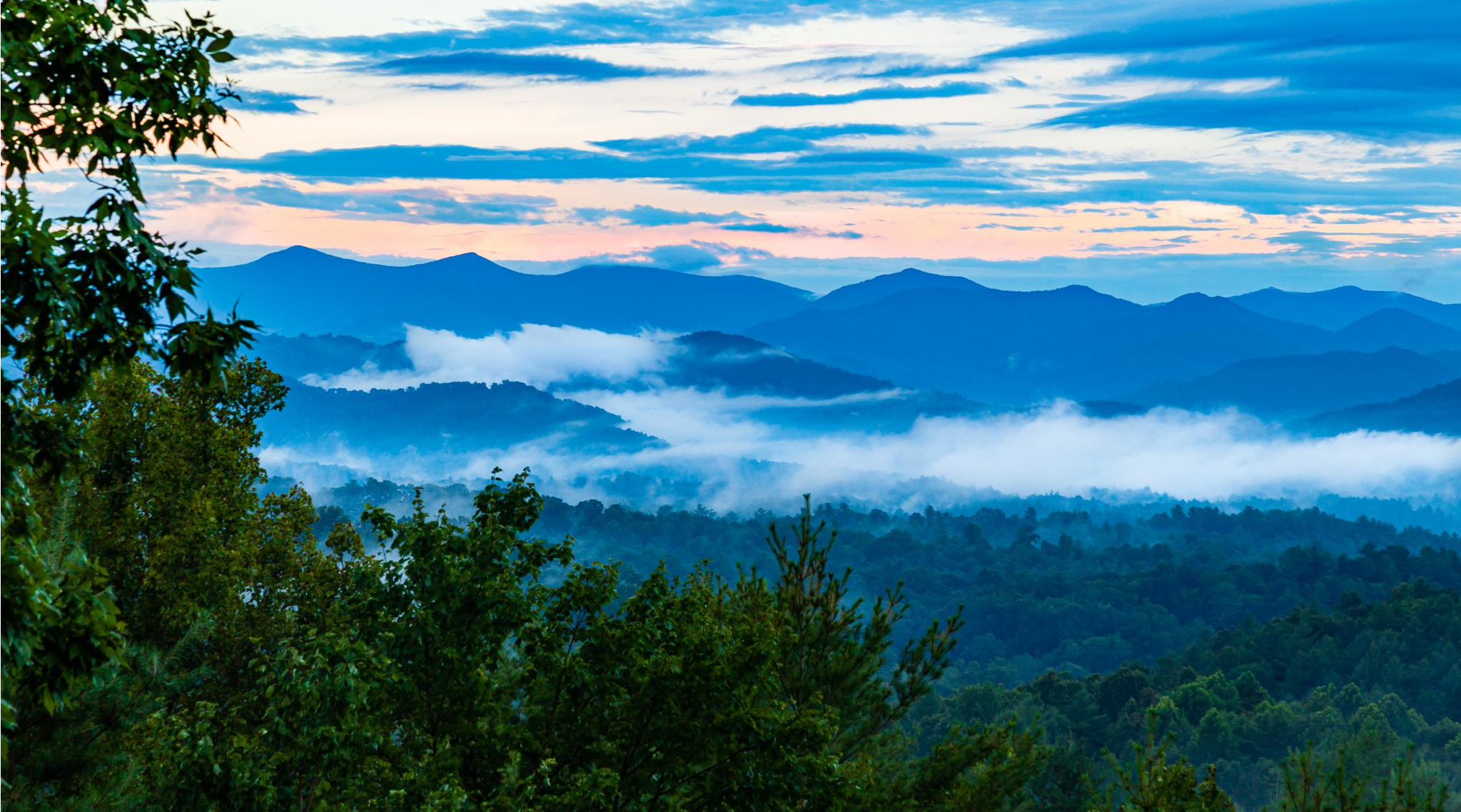
Mountains-to-Sea Trail — An epic adventure from the Smokies to the Atlantic

American Discovery Trail — Walking from sea to shining sea
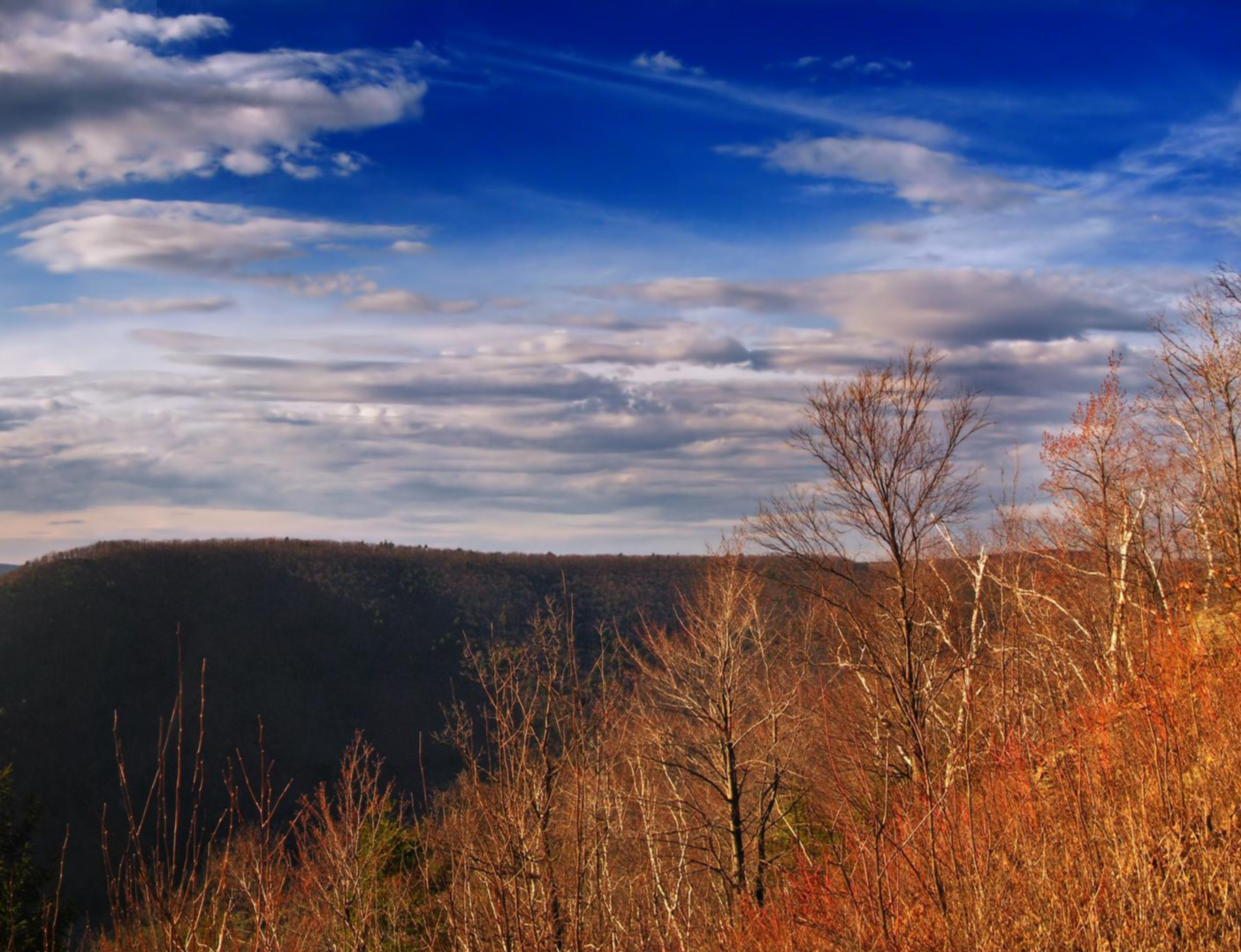
Mid State Trail — Traversing the Pennsylvania divide
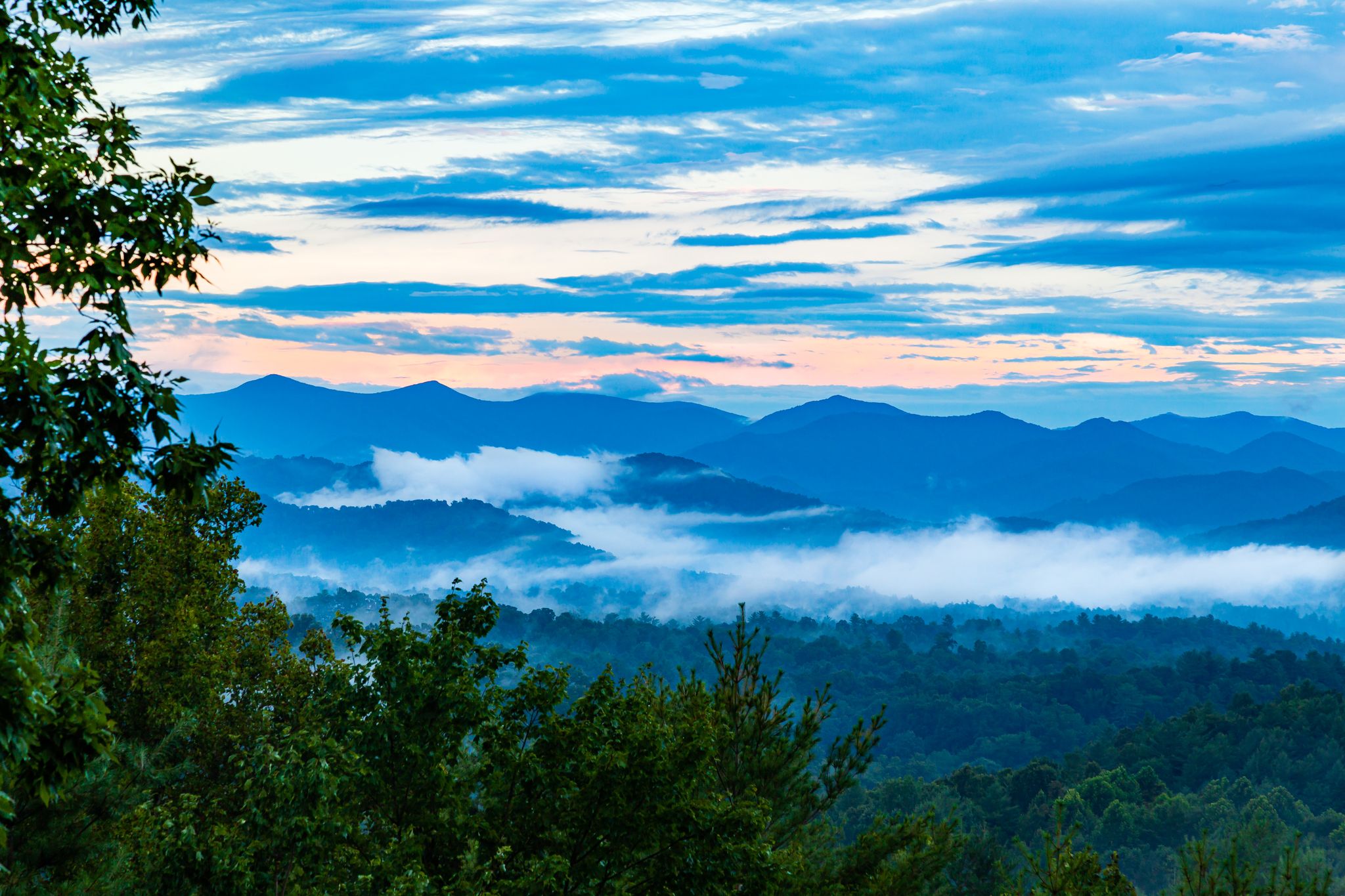
Benton MacKaye Trail — Hiking from Georgia to the Smokies
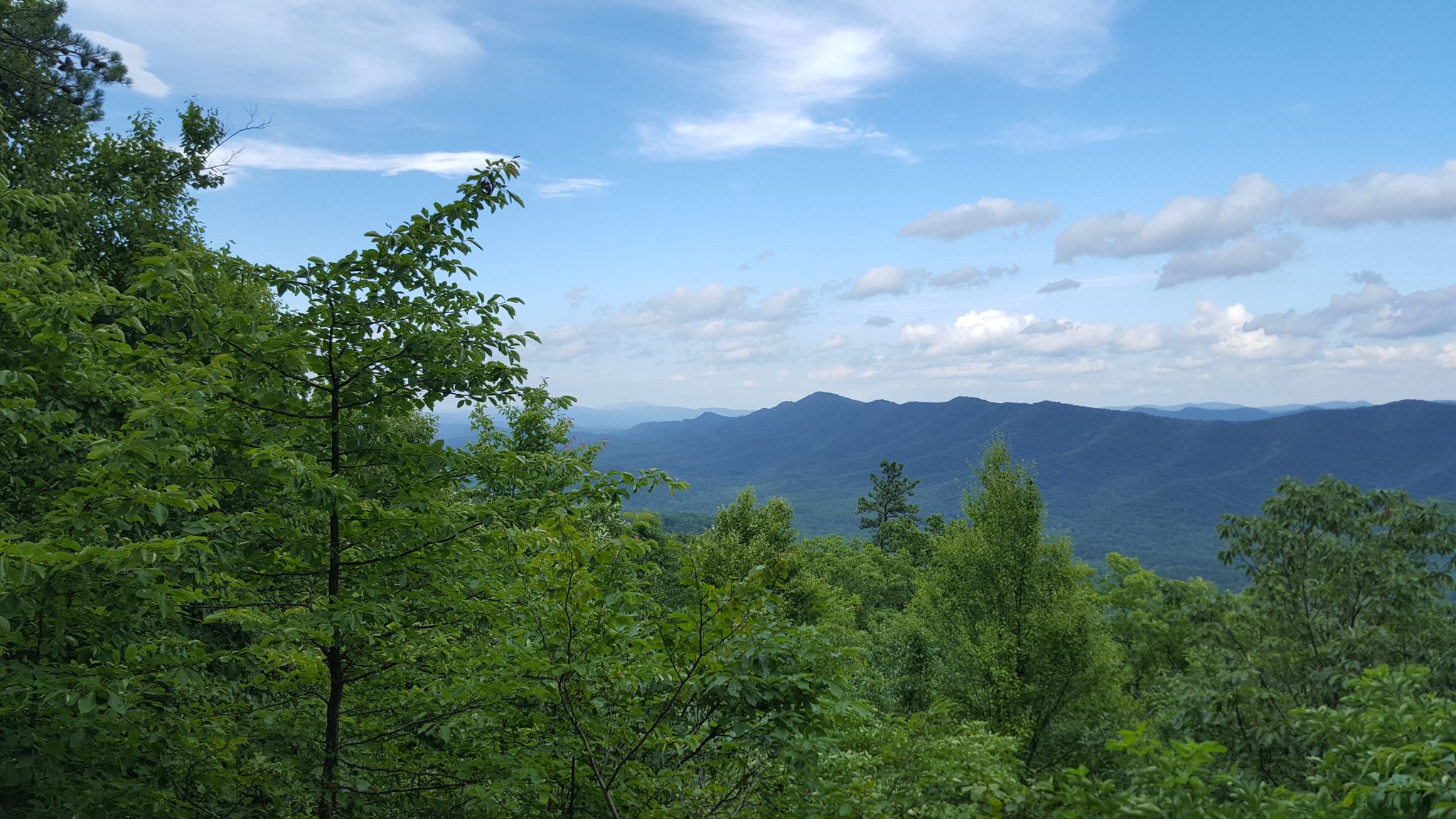
Tuscarora Trail — A remote trek across the backbone of Appalachia
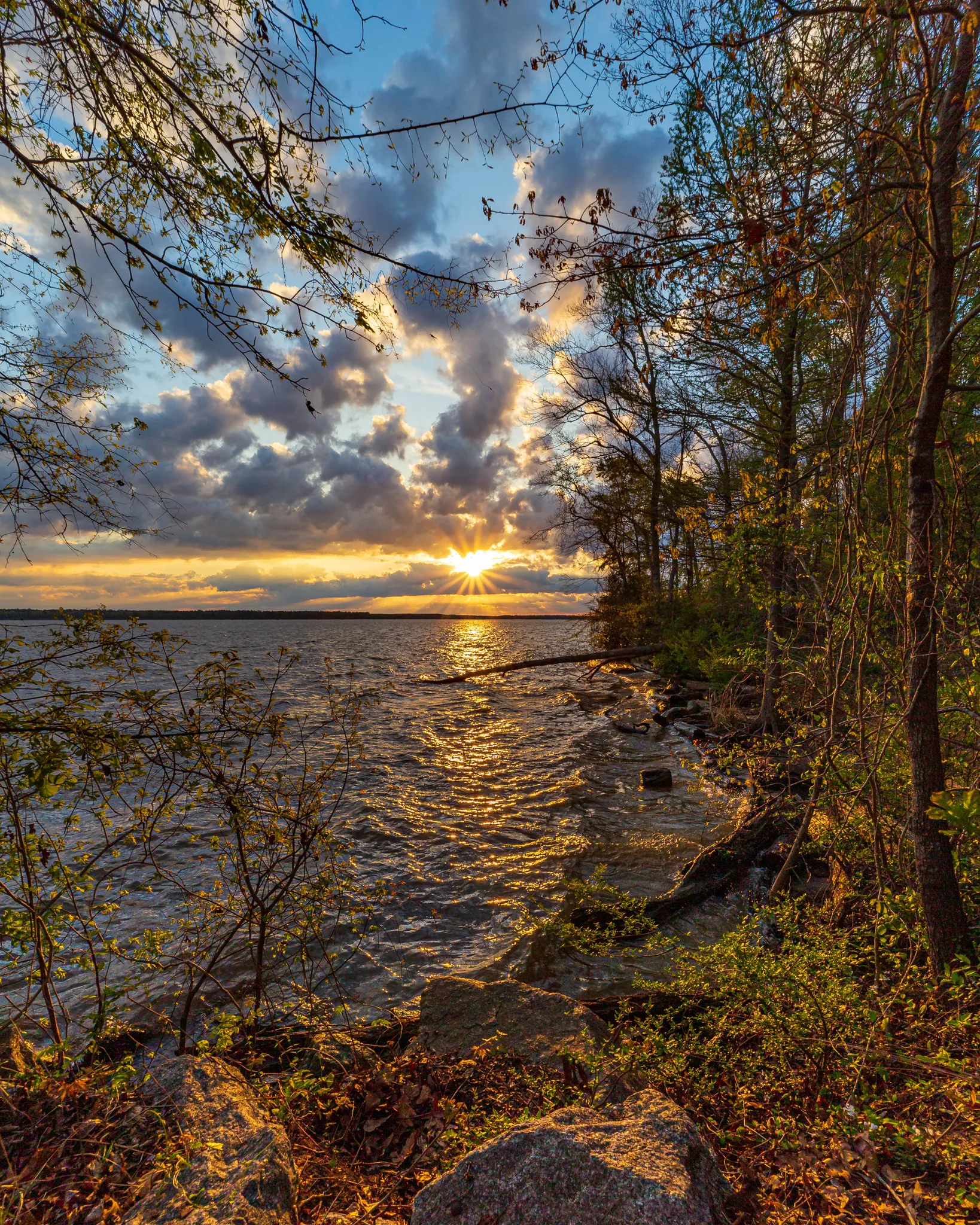
Palmetto Trail — Riding the mountains and marshes of South Carolina
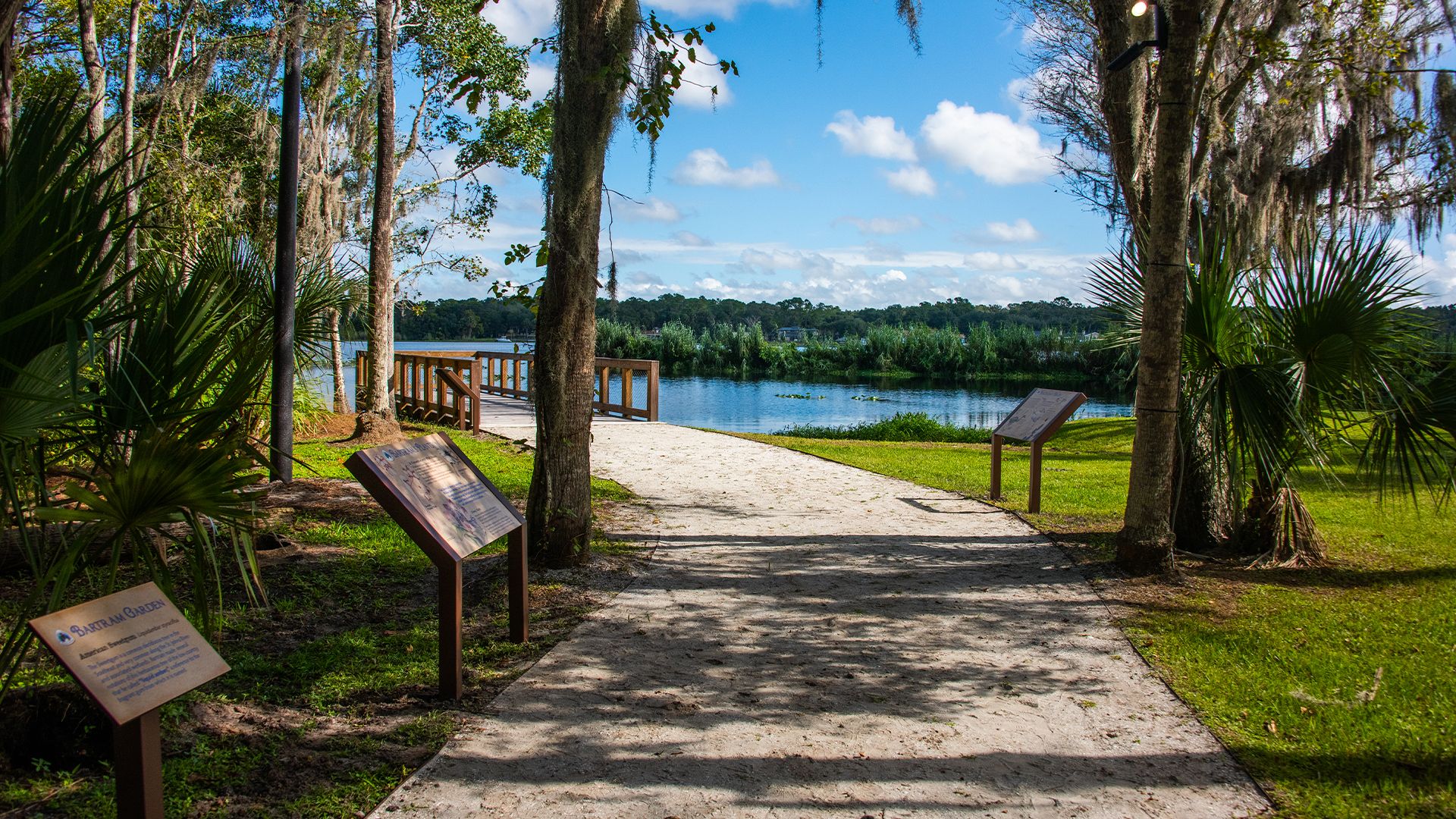
The Bartram Trail — In the footsteps of William Bartram
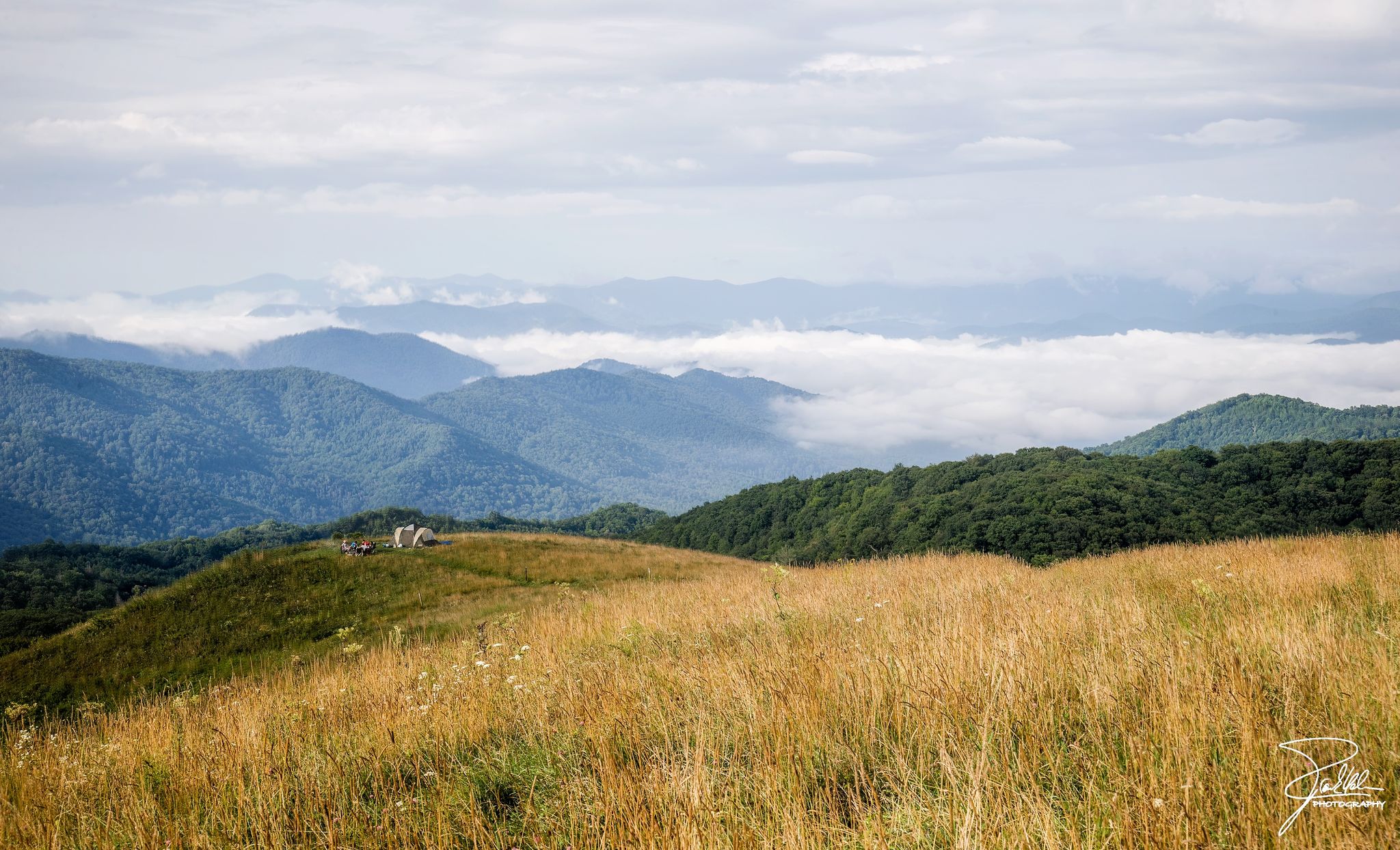
The Appalachian Trail — America's most iconic long-distance hike
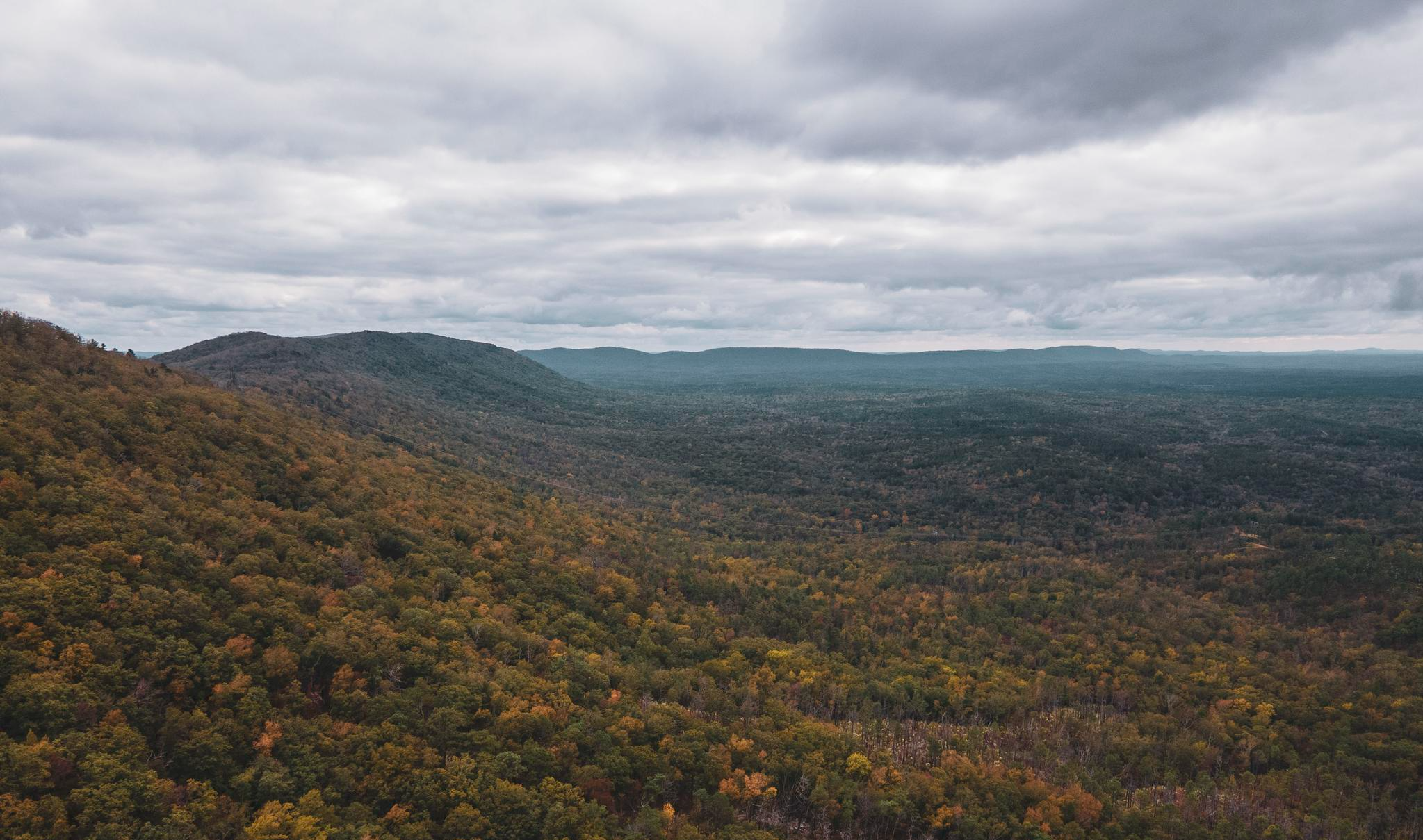
Pinhoti Trail — Alabama & Georgia's southernmost Appalachias
Other adventures in the Appalachian Mountains


Tips from the Community

It's worth taking a blanket and a picnic with you and enjoying the atmosphere for a while.
0
0

Here you'll find a beautiful landscape, varied and challenging for cycling.
0
0

Sunset Rock is a popular overlook on Lookout Mountain, offering breathtaking views of the Chattanooga Valley, especially at sunset. A short but steep hike via Kiddie Trail leads to the overlook. This trail is less popular than others due to its challenging nature, but the views along the way and at the top make it well worth the effort.
0
0

The Natural Bridge in Virginia's Natural Bridge State Park is a stunning geological formation located along the Cedar Creek Trail. Standing 215 feet high and 90 feet wide, this natural limestone arch was carved by Cedar Creek over millions of years. The bridge has a rich history; once considered sacred by the Monacan people and later surveyed by a young George Washington, it is a National Historic Landmark, drawing visitors to marvel at it and explore the surrounding trails. The Cedar Creek Trail beneath the bridge offers a scenic 1.6-mile walk, passing by the bridge, a waterfall, and the Monacan Indian Living History Exhibit, making it a popular destination for locals and visitors alike.
2
1

Starting point for the tour into the gorge, good parking
0
0
A wonderful hike to the great gorge! It's definitely worth it.👍
0
0
The Flume Gorge Visitor Center serves as a hub of information and amenities for visitors exploring Franconia Notch State Park. Situated near the gorge, the center offers educational exhibits on the area's natural history, wildlife, and geology. Visitors can learn about the formation of the gorge and the diverse ecosystem it supports. Additionally, the center houses a gift shop where visitors can purchase souvenirs, snacks, and other essentials for their time exploring the park. Flume Gorge Trailhead is also accessed from here. It is highly recommended to make a reservation to hike this trail, especially in the summer and fall. Please visit this website to do so: https://newhampshirestateparks.reserveamerica.com/tourDetails.do?contractCode=NH&parkId=274351&tourId=64319&cat=1
0
0

Sunset Rock is a naturally formed sandstone bluff towering over the Tennessee River Gorge near Chattanooga, Tennessee. It offers breathtaking views of the Tennessee River Valley and surrounding mountains, making it a popular destination for adventures.
0
0
Frequently Asked Questions
What are some of the most prominent canyons to visit in the Appalachian Mountains?
The Appalachian Mountains feature several dramatic canyons. Among the most notable are Linville Gorge in North Carolina, often called the "Grand Canyon of the East," and Tallulah Gorge in Georgia, known for its nearly 1,000-foot depth and six waterfalls. Blackwater Canyon in West Virginia also offers rugged beauty with its steep cliffs and rushing waters. For a unique geological formation, consider visiting Natural Bridge of Virginia, a massive limestone arch carved by Cedar Creek.
Are there family-friendly canyon experiences in the Appalachian Mountains?
Yes, several canyons offer family-friendly options. Flume Gorge in New Hampshire is highly accessible with a well-maintained boardwalk trail suitable for all ages. Natural Bridge of Virginia also offers an easy 1.6-mile walk along the Cedar Creek Trail beneath the arch. Many rim trails at places like Tallulah Gorge State Park are also less strenuous and provide great views without descending into the gorge.
What kind of hiking trails can I expect in the Appalachian canyons?
Hiking trails in the Appalachian canyons vary widely in difficulty. You can find easy rim trails offering scenic overlooks, such as those at Tallulah Gorge, or more challenging routes like the 39 miles of primitive trails in Linville Gorge Wilderness, which require good navigation skills. Specific trails like Little Devils Stairs Trail and Ammonoosuc Ravine Trail offer intermediate to challenging experiences, often featuring steep ascents and potentially slippery sections. Always check trail conditions and difficulty before heading out.
When is the best time to visit the canyons in the Appalachian Mountains?
The best time to visit Appalachian canyons is generally during spring and fall. Spring brings blooming rhododendrons and lush greenery, while autumn offers vibrant fall foliage, making for spectacular scenery. Summer is also popular, but can be crowded, especially at places like Flume Gorge, where reservations are recommended. Winter hiking is possible in some areas but requires appropriate gear and caution due to potentially icy conditions.
What unique natural features can I observe in these canyons?
The canyons of the Appalachian Mountains boast diverse natural features. You can see towering granite cliffs and cascading waterfalls, such as the 45-foot Avalanche Falls in Flume Gorge. Dramatic rock formations like Hawksbill Mountain and Table Rock are found in Linville Gorge. Tallulah Gorge features a unique ecosystem with protected species like persistent trillium. Blackwater Canyon is known for its "black" water, stained by tannic acid from fallen hemlock and spruce needles, and the iconic 57-foot Blackwater Falls.
Are there any historical or cultural sites associated with the Appalachian canyons?
Yes, some canyons have rich historical significance. Natural Bridge of Virginia is a National Historic Landmark, once considered sacred by the Monacan people and surveyed by George Washington. Tallulah Gorge has a history as the site where tightrope walker Karl Wallenda famously crossed. Blackwater Canyon also features historic beehive coke ovens, remnants of the region's industrial past.
What outdoor activities, besides hiking, can I do near the Appalachian canyons?
Beyond hiking, the Appalachian canyons offer a range of outdoor activities. Many areas are popular for rock climbing, especially in Linville Gorge and Tallulah Gorge. Whitewater rafting and kayaking are available on rivers like the Tallulah and Blackwater, often with scheduled release days. Mountain biking is also popular, with trails like the 12.2-mile Blackwater Canyon Railroad Grade Trail. For more ideas, explore MTB Trails in the Appalachian Mountains or Road Cycling Routes in the Appalachian Mountains.
Are permits required for exploring certain canyons or trails?
Yes, permits can be required for certain areas, especially for more strenuous or sensitive sections. For instance, accessing the gorge floor at Tallulah Gorge State Park requires a free permit, issued daily in limited numbers. For popular attractions like Flume Gorge, it is highly recommended to make a reservation in advance, particularly during peak seasons, to ensure entry and manage crowds. Always check the specific park or wilderness area regulations before your visit.
Where can I find panoramic views of the canyons?
Many canyons offer spectacular viewpoints. In Linville Gorge, overlooks like Erwins View, Hawksbill Mountain, and Table Rock provide breathtaking panoramic vistas. Tallulah Gorge has several rim trails with excellent views into the canyon. Sunset Rock Overlook is another great spot for scenic views. Additionally, the Quechee Gorge Bridge offers a unique perspective over the gorge below.
What do visitors enjoy most about the Appalachian canyons?
Visitors frequently praise the stunning natural beauty and the sense of wilderness these canyons offer. The dramatic geological formations, such as the towering granite walls of Flume Gorge and the deep chasms of Linville Gorge, are often highlighted. The diverse ecosystems, opportunities for challenging hikes, and the peaceful escape into nature are also highly valued. Many appreciate the chance to witness powerful waterfalls and unique rock formations like Passage through huge rocks.
Are there options for longer, more challenging hikes near these canyons?
Yes, for those seeking more challenging and longer hikes, the Appalachian Mountains offer numerous options. Linville Gorge Wilderness, for example, has 39 miles of rugged trails. You can also find challenging routes like the Ammonoosuc Ravine Trail. For extensive mountaineering adventures, consider exploring the Mountain Hikes in the Appalachian Mountains guide, which features routes like the Mount Washington Summit loop.
Can I bring my dog to the canyon trails?
Dog policies vary by park and specific trail. While many state parks and national forests in the Appalachian region are dog-friendly, often requiring leashes, some specific trails or gorge access points might have restrictions. For example, some gorge floor trails or sensitive ecological areas may not permit dogs. Always check the official website or visitor center for the specific canyon you plan to visit for their up-to-date pet policies.
Most popular routes in the Appalachian Mountains
Most popular attractions in the Appalachian Mountains

Get inspired with the komoot mobile app


Explore more
Already discovered everything in this region? See additional gorges in the Appalachian Mountains for your next adventure:
