Top 18 Castles in Beja
Best castles in Beja are found in a region known for its rich history and diverse landscapes in Portugal. The district features a blend of architectural styles, from Roman and Moorish origins to medieval and Gothic constructions. These historic sites are often situated on hilltops, offering views over the Alentejo countryside and rivers. The area provides opportunities to explore centuries of heritage through its well-preserved fortresses and archaeological sites.
Best castles in Beja
- The most popular castles is Castle of…
Last updated: August 19, 2026
Castle of Beja
Highlight • Castle
Tip by

Serpa Castle
Highlight • Castle
Translated by Google •
Tip by
Sign up now to discover places like this
Get recommendations on the best single tracks, peaks, & plenty of other exciting outdoor places.
Sign up for free
Mértola Castle
Highlight • Castle
Translated by Google •
Tip by

Castle of Moura
Highlight • Castle
Translated by Google •
Tip by
Évora Gates
Highlight • Historical Site
Translated by Google •
Tip by
Jorge Vieira Museum
Highlight • Monument
Jorge Vieira Museum/Casa das Artes
Castelo - Casa do Governador
Largo Dr. Lima Faleiro - 7800-266 Beja
284 311 920
museujorgevieira@cm-beja.pt
OPENING TIMES
09:30-12:30 | 14:00-18:00
Open all year round, except on public holidays 01/01, 25/04, 01/05, 25/12
Translated by Google •
Tip by
Mértola Castle and Riverside Village
Highlight • Castle
Tip by

Alvito Castle and Pousada
Highlight • Castle
Tip by
Alvito Bandstand
Highlight • Monument
The lower part currently houses public and accessible toilets.👍🇵🇹
Translated by Google •
Tip by

Church of Nossa Senhora da Cola
Highlight • Religious Site
Tip by

Sign up for free to discover even more castles in Beja.
Sign up for free
Already have an account?
Start today with a free account
Your next adventure awaits.
Login or Signup
Popular around Beja

Triathlon 360 – my journey around the world
European Divide Trail — 7,600 km across the continent
EuroVelo 1 Portugal – Cycle the Atlantic Coast
Caminho Histórico – Discover Portugal's beauty and history
Trilho dos Pescadores – Portugal's Fishermen's Trail
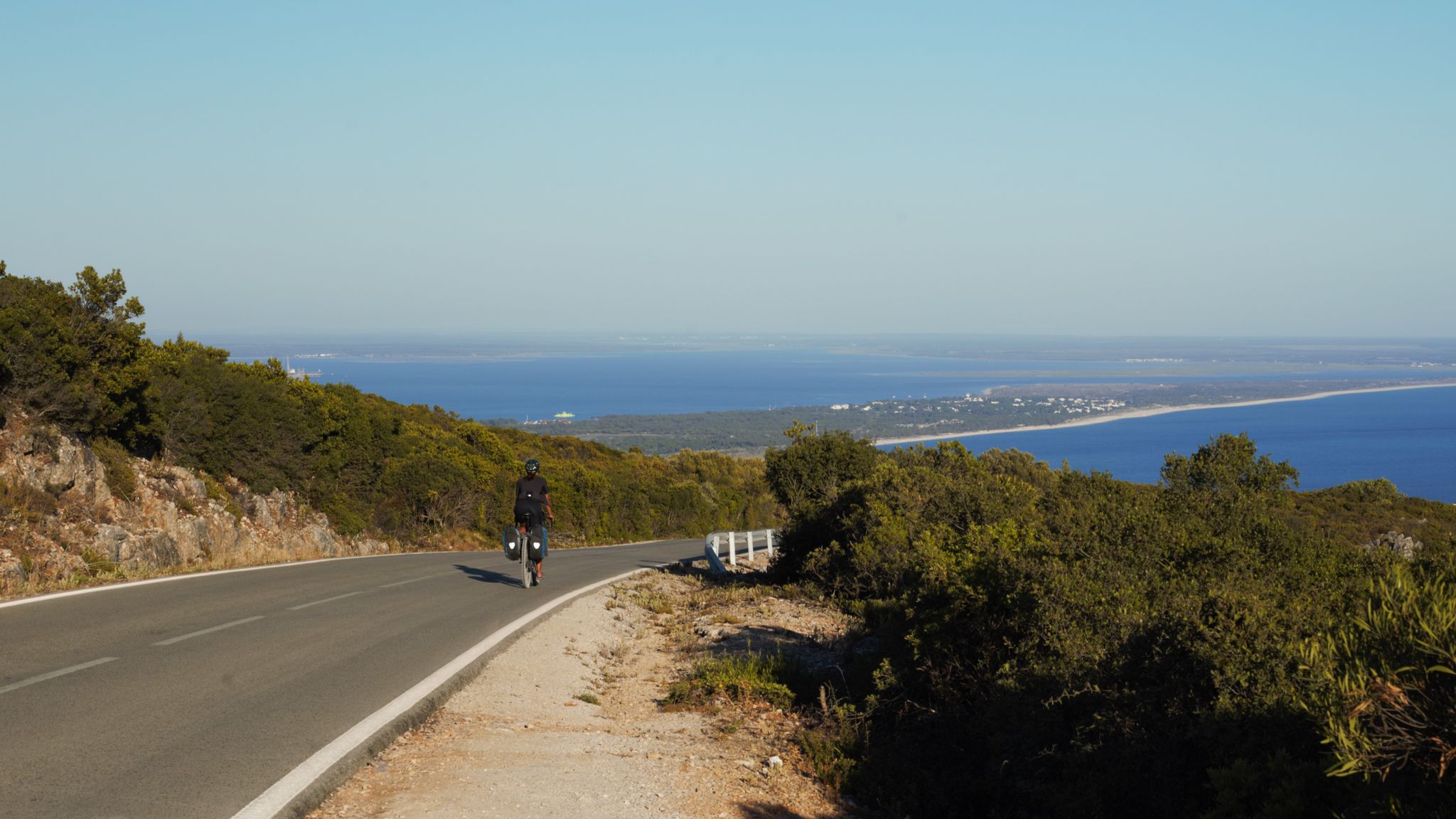
The breaking waves – cycle along the Atlantic coast of Portugal
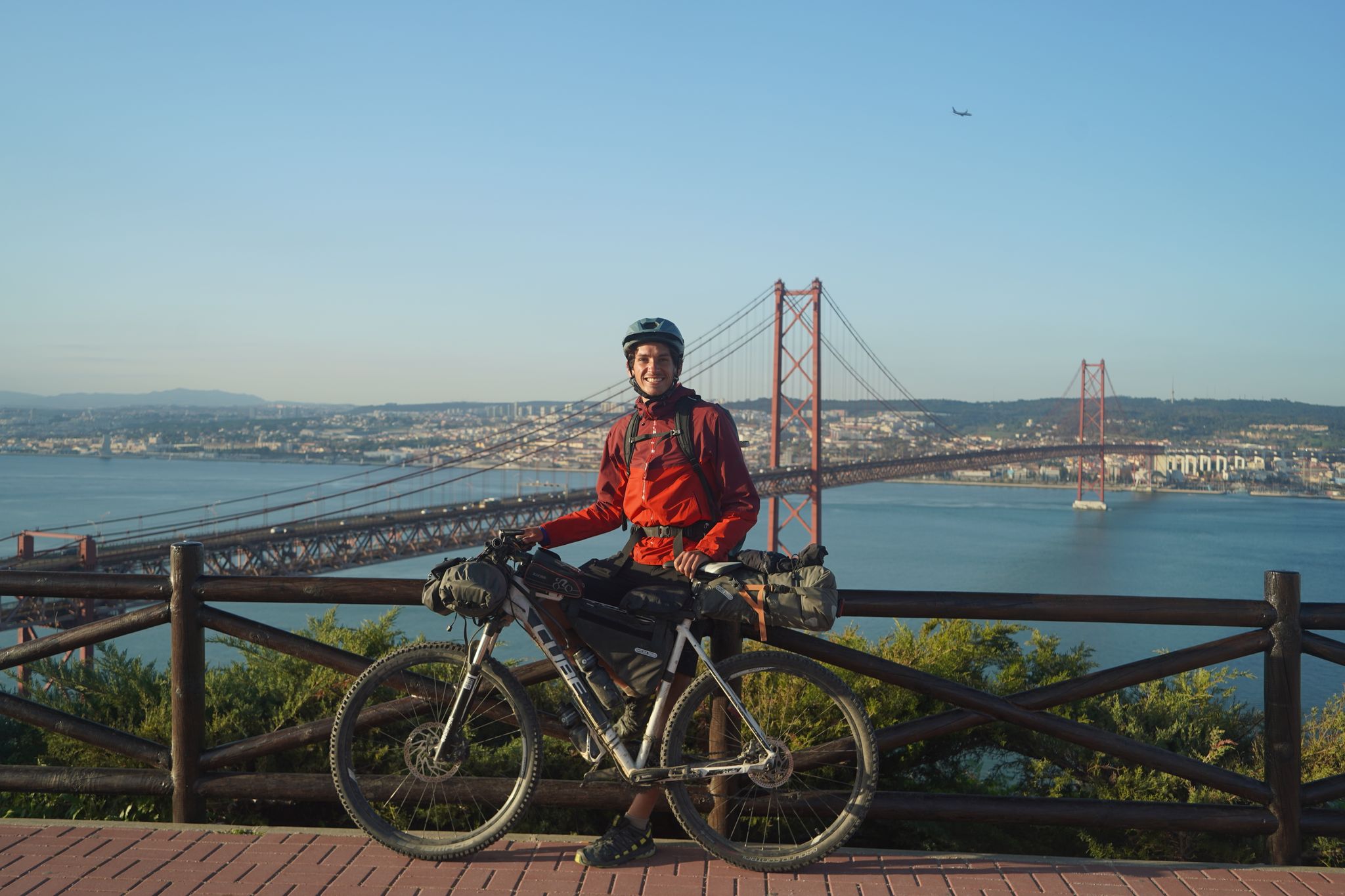
Road to Lisbon – bikepacking the Alps, Pyrenees and Picos de Europa
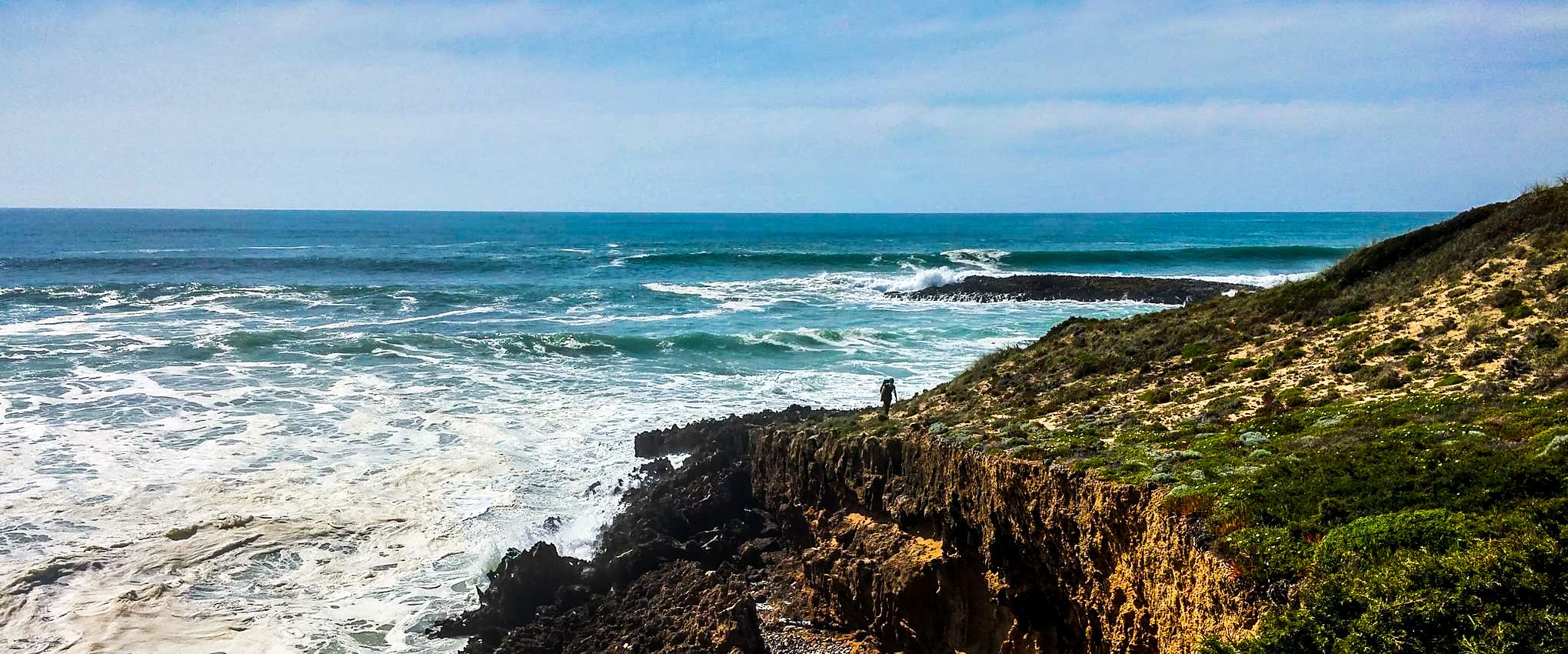
Fishermen's Trail – Discover Portugal's Atlantic Coast
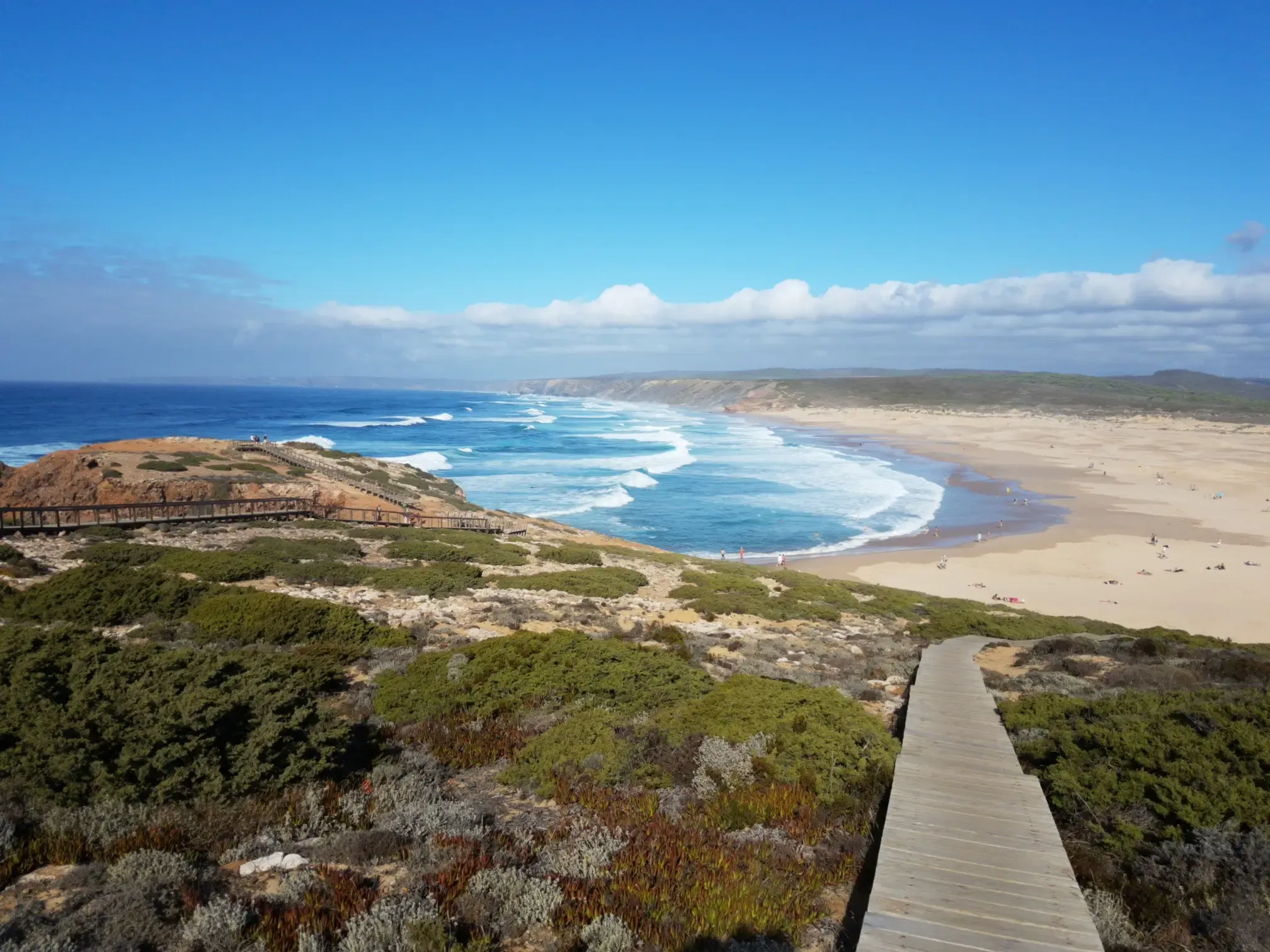
Lisbon to Santo António – The Atlantic Coast of Portugal (south)
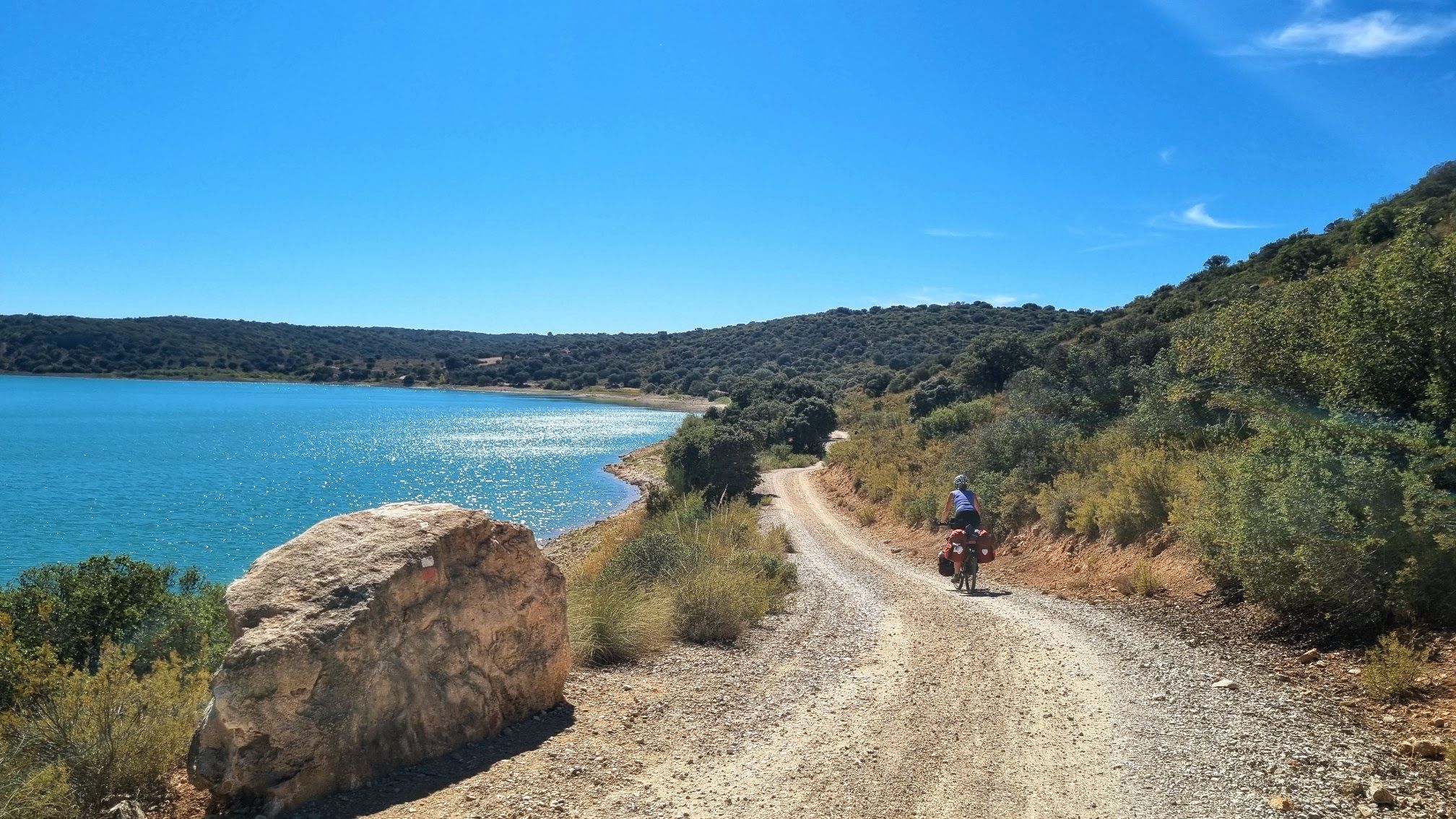
Pedalea junto al gran río — Camino Natural del Guadiana
Other adventures in Beja


Tips from the Community

Mértola is a historic Portuguese border village located in the district of Beja, in the Baixo Alentejo sub-region. Popularly known as a "Museum Village", the settlement rises strategically on a rocky outcrop at the confluence of the Oeiras stream with the Guadiana River. As this is the last navigable post of the river, the village has played a crucial commercial and military role for various civilizations over the centuries.👍🥾🚲
0
0

The Castle of Alvito (Castelo de Alvito) is a historic fortified residence located in the Alentejo region of Portugal, which since 1993 has hosted the Pousada Castelo Alvito, a luxury hotel belonging to the prestigious Pousadas de Portugal network.
2
0

Alvito Castle is a military monument and an inn, located in the village of Alvito, in the Alentejo region, in Portugal. It is considered an example of a fortified palace, which combined the functions of a fortress and a wealthy house. It also stands out for its combination of styles, with several Gothic and Manueline elements, and Islamic inspiration. (Source: Wikipedia) Alvito Castle is currently an inn.
13
0

The Castle of Beja, a central point of Beja
3
0
The iconic gatehouse of Beja Fortress
0
0
The castle walls of the fortress of Beja. The central point of the city
0
0

The Castle of Cola is an Iron Age hillfort that was later reinforced as an Islamic fortress in Portugal’s Alentejo region, now classified as a National Monument. It forms the centre of the Castro da Cola archaeological park, which features Megalithic, Chalcolithic, Bronze, and Iron Age remains. The polygonal fortification, with thick walls, a towered entrance, and a rock-hewn cistern, was strategically positioned to guard a key route into the Algarve.
1
0

Moura Castle is a very old fortress, composed of round and square towers, and is the first fortress known to Moura. The Convent of Our Lady of the Assumption was built here, which incorporated the Church of Santiago, the former Moorish mosque, and became the mother church.
3
0
Frequently Asked Questions
Which castles in Beja offer the most impressive historical features?
The Beja district is rich in history. The Castle of Beja is notable for its 42-meter-tall keep, the Torre de Menagem, offering panoramic views. Mértola Castle, with origins dating back to 318 B.C., is part of a 'village museum' concept, showcasing Roman, Visigothic, and Islamic artifacts. Serpa Castle, though partially ruined, features a 15th-century Torre do Relógio (Clock Tower) and offers insights into its turbulent past.
Are there family-friendly castles to visit in the Beja district?
Yes, several castles in the Beja district are suitable for families. The Castle of Moura is listed as family-friendly and features landscaped gardens, a military museum, and an archaeological museum within its grounds. Exploring the battlements and grounds of castles like Castle of Beja and Mértola Castle can also be an engaging experience for children.
What kind of historical periods do the castles in Beja represent?
The castles in Beja represent a broad spectrum of historical periods. Many have Roman and Moorish antecedents, such as the Castle of Beja and Mértola Castle. They were often rebuilt and fortified during the medieval Christian reconquest, displaying Gothic and Manueline architectural styles. The region's history includes Phoenician, Roman, Visigothic, Islamic, and Christian influences, all visible in the layered architecture and archaeological findings of these sites.
Can I find hiking trails near the castles in Beja?
Yes, the Beja region offers various hiking opportunities. While not directly adjacent to every castle, you can find numerous routes in the wider area. For example, you can explore options listed in the Hiking in Beja guide, which includes trails of varying difficulty. Some castles, like Mértola Castle, are situated in areas with scenic walks overlooking the Guadiana River.
What is the best time of year to visit the castles in Beja?
The best time to visit the castles in Beja is generally during the spring (March to May) or autumn (September to November). During these seasons, the weather is milder and more pleasant for exploring outdoor sites. Summers can be very hot in the Alentejo region, while winters can be cooler and wetter, though still suitable for visits on clear days.
Are there any castles in Beja that offer panoramic views?
Absolutely. Many castles in Beja are strategically located on hilltops, providing stunning panoramic views. The Castle of Beja's Torre de Menagem offers unparalleled vistas over the city and the Alentejo countryside. From Mértola Castle, you can enjoy splendid views of the Guadiana River valley. Serpa Castle also provides spectacular views from its battlements over the town and surrounding landscape.
Are there any museums or cultural sites within or near the castles?
Yes, several castles in the Beja district integrate cultural sites. Within the Castle of Beja grounds, you'll find the Museu Jorge Vieira - Casa das Artes. Mértola is known as a 'village museum,' with Mértola Castle forming part of a larger archaeological park showcasing Roman, Visigothic, and Islamic artifacts. The Serpa Municipal Museum of Archaeology is also located near Serpa Castle.
Are there any accessible castles in the Beja region for visitors with mobility challenges?
While many historic castles present challenges due to their age and terrain, some efforts have been made for accessibility. The Jorge Vieira Museum, located within the Castle of Beja grounds, is listed as wheelchair accessible. It's advisable to check specific accessibility details for each site before visiting, as access to towers or upper battlements can often be limited.
What are some lesser-known or 'hidden gem' castles in the Beja district?
Beyond the main attractions, the Beja district offers other historical sites. The Castle of Moura, dating back to the 13th century, offers a rich history of invasions and reconstructions. The Castle of Cola, near the Church of Nossa Senhora da Cola, is an Iron Age hillfort reinforced as an Islamic fortress, part of an archaeological park with remains from various prehistoric periods.
Are there guided tours available for the castles in Beja?
While specific guided tours for individual castles may vary, many of the larger castles, such as Castle of Beja and Mértola Castle, often have information available on-site or through local tourist offices. For detailed information on guided tours, it's recommended to check with the respective municipal tourism boards or the castles' official websites prior to your visit.
What kind of natural features can I see near the castles in Beja?
The castles in Beja are often set amidst the beautiful Alentejo landscape. From the Castle of Beja, you can see vast olive and almond groves. Mértola Castle overlooks the confluence of the Guadiana and Oeiras rivers, offering stunning river valley views. The region is characterized by rolling plains, cork oak forests, and river systems, providing a scenic backdrop to these historical sites.
Can I combine a castle visit with other outdoor activities like cycling?
Yes, the Beja region is excellent for combining historical exploration with outdoor activities. While specific cycling routes directly to every castle might not be available, you can find various cycling guides for the broader Beja area. Check out komoot's guides for hiking in Beja, which often pass through scenic landscapes that can be explored by bike as well, offering a chance to see the countryside surrounding these historic sites.
Most popular routes in Beja
Most popular attractions in Beja

Get inspired with the komoot mobile app


Didn’t find what you were looking for?
Explore Beja’s best castles region by region:
Explore more
Looking for the best castles somewhere else? Discover other guides in Beja:
