Top 20 Caves in Portugal
Caves in Portugal offer a diverse range of geological formations and natural wonders. The country features extensive underground systems, dramatic sea caves, and unique volcanic structures. These natural sites attract visitors with their distinct beauty and geological significance. Portugal's varied landscape provides numerous opportunities to explore subterranean environments.
Best caves in Portugal
- The most popular caves is Levada Nova Tunnel and Waterfall, a cave that features an exciting section through a tunnel leading to a waterfall. Visitors are advised to bring a headlamp for the tunnel, which is not particularly long but leads directly to the waterfall.
- Another must-see spot is Window of Hell Waterfall, a waterfall with cave features. Visitors can expect a very nice and exciting hike through several tunnels, some requiring crouching, to reach the "hell window" waterfall.
- Visitors also love Grota Tunnel, a tunnel that offers a unique transition from cow pastures to a lush rainforest gorge. The tunnel is approximately 72 meters long and around 150 cm high, providing a distinct experience for explorers.
- Portugal is known for its vast underground systems, stunning sea caves, and unique volcanic caves. These natural formations include limestone caves with intricate stalactite and stalagmite formations, as well as ancient volcanic tubes.
- The caves in Portugal are appreciated by the komoot community, with more than 3800 upvotes and over 1400 photos shared by users.
Last updated: October 10, 2026
Levada Nova Tunnel and Waterfall
Highlight (Segment) • Cave
Translated by Google •
Tip by

Levada Nova Waterfall
Highlight • Waterfall
Translated by Google •
Tip by

Sign up now to discover places like this
Get recommendations on the best single tracks, peaks, & plenty of other exciting outdoor places.
Rabaçal Tunnel
Highlight (Segment) • Structure
Translated by Google •
Tip by

Benagil Caves
Highlight • Cave
Translated by Google •
Tip by

Ponta da Piedade — Cliffs and Rock Formations
Highlight • Natural Monument
Here's more info: tripadvisor.de/ShowUserReviews-g189117-d1755231-r383898320-Ponta_da_Piedade-Lagos_Faro_District_Algarve.html
Translated by Google •
Tip by

Carvalho Beach
Highlight • Beach
Translated by Google •
Tip by

Window of Hell Waterfall
Highlight • Waterfall
Translated by Google •
Tip by

Gruta da Furna do Bode
Highlight • Cave
Translated by Google •
Tip by

Grota Tunnel
Highlight • Structure
Translated by Google •
Tip by

Tunnel and Waterfall on PR17 Levada do Paul II
Highlight • Structure
Translated by Google •
Tip by

Sign up for free to discover even more caves in Portugal.
Already have an account?
Start today with a free account
Your next adventure awaits.
Popular around Portugal

Triathlon 360 – my journey around the world
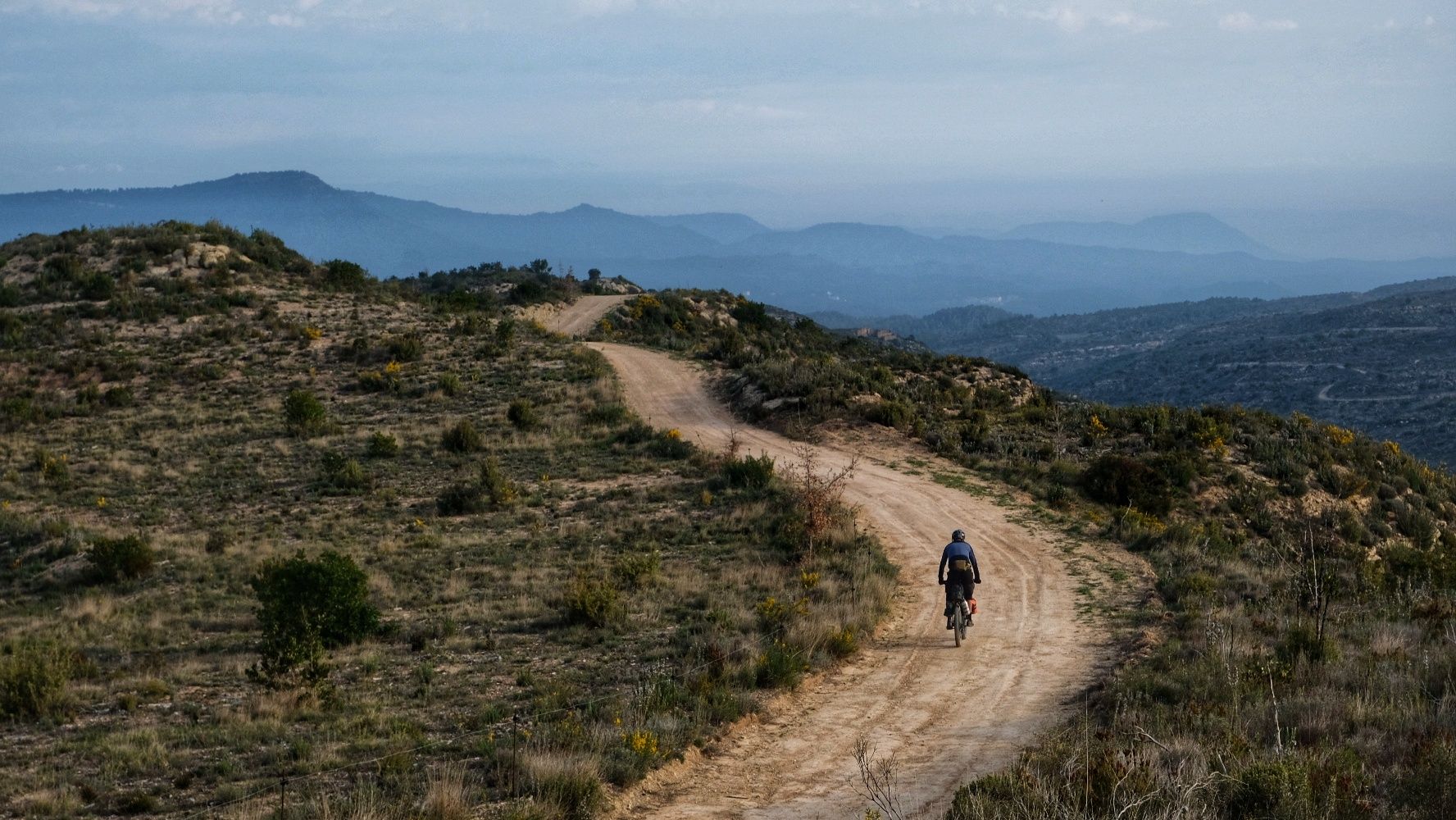
European Divide Trail — 7,600 km across the continent
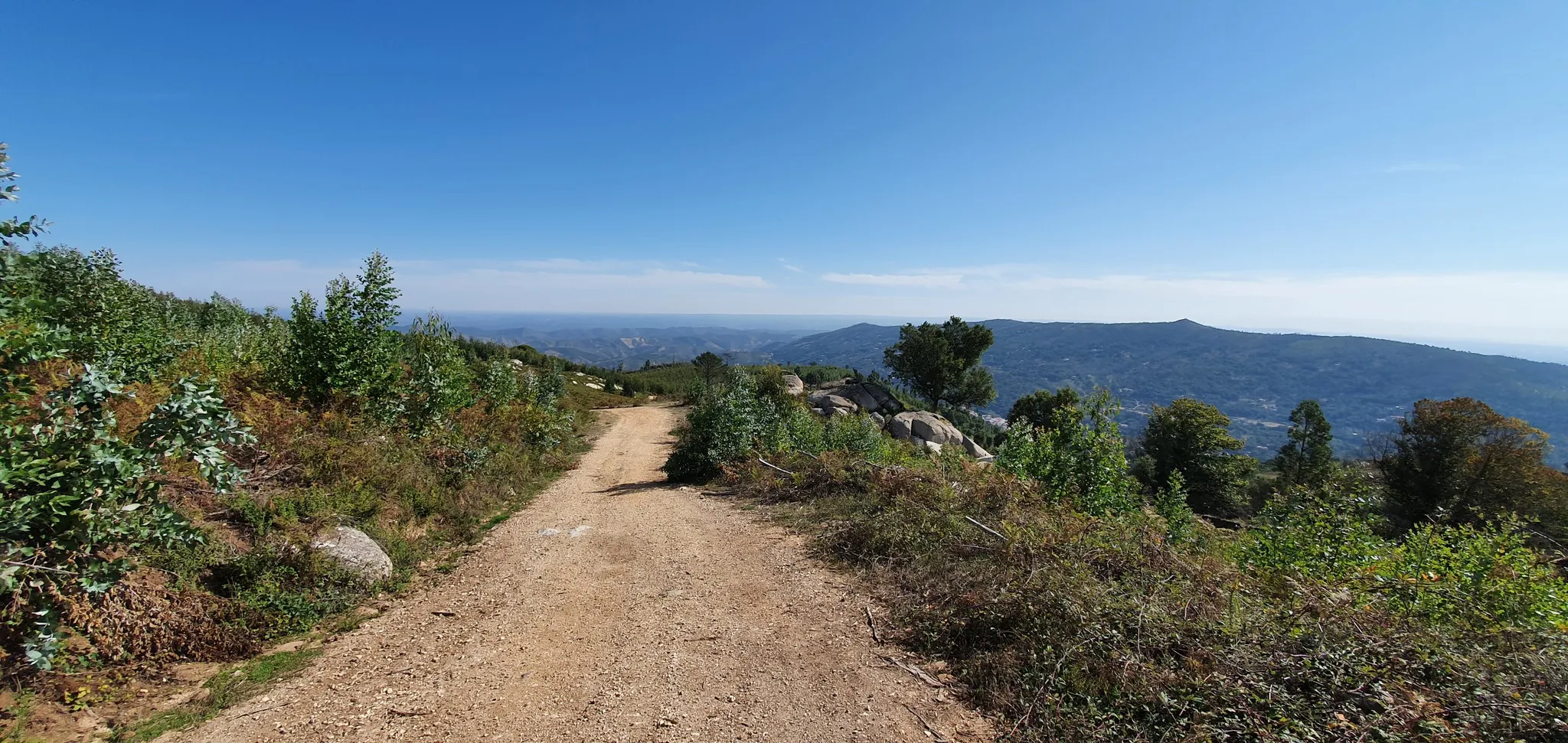
Via Algarviana (GR 13) - hidden corners of the south
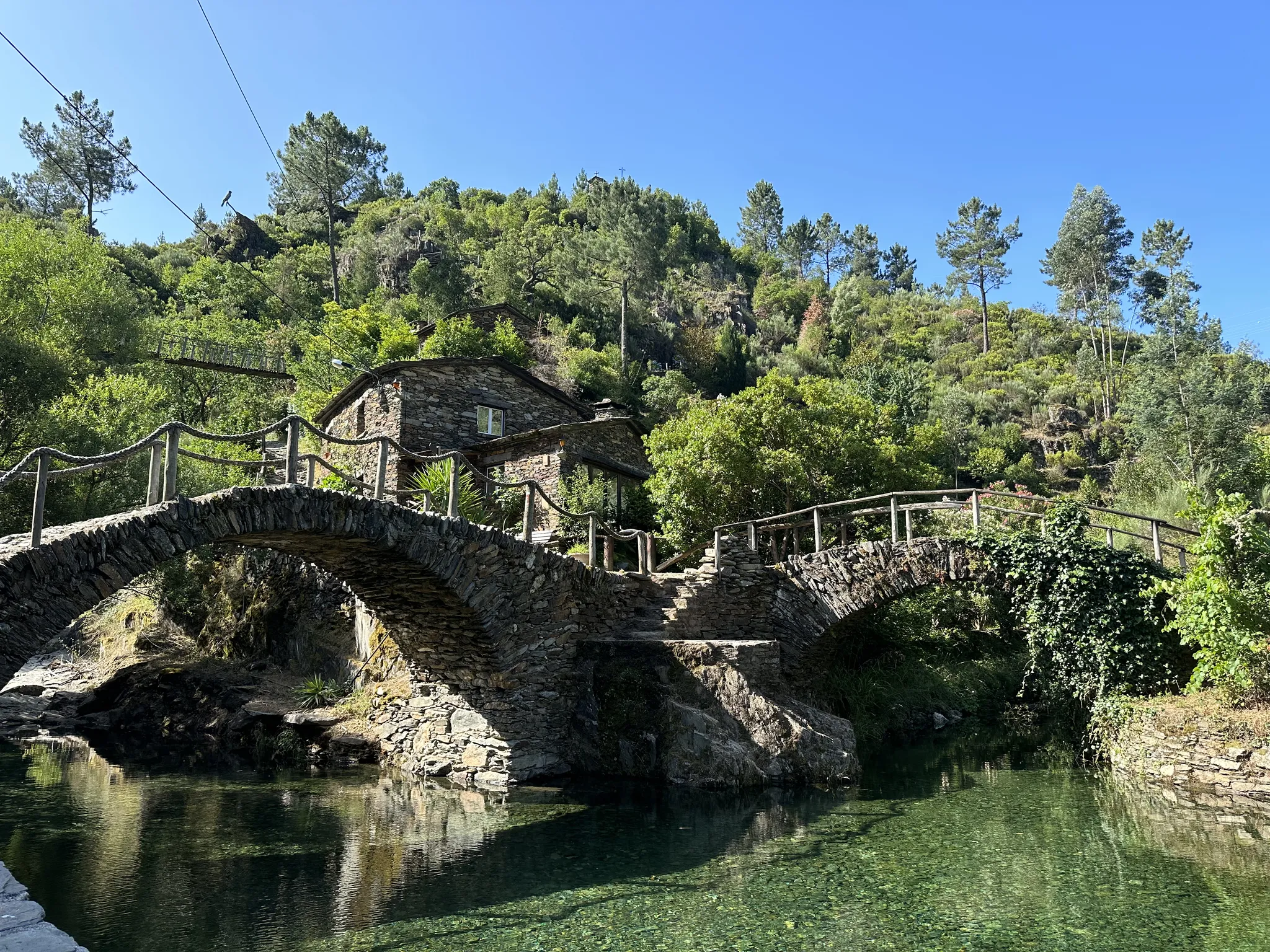
Great Route of Historic Villages (GR 22 south loop) – A nation is born
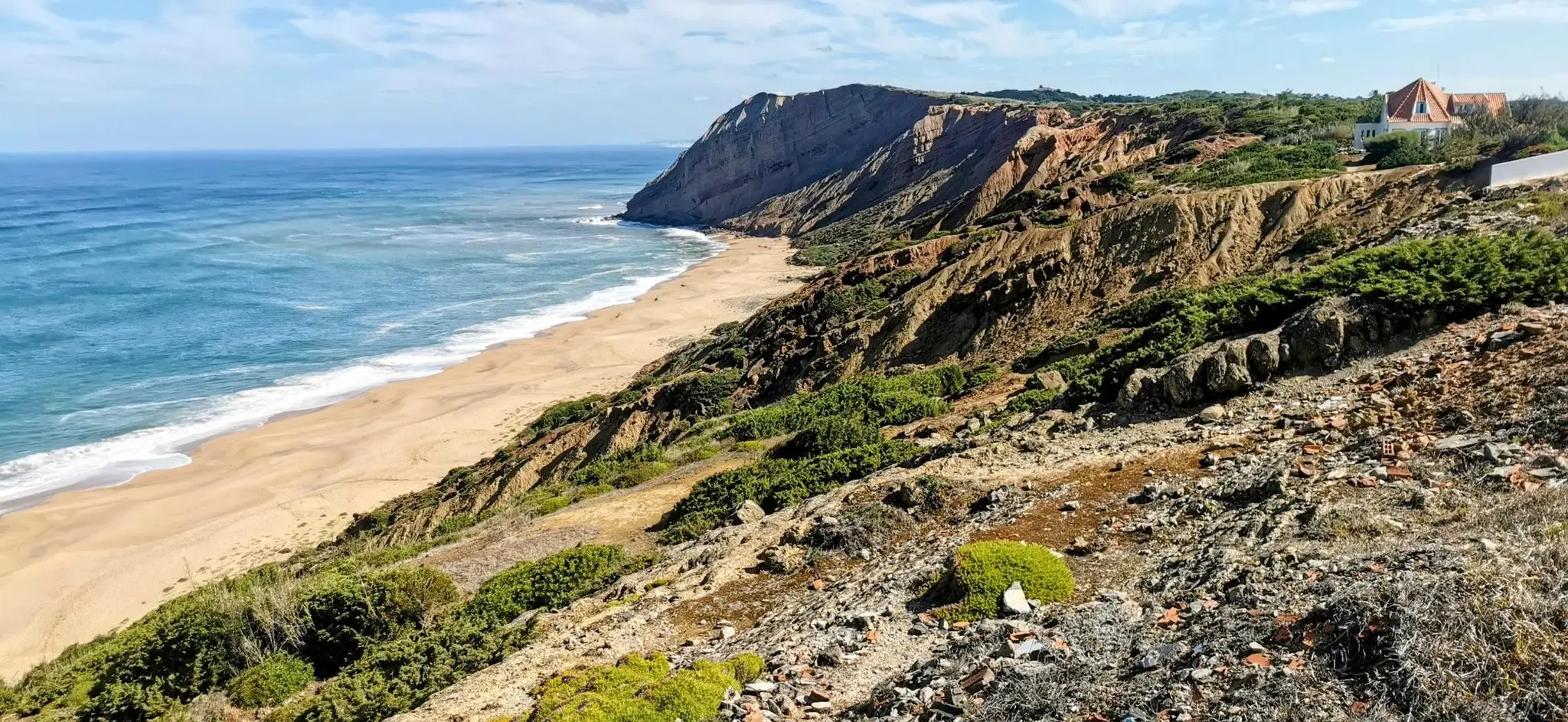
EuroVelo 1 Portugal – Cycle the Atlantic Coast
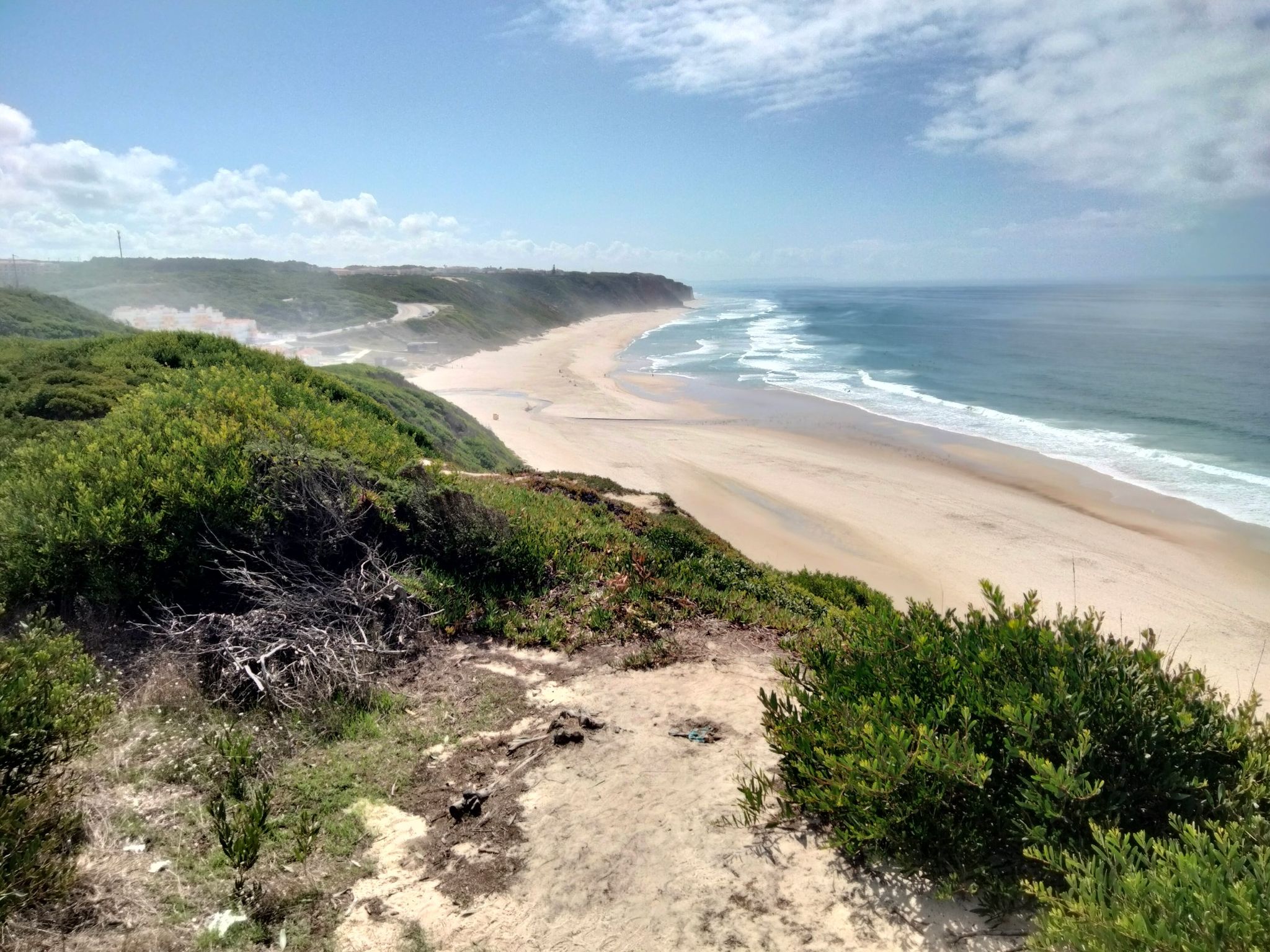
Portugal's Atlantic coast (north) – from Caminha to Lisbon
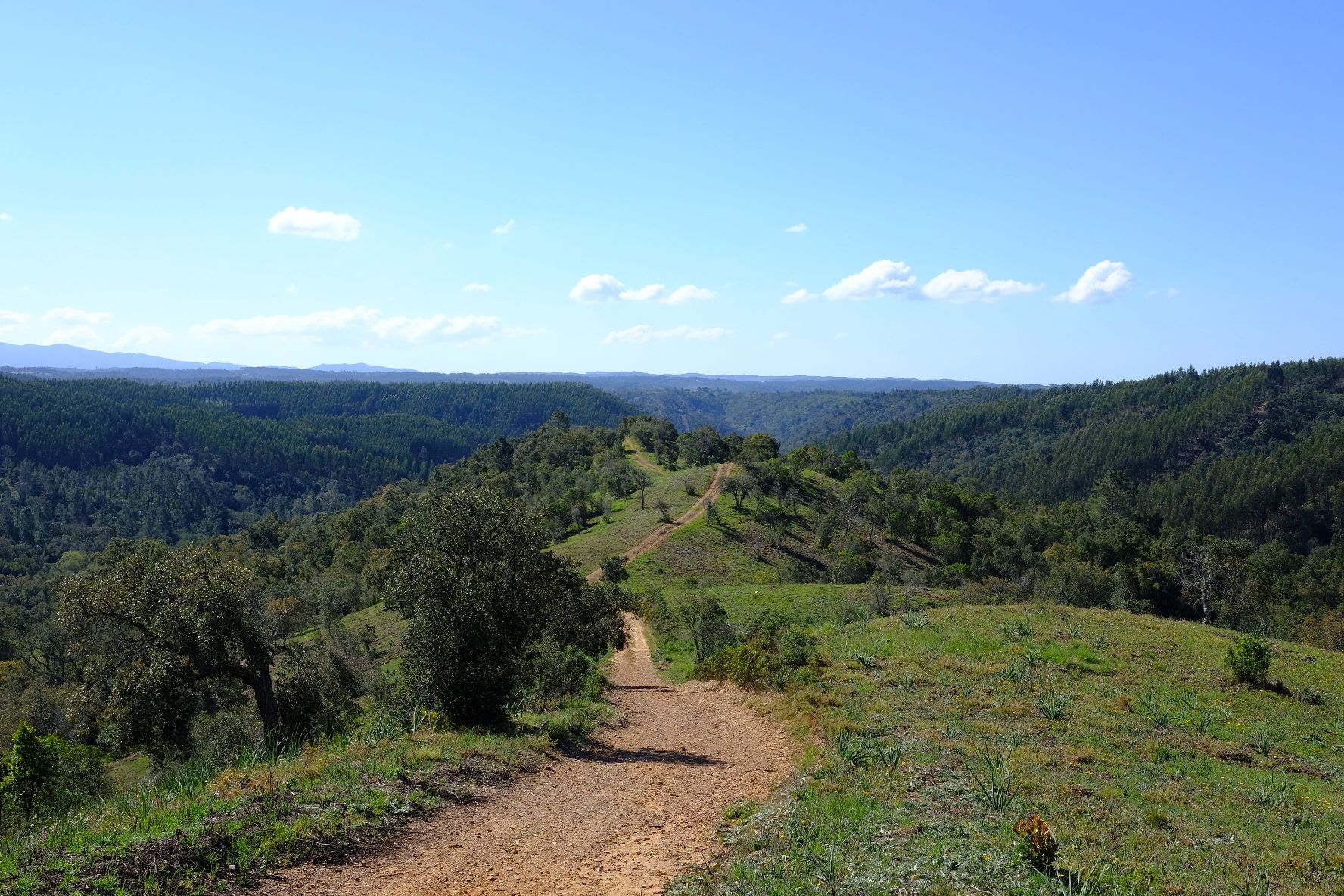
Caminho Histórico – Discover Portugal's beauty and history
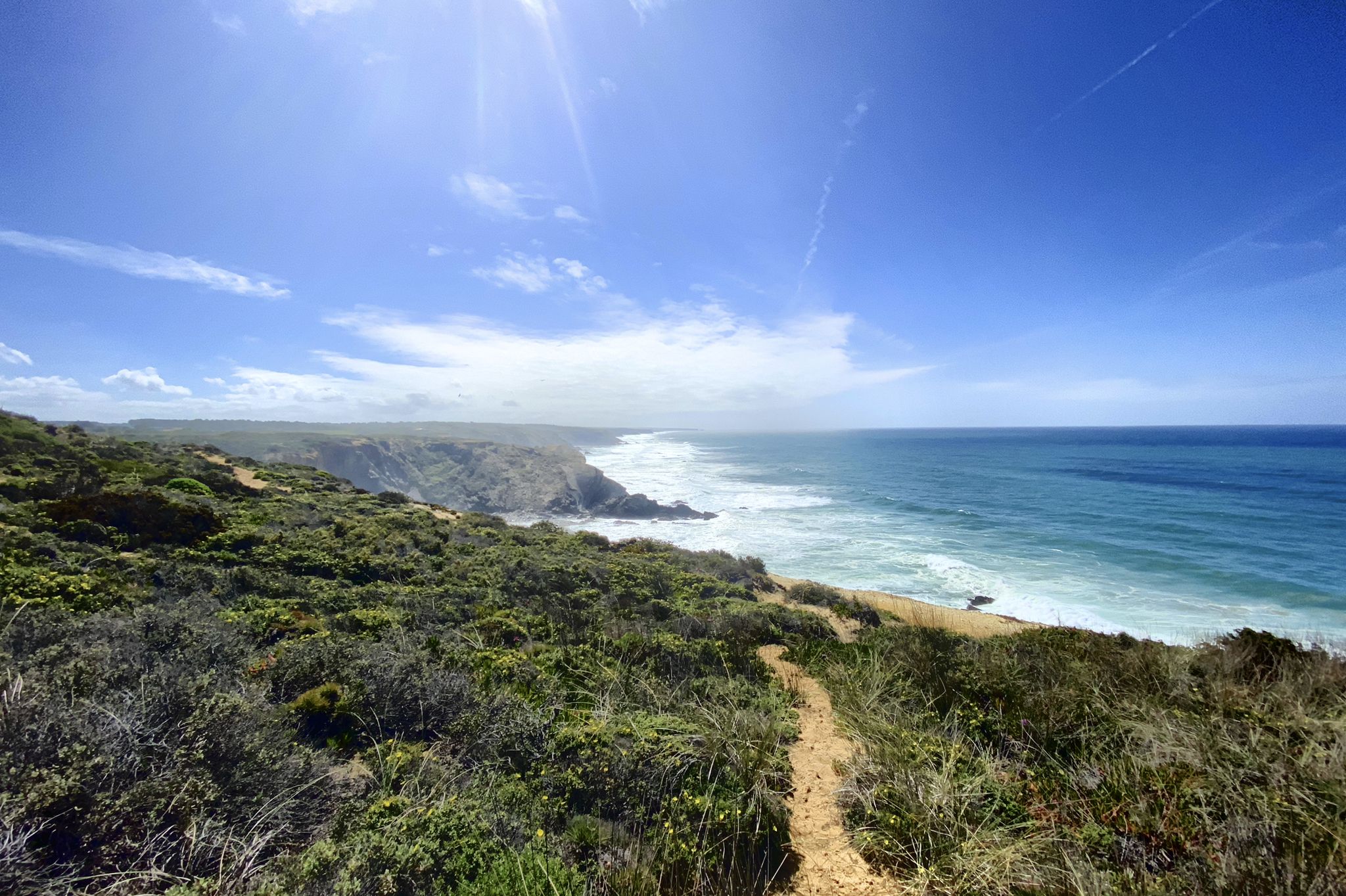
Trilho dos Pescadores – Portugal's Fishermen's Trail
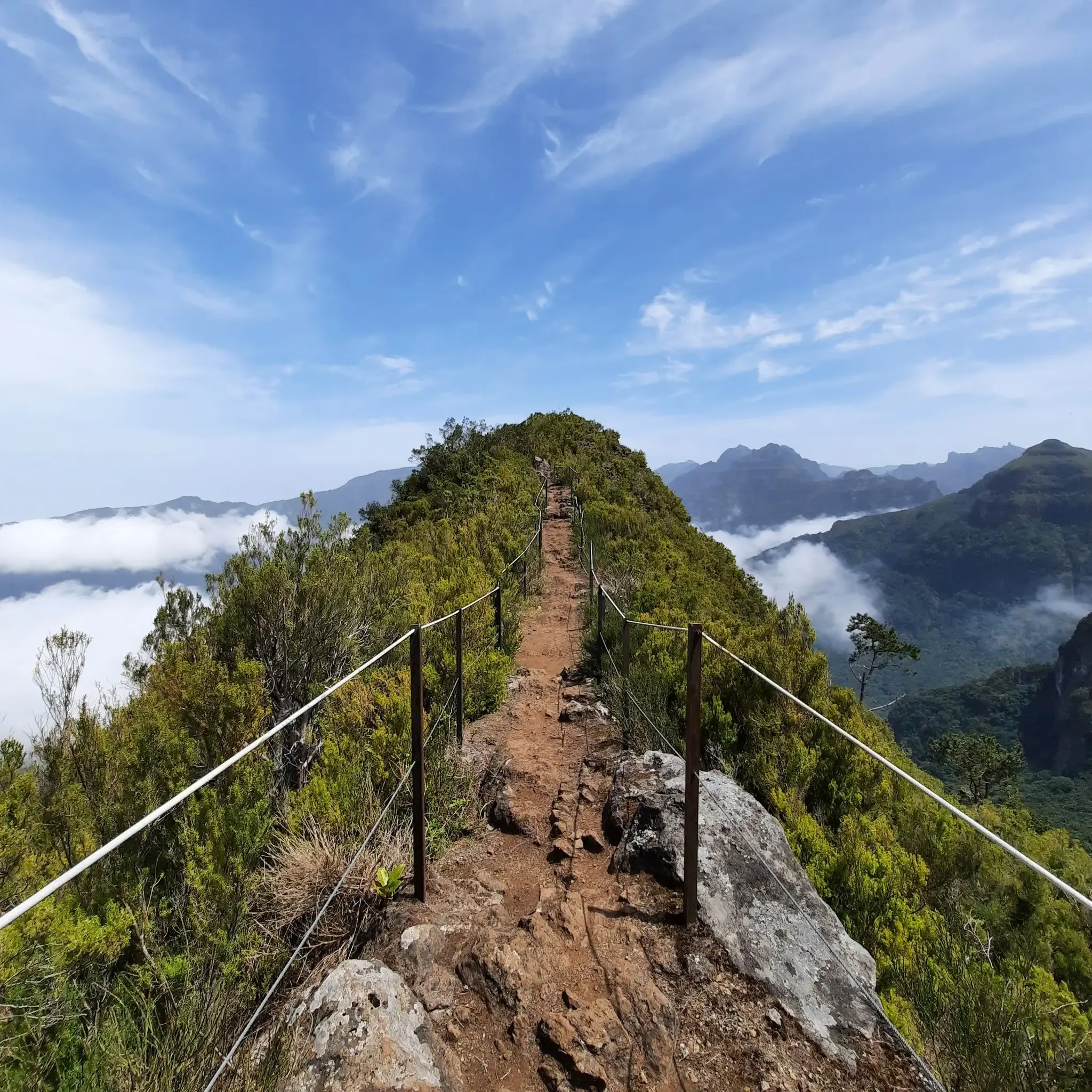
Madeira Island Ultra-Trail – A unique challenge
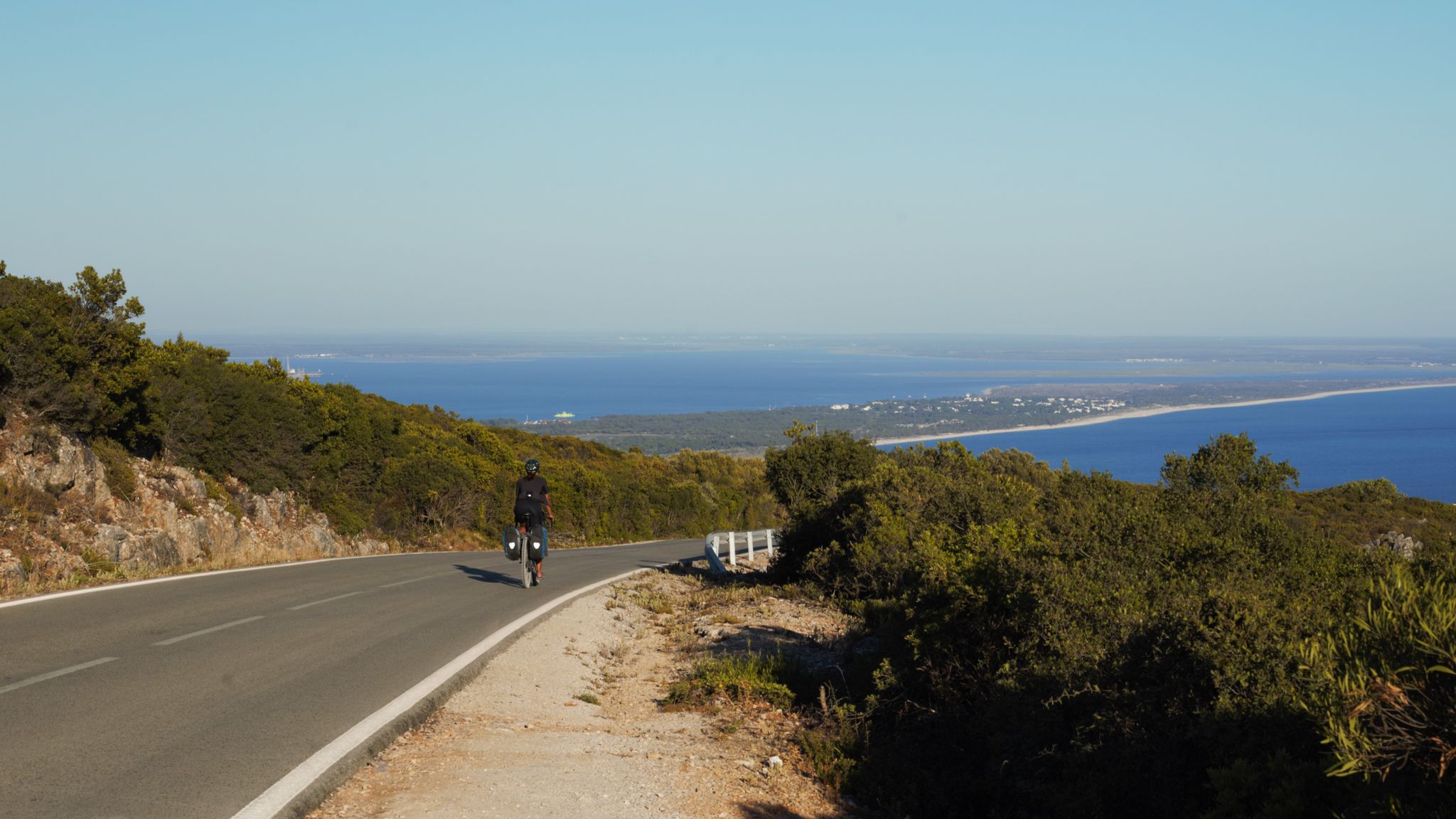
The breaking waves – cycle along the Atlantic coast of Portugal
Other adventures in Portugal


Tips from the Community

At the PR17 tunnel exit, you step out of the darkness and directly into the sound of rushing water cascading down the valley alongside the path. The cool spray, the echoing water, and the sudden view of the green slopes create a dramatic change of mood. A short break here is worthwhile to allow your eyes and ears to adjust to the bright light and the vibrant sounds of nature.
3
0
The levada tunnel in Madeira Natural Park leads you right through the mountain, accompanied by the echo of your footsteps and the gentle lapping of the water. Inside, a headlamp, caution, and the occasional duck are essential in the cool, damp space – but the experience is truly adventurous. At the tunnel's end, you emerge back into the daylight and are rewarded with sweeping views of the green slopes and valleys of the natural park.
5
0
Pedra Furada is a striking rock formation at Ponta de São Lourenço, sculpted into a natural arch by wind and waves over millennia. Through the opening, you have a direct view of the Atlantic Ocean, making this a popular spot for photography. A fascinating natural highlight that impressively showcases Madeira's rugged volcanic landscape.
1
0
The Gruta da Furna do Bode is a small, naturally formed rock opening at Ponta de São Lourenço. Located just a few meters off the path, the cave offers a fascinating view of the peninsula's diverse rock strata. A short, worthwhile detour for anyone wanting to discover Madeira's geological side.
3
0


The Gruta da Furna do Bode is a cave formed by marine erosion, located in the region's volcanic cliffs. It is part of the PR8 hiking trail (Vereda da Ponta de São Lourenço) and is located approximately 1.3 km from the starting point. From a nearby viewpoint, you can admire the grotto, as well as the impressive rock formations and lava flows.
1
0

Today, April 14, 2025, the water level in the tunnel was unfortunately too high >10cm, only passable with rubber boots.
2
0
Frequently Asked Questions
What are some of the most impressive caves to visit in Portugal?
Portugal offers a variety of impressive caves. The Benagil Caves on the Algarve coast are famous for their unique dome and 'eye' opening. Inland, the Grutas de Mira de Aire are Portugal's largest cave system, known for extensive networks and underground rivers. Other notable limestone caves include Grutas da Moeda, Grutas de Alvados, and Grutas de Santo António, each with distinct formations. For a unique volcanic experience, visit Algar do Carvão in the Azores.
What kind of natural features can I expect to see in Portuguese caves?
Portuguese caves showcase diverse natural features. You can find intricate stalactite and stalagmite formations, underground rivers and lakes, and unique rock formations. Sea caves like Benagil feature stunning erosion patterns and hidden beaches. Volcanic caves, such as Algar do Carvão, offer insights into ancient volcanic activity with silicate stalactites and subterranean lakes.
Are there family-friendly caves in Portugal?
Many caves in Portugal are suitable for families, often featuring well-maintained walkways, appropriate lighting, and guided tours. For example, the Grutas de Mira de Aire, Grutas da Moeda, and Grutas de Alvados are designed for accessible exploration. The Window of Hell Waterfall also offers a family-friendly hike through tunnels leading to a waterfall.
What is the best time to visit caves in Portugal?
The stable internal temperatures of many caves (around 16-18°C) make them suitable for visiting year-round. However, for sea caves like Benagil, the best time is generally during calmer sea conditions, typically from spring to early autumn, to ensure boat or kayak access. Always check local tour operator conditions before planning your visit.
How can I access the famous Benagil Caves?
The Benagil Caves are best accessed by boat, kayak, or stand-up paddleboard from nearby towns like Portimão, Carvoeiro, or Lagoa. Swimming to the cave can be dangerous due to currents and boat traffic. New rules in 2024 restrict access without a guided tour for kayaks, so it's advisable to book a guided excursion.
What should I wear when visiting caves in Portugal?
Given the stable, cooler temperatures inside most caves (typically 16-18°C), it's advisable to wear comfortable clothing and bring a light jacket or sweater, even on a warm day. Sturdy, closed-toe shoes with good grip are recommended for walking on potentially damp or uneven surfaces. For caves with tunnels, like Levada Nova Tunnel or Grota Tunnel, a headlamp is highly recommended.
Are there any unique volcanic caves in Portugal?
Yes, Portugal offers a unique volcanic cave experience with Algar do Carvão on Terceira Island in the Azores. This ancient dormant volcano allows visitors to descend 100 meters into its interior, featuring rare silicate stalactites and a subterranean lake. It's a Regional Natural Monument offering a distinct geological perspective.
What outdoor activities can I do near the caves in Portugal?
Beyond cave exploration, Portugal offers a wealth of outdoor activities. You can find numerous hiking trails, such as those leading to waterfalls like the Window of Hell Waterfall. For more extensive adventures, consider exploring the nearby routes for waterfall hikes, gravel biking, or mountain biking across the region.
What do visitors enjoy most about exploring caves in Portugal?
Visitors frequently highlight the breathtaking views and unique natural formations. Many appreciate the exciting experience of hiking through tunnels to reach waterfalls, as seen at Levada Nova Tunnel. The distinct access to beaches via carved stairs and tunnels, like at Carvalho Beach, also leaves a lasting impression. The transition from open landscapes to lush rainforest gorges after passing through tunnels, such as Grota Tunnel, is also a popular highlight.
Are there any caves in Portugal known for their historical or cultural significance?
While many Portuguese caves are primarily celebrated for their natural beauty and geological formations, some, like the Grutas da Moeda, located near Fátima, offer an on-site interpretation center that provides context on their formation and ongoing geological processes, enriching the visitor's understanding of the region's natural history. The Grutas de Mira de Aire, discovered in 1947 and opened to the public in 1974, also hold historical significance in terms of their exploration and development as a tourist attraction.
Can I find caves with unique access points in Portugal?
Yes, some caves and coastal features in Portugal offer unique access. For instance, Carvalho Beach is known for its distinctive access via stone-carved stairs and tunnels. Similarly, many hiking trails incorporate tunnels that lead to hidden natural wonders, providing an adventurous entry to cave-like environments.
Most popular routes in Portugal
Most popular attractions in Portugal

Get inspired with the komoot mobile app


Didn’t find what you were looking for?
Discover more caves in Portugal region by region:
Explore more
Extend your search for the best caves by checking out these guides of the top ones in Portugal:
