Top 7 Caves around São Mamede
Caves near São Mamede Portugal offer a glimpse into the region's geological history, characterized by extensive limestone formations. The area, particularly near Fátima, is known for its subterranean landscapes, including impressive cave systems. These natural features are often found within lush forests, providing a diverse environment for exploration. The caves around São Mamede reveal ancient geological processes and sometimes hold historical significance.
Best caves around São Mamede
- The most popular caves is Buraco Roto Cave-Necropolis, a cave-necropolis hidden in…
Last updated: June 30, 2026
Buraco Roto Cave-Necropolis
Highlight • Cave
Translated by Google •
Tip by

Pia da Ovelha Cave
Highlight • Cave
Translated by Google •
Tip by

Sign up now to discover places like this
Get recommendations on the best single tracks, peaks, & plenty of other exciting outdoor places.
Sign up for free
Cova da Velha
Highlight • Cave
Translated by Google •
Tip by
Grutas de Mira de Aire
Highlight • Cave
The first gallery of this system of caves was discovered by locals in 1947. Of …
Tip by

Moeda Caves
Highlight • Cave
Translated by Google •
Tip by

Sign up for free to discover even more caves around São Mamede.
Sign up for free
Already have an account?
Start today with a free account
Your next adventure awaits.
Login or Signup


Tips from the Community

Although the tour is quite short, it thrilled us. On warm days (it was 32 degrees for us) the tour was sweaty. Currently, the authorities have closed the path, a short section of 15 meters has slipped. However, the spot can be easily and safely bypassed.
1
0

Beyond the natural structure of the cave, you can also visit the Scientific-Environmental Interpretation Centre (CICA gm). Here, visitors can discover how a cave is formed and how it interacts with local biodiversity, understand the importance of limestone in our region and how it influences people's way of life. You can also admire a magnificent and unique exhibition of minerals and fossils from Portugal and many other countries. In our shop you will find a huge variety of minerals and fossils from various countries.
0
0

The Fórnea stream originates here, in the Cova da Velha cave, where a natural spring flows almost all year round. However, due to the limestone soil, the water easily infiltrates, traveling through underground galleries instead of flowing freely on the surface. As a result, the stunning Fórnea waterfall only reveals its full grandeur after days of heavy rain.
2
1
The Sheep's Sink is an imposing natural cavity, named after the sink carved under a stalactite that, in the rainy months, pours out abundant water. In the past, this natural refuge served as a drinking trough for cattle.
1
1
The Buraco Roto is a necropolis of singular beauty, hidden in a lush forest of oak, laurel and cork oak trees. In the rainy months, it becomes a natural spectacle, spilling large quantities of water and forming an impressive waterfall.
4
0

While this was my second visit, I've enjoyed it as much as the first one! The first gallery of this system of caves was discovered by locals in 1947. Of course people were curious and had to investigate further. What is known today is that the cave reaches 11 Kilometers in length which makes it the biggest and most important in Portugal. The formation of the cave goes back 150 million years to the middle Jurassic age when dinosaurs inhabited this region. They found traces of species who inhabited these caves, some of it on display. A part of the cave-system was opened to the public in 1974 with many improvements in safety for the visitors in later years. At one point colored lights found their way in with some spectacular and dramatic effects. My photos inside the cave are in the wrong order, not sure how to interchange them or what I've done wrong when uploading, sorry!
1
0

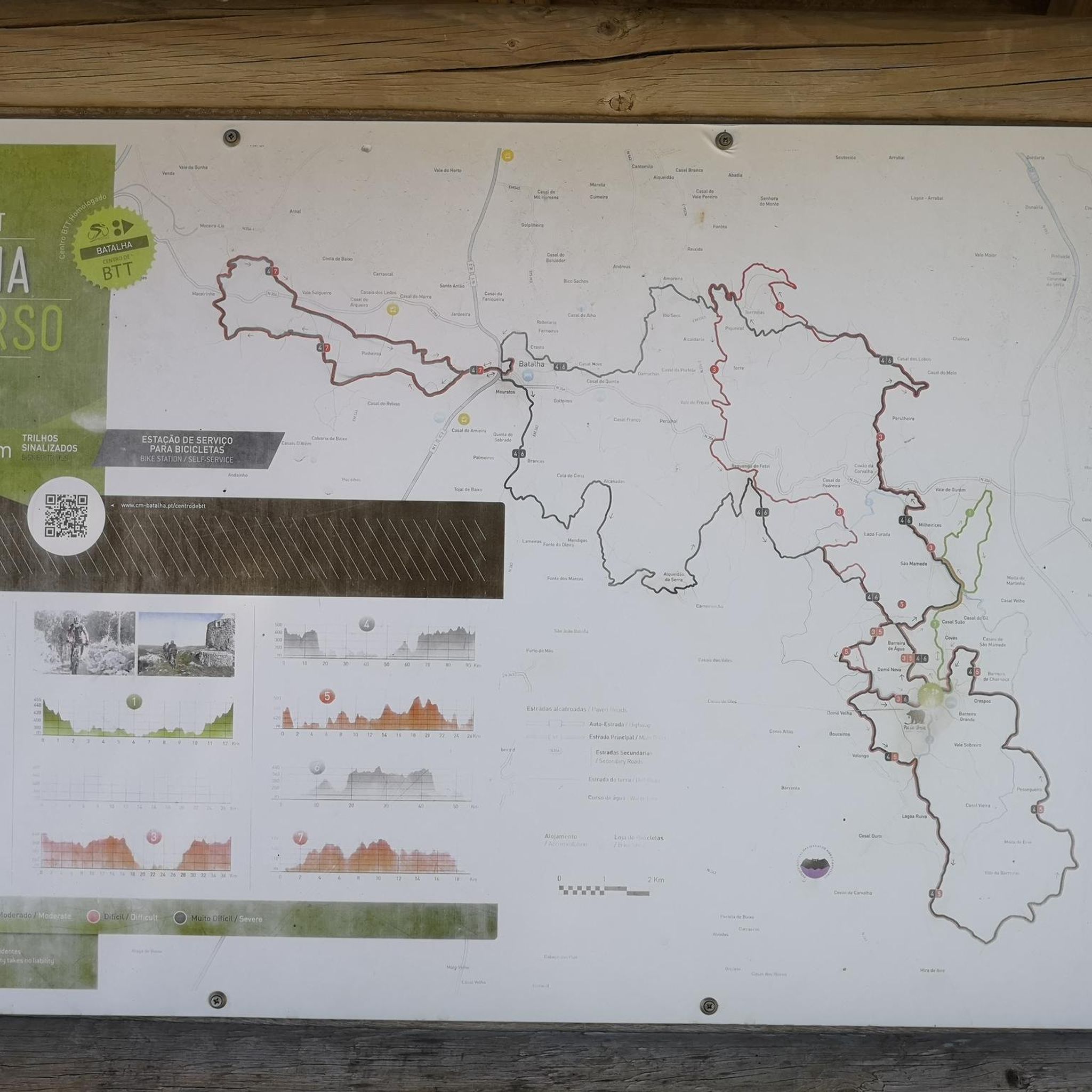
Pia da Ovelha, point of interest inserted in the PR2 BTL trail
2
0
Frequently Asked Questions
What unique geological features can I expect to see in the caves around São Mamede?
The caves in the São Mamede region, particularly the limestone formations, showcase intricate geological features. For instance, Pia da Ovelha Cave is known for a sink carved under a stalactite that pours abundant water during rainy months. The Moeda Caves feature stunning stalactites and stalagmites, with chambers named descriptively after their formations, such as 'Sala do Pastor' (Shepherd's Chamber) and 'Lago das Lágrimas' (Spring of Tears).
Are there any historical or cultural sites among the caves in São Mamede?
Yes, the region offers historical cave sites. The Buraco Roto Cave-Necropolis is a notable example, serving as a necropolis hidden within a lush forest. This site combines natural beauty with historical significance.
Which caves are suitable for families with children?
The Grutas de Mira de Aire are particularly family-friendly. They are the largest and most important cave system in Portugal, offering a well-developed visitor experience. The Moeda Caves also provide an educational experience with their Scientific-Environmental Interpretation Centre, making them suitable for families interested in learning about cave formation and biodiversity.
What is the best time of year to visit the caves in the São Mamede area?
Many caves in the region, such as Buraco Roto Cave-Necropolis and Pia da Ovelha Cave, become natural spectacles with impressive waterfalls during the rainy months. If you wish to see these water features, visiting during the wetter seasons would be ideal. For a more comfortable visit to developed caves like Moeda Caves, any time of year is generally suitable as they maintain a constant internal temperature.
What kind of outdoor activities can I do near the caves?
The São Mamede region offers various outdoor activities. You can find numerous hiking trails, such as the 'Vale dos Ventos – Pia da Ovelha Cave loop' or the 'Buraco Roto Cave-Necropolis – Pia da Ovelha Cave loop'. For more options, explore the Hiking around São Mamede guide. There are also running trails and road cycling routes available, detailed in the Running Trails around São Mamede and Road Cycling Routes around São Mamede guides.
How long does it typically take to explore the caves?
The duration varies by cave. For developed caves like the Moeda Caves, guided tours typically last around 30-45 minutes, covering the main chambers. For natural, undeveloped caves like Cova da Velha or Buraco Roto Cave-Necropolis, exploration time depends on your hiking route and how much time you wish to spend observing the features.
Are there guided tours available for the caves?
Yes, for commercial caves like the Moeda Caves, guided tours are available, often with multilingual options. These tours provide insights into the geological formations and local folklore. You can find more information on their official website: grutasmoeda.com.
What is the legend behind the name 'Grutas da Moeda' (Coin Caves)?
The Grutas da Moeda are steeped in local folklore. According to tradition, a wealthy man was robbed and murdered in the area, and his body along with a bag of coins fell into a chasm, scattering the coins and giving the caves their name. Today, visitors often throw coins into the cave's lakes, hoping their wishes will come true.
What should I wear when visiting the caves?
Inside the caves, temperatures remain constant and cooler than outside, typically around 18°C (64°F) in the Moeda Caves. It's advisable to wear comfortable walking shoes with good grip, as surfaces can be damp or uneven. A light jacket or sweater is recommended, even in summer, due to the cooler temperatures underground.
Are there any educational opportunities related to the caves?
The Moeda Caves feature a Scientific-Environmental Interpretation Centre (CICA gm) where visitors can learn about how caves are formed, their interaction with local biodiversity, and the importance of limestone in the region. The center also hosts an exhibition of minerals and fossils.
Where can I find parking when visiting the caves?
For developed attractions like the Moeda Caves and Grutas de Mira de Aire, dedicated parking facilities are available on-site for visitors. For more natural or remote cave entrances, parking may be less formal and often found near trailheads or accessible roads.
Most popular attractions around São Mamede

Get inspired with the komoot mobile app


Explore more
Extend your search for the best caves by checking out these guides of the top ones around São Mamede:
