Attractions and Places To See around Coja - Top 9
Attractions and places to see around Coja, a historic village in the Coimbra district of Portugal, offer a blend of historical landmarks and natural landscapes. Situated on the banks of the Alva River, Coja provides access to the Serra do Açor mountain range. The area features traces of Roman and Arab occupations, reflecting a rich past. Visitors can explore a variety of sites, from ancient bridges to natural waterfalls.
Best attractions and places to see around Coja
- The most popular…
Last updated: August 23, 2026
Roman Bridge of Sumes
Highlight • Bridge
Translated by Google •
Tip by

Fraga da Pena Waterfall
Highlight • Waterfall
Translated by Google •
Tip by
Sign up now to discover places like this
Get recommendations on the best single tracks, peaks, & plenty of other exciting outdoor places.
Sign up for free
Colorful Boardwalks of the Trilho dos Gaios
Highlight (Segment) • Trail
Translated by Google •
Tip by
Côja
Highlight • Settlement
Translated by Google •
Tip by

Panoramic View of Serra da Lousã
Highlight (Segment) • Viewpoint
Translated by Google •
Tip by

Sign up for free to discover even more attractions around Coja.
Sign up for free
Already have an account?
Start today with a free account
Your next adventure awaits.
Login or Signup

Tips from the Community

Bridge built over the Cavalos River, with a deck approximately 50 m long and 3 m wide. It probably forms part of the same road link as the Roman road of Pedra da Sé, serving as a connection between the Roman civitas of Bobadela and that of Viseu. It has only one arch with a perfect semicircular span, and the pavement that forms part of the deck is the result of intervention after the time of construction. It has been classified as a Property of Public Interest (IIP) since 1990, by Decree No. 163 of July 17, 1990.
1
0

The Fraga da Pena Waterfall, located in the Serra do Açor Protected Landscape, is a geological feature crossed by the Barroca de Degraínhos, creating a series of successive waterfalls. The waterfall is 19 meters high. Along its banks are some ancient specimens of the Portuguese oak (Quercus robur) and the chestnut tree (Castanea sativa), as well as the strawberry tree (Arbutus unedo), the thorny Daphne gnidium, and the adernos (Phillyrea latifolia and P. angustifolia).
2
0

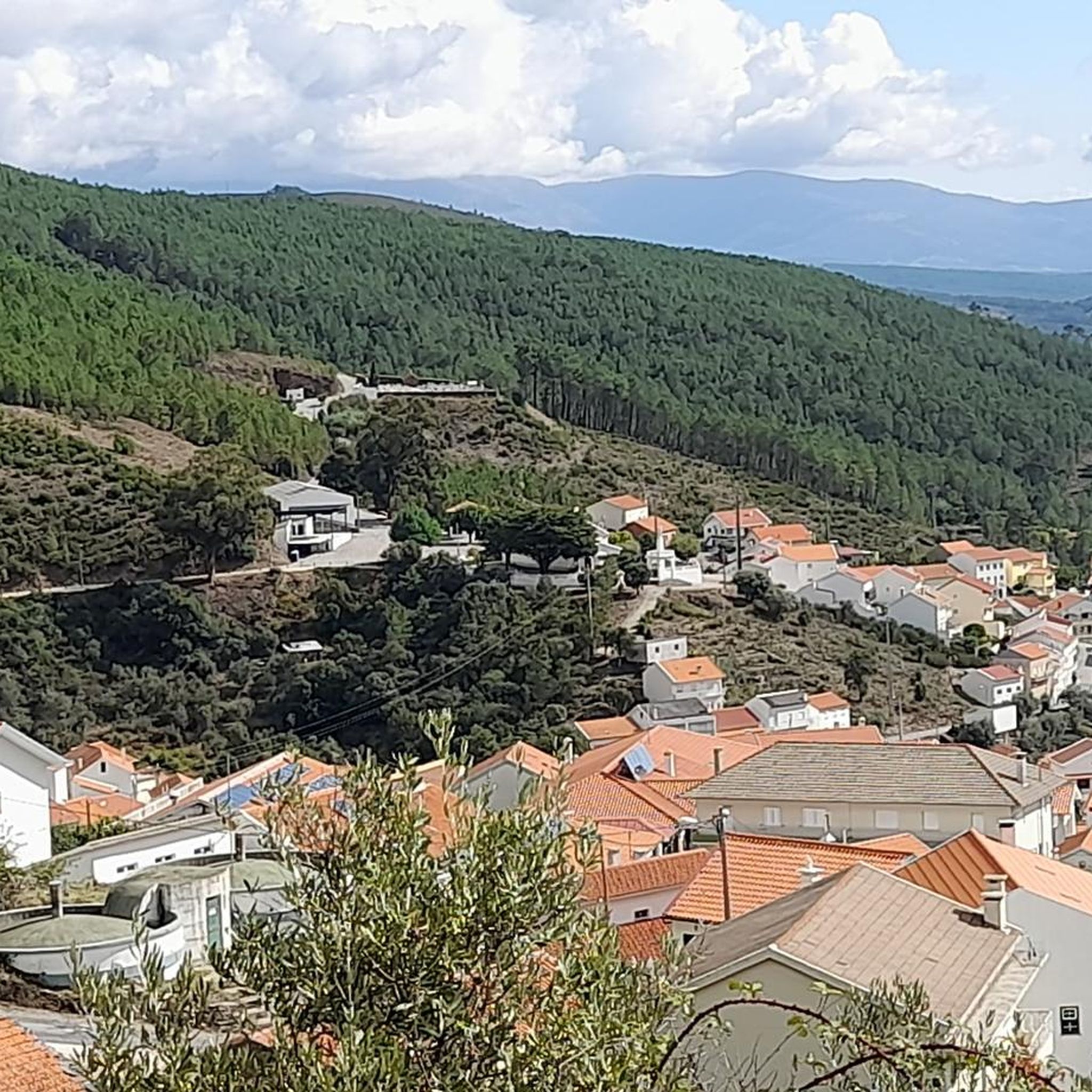
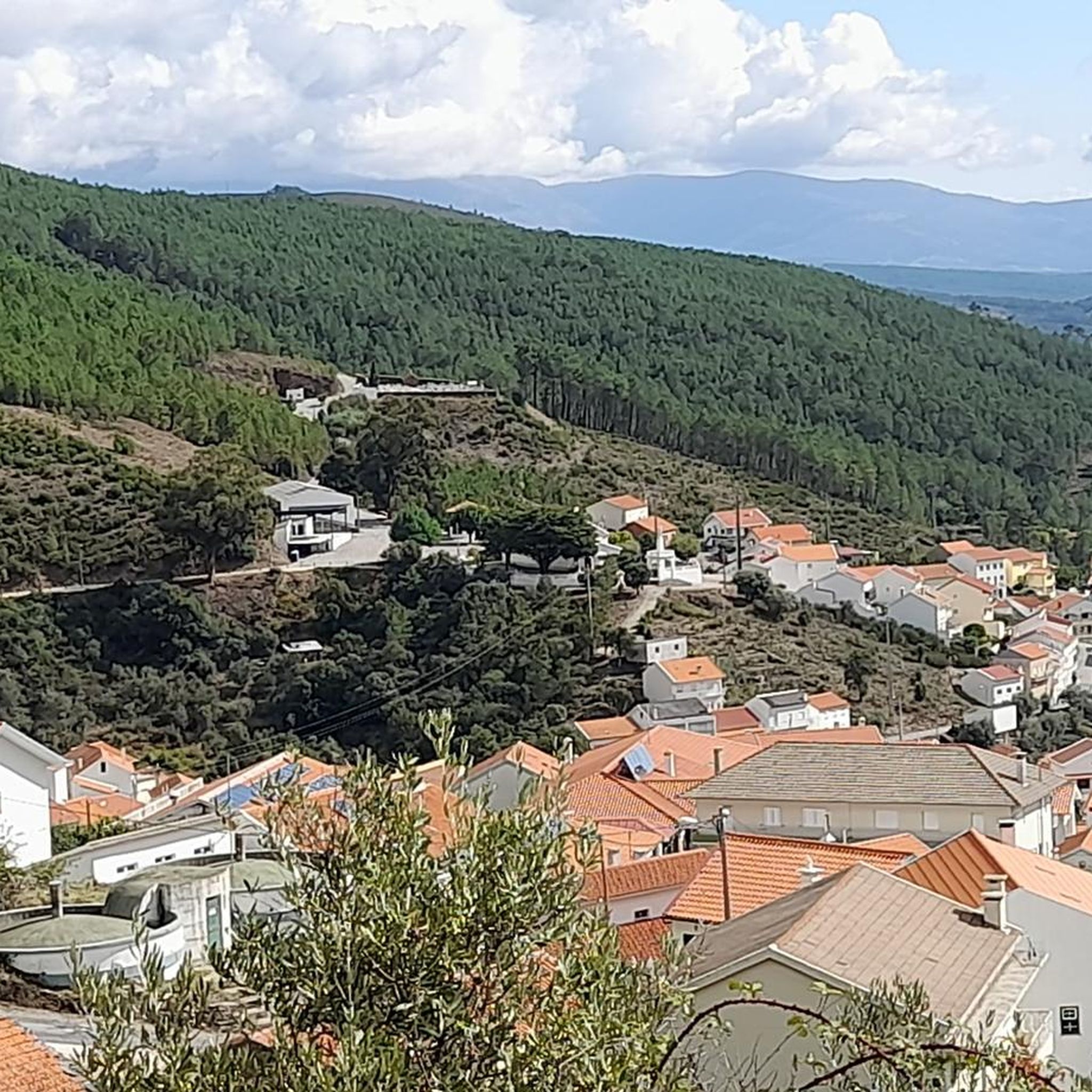
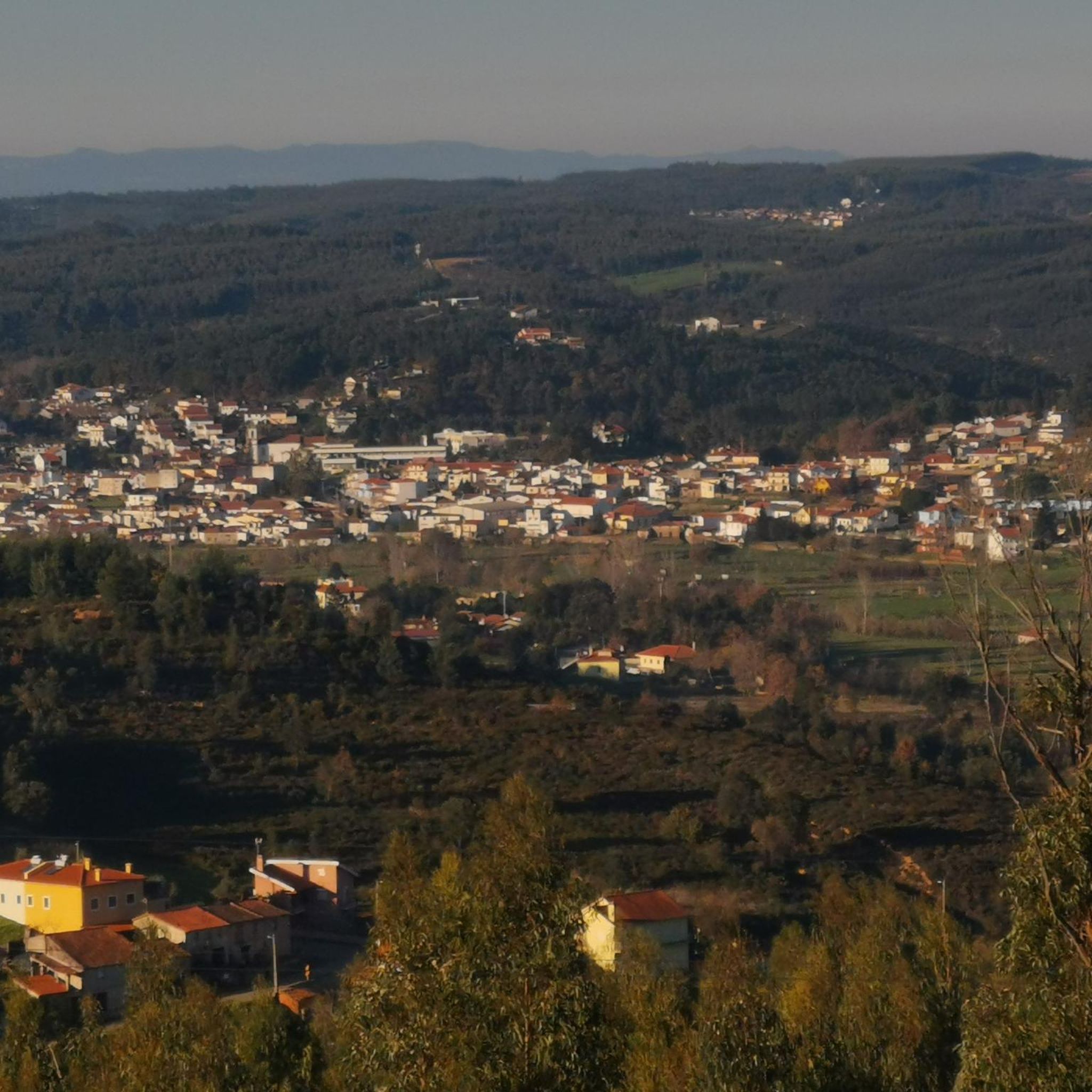
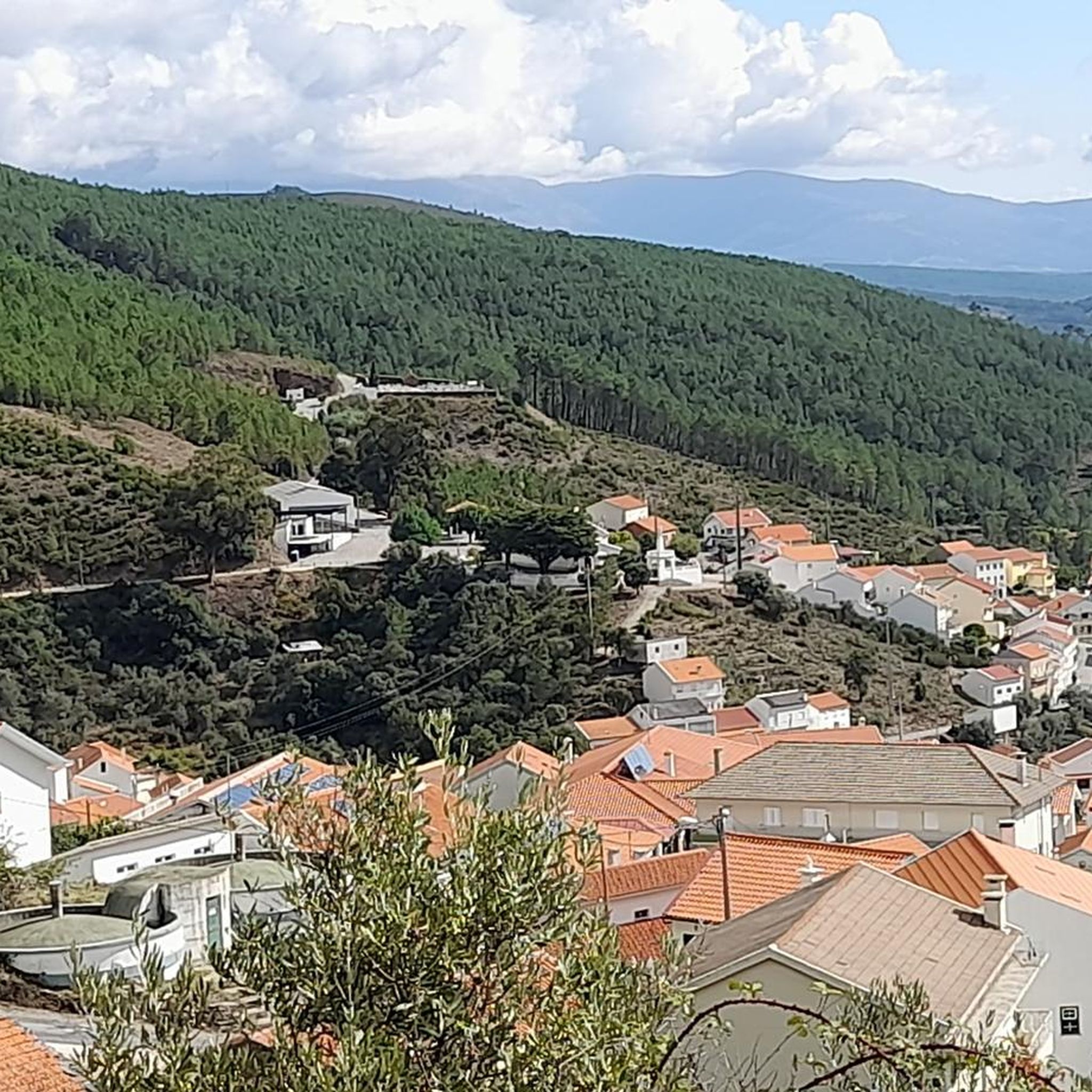
Nestled along the banks of the Alva River, Côja is immersed in a green environment, surrounded by mountains and forests. The village is characterized by traditional architecture, a charming Roman bridge and a peaceful atmosphere.
1
0

The Roman Bridge of Sumes, with its round arch, is a stone masonry structure measuring approximately 6.4 metres. It stands over the Cavalos River, in a natural setting, punctuated by enormous granite rocks and crisscrossed by dirt paths. This is where the fantastic Trilho dos Gaios begins (or ends), winding along the Cavalos River between several waterfalls and lush vegetation.
2
0

In the heart of the protected landscape of the Serra do Açor, Fraga da Pena is a natural spectacle sculpted by time. The Barroca de Degraínhos creates a succession of waterfalls, culminating in an impressive 19-metre cascade that descends in crystal clear veils over the rock.
4
0
The Roman Bridge of Sumes stands over the River des Chevaliers, shrouded in mystery. Although its foundations appear to be Roman, the exact date of its construction remains uncertain. An inscription reading "80 AD" found on a nearby wall suggests its origin, but some historians believe it refers to an ancient spring. In the surrounding area, traces of medieval paving can still be seen. Regardless of the bridge's uncertain age, it is classified as a Property of Public Interest, having witnessed centuries of history.
3
0
The colourful walkways of the Trilho dos Gaios start at the river beach of Vale de Gaios and lead you to the ancient Roman Bridge of Sumes. Along the way, you will pass by the winding banks of the Cavalos River, a wild tributary of the Mondego, which hides among the lush vegetation and moss-covered rocks, as if it were something out of a fairy tale. In some parts, it disappears completely under gigantic blocks of granite, with only the gentle murmur of the water revealing its presence.
4
0

AMAZING VIEWS.. TAKE WATER NOT VERY MUCH PLACES TO FILL UP
2
0
Frequently Asked Questions
What natural attractions can I explore near Coja?
Coja is a gateway to stunning natural landscapes. You can visit the impressive Fraga da Pena Waterfall, a 19-meter cascade within the Serra do Açor. The Alva River, which flows through Coja, offers clear waters and beautiful swim spots. Additionally, the Colorful Boardwalks of the Trilho dos Gaios provide a scenic walk along the Cavalos River through lush vegetation.
Are there any historical sites or landmarks in Coja?
Yes, Coja is rich in history. The village itself has Roman and Arab origins. Notable landmarks include the ancient Roman Bridge over the Alva River, the 18th-century Mother Church of Coja with its baroque façade, and the 16th-century Pillory of Coja, classified as a national monument. Further afield, the Roman Bridge of Sumes, classified as a Property of Public Interest, also bears witness to centuries of history.
What outdoor activities are available around Coja?
The Coja area is perfect for outdoor enthusiasts. You can enjoy hiking along trails like the Trilho dos Gaios, which leads to the Roman Bridge of Sumes. The Alva River is ideal for swimming, fishing, canoeing, or paddleboarding. For those seeking more challenging adventures, the Serra do Açor mountain range offers numerous opportunities for exploration. You can also find various cycling and mountain biking routes; explore options in the Cycling around Coja guide.
Are there family-friendly attractions or activities in the area?
Absolutely. The fluvial beach on the Alva River in Coja is family-friendly, offering amenities like changing rooms, showers, a bar, a playground, and picnic areas. The Colorful Boardwalks of the Trilho dos Gaios are also considered family-friendly, providing an accessible walk through nature. Additionally, the nearby schist village of Fajão offers a unique cultural experience for all ages.
Where can I go hiking near Coja?
Coja is an excellent base for hiking. You can explore trails leading to natural wonders like the Fraga da Pena Waterfall in the Serra do Açor. The Trilho dos Gaios offers a picturesque walk along the Cavalos River. For more options, consider checking the MTB Trails around Coja guide, which often includes paths suitable for hiking.
Can I go cycling or mountain biking around Coja?
Yes, the region around Coja offers diverse terrain for both road cycling and mountain biking. You can find routes that take you through scenic landscapes and charming villages. For detailed routes and difficulty levels, refer to the Road Cycling Routes around Coja and MTB Trails around Coja guides.
What is the best time of year to visit Coja for outdoor activities?
Coja is enjoyable throughout the year, but for outdoor activities like hiking and swimming, the warmer months from late spring to early autumn (May to October) are ideal. August is particularly lively with many visitors and local events. The clear, refreshing waters of the Alva River are perfect for a dip during the summer.
Are there any unique villages or settlements to visit nearby?
Yes, Coja is close to several unique villages. Fajão is a notable schist village nestled between the Serras del Açor and de la Lousã, known for its distinctive architecture made of local stone. The Serra do Açor also hosts other enchanting places like the historic village of Piódão, often referred to as the 'Christmas Nativity Scene village' due to its appearance.
Where can I experience wild swimming near Coja?
The Alva River is the heart of wild swimming opportunities in Coja. Its clear, refreshing waters offer numerous spots for a natural dip. Coja's own fluvial beach provides a convenient and well-equipped location, but many other beautiful swim spots can be found along the river's course, especially in more secluded areas.
What cultural events or local markets are held in Coja?
Coja hosts the F.A.V.A. (Feira de Artesanato, Velharias e Antiguidades), a fair of handicrafts, antiques, and second-hand goods. This event takes place on the last weekend of July and brings together artisans and antique dealers showcasing typical regional products. The village is generally lively, especially during August, with various local events.
Are there any scenic viewpoints around Coja?
Yes, the region offers several scenic viewpoints. The Fraga da Pena Waterfall itself provides a beautiful natural vista. For expansive views, consider visiting the Panoramic View of Serra da Lousã, which offers breathtaking scenery of the surrounding mountains. The Serra do Açor mountain range, accessible from Coja, is also dotted with numerous spots offering stunning natural panoramas.
What is the significance of the Roman bridges in the Coja area?
The Roman bridges in the Coja area are significant historical landmarks. The Roman Bridge over the Alva River in Coja, with its three perfect arches, played a crucial role during the French Invasions. The Roman Bridge of Sumes, over the River des Chevaliers, is another ancient structure whose foundations appear to be Roman, hinting at the region's deep historical roots and its importance as a crossing point for centuries.
Are there any easy walks or trails suitable for beginners near Coja?
For beginners or those seeking an easy stroll, the Colorful Boardwalks of the Trilho dos Gaios offer a gentle and picturesque path along the Cavalos River. The fluvial beach area in Coja also provides pleasant, flat walking opportunities along the Alva River. These options are generally suitable for all fitness levels and families.
Most popular routes around Coja

Get inspired with the komoot mobile app


Explore more
Still not found the Highlight you’re looking for? See guides of the top attractions in other regions:
