The 20 Most Amazing Peaks in Denmark
Best mountain peaks in Denmark are characterized by their modest elevations, often referred to as hills, offering diverse landscapes and historical significance. The highest points in Denmark are concentrated in the central Jutland region, providing unique natural beauty. These locations offer varied terrain, from rolling hills to coastal dunes, making them worthwhile destinations for exploration. Visitors can experience distinct natural features and panoramic views across the Danish countryside.
Best mountain peaks in Denmark
- The most popular mountain peaks is Stagebjerg…
Last updated: October 12, 2026
Stagebjerg Summit
Highlight • Summit
On the Stagebjerg was a radar station during World War II and buried under the sand is still a bunker.
Translated by Google •
Tip by

Gråmule Bjerg
Highlight • Viewpoint
Translated by Google •
Tip by

Sign up now to discover places like this
Get recommendations on the best single tracks, peaks, & plenty of other exciting outdoor places.
Rubjerg Knude Summit
Highlight • Summit
Translated by Google •
Tip by

Pælebjerg – Highest Point on Fanø
Highlight • Summit
Translated by Google •
Tip by

Kongemindet Observation Tower on Rytterknægten
Highlight • Viewpoint
Showing Translation
Tip by

Lerbjerg Summit
Highlight • Summit
Translated by Google •
Tip by

Jens Jessens Sande Parabolic Dune
Highlight • Natural Monument
Translated by Google •
Tip by

Skamlingsbanken Obelisk
Highlight • Monument
built by Prof. Meldahl from 25 Swedish granite blocks. In 1863 he was with the
Inscription ”In memory of the pioneers of the …
Translated by Google •
Tip by

Vejrhøj Burial Mound
Highlight • Historical Site
Translated by Google •
Tip by

Trailcenter Bornholm – Rytterknægten & Almindingen
Highlight • MTB Park
Tip by

Sign up for free to discover even more peaks in Denmark.
Already have an account?
Start today with a free account
Your next adventure awaits.
Popular around Denmark
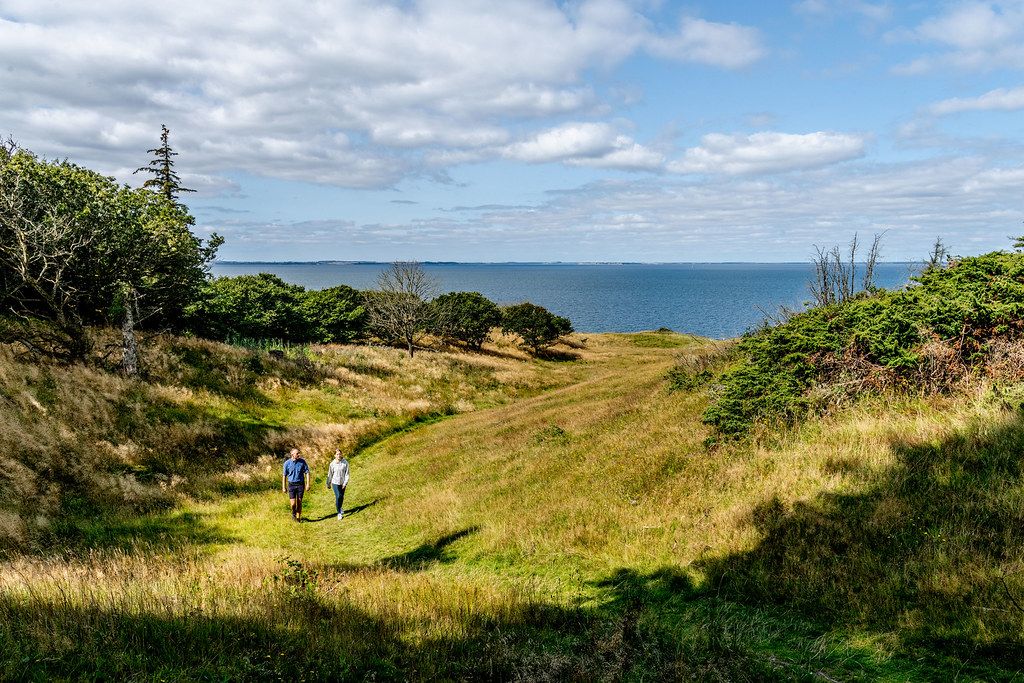
Fjords, heathland and vast coastline – hiking and cycling in Himmerland
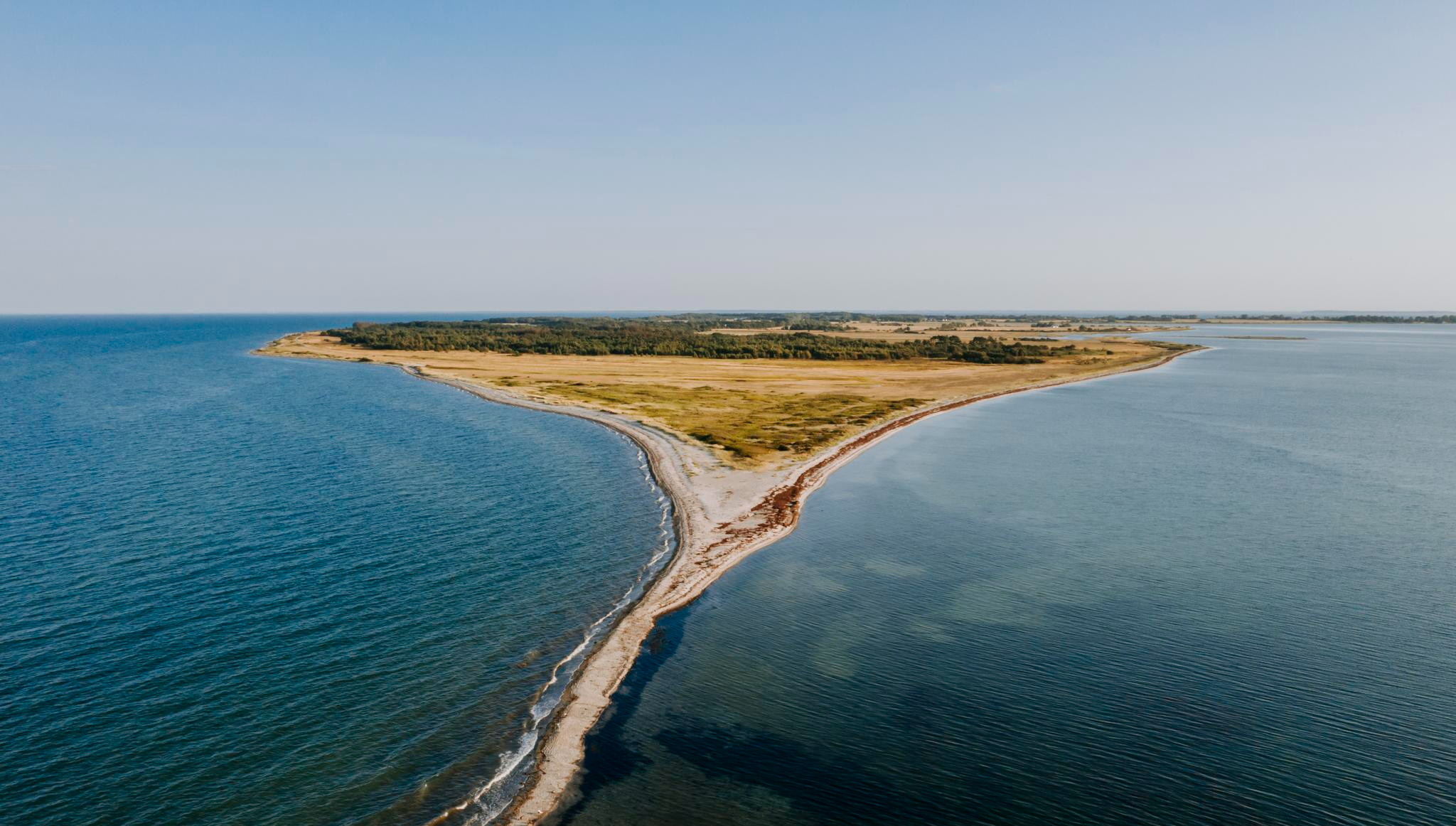
Small islands, great views – hiking and cycling in East Jutland
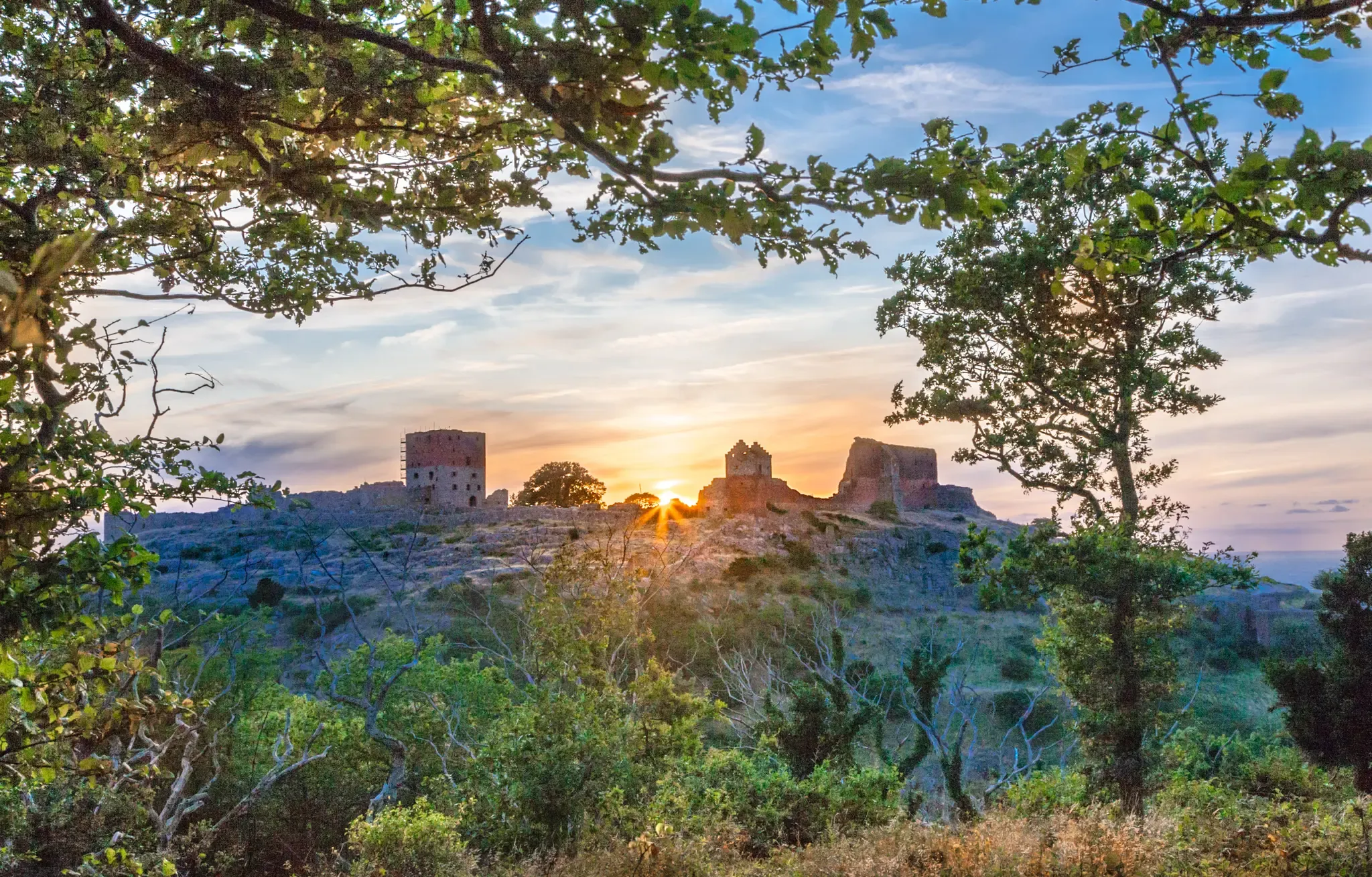
The best of both worlds – cycling and hiking on Bornholm
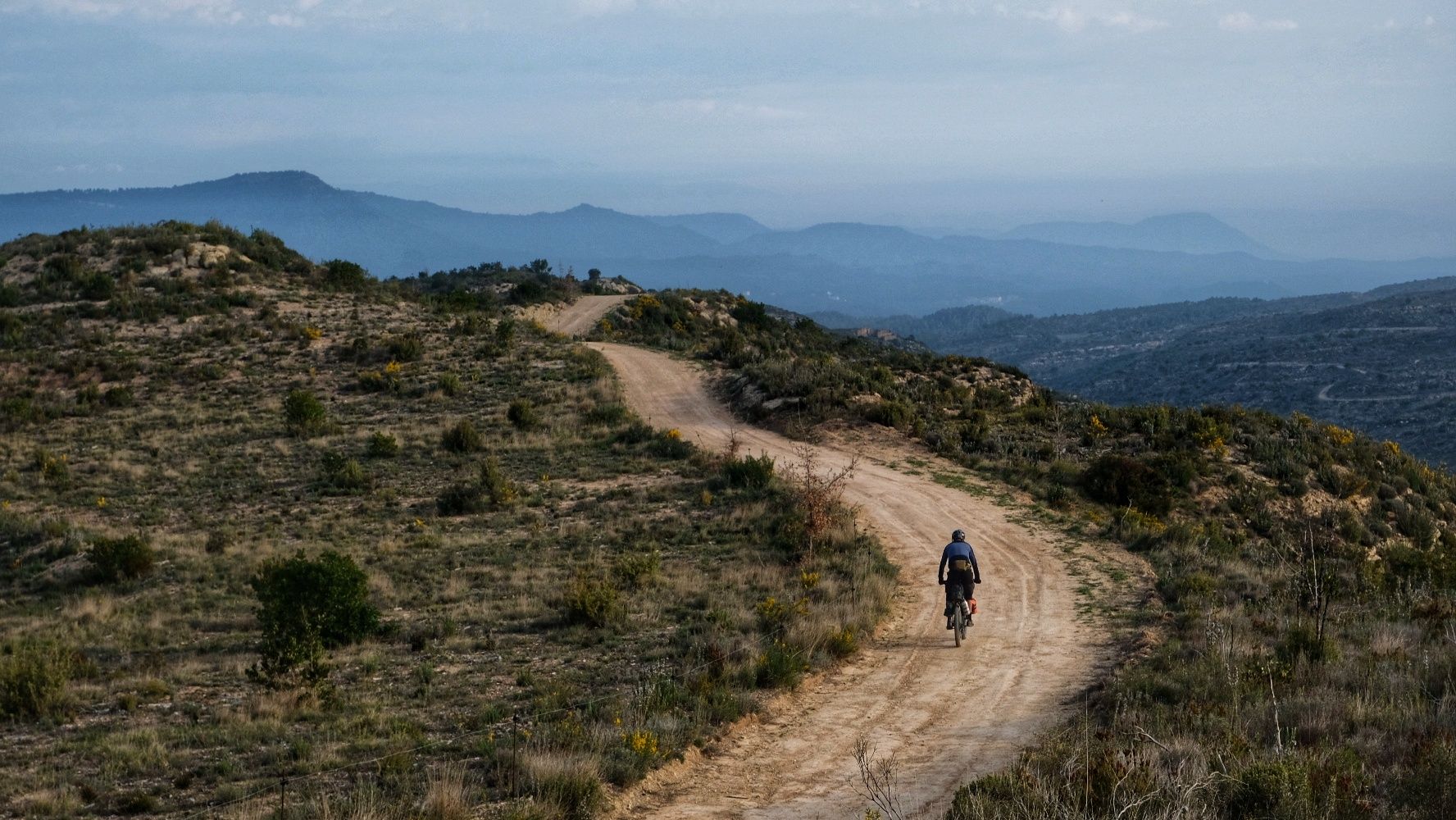
European Divide Trail — 7,600 km across the continent
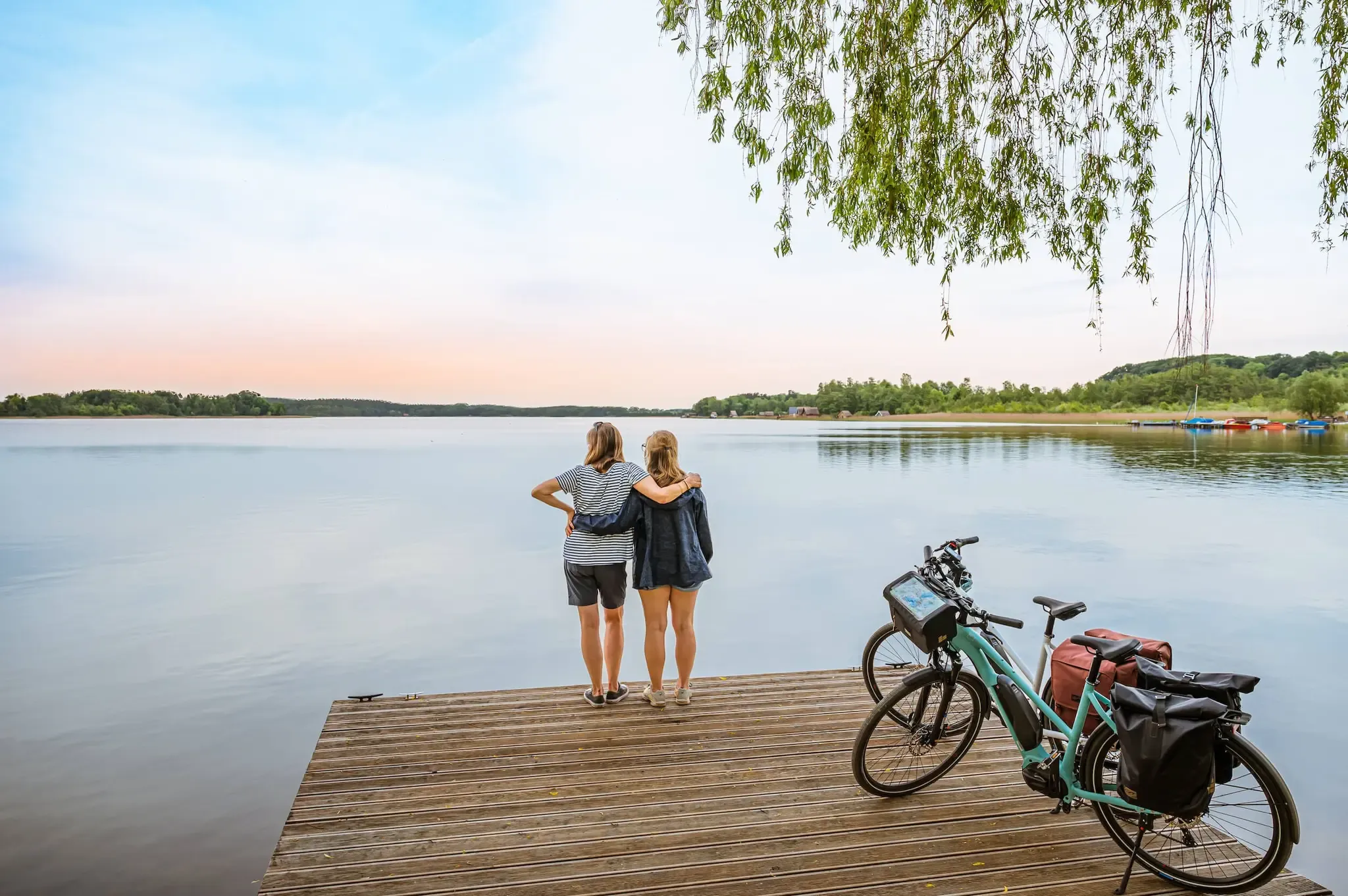
The long distance bicycle route Berlin-Copenhagen
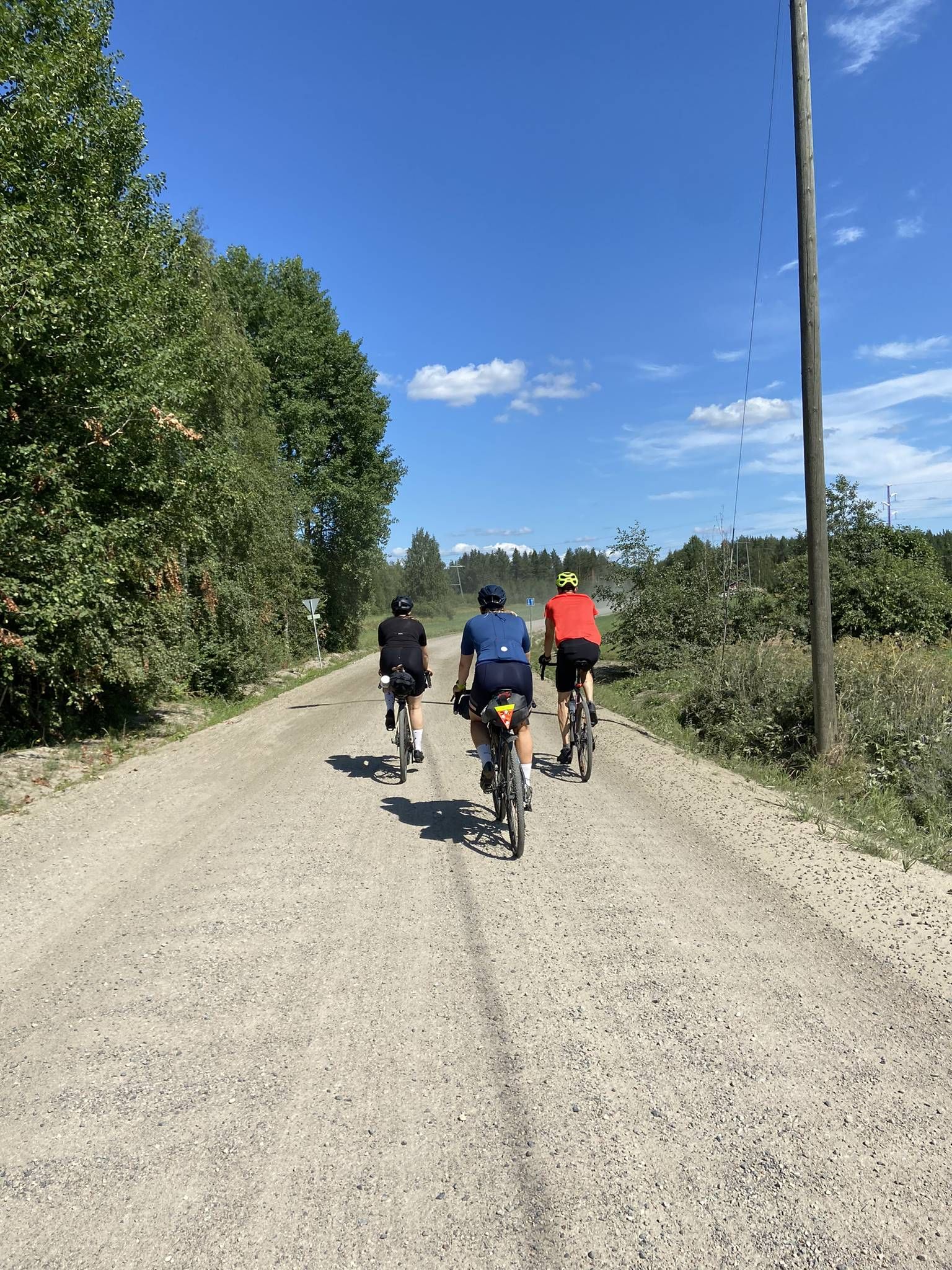
Naples to North Cape — Two friends, one purpose and many scoops of ice-cream
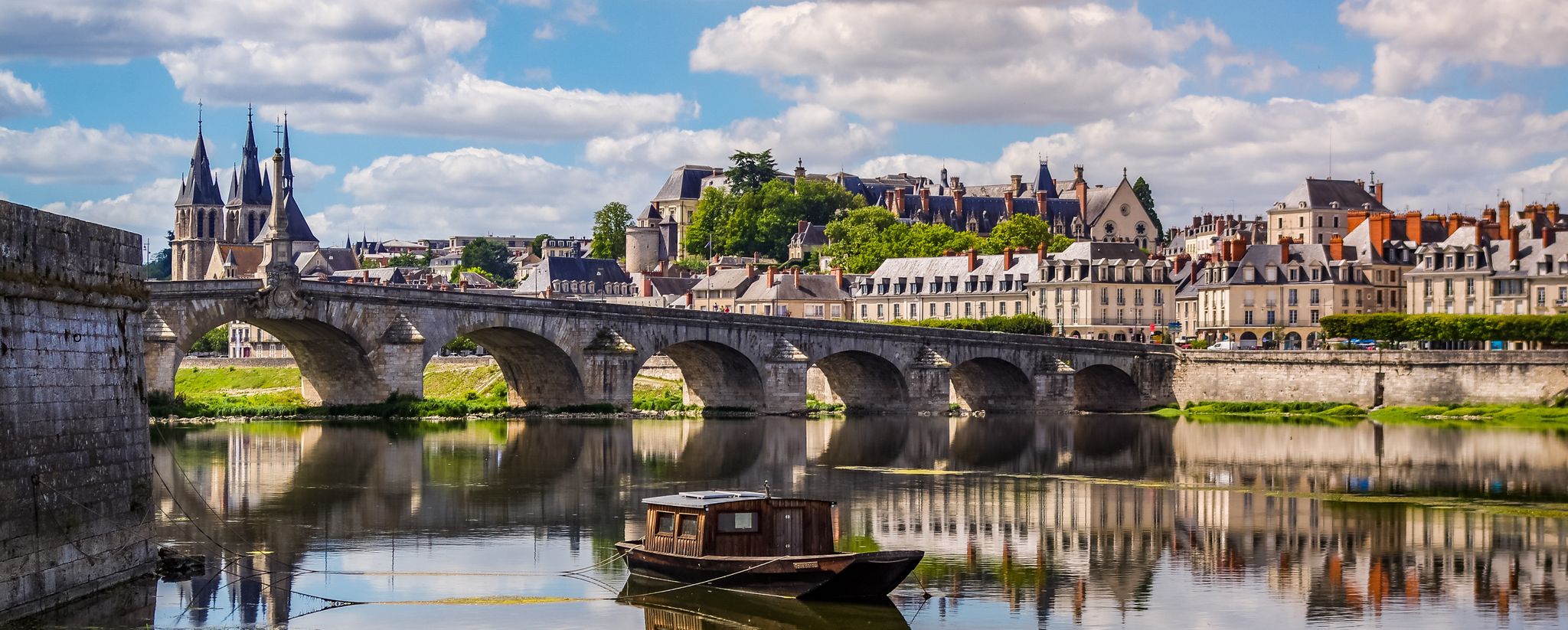
EuroVelo 3 – A cycling pilgrimage from Norway to France
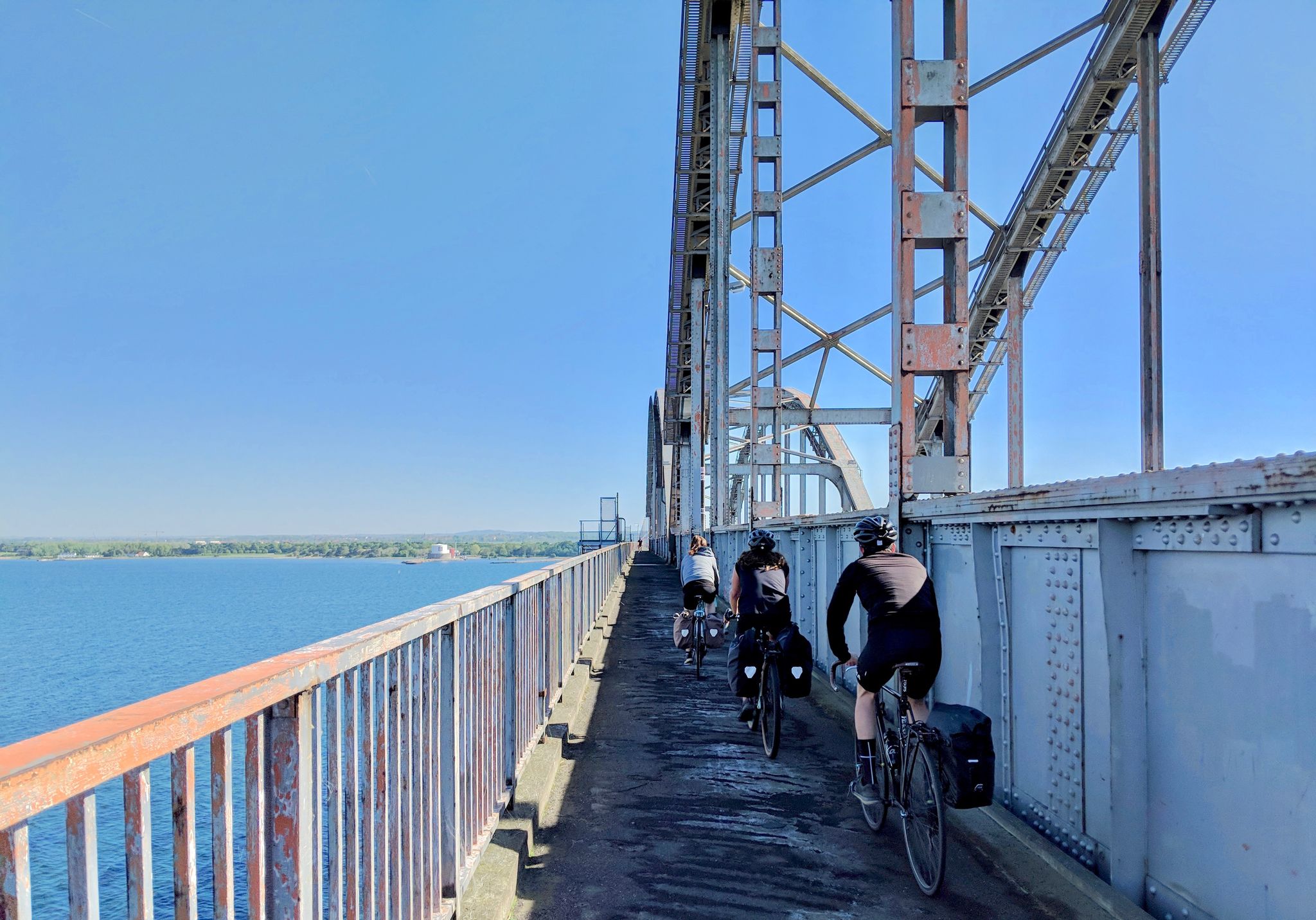
Cycling from Hamburg to Copenhagen – salty air included
The North Sea Coast Cycle Route – Denmark
Border Route — in 3 days from the North Sea to the Baltic Sea
Other adventures in Denmark


Tips from the Community


It is very nice for a morning run
0
0

The absolute highlight of the area: from the top, you have a wide and spectacular panoramic view of the landscape and coast. The best way to explore the area is by hiking down to the beach.
0
0

Always worth a visit: magnificent views in all directions. Over the dunes to the sea, with sweeping views of the forests and dune plantation. You can take a break on the wooden platform and let your gaze wander. (It's very windy, so a hat and scarf are recommended).
0
0

Fantastic view, which you have to fight your way up the sand pile to get
5
0

Unfortunately, the structure on the tower is no longer there Therefore, a distant view is no longer possible
1
0

Unfortunately, the metal spire has been removed, and it's now just a stone tower. Presumably to avoid interfering with the radar station.
1
0

The tower is open and accessible. Unfortunately, the metal structure no longer exists, so the only view you have is of the forest and radar transmitter.
2
0
Frequently Asked Questions
What are the highest natural points in Denmark?
While Denmark is generally flat, its highest natural point is Møllehøj, standing at 170.86 meters in the Ejer Bjerge hills of Jutland. Ejer Bavnehøj, also 170.86 meters, is very close by and features a 13-meter tower offering panoramic views. Yding Skovhøj, at 170.77 meters, is another significant natural elevation in the same region, known for its Bronze Age burial mound.
Are there any famous 'mountains' in Denmark known for their views or history?
Yes, Kongemindet Observation Tower on Rytterknægten on Bornholm offers expansive views of the island's unique geology. Himmelbjerget, or 'Sky Mountain,' in Jutland, though not the highest, is famous for its picturesque vistas, a tower, and historical significance. Additionally, Vejrhøj Burial Mound provides impressive panoramic views over Sejerøbugten and Lammefjorden.
What kind of unique natural features can I expect to see on Denmark's peaks?
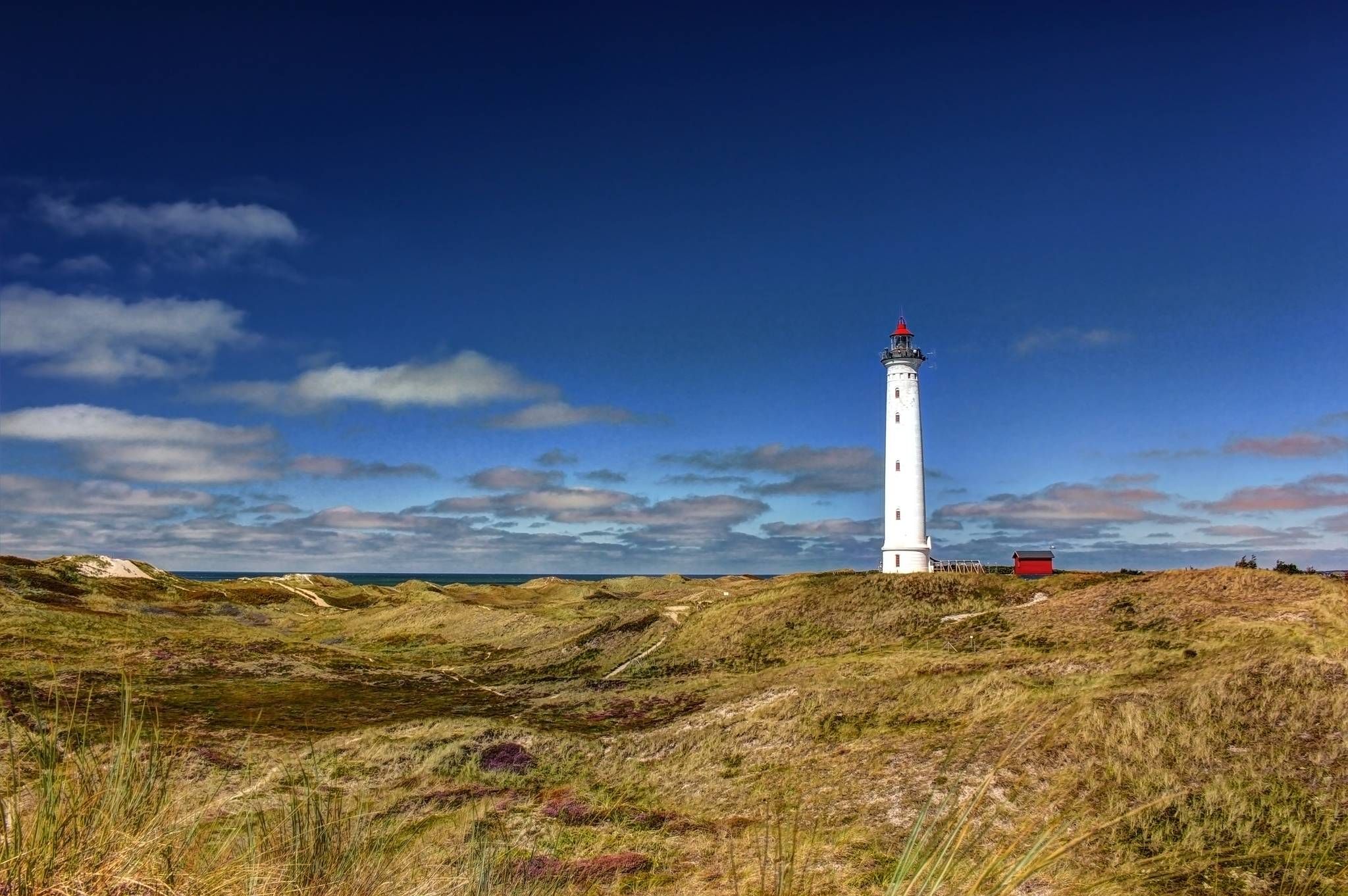
Denmark's peaks offer diverse natural features. You can explore dramatic shifting dunes like Rubjerg Knude Summit, where a lighthouse is being engulfed by sand, or the stunning white chalk cliffs of Møns Klint, rising dramatically from the sea. Many areas also feature unique moraine landscapes and coastal views.
Are there family-friendly mountain peaks or viewpoints to visit in Denmark?
Absolutely. Many of Denmark's elevated spots are suitable for families. For instance, Stagebjerg Summit on Rømø offers easy access and views of dunes and heath. Pælebjerg – Highest Point on Fanø is another family-friendly option with a beautiful panoramic view. The areas around Himmelbjerget and Ejer Bavnehøj also provide amenities and accessible paths for all ages.
What outdoor activities can I do near Denmark's mountain peaks?
The regions around Denmark's peaks are excellent for various outdoor activities. You can find extensive networks for running, mountain biking, and gravel biking. For example, explore routes in the Running Trails in Denmark guide, or discover challenging paths in the MTB Trails in Denmark guide. The area around Rytterknægten on Bornholm is particularly popular for hiking and mountain biking, with facilities like Trailcenter Bornholm.
Where can I find historical sites on or near Denmark's elevated points?
Several peaks and high points in Denmark have significant historical connections. Ejer Bavnehøj features a 13-meter tower commemorating the reunification of Southern Jutland with Denmark. Stagebjerg Summit on Rømø has a buried bunker from World War II. Vejrhøj Burial Mound is an ancient Bronze Age grave offering historical insights alongside its views.
Are there less crowded hiking trails or viewpoints in Denmark's hilly regions?
For a quieter experience, consider exploring areas with many small trails, such as around Lerbjerg Summit, which is located in a surprisingly hilly forest area. While popular spots like Himmelbjerget can attract crowds, many smaller, local trails in the Jutland region offer serene walks through diverse landscapes.
What do visitors enjoy most about Denmark's mountain peaks?
Visitors frequently praise the beautiful and breathtaking views over forests, dunes, and the North Sea, as seen from spots like Gråmule Bjerg. The surprising hilly landscapes, the satisfaction of reaching the highest points, and the unique natural phenomena like shifting dunes are also highly appreciated. Many enjoy the opportunity to explore numerous small trails and the diverse scenery.
Can I find viewpoints with panoramic vistas over the Danish landscape?
Yes, many of Denmark's elevated points offer excellent panoramic views. From Ejer Bavnehøj's tower, you can see across a unique moraine landscape, and on clear days, even the island of Samsø. Pælebjerg – Highest Point on Fanø provides a beautiful wide view all the way to the sea. Skamlingsbanken Obelisk is another spot known for its extensive views.
Are there any coastal 'peaks' or cliffs worth visiting in Denmark?
Absolutely. While not traditional mountains, Møns Klint on the island of Møn are dramatic white chalk cliffs rising up to 128 meters from the sea, offering stunning views and opportunities for fossil hunting. Rubjerg Knude, though a dune, reaches up to 100 meters and provides a captivating, ever-changing coastal landscape.
What is the best time of year to visit Denmark's 'mountains' for hiking?
The best time to visit Denmark's 'mountains' for hiking is generally during the spring (April-May) and autumn (September-October) when the weather is mild, and the landscapes are particularly vibrant with blooming flowers or autumn colors. Summer (June-August) is also popular, though it can be busier. Winter hiking is possible but requires appropriate gear for potentially cold and wet conditions.
Most popular routes in Denmark
Most popular attractions in Denmark

Get inspired with the komoot mobile app


Didn’t find what you were looking for?
Discover Denmark’s best peaks and summits by region:
Explore more
See even more amazing summits in Denmark with these guides:
