Top 12 Lakes in Indian Peaks Wilderness
Best lakes in Indian Peaks Wilderness are found within a pristine alpine area in Colorado, home to over 50 glacier-carved lakes. This wilderness offers diverse recreational opportunities and a rugged experience. Elevations in the region range from 8,400 feet up to 13,500 feet, featuring a variety of natural landscapes. The area provides numerous opportunities for exploring high-altitude lakes and mountain scenery.
Best lakes in Indian Peaks Wilderness
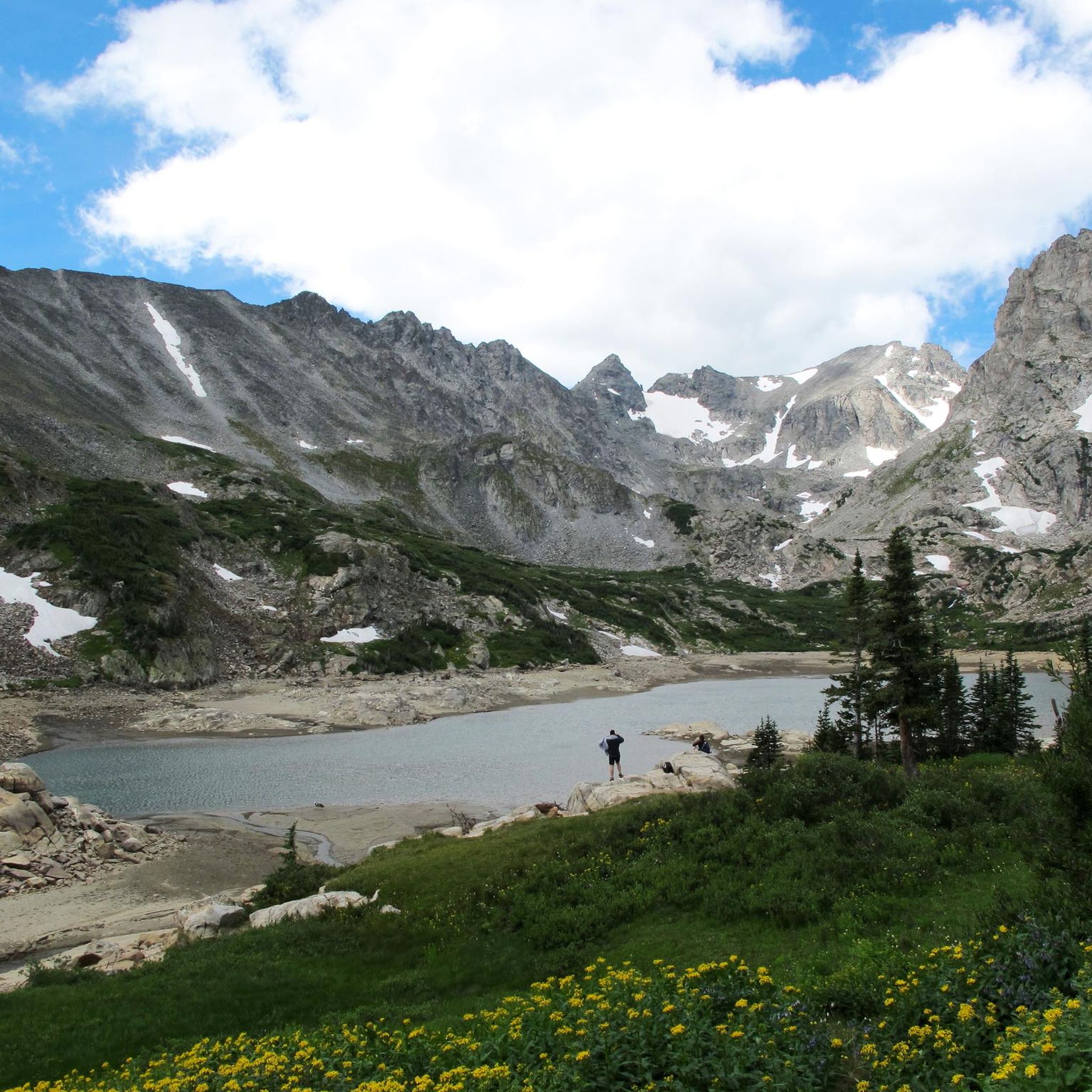
- The most popular lakes is Isabelle Lake, a lake surrounded by dramatic peaks and remnant glaciers. Its turquoise waters reflect the surrounding mountains, offering views of Navajo Peak, Apache, and Shoshone.
- Another must-see spot is Monarch Lake, a lake surrounded by trees and mountain views. It is easily accessible and serves as a starting point for hiking, paddleboarding, kayaking, and fishing.
- Visitors also love Long Lake, an alpine lake situated over 10,000 feet in elevation. Its shores are a spot to observe moose and wildflowers during summer months.
- Indian Peaks Wilderness is known for high-altitude, accessible, and secluded lakes. Visitors can explore a variety of lakes, from easily reachable spots to those requiring backpacking for a more remote experience.
- The lakes in Indian Peaks Wilderness are appreciated by the komoot community, with 7 upvotes and 8 photos shared across the highlights.
Last updated: October 17, 2026
Isabelle Lake
Highlight • Lake
Tip by

Monarch Lake
Highlight • Lake
There are also campgrounds and more extended hiking trails nearby that make this a great starting point for an adventure.
Tip by

Sign up now to discover places like this
Get recommendations on the best single tracks, peaks, & plenty of other exciting outdoor places.
Long Lake
Highlight • Lake
Tip by

Woodland Lake Trail
Highlight (Segment) • Trail
Tip by

Lake Dorothy
Highlight • Lake
Tip by
Sign up for free to discover even more lakes in Indian Peaks Wilderness.
Already have an account?
Start today with a free account
Your next adventure awaits.

Tips from the Community


Isabelle lake still has lots of water, later in September it has often very low water
0
0

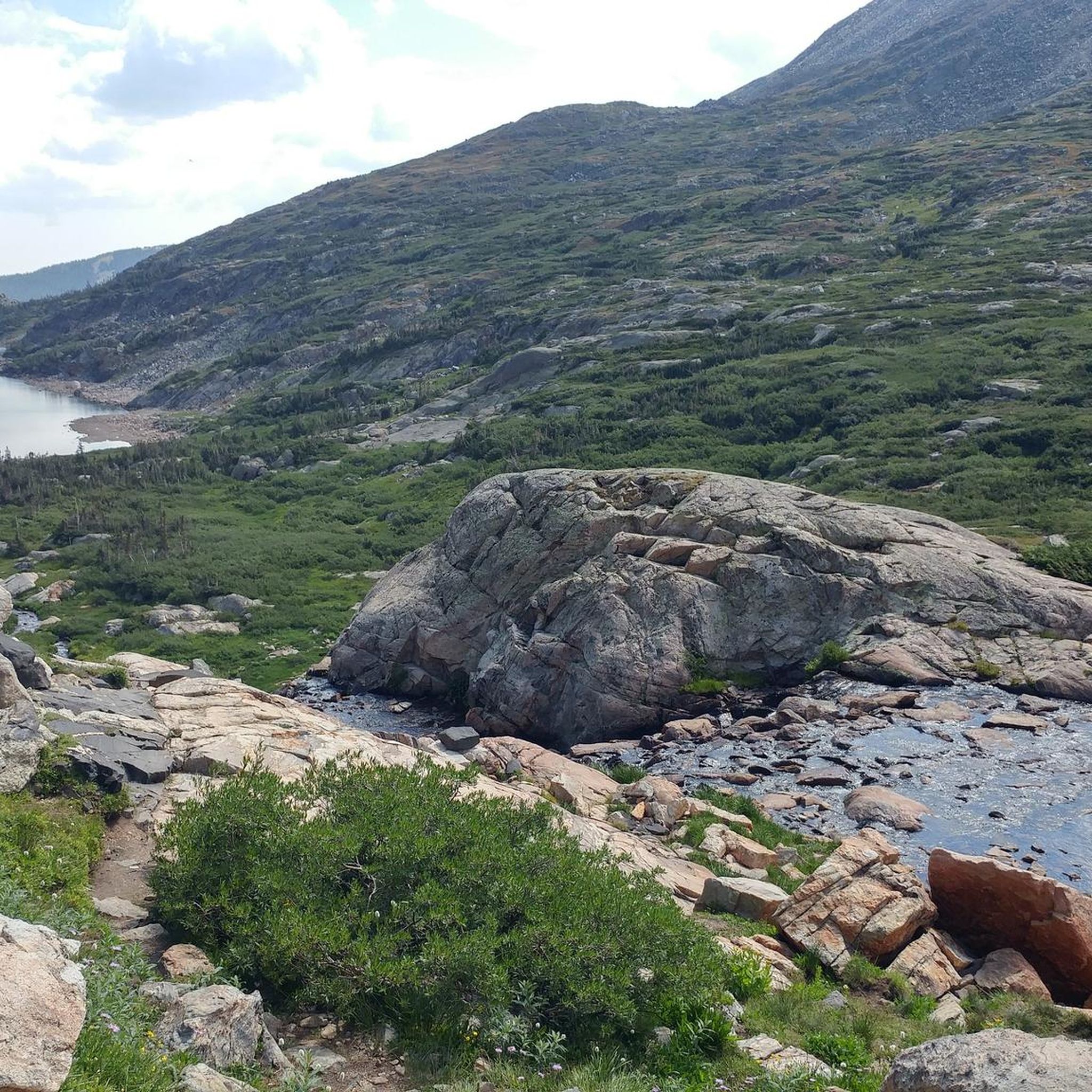
Long Lake is an alpine that sits over 10,000 feet in elevation. It's surrounded by a beautiful backdrop of the Indian Peaks. The shore around the lake is a great spot to see moose and wildflowers in the summer.
0
0

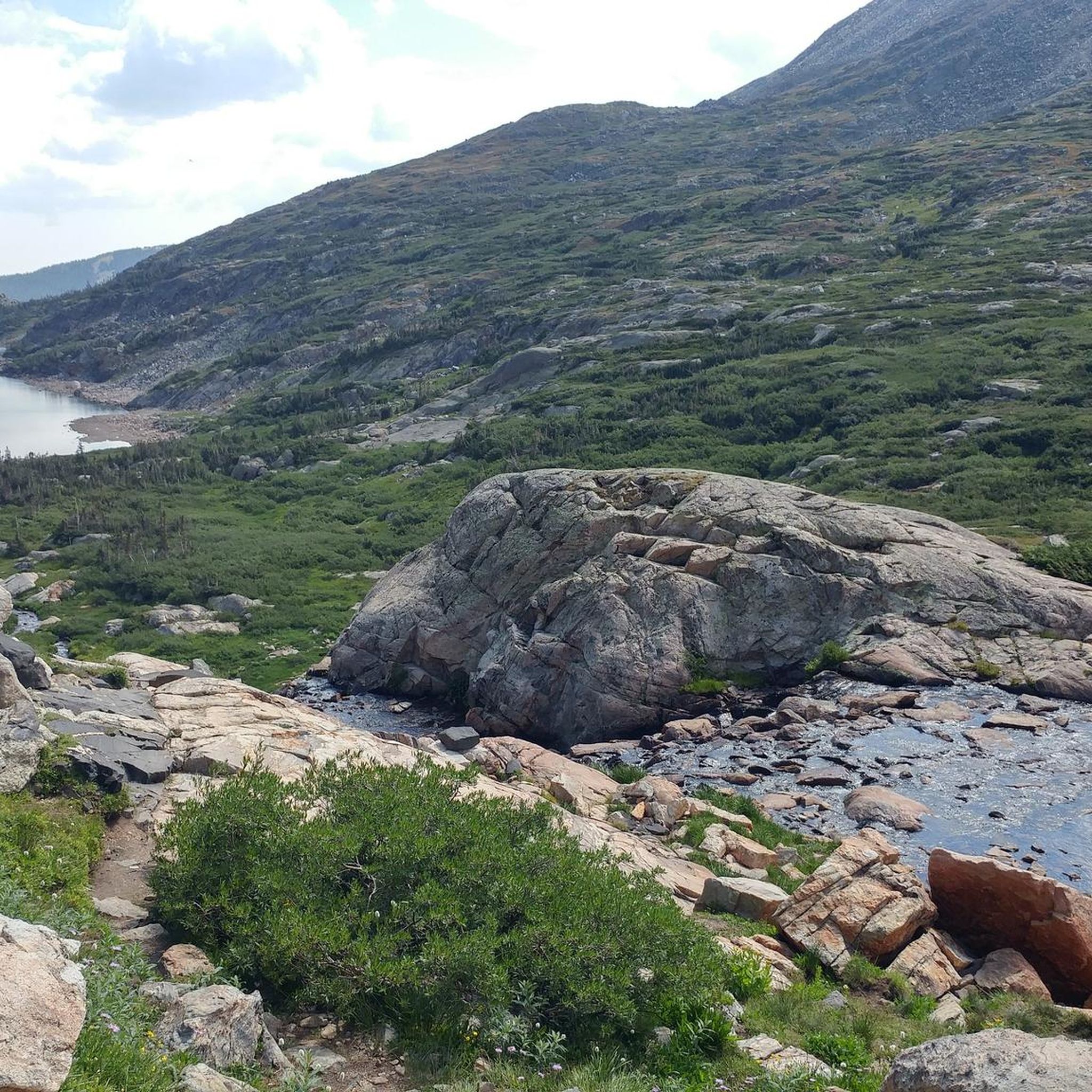
This stunning lake in Indian Peak Wilderness is surrounded by mountains and offers spectacular views. It's not too far from the parking area and is the junction point for several trails in the area, allowing for more extensive tours!
0
0

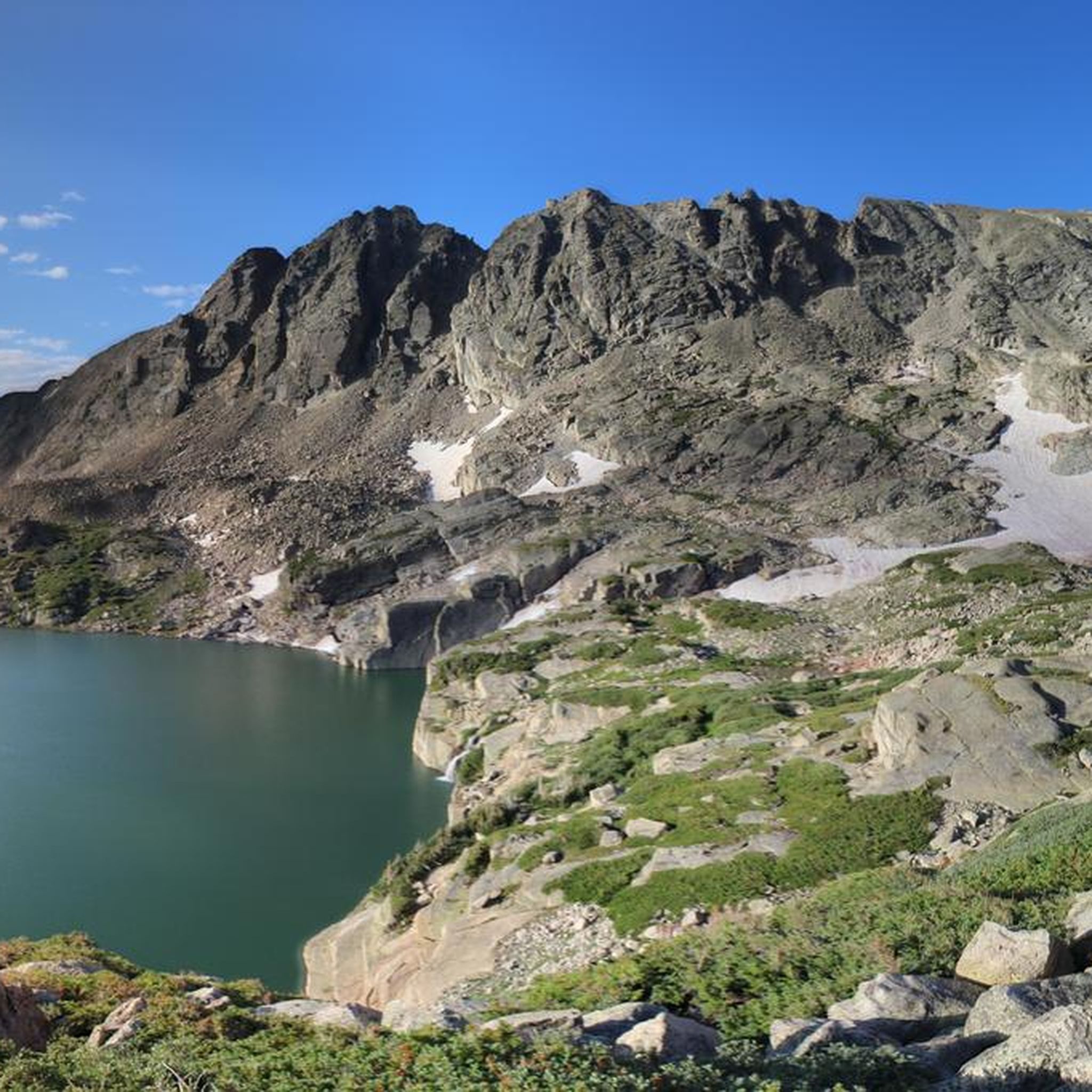
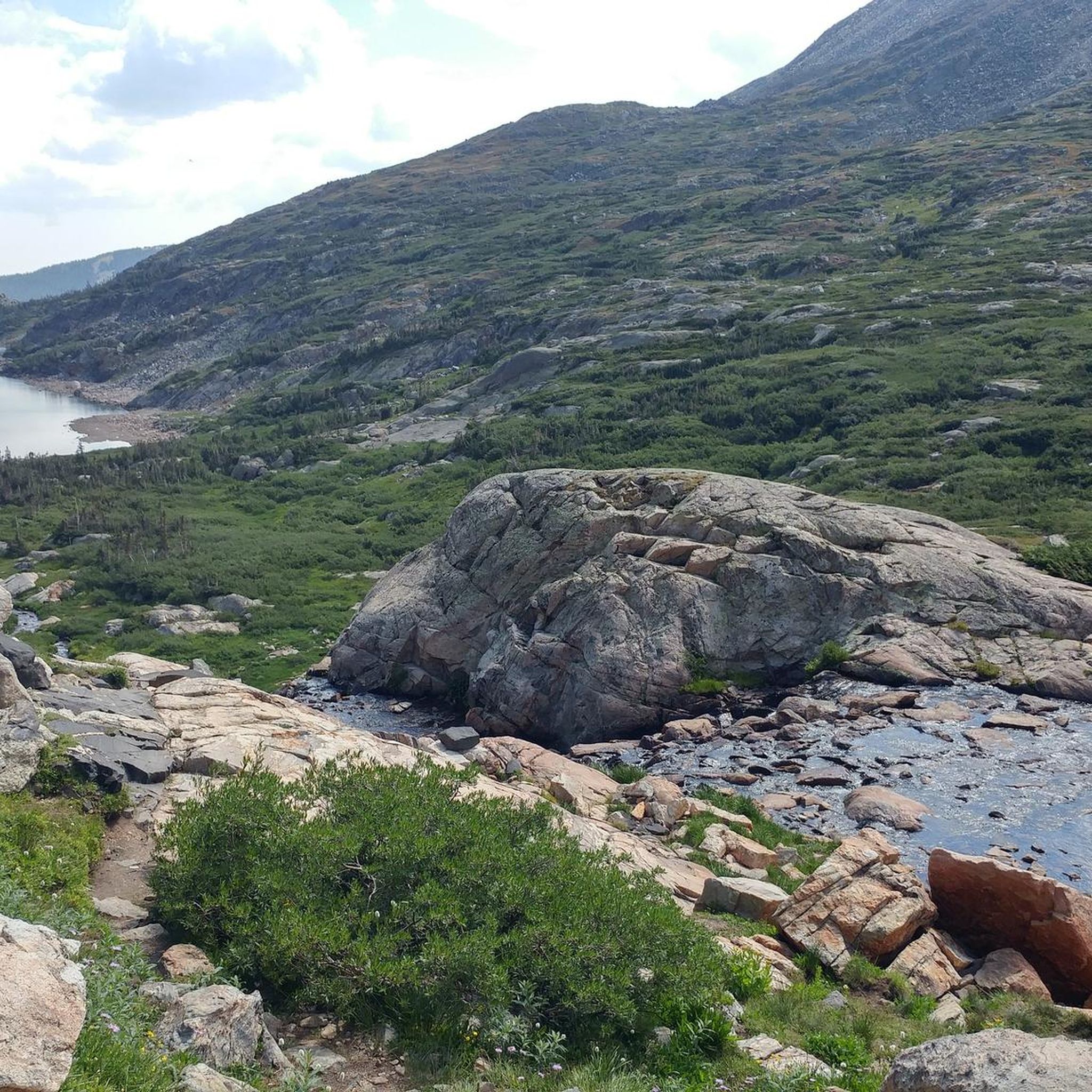
Lake Dorothy is a beautiful alpine lake in the southern part of Indian Peaks Wilderness. At 12,061 ft Lake Dorothy is the highest lake in the Indian Peaks Wilderness and can still be frozen over until July.
0
0
Woodland Lake Trail navigates its way into a bowl formed by the surrounding jagged peaks. At the end you can find Skyscraper Reservoir, which still has the old dam from when this was an actual reservoir for water management, yields great views of Skyscraper Peak overhead. You can take the trail that diverges up to the peak, but for many, this reservoir itself is the destination.
0
0

Monarch Lake is a stunning lake surrounded by trees and awesome mountain views. It is easily accessible and close to parking, so it is a great spot for hiking, paddleboarding, kayaking and fishing. There are also campgrounds and more extended hiking trails nearby that make this a great starting point for an adventure.
1
0

Monarch Lake is part of the Colorado Great Lakes. Its calm and its beauty, make it also one of the most beautiful.
0
1
Frequently Asked Questions
What are some easily accessible lakes in Indian Peaks Wilderness for a day trip?
For an easy and short hike suitable for various ages, consider Long Lake, which offers lush wildflower meadows and views without a strenuous climb. Another easily accessible option is Monarch Lake, a great starting point for hiking, paddleboarding, kayaking, and fishing, with nearby parking. Mitchell Lake, near Brainard Lake, is also easily accessible via a relatively short hike (about 1 mile) and offers good fishing.
Which lakes are best for fishing in Indian Peaks Wilderness?
Blue Lake is known for excellent greenback cutthroat and rainbow trout fishing, especially after the ice thaws in late June through July. Mitchell Lake, while smaller, also offers good potential for cutthroat and brook trout. Jasper Lake is stocked with cutthroat, brook, and brown trout, and its open shoreline makes it a great spot for fishing. Monarch Lake is also a popular spot for fishing.
Are there any challenging backpacking destinations with lakes in the region?
Yes, Crater Lake and Mirror Lake are iconic destinations requiring a challenging 15-mile roundtrip backpacking journey with significant elevation gain, often starting from the Monarch Lake Trailhead. Permits are highly competitive and require advance planning. Pawnee Lake is another spectacular option, accessible via challenging hikes and often part of longer backpacking loops like the Pawnee-Buchanan Loop. For a more remote experience, consider Storm Lake, a high alpine lake requiring navigation with a GPS.
What natural features can I expect to see around the lakes?
The lakes in Indian Peaks Wilderness are set amidst rugged, wind-swept peaks, serene alpine scenery, and lush forests. You can expect dramatic reflections of mountains like Lone Eagle Peak at Crater Lake and Mirror Lake, and views of Navajo Peak, Apache, and Shoshone from Isabelle Lake. Many trails feature vibrant alpine meadows, aspen groves, and impressive waterfalls, such as Cascade Falls on the way to Crater Lake, or those near King Lake.
What is the best time to visit the lakes in Indian Peaks Wilderness?
The best time to visit is generally from late June through September when most trails are free of snow and wildflowers are in bloom. Fishing is particularly good after the ice thaws in late June through July. During summer months, you might also observe moose and wildflowers around lakes like Long Lake. Be aware that some lakes, like Isabelle Lake, can have very low water levels later in September.
Are there family-friendly lake hikes in Indian Peaks Wilderness?
Yes, Monarch Lake is considered family-friendly due to its easy accessibility and proximity to parking. Long Lake also offers an easy, short hike suitable for various ages and fitness levels, winding through wildflower meadows.
What outdoor activities can I do near these lakes?
Beyond hiking and backpacking to the lakes, the Indian Peaks Wilderness offers a variety of outdoor activities. You can find numerous mountain biking trails, such as the challenging Lost Lake Trailhead – Nederland loop or the moderate Coney Buchanan loop. For cycling, options range from easy routes like the Red Rock Lake loop to difficult ones like the Lefthand Trailhead – Ward General Store loop. There are also dedicated waterfall hikes, including the Copeland Falls – Calypso Cascade loop. You can explore these and more activities in the MTB Trails in Indian Peaks Wilderness, Cycling in Indian Peaks Wilderness, and Waterfall hikes in Indian Peaks Wilderness guides.
What permits are required for visiting or camping near the lakes?
Permits may be required for vehicle access to certain trailheads, such as Brainard Lake Recreation Area, and for overnight stays in some areas, particularly for popular backpacking destinations like Crater Lake and Mirror Lake. These permits are often highly competitive and require advance planning. It's advisable to check with the local authorities for the most current permit requirements before your visit.
Which lakes offer opportunities for wildlife viewing?
The shores around Long Lake are a great spot to observe moose and wildflowers during the summer months. The entire Indian Peaks Wilderness is rich in wildlife, so keeping an eye out on any trail can lead to sightings of various alpine animals.
Are there any less crowded lakes for a more secluded experience?
Storm Lake is a more remote, high alpine lake that is less well-known and offers a secluded experience. It sits at an elevation of 11,418 feet and requires navigation with a GPS to reach, but the journey provides magnificent views and multiple waterfalls for those seeking solitude. Caribou Lake, accessible via Arapaho Pass, also offers a more remote backpacking experience.
What are the elevation ranges for lakes in Indian Peaks Wilderness?
The lakes in Indian Peaks Wilderness are generally high-altitude. Elevations in the region range from 8,400 feet up to 13,500 feet. For example, Long Lake sits over 10,000 feet, and Jasper Lake is at 10,814 feet. Storm Lake is even higher, at 11,418 feet.
Can I find loop trails connecting multiple lakes?
Yes, some lakes can be part of longer loop trails. For instance, Pawnee Lake can be incorporated into extensive backpacking loops like the Pawnee-Buchanan Loop. The Rainbow Lakes also offer a series of lakes that can be explored on a challenging moderate trail, extending upwards in elevation.
Most popular routes in Indian Peaks Wilderness
Most popular attractions in Indian Peaks Wilderness

Get inspired with the komoot mobile app


Explore more
Still not found your perfect lake in Indian Peaks Wilderness? Check out the guides of these regions to see even more beautiful places.
