Top 8 Gorges in Kaibab National Forest
Best canyons in Kaibab National Forest are part of a nearly 1.6 million-acre expanse in north-central Arizona, bordering the Grand Canyon National Park. The forest encompasses diverse landscapes, including prairies, plateaus, and significant canyon systems. It serves as a crucial gateway to the Grand Canyon and features other notable canyon experiences within its wilderness areas. Elevations in the forest range from 5,500 to nearly 10,500 feet, providing varied environments for exploration.
Best canyons in Kaibab National Forest
- The most popular…
Last updated: July 10, 2026
Tusayan
Highlight • Settlement
Tip by

Fence Point
Highlight • Viewpoint
Tip by
Sign up now to discover places like this
Get recommendations on the best single tracks, peaks, & plenty of other exciting outdoor places.
Sign up for free
Baaj Nwaavjo I'tah Kukveni – Ancestral Footprints of the Grand Canyon National Monument
Highlight • Natural Monument
Tip by

Locust Point
Highlight • Viewpoint
Tip by

Timp Point
Highlight • Viewpoint
Tip by
Sign up for free to discover even more gorges in Kaibab National Forest.
Sign up for free
Already have an account?
Start today with a free account
Your next adventure awaits.
Login or Signup
Popular around Kaibab National Forest
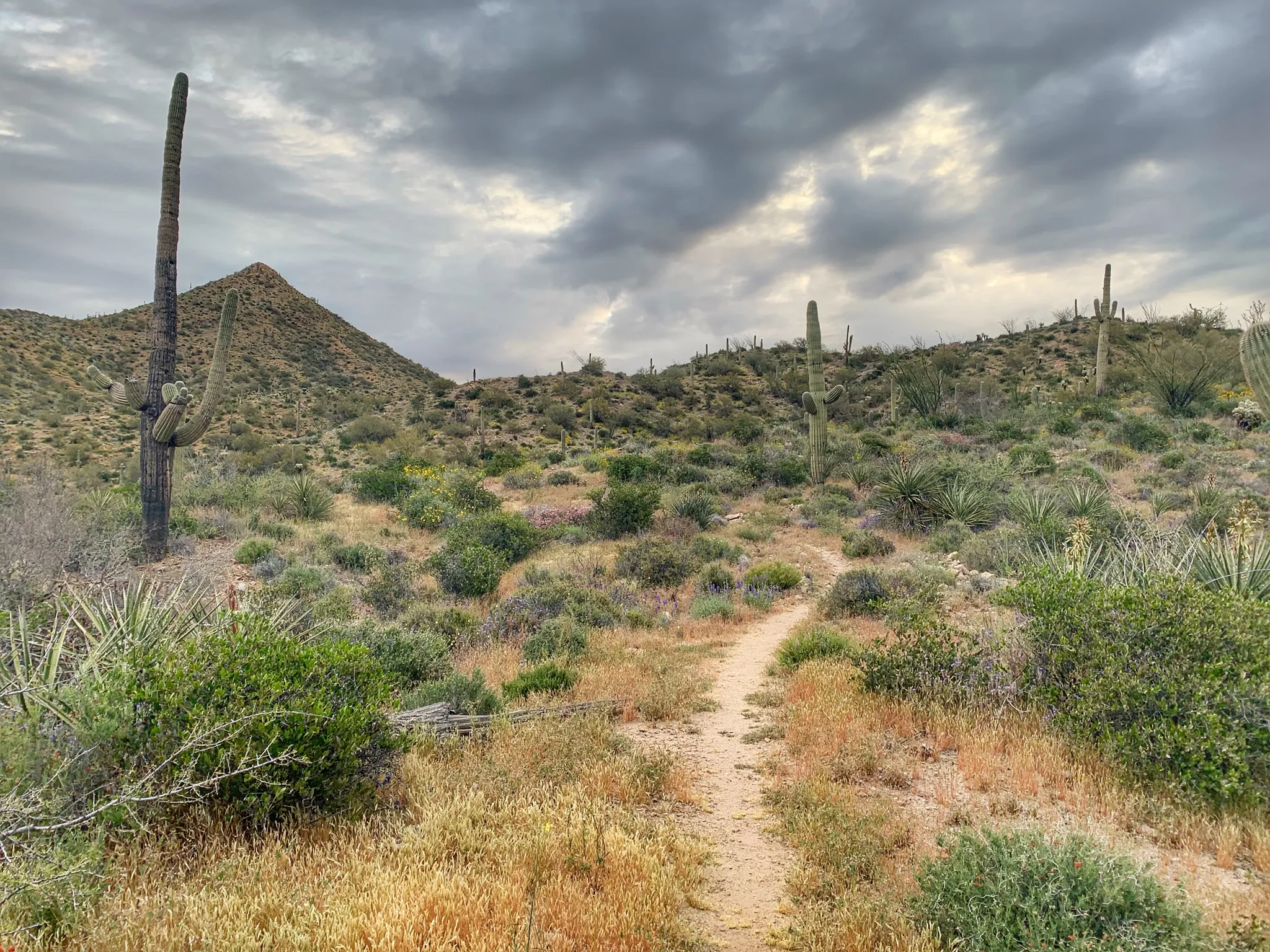
Arizona Trail — A beautiful 800-mile struggle
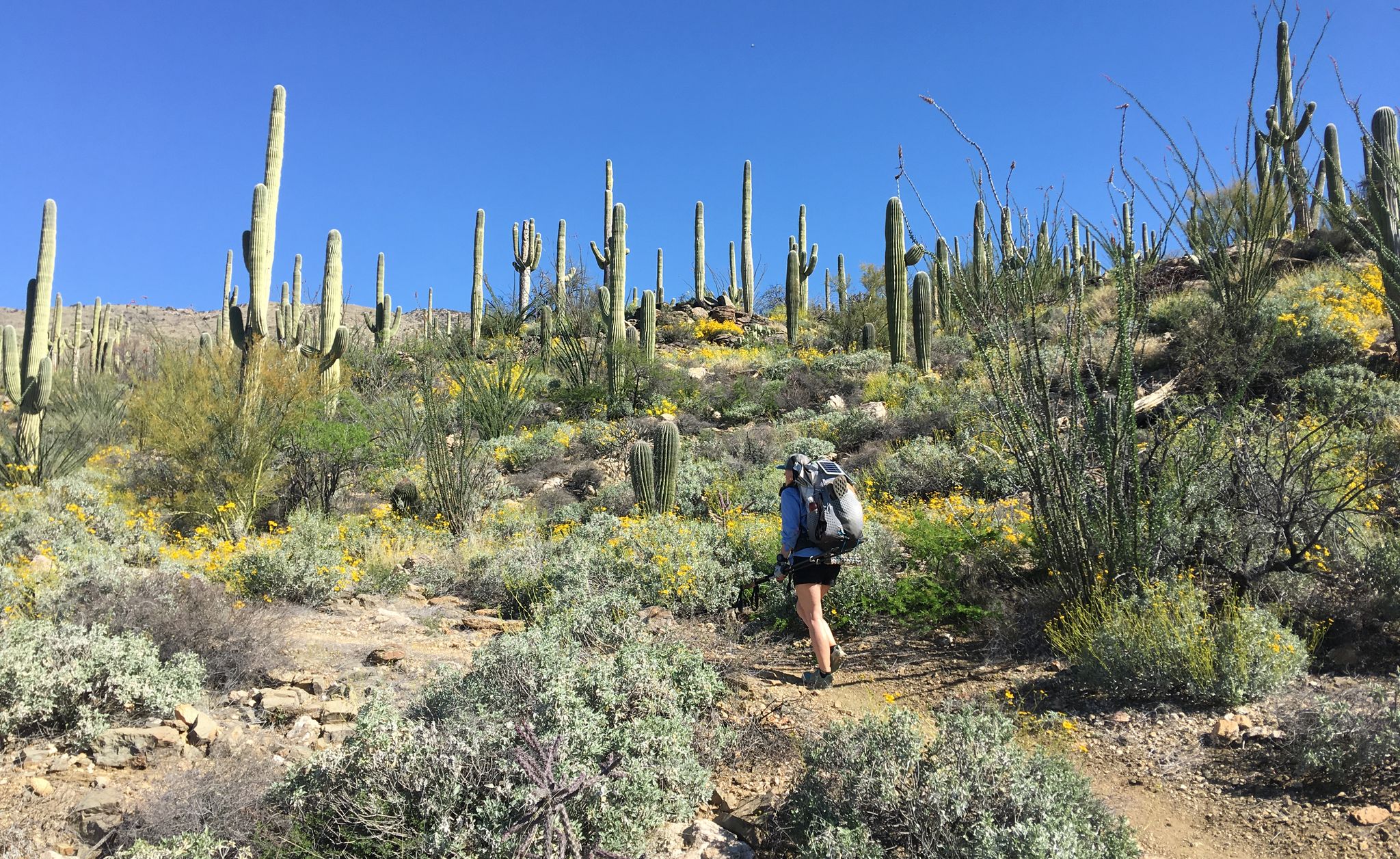
The Arizona Trail — From Mexico to Utah in 43 days
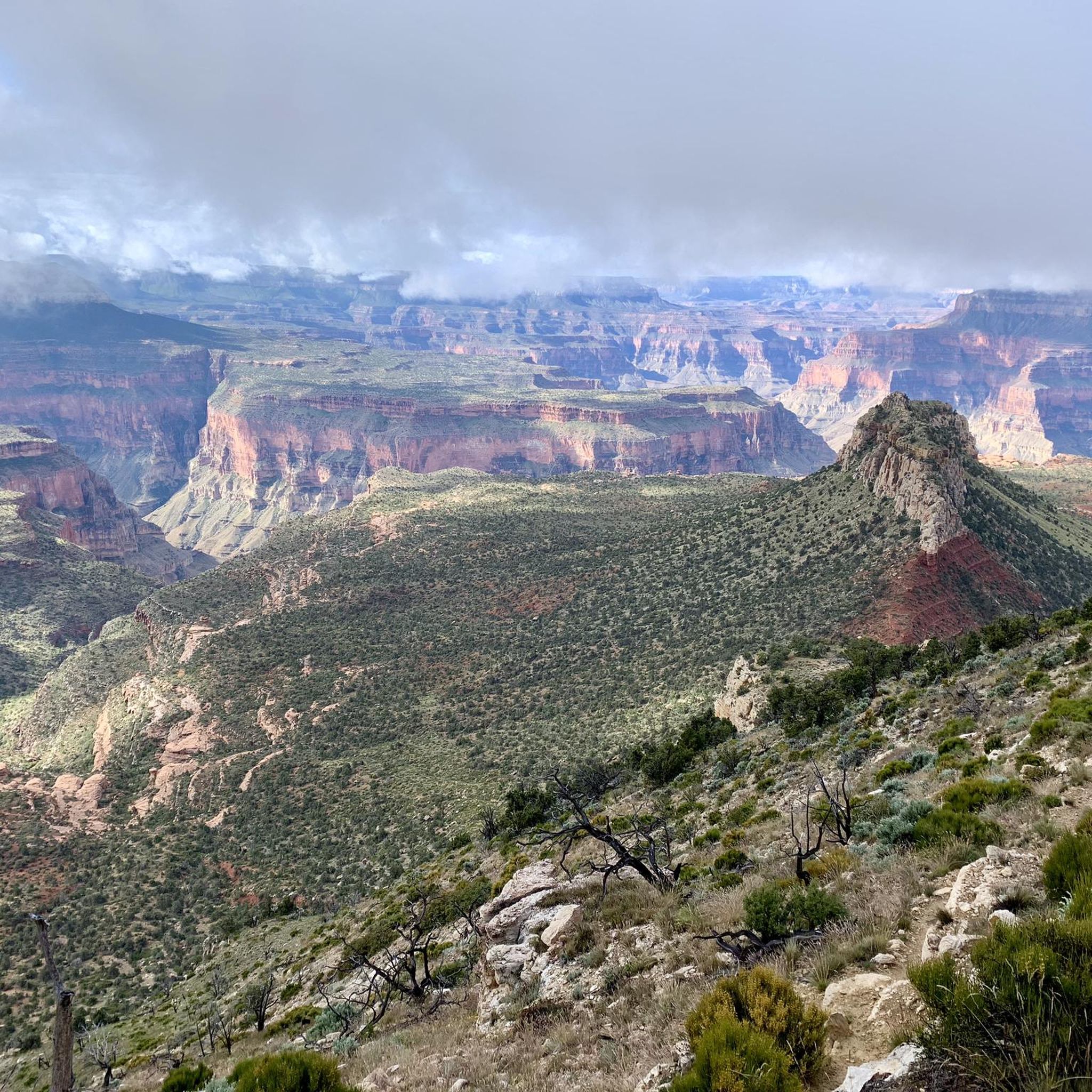
Hiking in Kaibab National Forest
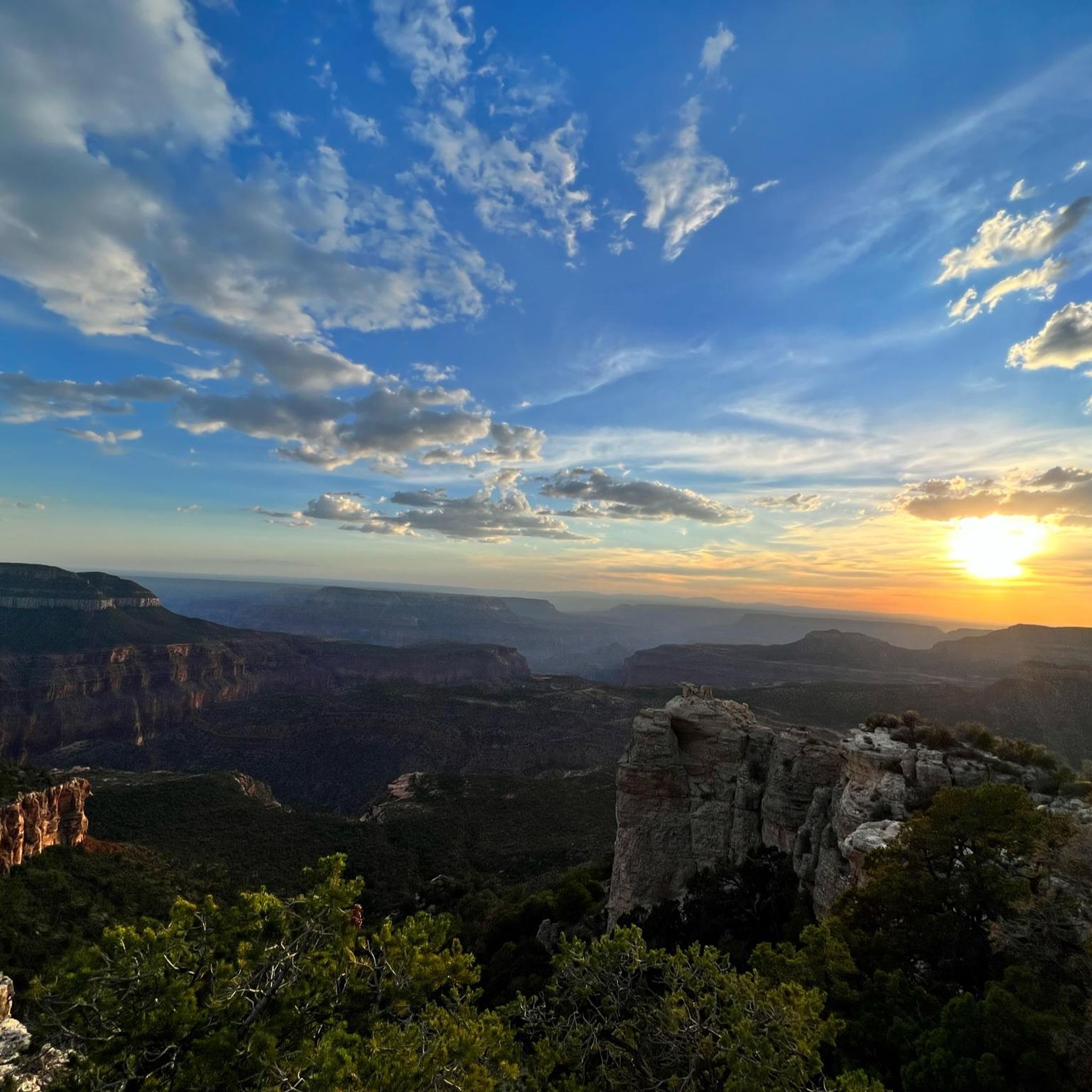
MTB Trails in Kaibab National Forest
Road Cycling Routes in Kaibab National Forest
Cycling in Kaibab National Forest
Running Trails in Kaibab National Forest

Gravel biking in Kaibab National Forest
Other adventures in Kaibab National Forest


Tips from the Community

Tusayan is an Arizona Trail Gateway Community. It is a small town close to the South Rim of the Grand Canyon. You will find some motels, restaurants and a grocery store. Due to the proximity to the touristy South Rim, everything is very pricy, even McDonalds. The grocery store at the Grand Canyon Village is cheaper with a larger variety. Free WiFi is available in the lobby of the Holiday Inn. The Mexican restaurant has a nice and affordable breakfast buffet. The Tusayan Post Office in the General Store will NOT accept General Delivery packages, so send them to the Post Office at Grand Canyon Village.
0
0

Baaj Nwaavjo I'tah Kukveni protects over 900,000 acres of ancestral lands surrounding the Grand Canyon, sacred to 13 tribal nations. Its name—Havasupai and Hopi for "where Indigenous peoples roam" and "our ancestral footprints"—honors deep cultural ties. The monument preserves sacred sites, rare wildlife, and vital watersheds through tribal and federal collaboration. The open plateaus, canyons, and expansive desert views are truly breathtaking.
0
0
Tusayan is an Arizona Trail Gateway Community. It is a small town close to the South Rim of the Grand Canyon. You will find some motels, restaurants and a grocery store. Due to the proximity to the touristy South Rim, everything is very pricy, even McDonalds. The grocery store at the Grand Canyon Village is cheaper with a larger variety. Free WiFi is available in the lobby of the Holiday Inn. The Mexican restaurant has a nice and affordable breakfast buffet. The Tusayan Post Office in the General Store will NOT accept General Delivery packages, so send them to the Post Office at Grand Canyon Village.
4
0

Approachable from Forest Service Road 271, Timp Point could function as a start and end point for a loop ride, and it provides the southern-most viewpoint along Rainbow Rim. The Grand Canyon at this point presents a more vegetated landscape than many may be familiar with in other more well-known locations.
0
0
Like other of the viewpoints on Rainbow Rim, Locust Point is a popular spot to sit and take in the Grand Canyon—for good reason. Sunsets are especially popular for those ending their rides here or traveling in via Forest Service Roads.
0
0
There's a parking lot near Fence Point, which also features an optional spur to the point itself—with its sparkling view west into the Grand Canyon and of Steamboat Mountain.
0
0
This is one of five "Points" along the Rainbow Rim Trail. There is a perfect spot where you can pitch your tent right at the edge of the Grand Canyon. Enjoy a stunning sunset!
2
0
Tusayan is an Arizona Trail Gateway Community. It is a small town close to the South Rim of the Grand Canyon. You will find some motels, restaurants and a grocery store. Due to the proximity to the touristy South Rim, everything is very pricy, even McDonalds. The grocery store at the Grand Canyon Village is cheaper with a larger variety. Free WiFi is available in the lobby of the Holiday Inn. The Mexican restaurant has a nice and affordable breakfast buffet. The Tusayan Post Office in the General Store will NOT accept General Delivery packages, so send them to the Post Office at Grand Canyon Village.
3
0
Frequently Asked Questions
What are some notable viewpoints in Kaibab National Forest for experiencing the canyons?
Kaibab National Forest offers several stunning viewpoints, particularly along the Rainbow Rim Trail. Fence Point is a popular spot for observing sunsets over the Grand Canyon and Steamboat Mountain. Another excellent choice is Locust Point, also on the Rainbow Rim, known for its breathtaking Grand Canyon vistas, especially at sunset. Further south along the Rainbow Rim, Timp Point provides a unique perspective of the Grand Canyon with a more vegetated landscape.
Are there other significant canyons within Kaibab National Forest besides the Grand Canyon?
Yes, beyond the Grand Canyon, Kaibab National Forest encompasses other notable canyon systems. The Sycamore Canyon Wilderness, partly within the forest, protects Arizona's second-largest canyon, featuring diverse ecosystems from pine forests to riparian areas. The Kanab Creek Wilderness in the northern section offers a deep, winding canyon system feeding into the Colorado River, ideal for remote backcountry exploration and canyoneering.
What kind of geological features can I expect to see in the canyons of Kaibab National Forest?
The canyons in Kaibab National Forest, particularly the Grand Canyon, expose nearly two billion years of Earth's geological history through their colorful rock layers. You'll witness immense geological marvels, deep winding systems, and diverse ecosystems. The vastness of the Grand Canyon itself, with its varying depths and widths, showcases dramatic erosion and uplift, while areas like Baaj Nwaavjo I'tah Kukveni – Ancestral Footprints of the Grand Canyon National Monument offer expansive desert views and open plateaus with significant geological and cultural importance.
What is the best time of year to visit the canyons in Kaibab National Forest?
The best time to visit the canyons in Kaibab National Forest generally depends on the specific rim and desired activities. The North Rim, which is higher in elevation, is typically open from mid-May to mid-October due to heavy snowfall in winter. The South Rim is open year-round. Spring and fall offer milder temperatures, fewer crowds, and vibrant colors, making them ideal for hiking and exploration. Summer can be very hot, especially at lower elevations, while winter offers a serene, snow-covered landscape on the South Rim, though many services may be limited.
Are there family-friendly options for visiting the canyons in Kaibab National Forest?
Yes, there are family-friendly options. While some canyon experiences are rugged, areas like Baaj Nwaavjo I'tah Kukveni – Ancestral Footprints of the Grand Canyon National Monument are designated as family-friendly, offering accessible views and open spaces. Many viewpoints along the Grand Canyon's rims are easily accessible and provide safe, breathtaking vistas for all ages. It's always advisable to check specific trail difficulties and conditions when planning hikes with children.
What outdoor activities can I do near the canyons in Kaibab National Forest?
Kaibab National Forest is a haven for outdoor activities. You can enjoy extensive cycling, running, and mountain biking. For cycling, explore routes like the Grand Canyon Greenway Trail or the Rainbow Rim Trail Loop. Runners can find trails such as the Grand Canyon Village Greenway Trail or various loops around Tusayan. Mountain bikers have options like the Rainbow Rim Trail or the Arizona Trail and Pleasant Valley Loop. For more details on routes, you can check the Cycling in Kaibab National Forest, Running Trails in Kaibab National Forest, and MTB Trails in Kaibab National Forest guides.
What are the permit requirements for hiking or camping in Kaibab National Forest canyons?
While general entry to Kaibab National Forest typically doesn't require a permit, specific activities or areas within the forest, especially those bordering or within wilderness areas or the Grand Canyon National Park, may have permit requirements. For instance, backcountry camping in the Grand Canyon requires a permit. It's crucial to check with the Kaibab National Forest Service or the Grand Canyon National Park Service for the most current information regarding permits for hiking, camping, or specific wilderness area access.
Where can I find accommodation and amenities near the canyons?
A primary hub for accommodation and amenities near the South Rim of the Grand Canyon is Tusayan. This small town offers motels, restaurants, and a grocery store, serving as a convenient base for canyon exploration. While prices can be higher due to its proximity to the Grand Canyon, it provides essential services for visitors.
What is the typical terrain and elevation like in Kaibab National Forest canyons?
Kaibab National Forest features diverse terrain and elevations, ranging from 5,500 to nearly 10,500 feet. The canyons themselves, particularly the Grand Canyon, involve dramatic descents and ascents. The Kaibab Plateau, which the Grand Canyon bisects, is significantly higher on the North Rim, leading to deeper and longer tributary canyons on the north side and shorter, steeper ones on the south. You'll encounter everything from pine forests on the rims to arid desert landscapes and riparian areas at canyon bottoms.
Are there less crowded canyon experiences available in Kaibab National Forest?
Yes, if you're seeking solitude away from the main Grand Canyon viewpoints, the wilderness areas within Kaibab National Forest offer less-trafficked canyon experiences. The Sycamore Canyon Wilderness and Kanab Creek Wilderness provide rugged beauty and opportunities for solitude, though access can be challenging and requires self-sufficiency. These areas are ideal for those looking for a more remote and immersive natural experience.
What kind of wildlife can I expect to see in the canyons of Kaibab National Forest?
The diverse ecosystems within Kaibab National Forest and its canyons support a variety of wildlife. Depending on the elevation and habitat, you might spot mule deer, elk, and various bird species in the forested rim areas. Lower canyon elevations and riparian zones can host different species, including reptiles, amphibians, and smaller mammals. The Baaj Nwaavjo I'tah Kukveni – Ancestral Footprints of the Grand Canyon National Monument specifically protects rare wildlife, highlighting the region's biodiversity.
How does hiking in Kaibab National Forest canyons compare to trails directly within Grand Canyon National Park?
Hiking in Kaibab National Forest canyons often provides a different experience than trails directly within Grand Canyon National Park. While the forest borders both the North and South Rims, offering access to Grand Canyon views, it also encompasses other significant canyon systems like Sycamore Canyon and Kanab Creek. These forest canyons tend to be less developed and offer more remote, rugged backcountry experiences, often requiring greater self-sufficiency. Trails within the national park are generally more established and heavily trafficked, especially the popular rim and corridor trails.
Most popular routes in Kaibab National Forest
Most popular attractions in Kaibab National Forest

Get inspired with the komoot mobile app


Explore more
Already discovered everything in this region? See additional gorges in Kaibab National Forest for your next adventure:
