Grand Canyon National Park
Grand Canyon National Park
Top 20 Gorges in Grand Canyon National Park
Best canyons in Grand Canyon National Park are part of a vast geological formation carved by the Colorado River over millions of years. This UNESCO World Heritage Site spans over 1.2 million acres, revealing nearly two billion years of Earth's history through its exposed rock layers. The park features an intricate network of gorges and canyons, offering diverse landscapes and geological insights. It is a significant natural landmark known for its immense scale and unique formations.
Best canyons in Grand Canyon National Park
- The most popular canyons is South Kaibab Trailhead, a trail that leads to one of the two corridor trails through the Grand Canyon. There is no parking at the trailhead, requiring shuttle access.
- Another must-see spot is Bright Angel Trailhead, a challenging trail and viewpoint. It offers stunning views into the canyon and is a starting point for multiday hikes into the inner canyon.
- Visitors also love Mohave Point, a viewpoint with canyon views. It offers views over the Grand Canyon, particularly at sunset, and a perspective on the Tonto Trail.
- Grand Canyon National Park is known for its deep gorges, expansive canyons, and dramatic viewpoints. The park offers a variety of canyon experiences, from rim-side overlooks to challenging inner-canyon trails.
- The canyons in Grand Canyon National Park are appreciated by the komoot community, with more than 40 highlights, over 230 photos, and more than 450 upvotes.
Last updated: October 12, 2026
Bright Angel Trailhead
Highlight • Trail
Bus shuttle will get you to and from the trailhead into Grand Canyon Village with connections to Tusayan and the backcountry office, where you can park you car for a backcountry adventure.
Tip by

South Kaibab Trailhead
Highlight • Trail
The South Kaibab Trail is also part of the 800 mile Arizona National Scenic Trail that stretches from the Mexican border to Utah stateline.
Tip by
Sign up now to discover places like this
Get recommendations on the best single tracks, peaks, & plenty of other exciting outdoor places.
Grand Canyon Visitor Center
Highlight • Rest Area
Tip by

Hermit's Rest
Highlight • Monument
There are restrooms, drinking fountains and a gift shop that also sells maps of the area at Hermits Rest.
Tip by
Mohave Point
Highlight • Viewpoint
Tip by
Sign up for free to discover even more gorges in Grand Canyon National Park.
Already have an account?
Start today with a free account
Your next adventure awaits.
Popular around Grand Canyon National Park
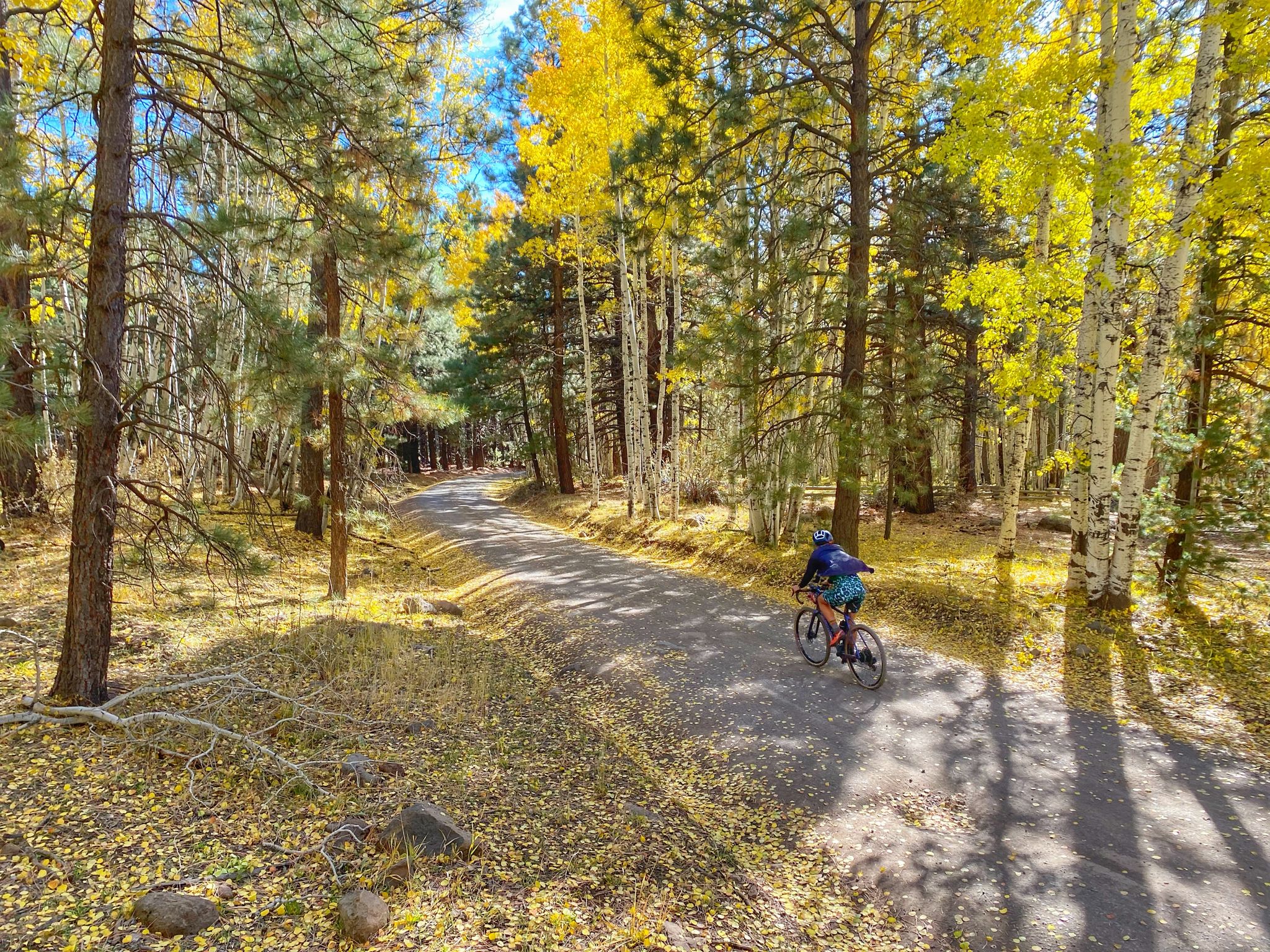
Grand Canyon to Mount Humphreys — a run, bike, run adventure
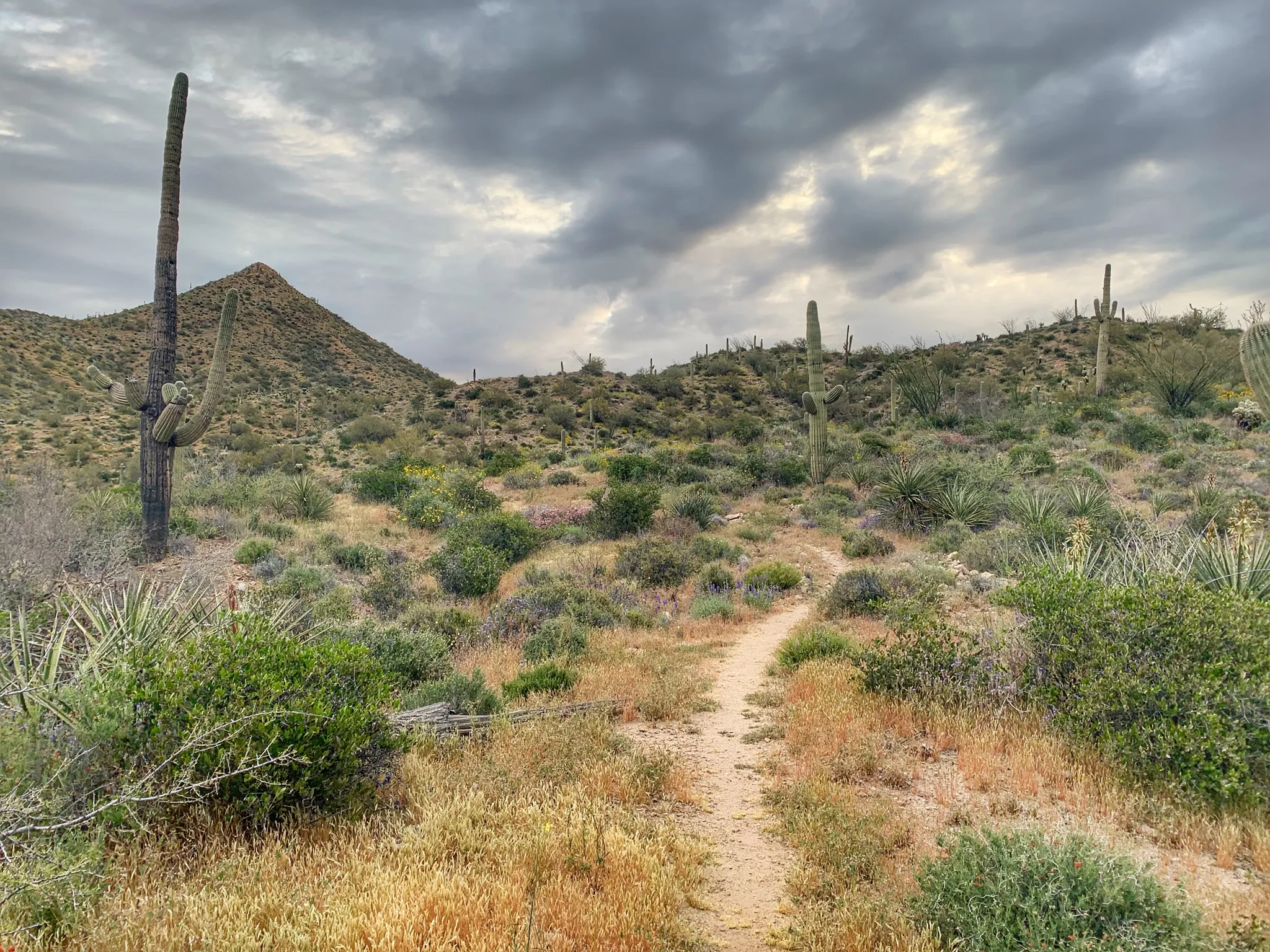
Arizona Trail — A beautiful 800-mile struggle
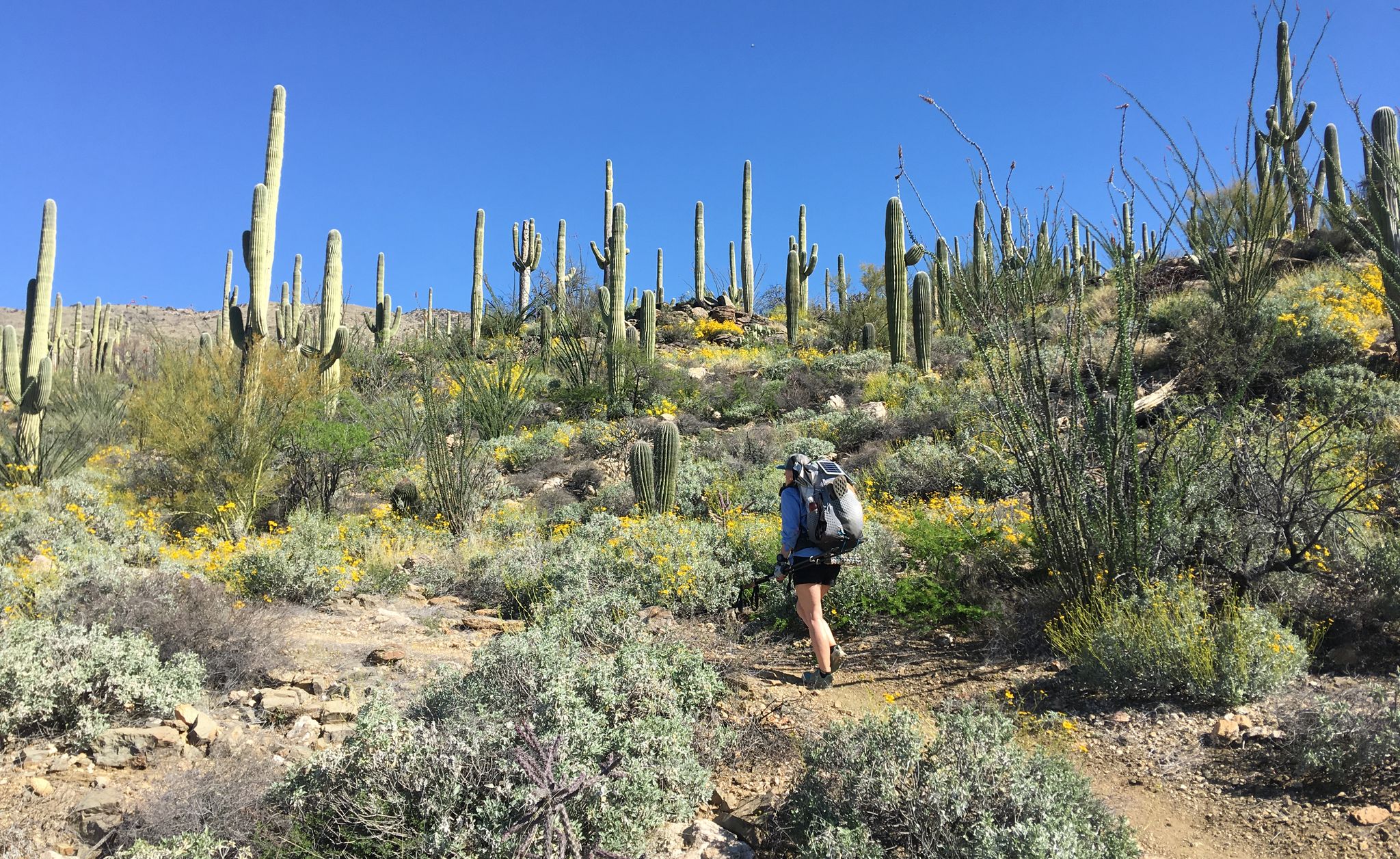
The Arizona Trail — From Mexico to Utah in 43 days
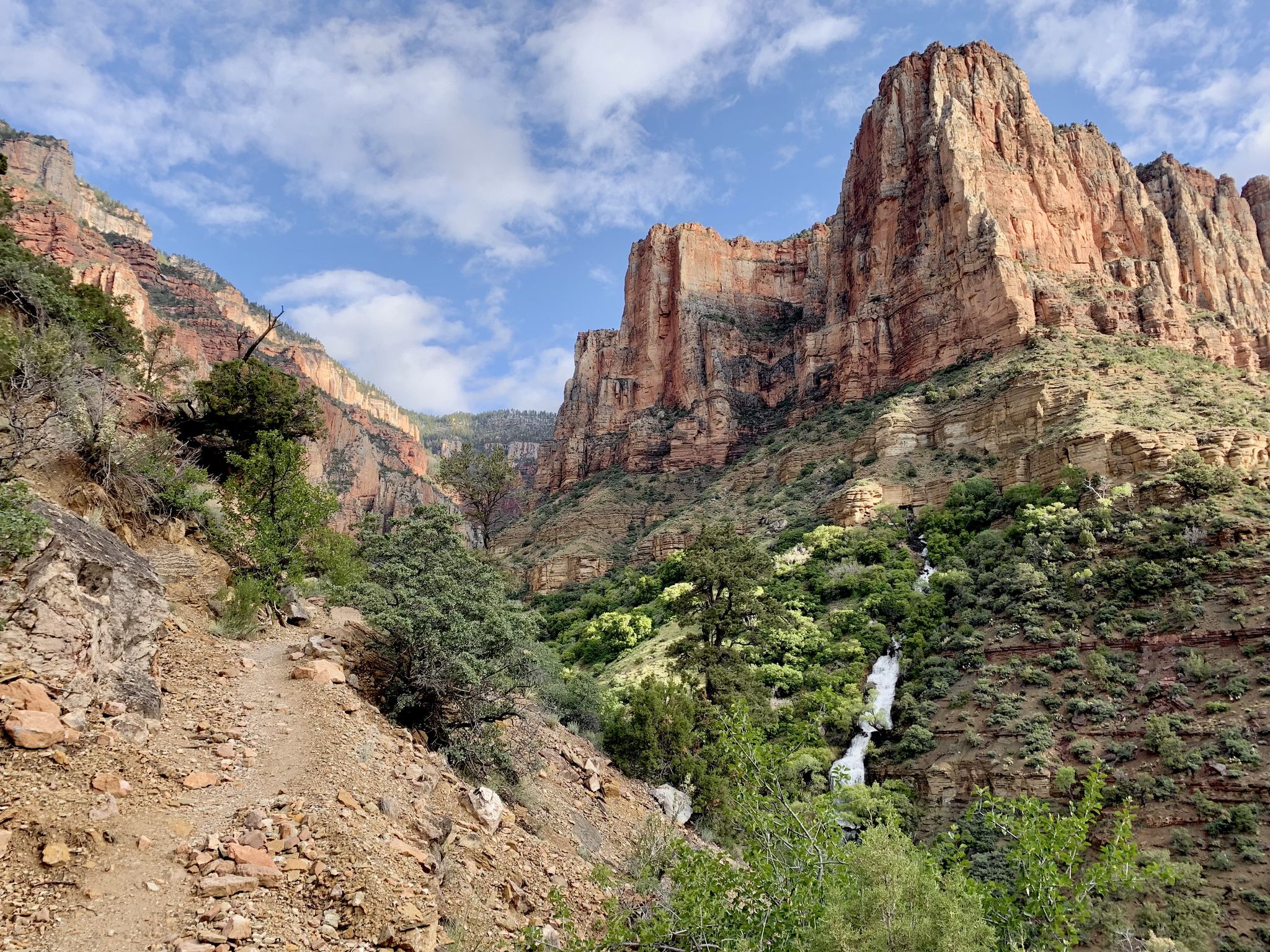
Rim-to-Rim-to-Rim – top to bottom through the Grand Canyon
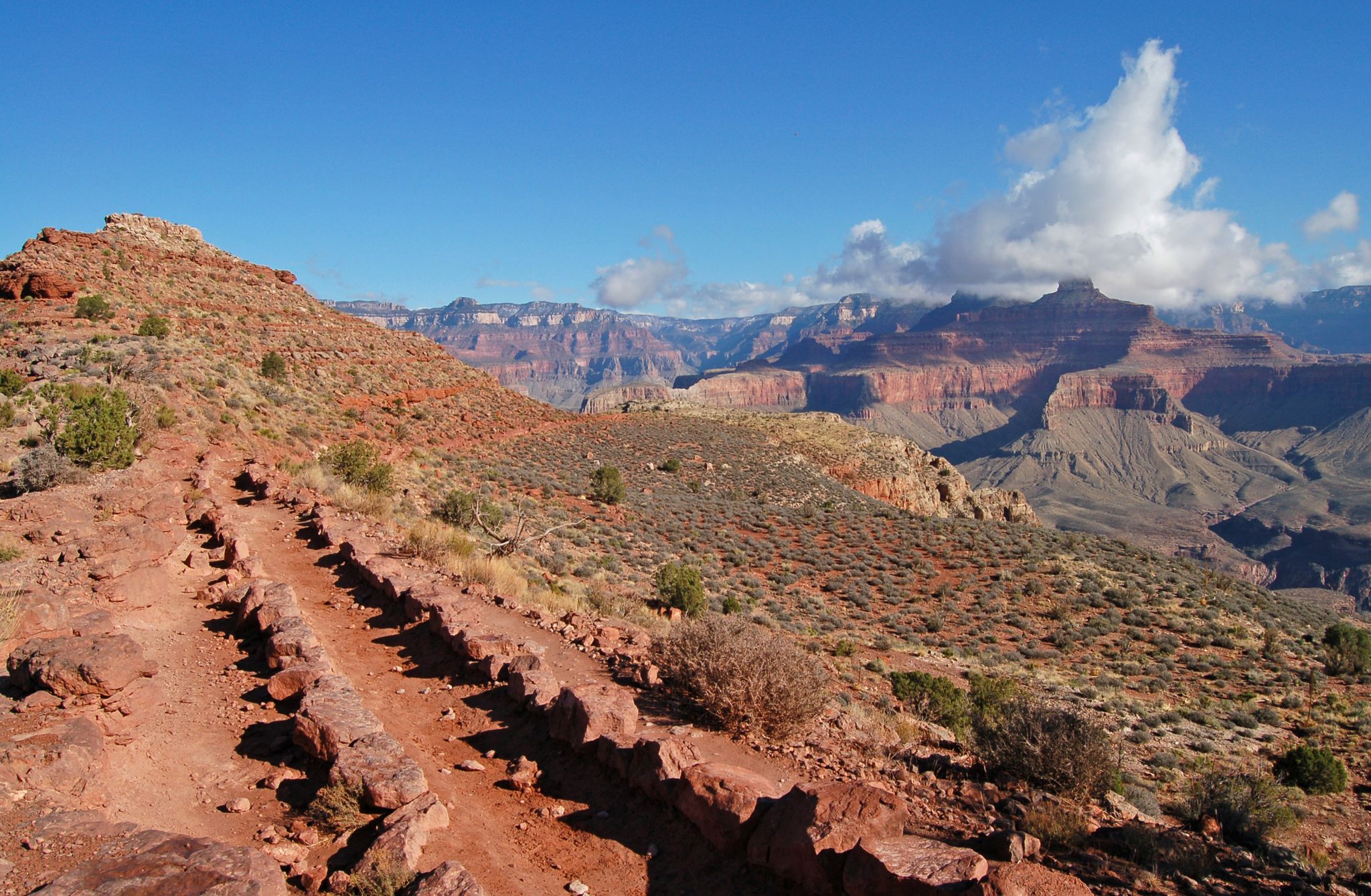
Rim-to-Rim-to-Rim — Fastpacking into the Grand Canyon’s heart
Historic Route 66 – curiosities, selfie spots and diners
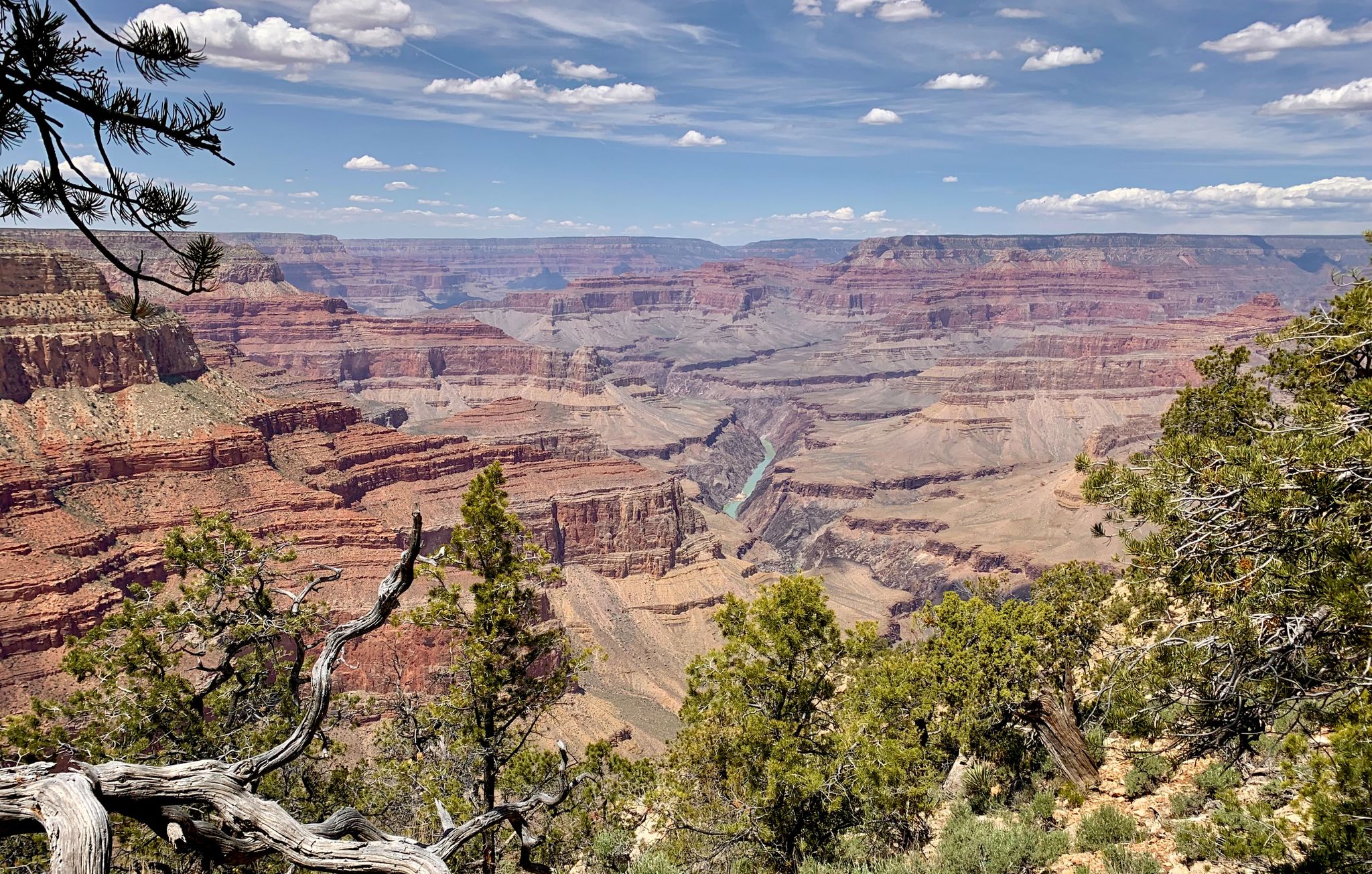
Arizona to Colorado – national parks and Native American culture
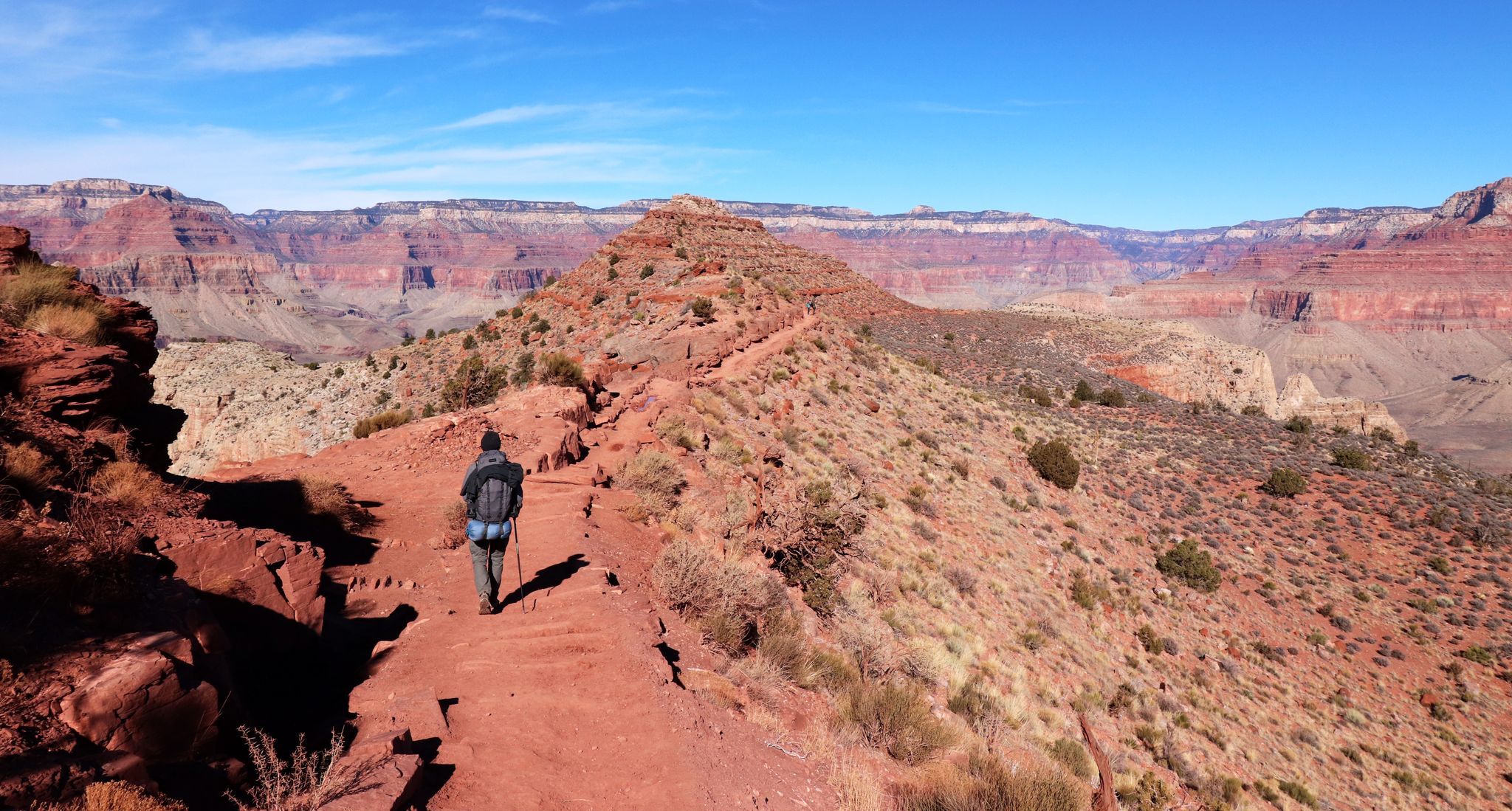
An unforgettable winter hike through the Grand Canyon
The pristine beauty of the US National Parks
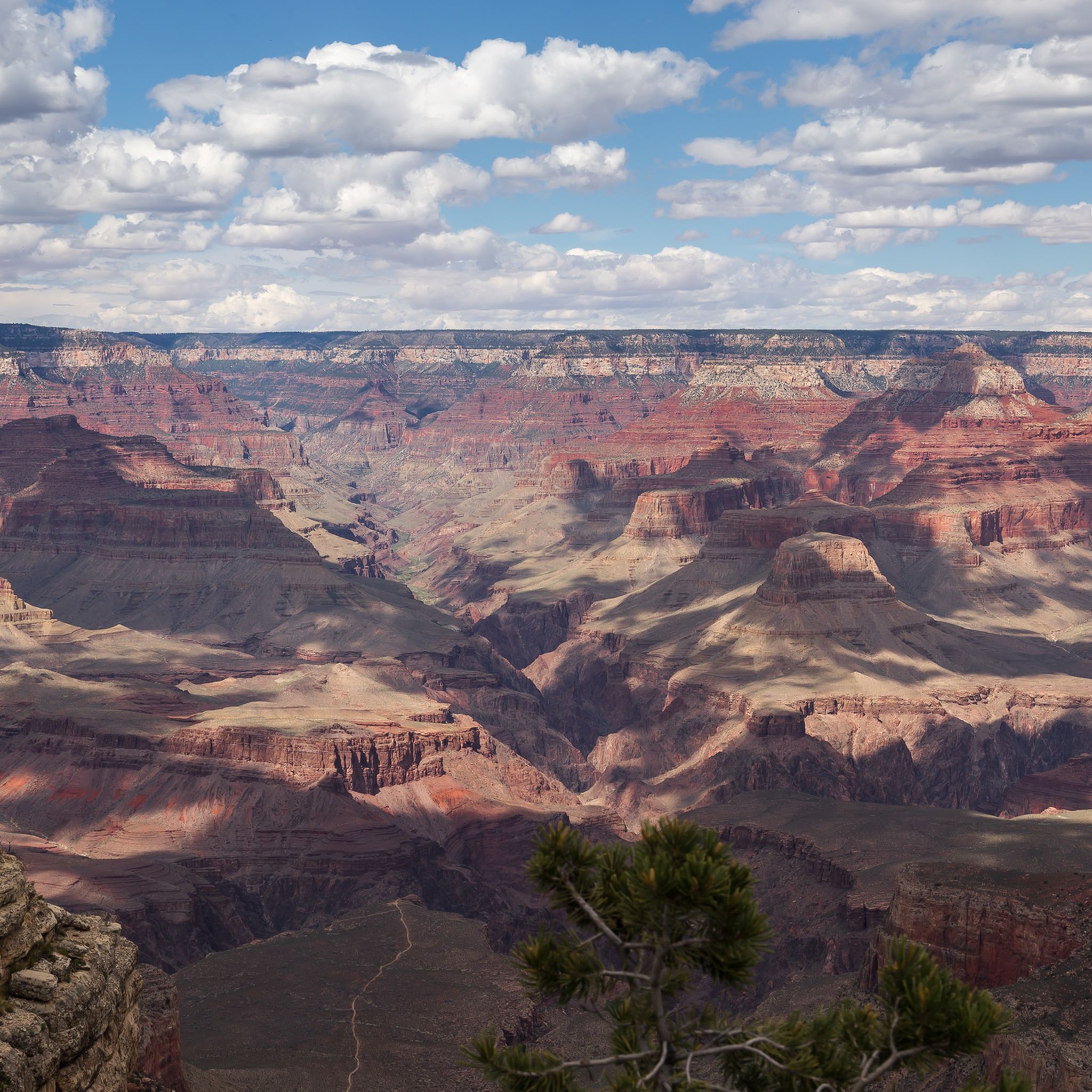
Hiking in Grand Canyon National Park
Other adventures in Grand Canyon National Park


Tips from the Community

I can recommend starting here in the morning and then gradually making your way back along the rim on foot or by shuttle bus. Super impressive
1
0

Mohave Point offers incredible views over the Grand Canyon, especially at sunset. You’ll also get a perfect view of the Tonto Trail winding deep into the canyon. The trail to the very tip of the point isn’t paved, so you can stop your bike and take a short hike to check it out.
0
0
Hermit's Rest is the endpoint of a stunning and epic ride in the Grand Canyon. Built in 1914, the structure is named after Louis Boucher, a Canadian-born prospector who staked claims near the site around 1891. With help, Boucher carved the trail into the canyon and lived alone at nearby Dripping Springs for many years. The ride is smooth and scenic, offering breathtaking canyon views. No cars are allowed on Hermit Road, making the experience even better, though shuttle buses still run. There's a small snack bar at Hermit’s Rest for a quick break. This is a must-do for any cycling enthusiast!
1
0

This is the far western end of the Rim Trail, one of the most popular running trails in the park. There's a shuttle bus stop if you started to the east and don't want to run all the way back. At this point, the trail tends to be narrow and near the edge of the canyon, so it's no surprise the views are incredible. If you want a milder run, the section of the Rim Trail that runs between Mather Point and Powell Point is paved, and still has stunning views.
0
0
This is the place for all your trip planning and information needs, or to use the restroom and refill your water before heading out. And of course the views are stunning! If you have the time, duck inside to watch either of two 24-minute movies to orient you to the park and the 11 Indigenous tribes that have lived here since time immemorial.
0
0

There is no parking at the trailhead for the South Kaibab Trail. If you need parking, you can leave your car at the Visitor Center, then take the Kaibab Route shuttle bus to the trailhead. The trail itself is a wonderfully well maintained dirt trail that gives you amazing views.
0
0

Hermits Rest is the end point of the red shuttle line. From here you can start a hike back on the Rim Trail or a hike into the Grand Canyon on the Hermit Trail which intersects with the Boucher Trail or finally leads to the Tonto Trail after many miles and loss of elevation. There are restrooms, drinking fountains and a gift shop that also sells maps of the area at Hermits Rest.
4
0

End of the bus tour. There is a small shop with drinks and snacks and the great views are free of charge.
1
0
Frequently Asked Questions
What are some of the most popular trails for exploring the canyons in Grand Canyon National Park?
Two of the most popular trails that lead into the canyon are the South Kaibab Trail and the Bright Angel Trail. The South Kaibab Trail is known for its stunning views and is accessible via shuttle, as there's no parking at the trailhead. The Bright Angel Trail, while challenging, offers outstanding views and is a starting point for multi-day hikes into the inner canyon. Both provide a profound sense of the canyon's scale and geology.
Are there any family-friendly viewpoints or accessible areas in Grand Canyon National Park?
Yes, several areas are family-friendly and accessible. Mather Point Amphitheater is easily accessible from the Visitor Center and offers stunning views from elevated seating. Mohave Point also provides incredible canyon views, especially at sunset, and is reachable by hiking the Rim Trail or taking a shuttle bus.
What unique natural features can I expect to see when visiting the canyons?
The Grand Canyon is rich in natural features. Beyond the immense gorges, you can find striking blue-green waterfalls in Havasu Canyon, where the vibrant color comes from natural minerals. Marble Canyon, despite its name, features polished limestone walls and is a crucial habitat for California condors. The inner canyon trails, like Bright Angel, reveal layers of red, rust, rose, and white rock, showcasing nearly two billion years of Earth's geological history.
What is the best time of year to visit the canyons in Grand Canyon National Park?
The best time to visit often depends on your planned activities. Spring and fall generally offer milder temperatures, making them ideal for hiking into the canyon. Summer can be very hot, especially in the inner canyon, while winter brings cooler temperatures and potential snow, offering a different, often less crowded, experience. Always check weather conditions and seasonal closures before your visit.
Are there any less crowded canyon areas for a more peaceful experience?
For a more secluded experience, consider visiting Toroweap Overlook (Tuweep) on the remote western edge of the North Rim. It offers uniquely dramatic views with a sheer 3,000-foot vertical drop directly to the Colorado River. Its remoteness ensures a less crowded and more peaceful wilderness experience, though access requires driving on dirt roads, often needing high-clearance vehicles.
What kind of permits are needed for hiking or backpacking in the Grand Canyon's inner canyons?
For multi-day hikes into the inner canyon, such as from the Bright Angel Trailhead, a backcountry permit is required. These permits are very popular, especially for the corridor trails, so it's advisable to apply several months in advance of your trip. You can find more information on the National Park Service website.
What outdoor activities can I do near the canyons in Grand Canyon National Park?
Beyond hiking, the Grand Canyon National Park offers a variety of outdoor activities. You can explore MTB trails like the Rainbow Rim Trail, enjoy road cycling routes such as the Grand Canyon Rim Trail, or go touring bicycle routes like the Cape Royal Drive. Many of these routes offer stunning views of the canyon and its surroundings.
Are there any historical sites or cultural experiences related to the canyons?
Yes, the Grand Canyon has significant historical and cultural ties. Havasu Canyon is home to the Havasupai people, 'People of the Blue-Green Water,' who have lived there for over 700 years, offering a unique cultural experience alongside the stunning waterfalls. Additionally, Hermit's Rest, a structure built in 1914, is a historical site named after Louis Boucher, a prospector who carved a trail into the canyon.
What should I know about water and shade when hiking into the Grand Canyon?
It is crucial to carry plenty of water when hiking into the Grand Canyon. For day tours, 4 liters per person is recommended. Temperatures at the rim can be deceptive, as they are much cooler than inside the canyon. Trails like the South Kaibab Trail have no shade or water sources, so proper hydration and sun protection are essential. Always remember that the descent is easier than the ascent.
What is the North Kaibab Trail like, and what does it offer?
The North Kaibab Trail is the only maintained trail into the canyon from the North Rim. It passes through diverse ecosystems, from fir trees at the rim to desert at the bottom, often following a lush riparian corridor. A significant feature along this trail is Roaring Springs, a major water source for both the North and South Rims, where water gushes from a cliff face. It offers a challenging yet rewarding experience with breathtaking scenery.
What do visitors enjoy most about exploring the canyons in Grand Canyon National Park?
Visitors frequently highlight the stunning, expansive views and the profound sense of scale the canyon offers. Many appreciate the well-maintained trails, like the Bright Angel Trail, for their accessibility into the canyon's depths. The dramatic sunsets from viewpoints like Mohave Point are also a favorite, along with the unique geological insights gained from exploring the ancient rock layers.
Most popular routes in Grand Canyon National Park
Most popular attractions in Grand Canyon National Park

Get inspired with the komoot mobile app


Explore more
Already discovered everything in this region? See additional gorges in Grand Canyon National Park for your next adventure:
