Top 20 Natural Monuments around De Wolden
Natural monuments around De Wolden, a municipality in Drenthe, feature diverse landscapes including heathlands, stream valleys, and wetlands. The region is characterized by its unique natural areas and historical sites, offering varied exploration opportunities. These areas provide insights into both geological formations and human history, such as ancient megalithic tombs. The natural environment supports a range of flora and fauna, making it suitable for nature observation.
Best natural monuments around De Wolden
- The most popular natural monuments is Dolmen D53…
Last updated: October 13, 2026
Dolmen D53
Highlight • Historical Site
Translated by Google •
Tip by

Bomb Craters on the Havelteberg
Highlight • Historical Site
Translated by Google •
Tip by

Sign up now to discover places like this
Get recommendations on the best single tracks, peaks, & plenty of other exciting outdoor places.
Holtveen Bird Hide
Highlight • Structure
Dwingelerveld offers everything that makes cycling in Drenthe so beautiful: forests, heathlands, moors and beautiful cycle paths.
Showing Translation
Tip by

VAM Hill (Highest Point of Drenthe)
Highlight • Summit
Translated by Google •
Tip by

Hiding place
Highlight • Historical Site
Translated by Google •
Tip by

Sign up for free to discover even more natural monuments around De Wolden.
Already have an account?
Start today with a free account
Your next adventure awaits.
Popular around De Wolden
Hunebedden, heath and historic villages – The Drenthepad
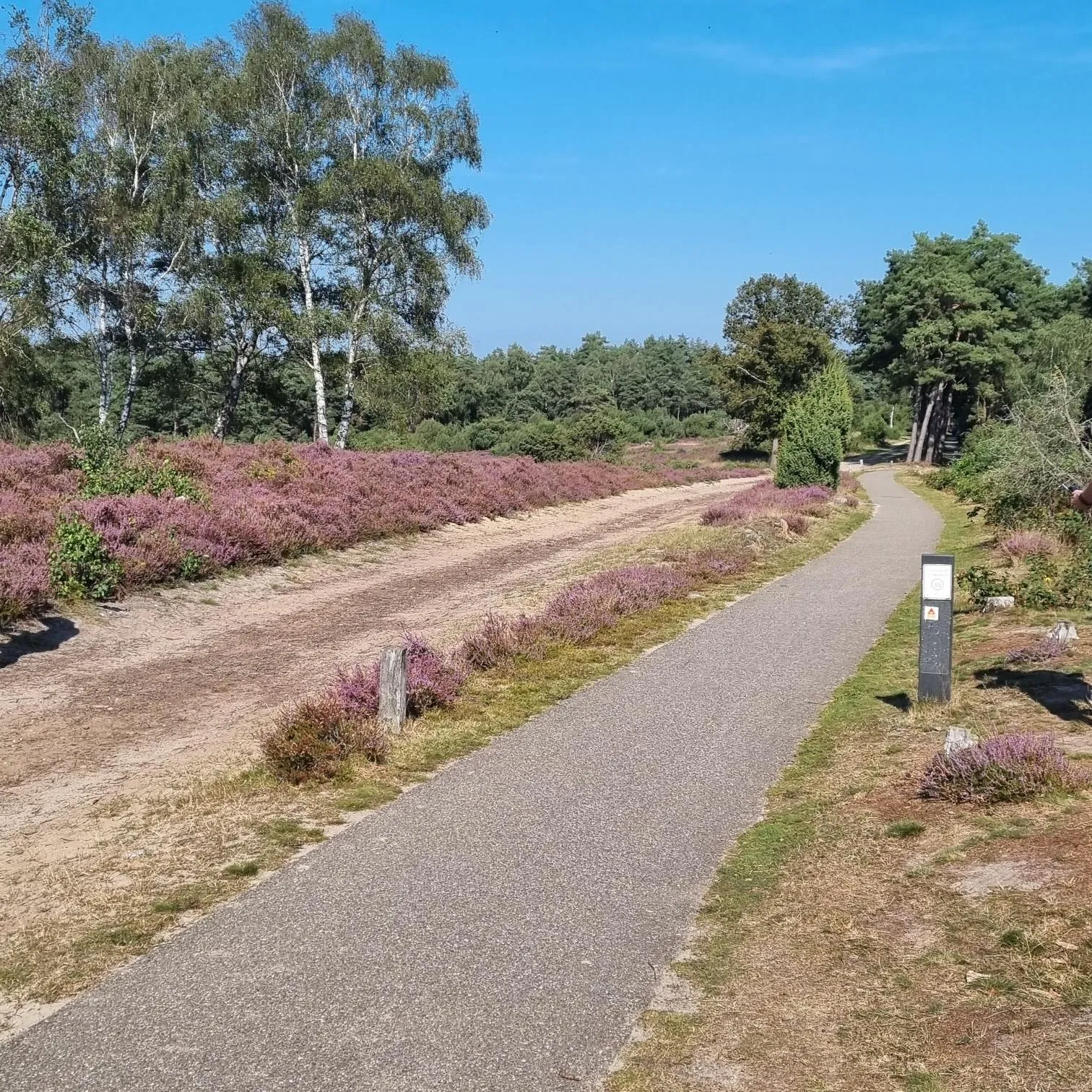
The heath in bloom — 10 purple bike rides
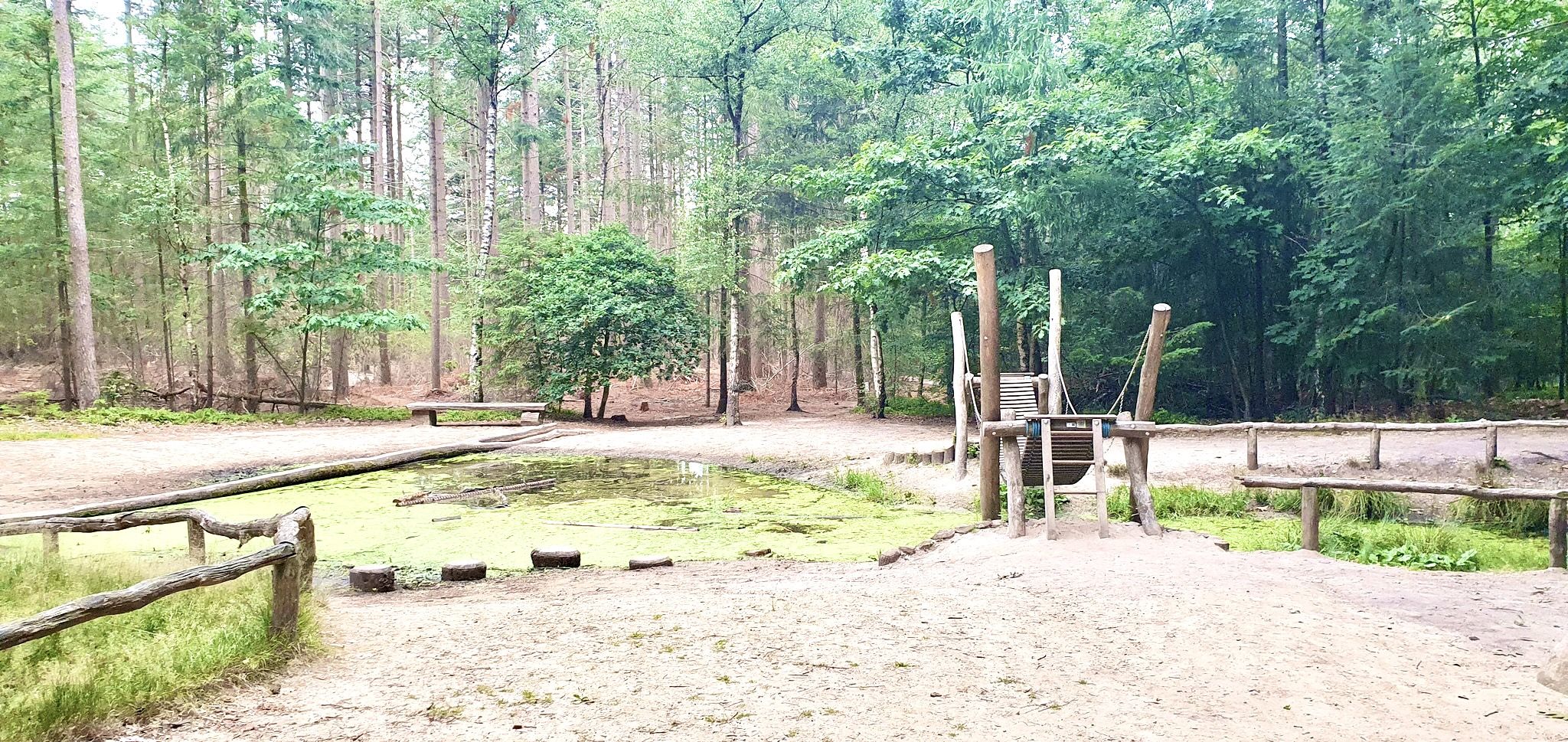
Romping in nature – 20 walks around play forests
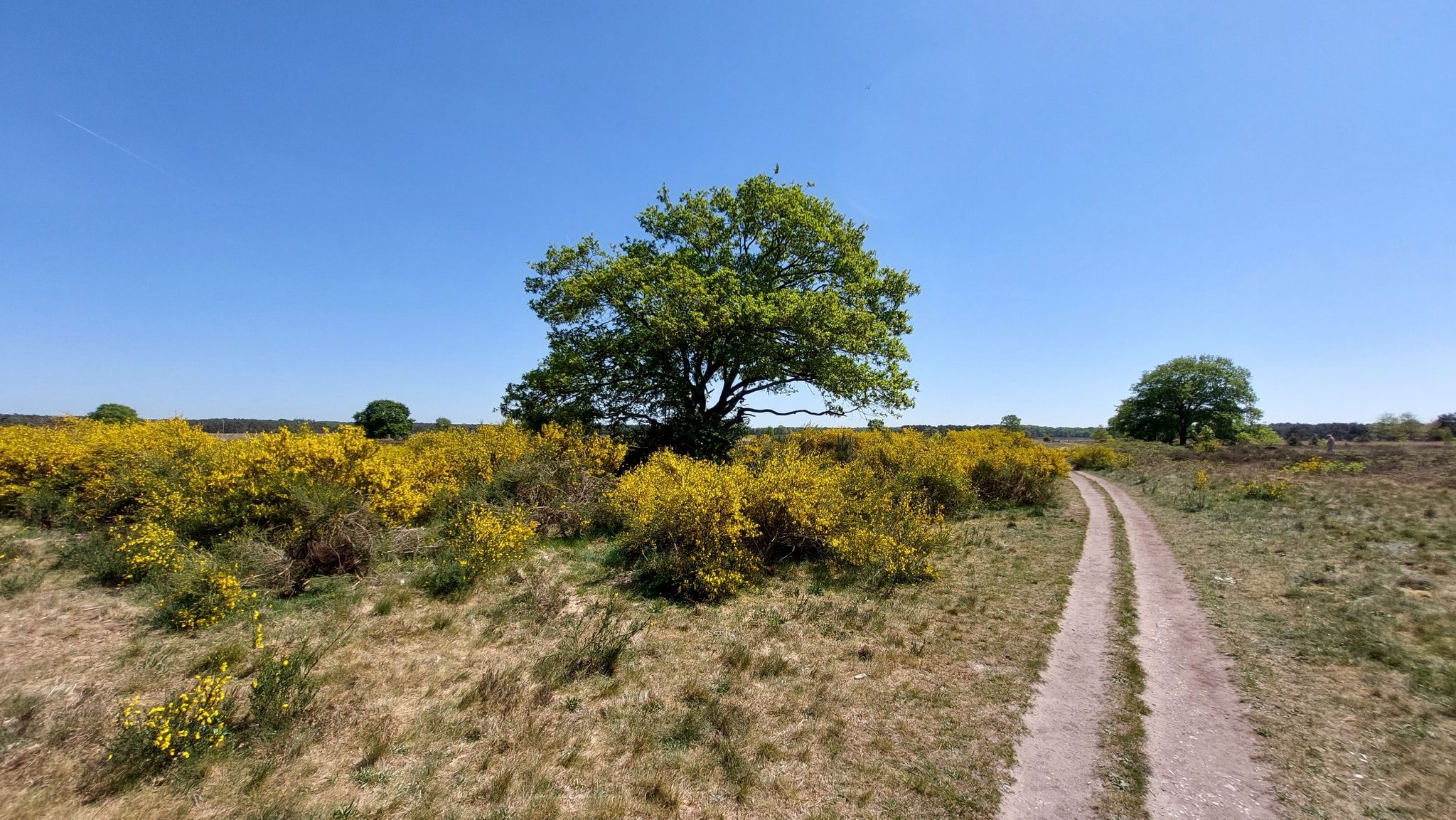
Reflecting on the paths of the Westerbork Trail
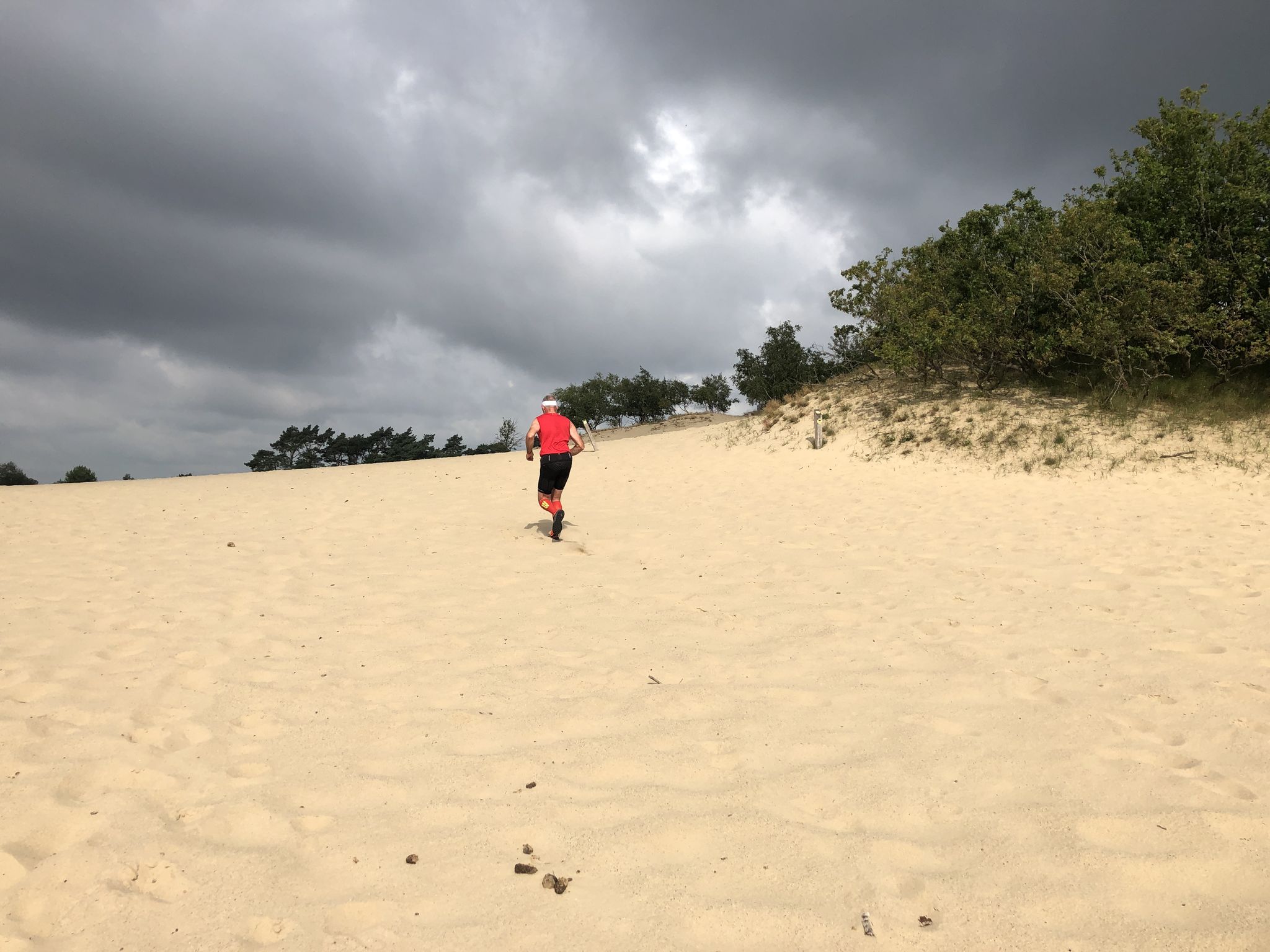
Trail runs for beginners – running off-the-beaten-track in the Netherlands
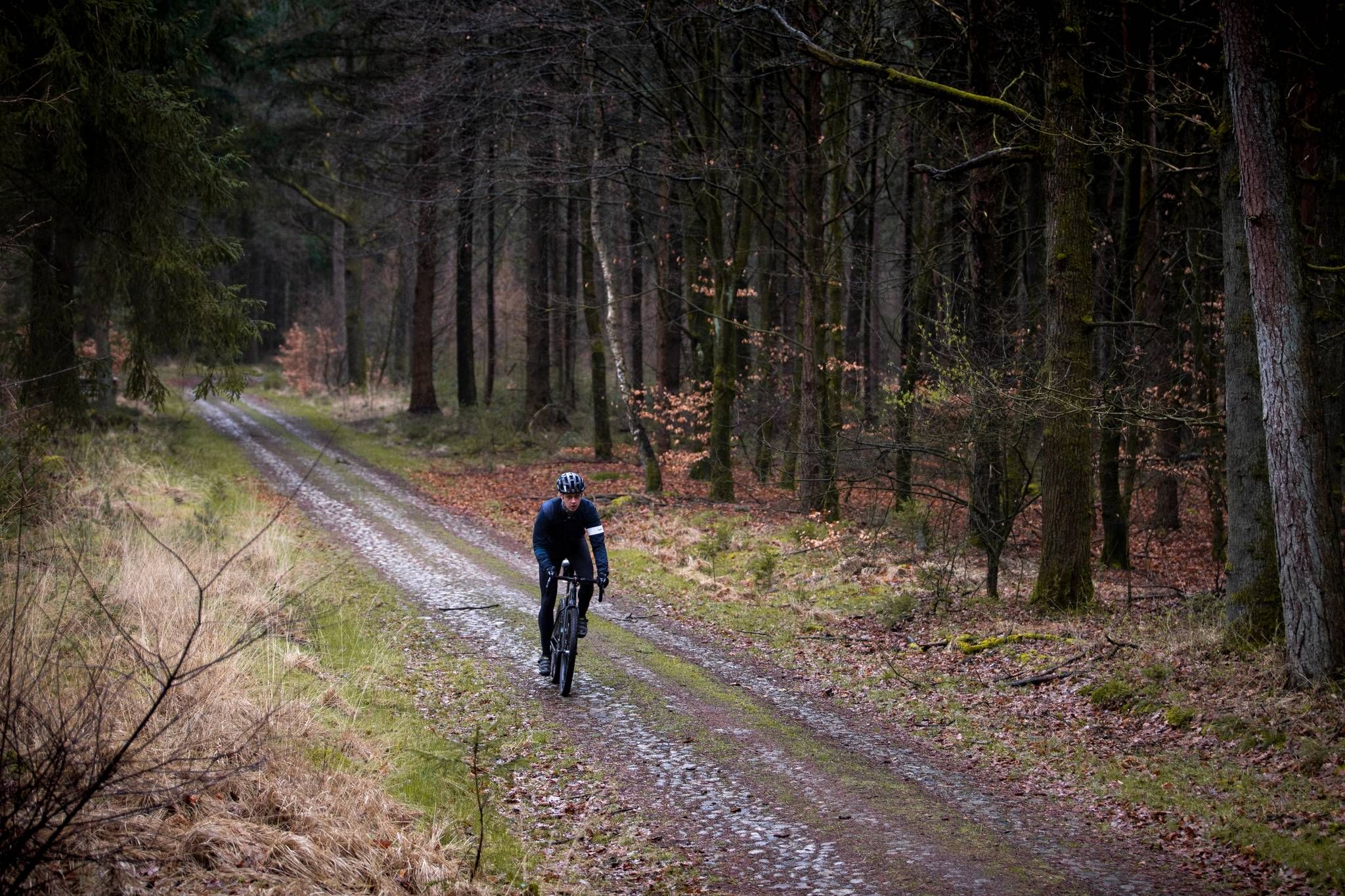
The True 'Hell of the North' — Drentse Keien Cobbles
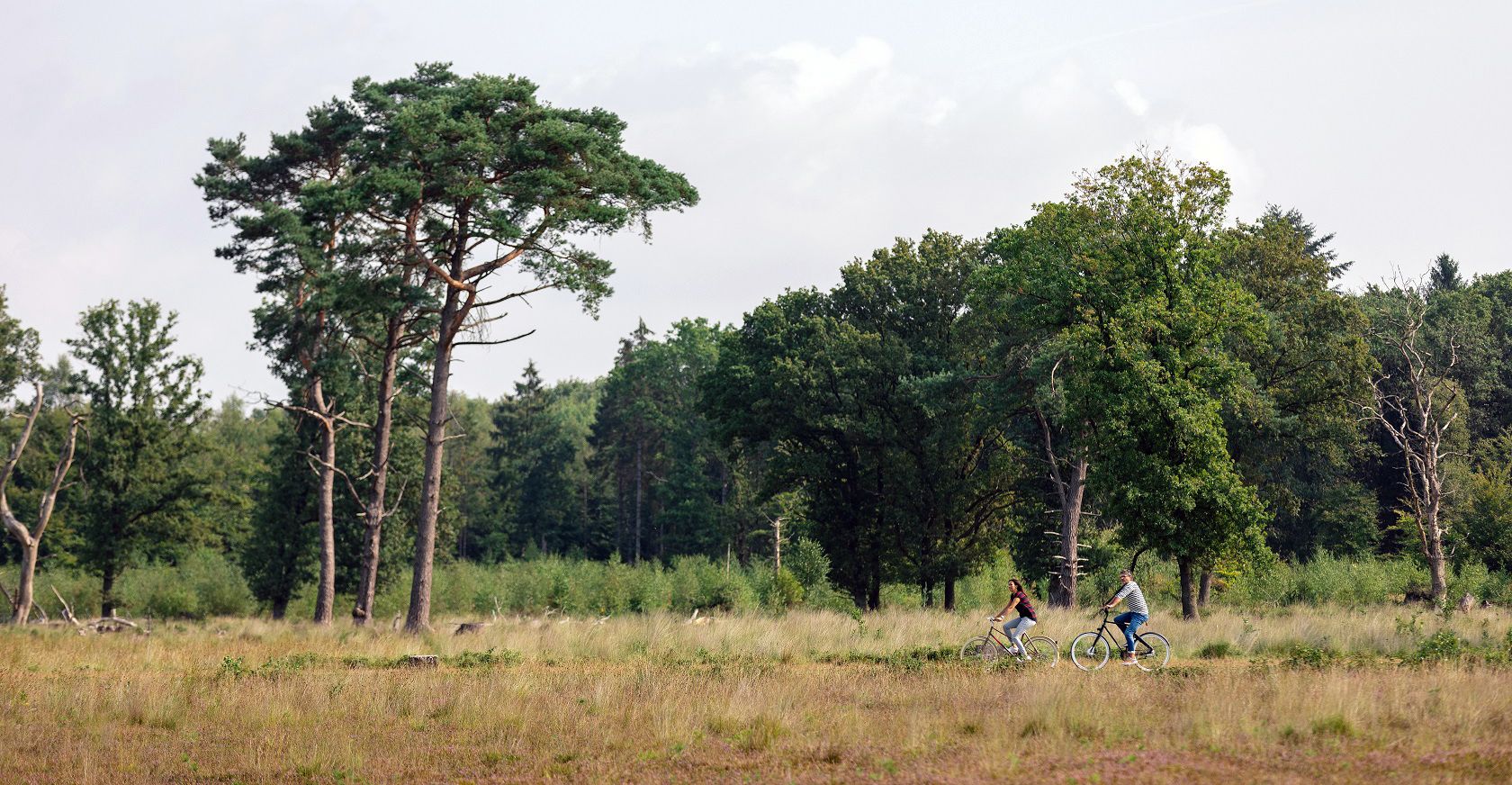
Cycling in Drenthe — Holland's primeval region
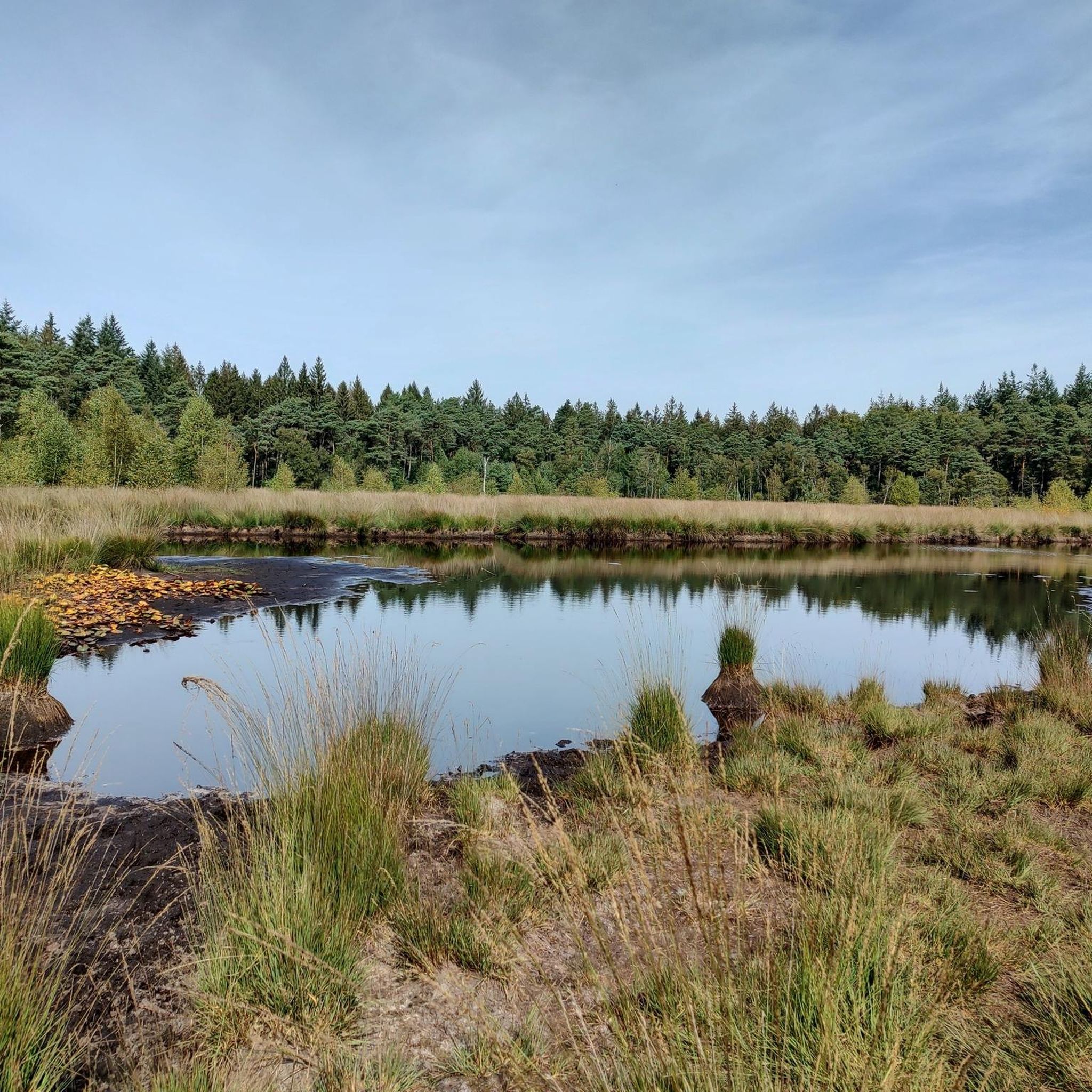
Hiking around De Wolden
MTB Trails around De Wolden
Cycling around De Wolden
Other adventures around De Wolden


Tips from the Community

As of September 2026, the viewpoint is dilapidated and therefore cordoned off.
0
0

Not only bomb craters but also the remains of the aircraft hangars (ramparts) and the east-west runway are still visible in the landscape. In the nearby Uffelter Binnenveld there are also remnants of German defence works. The largest dolmen was buried in a pit during the war and reconstructed after the war. More bombs were dropped on this airfield than on Rotterdam. It actually never really became operational.
0
0

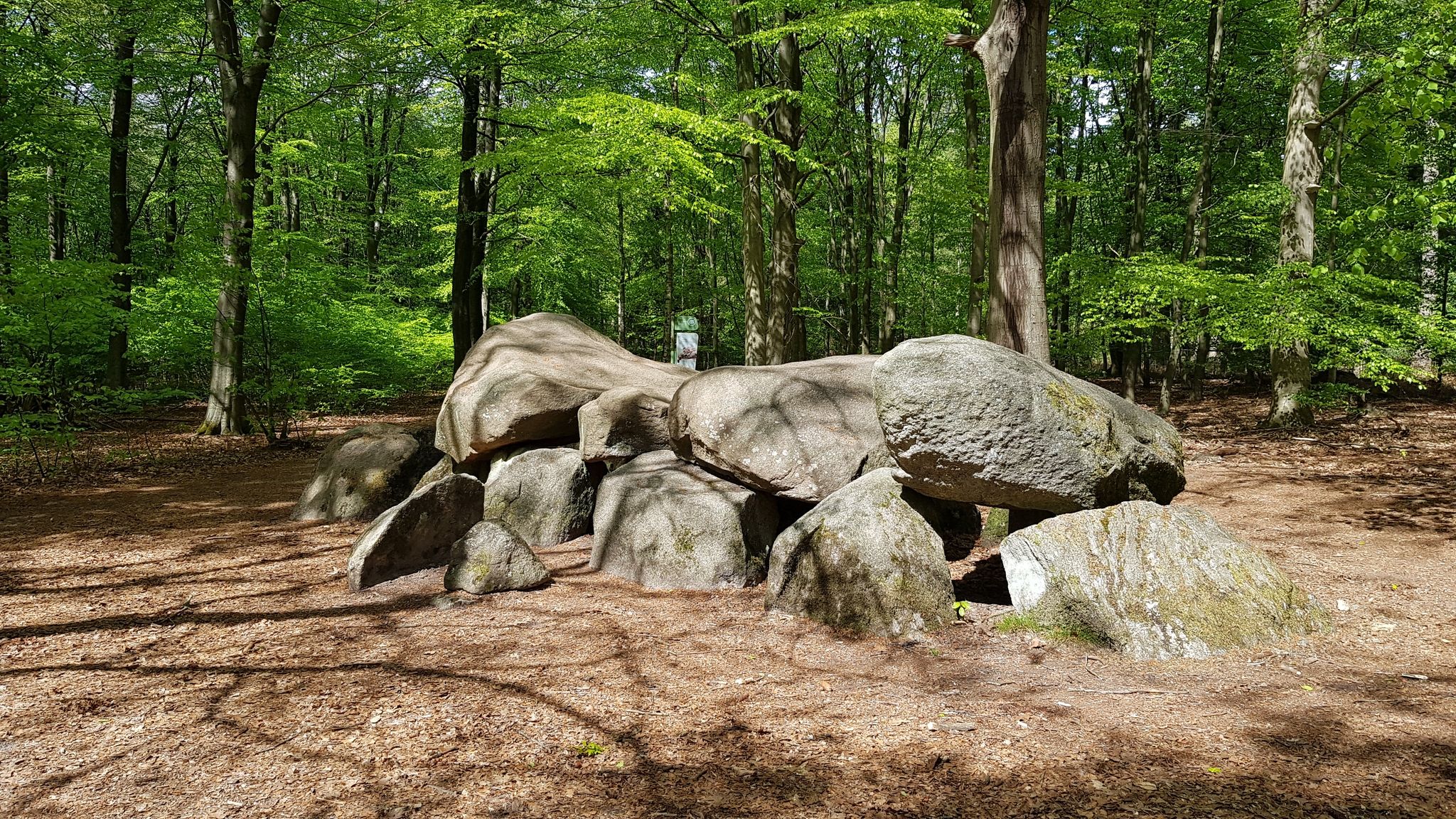
The second-largest dolmen in the Netherlands can be found in Havelte. Dolmen D53 is the only dolmen damaged during the war. The German air force wanted to build an airfield at this location, so the stones were moved. The airfield was bombed to pieces, and the dolmen was excavated and reassembled. The dolmen is approximately 18 meters long, almost complete, and lies on the edge of a heathland. Along with dolmens D54 and D52, it is one of the few in this part of Drenthe. Dolmen D54 is slightly smaller than D53. It lies in the middle of a small sandy plain surrounded by grass. It is a beautiful walking area around these dolmens, as the small sandy plain is surrounded by heathland, small forests, and meadows. Dolmen D53 and D54 are a must-see on your dolmen tour because they are complete, well-maintained, and impressive. If you're coming from Havelte, you can follow the main road, which will take you past a side road. If you take this, the dolmen is almost immediately on your left. Continue driving a little further, and you'll find dolmen D54. Source: https://www.drenthe.nl/locaties/1800662783/hunebed-d53-en-d54-1
1
0
At the end of World War II, several Allied bombings were carried out over the German military airfield on Havelterberg. The numerous bomb craters, visible in the landscape as "round pools," are silent witnesses to this turbulent period. Source: https://www.drenthe.nl/locaties/4065299428/bomkrater
1
0

Nice to see.
0
0

Great viewpoint Dwingelerveld offers everything that makes cycling in Drenthe so beautiful: forests, heathlands, moors and beautiful cycle paths.
4
0

People in hiding stayed in this secret hiding place during World War II until betrayal put an end to it. The hiding place was restored in 1954 and 1994 due to the large number of visitors.
0
0
In the winter of 1943-1944, the group conceived the plan to build a hiding place in an inconspicuous sand dune in the pine forest of Berkenheuvel. The commando group dug out the dune, built a den from pine logs, and restored the sand dune to its old shape. After a few months of hard work, the hiding place was ready, and the resistance fighters disappeared underground. One of the members, Fokke Hessels, was an avid reader of Indian stories. Therefore, the hideout complex was named 'the Wigwam'. The hideout in Diever (municipality of Westerveld) is an underground forest hut made of concrete, supported by poles. A stone memorial plaque has been placed at the entrance to the hut.
1
0
Frequently Asked Questions
What historical natural monuments can I explore in De Wolden?
De Wolden is rich in historical natural monuments. You can visit ancient megalithic tombs like Dolmen D53, which is the third largest dolmen in the Netherlands, beautifully situated on the edge of the heath. Nearby, you'll also find Dolmen D54, another impressive historical site with six capstones. Additionally, the Bomb Craters on the Havelteberg offer a unique historical perspective within a nature reserve, where you can see remnants from WWII bombings amidst heathland and dolmens.
Are there family-friendly natural monuments around De Wolden?
Yes, several natural monuments in the De Wolden area are suitable for families. The ancient dolmens, such as Dolmen D53 and Dolmen D54, are great for a historical outing. For nature observation, the Holtveen Bird Hide provides an excellent opportunity for families to watch birds in a beautiful natural setting with plenty of water.
What kind of unique natural features can I observe in the De Wolden area?
The De Wolden area offers diverse natural features. You can explore the vast wet heathlands and fens of Nationaal Park Dwingelderveld, home to rare plants and rich birdlife, and even spot Drenthe heath sheep. The Reestdal features a naturally meandering stream valley with flower-rich grasslands and historic farms, providing habitats for animals like badgers and storks. Woldlake Forest is known for its aquatic and insect life, where you might encounter special dragonflies and carnivorous aquatic plants.
What outdoor activities can I do near these natural monuments?
The natural monuments around De Wolden are excellent starting points for various outdoor activities. You can find numerous cycling routes, including those that traverse the Dwingelderveld's tranquil landscapes. There are also dedicated MTB trails around De Wolden and running trails around De Wolden, offering diverse terrain from forest paths to heathland. For water-based activities, the nearby Nationaal Park Weerribben-Wieden is ideal for boat trips, canoeing, and paddleboarding.
When is the best time of year to visit the natural monuments in De Wolden?
The best time to visit depends on your interests. For vibrant colors, late summer (August-September) is ideal when the heather blooms purple across areas like Nationaal Park Dwingelderveld. Spring and early summer offer lush greenery and active wildlife. The visitor center in Ruinen, a great starting point for Dwingelderveld, is open year-round, providing information regardless of the season.
Where can I go for birdwatching near De Wolden?
For birdwatching, the Holtveen Bird Hide is an excellent spot, offering great views of birds in a natural wetland environment. Nationaal Park Dwingelderveld is also known for its rich birdlife, and the nearby Nationaal Park Weerribben-Wieden is a haven for rare water birds like the black tern.
Are there good cycling routes that include natural monuments in De Wolden?
Yes, the region is very cyclist-friendly. Nationaal Park Dwingelderveld offers extensive cycling routes traversing its varied landscape of wet heathlands and sand ridges. The Reestdal also provides scenic cycling paths through its unspoiled stream valley and historic agricultural landscapes. You can find many options in the Cycling around De Wolden guide.
What is the Col du VAM and why is it a natural monument?
The Col du VAM is a unique natural monument in Drenthe, known as the highest 'mountain' in the province. While it's an active waste mountain, it has been transformed into a recreational area with cycling and walking paths, offering panoramic views. It's a popular spot for cyclists looking for a challenging climb and a distinctive landscape experience.
What wildlife can I expect to see in the natural areas around De Wolden?
The natural areas around De Wolden are home to diverse wildlife. In Nationaal Park Dwingelderveld, you can often see Drenthe heath sheep grazing, and it's a prime spot for birdwatching. The Reestdal provides habitats for badgers, roe deer, and storks. Woldlake Forest is notable for its aquatic insects, including special dragonflies and wasp spiders. The nearby Nationaal Park Weerribben-Wieden is famous for otters and various rare water birds.
Are there visitor centers or starting points for exploring the natural monuments?
Yes, for Nationaal Park Dwingelderveld, the visitor center in Ruinen serves as an excellent starting point. It provides information, various routes, and insights into the park's unique ecosystem. For Nationaal Park Weerribben-Wieden, which is easily accessible from De Wolden, visitor centers like the one in Sint Jansklooster offer information and starting points for excursions.
What makes the Reestdal unique among the natural monuments?
The Reestdal stands out as a unique and unspoiled stream valley that forms a natural border between Drenthe and Overijssel. Its centuries-old landscape is defined by the naturally meandering Reest stream, surrounded by a mosaic of flower-rich grasslands, heathlands, and historic farms. The area's high biodiversity, supported by iron-rich groundwater, allows for special plants like marsh marigolds and provides a glimpse into a traditional Dutch agricultural landscape largely untouched by modern developments.
Can I find information about the history of the dolmens in De Wolden?
Yes, the dolmens in Drenthe, including those near De Wolden, are megalithic tombs dating back thousands of years. These impressive stone structures, made from glacial erratics, offer a profound connection to prehistoric times. For example, Dolmen D53 was even reassembled after being taken apart during WWII, highlighting its historical significance and resilience. You can feel the history when you are there.
Most popular routes around De Wolden
Most popular attractions around De Wolden

Get inspired with the komoot mobile app


Explore more
Extend your search for the best caves by checking out these guides of the top ones around De Wolden:
