Attractions and Places To See around Pussay - Top 3
Attractions and places to see around Pussay, a commune in the Essonne department of the Île-de-France region, offer a range of experiences in the surrounding areas. While Pussay itself is a smaller locality, the region provides access to various cultural sites, natural features, and historic towns. Visitors can explore religious monuments, châteaux, and gardens within a reasonable distance.
Best attractions and places to see around Pussay
- The most popular attractions is Côte de Châlo, a climb that features bucolic…
Last updated: July 8, 2026
Côte de Châlo
Highlight • Climb
Translated by Google •
Tip by

Église de Boissy-la-Rivière
Highlight • Religious Site
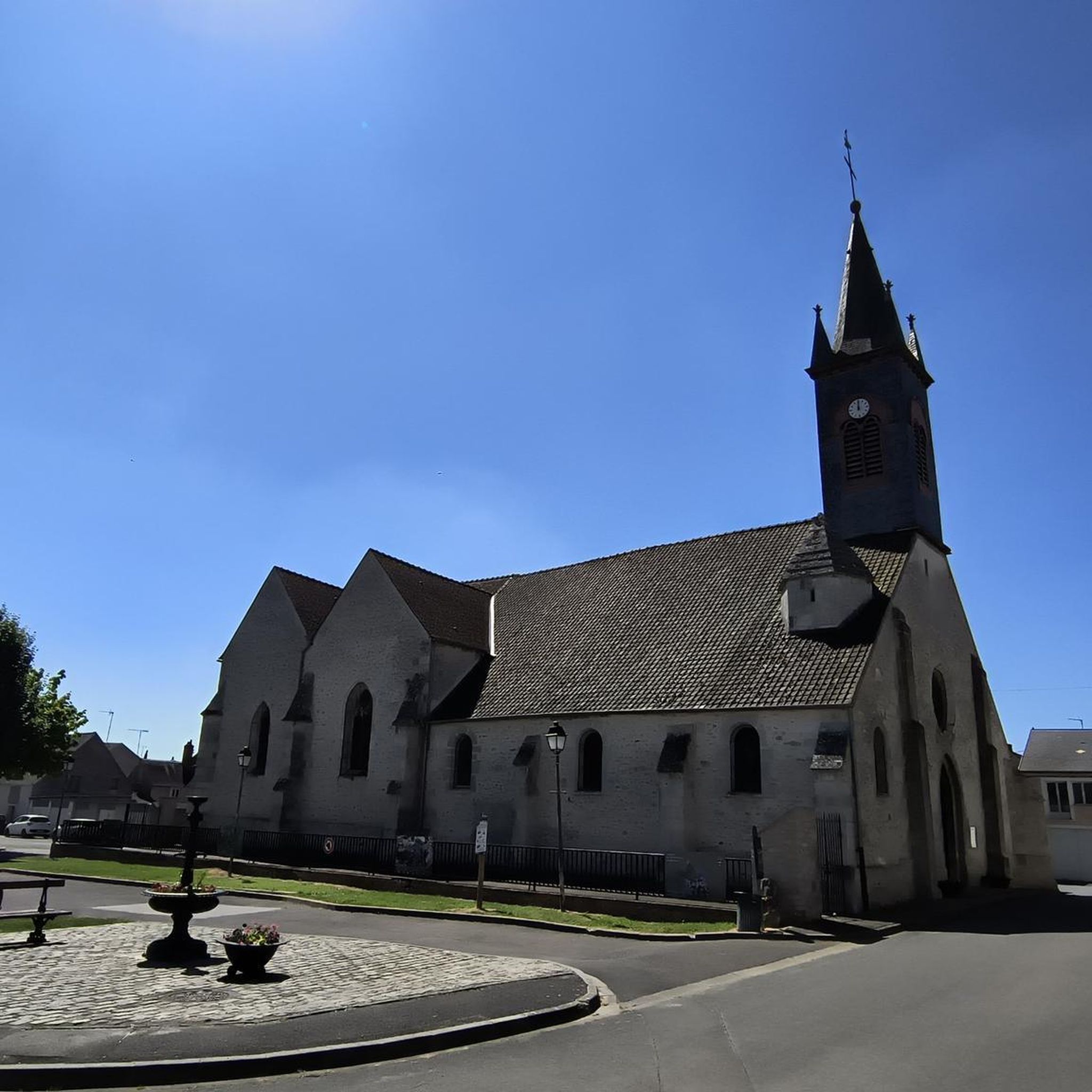
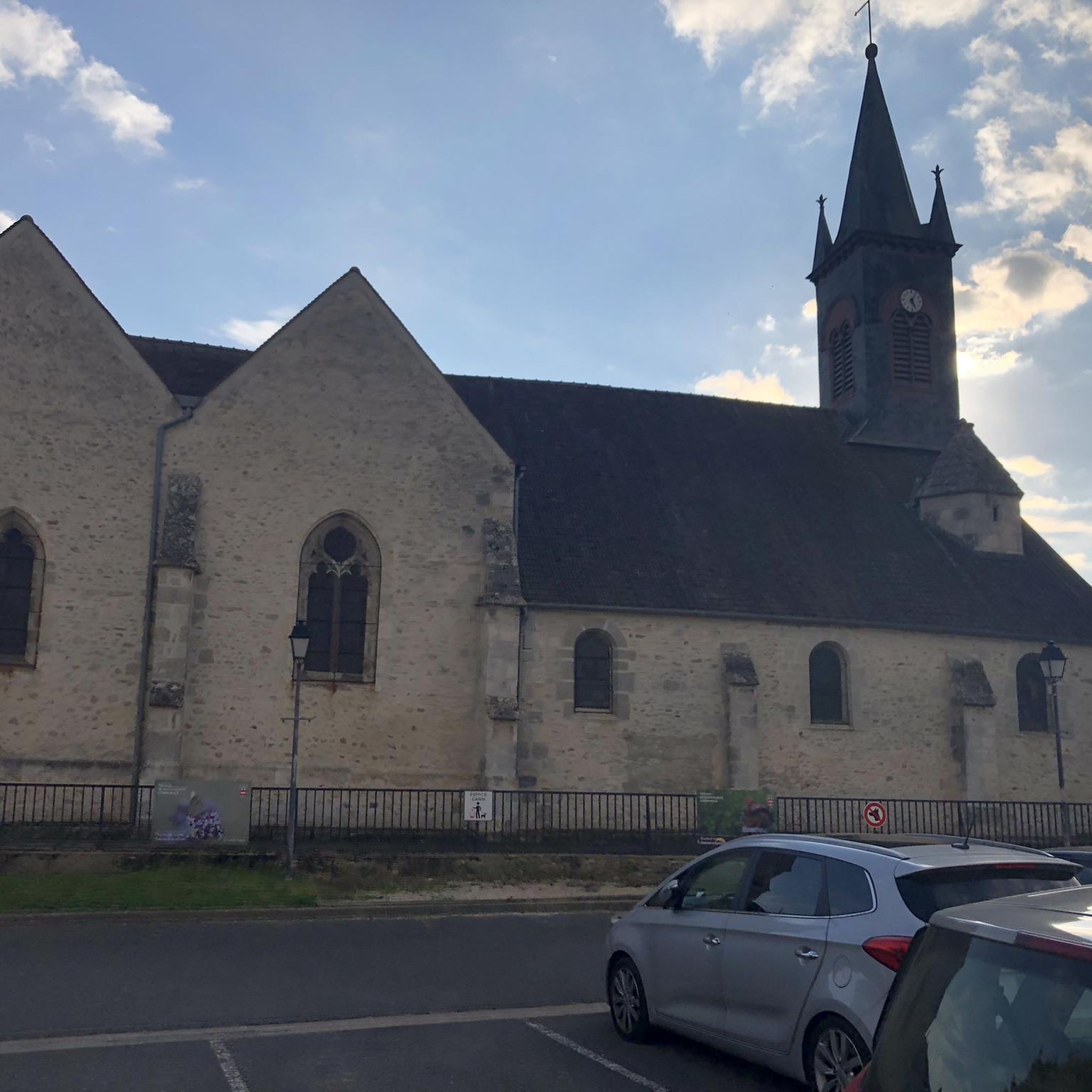
Since a decree of March 26, 1926, the church is listed as a historical monument
Translated by Google •
Tip by
Sign up now to discover places like this
Get recommendations on the best single tracks, peaks, & plenty of other exciting outdoor places.
Sign up for free
Église Saint Étienne
Highlight • Other
Showing Translation
Tip by

Église Saint Gervais et Saint Protais
Highlight • Other
Showing Translation
Tip by
Église Saint Pierre
Highlight • Other
Showing Translation
Tip by
Sign up for free to discover even more attractions around Pussay.
Sign up for free
Already have an account?
Start today with a free account
Your next adventure awaits.
Login or Signup



Tips from the Community

The Saint-Gervais-et-Saint-Protais church of Léthuin is a religious monument located in the commune of Léthuin, in the Centre-Val de Loire region. The available data does not specify its period of construction or its detailed history, but its existence testifies to the local architectural and spiritual heritage. Parish churches, like the one in Léthuin, played a central role in the life of rural communities. They served as a place of worship, gathering and social cohesion, often reflecting the evolution of religious practices and construction techniques through the centuries. In Centre-Val de Loire, these buildings were also identity markers of the villages, integrated into the landscape and daily life.
0
0
The Saint-Pierre d'Ardelu church is a religious monument located in the commune of Ardelu, in the Centre-Val de Loire region. Although its existence is attested, the available sources do not specify either its period of construction or its detailed history. This type of building, typical of the French countryside, generally served as a place of worship and gathering for the local community. In rural regions such as the Centre-Val de Loire, parish churches played a central role in daily life. They were often the heart of religious, social, and sometimes administrative activities. Their architecture reflected local resources and know-how, while meeting the spiritual needs of the inhabitants.
0
0
The Saint-Étienne church of Garancières-en-Beauce is a religious building whose origins date back to the 13th century, with major alterations in the 16th century. It is distinguished by its bell tower, classified as a Historical Monument by decree of April 13, 1907, testifying to its architectural and heritage importance. The location of the building, in the village of Garancières-en-Beauce (Eure-et-Loir), is documented with a precision deemed satisfactory, according to the criteria of the Mérimée database. The official protection of its bell tower in 1907 underlines the historical value of this element, the only part of the church to benefit from a classification measure. The building belongs today to the municipality, although information on its accessibility (visits, current uses) is not specified in the available sources. Its exact address, 2 Bis Rue de la Râperie, confirms its anchoring in the local urban fabric, in a department marked by a rich medieval and Renaissance religious heritage. The available data, mainly from the Monumentum platform and the Mérimée archives, focus on administrative and architectural aspects. No mention is made of the sponsors, artisans or specific historical events linked to the church, apart from its construction period and the protection of its bell tower. The Creative Commons license associated with François GOGLINS' photo indicates a desire for public dissemination of its image, reinforcing its status as shared heritage.
0
0

Beautiful little church! The road leading there is peaceful and pleasant.
0
0

Nice surprise despite the D+. It's super pretty but not too much to enjoy it just enough.
0
0

beautiful driveway from the Vallée de la Juine towards Dourdan
0
0

The current building dates from the 13th century and underwent renovations in the 16th and 19th centuries [1]. Since a decree of March 26, 1926, the church is listed as a historical monument
0
0
Bucolic side with its stone walls and bridges.
0
0
Frequently Asked Questions
What types of attractions can I find around Pussay?
While Pussay itself is a small commune, the surrounding Essonne department and Île-de-France region offer a variety of attractions. You can explore historical churches like Église de Boissy-la-Rivière, natural beauty spots such as the Forêt de Rambouillet, and picturesque towns like Yevre-le-Chatel. The area also features several châteaux and remarkable gardens.
Are there any notable historical or religious sites to visit near Pussay?
Yes, the region is rich in historical and religious architecture. Besides the local Église de Boissy-la-Rivière, you can visit the Collegiale de Saint Martin and the Eglise de Saint Basile in Etampes. Further afield, the impressive Cathédrale de Chartres, renowned for its 13th-century architecture, is also accessible.
What natural features or outdoor spots are accessible from Pussay?
For nature lovers, the region offers several beautiful spots. You can visit the Côte de Châlo, known for its bucolic side with stone walls and bridges. Further out, the Forêt de Rambouillet, the Vaux de Cernay, and the Vallée de Chevreuse provide opportunities for outdoor activities amidst natural landscapes. There are also notable gardens like Parc de Chamarande and Parc de Courson.
Can I find good cycling routes around Pussay?
Absolutely! The area around Pussay is great for cycling. You can find various routes, including easy options like the "Thionville Plateau – Pussay Church loop" or the "Étang de Chalou-Moulineux – Pierrefitte geological site loop". For more options, explore the Road Cycling Routes around Pussay or Cycling around Pussay guides.
Are there opportunities for running or hiking near Pussay?
Yes, there are several trails suitable for running and hiking. For example, you can try the "Bois de la Garenne loop" or the "Château de Pussay loop" for moderate runs. More challenging options like the "Bois du Poil du Loup – foret 177 loop" are also available. Discover more routes in the Running Trails around Pussay guide.
What kind of outdoor activities are available in the wider region?
Beyond cycling and running, the wider region offers opportunities for exploring forests and valleys, such as the Forêt de Rambouillet and Vallée de Chevreuse. These areas are ideal for walks, picnics, and enjoying nature. You can also visit remarkable gardens like Parc de Chamarande for a leisurely outdoor experience.
Are there any family-friendly attractions or activities near Pussay?
Families can enjoy exploring the beautiful gardens such as Parc de Chamarande or Parc de Courson. The picturesque town of Yevre-le-Chatel, recognized as a "Most Beautiful Village," offers a pleasant setting for a family stroll with its river walk and ruined castle. Many of the natural areas also provide space for children to play and explore.
What is the best time of year to visit Pussay for outdoor activities?
The best time to visit Pussay for outdoor activities is generally during spring (April to June) and early autumn (September to October). During these months, the weather is typically mild and pleasant, ideal for cycling, running, and exploring the natural and historical sites without the intense heat of summer or the chill of winter.
Where can I find local markets near Pussay?
For those interested in local life and produce, markets are held in nearby towns. You can find markets in Angerville on Tuesdays (approximately 4 km away) and in Etampes on Tuesdays and Saturdays (around 16 km away). These markets are a great way to experience local culture and find fresh goods.
Are there any castles or châteaux to visit in the vicinity of Pussay?
Yes, the region boasts several beautiful castles. You can visit the Chateau de Chamerolles, known for its Renaissance garden, or the Chateau de Rambouillet. The Château de Sauvage is also listed as a site of natural beauty within a reasonable driving distance.
What are some unique or less-known places to explore in the Pussay region?
Beyond the main attractions, consider visiting the Église Saint Étienne in Garancières-en-Beauce, with its bell tower classified as a Historical Monument, or the Église Saint Gervais et Saint Protais in Léthuin, which reflects the local architectural and spiritual heritage. These smaller religious buildings offer a glimpse into the region's history and local communities.

Get inspired with the komoot mobile app


Explore more
Still not found the Highlight you’re looking for? See guides of the top attractions in other regions:
