Indian Peaks Wilderness
Indian Peaks Wilderness
The 6 Most Amazing Peaks in Indian Peaks Wilderness
Best mountain peaks in Indian Peaks Wilderness offers a diverse landscape of high-altitude terrain and alpine features. This protected area, part of the Front Range of the Rocky Mountains, is characterized by its rugged summits and scenic vistas. The region provides opportunities to explore challenging routes and natural monuments. It is a significant natural area known for its distinct geological formations and expansive views.
Best mountain peaks in Indian Peaks Wilderness
- The most popular mountain peaks is Mount Audubon,…
Last updated: October 7, 2026
Mount Jasper
Highlight • Summit
Tip by

Mount Audubon
Highlight • Summit
The Mountain is characterized by a …
Tip by

Sign up now to discover places like this
Get recommendations on the best single tracks, peaks, & plenty of other exciting outdoor places.
Pawnee Peak
Highlight • Summit
Tip by

Mount Neva
Highlight • Summit
Tip by

Paiute Peak
Highlight • Summit
Tip by
Start today with a free account
Your next adventure awaits.

Tips from the Community

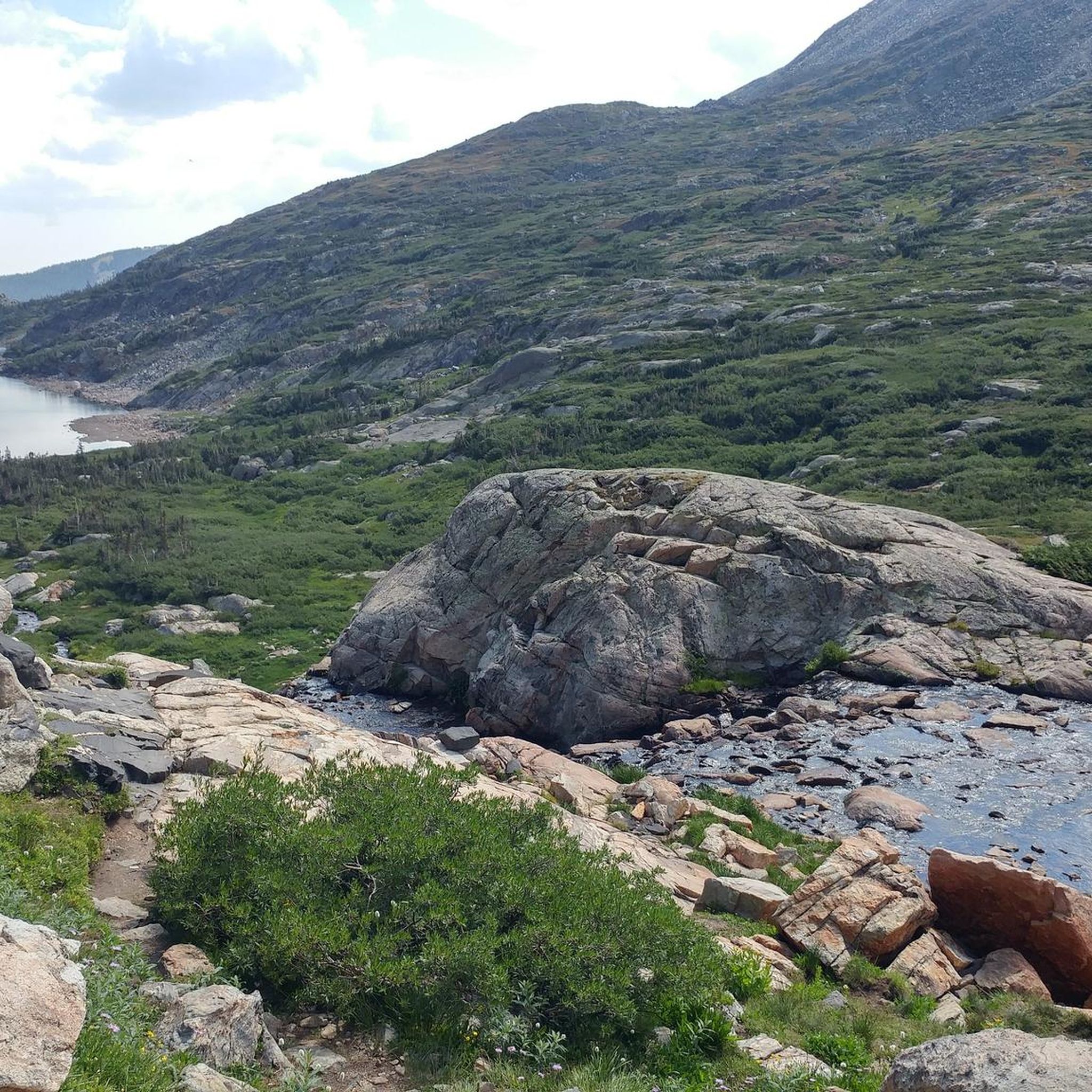
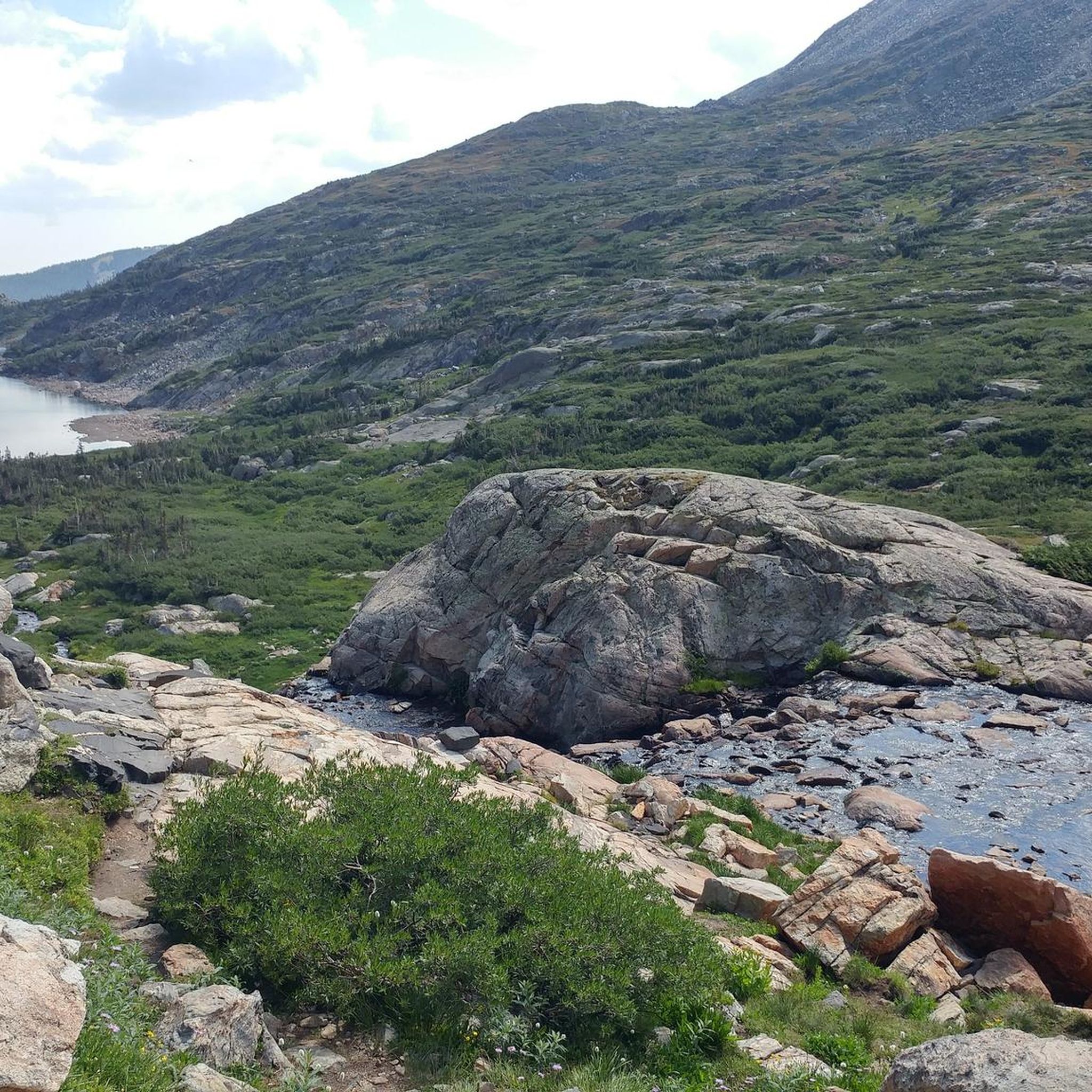
Jasper Peak (or Mount Jasper) is a 12,923-foot peak in Colorado's Indian Peaks Wilderness, located on the boundary between Boulder and Grand Counties, known for ski mountaineering and challenging hikes with unmarked sections. The area offers varied routes, including the popular Fourth of July Trailhead access, and features the interesting landmark of Lake Xanadu, where a plane crash occurred. Visitors should be prepared for off-trail navigation, consult the Colorado Water Trust for wilderness regulations, and carry a compass and map or GPS device.
0
0

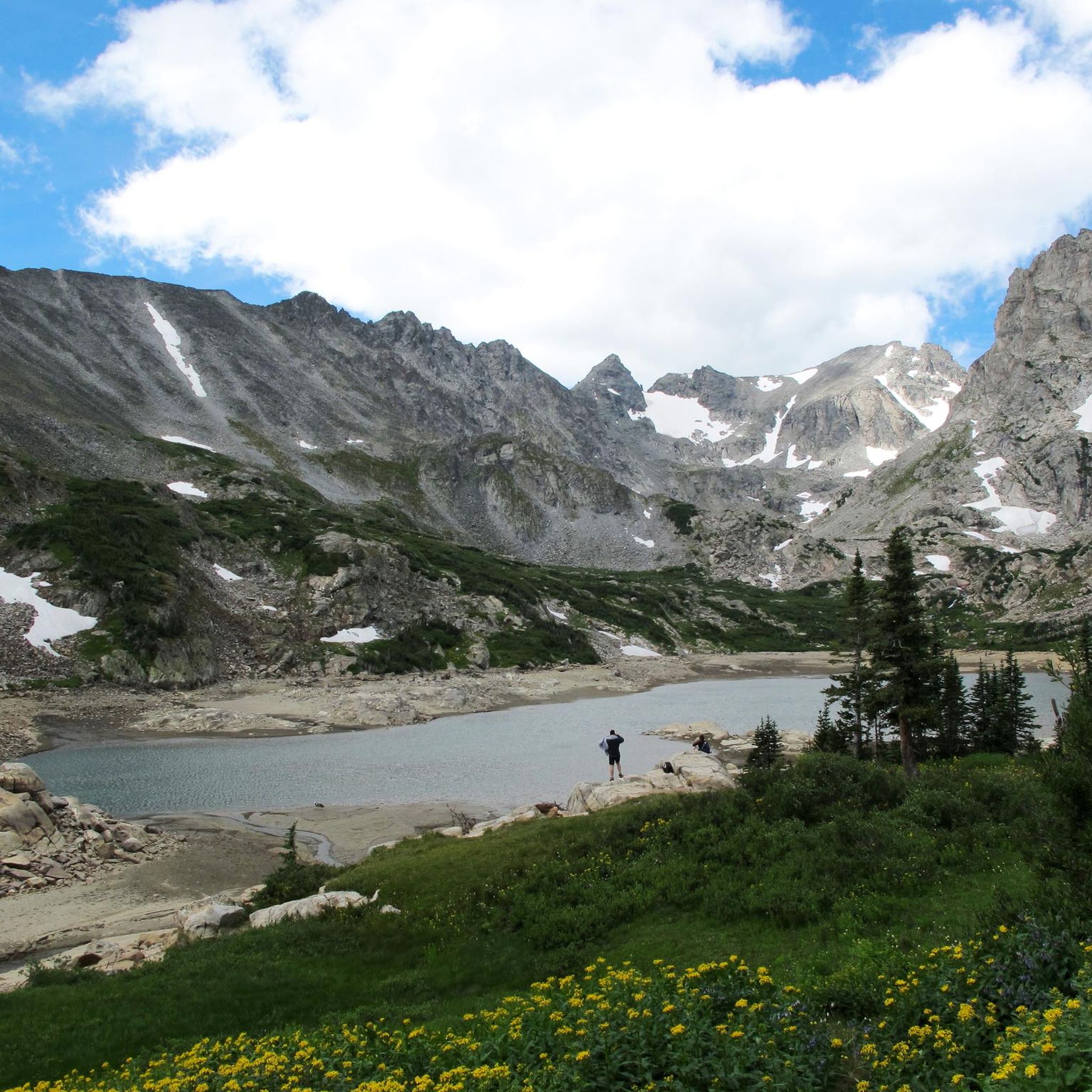
Mount Neva sits 12,849 feet in elevation, creating a beautiful backdrop above Lake Dorothy. From the summit, you can see Frasier Valley to the west and the Arapaho Pass area to the east.
0
0

Pawnee Peak stands at 12,943 feet above sea level, looming over Pawnee Pass on the north. This open, rocky summit is a popular, but challenging, day hike for those in the Boulder area. This summit is a great place to rest and take in the spectacular views after many, many steep switchbacks!
0
0

This mountain was named in honor of John James Audubon, ornithologist, naturalist and painter of French origin, naturalized as an American citizen in 1812. The Mountain is characterized by a long ridge line, from where you can observe the surrounding lakes such as Blue Lake and Mitchell Lake.
0
0
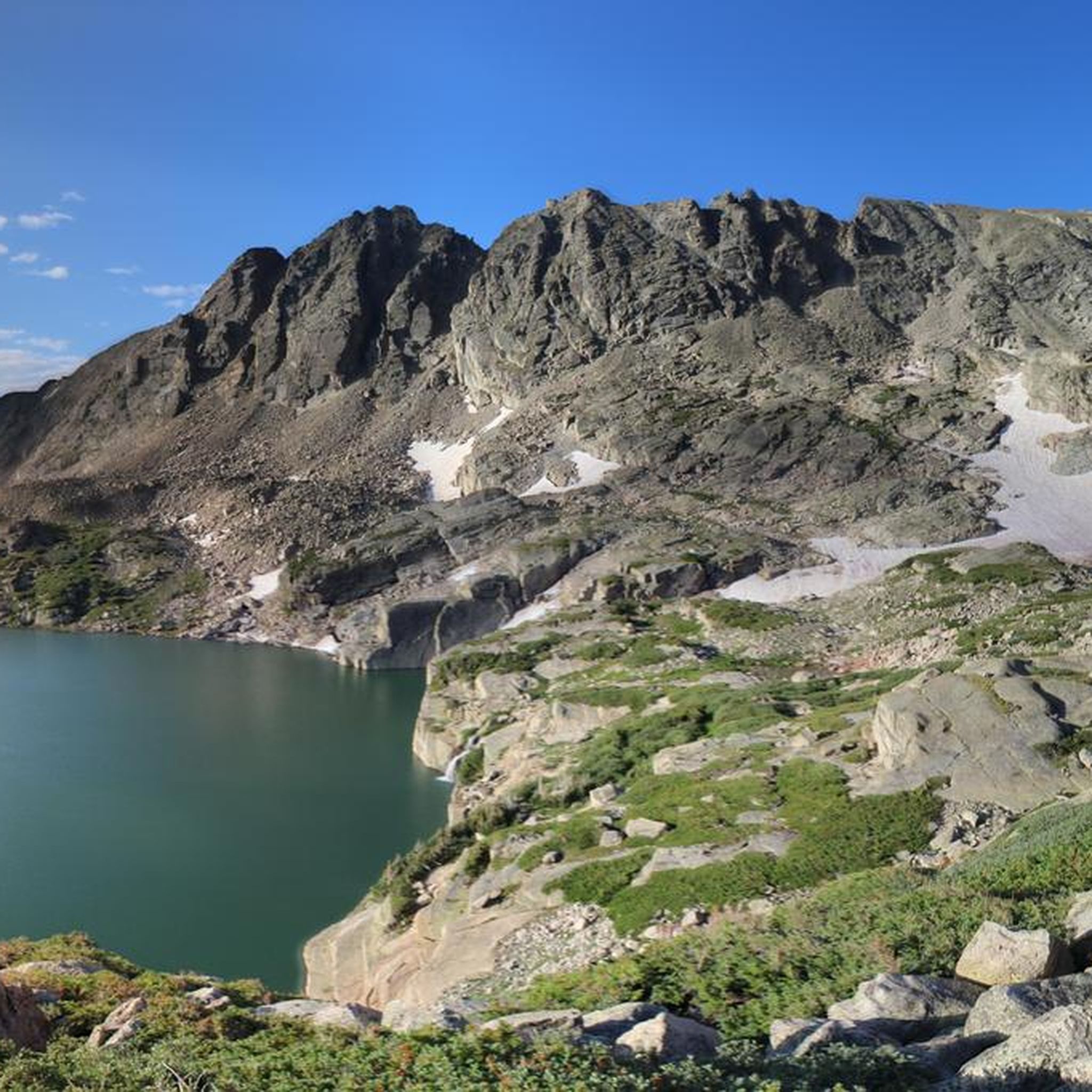
Paiute Peak is situated just to the west of Mount Audubon. It is one of the more impressive of all the Indian Peaks along the Continental Divide.
0
0
Frequently Asked Questions
What are some of the most notable mountain peaks to explore in Indian Peaks Wilderness?
The Indian Peaks Wilderness offers several impressive summits. Among them, Mount Audubon is popular for its long ridge line and views of Blue Lake and Mitchell Lake. Pawnee Peak provides spectacular views after a challenging ascent with steep switchbacks. Another significant peak is Mount Neva, which offers expansive views of Frasier Valley and the Arapaho Pass area.
What is the highest peak in the Indian Peaks Wilderness?
The highest peak entirely within the Indian Peaks Wilderness is North Arapaho Peak, standing at 13,502 feet (4,115 meters). While not listed in the provided highlights, it is a prominent feature of the range.
What kind of views can I expect from the mountain peaks in Indian Peaks Wilderness?
From the summits in Indian Peaks Wilderness, you can expect panoramic vistas of high-altitude terrain and alpine features. For example, Mount Audubon offers views of surrounding lakes like Blue Lake and Mitchell Lake. From Mount Neva, you can see Frasier Valley to the west and the Arapaho Pass area to the east. Generally, the peaks provide expansive views of the Front Range of the Rocky Mountains.
Are there any beginner-friendly mountain peaks in Indian Peaks Wilderness?
Most of the prominent peaks in the Indian Peaks Wilderness, such as Pawnee Peak and Mount Audubon, are considered challenging due to their elevation gain and rugged terrain. For easier access to the wilderness experience, consider exploring some of the easy hiking trails that lead to lower elevations or scenic spots, such as those found in the Easy hikes in Indian Peaks Wilderness guide, which includes routes like the Blue Lake via Mitchell Lake Trail.
What are the challenges associated with climbing peaks in Indian Peaks Wilderness?
Climbing peaks in Indian Peaks Wilderness often involves significant elevation gain, rugged and rocky terrain, and exposure to alpine weather conditions. Summits like Pawnee Peak are known for steep switchbacks. Hikers should be prepared for high altitudes, potential for sudden weather changes, and routes that can be physically demanding.
Are there family-friendly hiking options near the mountain peaks?
While many peak ascents are challenging, there are family-friendly hiking options in the Indian Peaks Wilderness that offer access to the natural beauty without requiring a summit climb. You can find several easy hikes, such as the Blue Lake via Mitchell Lake Trail or sections of the Pawnee Pass Trail, which are suitable for families. More details are available in the Easy hikes in Indian Peaks Wilderness guide.
What is the best time of year to hike the mountain peaks in Indian Peaks Wilderness?
The best time to hike the mountain peaks in Indian Peaks Wilderness is typically from late June through September. During this period, snow has usually melted from higher elevations, and weather conditions are generally more stable, though afternoon thunderstorms are common in summer. Early season (June) may still have significant snowpack, and late season (October) can bring early winter storms.
Are permits required for hiking or backpacking in Indian Peaks Wilderness?
Yes, permits are required for all overnight stays in the Indian Peaks Wilderness year-round. During the quota season (typically June 1 to September 15), day-use permits are also required for certain popular trailheads on weekends and holidays. It's essential to check the latest regulations with the U.S. Forest Service before your visit, as rules can change.
Where can I find parking and trailheads for accessing the peaks?
Access to the Indian Peaks Wilderness is available from various trailheads on both the east and west sides of the Continental Divide. Popular trailheads on the east side include Brainard Lake Recreation Area (which provides access to peaks like Mount Audubon and Pawnee Peak) and Hessie Trailhead. On the west side, Monarch Lake and Arapaho Pass trailheads are common starting points. Parking can be limited, especially during peak season, and some areas may require timed entry reservations or shuttle use.
What other outdoor activities can I do near the mountain peaks in Indian Peaks Wilderness?
Beyond peak bagging, the Indian Peaks Wilderness and surrounding areas offer a variety of outdoor activities. You can explore numerous hiking trails, from easy strolls to challenging treks. There are also opportunities for gravel biking and road cycling on routes like the Fraser River Trail or the challenging Berthoud Pass. The region is also popular for fishing, wildlife viewing, and photography.
Can I see wildflowers in the Indian Peaks Wilderness, and when is the best time?
Yes, the Indian Peaks Wilderness is renowned for its vibrant wildflower displays. The best time to see wildflowers is typically from late July through August, when the alpine meadows and subalpine forests burst with color. You can often find a diverse array of species along trails leading to and from the mountain peaks, particularly in areas with good sun exposure and moisture.
Are there any less crowded trails or peaks to consider in the Indian Peaks Wilderness?
While popular areas can get busy, exploring peaks like Paiute Peak, situated just west of Mount Audubon, might offer a slightly less crowded experience compared to the most frequented summits. Generally, trails starting from the west side of the wilderness (e.g., near Grand Lake or Fraser) tend to see fewer visitors than those originating from the east side (near Boulder or Nederland), especially on weekdays or during the shoulder seasons.
Most popular routes in Indian Peaks Wilderness
Most popular attractions in Indian Peaks Wilderness

Get inspired with the komoot mobile app


