The best MTB trails around Castelo Rodrigo
13
riders
5
rides
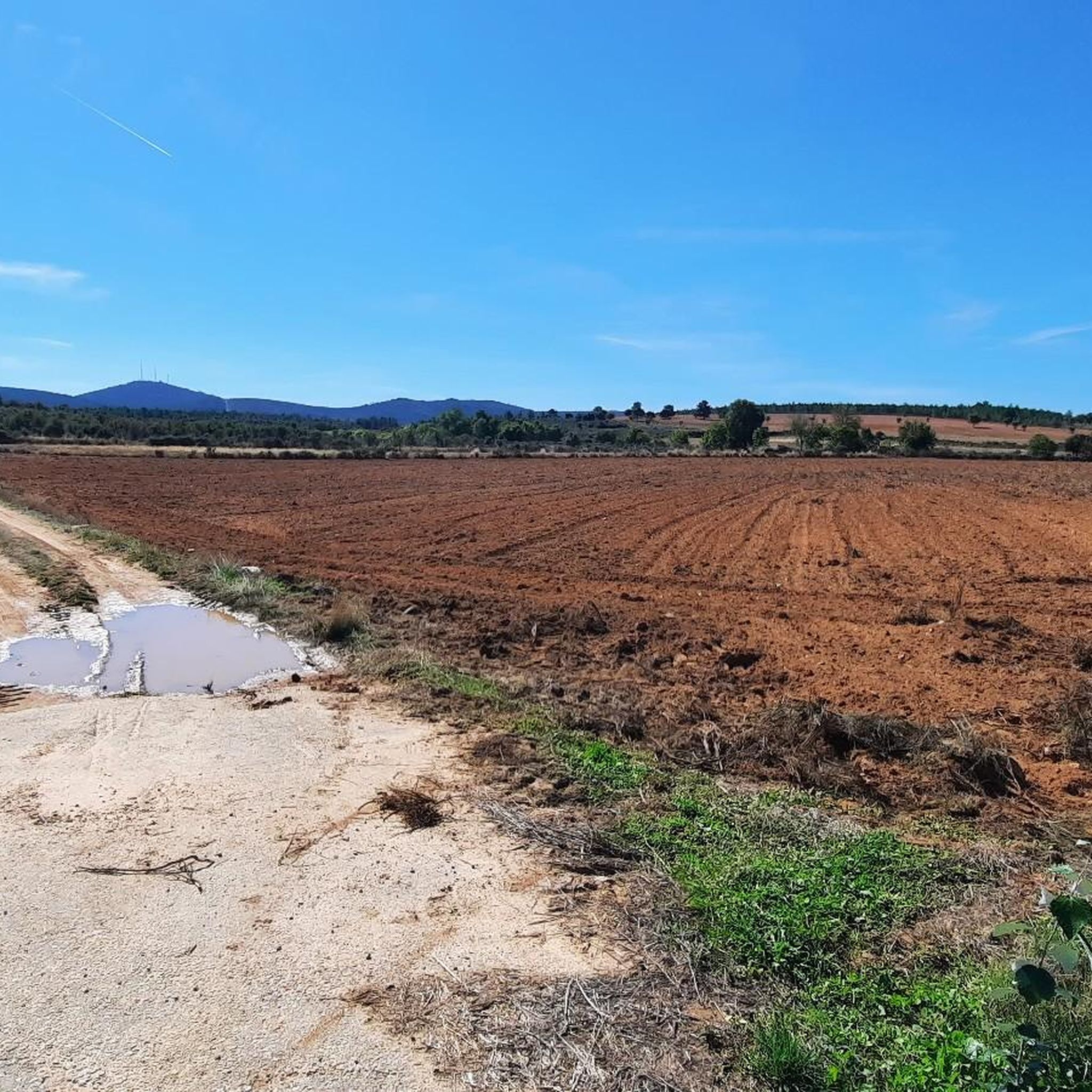
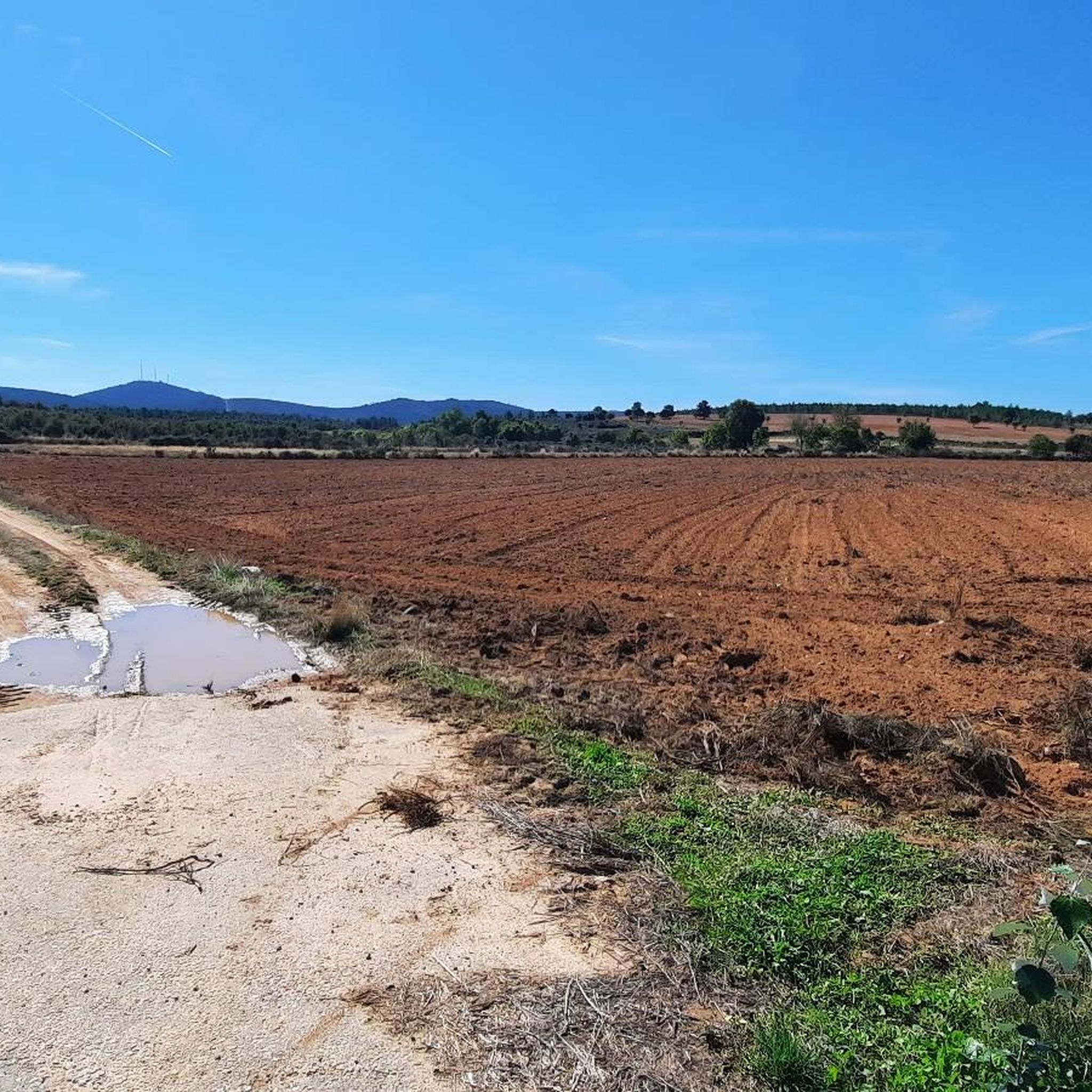
Mountain biking around Castelo Rodrigo offers diverse landscapes, characterized by the Serra da Marofa mountain range, which provides extensive views over the Riba-Côa and Alto Douro regions. The deep Côa Valley creates dramatic terrain with abrupt descents and demanding climbs. Riders can expect a mix of plateaus, agricultural areas, and varied terrain including dirt roads, tar roads, and technical, rocky sections. Cork oak cores are also a characteristic presence in some areas.
Best mountain bike trails around Castelo Rodrigo
- The…
Last updated: October 14, 2026
6
riders
Moderate mountain bike ride. Good fitness required. Advanced riding skills necessary.
2
riders
26.1km
02:16
550m
550m
Moderate mountain bike ride. Good fitness required. Suitable for all skill levels.

2
riders
24.1km
02:04
390m
390m
Moderate mountain bike ride. Good fitness required. Suitable for all skill levels.
2
riders
52.3km
04:40
990m
990m
Hard mountain bike ride. Very good fitness required. Advanced riding skills necessary.
1
riders
27.3km
02:17
360m
360m
Moderate mountain bike ride. Good fitness required. Suitable for all skill levels.
Our route recommendations are based on thousands of hikes, rides, and runs completed by other people on komoot.
Start today with a free account
Your next adventure awaits.
Other adventures around Castelo Rodrigo

Tips from the Community

Nestled in the Serra da Marofa valley, Freixeda do Torrão holds centuries of history. Its name dates back to 1190, and since then, time has left its mark. Among its treasures stands the Parish Church, with Romanesque roots, rebuilt after the devastating fire of 1908 but still faithful to the 16th-century portal that saw its birth. In the heart of the parish, the Solar dos Metelos stands tall with its medieval tower and stately coat of arms, a testament to times of power and distinction.
2
0
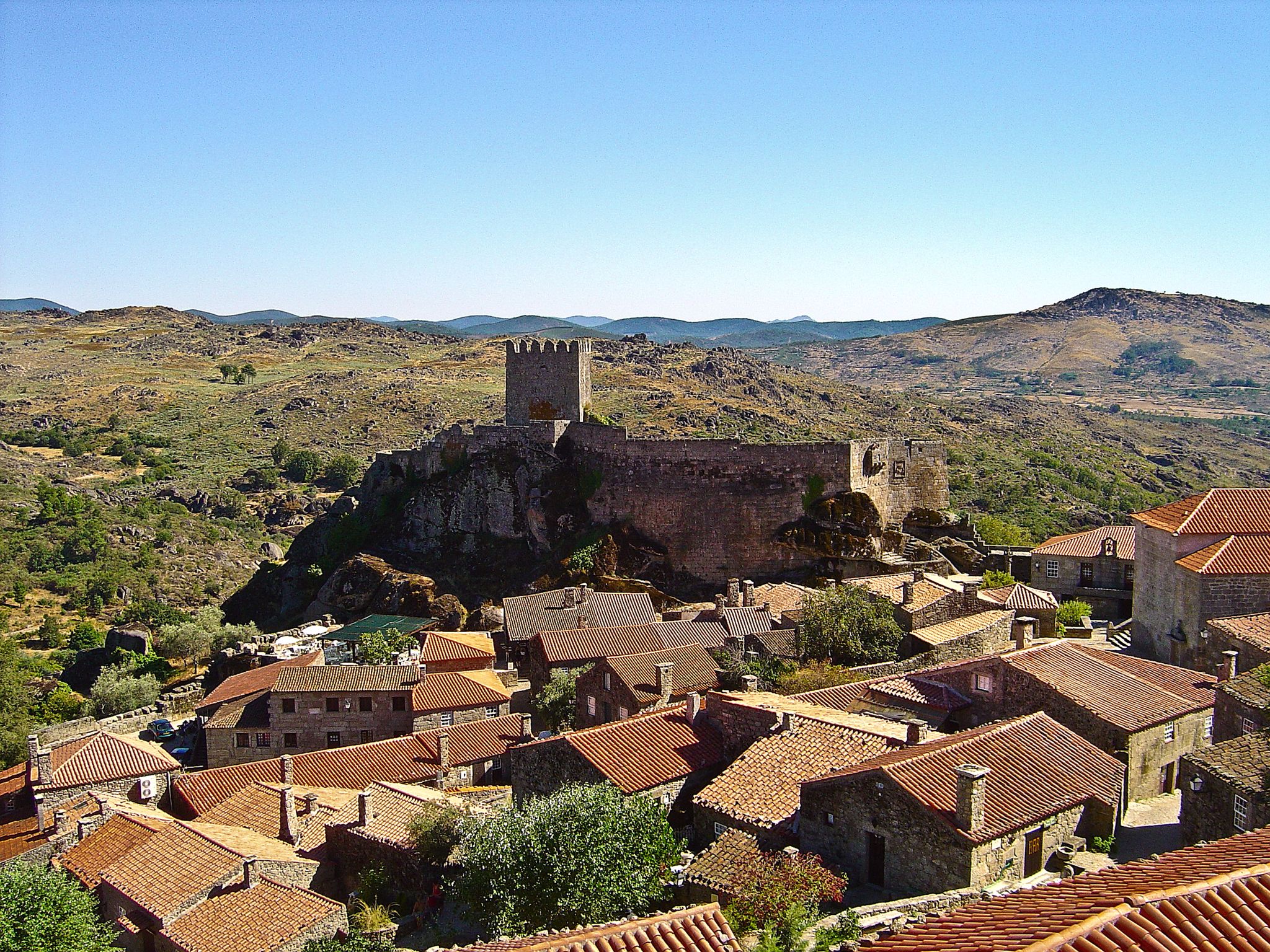
Castelo Rodrigo holds millennia of history, from Paleolithic and Roman remains to the Muslim presence in the castle. Conquered and reconquered between the 12th and 13th centuries, it became a town and municipality under King Alfonso IX of León and passed definitively to Portugal in 1297, when King Dinis rebuilt and repopulated the castle. Marked by wars, charters, and restorations, it welcomed pilgrims on their way to Santiago and remains today one of the twelve Historic Villages of Portugal.
3
0
At the entrance to Castelo Rodrigo, the Monastery of Santa Maria de Aguiar rises among chestnut trees, founded in 1174 by King Afonso Henriques and handed over to the Cistercian Order. From the sober church to the monks' quarters and the guesthouse loggia with its 1704 coat of arms, everything testifies to centuries of faith and hospitality for pilgrims to Santiago. Despite the damage caused by the French invasions and its abandonment in 1834, the monastery's former beauty remains intact.
2
0
Castelo Rodrigo is a village with a medieval soul, where time has left its deep marks: walls, stone streets and remains of an ancient community of New Christians. Surrounded by magnificent landscapes, from the Douro International Natural Park to the Côa Valley, passing through the Serra da Marofa and the Faia Brava Reserve, this village is an invitation to contemplation and to taste. Here, history is served at the table: Marofa lamb, octopus in migas or rice are flavors that count as much as the books.
2
0


Impressive town that is located on this hilltop and the ruins in the center are also worth seeing.
0
0

Former prison of Castelo Rodrigo.
1
1
Place with a long history, 500 BC founded by the Celts. Belongs to the twelve historical villages, the Aldeias Históricas de Portugal. Located at 820 m above the Vale do Côa.
3
2
Frequently Asked Questions
How many mountain bike trails are available around Castelo Rodrigo?
There are currently 5 mountain bike trails available around Castelo Rodrigo on komoot, offering a range of experiences from moderate to difficult. These routes showcase the diverse landscapes of the region, including the Serra da Marofa and the Côa Valley.
What kind of terrain can I expect on mountain bike trails in Castelo Rodrigo?
Mountain biking in Castelo Rodrigo offers a varied terrain. You'll encounter plateaus, agricultural areas, and mixed, flattened sections with views towards Marialva. Trails often feature dirt roads, tar roads, and technical, rocky sections with steep climbs and descents, particularly when heading towards the deep Côa Valley. Cork oak forests are also a characteristic presence in some areas.
What are the difficulty levels of mountain bike trails in Castelo Rodrigo?
The mountain bike trails around Castelo Rodrigo cater to riders seeking a challenge. Currently, there are 4 moderate routes and 1 difficult route listed. There are no easy routes, so riders should be prepared for some demanding climbs and descents, especially in the Côa Valley.
When is the best time of year for mountain biking in Castelo Rodrigo?
The region is particularly beautiful during February and March when the almond trees, fig trees, and camellias are in bloom, transforming the landscape into a vibrant spectacle. Generally, spring and autumn offer pleasant temperatures for mountain biking, avoiding the intense heat of summer.
Are there any circular mountain bike routes in Castelo Rodrigo?
Yes, all the mountain bike routes listed for Castelo Rodrigo are circular. For example, you can try the Castelo Rodrigo Village – Cristo Rei da Marofa loop from Figueira de Castelo Rodrigo, which offers panoramic views, or the São Marcos loop from Figueira de Castelo Rodrigo, which passes through local villages.
What interesting landmarks or viewpoints can I see along the mountain bike trails?
Many trails offer stunning views, especially from the Serra da Marofa. The Castelo Rodrigo Village – Cristo Rei da Marofa loop from Figueira de Castelo Rodrigo provides panoramic vistas. The historic village of Castelo Rodrigo itself, with its castle ruins and ancient walls, is a significant landmark. You can also explore the Castelo Rodrigo Discovery Trail or visit the Igreja de Nossa Senhora do Rocamador.
Are there any multi-day mountain biking opportunities in the Castelo Rodrigo area?
Yes, Castelo Rodrigo is part of the Great Route of Historical Villages (GR22), an extensive network of trails that provides multi-day cycling opportunities. This route, often predominantly on dirt, connects Castelo Rodrigo with other historical villages like Marialva, passing through various natural and historical points of interest. You can find more information about the GR22 cycling route on the Historical Villages of Portugal website.
Are there any mountain bike trails that pass through natural reserves or unique natural features?
Yes, some mountain biking routes in the area pass by or through the Faia Brava Reserve, a significant private protected area that adds to the wild and untamed feel of the trails. Additionally, routes often descend into and cross the valley of the Massueime stream, offering varied topography and scenery.
What do other mountain bikers enjoy the most about mountain biking in Castelo Rodrigo?
Mountain bikers using komoot often praise the diverse landscapes and the challenging nature of the trails. The panoramic views from the Serra da Marofa and the dramatic terrain of the Côa Valley are frequently highlighted as memorable aspects of the riding experience.
Can I find a challenging mountain bike route in Castelo Rodrigo?
Absolutely. For experienced riders seeking a significant challenge, the Castelo Rodrigo Village loop from Castelo Rodrigo is a difficult 54.5 km (33.9 miles) route with over 1000 meters of elevation gain, offering a demanding and rewarding experience.
Are there mountain bike routes that connect to other villages or points of interest?
Yes, several routes connect to or pass through charming local villages. For instance, the São Marcos loop from Figueira de Castelo Rodrigo features varied topography and passes through local villages, offering glimpses into traditional Portuguese life and potential stops.
Most popular routes around Castelo Rodrigo
Most popular attractions around Castelo Rodrigo

Get inspired with the komoot mobile app


Explore more
Browse the best MTB trails in other regions.
