The best gravel rides around Parada De Tibães
26
riders
5
rides
Gravel biking around Parada De Tibães offers varied landscapes, from the serene grounds of the Monastery of São Martinho de Tibães to the paths along the Cávado River. The region, part of the Braga municipality, features irregular valleys and mountainous spaces, providing diverse topography for cycling. Routes often combine paved sections with hard gravel, catering to different skill levels. The area maintains a rural ambiance, offering a natural setting for outdoor activities.
Best gravel bike trails around Parada De Tibães
…Last updated: July 11, 2026
7
riders
84.9km
06:00
1,140m
1,140m
Hard gravel ride. Very good fitness required. Mostly paved surfaces. Suitable for all skill levels.
6
riders
42.3km
03:13
510m
510m
Hard gravel ride. Very good fitness required. Mostly paved surfaces. Suitable for all skill levels.

Sign up for free
7
riders
43.6km
03:13
460m
460m
Hard gravel ride. Very good fitness required. Mostly paved surfaces. Suitable for all skill levels.
3
riders
48.4km
03:46
800m
800m
Hard gravel ride. Very good fitness required. Mostly paved surfaces. Suitable for all skill levels.
3
riders
49.4km
03:27
650m
650m
Hard gravel ride. Very good fitness required. You may need to push your bike for some segments of this route.
Our route recommendations are based on thousands of hikes, rides, and runs completed by other people on komoot.
Start today with a free account
Your next adventure awaits.
Login or Signup



Tips from the Community

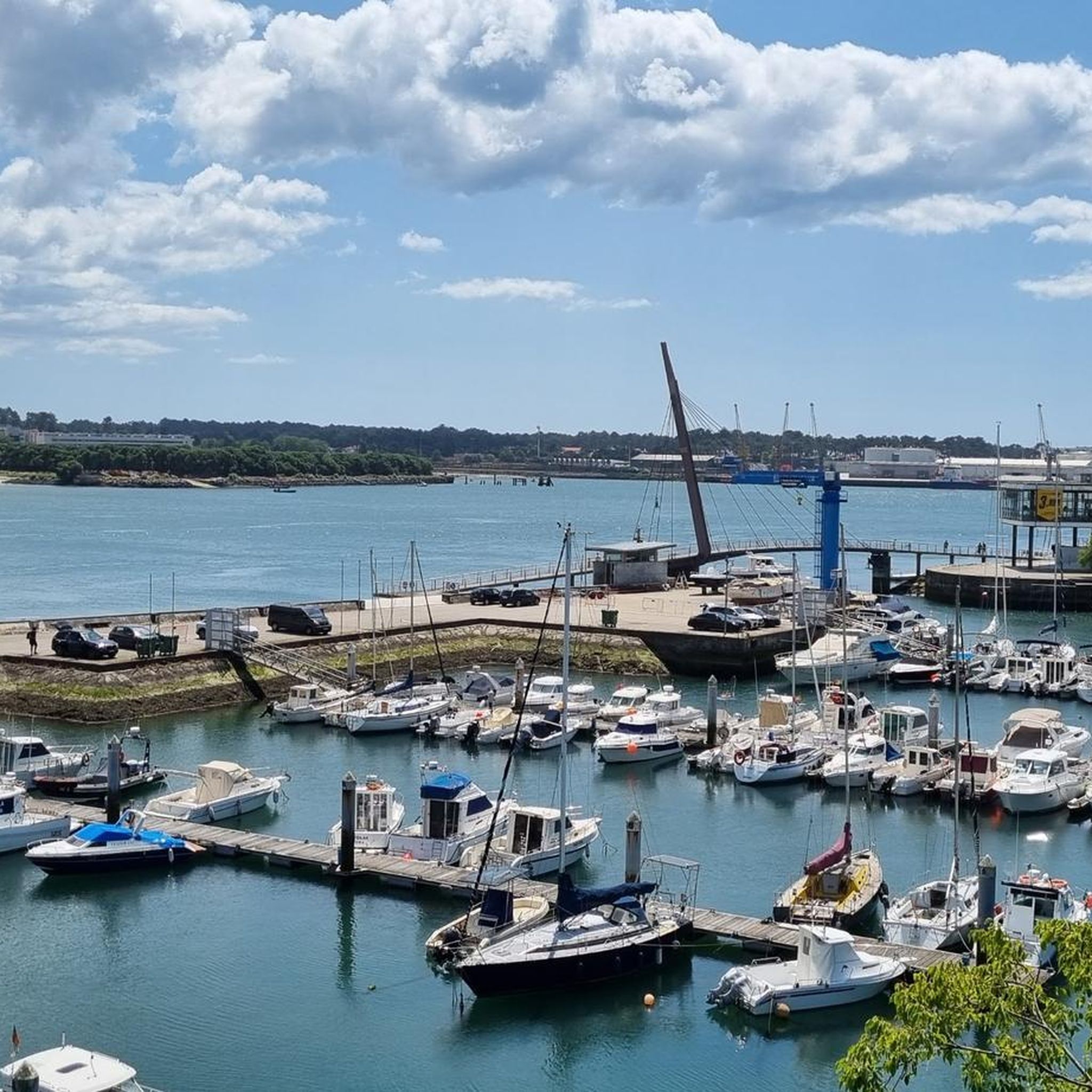
The Metal Bridge of Fão (Esposende) Location: It crosses the Cávado River, on National Road 13 (EN13), in the parish of Fão, in Esposende. Alternative Name: It is frequently referred to as the D. Luís Filipe Bridge. History: It is a significant example of iron architecture in Portugal, inaugurated on August 7, 1892. Characteristics: The bridge, which is a Property of Public Interest, has an extensive metal structure and has recently been rehabilitated.
2
0
In Esposende, the main historical bridge that crosses the Cávado River is the Ponte Metálica de Fão, also known locally as Ponte D. Luís Filipe.
2
0
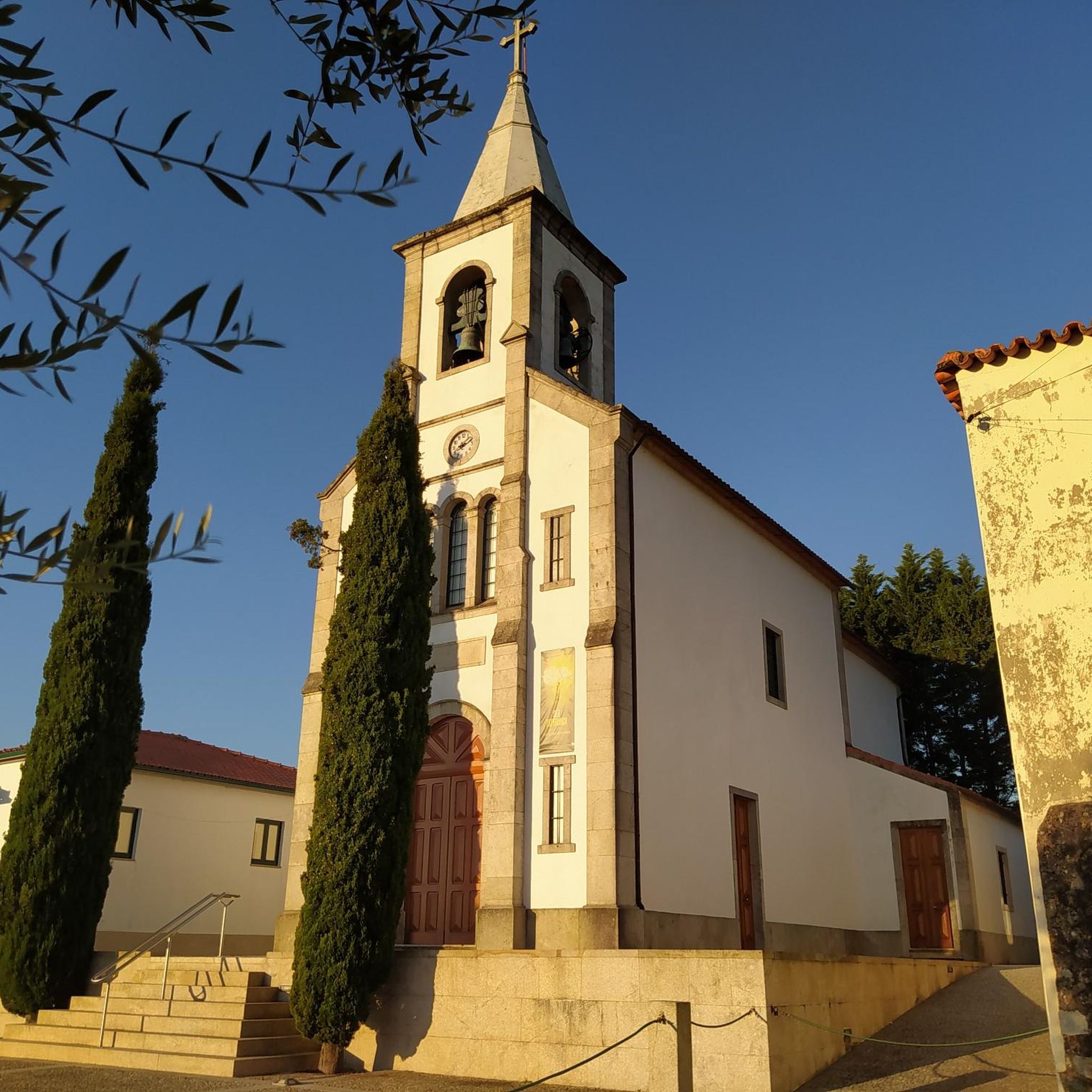
Architecture and Highlights The building is an example of local religious architecture, with a T-shaped floor plan and a single nave, resulting from expansions of the original chancel. Style: Combines Baroque, Rococo, and Neoclassical elements. Facade: The main facade has a gable, flanked by a quadrangular bell tower. The main portal with a segmental arch is topped by an aedicule that houses the image of the patron saint. Interior: The interior, although simple, is well preserved and inviting to prayer, as noted by visitors.
1
0
The Parish Church of Santa Maria de Martim, located in the parish of Martim, in the municipality of Barcelos, is a remarkable religious building with architectural elements ranging from Baroque to Neoclassical.
1
0
The church is open for visitation and prayer most days, with specific times for Masses. Opening Hours: Monday to Sunday: 10:00–12:00 and 15:00–19:30. Mass Times (subject to change, please check the official website): Tuesday: 7:00 PM. Thursday: 7:00 PM. Saturday: 5:30 PM. Sunday: 11:00 AM.
1
0
The church was built in the 14th century in a transitional style between Romanesque and Gothic, on the foundations of an earlier 11th-century church. Main Features: Style: Transitional Gothic and Romanesque, with Renaissance and Baroque additions throughout the centuries. Interior: It has three naves, notably featuring 14 blue and white tile panels that cover much of the walls, dating from the 17th and 18th centuries. Notable Elements: The chancel vault is a Manueline work (early 16th century), and the main façade features a Neo-Gothic rose window, the result of a 20th-century restoration. Heritage: The church houses notable altarpieces and funerary monuments of important families, such as the Pinheiro family. The Parish Church of Santa Maria de Barcelos is a point of historical and architectural interest for tourists and pilgrims traveling the Camino de Santiago.
1
0
The Parish Church of Santa Maria de Barcelos, also known as the Collegiate Church, is the main religious temple in the city of Barcelos and a National Monument of Portugal.
1
0

Frequently Asked Questions
What is the general difficulty level of gravel biking routes around Parada De Tibães?
The gravel biking routes in this area are generally considered difficult. All 5 routes listed in this guide, such as the Barcelos Historic Centre – Fão Bridge loop from Braga, are challenging and require good fitness and advanced riding skills due to varied topography and elevation gains.
Are there any family-friendly gravel biking options in Parada De Tibães?
Given that all routes in this guide are rated as difficult, they may not be suitable for families with young children or beginners. The terrain often includes irregular valleys and mountainous spaces, which can be demanding. For a more relaxed experience, consider exploring the flatter sections of the Ecovia do Cávado along the Cávado River, though specific family-friendly gravel routes are not highlighted in this guide.
What kind of landscapes can I expect to see on a gravel bike ride near Parada De Tibães?
You can expect a diverse range of landscapes. Routes often combine paved sections with hard gravel, taking you through the serene grounds of the Monastery of São Martinho de Tibães, along the scenic Cávado River, and through rural areas with irregular valleys and mountainous spaces. The region offers a blend of lush greenery, woodlands, and open fields, providing a pleasant country atmosphere.
Are there any circular gravel bike routes available?
Yes, all the routes featured in this guide are circular loops. For example, you can explore the Parque Perez – Riverside Path loop from Braga, which covers 26.7 miles, or the longer Barcelos Historic Centre – Fão Bridge loop from Braga, spanning 52.6 miles.
What are some notable landmarks or attractions I can visit along the gravel bike trails?
While the routes themselves focus on natural and rural landscapes, the region is rich in historical and cultural sites. Nearby attractions include the impressive Sanctuary of Bom Jesus do Monte, the historic Raio Palace, and the magnificent Braga Cathedral (Sé de Braga). The Monastery of São Martinho de Tibães itself is a central attraction with extensive grounds.
What is the typical duration for gravel bike rides in this area?
The duration varies depending on the route and your pace, but most difficult routes in this guide range from approximately 3 hours 45 minutes to nearly 6 hours. For instance, the Riverside Path – Parque Perez loop from Vila de Prado takes about 3 hours 44 minutes, while the Barcelos Historic Centre – Fão Bridge loop from Braga can take up to 5 hours 59 minutes.
Are there any routes that offer views of the Cávado River?
Yes, several routes incorporate the Cávado River. The region is bordered by the Cávado River to the north, offering pleasant paths like the Ecovia do Cávado. Routes such as the Parque Perez – Riverside Path loop from Braga and the Riverside Path – Parque Perez loop from Vila de Prado specifically explore riverside paths, providing scenic views and often shaded sections.
What is the best time of year for gravel biking around Parada De Tibães?
The region's pleasant country atmosphere and varied landscapes make it enjoyable for gravel biking across many seasons. However, for the most comfortable experience, spring and autumn generally offer milder temperatures and less rainfall. The riverside paths can be particularly pleasant during warmer months, often providing shade.
How many gravel bike trails are available in the Parada De Tibães area?
There are 5 gravel bike routes detailed in this guide for the Parada De Tibães area. These routes offer a variety of distances and elevation gains, all categorized as difficult, providing engaging experiences for experienced gravel bikers.
What do other gravel bikers enjoy most about the routes in Parada De Tibães?
Gravel bikers who have explored the area often appreciate the diverse terrain, which combines paved sections with hard gravel, and the blend of natural and historical scenery. The routes offer a good challenge with varied topography, from river paths to more mountainous sections, providing a rewarding experience for those seeking a difficult ride.
Are there any long-distance gravel biking routes in the area?
Yes, if you're looking for a longer ride, the Barcelos Historic Centre – Fão Bridge loop from Braga is a substantial option, covering 52.6 miles (84.7 km). This route connects historic centers with riverine landscapes and offers a significant challenge.
Can I find routes that start from different locations within the region?
Yes, the routes in this guide offer various starting points. For example, you can begin your ride from Braga with the Parque Perez – Riverside Path loop from Braga, or from Vila de Prado with the Riverside Path – Parque Perez loop from Vila de Prado. Another option is the Ponte do Porto – Parque Perez loop from Fraião.
Most popular attractions around Parada De Tibães

Get inspired with the komoot mobile app


Explore more
Browse the best Gravel rides in other regions.
