The best gravel rides around Arcos
25
riders
3
rides
Gravel biking around Arcos de la Frontera offers diverse terrain, from the dramatic crag overlooking the Guadalete River to the rugged landscapes of the Sierra de Grazalema Natural Park. The region features a mix of hilly reliefs, gentle slopes, and open fields, providing varied conditions for gravel riders. The erosive action of the Guadalete River has shaped the topography, creating a dynamic environment for outdoor pursuits. This area combines natural beauty with historical attractions, including the town's historic center and…
Last updated: June 27, 2026
7
riders
84.9km
06:00
1,140m
1,140m
Hard gravel ride. Very good fitness required. Mostly paved surfaces. Suitable for all skill levels.
6
riders
42.2km
03:13
510m
510m
Hard gravel ride. Very good fitness required. Mostly paved surfaces. Suitable for all skill levels.

Sign up for free
6
riders
43.5km
03:11
460m
460m
Hard gravel ride. Very good fitness required. Mostly paved surfaces. Suitable for all skill levels.
3
riders
46.1km
03:35
760m
760m
Hard gravel ride. Very good fitness required. Mostly paved surfaces. Suitable for all skill levels.
3
riders
49.4km
03:27
650m
650m
Hard gravel ride. Very good fitness required. You may need to push your bike for some segments of this route.
Our route recommendations are based on thousands of hikes, rides, and runs completed by other people on komoot.
Start today with a free account
Your next adventure awaits.
Login or Signup

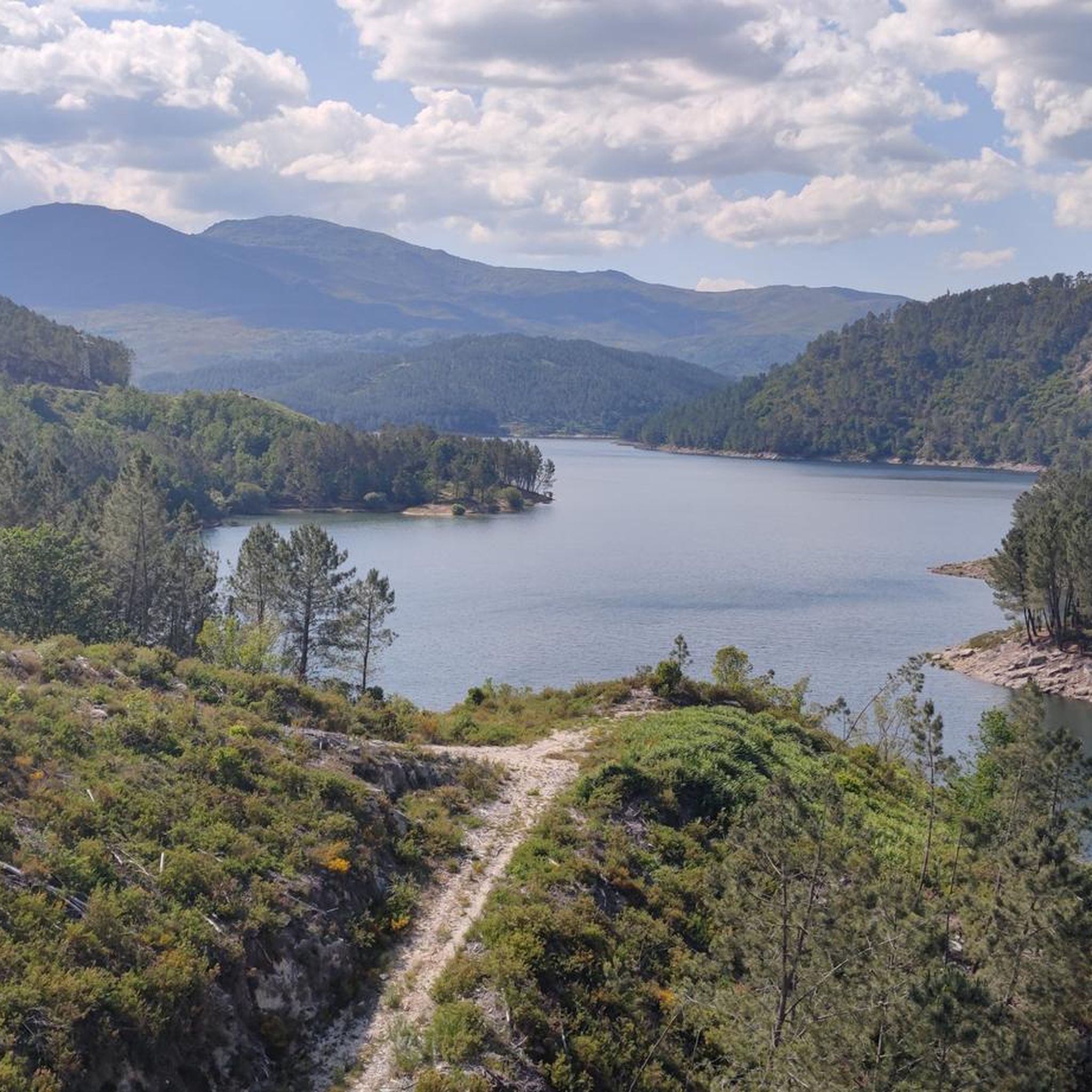



Tips from the Community

The Metal Bridge of Fão (Esposende) Location: It crosses the Cávado River, on National Road 13 (EN13), in the parish of Fão, in Esposende. Alternative Name: It is frequently referred to as the D. Luís Filipe Bridge. History: It is a significant example of iron architecture in Portugal, inaugurated on August 7, 1892. Characteristics: The bridge, which is a Property of Public Interest, has an extensive metal structure and has recently been rehabilitated.
2
0
In Esposende, the main historical bridge that crosses the Cávado River is the Ponte Metálica de Fão, also known locally as Ponte D. Luís Filipe.
2
0
The church is open for visitation and prayer most days, with specific times for Masses. Opening Hours: Monday to Sunday: 10:00–12:00 and 15:00–19:30. Mass Times (subject to change, please check the official website): Tuesday: 7:00 PM. Thursday: 7:00 PM. Saturday: 5:30 PM. Sunday: 11:00 AM.
1
0
The church was built in the 14th century in a transitional style between Romanesque and Gothic, on the foundations of an earlier 11th-century church. Main Features: Style: Transitional Gothic and Romanesque, with Renaissance and Baroque additions throughout the centuries. Interior: It has three naves, notably featuring 14 blue and white tile panels that cover much of the walls, dating from the 17th and 18th centuries. Notable Elements: The chancel vault is a Manueline work (early 16th century), and the main façade features a Neo-Gothic rose window, the result of a 20th-century restoration. Heritage: The church houses notable altarpieces and funerary monuments of important families, such as the Pinheiro family. The Parish Church of Santa Maria de Barcelos is a point of historical and architectural interest for tourists and pilgrims traveling the Camino de Santiago.
1
0
The Parish Church of Santa Maria de Barcelos, also known as the Collegiate Church, is the main religious temple in the city of Barcelos and a National Monument of Portugal.
1
0


Benedictine Monastery and National Monument
0
0

The Cathedral of Braga, the oldest archdiocese in Portugal
3
0
Frequently Asked Questions
What kind of terrain can I expect on gravel bike trails around Arcos de la Frontera?
Gravel biking around Arcos de la Frontera offers a diverse mix of terrain. You'll encounter hilly reliefs, gentle slopes, and open countryside, often shaped by the Guadalete River. Many routes combine paved and gravel surfaces, providing varied challenges and scenic beauty. The region transitions from the dramatic crag of Arcos to the rugged Sierra de Grazalema Natural Park and the open Cadiz countryside.
Are there any notable landmarks or attractions to see along the gravel routes?
Absolutely. Arcos de la Frontera itself is a Historic-Artistic Site with narrow, steep streets, whitewashed houses, and historical buildings like the Castle of Arcos de la Frontera and the Basilica Menor de Santa Maria de la Asunción. Viewpoints offer panoramic vistas of the Guadalete River and Lago de Arcos. The region is also known for its 'white villages' (pueblos blancos), such as Benaocaz, Grazalema, and El Bosque, which are often incorporated into routes. While the provided routes are in a different region, you can explore attractions like the Sanctuary of Bom Jesus do Monte or the Raio Palace if you venture further afield.
What is the best season for gravel biking in Arcos de la Frontera?
The region generally enjoys a mild climate, making gravel biking enjoyable for much of the year. Spring and autumn are often ideal, offering pleasant temperatures and lush landscapes. Summers can be hot, especially in the midday sun, while winters are typically mild but can bring some rain. Always check the local weather forecast before heading out.
Are there family-friendly gravel biking options near Arcos de la Frontera?
While many routes in the immediate Arcos de la Frontera area are described as challenging with significant elevation gain, the diverse topography means there are likely gentler sections or paths suitable for families, particularly along the Guadalete River basin. For specific family-friendly routes, it's best to check individual tour descriptions for difficulty ratings and elevation profiles.
Can I find circular gravel bike routes around Arcos de la Frontera?
Yes, many of the gravel biking opportunities in the region are designed as loops, allowing you to start and end in the same location. For example, routes like the Barcelos Historic Centre – Fão Bridge loop from Braga or the Parque Perez – Riverside Path loop from Braga offer circular experiences, though these specific examples are located further north.
Do I need any special permits for gravel biking in the Arcos de la Frontera region, especially in natural parks?
When cycling in natural protected areas like the Sierra de Grazalema Natural Park, it's always advisable to check for specific regulations regarding access and permits. While general cycling on public roads and marked trails usually doesn't require a permit, certain sensitive areas or specific activities might. It's recommended to consult the official park authority's website for the most up-to-date information.
Are the gravel bike trails around Arcos de la Frontera dog-friendly?
Generally, dogs are welcome on many outdoor trails in Spain, especially if kept on a leash and waste is properly disposed of. However, specific rules can vary, particularly within natural parks or on private land. Always check local signage or park regulations for any restrictions before bringing your dog on a gravel bike ride.
Where can I find parking for gravel biking in Arcos de la Frontera?
Arcos de la Frontera, as a popular tourist destination, offers various parking options within and around the town. Look for public parking areas, especially near the historic center or at the start points of popular routes. Some accommodations may also offer private parking for guests. It's advisable to arrive early during peak seasons to secure a spot.
Is public transport available for cyclists to Arcos de la Frontera?
Arcos de la Frontera is accessible by bus from larger cities in the Cádiz province. While some bus services may allow bicycles, especially if dismantled or in a bike bag, it's crucial to confirm with the specific bus company beforehand, as policies can vary. For longer distances, trains might be an option to nearby major hubs, but direct train service to Arcos is limited.
Are there cafes or places to stop for refreshments along the gravel routes?
The region around Arcos de la Frontera is dotted with charming villages and rural areas. While specific cafes directly on remote gravel trails might be scarce, you'll often find opportunities for refreshments in the 'white villages' that many routes pass through. Arcos de la Frontera itself offers numerous cafes, restaurants, and bars where you can refuel before or after your ride.
What kind of accommodation is available for cyclists in Arcos de la Frontera?
Arcos de la Frontera offers a range of accommodation options, from charming guesthouses and boutique hotels in the historic center to rural casas rurales and larger hotels on the outskirts. Many establishments are increasingly bike-friendly, offering secure bike storage or facilities for cyclists. It's always a good idea to inquire about bike-specific amenities when booking.
Where can I find more challenging gravel bike routes in the Arcos de la Frontera area?
The Arcos de la Frontera region, particularly towards the Sierra de Grazalema Natural Park, is known for its challenging gravel routes with significant elevation gains. Routes like the Ponte do Porto – Parque Perez loop from Fraião, though located further north, exemplify the demanding experiences available. Look for routes that traverse mountainous terrain or cover longer distances with substantial climbing to find a suitable challenge.
Most popular attractions around Arcos

Get inspired with the komoot mobile app


Explore more
Browse the best Gravel rides in other regions.
