Attractions and Places To See in Egedal - Top 20
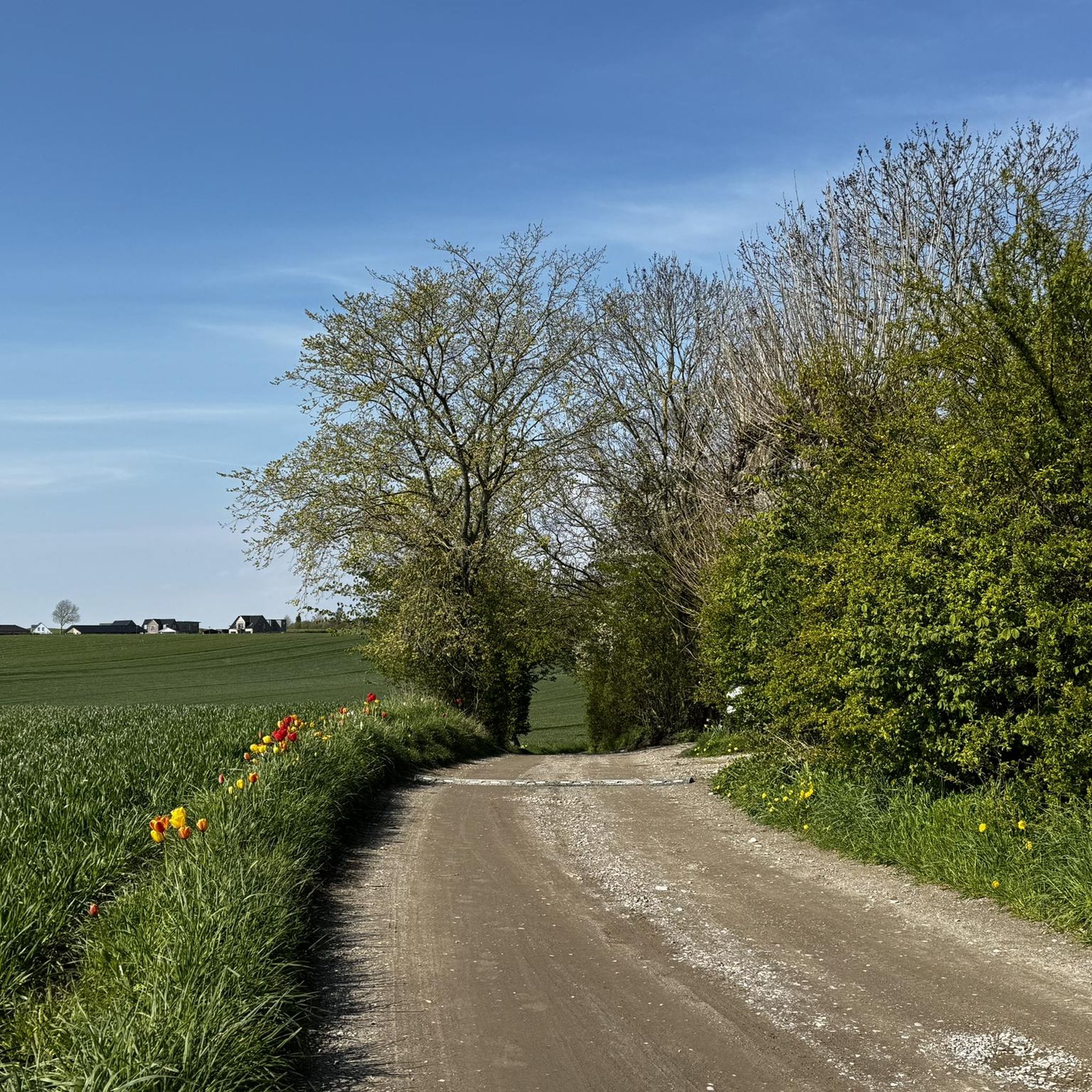
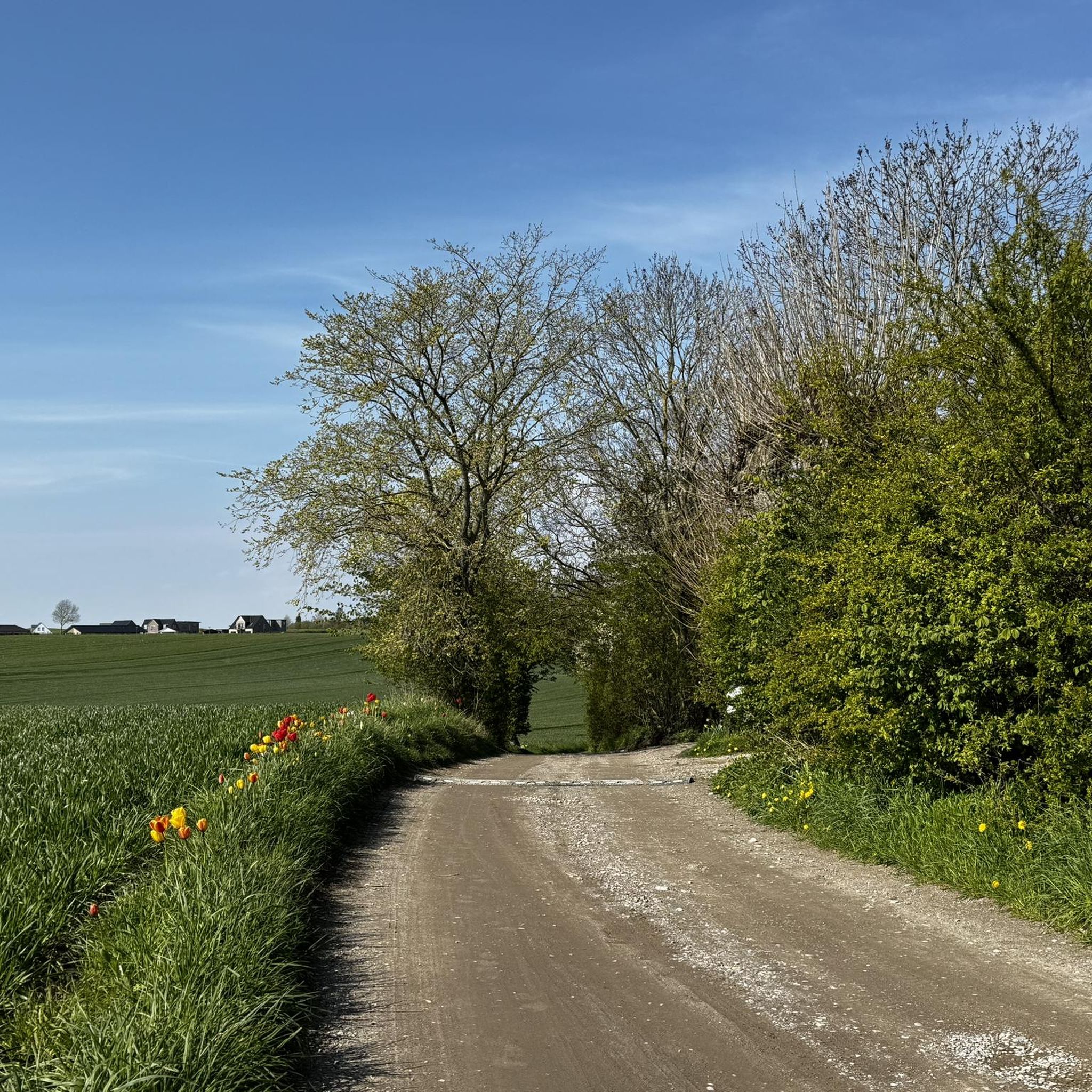
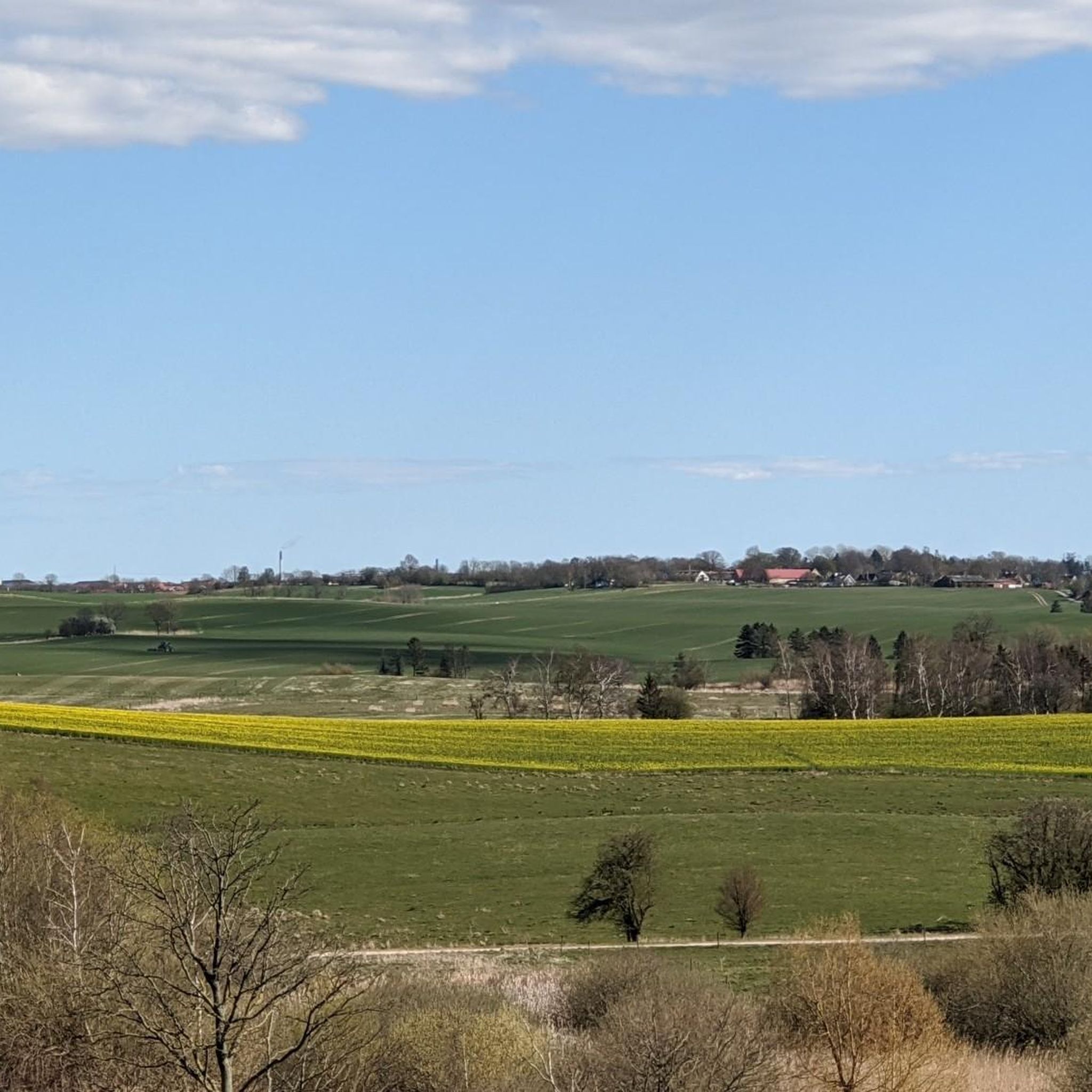
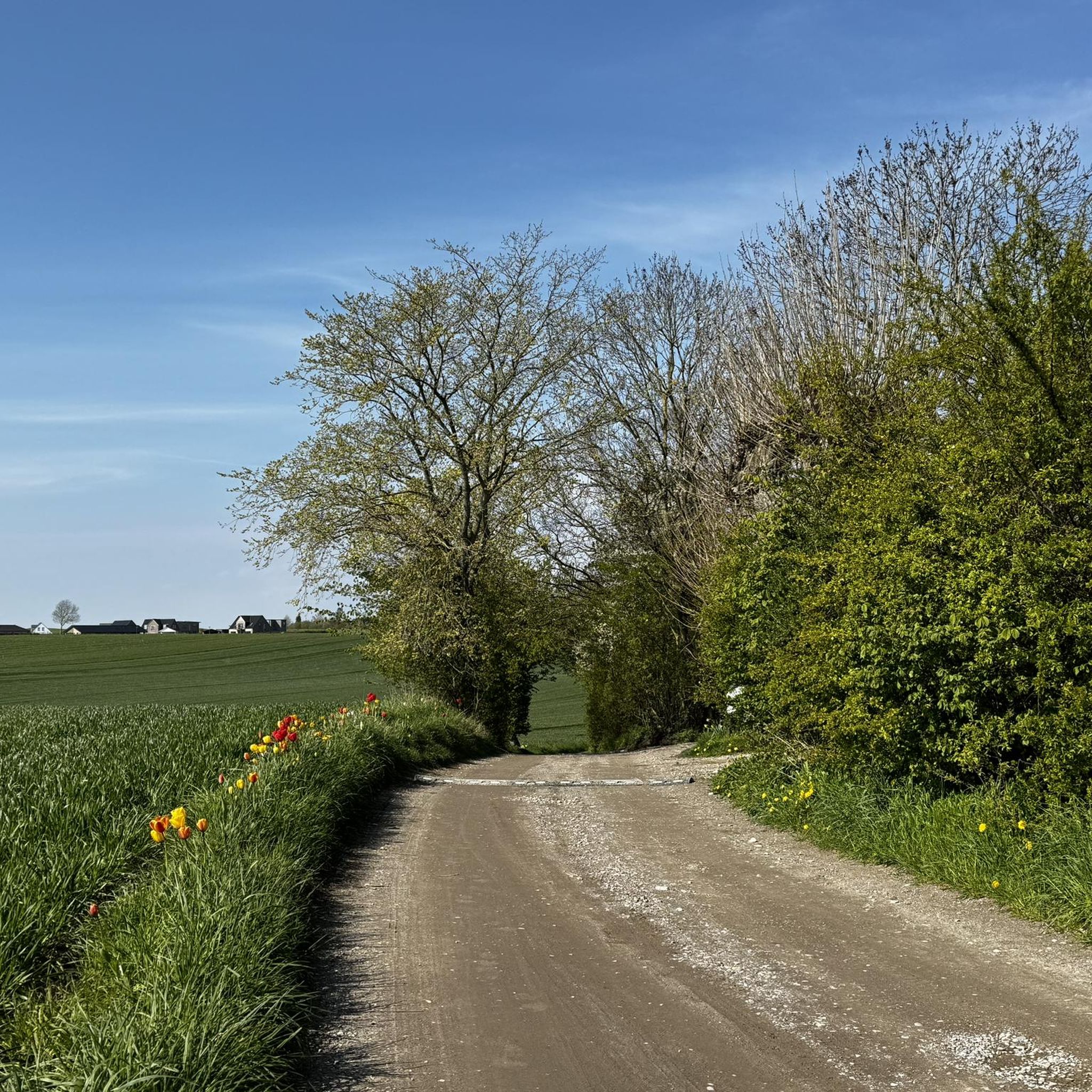
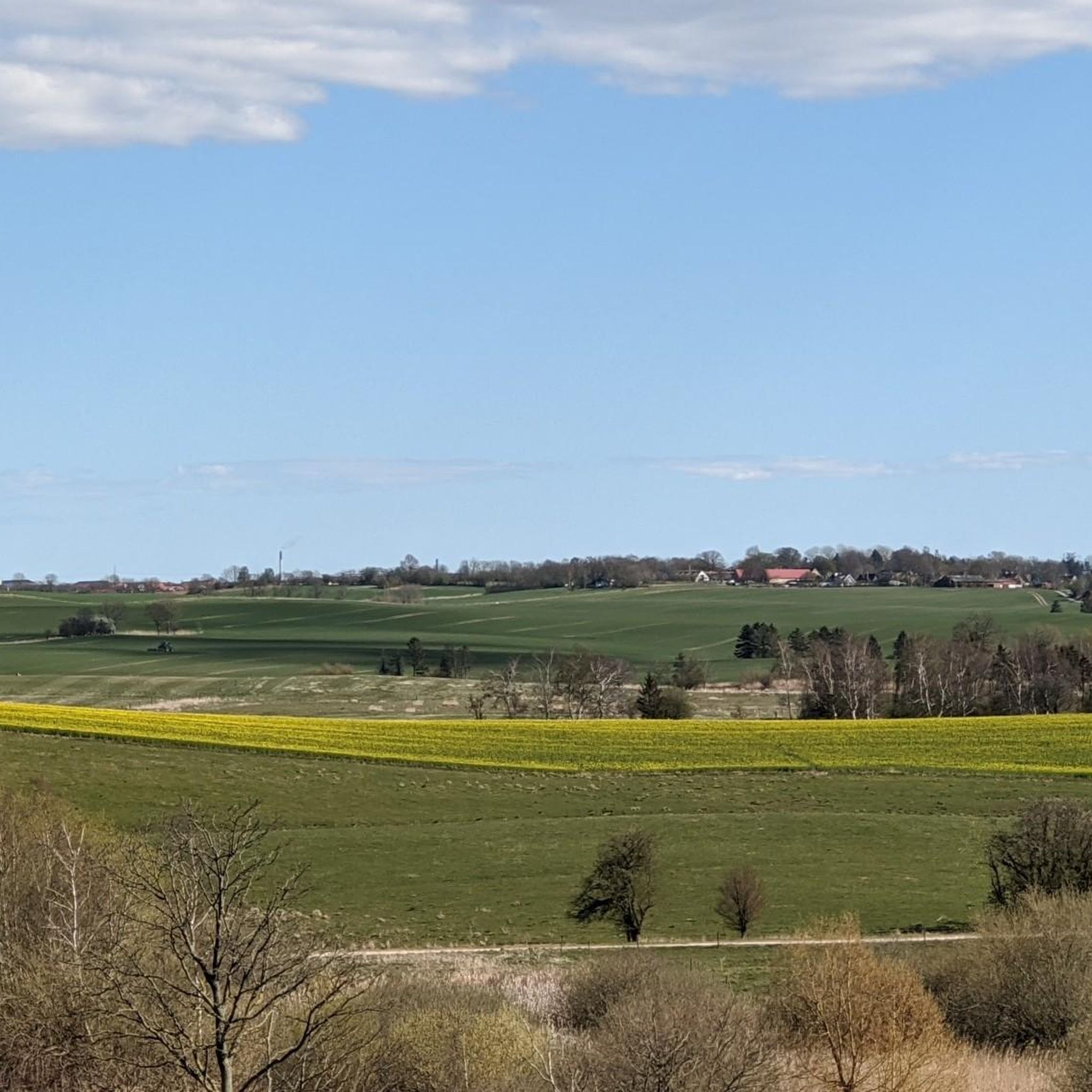
Best attractions and places to see in Egedal include a landscape shaped by ice age deposits, featuring tunnel valleys, moraine hills, and wide river valleys. The municipality, located northwest of Copenhagen, Denmark, offers a variety of natural beauty, historical landmarks, and cultural sites. Visitors can explore large forests, lakes, streams, and bog landscapes, alongside ancient historical pearls and cultural institutions. The region provides diverse natural and historical experiences accessible by foot and bike.
Best attractions and places to see in Egedal
- The most popular attractions is Damhus Lake, a lake that serves as a significant green space. This 46-hectare lake is protected and offers views and places to stop and eat.
- Another must-see spot is Holtekolen Ski Jump, a historical site. Originally built in 1943 as a ski jumping facility, it is now primarily used for tobogganing.
- Visitors also love Vridsløselille State Prison, a historical site. This former state prison is known for its role in Danish films and its distinctive architecture.
- Egedal is known for its natural features like Naturpark Mølleåen and various streams and lakes, alongside historical sites such as ancient burial mounds and cultural museums. The region offers a variety of attractions to see and explore, from natural parks to historical landmarks.
- The attractions in Egedal are appreciated by the komoot community, with 16 highlights featuring 31 photos and receiving more than 230 upvotes.
Last updated: June 23, 2026
Damhus Lake
Highlight • Lake
Tip by

DCU Camping Copenhagen
Highlight • Rest Area
Translated by Google •
Tip by

Sign up now to discover places like this
Get recommendations on the best single tracks, peaks, & plenty of other exciting outdoor places.
Sign up for free
Holtekolen Ski Jump
Highlight • Structure
Nowadays it is mostly used for tobogganing. But originally, when it was created in 1943, the name covered a ski jumping facility, which was used several times as an arena for Danish ski jumping championships.
The facility, which was completed in the middle of World War II on February 27, 1943, was no mini-put facility. It consisted of three hills, the largest at 40 metres, and at a ski jumping competition in 1952 as many as 30,000 paying spectators turned up. It was the Copenhagen Ski Club that built the original jumping facility. But from 1955 it was the Holte Sports Association's ski group that in practice ran the hills, and in 1963 the Holte Association took them over completely.
Snow – or rather lack of snow – has regularly created challenges for ski jumpers and organizers. In the years after World War II, the snow came to Holtekollen from Norway, when the sky above Geelskov was not generous enough. The Norwegian snow was transported as return goods in the train carriages that brought relief to the Norwegians after the Second World War. At a championship in 1960, another way was found to create a fine white cover over the Holtekollen. Now scraped ice was collected from the Rødovre Ice Stadium. A few years later – in 1963 – the competitive discipline of ski jumping was combined with 10 km cross-country.
Since then, the competitions have been more sporadic, and the original - and gradually dilapidated - scaffolding was demolished in 1965 and replaced with temporary ones in connection with concrete championships. The last time they tried to organize a competition at Holtekollen was in 1996. But there was a lack of snow, and the event was cancelled. However, the temporary scaffolding on the hill was left standing so that it could be used as a vantage point. It was not until 10 years later – in 2006 – that the scaffolding was taken down.
The inspiration for the name of the ski hill in Geelskov was taken from Norway's Holmenkollen, which is located on the outskirts of Oslo and for more than 100 years has been the center of skiing and especially for ski jumping competitions on the Holmenkollen hill.
See also the following film clip:
facebook.com/danmarkpaafilm/videos/377867576320236
Translated by Google •
Tip by

Cobra Hut
Highlight • Historical Site
Translated by Google •
Tip by
Vridsløselille State Prison
Highlight • Historical Site
See Wikipedia:
"The state prison became known to a broad public in Denmark and beyond through the Olsen Gang films by Erik Balling and Henning Bahs. The films in this series usually began and ended in front of the main entrance to the prison. In 2004, after the death of Ove Sprogøe, the actor by the eponymous Egon Olsen, part of the street in front of the prison officially renamed Egon Olsens vej (Egon Olsen Way); the rest up to the prison is still called Fængselsvej (Prison Way)."
Translated by Google •
Tip by

Sign up for free to discover even more attractions in Egedal.
Sign up for free
Already have an account?
Start today with a free account
Your next adventure awaits.
Login or Signup
Tips from the Community


Cozy and relatively close campsite in Copenhagen.
0
0

Damhussøen, or Damhussøen, is located in Copenhagen between Vanløse, Rødovre, Roskildevej, and Damhusengen, extending to Jyllingevej in the north. The green space is connected to Grøndalsparken, Krogebjergparken, and Vigerslevparken. The lake covers an area of 46 hectares. The dam in the south, over which Roskildevej is carried, was built in connection with the construction of the road in 1621. The aim was to ensure a stable water level in the lake and a better water supply to Copenhagen via Grøndalsåen and Ladegårdsåen. In 1849, additional dams were built, separating the northern part of the lake, Bagsøen, from the southern part. The Harrestrup Å, which formerly ran through the lake, was diverted into a ditch with dams on each side on the eastern side of the meadow in 1938. At the same time, Bagsøen was drained, creating Damhusengen. The lake and meadow were granted park status in 1941 and have been protected since 1966. The lake is named Damhus Sø after Damhuset, which is actually named after the lake formerly known as Langvaddam or simply Dammen. The area is also known for its inn. The small local amusement park was demolished in 2016.
0
0


Not really cheap, but for the location it's a nice campsite with a common room and WiFi. There is a warning about bike theft. There is a free option to lock your bike in a fenced-in bike yard at night, which you should take advantage of.
0
0

My highlight was definitely the old Danish state prison. Egon Olsen, Danish gentleman crook - leader of a trio - who always had a plan to get the big money came out here, greeted by Benny and Kjeld. Nowadays it doesn't look like it did 40 years ago. I'm still glad that the building complex is still standing. A memorable moment......
0
0

good place to stop and eat, has tables and spot to sit and enjoy the view
1
0

As Norway has Holmenkollen for skiing, Denmark has Holtekollen. And it is located at Stenvej in the middle of Geelskov. Nowadays it is mostly used for tobogganing. But originally, when it was created in 1943, the name covered a ski jumping facility, which was used several times as an arena for Danish ski jumping championships. The facility, which was completed in the middle of World War II on February 27, 1943, was no mini-put facility. It consisted of three hills, the largest at 40 metres, and at a ski jumping competition in 1952 as many as 30,000 paying spectators turned up. It was the Copenhagen Ski Club that built the original jumping facility. But from 1955 it was the Holte Sports Association's ski group that in practice ran the hills, and in 1963 the Holte Association took them over completely. Snow – or rather lack of snow – has regularly created challenges for ski jumpers and organizers. In the years after World War II, the snow came to Holtekollen from Norway, when the sky above Geelskov was not generous enough. The Norwegian snow was transported as return goods in the train carriages that brought relief to the Norwegians after the Second World War. At a championship in 1960, another way was found to create a fine white cover over the Holtekollen. Now scraped ice was collected from the Rødovre Ice Stadium. A few years later – in 1963 – the competitive discipline of ski jumping was combined with 10 km cross-country. Since then, the competitions have been more sporadic, and the original - and gradually dilapidated - scaffolding was demolished in 1965 and replaced with temporary ones in connection with concrete championships. The last time they tried to organize a competition at Holtekollen was in 1996. But there was a lack of snow, and the event was cancelled. However, the temporary scaffolding on the hill was left standing so that it could be used as a vantage point. It was not until 10 years later – in 2006 – that the scaffolding was taken down. The inspiration for the name of the ski hill in Geelskov was taken from Norway's Holmenkollen, which is located on the outskirts of Oslo and for more than 100 years has been the center of skiing and especially for ski jumping competitions on the Holmenkollen hill. See also the following film clip: https://www.facebook.com/danmarkpaafilm/videos/377867576320236/
2
0
Frequently Asked Questions
What natural features can I explore in Egedal?
Egedal offers a diverse landscape shaped by ice age deposits, including tunnel valleys, moraine hills, and wide river valleys. You can explore Damhus Lake, a significant green space, or visit Naturpark Mølleåen, which features the Mølleåen river, Bastrup Sø, and Buresø. The southern part of Egedal is also known for its streams, small lakes, and bog landscapes, offering varied natural experiences.
Are there historical sites or cultural landmarks to visit in Egedal?
Yes, Egedal is rich in history. You can visit the Holtekolen Ski Jump, a historical site now used for tobogganing, or the intriguing Cobra Hut, which has a unique history tied to World War II and the Cobra Group artists. Other notable sites include Stuehøj, Kong Svends Høj, Pastor Møhls Høj, and Maglehøj, which are among the region's cultural-historical 'pearls'.
What kind of outdoor activities can I do in Egedal?
Egedal is excellent for outdoor activities. You can enjoy hiking, cycling, and mountain biking. For cycling, explore routes like the 'View of Roskilde Fjord' or 'Småsøerne – Bastrup Lake Trail' by visiting the Cycling in Egedal guide. Mountain bikers can find trails in Lystrup Forest or Gulddysse skov, detailed in the MTB Trails in Egedal guide. Running enthusiasts can find routes around Lake Buresø or Terkelskov in the Running Trails in Egedal guide.
Are there family-friendly attractions in Egedal?
Many of Egedal's natural areas are suitable for families. Damhus Lake is a great spot with views and places to stop and eat. Naturpark Mølleåen, with its forests and lakes like Buresø, offers opportunities for swimming in summer and general outdoor exploration. The Holtekolen Ski Jump is primarily used for tobogganing today, which can be a fun family activity in winter.
Where can I find scenic views in Egedal?
For scenic views, Damhus Lake offers pleasant vistas and places to relax. The areas around Naturpark Mølleåen, including Bastrup Sø and Buresø, provide beautiful natural scenery with forests and water. The historical Holtekolen Ski Jump also serves as a vantage point.
What are some unique historical stories or artifacts in Egedal?
Egedal holds several unique historical narratives. The Cobra Hut, for instance, served as a hiding place during WWII and later hosted the second conference of the avant-garde Cobra Group, whose members decorated its interior. The Veksø helmets are significant historical artifacts from the region, and Svenskestenen is connected to the historical 'Svenskeslaget' (The Swedish Battle) in Smørum.
Are there any museums in Egedal?
Yes, Egedal has several museums dedicated to preserving local history and culture. You can visit the Skenkelsø Mill Museum, which is part of the Egedal Archives and Museum, to learn about the region's past. Smørum Old School also functions as a small museum focusing on local life, and Veksølund Museum is known as Denmark's largest museum for modern sculpture.
What is the best time of year to visit Egedal for outdoor activities?
Egedal's natural beauty can be enjoyed year-round. Summer is ideal for swimming in lakes like Buresø and for general outdoor exploration. Spring and autumn offer pleasant temperatures for hiking and cycling through the forests and along the lakes. In winter, the Holtekolen Ski Jump becomes a popular spot for tobogganing, weather permitting.
Are there any dog-friendly trails or parks in Egedal?
Many of Egedal's natural areas, including the forests and trails within Naturpark Mølleåen and around Damhus Lake, are generally dog-friendly. It's always a good idea to keep dogs on a leash, especially in nature reserves, and to check local signage for specific rules regarding pets.
What are some of Egedal's 'cultural-historical pearls'?
Egedal has identified 13 'cultural-historical pearls' that showcase its rich heritage. These include ancient burial mounds like Stuehøj, Kong Svends Høj, Pastor Møhls Høj, and Maglehøj. Other pearls include Ledøje Kirke, Knardrup Kloster, and the historical village of Ganløse Landsby med Forte, offering insights into the region's development from antiquity to modern times.
Are there places to swim in Egedal?
Yes, during the summer months, Buresø in Naturpark Mølleåen is a popular spot for swimming. It's a great way to cool off and enjoy the natural surroundings.
What is the history behind the Holtekolen Ski Jump?
The Holtekolen Ski Jump was originally built in 1943 in Geelskov and was once a significant ski jumping facility that hosted Danish championships, attracting up to 30,000 spectators. Snow was even transported from Norway or scraped ice from ice stadiums to ensure competitions could take place. Today, it is primarily used for tobogganing, but its history as a major sporting venue remains a fascinating part of Egedal's past.
Where can I find places to eat or stay near Egedal's attractions?
While specific cafes and restaurants near every attraction vary, Egedal municipality offers various options in its towns and villages. For accommodation, DCU Camping Copenhagen provides a large camping facility. For a broader range of options, exploring the main towns within Egedal or nearby Copenhagen will yield more choices for dining and lodging.
Most popular attractions in Egedal

Get inspired with the komoot mobile app


Explore more
Still not found the Highlight you’re looking for? See guides of the top attractions in other regions:
