Top 9 Castles around La Axarquía
Castles around La Axarquía offer a glimpse into the region's rich past, featuring historic fortresses and ruins. This picturesque area in Málaga province provides diverse landscapes, from coastal views to high plateaus. The castles are often situated atop hills, providing strategic vantage points over the surrounding terrain. Many sites showcase the region's historical significance, including its Muslim and Christian heritage.
Best castles around La Axarquía
- The most popular castles is The Alcazaba of Málaga and the Roman Theatre, a historical site that combines history and beauty. This fortress-palace is located at the foot of Mount Gibralfaro and was connected to the Arab defensive castle.
- Another must-see spot is Gibralfaro Castle, a historical castle. Visitors can walk along its walls, which offer views over Málaga.
- Visitors also love La Terrazita Café at Gibralfaro Castle, a cafe located within the castle grounds. This spot provides views over Málaga.
- La Axarquía is known for its historical fortresses, castle ruins, and well-preserved defensive structures. The region offers a variety of castles to see and explore, from coastal fortifications to hilltop strongholds.
- The castles around La Axarquía are appreciated by the komoot community, with over 720 upvotes and more than 840 photos shared across 13 highlights.
Last updated: July 4, 2026
The Alcazaba of Málaga and the Roman Theatre
Highlight • Historical Site
Translated by Google •
Tip by

La Terrazita Café at Gibralfaro Castle
Highlight • Cafe
Translated by Google •
Tip by

Sign up now to discover places like this
Get recommendations on the best single tracks, peaks, & plenty of other exciting outdoor places.
Sign up for free
Castillo de Calacette
Highlight • Monument
Translated by Google •
Tip by

Alcazaba of Vélez-Málaga
Highlight • Castle
Showing Translation
Tip by

Bezmiliana Fortress
Highlight • Historical Site
Showing Translation
Tip by

View of Comares from the Moorish Fortress Remains
Highlight • Historical Site
Translated by Google •
Tip by

Gibralfaro Castle
Highlight • Castle
Translated by Google •
Tip by
Castillo del Búho
Highlight • Monument
Translated by Google •
Tip by

The Alcazaba
Highlight • Castle
Translated by Google •
Tip by

Bentomiz Castle
Highlight • Castle
Translated by Google •
Tip by

Sign up for free to discover even more castles around La Axarquía.
Sign up for free
Already have an account?
Start today with a free account
Your next adventure awaits.
Login or Signup
Popular around La Axarquía
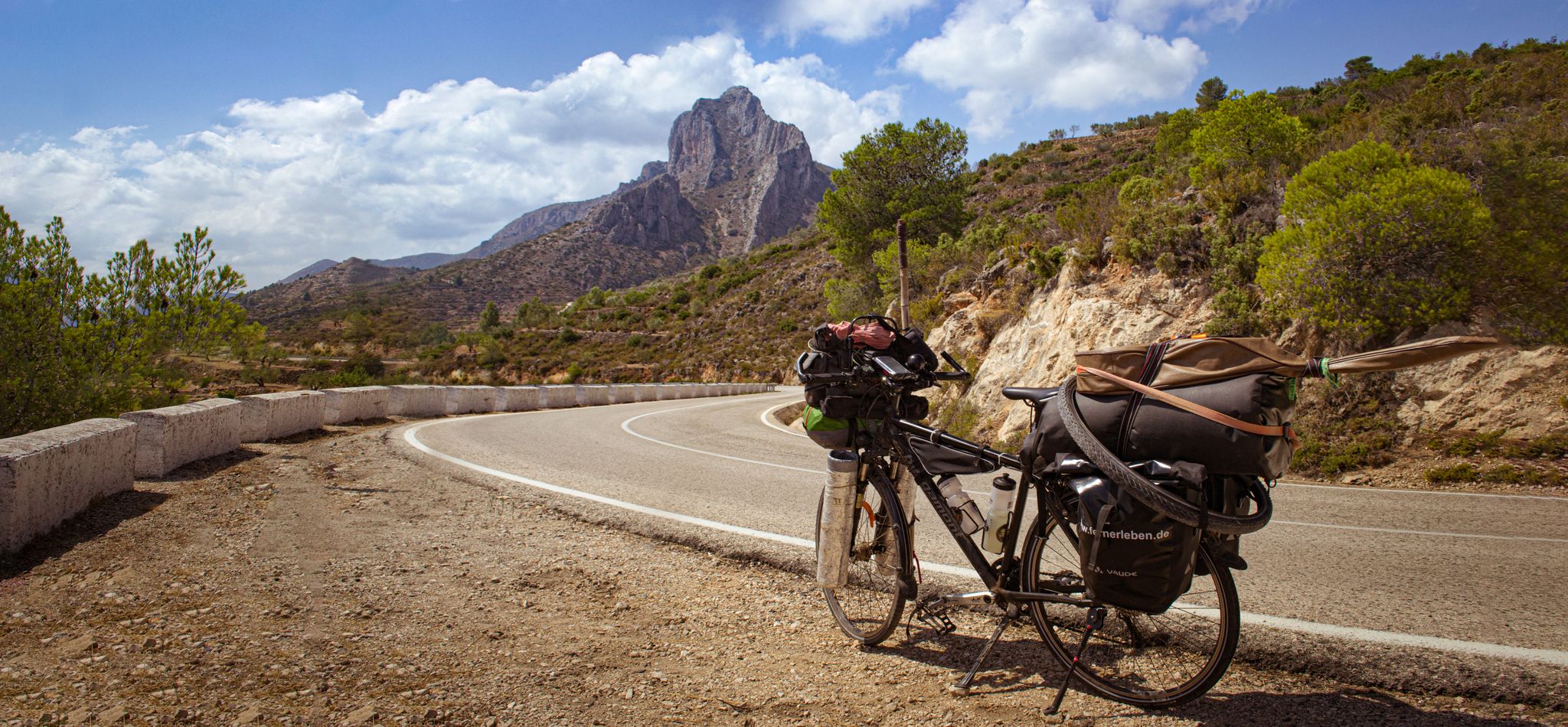
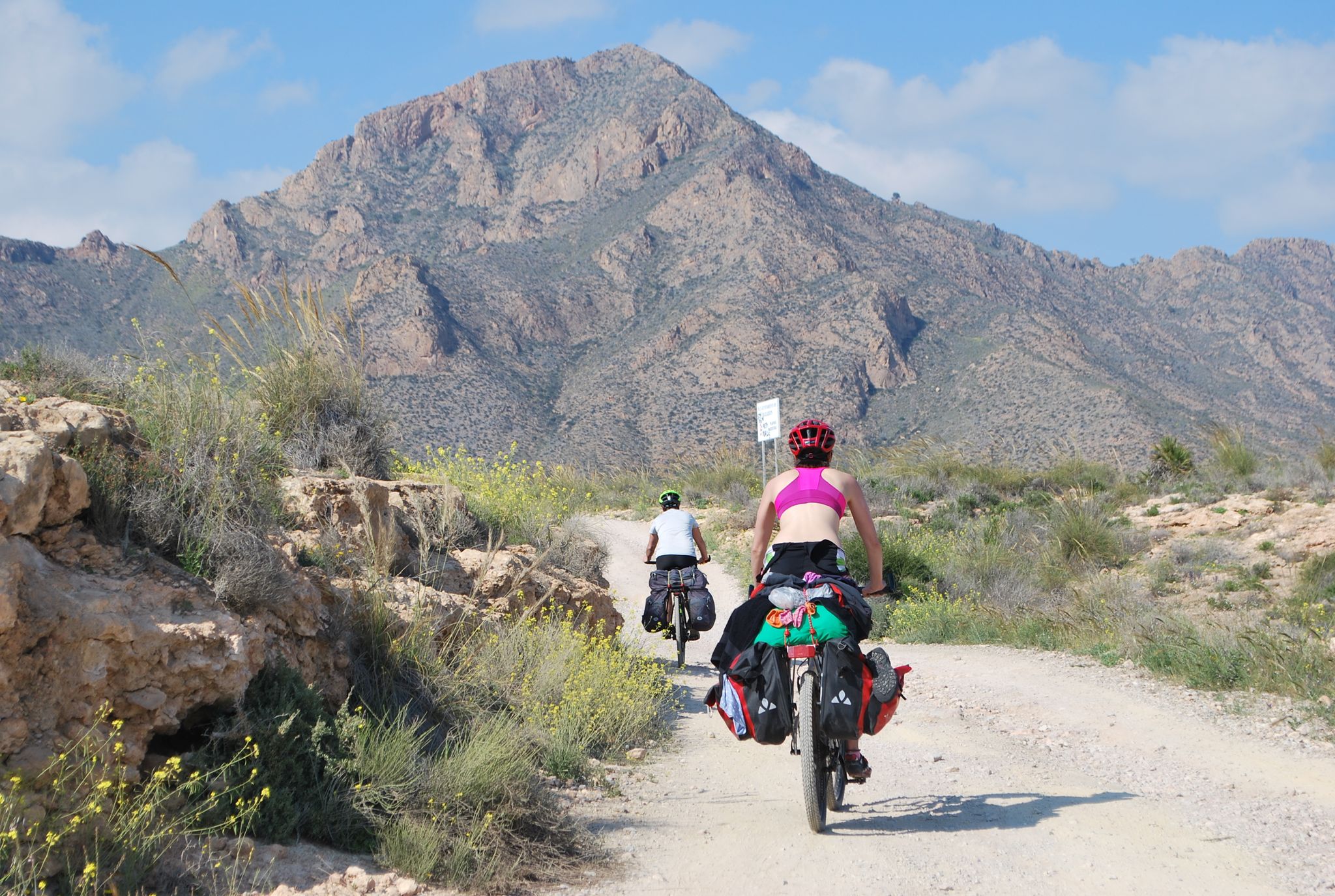
On the road to the sun — bikepacking to southeast Spain
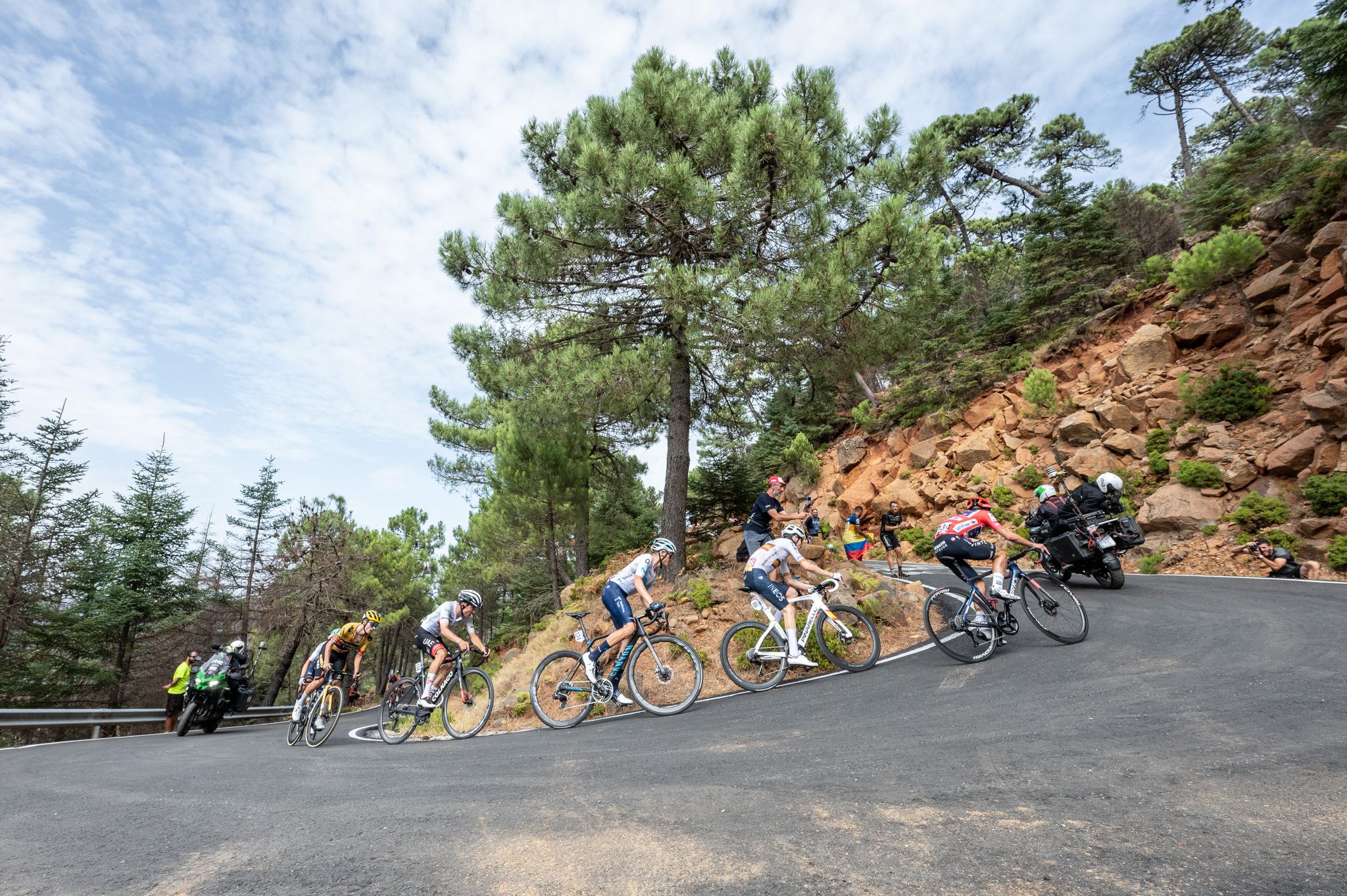
La Vuelta 26 — All Official Stages
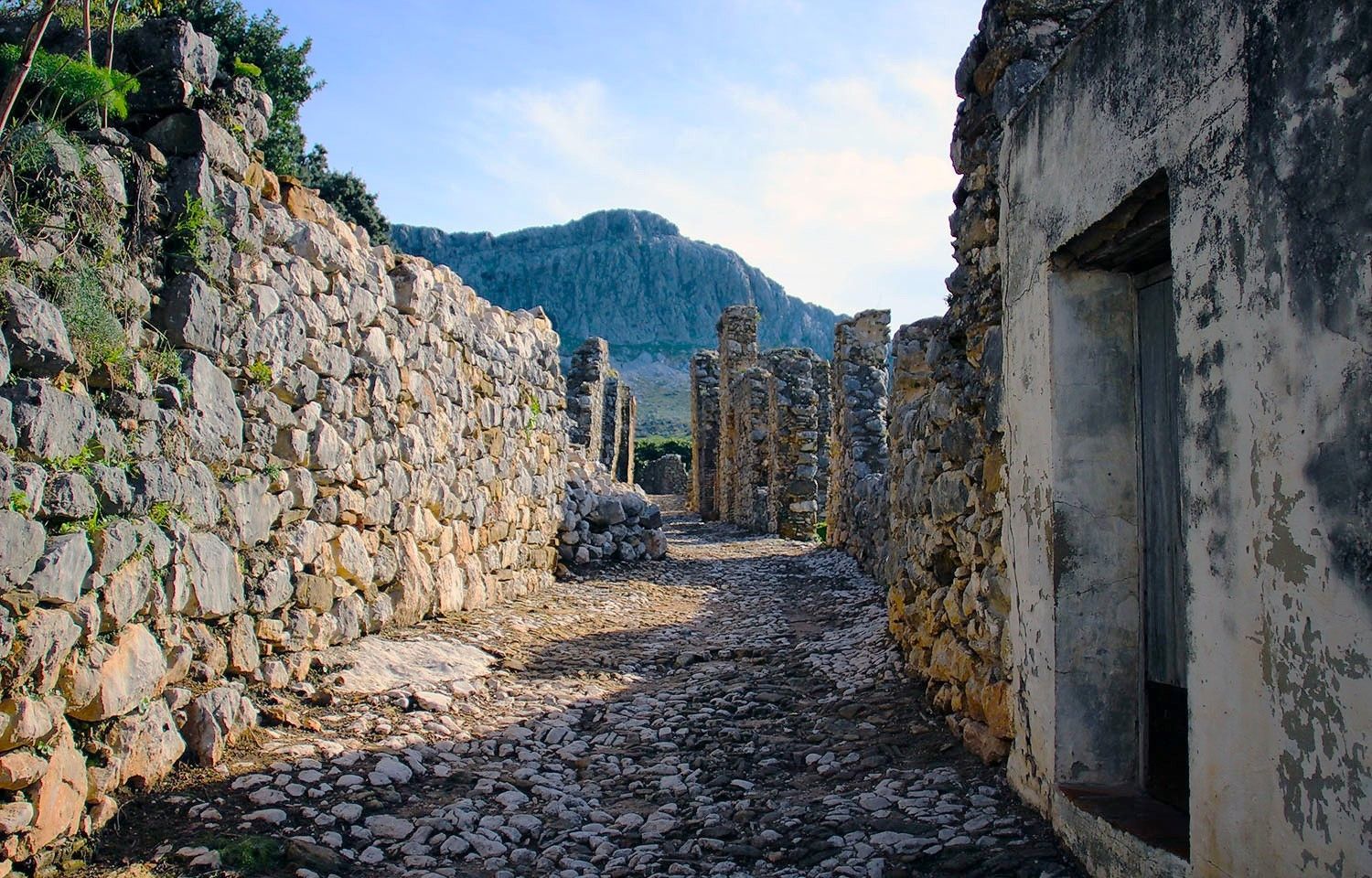
Andalusia without limits – Tarifa to La Puebla de Don Fabrique on the GR 7
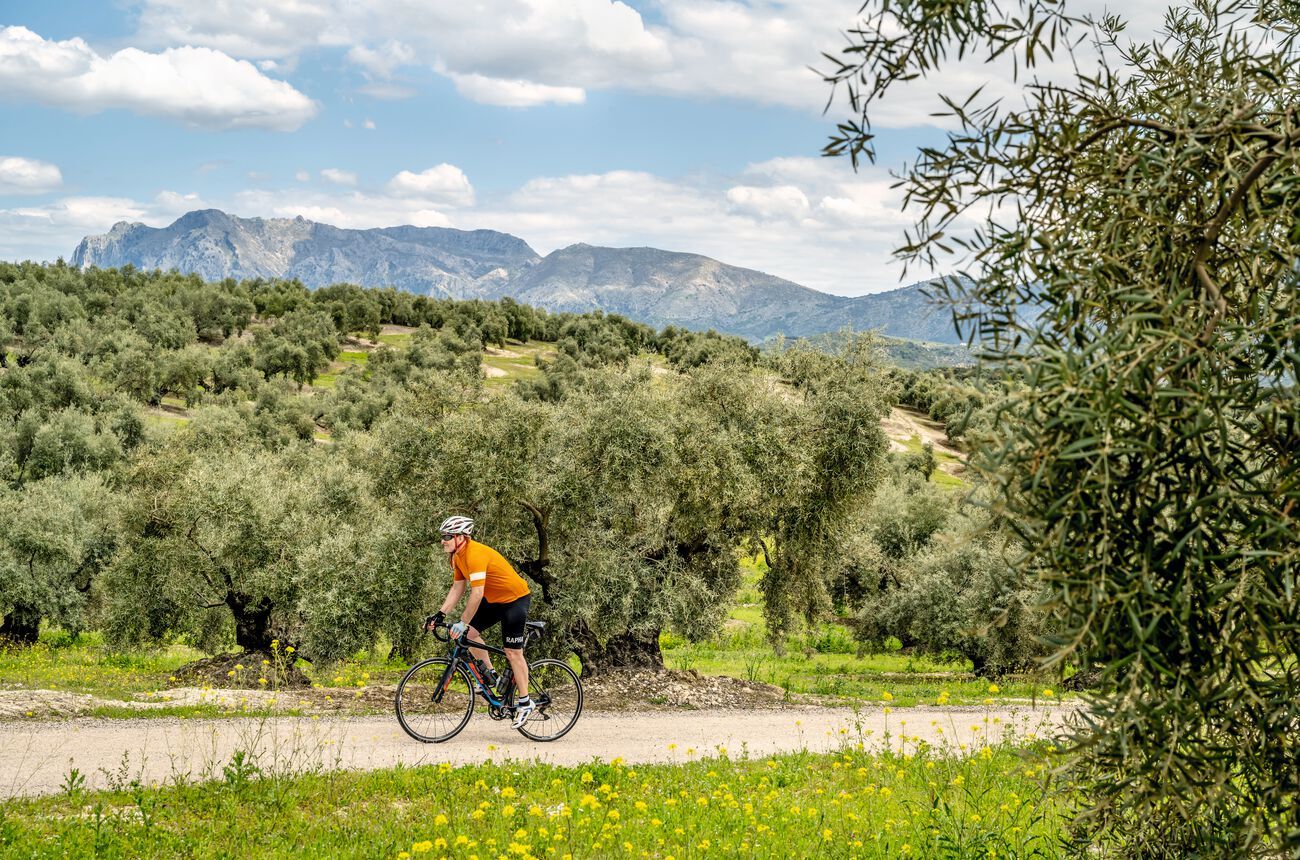
With TOUR in Andalusia - Costa del Sol and hinterland
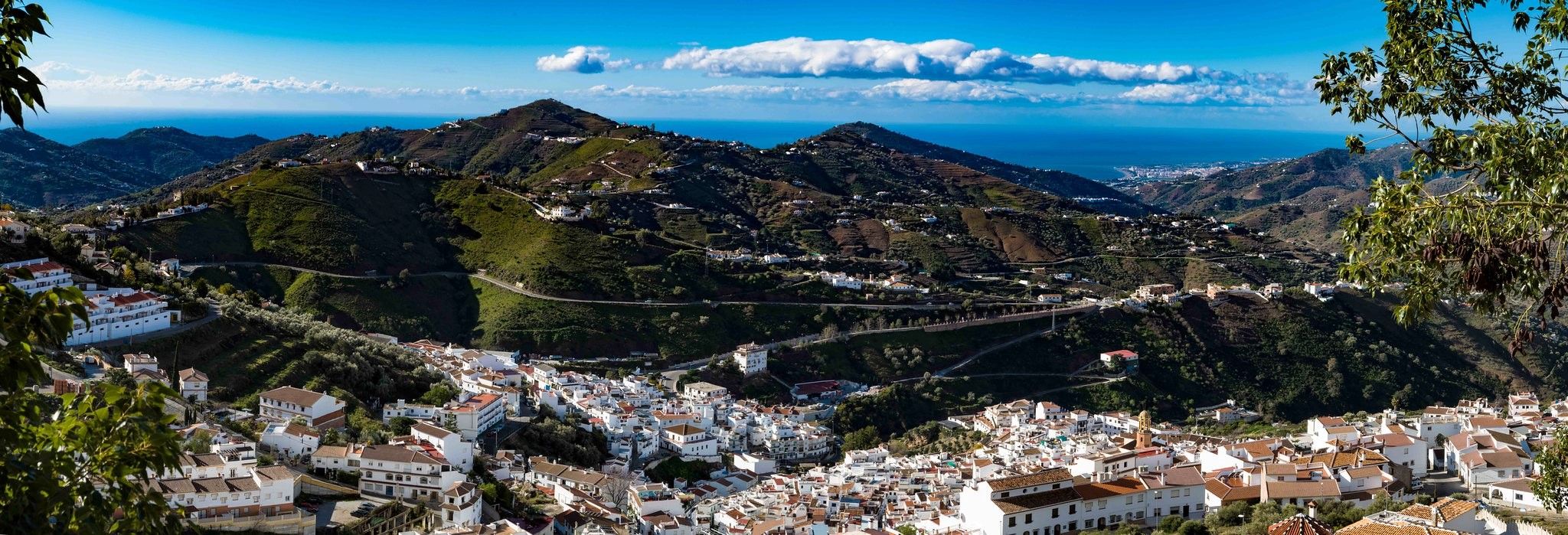
Between white villages and mountains – GR 242 Tejeda-Almijara
Mediterranean coastal paradise – EuroVelo 8 in Spain
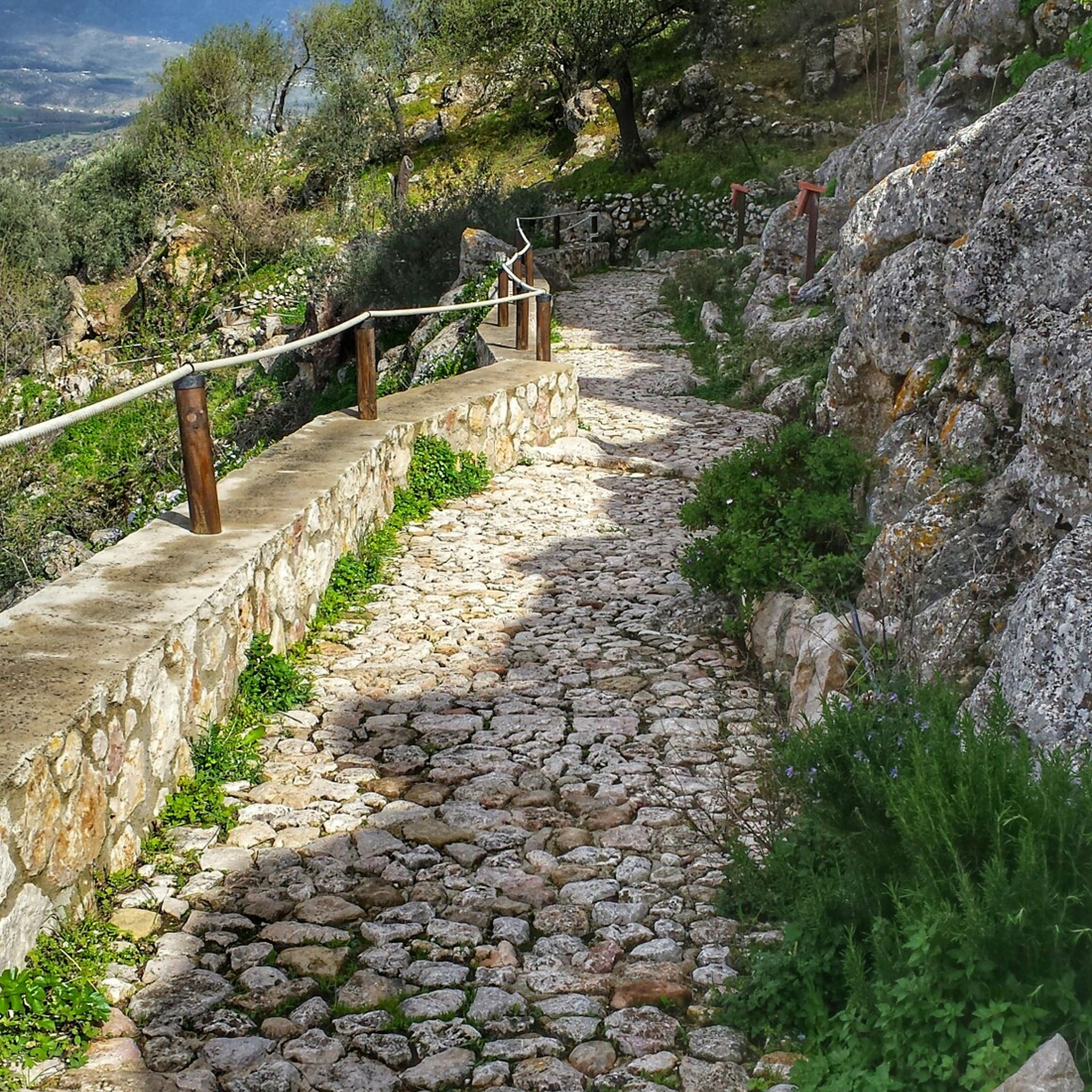
Hike between sea and mountains — Gran Senda de Málaga (GR 249)
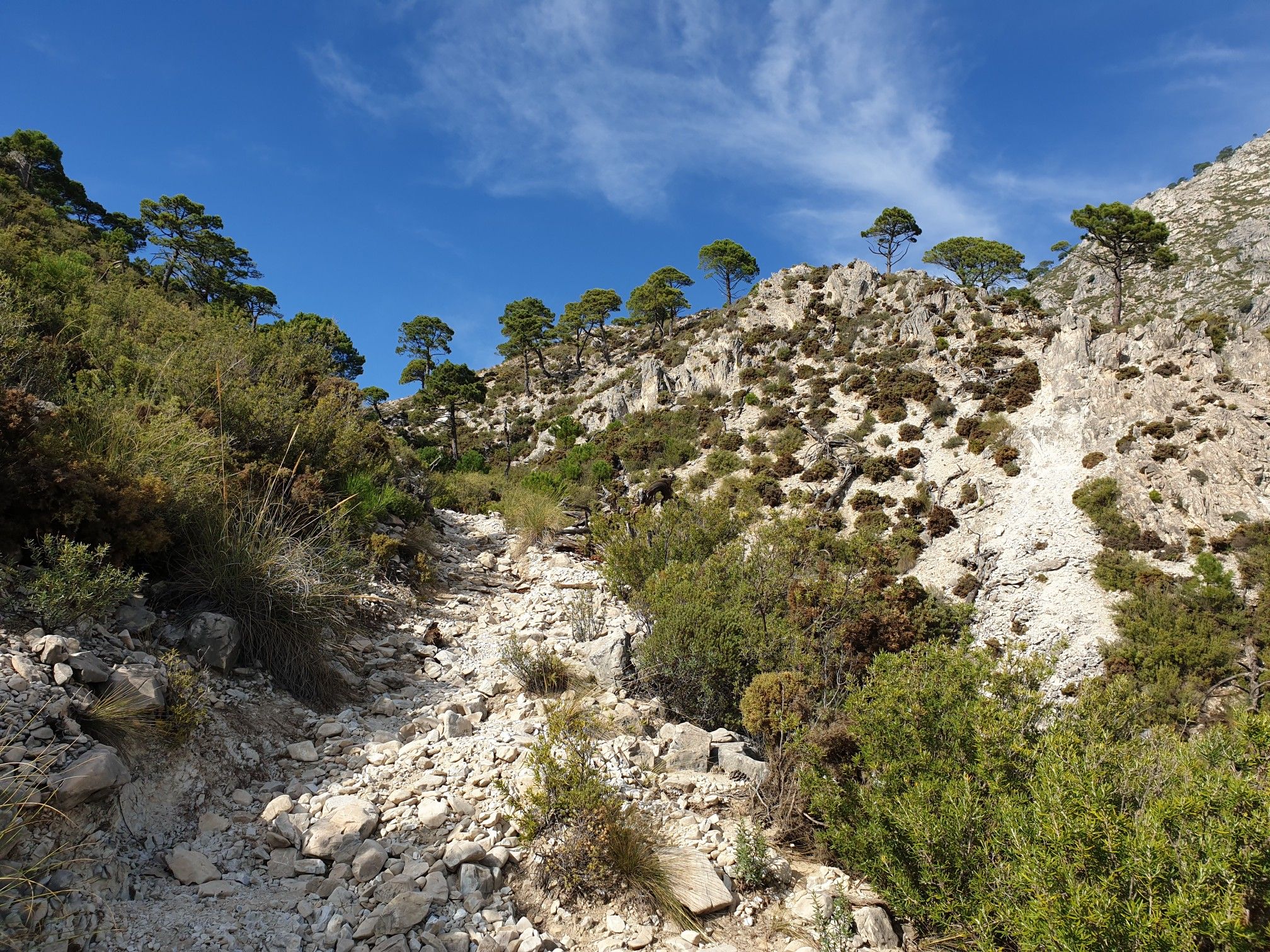
Hiking around La Axarquía
Road Cycling Routes around La Axarquía
Cycling around La Axarquía
Other adventures around La Axarquía


Tips from the Community

The Casa Fuerte de Bezmiliana is one of the most emblematic buildings in Rincón de la Victoria and was built in 1766, during the reign of Charles III. Its function was to reinforce the defense of the coast against pirate attacks and invasions, complementing the area's watchtower system. With its square floor plan, robust walls, corner towers, and old moat, it is a good example of 18th-century coastal military architecture. Today it functions as a cultural space and hosts exhibitions and activities throughout the year.
1
0

The combined ticket for the castle and Alcazaba is worth it
0
0

Medieval fortress in Moorish style, very interesting.
0
0
Beautiful castle complex; you can walk all the way around the wall.
0
0

The Bezmiliana Fortress was built in 1766 in present-day Rincón de la Victoria, in the province of Málaga, and is a typical example of 18th-century military coastal architecture. Its construction took place under the reign of King Charles III, in order to better protect the Andalusian Mediterranean coast against pirate raids and enemy fleets, as the older watchtowers were no longer able to cope with these threats. The fortress has a square floor plan with massive walls, corner towers, and a moat, and was designed to serve both defensive purposes and to house soldiers and horses. Over time, the fortress lost its military importance and partially fell into disrepair. It was only towards the end of the 20th century that it was extensively restored and put to a new use. Since 1992, the Bezmiliana Fortress has served as a cultural center, hosting exhibitions, concerts, and other events. Thus, it has evolved from a military defense structure into an important historical and cultural site in the region.
0
0

Hi everyone! I'm usually the type who tests everything for free first and is extremely cautious. But recently I got the itch to take a real risk again. Inflation here in Germany is incredibly annoying right now, so I wanted to try my luck with a very small budget. I read a report about fast payouts and wanted to experience the Playfina Casino real money experience (https://playfinacasinowin.net/) for myself. I only deposited €20. What really impressed me was the wide selection of payment methods. Apparently, even crypto is accepted, although I used a traditional bank transfer. I actually doubled my stake on Book of Dead. The payout was faster than expected, which is the most important thing for me. Trustworthiness is my top priority.
0
0

From this point you can enjoy a beautiful view over this charming white village
7
0
The Casa Fuerte de Bezmiliana is a fortress in Rincón de la Victoria, built in 1766 during the reign of Charles III. It served as a military base to protect the coast from pirate attacks and enemy invasions. The threat from North African corsairs and British troops, in particular, made its construction necessary. Today, the fortress is used as a cultural center and serves as a venue for art exhibitions, concerts, and other cultural events. It is one of the most important historical buildings in Rincón de la Victoria and is a protected monument.
5
0
Frequently Asked Questions
What are some of the most historically significant castles in La Axarquía?
La Axarquía is rich in history, featuring several significant castles. The Castillo de Vélez-Málaga, a 10th-century fortress, offers panoramic views and was a crucial defense point. The Castillo de Zalia in Alcaucín, with potential Phoenician origins, played a vital role in controlling routes between Malaga and the interior. The ruins of Castillo de Comares, known as Hisn Qumarich, are integrated into the charming white village of Comares. While outside the immediate region, Gibralfaro Castle and The Alcazaba of Málaga are also historically important and frequently visited nearby.
Which castles offer the best scenic views in the region?
Many castles in La Axarquía are strategically located for stunning vistas. From the Castillo de Vélez-Málaga, you can enjoy panoramic views of the Axarquía region and the Mediterranean Sea. The largely ruined Castillo de Zalia provides magnificent views of the Alcaucín surroundings, La Viñuela Reservoir, and even the Mediterranean Sea and La Maroma peak on clear days. The Moorish Fortress Remains in Comares offer a wonderful general view of the town, the Sierra Tejeda, and the sea.
Are there family-friendly castles to visit in La Axarquía?
Yes, several castles and fortresses in the region are suitable for families. The Alcazaba of Málaga is listed as family-friendly and combines history with beauty. The Castillo de Calacette and Castillo del Búho, both miniature castles in the Torrox area, are unique and often enjoyed by families for their charm and photo opportunities. The Bezmiliana Fortress is also categorized as family-friendly.
What kind of outdoor activities can I do near the castles in La Axarquía?
The region around La Axarquía's castles is excellent for outdoor activities. You can find numerous hiking, mountain biking, and road cycling routes. For example, there are many easy hikes, MTB trails, and road cycling routes that pass by or offer views of these historical sites, allowing you to combine history with nature exploration.
What is the best time of year to visit the castles in La Axarquía?
The best time to visit the castles in La Axarquía is typically during the spring (March to May) and autumn (September to November). During these seasons, the weather is milder and more pleasant for exploring outdoor sites and hiking, avoiding the intense heat of summer and the cooler, wetter days of winter. This also makes for comfortable walks around the castle grounds and surrounding trails.
Are there any unique or miniature castles in La Axarquía?
Yes, La Axarquía is home to a couple of charming miniature castles. The Castillo de Calacette in Torrox is a small, eye-catching structure built on a rock directly on the cliffs, offering wonderful coastal views. Similarly, the Castillo del Búho, lovingly built by a local resident in El Morches, is a popular spot for photos due to its attention to detail and the magnificent view of the Vélez Málaga coastline it provides.
Can I find cafes or refreshments near the castles?
Yes, some castle sites offer amenities. For instance, within the grounds of Gibralfaro Castle, you can find La Terrazita Café, which provides refreshments along with views over Málaga. For other castles, especially those in or near villages like Comares or Vélez-Málaga, you'll find cafes, pubs, and restaurants within easy reach in the surrounding towns.
What kind of historical architecture can I expect to see at these castles?
The castles in La Axarquía showcase a rich blend of historical architecture, primarily reflecting their Moorish origins and subsequent Christian modifications. You'll see robust defensive structures, such as the walls of Gibralfaro Castle and the Alcazaba of Málaga, which feature intricate Moorish design. Many, like the Castillo de Vélez-Málaga, were originally built in the 10th century and served as Alcazabas in the Nasrid Kingdom, often incorporating elements from earlier Roman structures. Even in ruins, like Castillo de Zalia and Castillo de Comares, you can discern remnants of towers and wall fragments that speak to their ancient defensive purposes.
Are there specific hiking trails that lead to or around the castles?
While specific trails directly to every castle might vary, many are accessible via existing hiking routes. For example, the Castillo de Zalia is situated in an area with trails offering views of La Viñuela Reservoir. The Alcazaba of Vélez-Málaga is often reached via walks from the town. You can explore various hiking guides for La Axarquía to find routes that incorporate these historical sites, often providing scenic approaches and viewpoints.
What are the accessibility considerations for visiting these castles?
Accessibility varies significantly between castles. Many, like the Castillo de Vélez-Málaga and Gibralfaro Castle, are located atop hills, requiring uphill walks or drives. While some parts might be accessible, exploring the full extent, including climbing towers or walking along walls, may involve stairs and uneven terrain. For specific accessibility details, it's advisable to check the individual castle's information, especially for those with mobility concerns.
What do visitors enjoy most about the castles in La Axarquía?
Visitors frequently highlight the stunning views and the rich historical experience. Many appreciate the opportunity to walk along the ancient walls of fortresses like Gibralfaro Castle, enjoying panoramic vistas. The blend of history and natural beauty, along with the strategic locations offering commanding views of the landscape and the Mediterranean, are consistently praised. The unique charm of smaller, lovingly crafted sites like Castillo de Calacette also adds to the visitor experience.
Most popular routes around La Axarquía
Most popular attractions around La Axarquía

Get inspired with the komoot mobile app


Didn’t find what you were looking for?
Explore La Axarquía’s best castles region by region:
Explore more
Looking for the best castles somewhere else? Discover other guides around La Axarquía:
