The 8 Most Amazing Peaks around La Ciotat
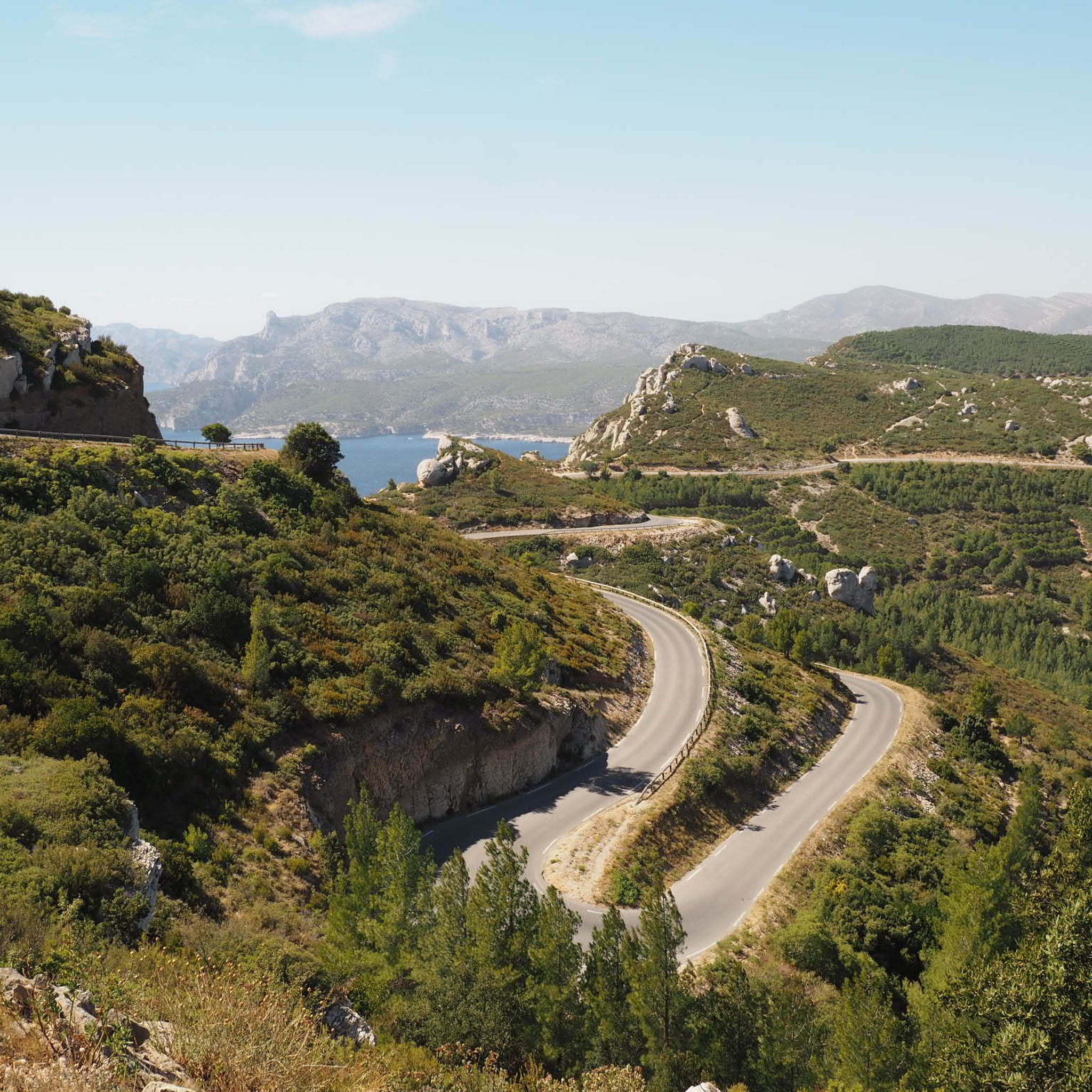
Best mountain peaks around La Ciotat include prominent geological formations and elevated viewpoints along the Mediterranean coast of France. This region is characterized by its unique geology, featuring high sea cliffs and limestone massifs. La Ciotat offers diverse landscapes for exploration, from coastal views to inland summits. The area provides opportunities to experience the natural beauty of the Calanques and surrounding mountains.
Best mountain peaks around La Ciotat
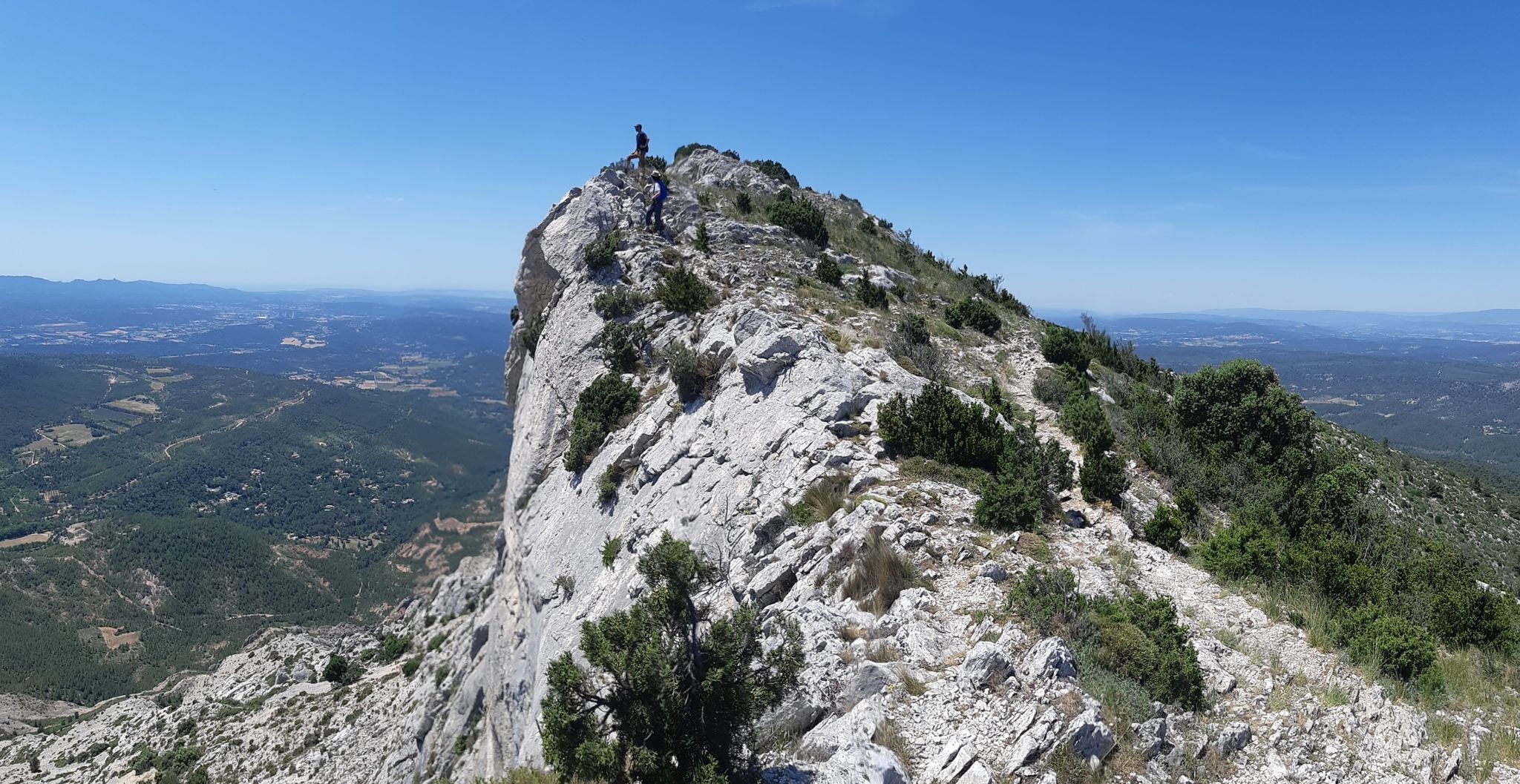
- The most popular mountain peak is Mount Puget, a summit that is the highest point of the Calanques massif at 563 meters. The panorama from its summit offers a 360-degree view of the Calanques, Cap Canaille, Sainte Baume, and Garlaban.
- Another must-see spot is Mount Cruvelier, a summit offering a fantastic 360-degree view of the surroundings and the harbor of Marseille. Visitors can expect a rewarding climb with expansive vistas.
- Visitors also love Le Montounier, a summit at 565 meters. It provides a magnificent view of the harbor of La Ciotat and a beautiful 360-degree panorama with sea views.
- La Ciotat is known for its summits, viewpoints, and natural monuments. The region offers a variety of mountain peaks to see and explore, from coastal cliffs to inland massifs.
- The mountain peaks around La Ciotat are appreciated by the komoot community, with 79 upvotes and 29 photos shared by visitors.
Last updated: October 17, 2026
Mount Puget
Highlight • Summit
Translated by Google •
Tip by

La Grande Candelle
Highlight • Summit
Translated by Google •
Tip by

Sign up now to discover places like this
Get recommendations on the best single tracks, peaks, & plenty of other exciting outdoor places.
Mount Cruvelier
Highlight • Summit
Translated by Google •
Tip by

Bau de la Saoupe
Highlight • Natural Monument
Translated by Google •
Tip by

Le Montounier
Highlight • Summit
Translated by Google •
Tip by

Sign up for free to discover even more peaks around La Ciotat.
Already have an account?
Start today with a free account
Your next adventure awaits.


Other adventures around La Ciotat

Tips from the Community

Magnificent view of the harbor of La Ciotat
1
0

The end of the exit, before diving back into La Ciotat 😅
0
0

Beautiful 360° panorama with sea view but that's not all because it is the starting point for several descents
0
0

Certainly the highest but perhaps not the most beautiful. The climb is nevertheless worth it, especially if you avoid the crowds
1
0

This highest point materialized by the telecom relay offers a sublime landscape at the 4 cardinal points & on the Bay of Cassis, accessible via the ridges via the D141A. going back down via the GR5 and GR98, superb views of the CASSIS vineyards
0
0

The most at the top overlooking the 3 “Marseille” coves. The view is beautiful but not as impressive as candlelight.
1
1
Incredible viewpoint over the Sugiton cove and towards Cassis
1
1
Frequently Asked Questions
What are some of the most popular mountain peaks to visit around La Ciotat?
Visitors frequently enjoy the panoramic views from Mount Puget, which is the highest point of the Calanques massif. Another favorite is Mount Cruvelier, offering a fantastic 360-degree view, particularly of Marseille's harbor. For coastal drama, Cap Canaille is renowned as the highest sea cliff in France.
Where can I find the best panoramic views of the Mediterranean Sea and surrounding landscapes?
For truly spectacular vistas, Cap Canaille offers breathtaking views of the Mediterranean Sea, the town of Cassis, and the Calanques National Park. The scenic 'Route des Crêtes' runs along its top. Another excellent spot is Le Montounier, which provides a magnificent 360-degree panorama including sea views and the harbor of La Ciotat.
Are there any unique geological formations among the peaks near La Ciotat?
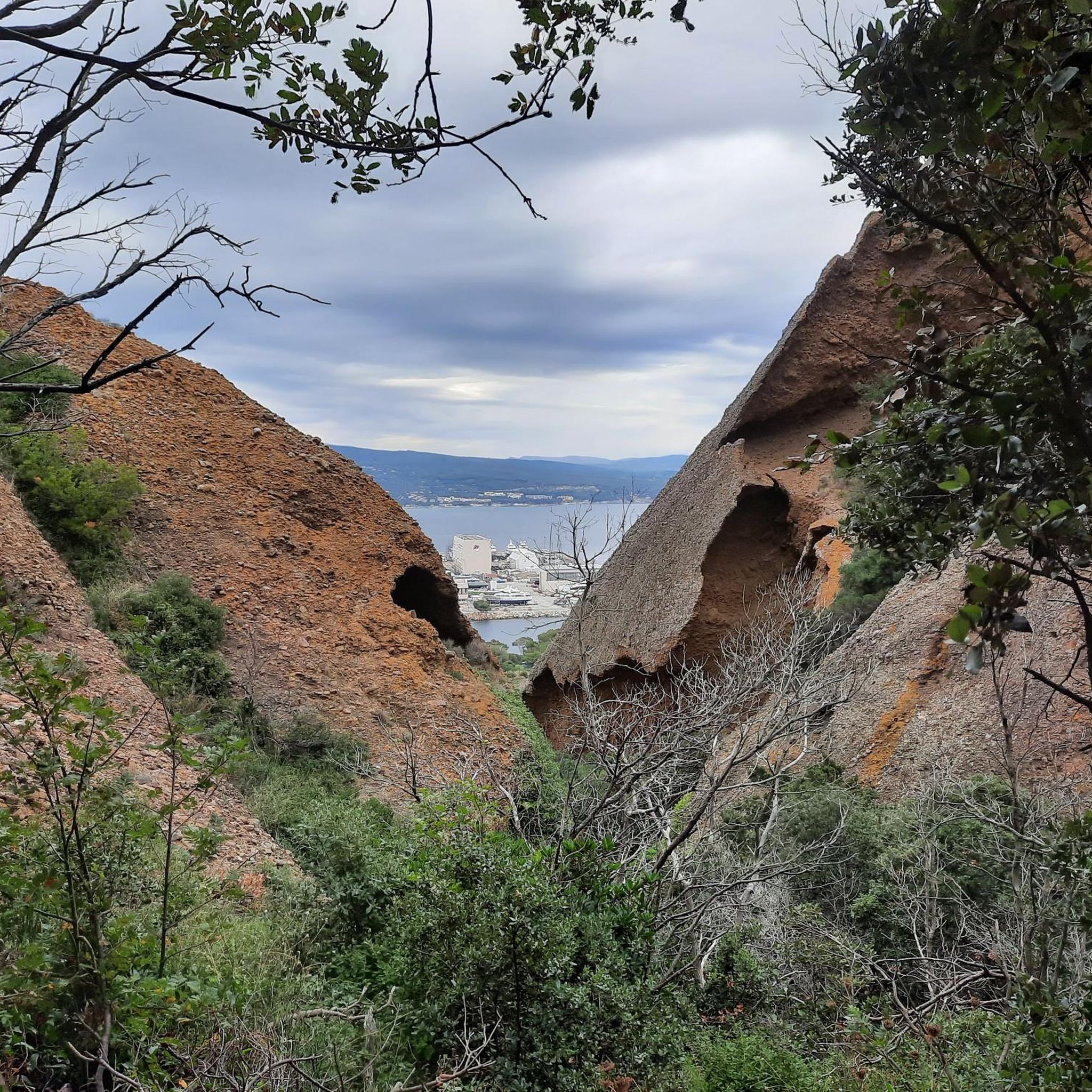
Yes, the region is known for its unique geology. Cap Canaille features ochre-colored sandstone, conglomerate, and limestone layers, forming dramatic sea cliffs. The Bec de l'Aigle is a distinctive formation resembling an eagle's beak, made of reddish 'poudingue' conglomerate stone, offering sweeping views from the western end of the Bay of La Ciotat.
What kind of hiking trails can I expect around the mountain peaks of La Ciotat?
The area offers a diverse range of hiking experiences. You can find routes leading to summits like Mont Puget from Luminy, providing varied landscapes and extraordinary views. The 'Route des Crêtes' along Cap Canaille is popular for day hikes with picturesque waterside views. There are also circular hikes to peaks like Le Télégraphe, which combine tracks and paths.
Are there any challenging hikes for experienced trekkers in the La Ciotat area?
Yes, for those seeking a challenge, the climb to Bau de la Saoupe involves steep and irregular sections with gradients up to 20%. Despite the difficulty, the views from the top, especially at sunrise and sunset, are described as astonishing, offering a sublime perspective of Cassis.
Are there any shorter, rewarding climbs for those looking for a quick excursion?
Absolutely. Brigou Summit is described as a 'nice little rocky spur' that offers a quick and rewarding climb. From its top, you can enjoy beautiful 360-degree views that extend as far as Marseille.
What outdoor activities, besides hiking, can I do near these mountain peaks?
The region around La Ciotat is excellent for various outdoor activities. You can explore a range of MTB trails, including routes like the Bau de la Saoupe loop. For road cyclists, there are numerous road cycling routes, such as the Cap Soubeyran Cliffs loop. Gravel biking is also popular, with gravel biking routes offering views of Cassis and the Route des Crêtes.
What is the best time of year to visit the mountain peaks around La Ciotat?
The Mediterranean climate of La Ciotat makes spring and autumn ideal for hiking and exploring the peaks. The weather is generally milder, and the landscapes are vibrant. Summer can be very hot, making early morning or late afternoon excursions preferable, especially for longer hikes.
Are there any historical elements to discover while hiking the peaks?
Yes, during a circular hike to Le Télégraphe, you can observe the remains of ancient dwellings, such as 'jas' (dry stone shelters) and Cade ovens. These historical elements add an interesting dimension to the natural beauty of the trails.
What makes the views from Cap Canaille so special?
Cap Canaille offers some of the most dramatic views in the region due to its status as the highest sea cliff in France. The unique geological formations, with ochre-colored rock faces dropping into turquoise waters, create a magical atmosphere. It's particularly recommended for watching the sunset, providing an unforgettable experience.
Can I find family-friendly options for enjoying the mountain views?
While some peaks involve challenging climbs, many areas offer accessible viewpoints. The Parc du Mugel provides access to a viewpoint for the Bec de l'Aigle, offering magnificent views without extensive hiking. The 'Route des Crêtes' along Cap Canaille also allows for scenic drives with stops at various viewpoints, suitable for families.
What do visitors appreciate most about the mountain peaks near La Ciotat?
Visitors consistently praise the spectacular panoramic views, especially the 360-degree vistas from summits like Mount Puget and Le Montounier. The unique geological formations, such as Cap Canaille's cliffs and the Bec de l'Aigle, are also highly appreciated for their natural beauty and photographic opportunities. The rewarding feeling after a climb and the diverse landscapes encountered on trails are frequently mentioned.
Most popular routes around La Ciotat
Most popular attractions around La Ciotat

Get inspired with the komoot mobile app


Explore more
See even more amazing summits around La Ciotat with these guides:
