The best road cycling routes around Fuensanta
5.0
(1)
89
riders
7
rides
Road cycling routes around Fuensanta offer diverse terrain across the region of Spain. The area features predominantly paved surfaces, with varying elevations that cater to different fitness levels. Cyclists can expect to traverse landscapes characterized by extensive olive groves, river valleys, and natural features such as viaducts. The topography includes both moderate climbs and more significant ascents, providing a range of challenges.
Best road cycling routes around Fuensanta
- The most popular road cycling route is Munera and Barrax — circular…
Last updated: July 13, 2026
12
riders
84.0km
03:30
500m
500m
Moderate road ride. Good fitness required. Mostly well-paved surfaces and easy to ride.
5.0
(1)
24
riders
40.2km
05:16
170m
170m
Hard road ride. Very good fitness required. Some segments of this route may be unpaved and difficult to ride.

Sign up for free
12
riders
28.3km
02:41
90m
90m
Moderate road ride. Good fitness required. Some segments of this route may be unpaved and difficult to ride.
12
riders
74.5km
03:10
450m
450m
Moderate road ride. Good fitness required. Mostly well-paved surfaces and easy to ride.
12
riders
58.8km
02:26
270m
270m
Moderate road ride. Good fitness required. Some segments of this route may be unpaved and difficult to ride.
Get access to more routes and recommendations from other explorers.
Sign up for free
Already have an account?
Our route recommendations are based on thousands of hikes, rides, and runs completed by other people on komoot.
Start today with a free account
Your next adventure awaits.
Login or Signup
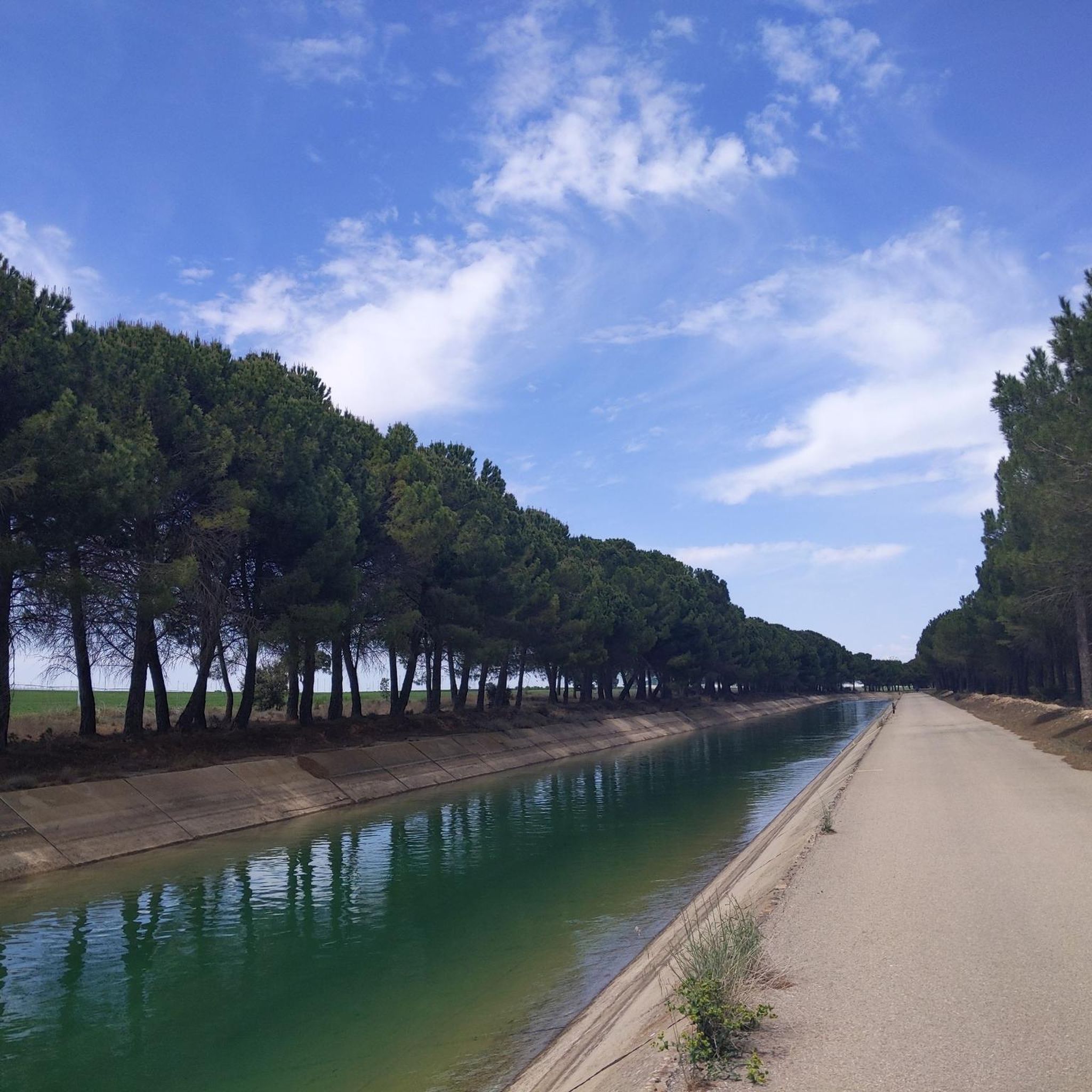



Tips from the Community

Casasimarro is a vibrant, artisanal town with a strong personality, known for both its musical tradition (guitars) and its agricultural production (mushrooms). It combines heritage, culture, and nature in a way that is characteristic of the La Manchuela region of Cuenca. Casasimarro is famous for its luthier tradition, unique in Castilla-La Mancha, where several generations have built guitars and instruments for nationally and internationally renowned musicians. This identity is reflected in the Monument to the Guitar, an emblem of the town. In addition to its musical tradition, Casasimarro is known as the mushroom capital, a deeply rooted agricultural activity that is central to its economy and gastronomy.
3
0
The name of this town originates from its role as a crossroads on the ancient routes that connected Complutum with Carthago Nova in Roman times, and on the Silk Road that linked Toledo with Valencia and Cartagena. It derives from the Arabic word "rutba," the tax paid for the passage of livestock. A true inheritor of so many peoples and cultures, La Roda has absorbed the best of each, evident in its beautiful town center, its magnificent Church of El Salvador, and the Palaces of the Doctor de La Encina and the Counts of Villaleal. It is currently very well connected to the provincial capital, Albacete, from which it is only 36 km away. The entire town center has been declared a Site of Cultural Interest for its historical and artistic value.
7
0
The origin of the name of this town comes from its function as a crossing point for the ancient routes that linked Complutum with Carthago-Nova, in Roman times; or the silk route that linked Toledo with Valencia and Cartagena. It is derived from the Arabic “rutba”, the tax that was paid for the passage of livestock. As a good learner of so many people and cultures, La Roda has known how to collect the best of each and this is evident in its beautiful urban complex, its magnificent church of El Salvador and the Palaces of Doctor de La Encina and that of the Counts of Villaleal. Currently it is very well connected with its capital, Albacete, from which it is only 36 km away. Its entire urban complex has been declared an Asset of Cultural Interest for its historical and artistic value.
6
0
Work qualified as a strange Renaissance piece due to the arrangement of its façade in the form of a corner. The date of his execution, 1627, is recorded on a scroll. Originally this façade was located in the house located opposite, demolished in 1960 and rebuilt in 1995 by the "La Enzina" Workshop School, placing its ashlars, balcony and shield in front of the original location as if it were the reflection of a mirror. As a historical note, note that the Queen of Spain Doña María Ana de Austria, widow of Felipe IV, stayed in this house in 1668.
12
0
The church of El Salvador de la Roda is a mixture of Gothic and Renaissance styles, the result of the time in which it was built throughout the 16th century and a good part of the 17th. It rises on a promontory in the center of the town, which makes it visible from all its points. The exterior has a defensive and powerful aspect with large smooth walls modulated by prismatic buttresses without a slope and small openings that serve for internal lighting.
14
0
Dating from the 18th century, it was built from an old 16th-century building by the Countess of Villaleal's grandfather, Doña Joaquina de Arce y Lara, who belonged to the Order of Calatrava. The house presents rococo decoration motifs and on its façade there is a wavy balcony with a beautiful wrought iron railing; On the very ornate hole in the wall there is a beautiful Baroque coat of arms belonging to the 18th century.
14
0

A historical monument that deals with a salvaged corner of a palace that was demolished. It is not in its original location as the palace was right in front of it. It is one of the most photographed monuments in La Roda.
4
0
Located on Calle de los Mártires, it is one of the most emblematic buildings in La Roda. It has been declared an Asset of Cultural Interest.
4
0
Frequently Asked Questions
How many road cycling routes are available around Fuensanta?
There are 7 road cycling routes available around Fuensanta, offering a variety of distances and elevations for different skill levels.
Are there road cycling routes suitable for beginners in Fuensanta?
Yes, there is 1 easy road cycling route available. For example, the La Roda – Alcañabate Corner loop from La Roda is a good option, covering 22.4 km with minimal elevation gain, making it suitable for those new to road cycling.
What kind of elevation challenges can I expect on road cycling routes in Fuensanta?
Fuensanta offers a range of elevation challenges. Routes can have moderate climbs, such as the Munera and Barrax — circular from La R with over 500m of ascent, to more gentle undulations on easier paths. The region's topography includes both moderate climbs and more significant ascents, providing options for various fitness levels.
Are there challenging road cycling routes for experienced cyclists?
Yes, there is 1 difficult route available, and several moderate routes that offer significant challenges. For instance, the Alcañabate Corner – La Roda loop from La Roda de Albacete is classified as difficult, providing a more demanding ride for experienced cyclists.
What natural landscapes will I encounter on road cycling routes in Fuensanta?
Cyclists in Fuensanta can expect to ride through picturesque natural landscapes characterized by extensive olive groves, river valleys, and natural features such as viaducts. The region's beauty is highlighted by its trees, parks, and mountainous views, offering a rich tapestry of scenery.
Are there any historical or cultural landmarks to see along the routes?
Yes, some routes pass near interesting landmarks. For example, the Palacio de los Gosálvez – Casasimarro loop from Camino de Fuensanta passes by the Palace of the Counts of Villaleal. You might also encounter other historical sites or natural attractions like Hondo del Río Park.
Can I find routes that pass through olive groves?
Yes, the region around Fuensanta is known for its extensive olive groves. Many routes, such as those inspired by the 'Olive Oil Greenway,' wind through these characteristic and beautiful landscapes, offering a quintessential experience of the area.
What are the typical surface conditions for road cycling routes in Fuensanta?
Most road cycling routes in Fuensanta feature predominantly paved surfaces, making them ideal for a smooth road cycling experience. While some segments might occasionally be unpaved, the majority are suitable for road bikes.
Are there circular road cycling routes available?
Yes, many of the routes around Fuensanta are circular, allowing you to start and end at the same point. Examples include the Munera and Barrax — circular from La R and the Hondo del Río Park – Alcañabate Corner loop from Tarazona de la Mancha.
When is the best time of year to go road cycling in Fuensanta?
The best time to go road cycling in Fuensanta is generally during spring and autumn. These seasons offer milder temperatures and more comfortable conditions for longer rides, avoiding the intense heat of summer and the cooler, potentially wetter days of winter.
What do other road cyclists enjoy the most about road cycling in Fuensanta?
The area is highly rated by the komoot community, with an average score of 5.0 stars. Cyclists often praise the varied terrain, the scenic olive groves, and the well-maintained paved surfaces that make for an enjoyable ride through the region's diverse landscapes.
Are there any routes that pass by places to stop for refreshments?
While specific cafes are not listed for every route, many routes pass through or near towns and villages like La Roda, where you can typically find places to stop for refreshments and rest.
Most popular attractions around Fuensanta

Get inspired with the komoot mobile app


Explore more
Browse the best Road cycling routes in other regions.
