Top 20 Lakes around South Wingfield
Best lakes around South Wingfield include a variety of natural and man-made water bodies in Derbyshire. The region features reservoirs, nature reserves, and historical ponds, providing diverse landscapes. These locations offer opportunities for outdoor exploration and contribute to the area's natural environment. South Wingfield serves as a base for accessing these varied aquatic settings.
Best lakes around South Wingfield
- The most popular lakes is Wyver Lane Nature Reserve, an other natural area comprising two pools surrounded by reed beds…
Last updated: July 4, 2026
Mill Pond
Highlight • Structure
Tip by

Ogston Reservoir
Highlight • Viewpoint
Tip by

Sign up now to discover places like this
Get recommendations on the best single tracks, peaks, & plenty of other exciting outdoor places.
Sign up for free
Erewash Meadows Nature Reserve
Highlight • Lake
Tip by

Wyver Lane Nature Reserve
Highlight • Natural
It's an important wetland …
Tip by

Pennytown Ponds Local Nature Reserve
Highlight • Lake
Lots of little wooden jetties to sit and …
Tip by

Sign up for free to discover even more lakes around South Wingfield.
Sign up for free
Already have an account?
Start today with a free account
Your next adventure awaits.
Login or Signup
Tips from the Community


"Spring has arrived – and the sun has melted the ice on the mill pond. Its rays reach to the bottom of the pond – and tickle awake the little water sprite, who has been hibernating with his mermaid parents. And what's the first thing a curious little water sprite does? Spring cleaning with his mother? Repairing the broken roof of the water sprite's house? Wrong! Of course, the little water sprite's first priority is to meet his old friend, Cyprinus the carp... The little water sprite isn't quite as cheeky here as in the 1955 original – but Daniel Napp's little spring story has been enchantingly illustrated. A magical, endearing, and ageless reading experience for children ages 4 and up." The Stiftung Lesen (Reading Foundation) reviews a four-volume sequel to the popular "The Little Water Sprite" by Otfried Preußler (1923 to 2013), which guides children through the seasons in this children's book series.
1
0

It straddles the Derbyshire and Nottinghamshire county boundaries and is jointly owned by the two county Wildlife Trusts. In spring and summer the reserve's ponds and the wet sections of the canal are a refuge for grass snakes, amphibians and dragonflies. Butterflies and many other insects breed and feed on the wild flowers growing in the grassland. The meadows are best known for their birds. In spring lapwings can be seen performing their impressive aerial displays, while early mornings may offer the best chance of hearing the strange 'drumming' call of breeding snipe. More common breeding birds include the reed buntings with their distinctive black and white heads, and sedge warblers, more camouflaged but twice as noisy in declaring their presence. In spring and autumn the breeding birds are joined by waders, wildfowl and even birds of prey like the hen harrier. Many wildfowl stay for the winter, including a small flock of wigeon, numerous teal and a range of other species.
1
0

Erewash Nature Reserve is the largest area of floodplain and grassland in the Erewash Valley. It's managed by the Derbyshire Wildlife Trust. Look out for water voles and water birds.
2
1

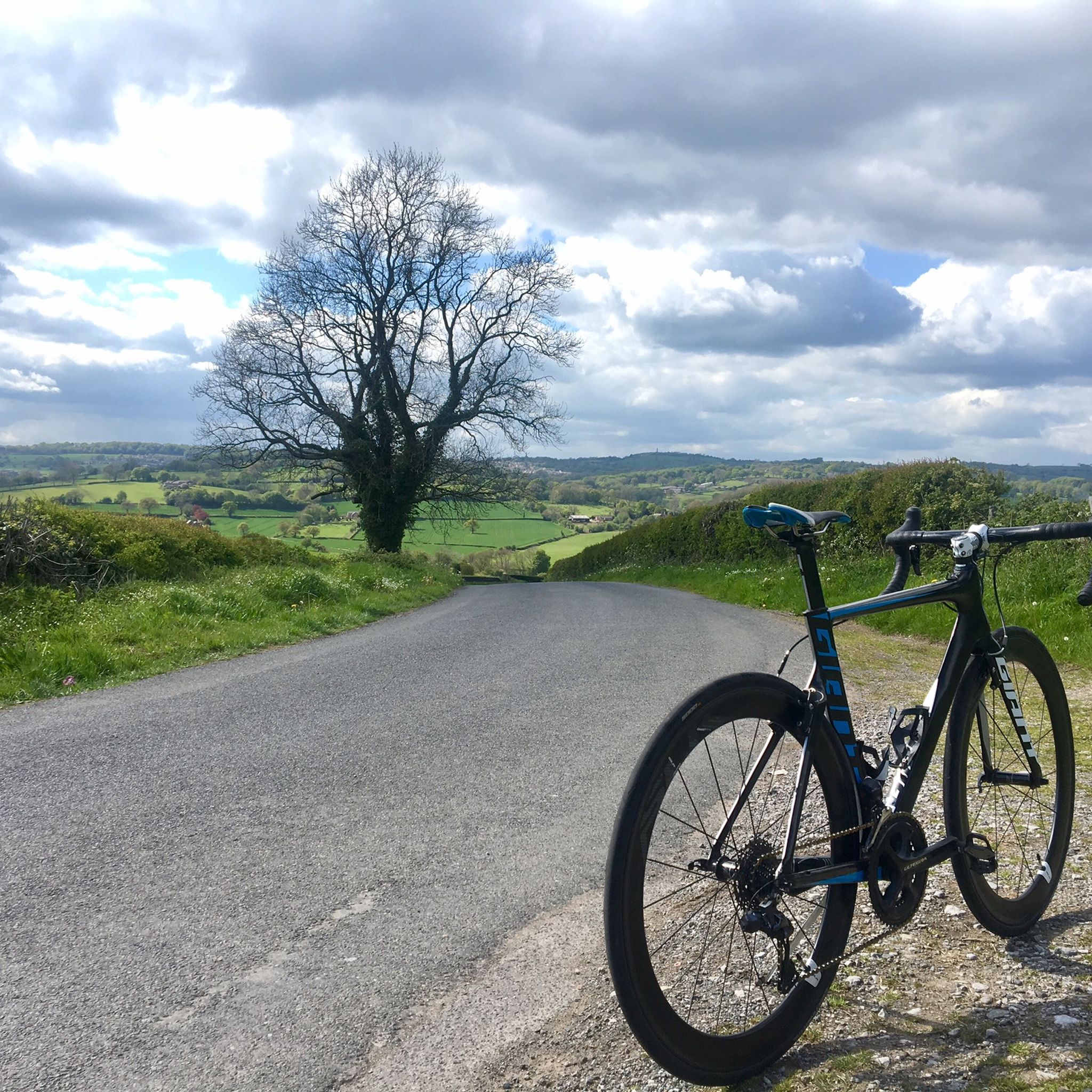
Not great to walk around unless you want to walk on the road a lot. There is no direct access to the reservoir because it is a conservation site. The car park is free and there are benches to sit on to watch the birds. Ognaston Bird Club conducts a guided bird walk on the first Saturday of each month and everyone is welcome. With them, you can access the reservoir surrounding areas to watch birds. If you want great views of the reservoir however you can combine a visit with a footpath walk up from the reservoir through fields and these are quite well signposted and accessible except from a slim squeeze with a holly hedge on one side and part of a footpath which is quite nettly - but will probably be okay by Autumn.
0
0
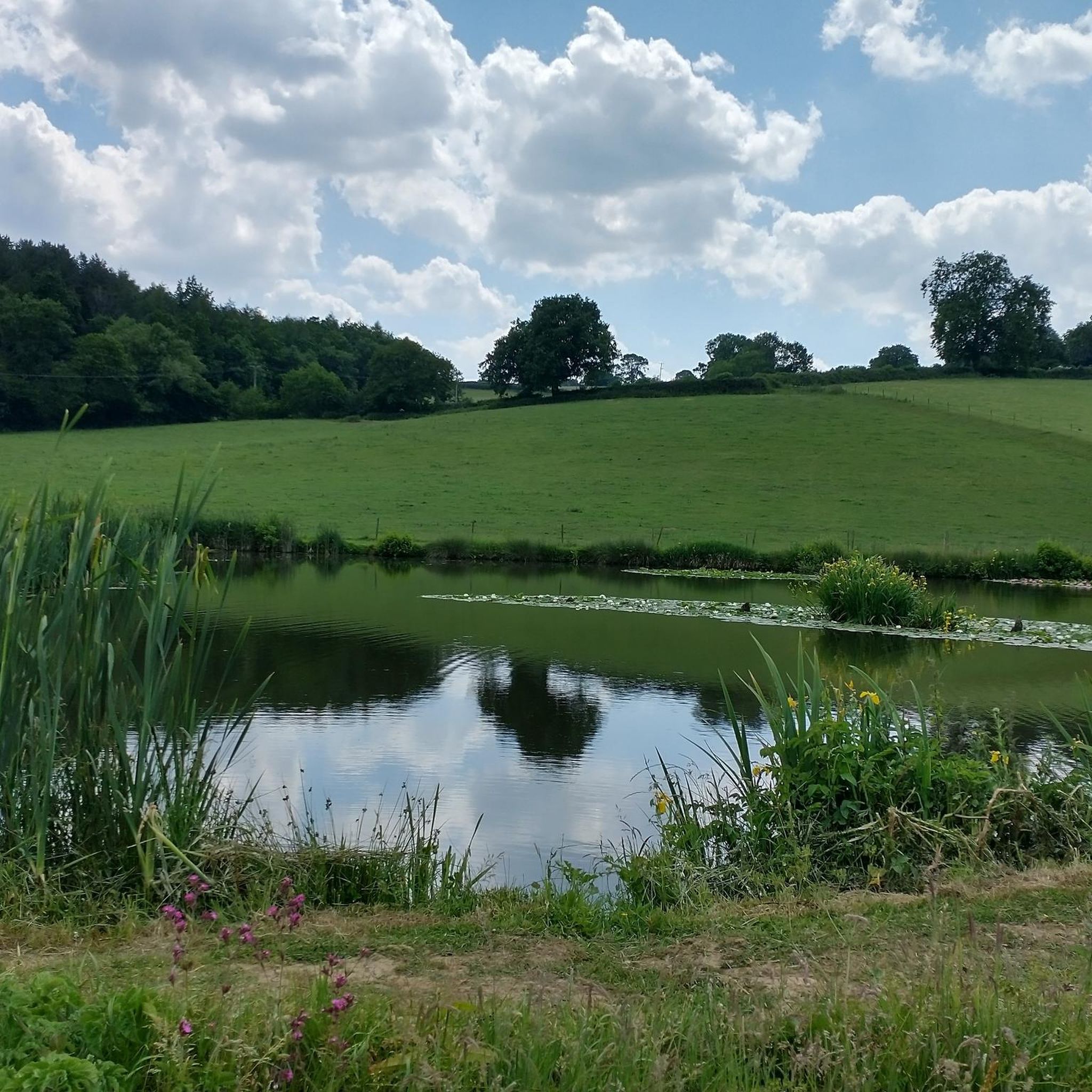
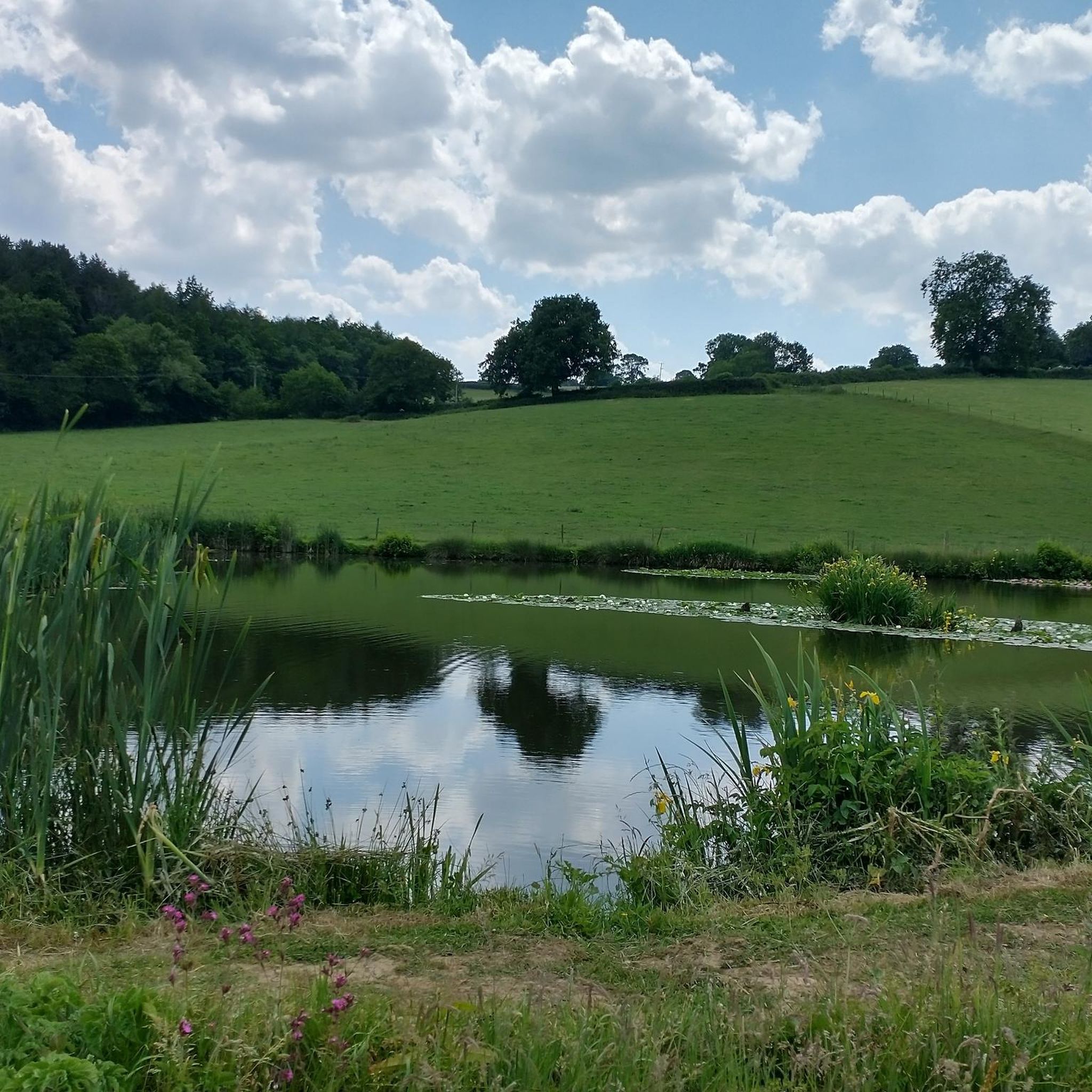
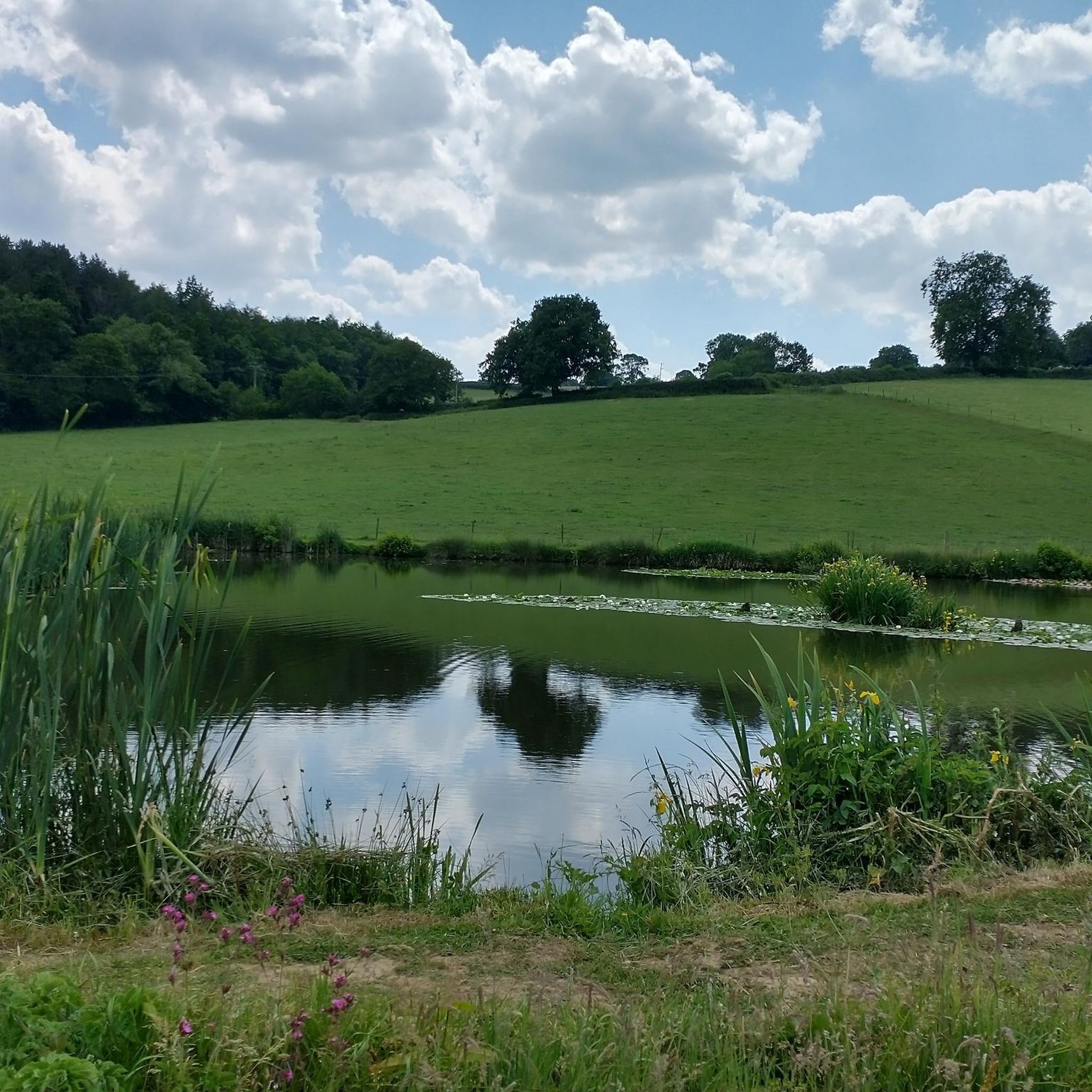
The Mill Pond (aka Lower Pond) was originally a quarry but was converted into a reservoir in 1850 to supply a continuous flow of water to power machinery.
1
0
The Cotes Parkland was sold off in small plots during the nineteenth century when the area was being mined for coal and ironstone. Three of the ponds were constructed during the nineteenth century as a result of mining operations, but it is thought that pond 3 is considerably older. In 1942 the area was re-landscaped for public use by Italian prisoners of war and subsequently became very popular for walking and picnicking. The creation of Cotes Park Industrial Estate in the 1970s has isolated the ponds within an industrial and residential landscape. They fell into disuse and decay and suffered from pollution. In the late 1980’s the borough council improved the ponds, which encouraged angling, walking and horse riding, there is an active friends group who have raised funds in partnership with Palmer Morewood Angling Club to install new paths and fishing pegs, the Borough Council have also improved the infrastructure and work with the Environment Agency to combat pollution.
0
0

Ogston Reservoir was created by flooding the local valley in 1958. The flooding covered the village of Woolley as well as a pub, farmland and a section of the Ashover Light Railway. The reservoir provides drinking water to the local area and is also used as a holding reservoir for Carsington Water. Today it's managed as a water source and leisure ground. The footpaths around the reservoir are popular locally. The Ogston sailing club is known for starting off Ellen MacArthur and it's also a popular trout fishing lake.
0
0
Frequently Asked Questions
Are there family-friendly lakes to visit near South Wingfield?
Yes, several lakes around South Wingfield are suitable for families. Mill Pond offers a peaceful environment with a historical background. Erewash Meadows Nature Reserve and Wyver Lane Nature Reserve are excellent for wildlife spotting and gentle walks, while Pennytown Ponds Local Nature Reserve provides jetties for birdwatching and a safe space for children.
What kind of wildlife can I expect to see at the lakes?
The lakes are rich in wildlife. At Wyver Lane Nature Reserve, you might spot Canada geese, tufted ducks, little grebes, and even otters. Erewash Meadows Nature Reserve is known for water voles, various water birds, grass snakes, amphibians, dragonflies, and butterflies. Many wildfowl also stay for the winter, including wigeon and teal.
Are there any historical sites or interesting facts about the lakes?
Yes, some lakes have notable historical significance. Mill Pond was originally a quarry converted into a reservoir in 1850. Ogston Reservoir was created in 1958 by flooding a valley, submerging a village, a pub, and part of the Ashover Light Railway. Pennytown Ponds Local Nature Reserve has ponds that originated from 19th-century mining operations and were re-landscaped for public use by Italian prisoners of war in 1942.
What outdoor activities can I do near the lakes around South Wingfield?
You can enjoy a variety of outdoor activities. For hiking, there are easy to moderate routes like the 'Shaw Wood Bluebell Woodland' loop. Cycling enthusiasts can explore routes such as 'View of Ogston Reservoir – The Old Poets Corner loop' or longer, more challenging rides. Gravel biking is also popular, with routes like the 'Five Pits Trail'. You can find more details on these activities in the Hiking around South Wingfield, Cycling around South Wingfield, and Gravel biking around South Wingfield guides.
Is there parking available at Ogston Reservoir?
Yes, parking is available at Ogston Reservoir, and it is free. However, direct access to the reservoir itself is limited due to its status as a conservation site.
Are there easy walks around the lakes for beginners or families?
Yes, several lakes offer easy and accessible walks. Wyver Lane Nature Reserve is described as a superb spot for an amble. Pennytown Ponds Local Nature Reserve has paths and jetties suitable for a gentle stroll. For specific hiking routes, consider the 'Shaw Wood Bluebell Woodland' loop from South Wingfield, which is rated as easy.
Can I go fishing at any of the lakes?
Yes, Ogston Reservoir is a popular trout fishing lake. Additionally, Pennytown Ponds Local Nature Reserve features large fishing ponds with jetties, and an active friends group works with the Palmer Morewood Angling Club to maintain fishing pegs.
What makes Erewash Meadows Nature Reserve special?
Erewash Meadows Nature Reserve is the largest area of floodplain and grassland in the Erewash Valley, managed by the Derbyshire Wildlife Trust. It's particularly special for its diverse birdlife, including lapwings, snipe, reed buntings, and sedge warblers, as well as being a refuge for water voles, grass snakes, amphibians, and dragonflies.
Are there any birdwatching opportunities around the lakes?
Absolutely. Wyver Lane Nature Reserve is an important wetland site with a public bird hide, where you can observe Canada geese, tufted ducks, and other species. Ogston Reservoir is also a popular spot for birdwatching, with the Ognaston Bird Club conducting guided walks. Erewash Meadows Nature Reserve is renowned for its wide variety of resident and migratory birds.
What is the best time of year to visit the lakes around South Wingfield?
The best time to visit depends on your interests. Spring and summer are ideal for spotting breeding birds, dragonflies, and wildflowers at reserves like Erewash Meadows Nature Reserve. Autumn and winter offer opportunities to see waders and wildfowl. For general walks and enjoying the scenery, any time of year can be pleasant, though winter walks may require appropriate warm and waterproof clothing.
Are there any hidden gem lakes or lesser-known spots worth exploring?
While the main highlights are well-regarded, the region's charm often lies in its smaller, peaceful spots. Mill Pond, with its tranquil atmosphere and historical past as a quarry, offers a unique and peaceful experience. Pennytown Ponds Local Nature Reserve, despite its industrial surroundings, is noted for its peaceful environment and abundant wildlife, making it a quiet escape.
Can I combine a lake visit with other activities like cycling?
Yes, many lakes are integrated into wider trail networks. For example, there are cycling routes that offer views of Ogston Reservoir, such as the 'View of Ogston Reservoir – The Old Poets Corner loop'. You can find more cycling options in the Cycling around South Wingfield guide, which includes routes of varying difficulties.
Most popular routes around South Wingfield
Most popular attractions around South Wingfield

Get inspired with the komoot mobile app


Explore more
Still not found your perfect lake around South Wingfield? Check out the guides of these regions to see even more beautiful places.
