Top 20 Natural Monuments around Rotselaar
Best natural monuments around Rotselaar include diverse landscapes shaped by rivers, hills, and historical land use. This municipality in Flemish Brabant offers various natural areas valued for their ecological significance and recreational opportunities. The region features expansive recreational domains, vineyards, forests, and nature reserves. These sites provide opportunities for hiking, birdwatching, and experiencing local flora and fauna.
Best natural monuments around Rotselaar
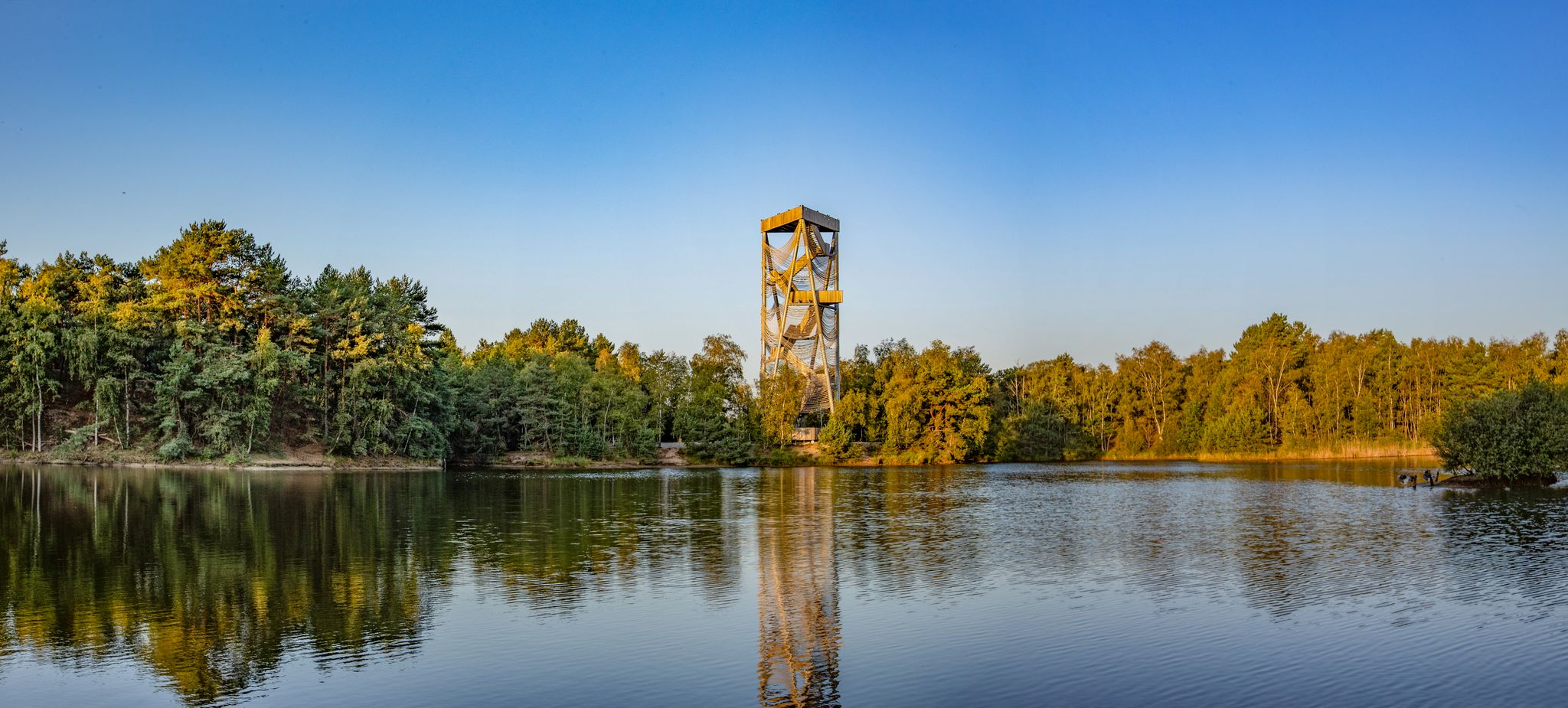
- The most popular natural monuments is Horst Castle, a 13th-century moated castle. It is situated in the green valley of the Wingebeek, surrounded by an impressive moat.
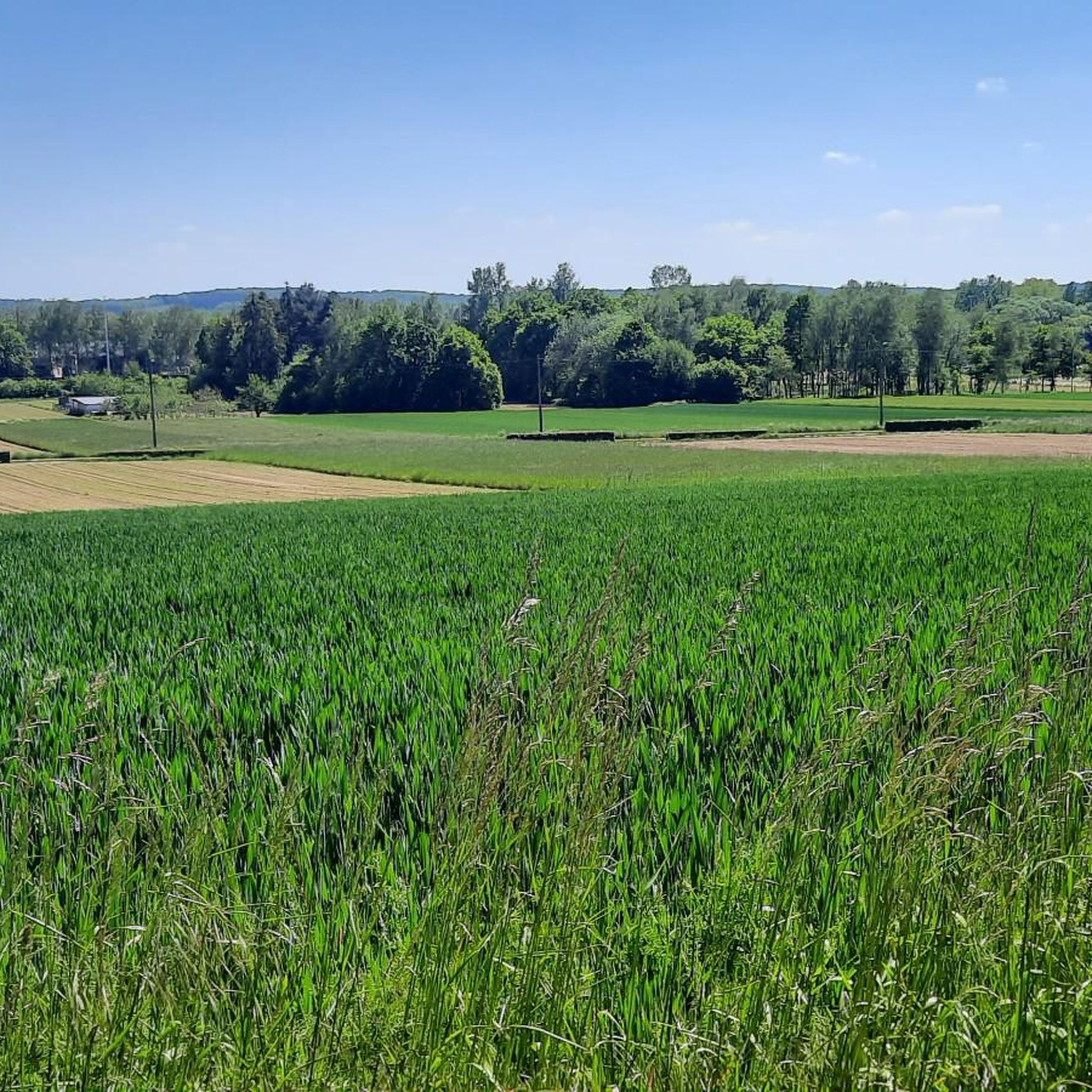
- Another must-see spot is Vineyard on the Wijngaardberg, an area featuring vineyards, orchards, and forests. This location offers varied landscapes and views, particularly on the Wijngaardberg in Wezemaal.
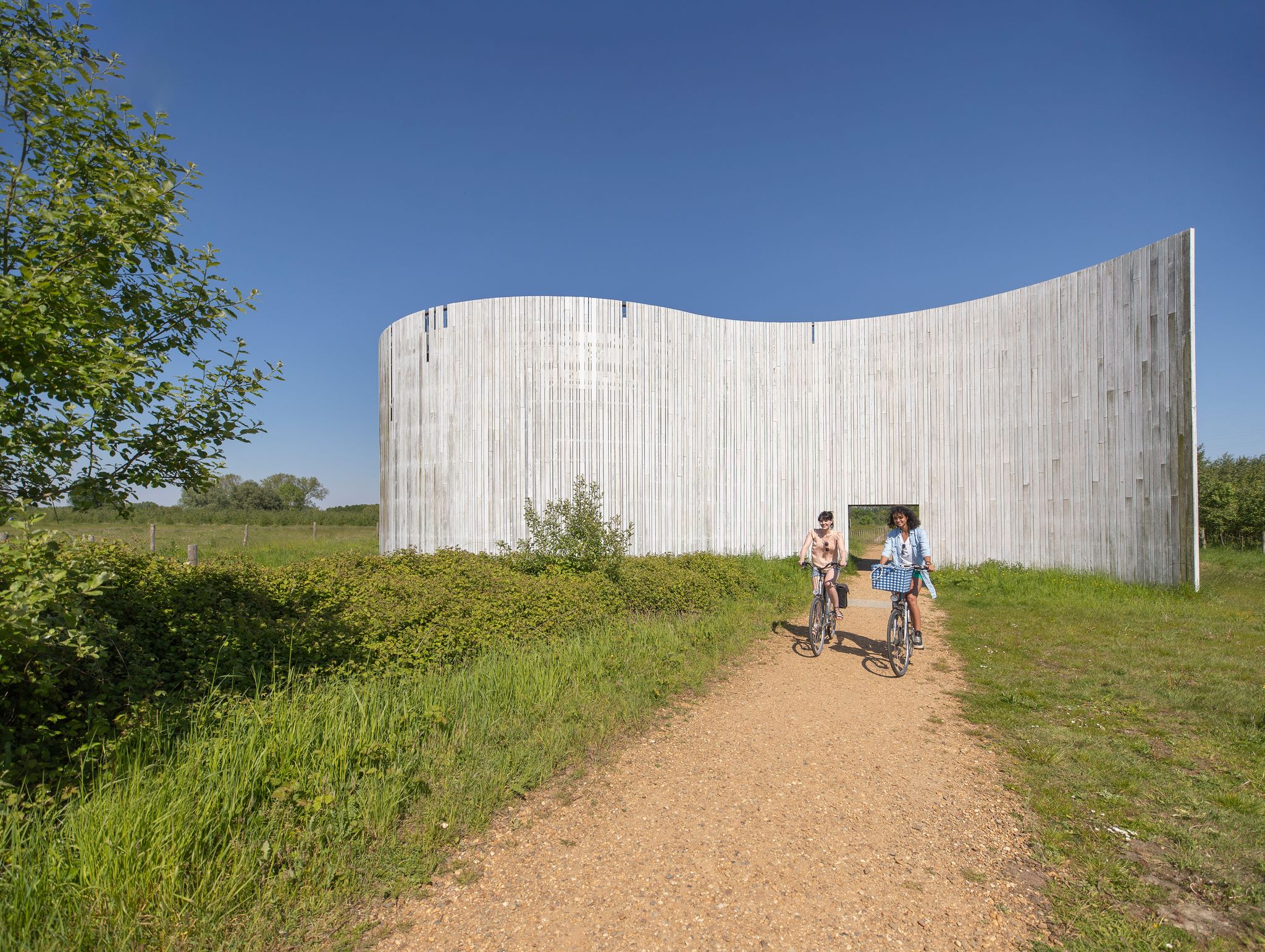
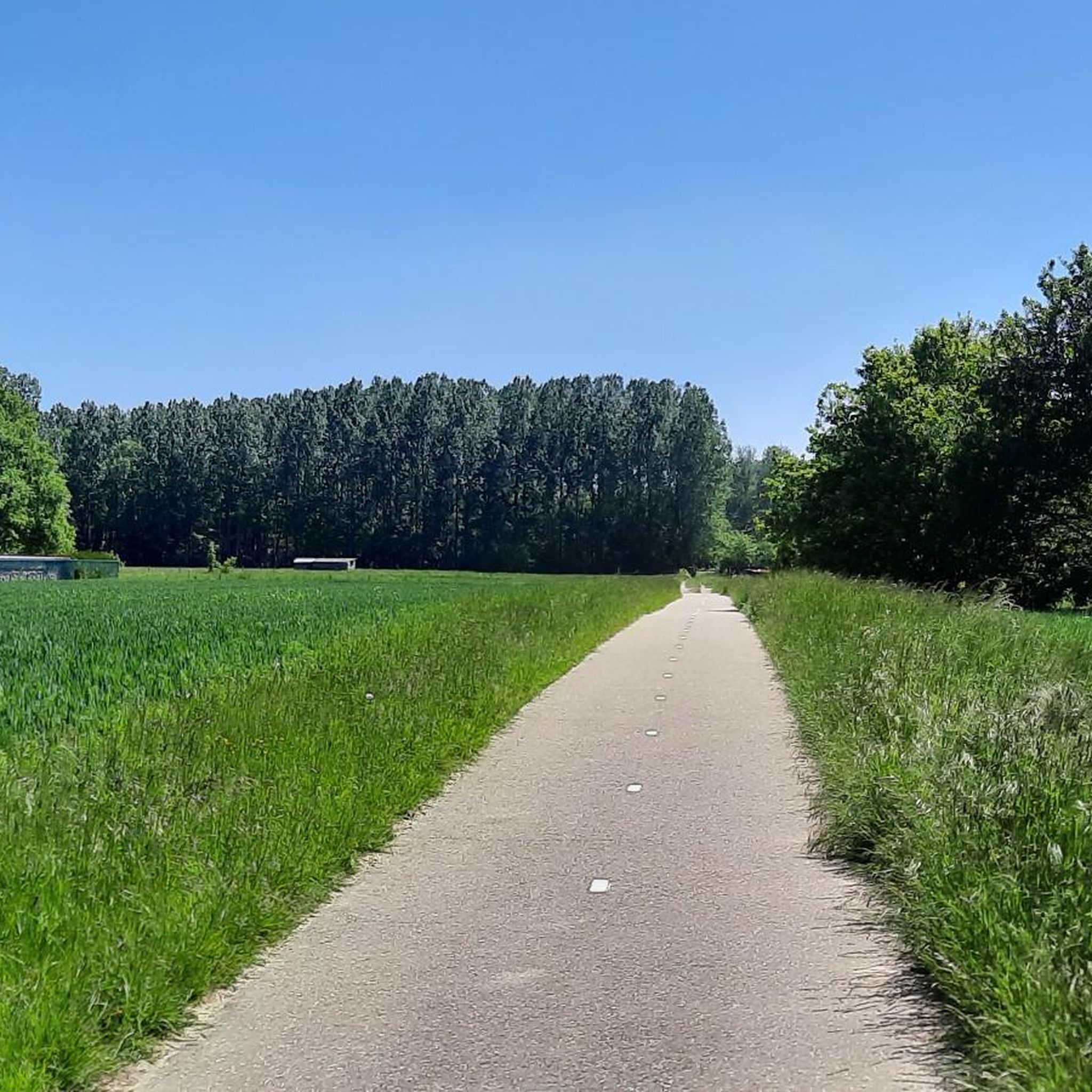
- Visitors also love Antitank Canal Haacht, a historical concrete wall and moat structure. This site is part of a former defense line and is now integrated into the local landscape.
- Rotselaar is known for its recreational domains, vineyards, and nature reserves. The area offers a variety of natural monuments to see and explore, including forests and river valleys.
- The natural monuments around Rotselaar are appreciated by the komoot community, with more than 1200 upvotes and over 460 photos shared by visitors.
Last updated: April 28, 2026
Horst Castle
Highlight • Castle
Translated by Google •
Tip by

Vineyard on the Wijngaardberg
Highlight • Structure
Immediately regrouped and climbed the correct steep mountain path. We enjoyed beautiful views. Once at the top, 'The Stone Wall' is overcome without any problems. On top of the mountain we stroll through different types of orchards. We must return here in blossom time. Hollow roads lead us to the north side. Impressed, we descend majestically. Old stately beech trees resemble the pillars of a cathedral. They reach to heaven and prop up the firmament. The canopy provides protection and cooling on hot days. You can experience the Wijngaardberg in every season. We have gained another experience... It has done well 🍇🍷🍷
Translated by Google •
Tip by

Sign up now to discover places like this
Get recommendations on the best single tracks, peaks, & plenty of other exciting outdoor places.
Sign up for free
Antitank Canal Haacht
Highlight • Structure
Translated by Google •
Tip by

Mispeldonk Nature Reserve
Highlight • Natural
Source: natuurpunt.be/agenda/natuurwandeling-mispeldonk-bonheiden-28582
Translated by Google •
Tip by
Confluence of the Demer and the Dijle
Highlight • River
Translated by Google •
Tip by

Sign up for free to discover even more natural monuments around Rotselaar.
Sign up for free
Already have an account?
Start today with a free account
Your next adventure awaits.
Login or Signup


Tips from the Community

Very colorful in autumn...
4
0

You see the mouth of the Demer
1
0
From one river to another...
7
0
From one river to another...
9
0

The core of Horst Castle probably dates back to the 13th century and is characterised by a square keep. The keep probably belonged to the oldest core that was further expanded into a fortified castle in the 15th century. During the troubles under Maximilian of Austria in 1489, the castle of Horst was taken by the people of Leuven and set on fire. According to literary sources, only the keep, part of the entrance gate and a defensive wall remained standing. The residential and east wing were renovated and expanded in the 16th century. The round tower also dates from this period. The outer wall was provided with a rectangular bay window. The castle lost its military character and became more of a pleasant residential area with a view of the moat, the ponds and the inner courtyard. Brick construction with sandstone layers characterise these buildings. In 1587, however, the castle was set on fire again during the raids of the Geuzen. It was not until the beginning of the 17th century that restoration work began. It is difficult to deduce from the available sources to what extent this involved restoration or an embellishing conversion of the castle complex. Presumably nothing changed in the internal structure, but only after the structurally necessary repairs were the interiors completely refinished. Maria-Anna Van den Tympel had a new chapel built against the keep in the 17th century. At the beginning of the 19th century, the complex must have been damaged by plundering and neglect, and it is possible that it also suffered from plundering during the Brabant Revolution of 1830. Around 1850, the castle must have been habitable again, but the castle buildings only served as a farm. In the land registry, the site around the castle is called "De Notelaren Boomgaerd". Around that time, the most dilapidated part must have been demolished, namely the southern part and the superstructure of the gate. The rest of the complex was probably restored with reused demolition material and in traditional style. The castle was divided in 1880, with one part being registered as a school house. In 1897, a further division followed, with two plots being designated as houses. Several restoration campaigns followed in the 20th century. Inventory of Immovable Heritage: Horst Castle, https://id.erfgoed.net/erfgoedobjecten/43619
6
0
Since December, there has been a spire on the castle again after the unstable spire was removed more than four years ago and could be viewed on a wooden platform in the pond. Now it is back. And the other works are also progressing quickly. More about the replaced spire on https://www.vrt.be/vrtnws/nl/2024/12/10/torenspits-staat-weer-op-kasteel-van-horst-holsbeek/
6
0

Mispeldonk Nature Reserve is a beautiful and valuable nature reserve in Bonheiden, located in the province of Antwerp. The area is known for its unique ecosystems, rich biodiversity and the natural beauty of the landscape. Here are some key points about Mispeldonk: Location and Size Mispeldonk is located between Bonheiden and the nearby municipality of Rijmenam, along the banks of the Dijle. The area is part of the larger Dijle landscape, which is known for its wet meadows, meandering waterways and rich flora and fauna. Mispeldonk covers approximately 50 hectares and consists of a mix of marshlands, meadows, forests and ponds. Ecological Importance Mispeldonk is a protected nature reserve because of its special ecological value. The area has a typical structure of a flood plain of the Dijle, which makes it an important habitat for many plant and animal species: • Flora: Various rare and protected plant species grow in the area, such as marsh marigolds, cuckoo flowers and water violets. The wet grasslands and marshes provide unique vegetation that is less common elsewhere in the region. • Fauna: Mispeldonk is an important habitat for birds such as the bluethroat, water rail and reed warbler. Amphibians such as the crested newt and the green frog can also be found there. Furthermore, the area is rich in insects, including butterflies and dragonflies, that thrive in the moist environment. Water management The nature reserve plays an important role in local water management. It is located in a flood-prone area along the Dijle and functions as a natural buffer against flooding. In the event of high water levels, the area can collect water and thus help prevent flooding in nearby villages. The nature reserve contributes to the preservation of water quality by filtering and purifying the water through natural processes. Recreation and Experience Mispeldonk is a popular place for nature lovers and hikers. The area is accessible via various hiking trails that lead through the meadows and forests. There are signposted routes that give walkers the chance to explore the diversity of the landscape and enjoy the peace and quiet of nature. Birdwatchers enjoy visiting the area because of the variety of bird species that can be seen, especially during the breeding season and the migratory bird periods. Management and Protection The nature reserve is managed by Natuurpunt, a Belgian organisation that is committed to nature conservation. Natuurpunt carries out management work to protect biodiversity and maintain the landscape. This includes mowing grasslands, removing invasive plant species and maintaining the walking paths. There is collaboration with local farmers for nature-friendly agriculture, whereby meadows are extensively grazed or mowed, so that they remain suitable for meadow birds and rare plants.
7
1

Frequently Asked Questions
What are some of the most popular natural areas to explore around Rotselaar?
Visitors frequently enjoy the diverse landscapes. A highly rated spot is Horst Castle, a 13th-century moated castle set in the green valley of the Wingebeek. Another favorite is the Vineyard on the Wijngaardberg, known for its vineyards, orchards, and forests, offering beautiful views. The Antitank Canal Haacht, a historical concrete wall and moat, is also a popular site integrated into the local landscape.
Are there family-friendly natural monuments in Rotselaar?
Yes, several natural monuments around Rotselaar are suitable for families. Horst Castle is family-friendly, offering a picturesque setting. The Antitank Canal Haacht and the Confluence of the Demer and the Dijle are also great for family outings, providing space for exploration and cycling. Additionally, the Mispeldonk Nature Reserve is a varied area with walking paths suitable for families.
What kind of historical natural monuments can I find in the region?
Rotselaar offers a blend of natural beauty and historical significance. Horst Castle, a 13th-century moated castle, is a prominent historical site. The Antitank Canal Haacht is another unique historical monument, part of a former defense line from World War II, now a striking feature in the landscape.
What natural features can I expect to see around Rotselaar?
The region boasts diverse natural features. You can explore forests, vineyards, and river valleys. Specific highlights include the Vineyard on the Wijngaardberg with its unique mix of vineyards, orchards, and heathland. The Confluence of the Demer and the Dijle showcases significant river landscapes. The Mispeldonk Nature Reserve features varied ecosystems from grasslands to moist deciduous forests and restored heathland.
Are there good hiking opportunities near Rotselaar's natural monuments?
Yes, Rotselaar is excellent for hiking. The Wijngaardberg offers walking paths through vineyards and forests, with beautiful views. The Kloosterbroekbos and Horst areas, part of the Hageland Valley, also feature walking routes like the 'Hagelandse Valleiwandeling'. For more structured routes, you can explore various hiking trails around Rotselaar, which can be found in the Rotselaar hiking guide.
What outdoor activities can I do near these natural monuments?
Beyond hiking, Rotselaar offers various outdoor activities. The De Plas van Rotselaar (Rotselaar Lake) is popular for water sports in summer and bird-watching year-round. Cycling is also a major activity, with numerous routes available. You can find detailed cycling routes in the Cycling around Rotselaar guide, and mountain biking enthusiasts can check the MTB Trails around Rotselaar guide.
Is Rotselaar Lake (De Plas van Rotselaar) considered a natural monument?
While not strictly designated as a 'natural monument,' De Plas van Rotselaar, also known as Domain Ter Heide, is a highly valued recreational domain. It was formed from sand extraction and is now a popular spot for walkers, cyclists, and bird-watchers. In summer, it's a hub for water sports, and in winter, it attracts various water birds, making it significant for nature observation and recreation.
What is the best time of year to visit the natural monuments in Rotselaar?
The natural monuments around Rotselaar can be enjoyed in all seasons. The Wijngaardberg, for instance, offers a unique landscape year-round, with its microclimate providing warmth on colder, sunny days. Spring brings blossoming orchards, while autumn offers vibrant foliage. Birdwatching is particularly rewarding in winter at De Plas van Rotselaar.
Are there any dog-friendly natural areas or trails?
Yes, dogs are welcome in several natural areas. The Antitank Canal Haacht is noted as dog-friendly. While dogs are allowed on the castle grounds of Horst Castle, they are not permitted inside the castle itself. Many walking routes through forests and natural reserves in the region are generally suitable for dogs, but it's always good to check local signage.
What do visitors enjoy most about the natural monuments in Rotselaar?
Visitors appreciate the tranquility and diverse landscapes. Many highlight the beautiful views from places like the Wijngaardberg and the serene environment of the old beech forests. The historical charm of sites like Horst Castle combined with its natural setting is also a big draw. The komoot community has shared over 460 photos and given more than 1200 upvotes, reflecting a strong appreciation for the area's natural beauty and recreational opportunities.
Is there wheelchair accessibility at any of the natural monuments?
While many natural trails can be challenging, Horst Castle is noted as having some wheelchair accessibility, though access to the castle itself can be difficult. For other natural areas, accessibility can vary, and it's advisable to check specific trail conditions beforehand.
Most popular routes around Rotselaar
Most popular attractions around Rotselaar

Get inspired with the komoot mobile app


Explore more
Extend your search for the best caves by checking out these guides of the top ones around Rotselaar:
