Attractions and Places To See in Oaxaca De Juárez - Top 5
Best attractions and places to see in Oaxaca De Juárez include a rich cultural heritage, impressive colonial architecture, and diverse natural surroundings. The city is recognized for its ancient archaeological sites, bustling markets, and beautiful landscapes. Its historic center is a UNESCO World Heritage Site, offering a blend of history and vibrant local life. Visitors can explore a variety of sites, from significant landmarks to unique natural formations.
Best attractions and places to see in Oaxaca De Juárez
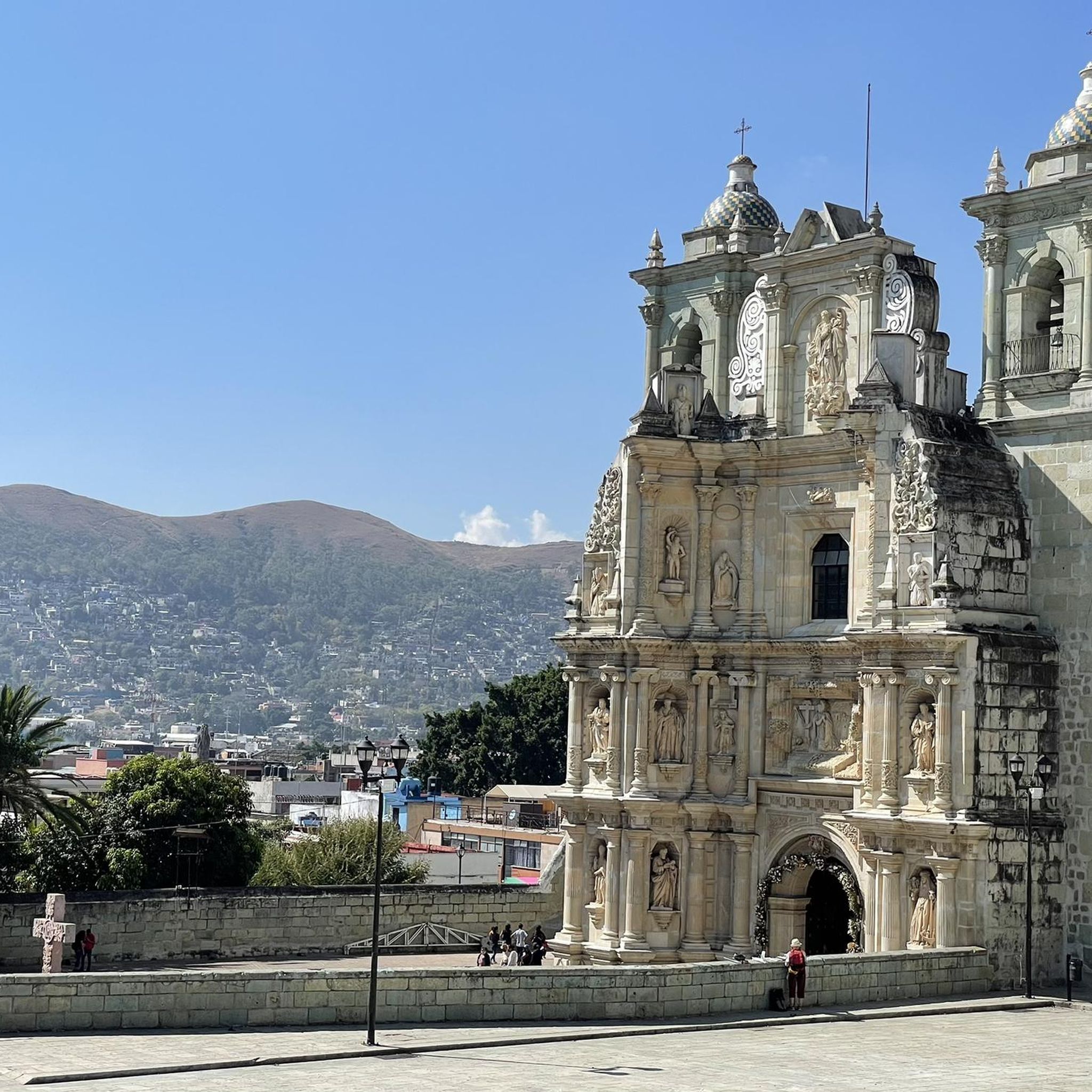
- The most popular attractions is Church of Santo Domingo de Guzmán, a religious building known for its majestic Baroque architecture. This UNESCO World Heritage Site features gold altarpieces and is adjacent to Plaza Santo Domingo, a central spot for local life and handicrafts.
- Another must-see spot is Mercado 20 de Noviembre, a market offering a vibrant experience. This bustling market is known for its gastronomic offerings, including the "pasillo de humo" where visitors can try Oaxacan specialties.
- Visitors also love Oaxaca Ethnobotanical Garden, a natural area showcasing the region's biodiversity. This garden highlights the relationship between plants and people and can be explored via guided tours.
- Oaxaca De Juárez is known for its ancient archaeological sites, colonial architecture, and vibrant markets. The region offers a variety of attractions to see and explore, from historical landmarks to unique natural formations.
- The attractions in Oaxaca De Juárez are appreciated by the komoot community, with more than 25 upvotes and over 10 photos across 5 highlights.
Last updated: July 2, 2026
Church of Santo Domingo de Guzmán
Highlight • Religious Site
Translated by Google •
Tip by

Oaxaca Ethnobotanical Garden
Highlight • Natural
Translated by Google •
Tip by
Sign up now to discover places like this
Get recommendations on the best single tracks, peaks, & plenty of other exciting outdoor places.
Sign up for free
Mercado 20 de Noviembre
Highlight • Rest Area
Translated by Google •
Tip by

Steps to Cerro del Fortín
Highlight • Trail
Translated by Google •
Tip by
Tiempo de Gigantes Sculptures by Alberto Aragón Reyes
Highlight • Monument
Translated by Google •
Tip by
Los Danzantes
Highlight • Restaurant
Showing Translation
Tip by

Start today with a free account
Your next adventure awaits.
Login or Signup

Other adventures in Oaxaca De Juárez

Tips from the Community

Restaurant awarded a Michelin star - food highly recommended, excellent service, acceptable prices
0
0

Very interesting garden, the history of which is presented in a one-hour guided tour.
0
0

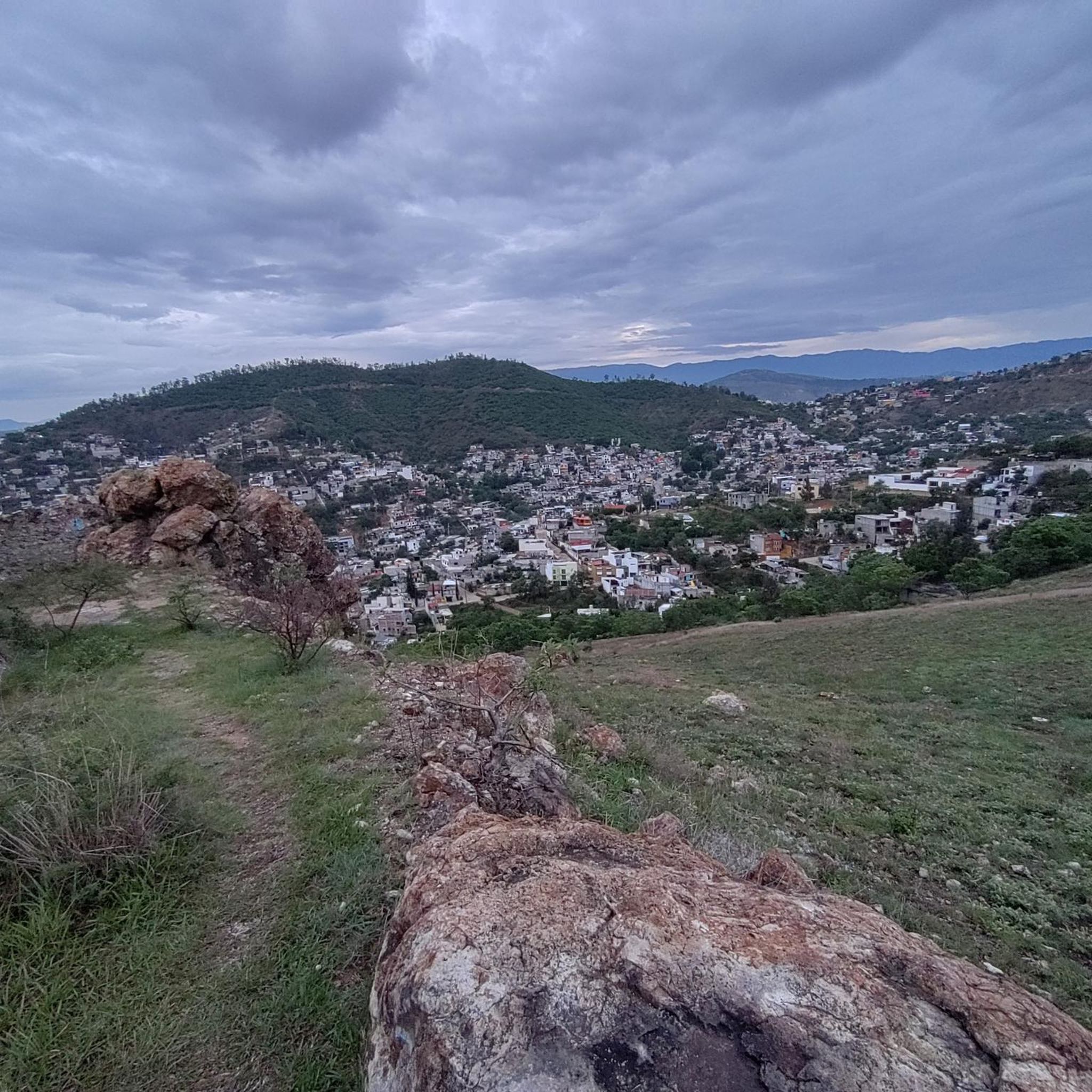
The steps take you to Oaxaca's local mountain, Cerro del Fortín, just outside the center. From the top you are rewarded with a magnificent view of Oaxaca. However, you should not go up in the dark.
0
0
The market hall, which is not far from the Zócalo, is definitely worth a visit. Mexican life is in full swing here. You can get everything from souvenirs and clothing to bread, juices, fruit, coffee, meat and prepared meals.
0
0
The monumental exhibition of the sculpture group "Los Gigantes" by the Oaxacan plastic artist Alberto Aragón Reyes is located on one side of the Catedral Metropolitana in the Alameda de León and will be on display until December 1, 2024.
0
0

beautiful Church. only 5% of gold left inside
2
0

Temple of Santo Domingo de Guzmán in the city of Oaxaca de Juárez. There is a square with shops and restaurants, an ideal refueling point.
0
0
Frequently Asked Questions
What natural attractions can I explore in Oaxaca De Juárez?
Beyond the city, you can visit Cerro del Fortín for magnificent views of Oaxaca. Further afield, Hierve el Agua features unique 'petrified waterfalls' where you can swim in clifftop pools. The ancient Tule Tree, one of the world's largest, is also a short drive away. For hiking and birdwatching, consider Benito Juárez National Park in the Sierra Norte mountains.
Where can I experience Oaxaca's rich history and culture?
The city's historic center is a UNESCO World Heritage Site. You can explore the majestic Church of Santo Domingo de Guzmán, a Baroque masterpiece, and the adjacent Oaxaca Ethnobotanical Garden, which showcases the region's biodiversity and its cultural significance. The Museum of Cultures of Oaxaca, located within the former convent of Santo Domingo, offers deep insights into the state's history, including artifacts from Monte Albán.
Are there any significant archaeological sites near Oaxaca De Juárez?
Yes, Monte Albán, an ancient Zapotec capital and one of the oldest cities in the Americas, is a must-visit archaeological site. You can explore its temples, tombs, and ball court while enjoying expansive valley views. Other notable sites include Mitla, known for its elaborate stone mosaics, and Yagul, which features Zapotec buildings and early agricultural traces.
What are the best places to experience local Oaxacan life and cuisine?
The Zócalo (Plaza de la Constitución) is the lively heart of Oaxaca, perfect for enjoying street performances and sidewalk cafes. For an authentic market experience, visit Mercado 20 de Noviembre, famous for its 'pasillo de humo' where you can try Oaxacan specialties like tlayudas and tasajos. Mercado Benito Juárez is excellent for souvenirs and local foodstuffs.
What outdoor activities and trails are available near the city?
Oaxaca De Juárez offers various outdoor activities. You can find running trails, easy hikes, and mountain biking routes. For example, there are several running loops around Oaxaca City, easy hikes like the Oaxaca Cathedral – Zócalo de Oaxaca loop, and mountain biking trails that can take you to places like the Tule Tree. You can find more details on these activities in the Running Trails in Oaxaca De Juárez, Easy hikes in Oaxaca De Juárez, and MTB Trails in Oaxaca De Juárez guides.
Are there family-friendly attractions in Oaxaca De Juárez?
Many attractions are suitable for families. The Church of Santo Domingo de Guzmán and its surrounding plaza offer historical exploration. The Oaxaca Ethnobotanical Garden provides engaging guided tours about local plants. Bustling markets like Mercado 20 de Noviembre offer a vibrant cultural experience. Additionally, the unique 'petrified waterfalls' at Hierve el Agua and the impressive Tule Tree can be exciting for children.
What is the best time of year to visit Oaxaca De Juárez?
Oaxaca enjoys a pleasant climate year-round. However, the dry season from October to May is generally considered the best time to visit, with comfortable temperatures and less rain, ideal for exploring outdoor attractions and archaeological sites. The city is also famous for its vibrant festivals, such as Guelaguetza in July and Día de Muertos in late October/early November, which offer unique cultural experiences.
Where can I find unique Oaxacan handicrafts and textiles?
For handicrafts and souvenirs, Mercado Benito Juárez is a great starting point. The town of Teotitlán del Valle, a short distance from Oaxaca City, is renowned for its handwoven rugs, blankets, and textiles, where you can see traditional dyeing techniques and purchase directly from artisans. The Museo Textil de Oaxaca also showcases the rich textile traditions of the region.
What are some less crowded or 'hidden gem' attractions in Oaxaca De Juárez?
While popular sites can be busy, exploring the Jalatlaco neighborhood offers a charming experience with its colorful streets, impressive street art, and growing number of cafes and boutiques. The Centro Cultural San Pablo, housed in a 16th-century convent, provides a deeper dive into indigenous languages and knowledge away from the main tourist hubs.
Are there any specific tips for visiting the Oaxaca Ethnobotanical Garden?
Yes, the Oaxaca Ethnobotanical Garden can only be explored with a guide. Guided tours are highly recommended as they provide fascinating insights into the history of the garden and the relationship between plants and people in Oaxaca. Tours typically last about an hour.
What are the 'Tiempo de Gigantes Sculptures' and where can I see them?
The 'Tiempo de Gigantes Sculptures' are a monumental exhibition by Oaxacan plastic artist Alberto Aragón Reyes. These impressive sculptures are located on one side of the Catedral Metropolitana in the Alameda de León. They are typically on display for a limited period, so it's worth checking current exhibition dates if you plan to visit.
Most popular routes in Oaxaca De Juárez

Get inspired with the komoot mobile app


Explore more
Still not found the Highlight you’re looking for? See guides of the top attractions in other regions:
