Top 18 Lakes around Groby
Best lakes around Groby include Groby Pool, the largest natural expanse of open water in Leicestershire, and Groby Fishing Lakes, a dedicated angling destination. Groby Pool is a Site of Special Scientific Interest (SSSI) recognized for its diverse plant and animal communities, particularly its wildfowl. The area offers natural beauty with woodlands and grasslands, providing tranquil settings for walks.
Best lakes around Groby
- The most popular lakes is Bradgate Park Deer Park, a lake that is known for its…
Last updated: October 11, 2026
Bradgate Park Deer Park
Highlight • Lake
Tip by

Swithland Reservoir
Highlight • Viewpoint
Tip by
Sign up now to discover places like this
Get recommendations on the best single tracks, peaks, & plenty of other exciting outdoor places.
Cropston Reservoir
Highlight • Lake
Most of the land required for the reservoir, dam and waterworks belonged to the Bradgate Estate. …
Tip by

Swithland Wood
Highlight • Forest
Tip by

Bagworth Heath Woods
Highlight • Natural
Tip by

Sign up for free to discover even more lakes around Groby.
Already have an account?
Start today with a free account
Your next adventure awaits.

Tips from the Community

Sand martins return annually to an artificial nesting wall at Bagworth Heath Wood Country Park in Leicestershire, usually arriving in March to nest through the summer. The site, featuring a specialized "Sandmartin Pool," is maintained by rangers and volunteers who refresh the sandy bank annually, with hundreds of chicks raised there.
0
0

In September 1867, 180 acres of land was purchased for a cost of £24,000. Most of the land required for the reservoir, dam and waterworks belonged to the Bradgate Estate. Lord Stamford insisted that a stone wall be built around the boundary to separate the deer park from the reservoir, instead of the proposed iron railings. This wall, 1,500 yards long was eventually built at a cost of 8s 10d per yard. Joseph Reeves, Head Gamekeeper, outside his house. Some of the Bradgate Estate land was part of the deer park, but most was farmland let out on very long leases. One farmer, Joseph Allen, lost virtually all his farm. Two members of the Matts family had theirs considerably reduced in size. The Gamekeeper’s house and land, together with a nearby bridge, were also in the area to be flooded. The house, together with its stables and outhouses, were demolished and the bricks sold. Part of the footpath between Anstey and Hallgates was submerged, as was the site of the old rabbit warren (or conery).
3
0

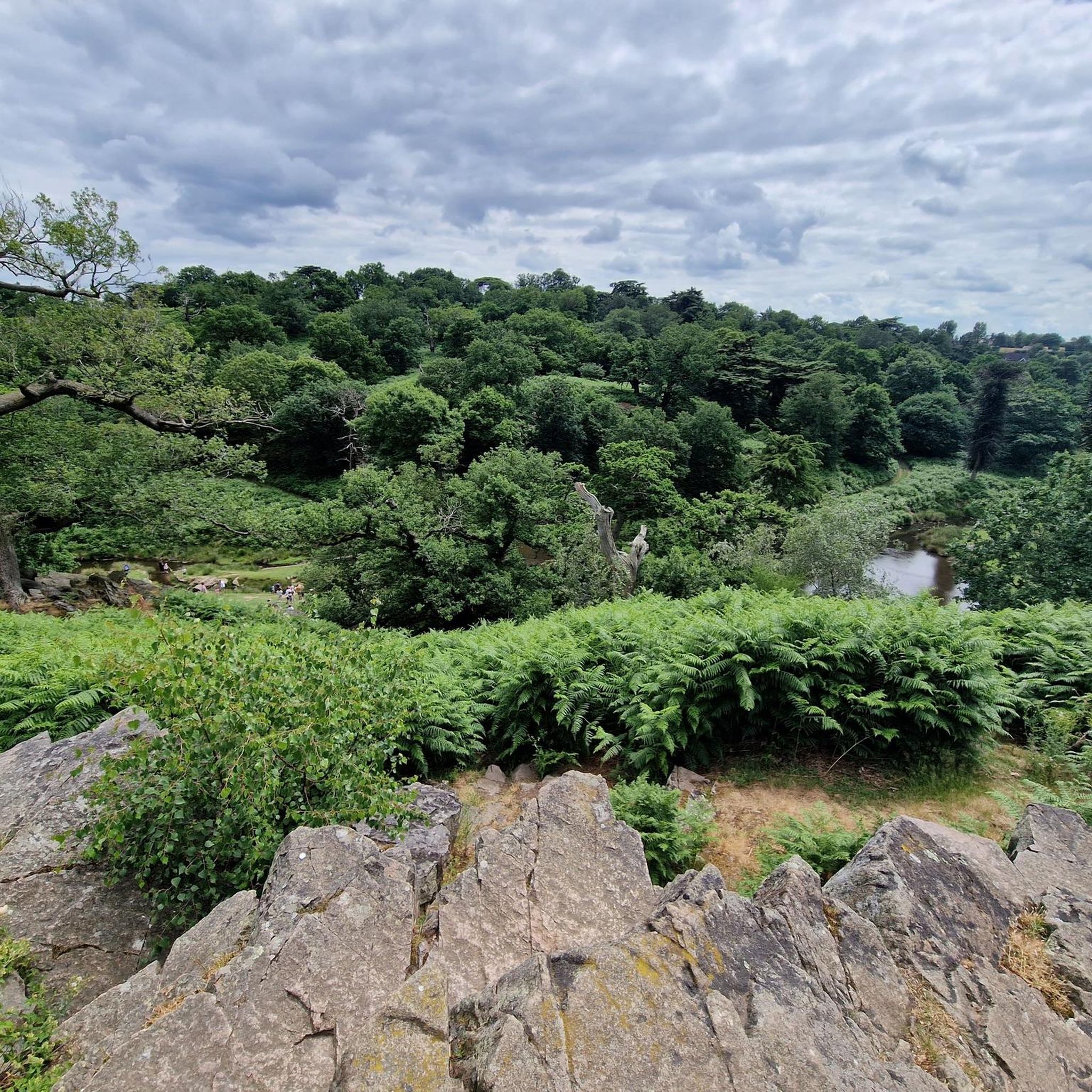
This is the Great Pit in Swithland Wood, a site shaped by centuries of slate quarrying, with origins tracing back to Roman times. The quarry was first officially recorded in the 1300s, with activity continuing until the 19th century. Due to the presence of deep water and sheer vertical walls, the quarry is extremely hazardous and completely closed to public access.
2
0

Was pretty mucky and slippy on a gravel bike in June, although it's been a wet year
0
0

Swithland Reservoir, opened in 1896 for Leicester, had a 500 million-gallon capacity but became insufficient. In the early 20th century, a pipeline from Derwent reservoirs in Derbyshire was required. As you pass Buddon Wood, quarried in the early Iron Age for millstones, take a moment to enjoy the scenery, woodland, and water birds. You might also catch sight of steam trains on the viaduct from this spot.
1
0
Swithland Reservoir is a reservoir in the English county of Leicestershire. It is north-east of the village of Swithland from which it takes its name, north-west of Rothley and approximately 133 metres (145 yd) south-west of Mountsorrel Quarry. It is part of the 187.1-hectare (462-acre) Buddon Wood and Swithland Reservoir Site of Special Scientific Interest (SSSI).
0
0

Swithland Wood is a small remnant of the original Charnwood Forest managed by part of the Bradgate Estate. As a small chunk of ancient woodland, Swithland consists of mature oak, birch, alder and lime with supports a rich variety of butterflies, moths and birds. This chunk of woodland is the type that would of previously covered all of the British mainland whilst groups of hunter gatherers moved through the landscape.
2
0

A great view over the water and at the passing vintage railway.
0
0
Frequently Asked Questions
What kind of wildlife can I observe at Groby Pool?
Groby Pool is a significant wildlife haven, especially for birds. You can expect to see a wide range of wildfowl, including various species of geese, ducks, and swans, particularly in winter. Herons and gulls are also frequently observed. The area's diverse plant and animal communities make it one of Leicestershire's most important ecological sites.
Are there family-friendly lakes around Groby?
Yes, several lakes around Groby are suitable for families. Bradgate Park Deer Park is popular for its abundant deer population and natural landscape. Cropston Reservoir offers great views and is a good spot for walks. Groby Pool itself provides amenities like a car park, benches, and picnic tables, making it ideal for family outings, though feeding birds is discouraged to protect the ecosystem.
What outdoor activities can I do near Groby's lakes?
The area around Groby's lakes offers a variety of outdoor activities. You can find numerous routes for cycling, hiking, and running. For example, there are easy hikes like the 'Groby Pool loop' and moderate cycling routes such as the 'Cropston Reservoir – Swithland Reservoir loop'. You can explore more options on the cycling guide, easy hikes guide, and running trails guide for Groby.
Where can I go fishing near Groby?
For fishing enthusiasts, Groby Fishing Lakes, now officially known as Old Hall Farm Fishery, is the primary destination. It comprises three distinct lakes: Buzzard Lake, Pheasant Lake, and Kingfisher Lake. These lakes are well-stocked with various coarse and carp species, offering options for day tickets and 24-hour fishing. Groby Pool, however, has a strict no-fishing policy.
Are there accessible trails around Groby Pool?
Groby Pool has a free car park, and the eastern edge nearest the road is accessible for walks. While access to the full perimeter is restricted due to private land, visitors can still enjoy leisurely walks on well-marked footpaths in the accessible areas. The terrain is generally suitable for nature lovers seeking a tranquil experience.
What historical significance do the lakes around Groby hold?
Groby Pool has been a notable feature in the landscape for centuries, with recorded references dating back to 1297. Additionally, Cropston Reservoir has historical ties to the Bradgate Estate, with its construction involving land purchases and specific demands from Lord Stamford regarding boundary walls. Swithland Reservoir, opened in 1896, also has a rich history as a water source for Leicester and is notably divided by the Great Central Railway.
What are some good viewpoints for scenic views of the lakes?
For scenic views, Swithland Reservoir offers excellent opportunities for birdwatching and views of the water, especially where it's divided by the Great Central Railway. Cropston Reservoir also provides great views over the water, making it a popular spot for walks and photography.
Can I combine a visit to Groby Pool with Bradgate Park?
Yes, Groby Pool can be incorporated into longer walks that extend to nearby Bradgate Park. This allows visitors to experience both the tranquil natural beauty of Groby Pool and the wider landscapes and wildlife of Bradgate Park, including the Bradgate Park Deer Park.
What is the best time to visit Groby Pool for nature walks?
Groby Pool is particularly beautiful in spring when bluebells are in bloom, offering stunning visuals. Winter is also an excellent time for birdwatching, as various species of geese, ducks, and swans are abundant. The tranquil atmosphere makes it enjoyable year-round for leisurely walks.
Are dogs allowed on trails around Groby's lakes?
While specific rules vary by location, many natural areas around Groby, including parts of Groby Pool and Bradgate Park, are dog-friendly. It's generally recommended to keep dogs on a lead, especially in areas with wildlife or livestock, and to clean up after them. Always check local signage for specific regulations.
What amenities are available at Groby Pool?
Groby Pool provides a large free car park, benches, and picnic tables, making it convenient for visitors. These amenities contribute to a comfortable experience for those looking to enjoy the natural beauty and tranquility of the area.
Is there a nature reserve near Groby's lakes for birdwatching?
Yes, Kelham Bridge Nature Reserve is a relatively new site that is excellent for birdwatching. It's known for warblers, whitethroats, reed and sedge warblers, and various birds of prey, including osprey, buzzard, and kestrel. The waters meander naturally, and the land is allowed to flood, creating a rich habitat.
Most popular routes around Groby
Most popular attractions around Groby

Get inspired with the komoot mobile app


Explore more
Still not found your perfect lake around Groby? Check out the guides of these regions to see even more beautiful places.
