Top 20 Lakes around Nieuw-Lekkerland
Best lakes around Nieuw-Lekkerland are primarily characterized by an intricate network of waterways, rather than large, distinct lakes. The region's water features include the River Lek, various canals, and the basins associated with the Kinderdijk windmills. These water bodies are integral to the area's historical water management and polder landscape. The nearby Kinderdijk-Elshout area, a UNESCO World Heritage site, offers insights into Dutch hydraulic engineering.
Best lakes around Nieuw-Lekkerland
- The most popular lakes is De Ster and De Lelie windmills…
Last updated: October 17, 2026
Kralingse Forest, Rotterdam
Highlight • Forest
Tip by

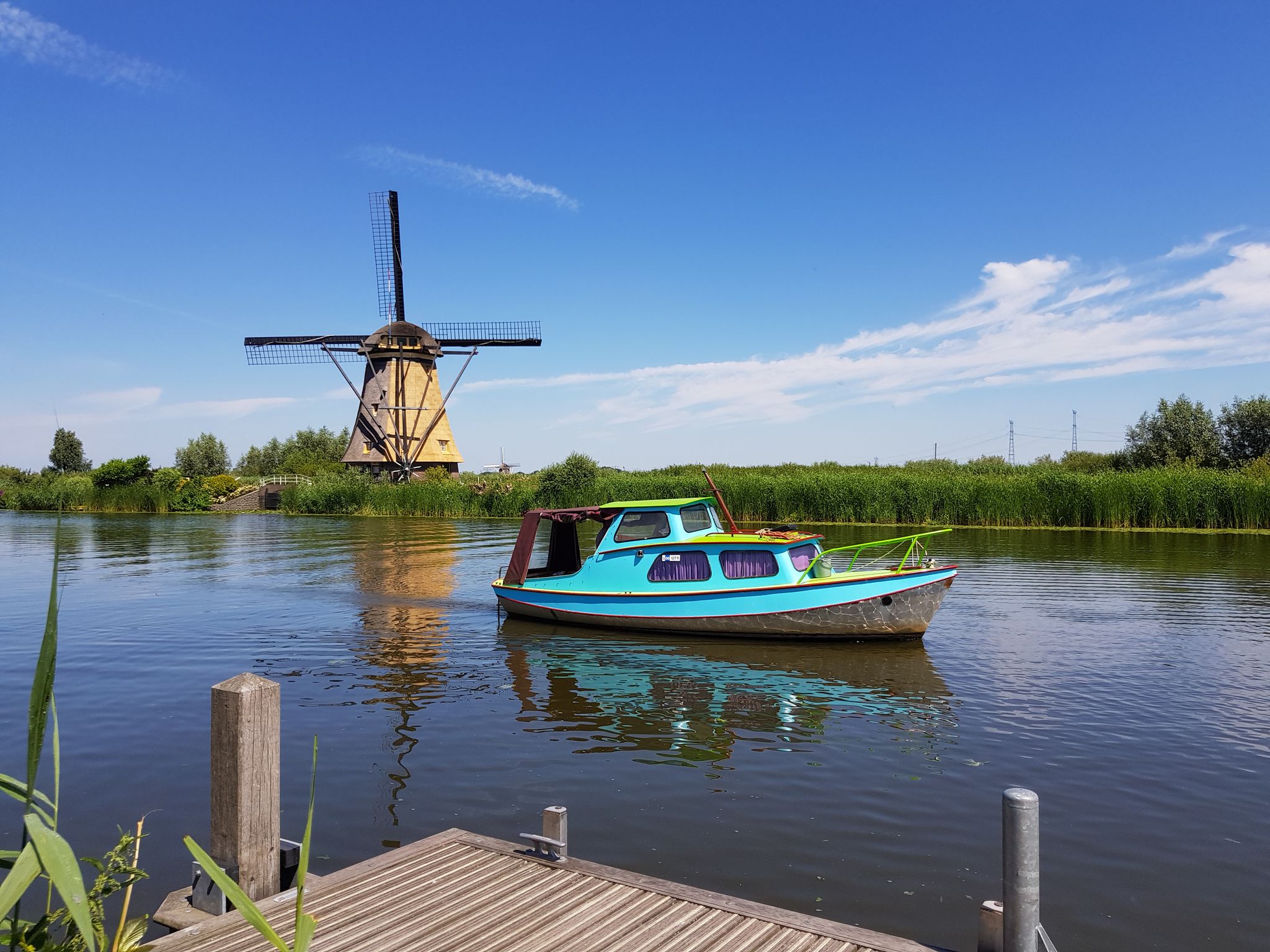
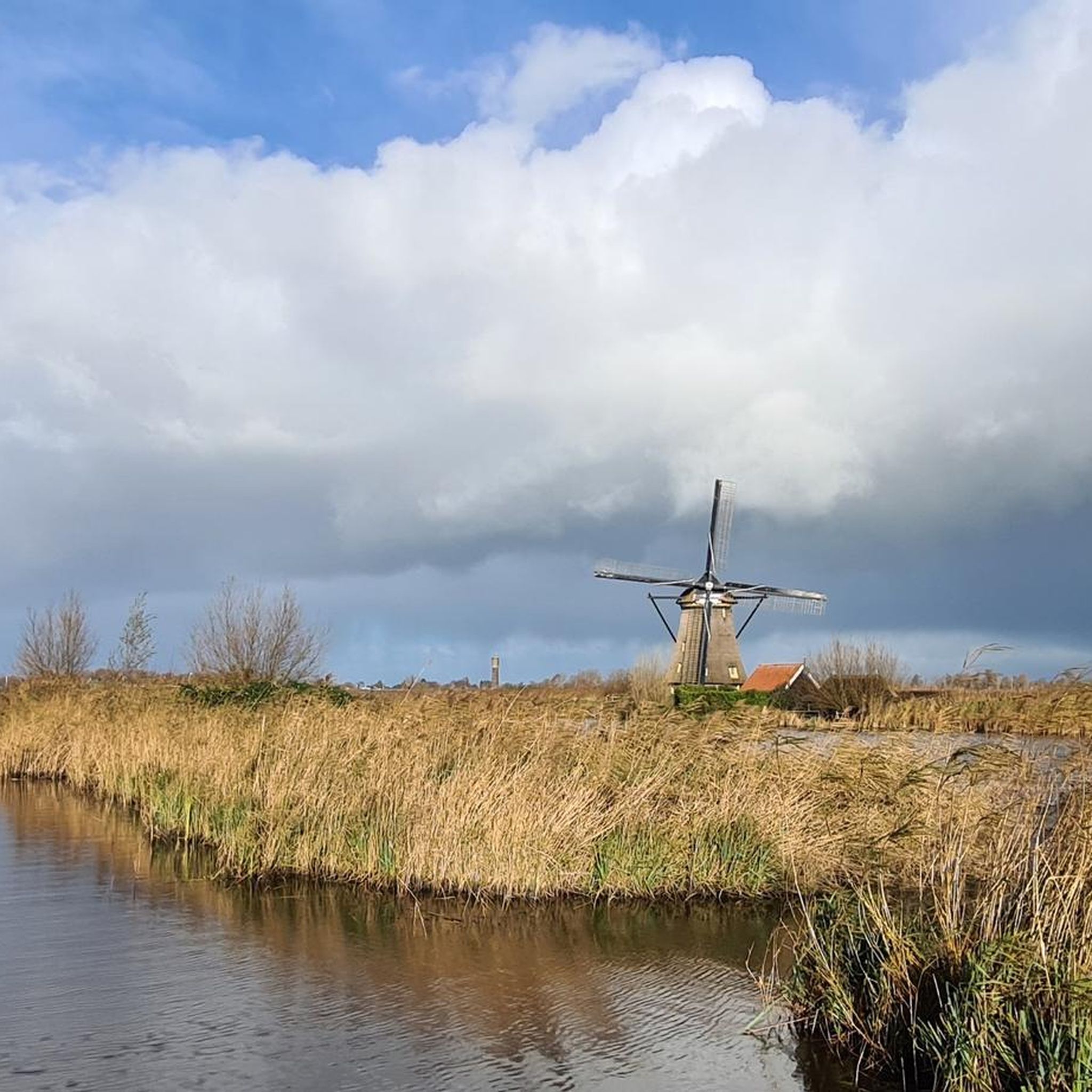
De Ster and De Lelie windmills at the Kralingse Plas
Highlight • Monument
Translated by Google •
Tip by

Sign up now to discover places like this
Get recommendations on the best single tracks, peaks, & plenty of other exciting outdoor places.
Crezéepolder Information Board
Highlight • Rest Area
Translated by Google •
Tip by

De Esch Nature Reserve
Highlight • Natural
Translated by Google •
Tip by

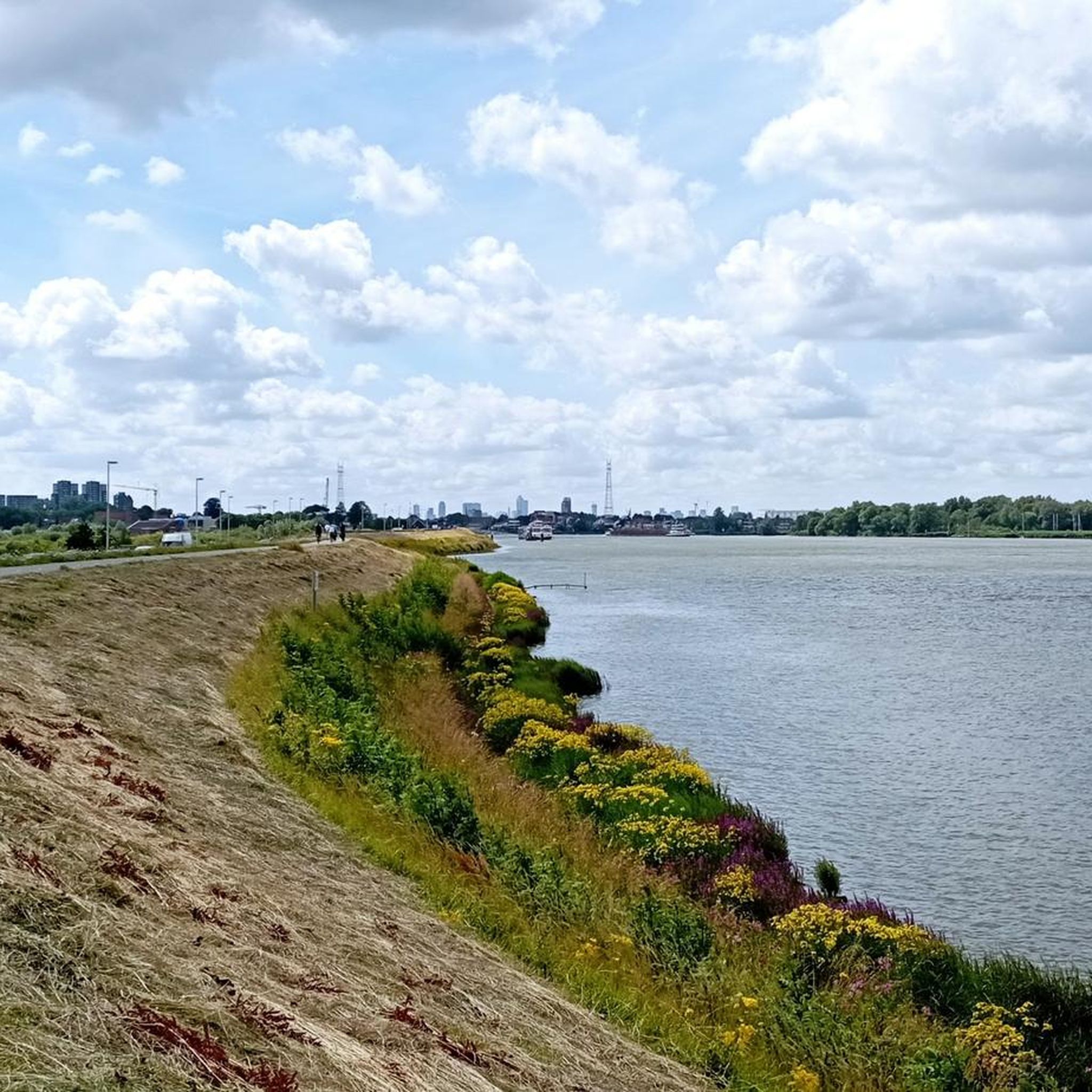
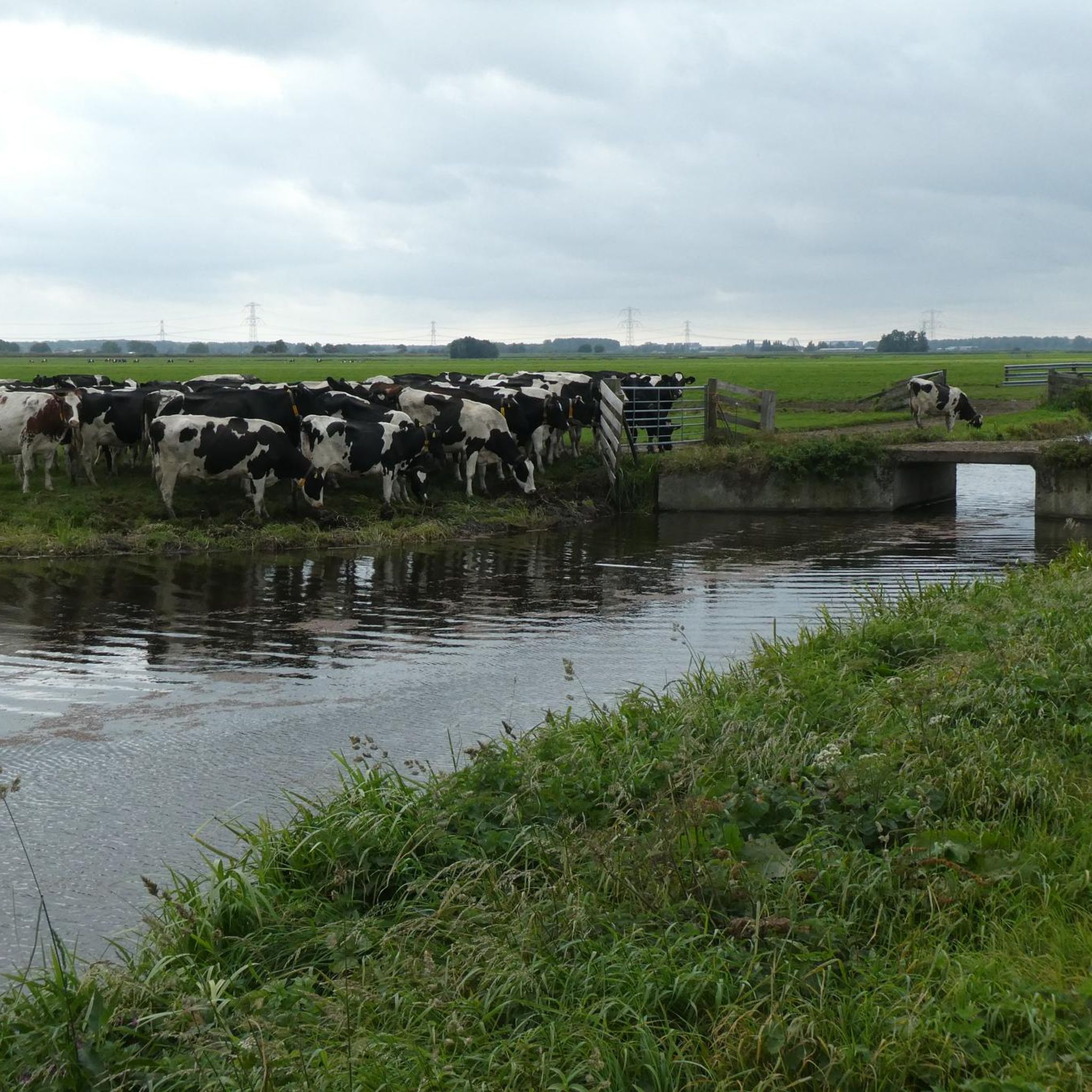
Crezéepolder Nature Reserve
Highlight • Natural
The South Holland Landscape Foundation allows the Crezéepolder to further develop into a freely accessible nature oasis a stone's throw from Ridderkerk and Hendrik-Ido-Ambacht. You can walk beautifully and …
Translated by Google •
Tip by
Sign up for free to discover even more lakes around Nieuw-Lekkerland.
Already have an account?
Start today with a free account
Your next adventure awaits.
Other adventures around Nieuw-Lekkerland

Tips from the Community

2 beautiful windmills that can be seen across the entire lake. There are also cafes where you can enjoy a view of the lake with a delicious cup of coffee.
1
0

The Crezéepolder is a 75-hectare nature reserve outside the dikes on the Noord river between Hendrik-Ido-Ambacht and Ridderkerk, in the Dutch province of South Holland. The Crezéepolder was formerly used for agriculture after the gorse (sedges) were reclaimed around the Second World War. Instead of being an agricultural polder, the Crezéepolder will become a nature reserve. The development of this new nature and recreation area involves, among others, Rijkswaterstaat South Holland South, the province of South Holland, the municipalities of Ridderkerk, Hendrik-Ido-Ambacht, and Oasen.[1] Two openings were made in the dike to allow freshwater from the Noord river to flow in at high tide. The water flows in and out twice a day. The difference between high and low tide here is approximately 90 cm. This is rare in both the Netherlands and Europe. Due to its location on the river, the area is attractive to rare and scarce animals and birds. Source and more information: Wikipedia
2
0

The well-preserved windmills are worth a visit.
3
0

The first 2 years of my life I lived opposite this forest. I can't remember anything about it but it does create a bond. My grandmother, where we lived at the time (shortage of housing is everyday) sometimes told that her father secretly went chopping wood during the war. That was of course extremely dangerous. Despite the logging during the war, the forest has dried out considerably and in some places is a beautiful rich forest.
2
0

Diversity of birds!
1
0
Beautiful tidal area. I have been there in all seasons and every time it is worth it!
4
0

2 windmills next to the Kralingse plas
0
0

Today I walked the entire route: "As old as the road to Kralingen". 36.5km of enjoyment! I passed by here.
1
2
Frequently Asked Questions
What kind of water features can I expect to find around Nieuw-Lekkerland?
Nieuw-Lekkerland is characterized by an intricate network of waterways rather than large, distinct lakes. You'll primarily find the River Lek, various canals (known as 'watergangen' or 'weteringen'), and the basins associated with the iconic Kinderdijk windmills. These are integral to the region's historical water management and polder landscape.
Are there any historical or cultural sites related to water management in the area?
Yes, the most prominent is the Kinderdijk-Elshout area, a UNESCO World Heritage site located very close to Nieuw-Lekkerland. It showcases centuries of Dutch innovation in water management with 19 monumental windmills, dikes, and reservoirs. You can also visit the working snuff and spice mills, De Ster and De Lelie windmills at the Kralingse Plas, which date back to 1829 and 1777 respectively.
What natural areas can I explore near the waterways?
You can explore several natural areas. The Crezéepolder Nature Reserve is a beautiful tidal area where you can encounter many bird and plant species. Another option is Kralingse Forest, Rotterdam, which features a lake and offers a unique natural space. Additionally, De Esch Nature Reserve provides quiet sandy paths, large trees, and opportunities for birdwatching.
Are there family-friendly activities around the waterways?
Absolutely. Many of the highlights are family-friendly, including the De Ster and De Lelie windmills at the Kralingse Plas, which offer a historical experience. The Kralingse Forest, Rotterdam, and the Crezéepolder Nature Reserve are also great for families to enjoy nature walks and observe wildlife.
What outdoor activities can I do near these waterways?
The region offers excellent opportunities for cycling and mountain biking. You can find numerous routes, such as the 'Lekdijk Cycling Route' for road cycling, or explore the 'Kinderdijk Windmills' loops for touring bicycles. For mountain biking, there are trails like the 'Kinderdijk Windmills – Kinderdijk Windmills loop'. You can find more details on these activities in the dedicated guides for Road Cycling Routes, Cycling, and MTB Trails around Nieuw-Lekkerland.
Is swimming permitted in the waterways around Nieuw-Lekkerland?
While the region is rich in waterways, traditional swimming lakes are not common. The River Lek and many canals are primarily for transport and water management. It's always best to check local signage or official municipality websites for specific regulations regarding swimming in any particular waterway, as conditions and permissions can vary.
What is the best time to visit the water features around Nieuw-Lekkerland?
The Kinderdijk area and surrounding polder landscapes are beautiful year-round. Spring (April-May) offers blooming tulips and pleasant temperatures, while summer (June-August) is ideal for cycling and boat tours. Autumn (September-October) provides scenic views with changing foliage. Even winter can be charming, especially if the canals freeze over for ice skating, though this is not guaranteed.
Are the areas around the waterways accessible for wheelchairs?
Some areas are designed with accessibility in mind. For instance, the Crezéepolder Information Board highlight specifically mentions being wheelchair accessible. When planning your visit, it's advisable to check the specific accessibility details for each location you intend to visit, especially at historical sites or nature reserves, as terrain can vary.
Can I bring my dog to the areas around the lakes and waterways?
Generally, dogs are welcome in many outdoor areas in the Netherlands, but often on a leash. Specific nature reserves or protected areas might have stricter rules or designated off-leash zones. It's recommended to check local regulations for each specific park or reserve you plan to visit, such as the Kralingse Forest or Crezéepolder, to ensure a pleasant visit for both you and your dog.
What do visitors enjoy most about the water features in this region?
Visitors particularly appreciate the unique insight into Dutch history and water management offered by the Kinderdijk windmills. The picturesque landscapes, ideal for walking and cycling, are also highly valued. Many enjoy the tranquility and birdwatching opportunities in nature reserves like the Crezéepolder, and the unique experience of seeing working historical mills like De Ster and De Lelie.
How can I get to the main water attractions by public transport?
The Kinderdijk-Elshout area is well-connected. From Rotterdam, you can take a Waterbus directly to Kinderdijk. Local bus services also operate in the region, connecting Nieuw-Lekkerland to nearby towns and attractions. For specific routes and schedules, it's best to consult local public transport websites or journey planners.
Are there places to eat or drink near the water attractions?
Yes, especially around popular spots like Kinderdijk and Kralingse Forest. Kinderdijk has visitor facilities including cafes. In the Kralingse Forest area, you'll find various restaurants and cafes. Smaller nature reserves might have fewer immediate options, so it's always a good idea to plan ahead or bring your own refreshments for those visits.
Most popular routes around Nieuw-Lekkerland
Most popular attractions around Nieuw-Lekkerland

Get inspired with the komoot mobile app


Explore more
Still not found your perfect lake around Nieuw-Lekkerland? Check out the guides of these regions to see even more beautiful places.
