Top 20 Castles in Allier
Best castles in Allier are found in a department rich in history, located in central France within the Auvergne-Rhône-Alpes region. The area is characterized by its rolling countryside, the Allier River, and the historical region of Bourbonnais, offering a blend of natural landscapes and cultural heritage. This region provides a setting for exploring medieval fortresses, Renaissance châteaux, and historical ruins. Visitors can discover a variety of architectural styles and historical periods across its many sites.
Best castles in Allier
- The most popular castles is Hérisson Castle, a castle that consists of the ruins of a medieval fortress. Visitors can explore the remains of this 11th-century castle and enjoy views of the Aumance river.
- Another must-see spot is Fourchaud Castle, a castle built in the 19th century on the ruins of a 14th-century keep. It is located in the town of Besson.
- Visitors also love Château de Busset, a castle built at the end of the 13th century. It features gardens registered as a historic monument, including a French-style park and an Italian-style garden.
- Allier is known for its medieval ruins, fortified castles, and Renaissance châteaux. These sites showcase diverse architectural styles and historical significance, from ancestral homes to defensive structures.
- The castles in Allier are appreciated by the komoot community, with 31 upvotes and 52 photos contributed by visitors.
Last updated: October 4, 2026
Charroux – Medieval Village
Highlight • Settlement
Translated by Google •
Tip by

Château de Montgilbert
Highlight • Castle
Translated by Google •
Tip by
Sign up now to discover places like this
Get recommendations on the best single tracks, peaks, & plenty of other exciting outdoor places.
Jaligny Castle
Highlight • Castle
Translated by Google •
Tip by
Hérisson Castle
Highlight • Castle
Translated by Google •
Tip by
Anne de Beaujeu Pavilion
Highlight • Monument
After the devastation at the start of the Hundred Years' War, Duke Louis II had the Château de Moulins rebuilt between 1366 and 1375.
King Charles VIII wanted to assert his rights over the Kingdom of Naples and began the First Italian War, between 1497 and 1499.
During this time, Charles VIII entrusted his sister, Anne de Beaujeu and her husband Pierre II de Bourbon with the regency of the kingdom which will be exercised from Moulins. The French discovered Italian Renaissance art during this war. Following this discovery, around 1500, Anne de Beaujeu and Pierre II de Bourbon had the architect Marceau Rodier build one of the first buildings of Renaissance architecture in France to close the courtyard of the castle. The presence of Pierre de Beaujeu's monogram on the pavilion suggests that it was completed before his death in 1503.
After the duchy was attached to the Crown, the castle was only occupied sporadically and was poorly maintained. In 1755, a fire ravaged the wing of Anne de Beaujeu's pavilion. In 1774, the state of the castle had it classified as a ruin.
In 1839, the Anne-de-Beaujeu pavilion became a gendarmerie. It was saved by its classification as a historic monument in 1840.
The entire pavilion was restored, completed with annex buildings, in 1907, to house a museum following the donation from Louis Mantin.
The Anne-de-Beaujeu pavilion has housed the Moulins art and archeology museum since 1910, with the Mantin house.
Translated by Google •
Tip by

Fourchaud Castle
Highlight • Castle
Translated by Google •
Tip by

Viewpoint over Hérisson
Highlight • Viewpoint
Translated by Google •
Tip by
Château de La Palice in Lapalisse
Highlight • Castle
Translated by Google •
Tip by

Château de Busset
Highlight • Castle
The gardens are registered in the pre-inventory of remarkable gardens and registered as a historic monument. They consist of a vegetable garden, a French-style park and an Italian-style garden.
In the middle of the castle courtyard stands a sequoia of more than thirty meters.
Translated by Google •
Tip by

Château de Rochefort
Highlight • Castle
The castle's origins date back to the 11th century. It was only around the 13th century that the lords of the time understood the importance of the site for defending the southern border of their domain towards Auvergne.
Translated by Google •
Tip by

Sign up for free to discover even more castles in Allier.
Already have an account?
Start today with a free account
Your next adventure awaits.
Popular around Allier
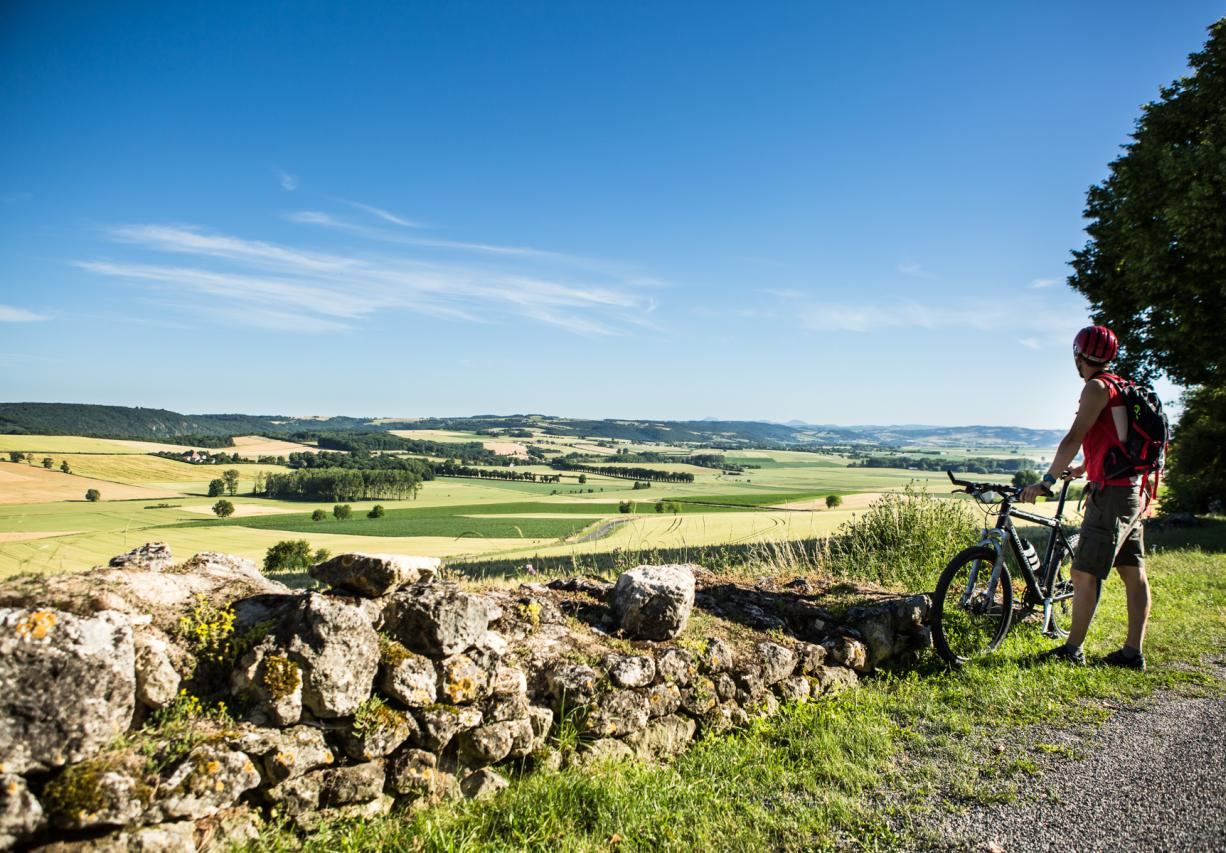
The Grande traversée du Massif Central by gravel bike
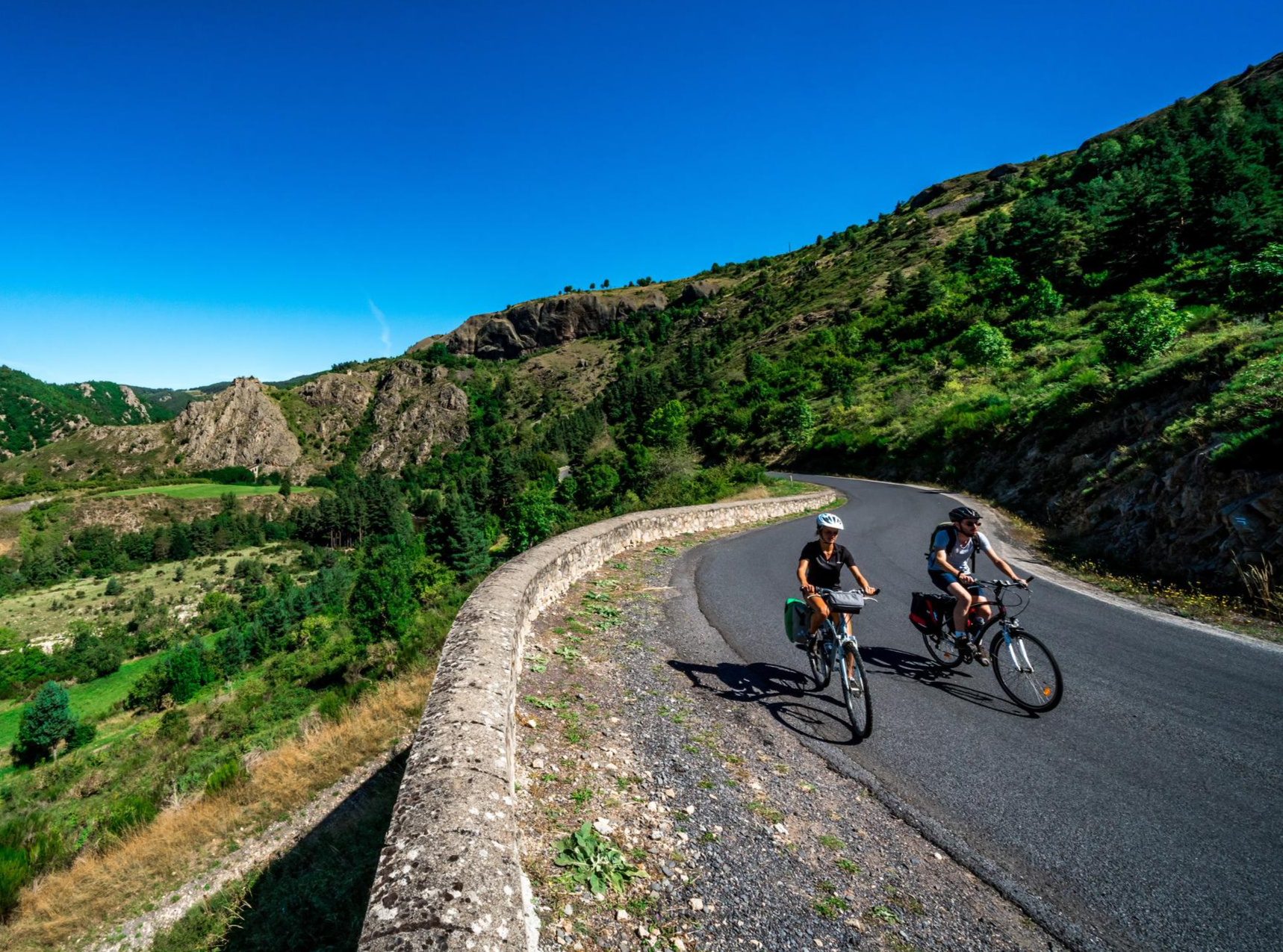
Via Allier – The Auvergne cycle route
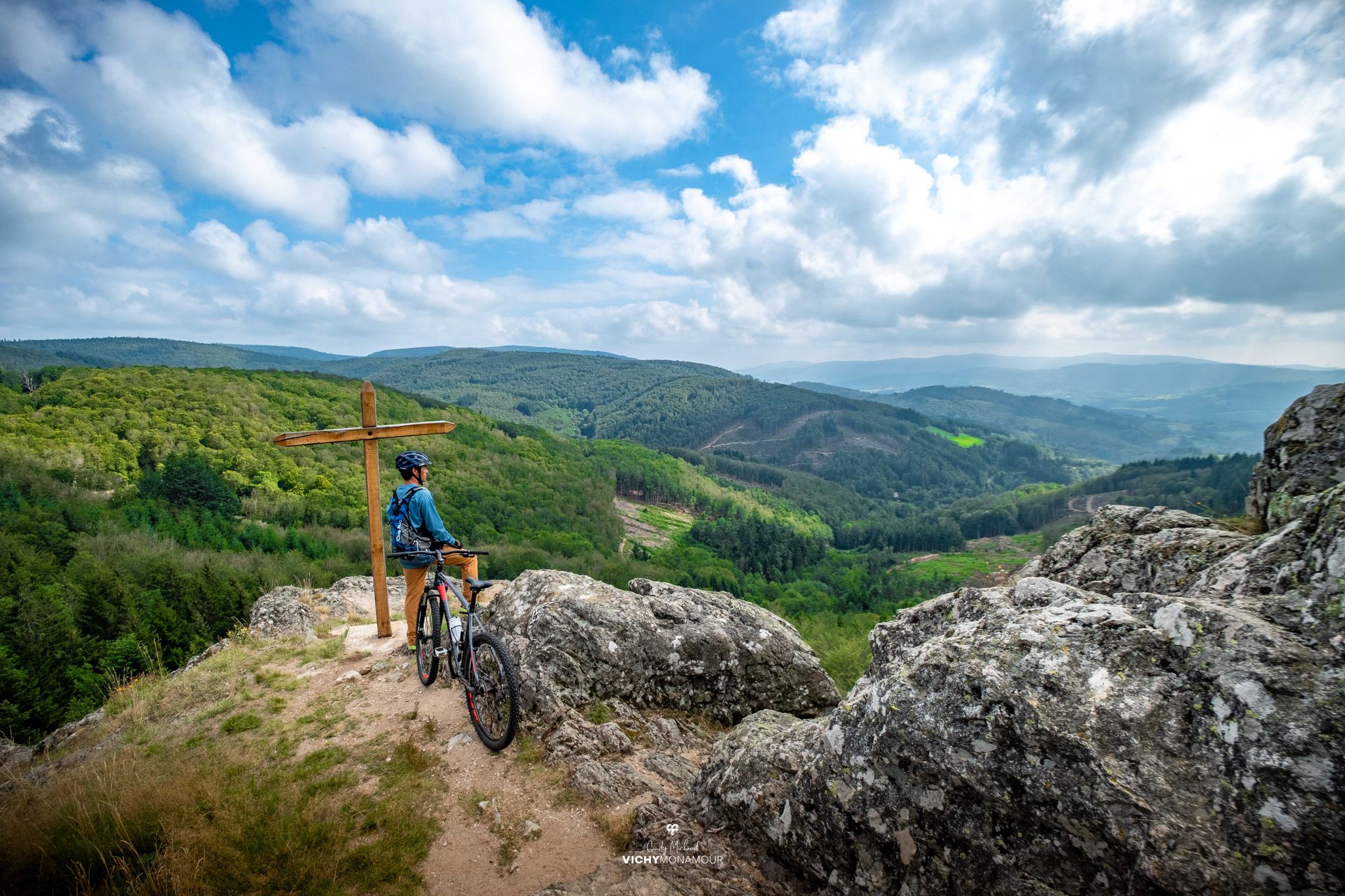
Destination Grand'R — the largest FFC-MTB area in France
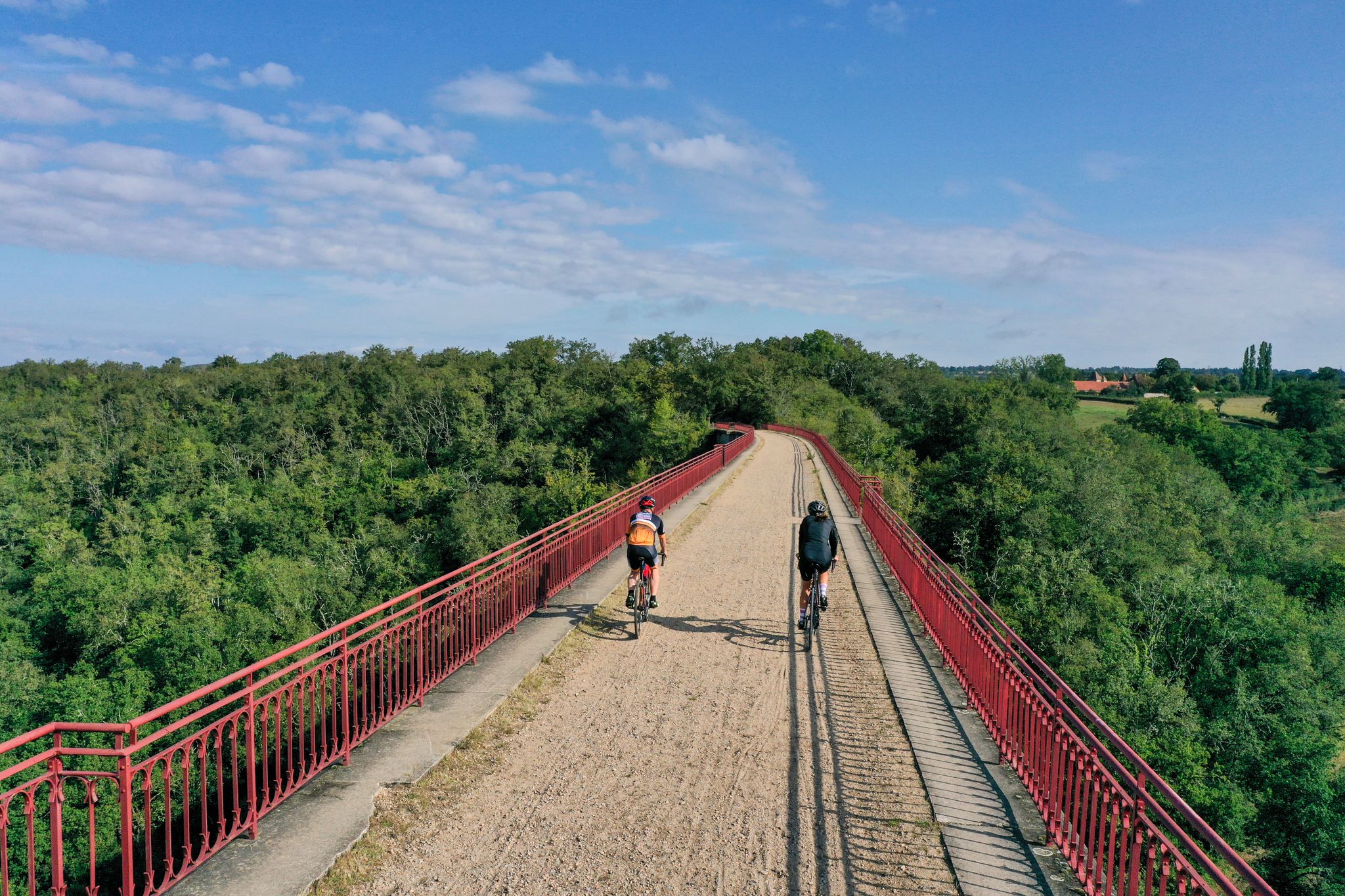
Allier Bourbonnais by bike – mythical routes and secret escapes
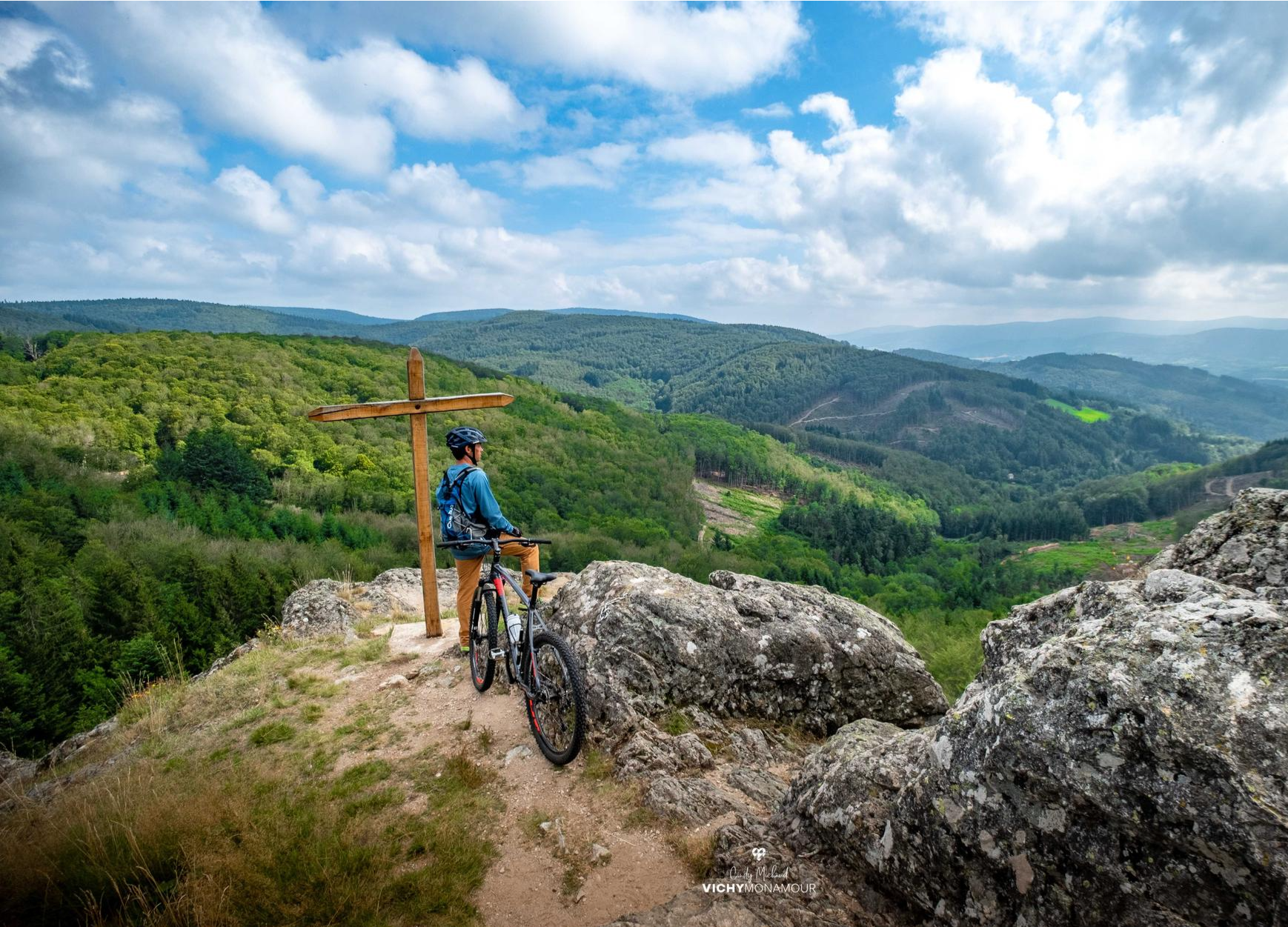
Discover the Vichy Montagne Bourbonnaise — roll, breathe, radiate
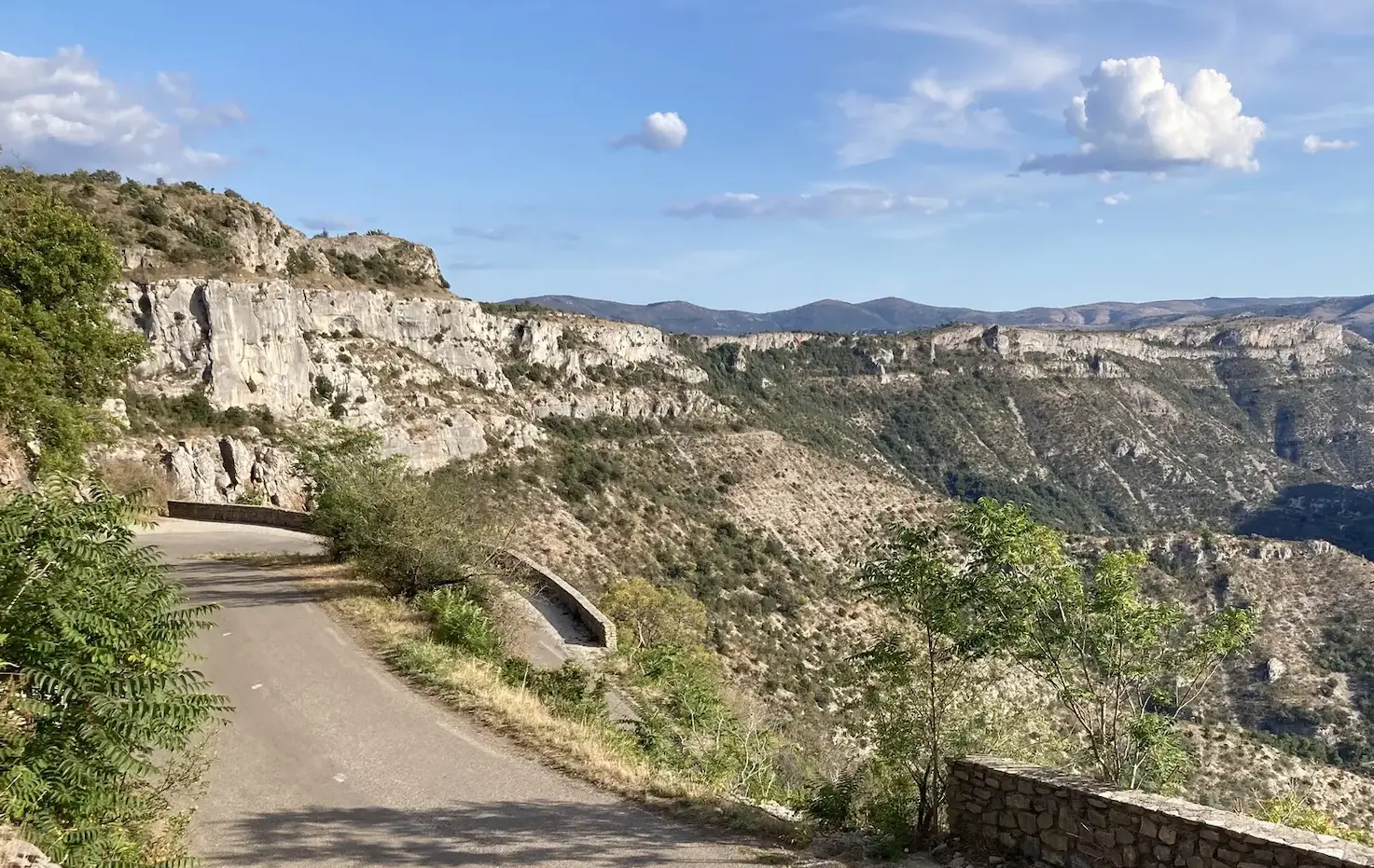
From north to south - On the slopes of the GTMC
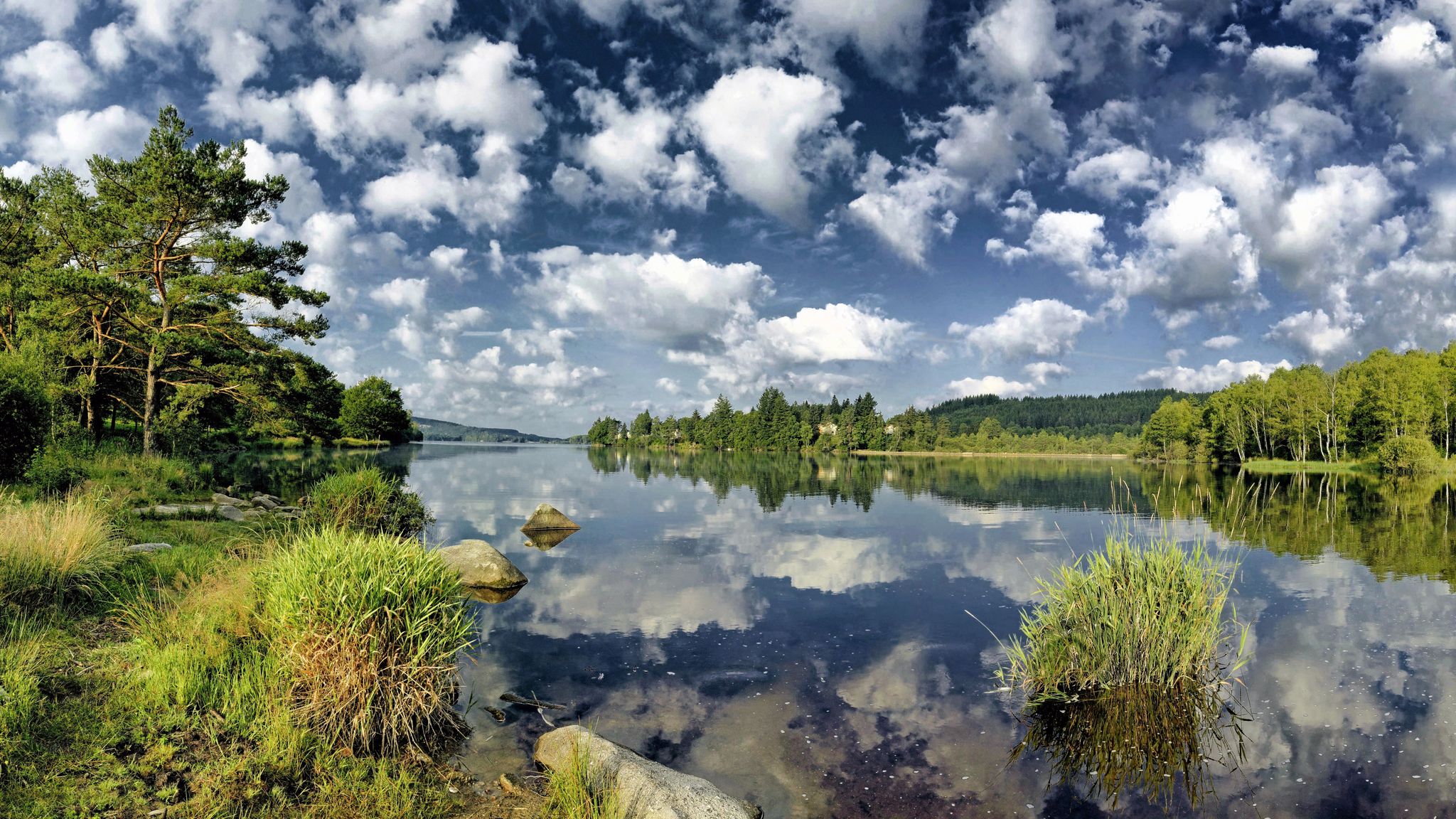
A bike Tour through the heart of France – La Vagabonde
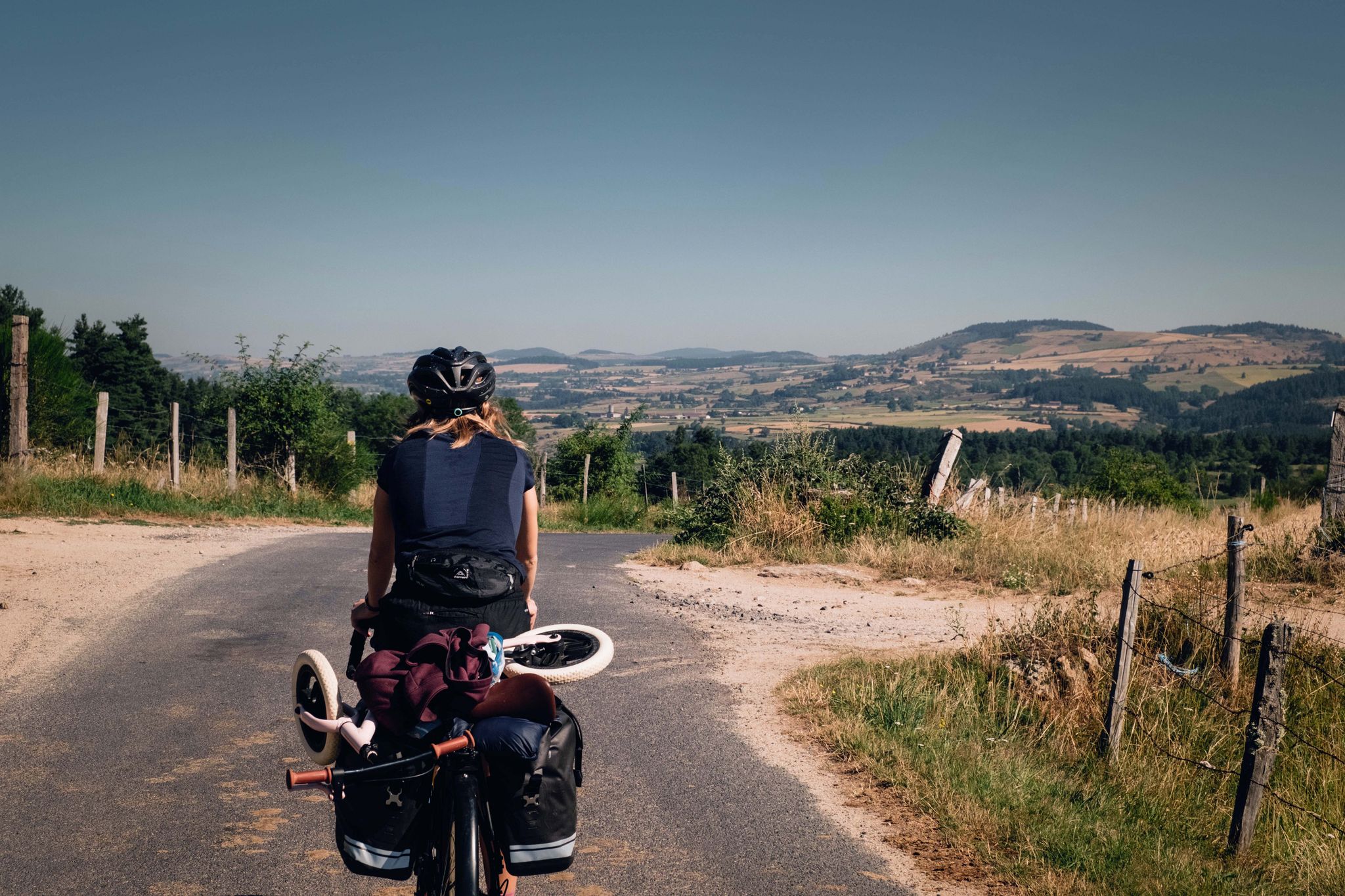
Via Allier – discovering the Auvergne by bike
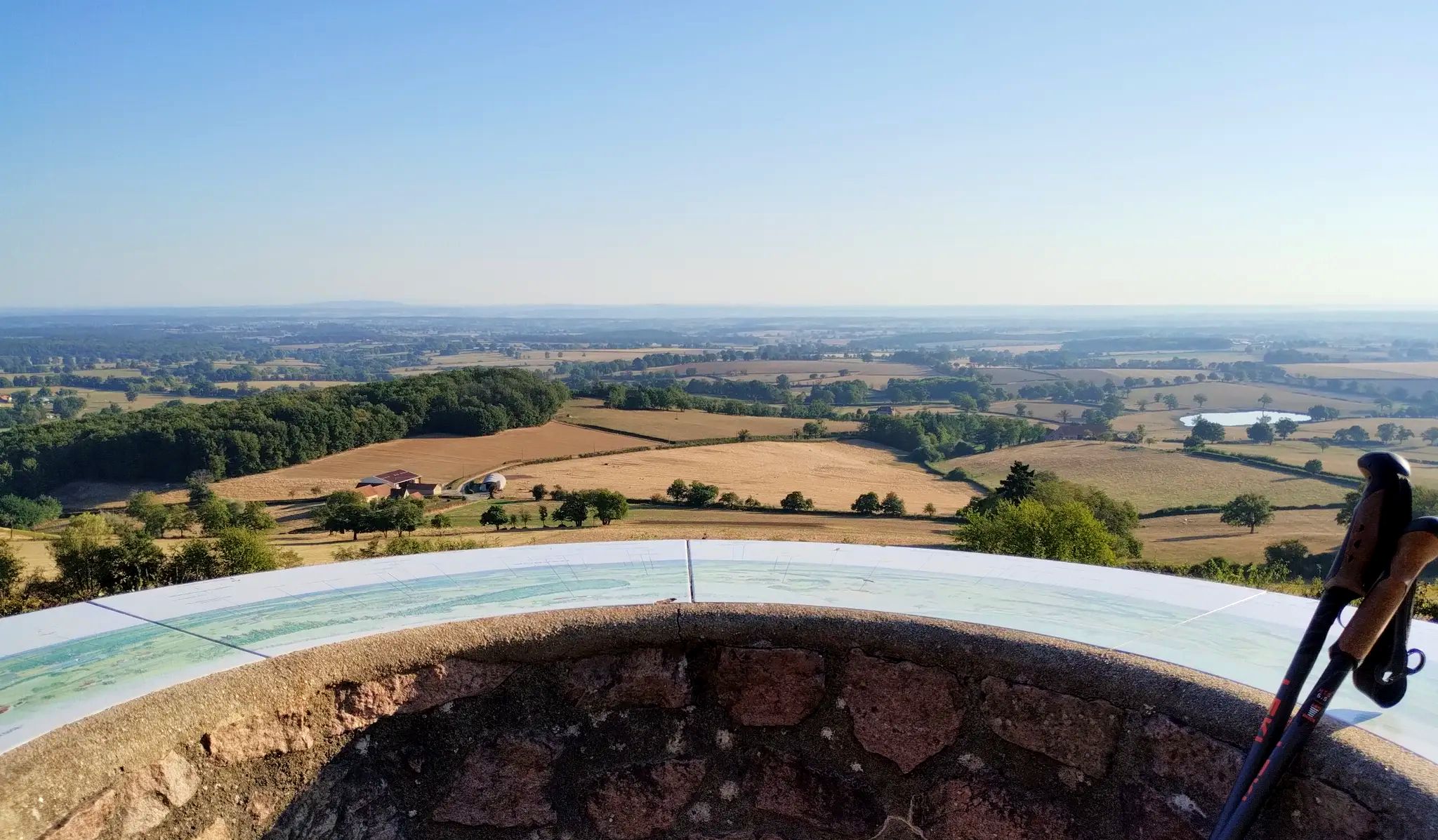
The Loire from ocean to source – GR 3 between Gilly-sur-Loire and Chabreloche
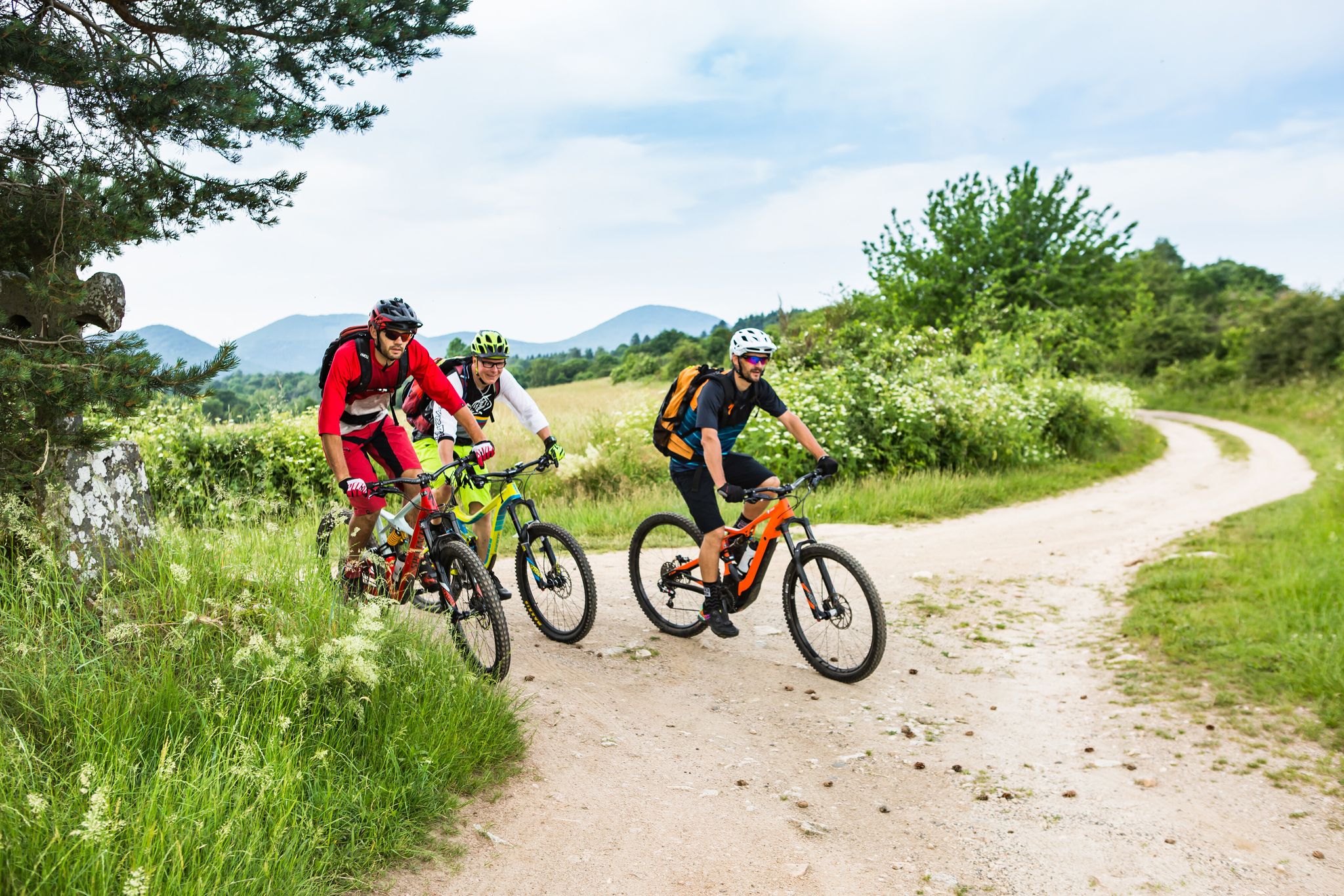
Conquering the trails – Auvergne by MTB
Other adventures in Allier


Tips from the Community

La Palice or Lapalisse: "A quarter of an hour before his death, he was still alive". Hilly route on the outskirts of the Bourbonnais mountains 30 km north-east of Vichy
0
0

A marvel of our beautiful Bourbonnais mountains
0
0

The name Fourchaud seems to come from “Fourche”, as the Gallo-Roman road branched off there, coming from Bourges and leading either to Lyon or Clermont-Ferrand.
4
0

Montgilbert Castle is a ruined medieval fortress dating back to the 13th century. Visitors can explore the remains of the two concentric walls, the towers, the chapel, and the seigneurial residence, and imagine the lives of the lords and soldiers who inhabited this strategic site. The castle is located on a rocky hill overlooking the Vareille Valley and offers panoramic views of the surrounding countryside. Montgilbert Castle is open to visitors year-round and admission is free.
0
0
The keep of the former Bourbon palace is still standing today. Next to it, however, is the beautiful Anne de Beaujeu Pavilion, built at the end of the 15th century (1497 to 1503). It was built for Duchess Anne de Beuajeu (1461 - 1522, also Anne de France), daughter of King Louis XI - and was the first building in France to be designed in the style of the Italian Renaissance.
2
0


Very beautiful village with beautiful hikes to discover
1
0

The name Fourchaud seems to come from “Fourche”, since this is where the Gallo-Roman road which came from Bourges and went either to Lyon or to Clermont-Ferrand separated.
0
0
Frequently Asked Questions
What are some of the most historically significant castles to visit in Allier?
The Allier department is rich in history. You can explore the ancestral home of the House of Bourbon at Château de Bourbon-l'Archambault, which showcases impressive royal architecture. Another significant site is Château de La Palice in Lapalisse, continuously owned by the Chabannes family since 1430, featuring unique Italian Renaissance coffered ceilings. For medieval ruins, Hérisson Castle and Château de Billy offer glimpses into the region's defensive past.
Are there any castles in Allier that offer unique architectural features?
Yes, several castles boast unique architectural elements. Château de La Palice is renowned for its Italian Renaissance coffered ceilings, particularly a gilded salon with perfectly symmetrical, painted rhombuses, which are considered unique in Europe. Château de Bourbon-l'Archambault features a seigneurial loggia, three crenellated north towers, and monumental chimneys reflecting late 13th-century royal architecture. Château de Billy has a distinctive ovoid layout and a hexagonal watchtower known as 'La Guette'.
Which castles in Allier are suitable for families?
For a family-friendly experience, Château de La Palice (Château de La Palice in Lapalisse) offers guided tours and beautiful grounds for strolling. The nearby medieval village of Charroux (Charroux – Medieval Village), classified as one of France's most beautiful villages, also provides a rich historical and cultural experience for all ages, including a candle-making workshop.
Can I visit medieval ruins in Allier?
Absolutely. The Allier region is home to several impressive medieval ruins. Hérisson Castle (Hérisson Castle), an 11th-century fortress destroyed in 1652, offers extensive remains and views of the Aumance river. Château de Billy, a 12th-century fortress, allows visitors to explore its defensive architecture and enjoy panoramic views of the Allier valley. Château de Montgilbert (Château de Montgilbert) is another ruined 13th-century fortress, open year-round with free admission.
What kind of outdoor activities can I do near the castles in Allier?
The Allier region offers various outdoor activities. You can find numerous cycling routes, such as the 'Vichy and the Billy fortress - loop in the Val d'Allier' or 'Moulins and the banks of the Allier — loop via the beaver path'. For hiking, explore trails like the 'Etang de Saint-Bonnet-Tronçais — loop' or the 'Cher Gorges: Along the Water Trail'. You can find more details on these and other routes in the Cycling in Allier and Hiking in Allier guides.
Are there castles in Allier with notable gardens?
Yes, Château de Busset (Château de Busset), built at the end of the 13th century, features gardens registered as a historic monument. These include a French-style park and an Italian-style garden, offering a beautiful setting to explore.
What is the best time of year to visit castles in Allier?
Many castles in Allier, such as Château de Billy, are open from April to October, making spring, summer, and early autumn ideal for visits. This period generally offers pleasant weather for exploring outdoor ruins and castle grounds. Some sites like Château de Montgilbert are open year-round, but checking specific opening hours for each castle is recommended.
Are there any castles in Allier that offer panoramic views?
Yes, several castles provide excellent panoramic views. From the top of its towers, Château de Bourbon-l'Archambault offers an exceptional panoramic view of the town and surrounding countryside. The southern curtain wall of Château de Billy includes a walkway that provides splendid views of the Allier valley, extending to the Monts d'Auvergne. Additionally, Château de Montgilbert, situated on a rocky hill, overlooks the Vareille valley with scenic vistas.
What do visitors enjoy most about the castles in Allier?
Visitors appreciate the diverse architectural styles and historical significance of the castles, ranging from medieval fortresses to Renaissance châteaux. The komoot community particularly enjoys exploring the ruins of places like Hérisson Castle and the historical depth of sites like Château de La Palice. The blend of natural landscapes and cultural heritage, along with the opportunity for outdoor activities nearby, also contributes to a rich visitor experience.
Are there any private castles in Allier that are still historically significant?
Yes, Château de Montfand in Louchy-Montfand is a private residence listed as a Historic Monument since 1975. While it's a private dwelling, its status and ancient origins, with vestiges dating back to the 11th and 12th centuries, make it an important historical landmark showcasing different architectural styles found in the Bourbonnais region.
Can I find accommodation or amenities near the castles in Allier?
The towns surrounding the castles often offer amenities. For instance, the town of Lapalisse, home to Château de La Palice, is a charming stopover with other historical buildings. Bourbon-l'Archambault, near Château de Bourbon-l'Archambault, is known for its thermal waters and attracts visitors. While specific cafes, pubs, or accommodations are not detailed for every castle, exploring the nearby towns will provide options.
Is public transport available to reach castles in Allier?
While specific public transport details for every castle are not readily available, towns like Bourbon-l'Archambault, where Château de Bourbon-l'Archambault is located, are generally accessible. For detailed information on reaching specific castles via public transport, it is advisable to check local tourism resources or the official websites of the castles you plan to visit.
Most popular routes in Allier
Most popular attractions in Allier

Get inspired with the komoot mobile app


Explore more
Looking for the best castles somewhere else? Discover other guides in Allier:
