The best gravel rides around Puebla De Guzmán
19
riders
9
rides
Gravel biking around Puebla de Guzmán offers diverse terrain across the Andévalo region of Huelva province, Spain. The landscape features a mix of open plains, small hills, and gentle slopes, often covered in Mediterranean vegetation. Numerous tracks and paths, many originating from the area's mining past and agricultural use, provide varied routes for gravel riders. These trails often lead through serene rural scenery and past historical sites.
Best gravel bike trails around Puebla De Guzmán
- The most popular gravel bike…
Last updated: October 15, 2026
5
riders
Hard gravel ride. Very good fitness required. Mostly paved surfaces. Suitable for all skill levels.
2
riders
29.0km
02:10
270m
270m
Moderate gravel ride. Good fitness required. Mostly paved surfaces. Suitable for all skill levels.

5
riders
77.7km
04:53
920m
920m
Hard gravel ride. Very good fitness required. Mostly paved surfaces. Suitable for all skill levels.
1
riders
Hard gravel ride. Very good fitness required. Mostly paved surfaces. Suitable for all skill levels.
2
riders
41.9km
02:39
470m
470m
Hard gravel ride. Very good fitness required. Mostly paved surfaces. Suitable for all skill levels.
Get access to more routes and recommendations from other explorers.
Already have an account?
Our route recommendations are based on thousands of hikes, rides, and runs completed by other people on komoot.
Start today with a free account
Your next adventure awaits.

Tips from the Community

The ruins of the Minas de São Domingos, located in the municipality of Mértola, Alentejo, constitute one of the most impressive and enigmatic abandoned industrial settings on the Iberian Peninsula. With origins dating back to Roman times, the complex experienced its peak under British management by the company Mason & Barry from 1854 onwards, becoming a true industrial enclave focused on the massive extraction of copper pyrite and sulfur until its closure in 1966. The abandonment gave way to an almost apocalyptic landscape, where reddish soils, acidic waters, and old degraded masonry structures attract photographers, the curious, and industrial tourism enthusiasts.👍🥾🚲
0
0

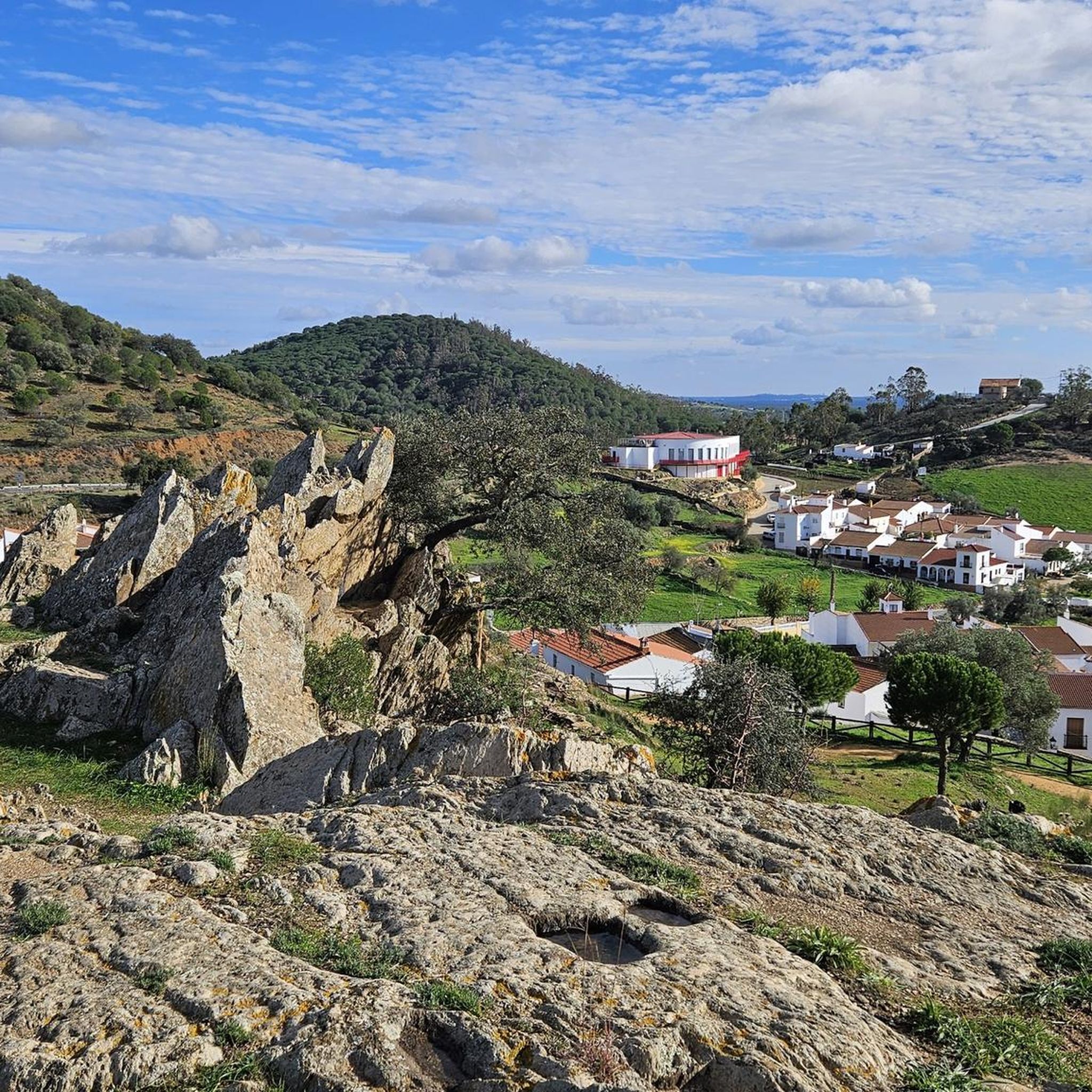
Eagle Hill offers spectacular views of the Andévalo region, the Sierra de Aracena, the Huelva coast, and even Portugal. The natural surroundings and the hill's altitude make the hermitage a privileged viewpoint.
1
0
The Hermitage of Our Lady of La Peña in Puebla de Guzmán (Huelva) is one of the most emblematic sites in the Andévalo region, both for its religious significance and its cultural and scenic importance. It is located on Cerro del Águila (Eagle Hill), about 4 km from the town center of Puebla de Guzmán. Origin: Probably built in the 16th century, although the most significant works were carried out in the 17th century. Style: Latin cross floor plan, with a single nave covered by a wooden truss roof. The crossing is crowned by a hemispherical dome on pendentives.
1
0
The Hermitage of Our Lady of La Peña in Puebla de Guzmán (Huelva) is one of the most emblematic sanctuaries in the Andévalo region of Huelva province, with a deep spiritual, artistic, and cultural tradition. Location: On Cerro del Águila (Eagle Hill), about 4 km from the town center. Origin: Probably built in the 16th century, with significant renovations in the 17th century, 1960, and 1992. Founding legend: According to tradition, the Virgin Mary appeared to the shepherd Alonso Gómez in the 15th century, who was instructed to build a hermitage on that site.
4
0
The Church of the Holy Cross in Puebla de Guzmán (province of Huelva, Andalusia) is a temple of great historical, artistic, and spiritual value. Original construction: Late 16th and early 17th centuries. It was praised in 1645 by Francisco de Rada. Between 1748 and 1757, significant renovations were carried out, including a new main chapel whose roof was converted into a watchtower. It suffered severe damage during a fire in July 1936, at the beginning of the Spanish Civil War. It was rebuilt by the architect José María Pérez Carasa.
4
0

With the beginning of mining and the development of the village, an imposing Catholic church was built near this site and consecrated in 1863. This church was destroyed twice, in 1876 and by fire in August 1938. The current church was not completed until 1951.
1
0
Located in the tranquil setting of the Barragem da Tapada Grande reservoir, this river beach of the same name is a very pleasant recreational area with a sandy beach, lawns, and comprehensive infrastructure. Nearby is the village of Minas de São Domingos, which was developed in connection with the now-defunct mining operations.
4
1
Restaurant, far from the tourist crowds, menu only in Portuguese, very inexpensive, giant steak for 10 euros, great.
2
1
Frequently Asked Questions
What kind of terrain can I expect on gravel bike trails around Puebla de Guzmán?
The gravel bike trails around Puebla de Guzmán offer a diverse landscape, ranging from open plains and small hills to gentle slopes. You'll often find yourself surrounded by Mediterranean vegetation, and many routes utilize tracks and paths left from the area's mining past and agricultural use. Expect a mix of smooth gravel tracks, especially around old mine sites, and wider paths through rural scenery.
Are there gravel bike trails for different skill levels in Puebla de Guzmán?
Yes, the area provides options for various abilities. While there are no easy routes listed, you can find moderate trails that offer views of agricultural landscapes, as well as several difficult routes that traverse more varied terrain and longer distances, including sections through old mining areas.
What historical sites or natural attractions can I see while gravel biking in Puebla de Guzmán?
Many gravel routes pass by significant historical and natural attractions. You can explore the unique landscapes of old mining areas like the Mina de São Domingos and the Achada do Gamo Copper Mine Ruins, which offer a 'lunar landscape' experience. Other notable sights include the Hermitage of La Peña on Cerro del Águila, offering panoramic views, and the Rest area by the lake.
Are there any long-distance gravel routes in the Puebla de Guzmán area?
Yes, for those seeking a longer adventure, the area features routes like the Rest area by the lake – Dirt road through the mines loop from Parque Estacionamento da Praia fluvial da Tapada Grande, which spans 75.5 miles (121.5 km) and typically takes over 9 hours to complete. Another substantial option is the View of San Silvestre loop from Villanueva de los Castillejos, covering 48.5 miles (78.0 km).
What is the best time of year for gravel biking in Puebla de Guzmán?
Given the Mediterranean climate and vegetation, spring and autumn are generally the most pleasant seasons for gravel biking in Puebla de Guzmán. The weather is typically mild, and the natural scenery is vibrant. Summers can be very hot, while winters are usually mild but can have more rainfall.
Can I find circular gravel bike routes around Puebla de Guzmán?
Yes, many of the gravel bike routes in the area are designed as loops, allowing you to start and finish at the same point. Examples include the Rest area by the lake – Dirt road through the mines loop from Parque Estacionamento da Praia fluvial da Tapada Grande and the Rest area by the lake – Dirt road through the mines loop from Moreanes, offering convenient circular options.
Are there any routes that specifically explore the old mining landscapes?
Absolutely. The region's mining heritage is a significant feature of its gravel biking landscape. Routes like the Mina de Sabores Restaurant – Corte do Pinto Church loop from Mina de São Domingos take you directly through these unique areas, offering a glimpse into the past with their distinctive 'lunar' terrain and remnants of industrial activity.
Are there family-friendly gravel bike trails in Puebla de Guzmán?
While specific 'easy' routes are not highlighted, the region's landscape includes wide tracks and gentle slopes that could be suitable for families with some biking experience. Look for routes described as 'moderate' or those that follow the 'Camino de la Pared' along the Rivera de la Cobica, which are known for their wide tracks and varied ecosystems.
What kind of views can I expect on the gravel routes?
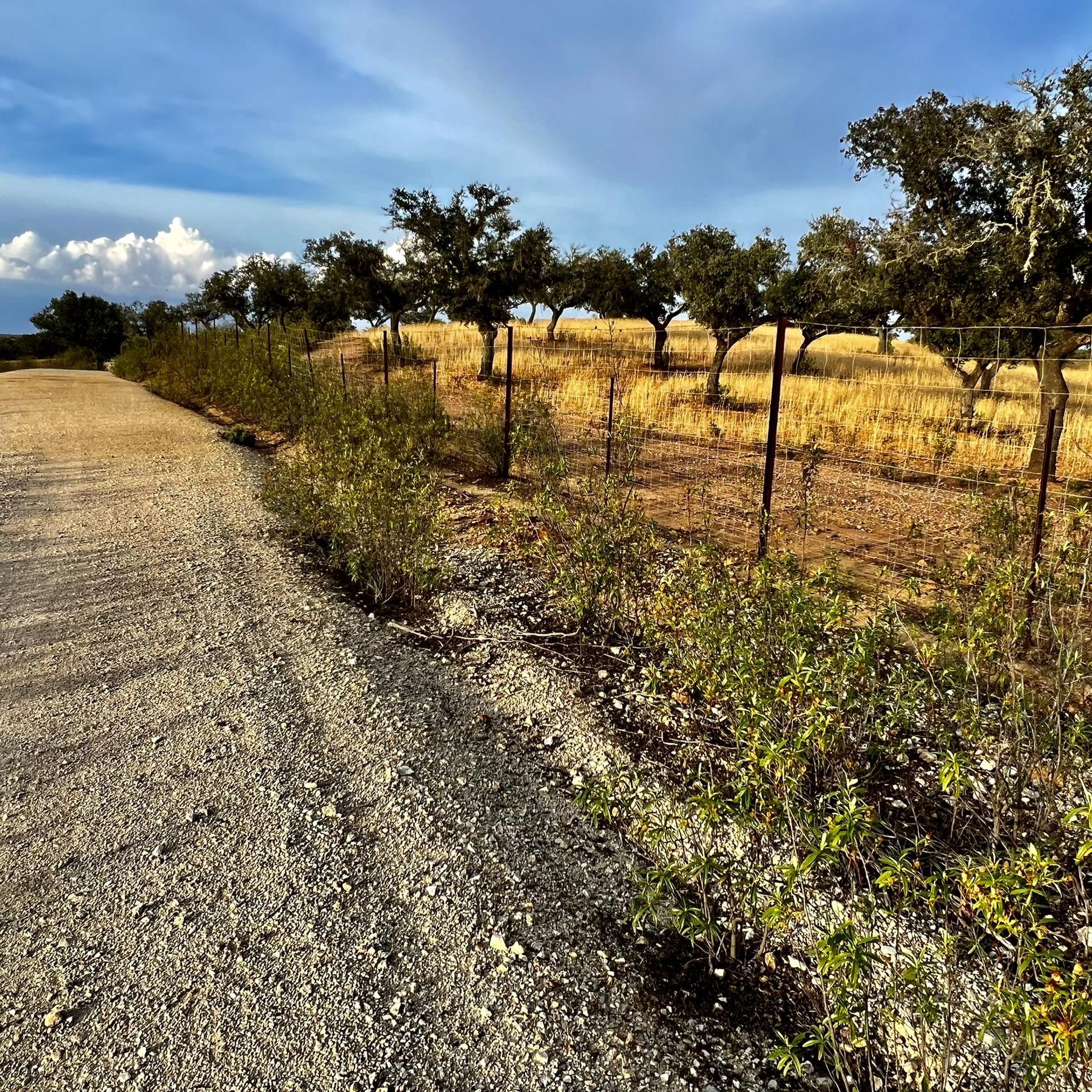
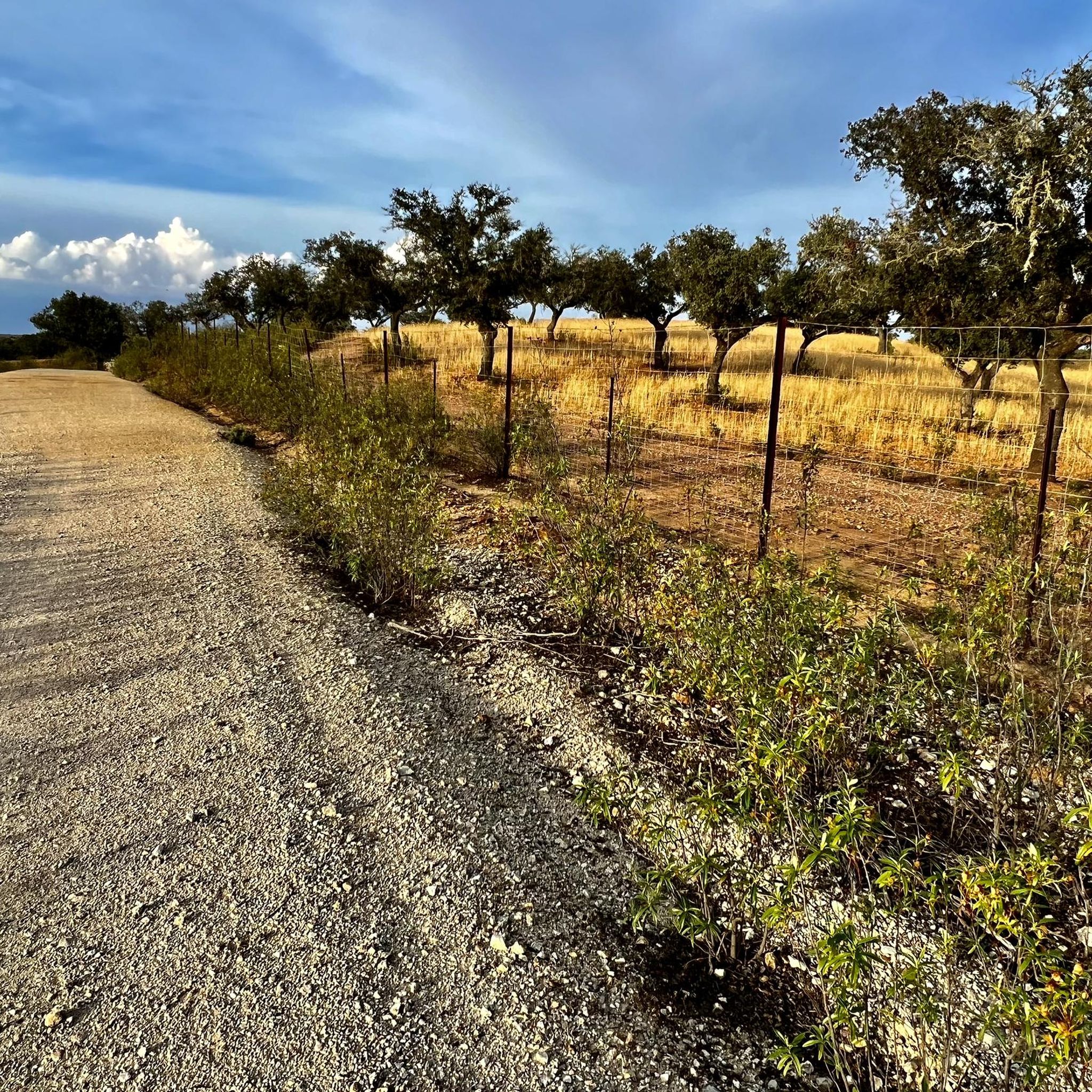
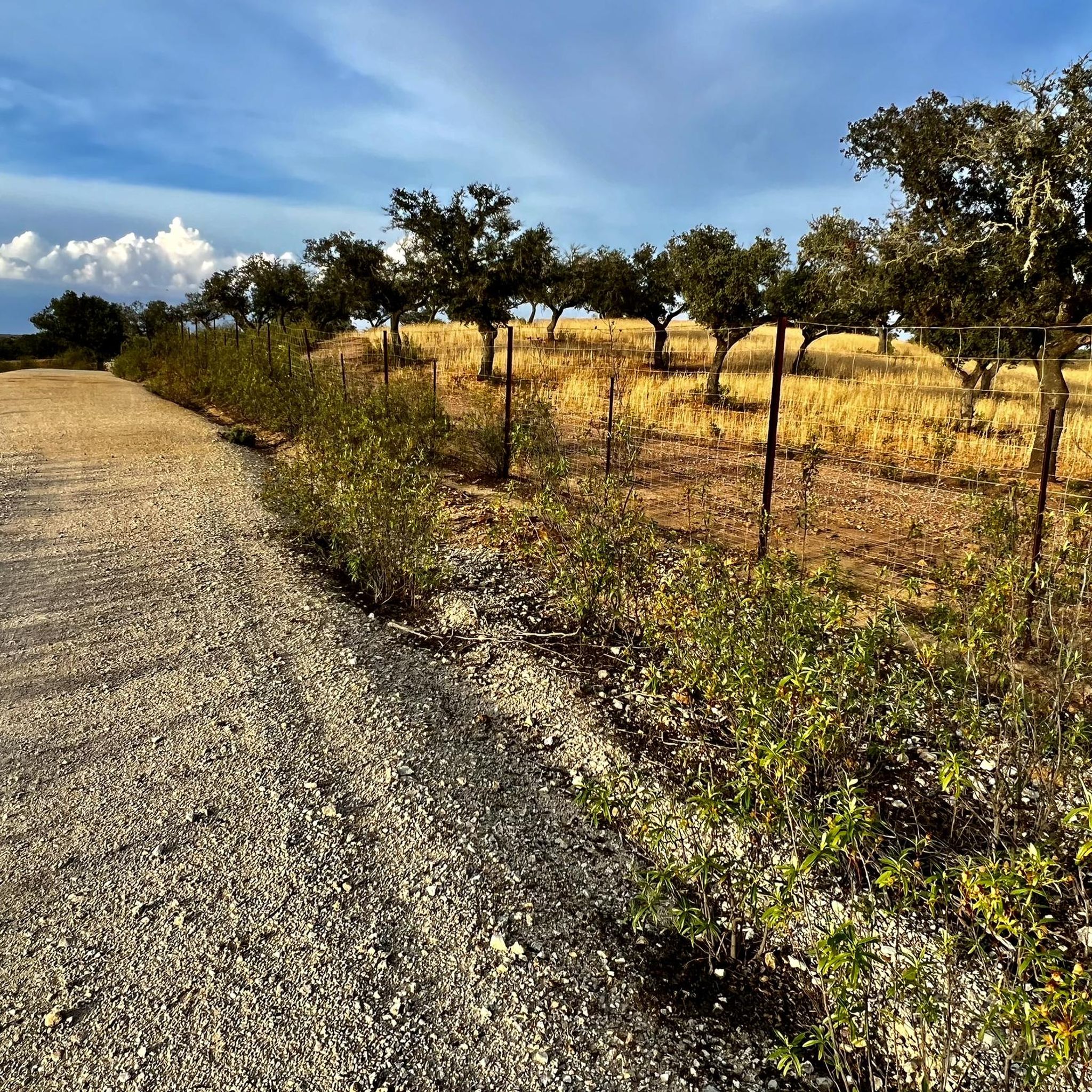
The gravel routes offer diverse and rewarding views. You'll encounter panoramic vistas from elevated points like Cerro del Águila, agricultural landscapes with olive groves and cereal fields, and serene rural scenery. The old mining areas provide a unique visual contrast with their distinctive, almost 'lunar' appearance.
How many gravel bike trails are available in the Puebla de Guzmán area?
There are at least 6 gravel bike trails documented on komoot for the Puebla de Guzmán area, offering a range of distances and difficulties for exploration.
Are there any routes that pass by windmills or other historical structures?
Yes, the area has historical structures beyond the mines. For instance, the La Solana Windmill – El Granado loop from Villanueva de los Castillejos passes by the restored Molino de la Horca (La Solana Windmill), a 19th-century mill that offers panoramic views of the Andévalo region.
What are the typical elevation changes on gravel bike routes here?
The elevation changes vary significantly depending on the route's difficulty and length. Moderate routes might have around 270-300 meters of ascent, while more difficult and longer routes, such as the 75.5-mile loop, can involve over 1300 meters of elevation gain, providing a good challenge for experienced riders.
Most popular routes around Puebla De Guzmán
Most popular attractions around Puebla De Guzmán

Get inspired with the komoot mobile app


Explore more
Browse the best Gravel rides in other regions.
