Top 20 Castles in Doubs
Castles in Doubs offer a journey through centuries of history in the French Jura mountains. The department is characterized by its strategic location, with the Doubs River winding through valleys and hills. This region features a diverse landscape, from river plains to mountainous terrain, which historically influenced the placement of its many fortifications. The cultural significance of Doubs is reflected in its well-preserved military architecture and historical sites.
Best castles in Doubs
- The most popular castles is Citadel of Besançon…
Last updated: May 3, 2026
Citadel of Besançon
Highlight • Viewpoint
Construction of the Citadelle began in 1668 under the direction of the …
Translated by Google •
Tip by

View of the Besançon citadel from the greenway
Highlight • Viewpoint
Translated by Google •
Tip by

Sign up now to discover places like this
Get recommendations on the best single tracks, peaks, & plenty of other exciting outdoor places.
Sign up for free
Vauban Citadel
Highlight • Historical Site
This first access is free and therefore allows you to enter and appreciate …
Translated by Google •
Tip by

La Cluse-et-Mijoux
Highlight • Settlement
Translated by Google •
Tip by

Château de Montfaucon
Highlight • Castle
Of historical interest, the castle also offers the brave who have climbed up there a very beautiful panorama of the city.
Translated by Google •
Tip by
Cléron Castle
Highlight • Historical Site
This medieval castle has been restored …
Translated by Google •
Tip by
Joux Castle
Highlight • Castle
Translated by Google •
Tip by

Passage at the foot of Château de Joux and the ruins of Fort Mahler
Highlight • Castle
Translated by Google •
Tip by

Fort de Chaudanne
Highlight • Historical Site
If it cannot be visited, you can however go around it and appreciate its fortifications as well as the trench …
Translated by Google •
Tip by
Château Peugeot
Highlight • Historical Site
Madame de Préville, the widow of Georges Peugeot (1866-1922) donated it to the city in …
Translated by Google •
Tip by

Sign up for free to discover even more castles in Doubs.
Sign up for free
Already have an account?
Start today with a free account
Your next adventure awaits.
Login or Signup
Popular around Doubs
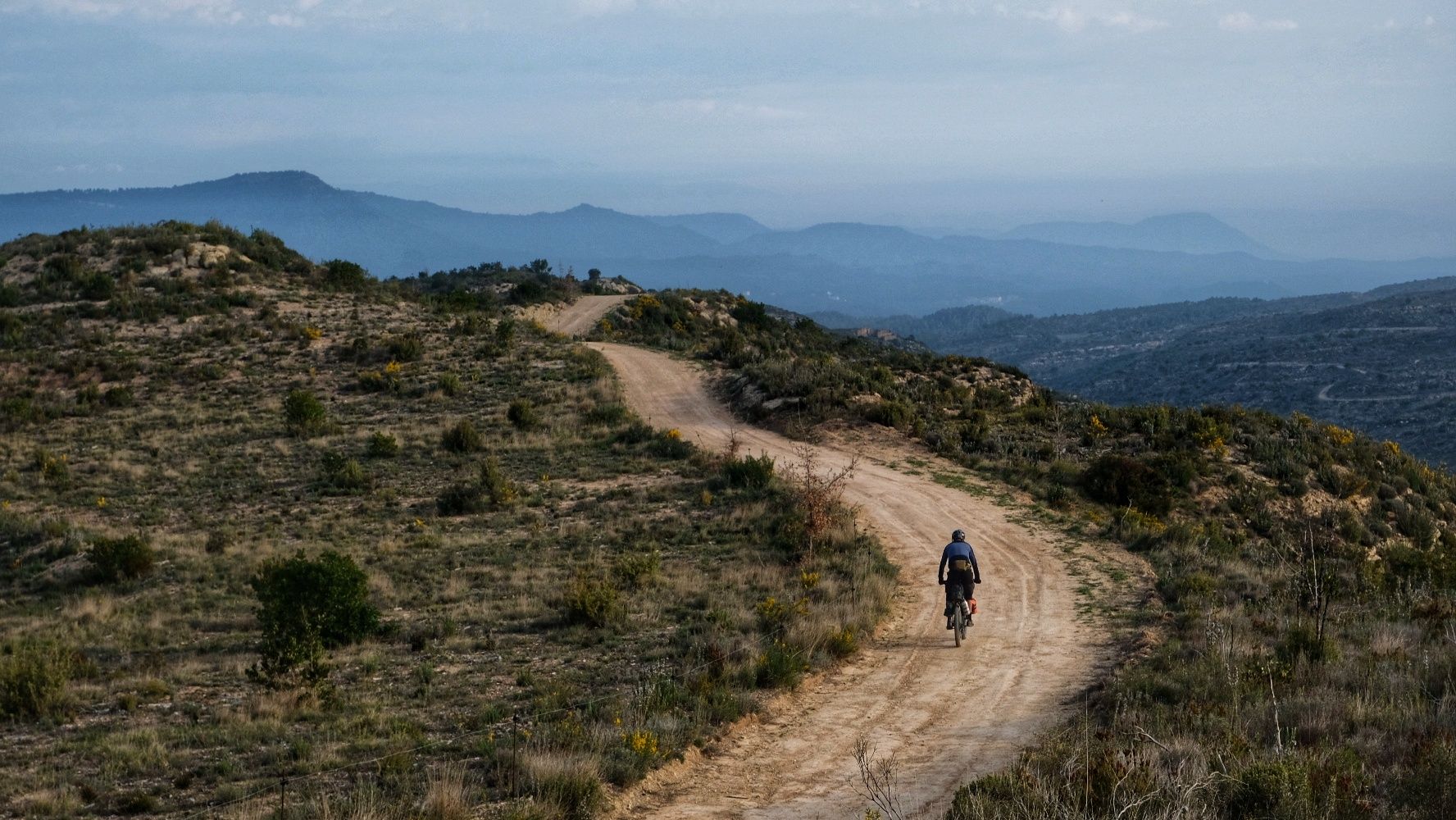
European Divide Trail — 7,600 km across the continent
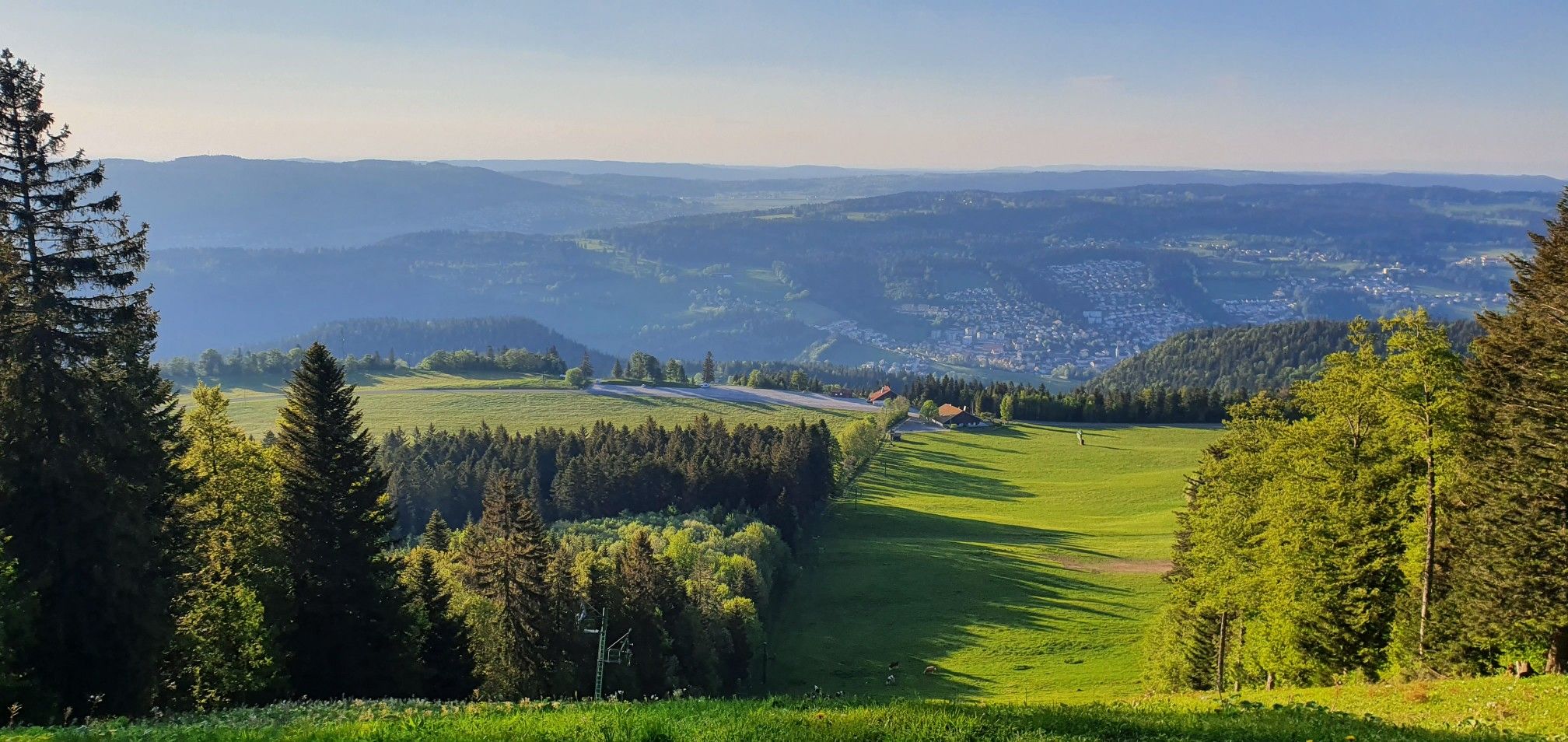
GR 5 – The Europe Trail from the Mediterranean to Germany
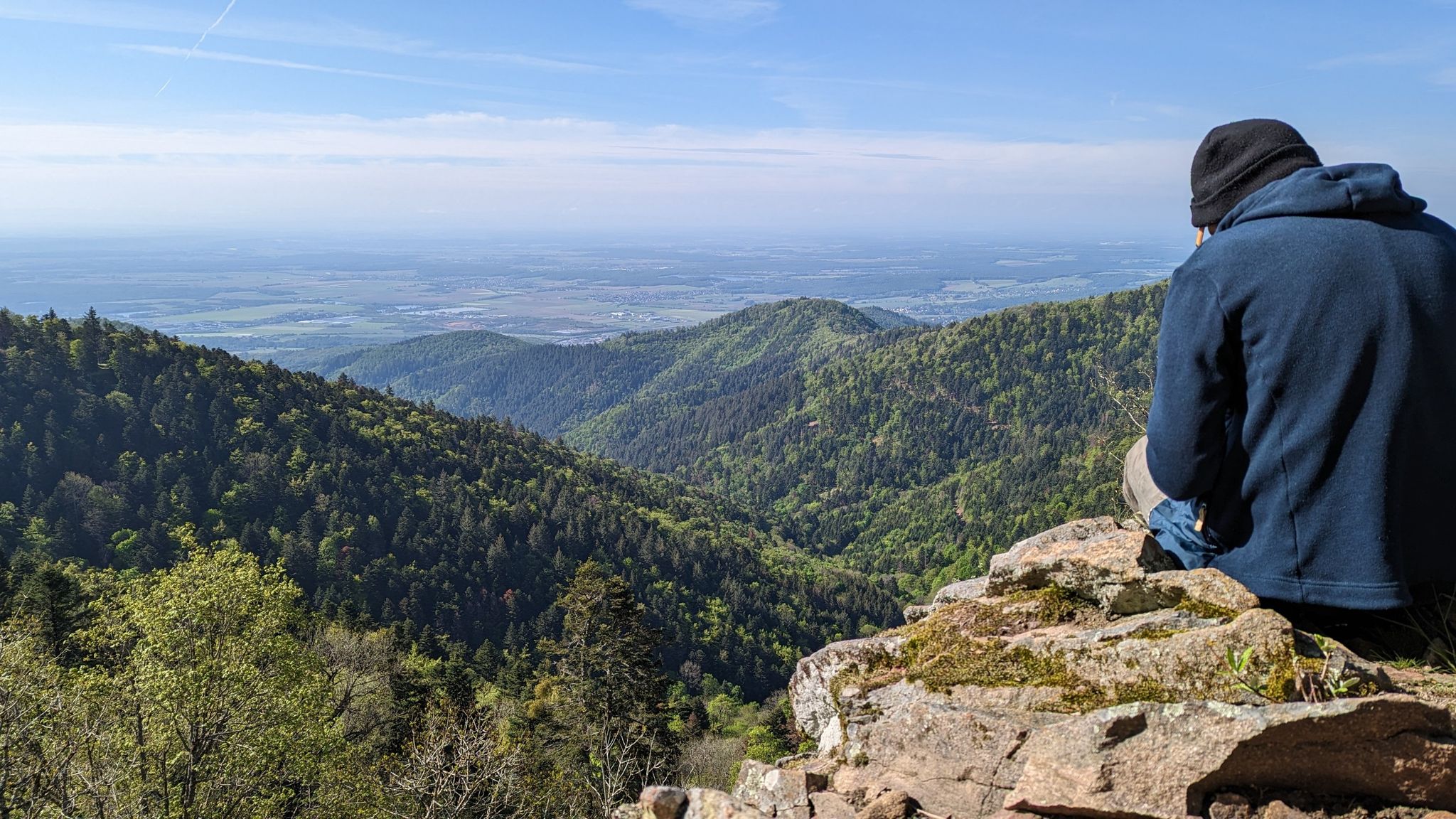
Sentier de l'Europe (GR 5) – Montbéliard to Abreschviller
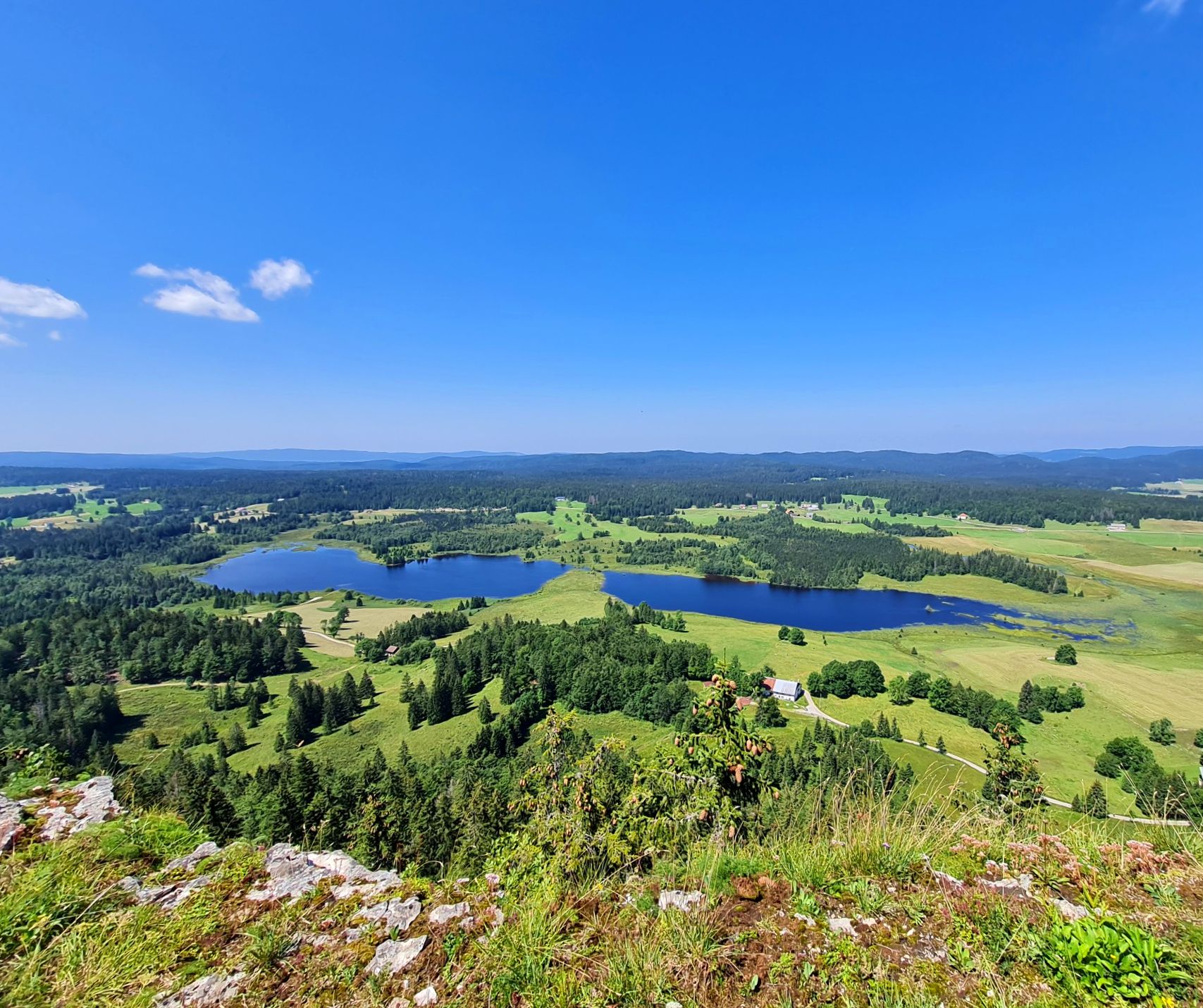
The Europe Trail – GR 5 from Nyon to Montbéliard
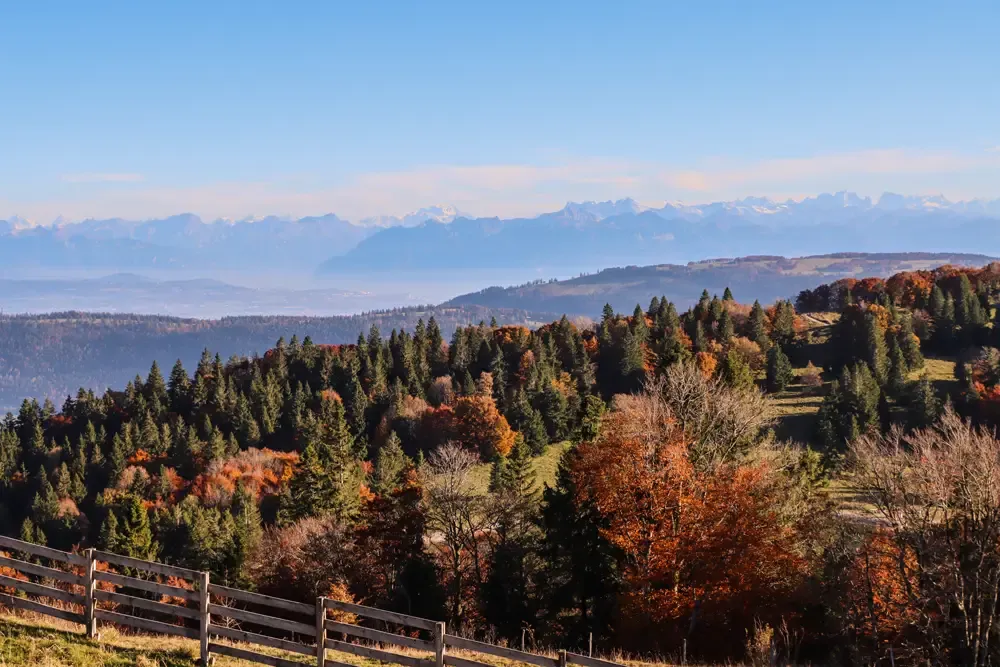
Grande Traversée du Jura en VTT — The Great Crossing of the Jura by MTB
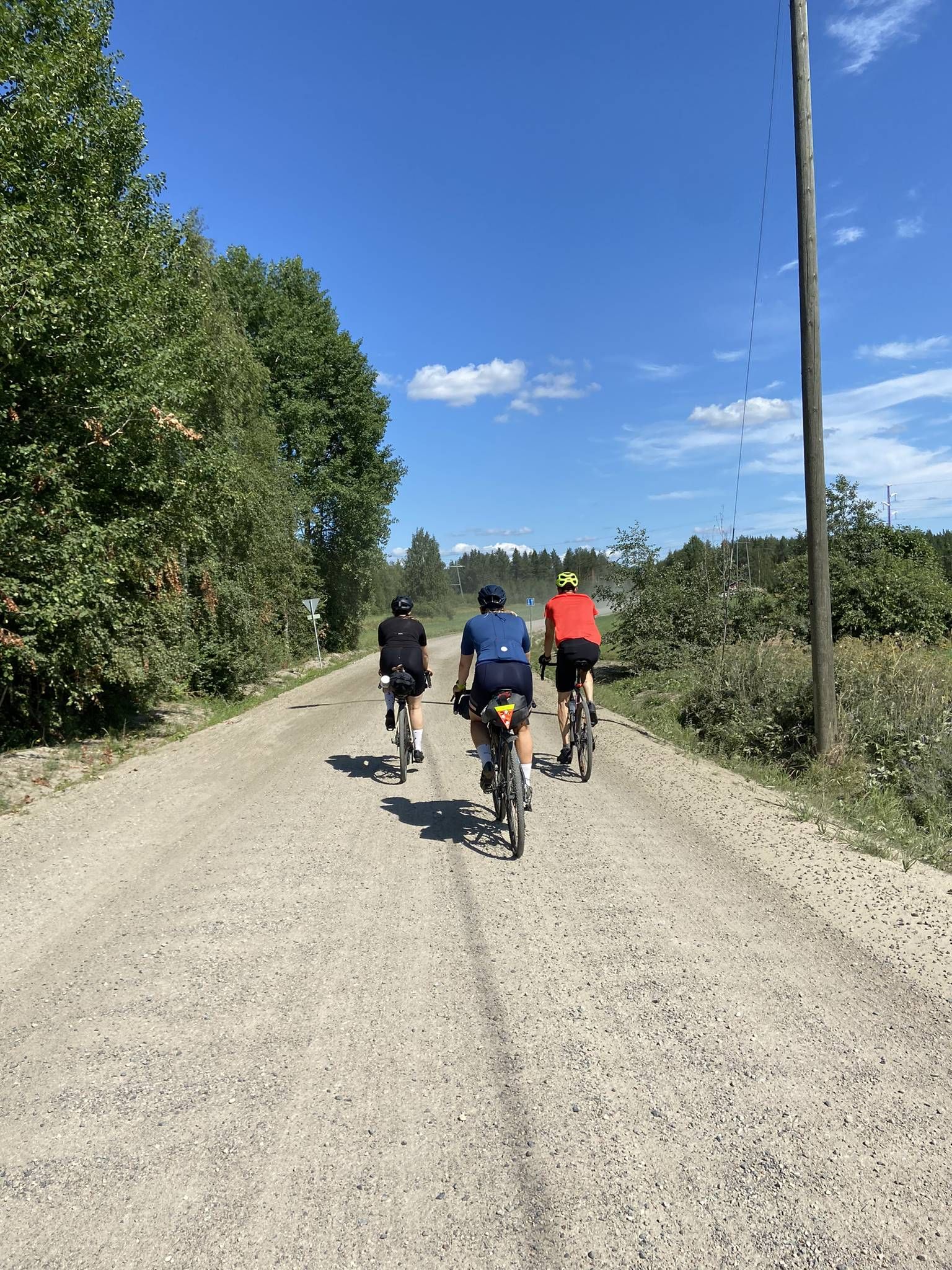
Naples to North Cape — Two friends, one purpose and many scoops of ice-cream
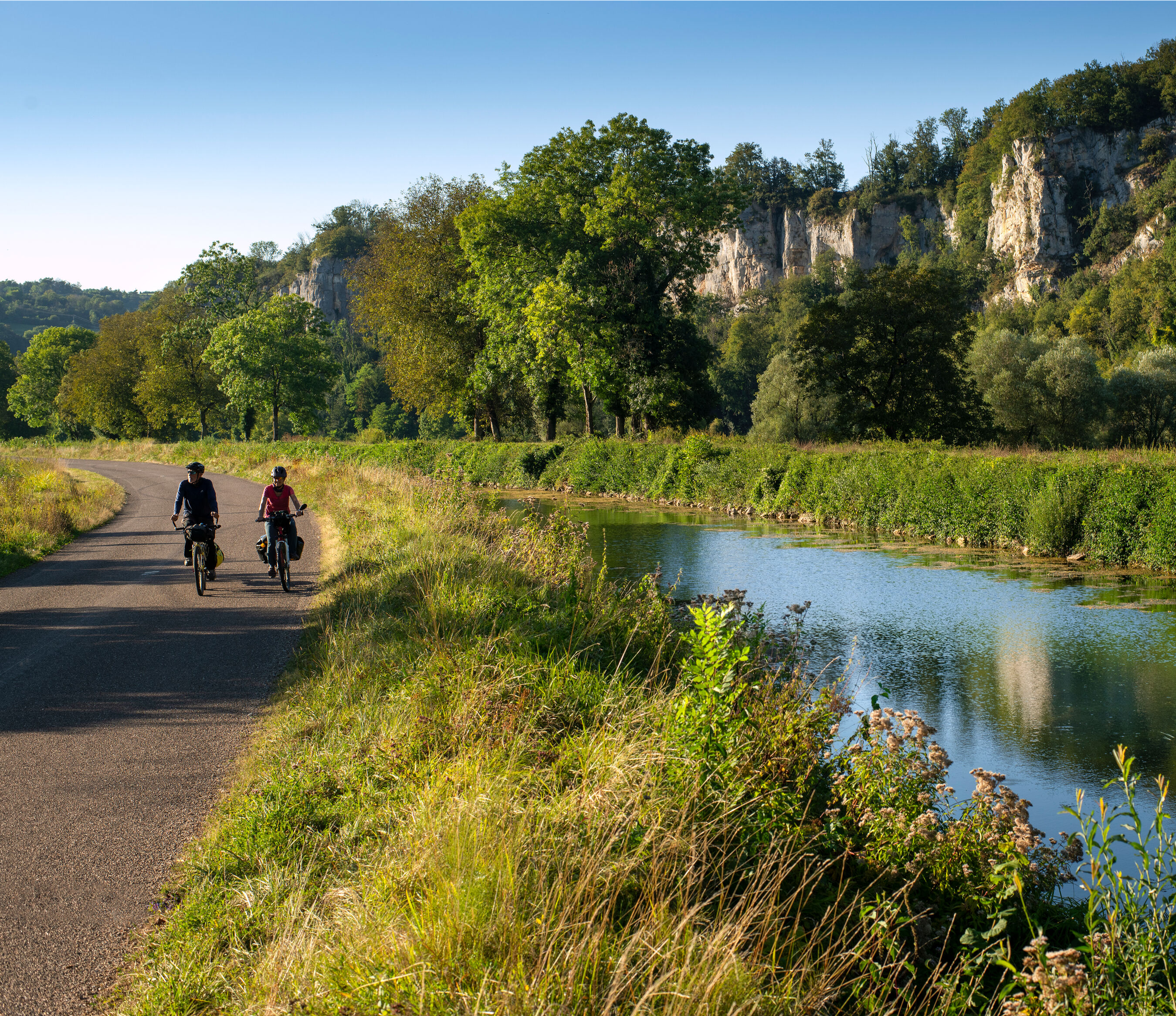
Burgundy-Franche-Comté by bike – between vineyards and peaks
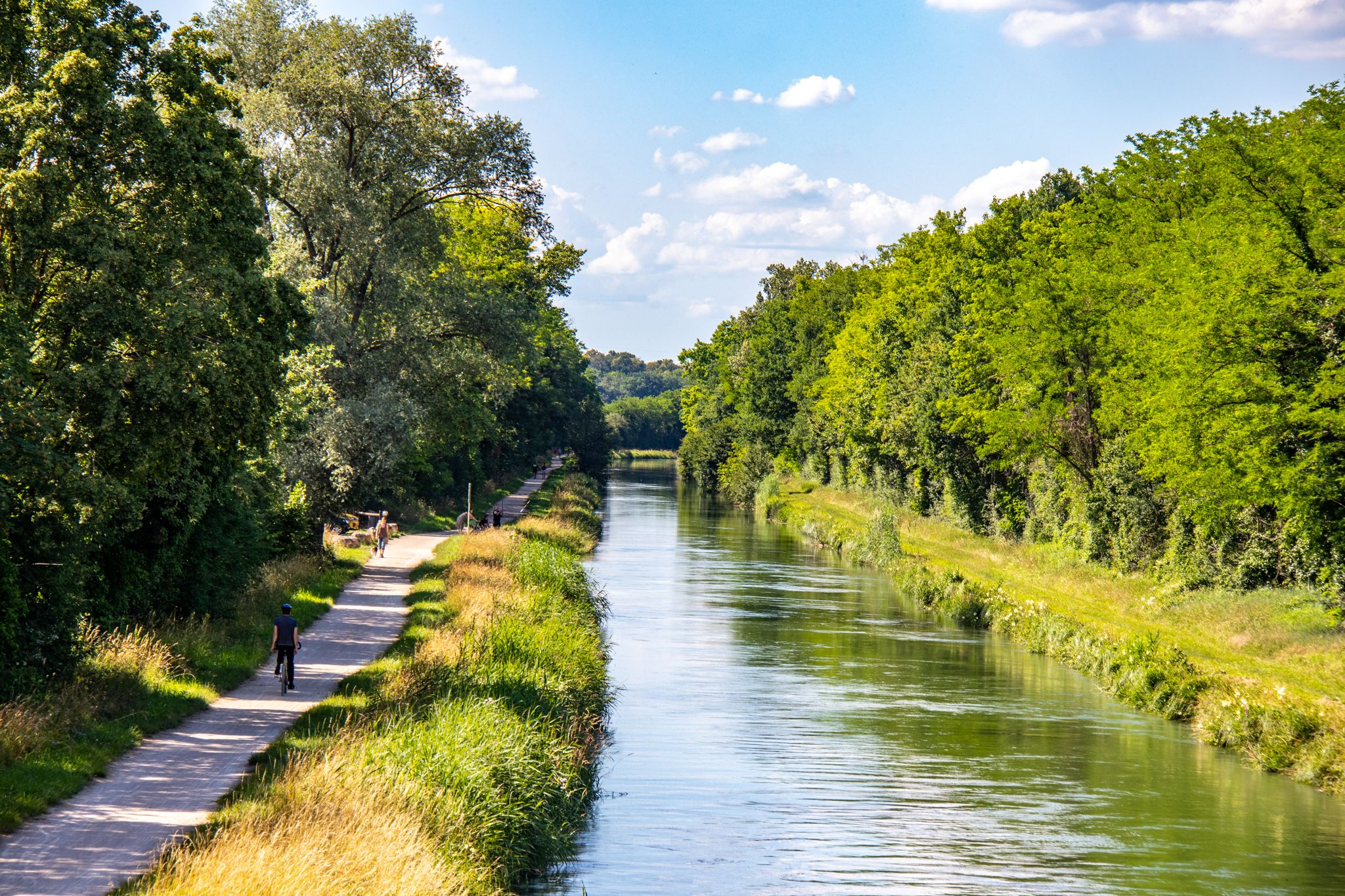
EuroVelo 6 – between the Rhine and the Loire by bike
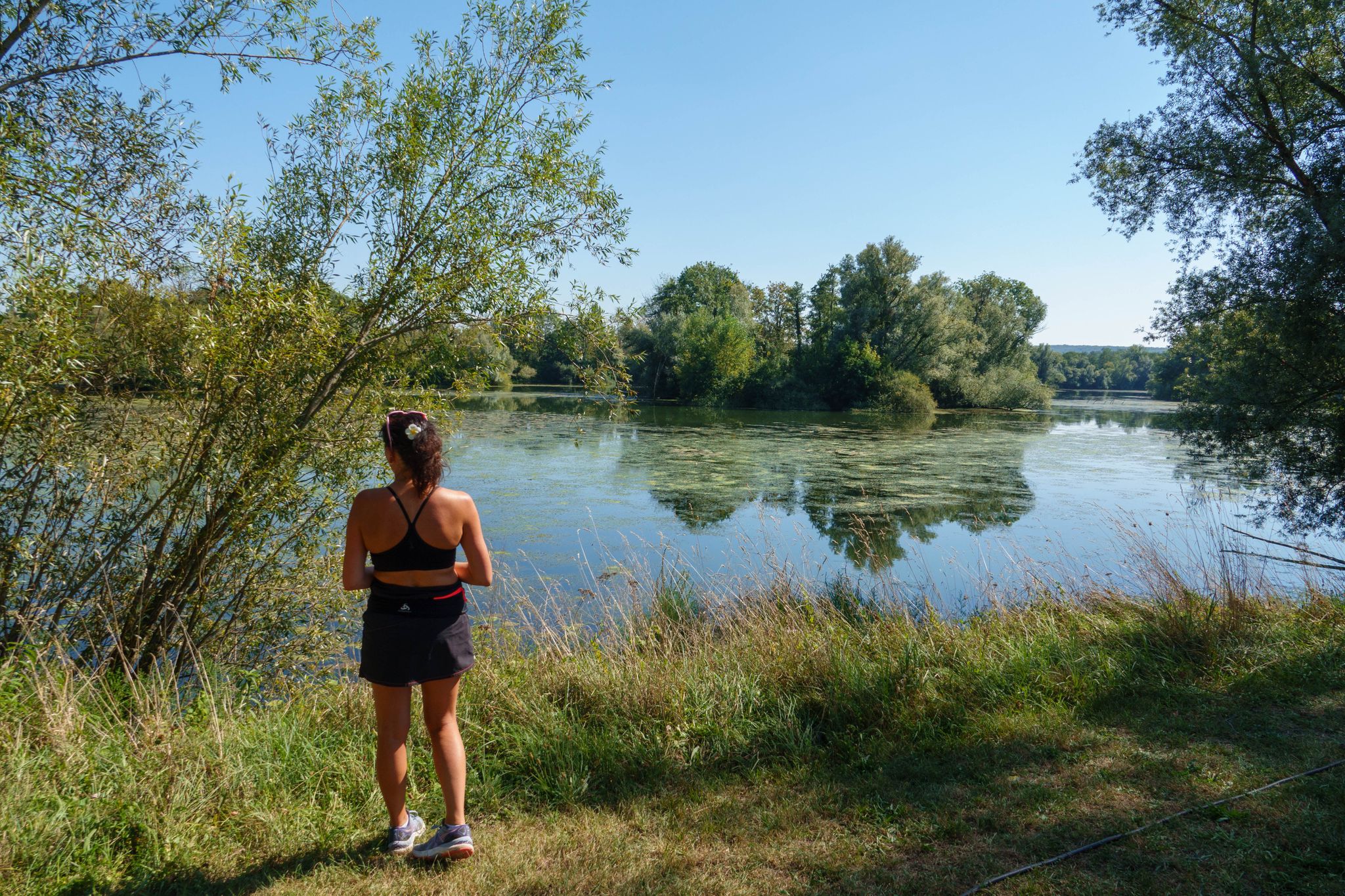
Hiking in the Vallée de l’Ognon — between villages, forests and rivers
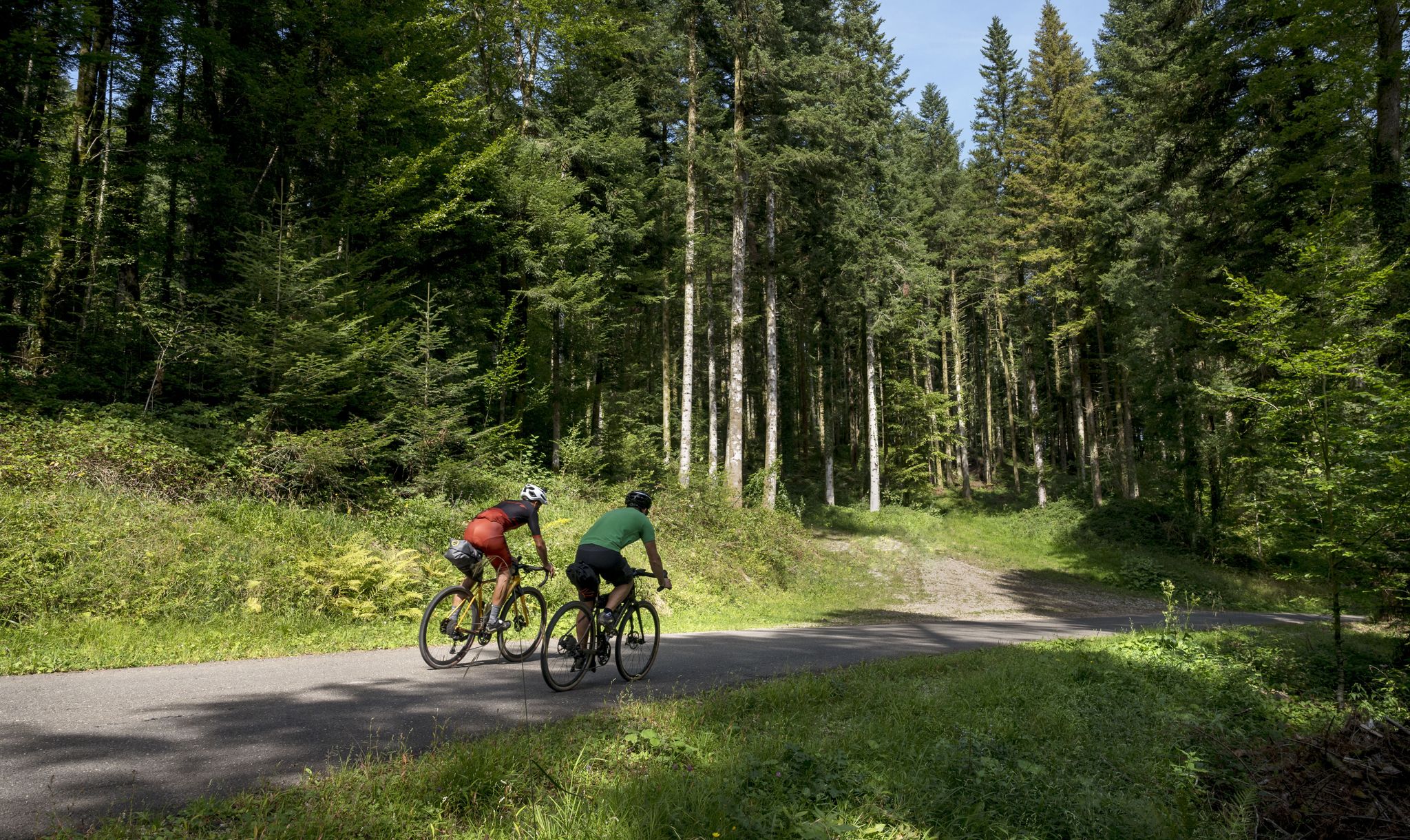
Grande Traversée du Jura - the gravel adventure
Other adventures in Doubs


Tips from the Community

Imposing complex which is worth a visit.
0
0

I loved it, but it was closed when I arrived, what a shame, I would have loved to walk around it.
0
0

La Cluse-et-Mijoux is a pretty village nestled at the bottom of a valley in the Jura Mountains. Busy with cars heading to Switzerland, the town boasts a wide range of shops and services. History buffs can visit Fort de Joux or Fort Malher, which overlook La Cluse-et-Mijoux. Several chapels (Saint-Léger and Saint-Claude) also dot the outskirts of the town.
1
0

The complex is impressive even from the outside and, despite its 1,000-year-old and eventful history, is still in good condition. It has been continuously modernized to accommodate the latest military and artillery technologies.
2
0
An impressive building from the 17th century, today it attracts visitors, in addition to exploring the building itself, with museums, a small zoo, and a magnificent view.
2
0

Village located between the Joux fortified castle and Fort Malher
0
0

UNESCO World Heritage, what more can be said except that the Doubs Valley and the splendid ruins of old medieval castles from the top of wild cliffs have watched over the valley for centuries?
0
0

I have cycled this cycle path several times (different years) and each time I have passed these horrible looking factory ruins on the opposite bank - a very poor reception from Besançon - a real shame.
1
0
Frequently Asked Questions
What are the most historically significant castles in Doubs?
The Doubs region boasts several castles with deep historical roots. The Citadel of Besançon, a UNESCO World Heritage site, is a masterpiece of 17th-century military architecture by Vauban. Another key site is Joux Castle, which showcases a thousand years of military architecture and served as a state prison. The Château de Belvoir, rebuilt in the late 15th century, offers a glimpse into furnished historical interiors, while the ruins of Château de Montrond provide insight into medieval defensive structures.
Are there family-friendly castles to visit in Doubs?
Yes, several castles in Doubs are suitable for families. The Citadel of Besançon is particularly family-friendly, housing not only historical museums but also a Natural History Museum with a zoo, aquarium, and insectarium. The nearby settlement of La Cluse-et-Mijoux, overlooked by Joux Castle, is also noted as family-friendly. The Château de Vaire-le-Grand, with its beautiful French gardens, occasionally hosts animated and costumed events that can be engaging for children.
What outdoor activities can I do near the castles in Doubs?
The Doubs region offers various outdoor activities near its castles. You can find numerous hiking trails, such as those detailed in the Mountain Hikes in Doubs guide. For runners, there are dedicated routes like the 'Fort de Chaudanne et la citadelle de Vauban' loop, found in the Running Trails in Doubs guide. Gravel biking enthusiasts can explore routes like 'On old smugglers' paths' from the Gravel biking in Doubs guide. Many castles, like the Citadel of Besançon and Joux Castle, are situated in scenic locations perfect for combining history with nature walks.
Which castles offer the best panoramic views in the Doubs region?
For breathtaking panoramic views, the Citadel of Besançon is unparalleled, offering expansive vistas of Besançon and the surrounding Doubs River valley from its perch on Mont Saint-Étienne. Joux Castle, strategically located on a clifftop, also provides impressive views over the Cluse de Pontarlier pass. Additionally, the Château de Belvoir's elevated position affords picturesque views of the Jura landscape, and the Château de Vaire-le-Grand's gardens offer beautiful views over the Doubs valley.
What is the best time to visit the castles in Doubs?
The best time to visit the castles in Doubs is generally during the spring (April to June) and autumn (September to October) months. During these periods, the weather is typically mild and pleasant for exploring both indoor and outdoor castle grounds and enjoying the surrounding natural beauty. Summer (July to August) is also popular, but can be warmer and more crowded. It's advisable to check specific opening hours for individual castles, especially during winter, as some may have reduced hours or seasonal closures.
Are there any castles in Doubs that are particularly known for their gardens?
Yes, the Château de Vaire-le-Grand is renowned for its meticulously designed classical French-style gardens. These gardens feature green spaces, ornamental basins, and topiaries, offering a beautiful complement to the 18th-century château itself and providing lovely views over the Doubs valley.
Can I find cafes or accommodation near the castles in Doubs?
Yes, you can find amenities like cafes, pubs, and accommodation near many of the castles. The Citadel of Besançon is located within the city of Besançon, which offers a wide range of dining and lodging options. Similarly, Joux Castle is near the town of La Cluse-et-Mijoux, which has various shops and services. For other castles, it's recommended to check local tourist information for nearby facilities.
What kind of military history can I explore at the Doubs castles?
The castles in Doubs offer a rich tapestry of military history. Joux Castle is a prime example, showcasing a thousand years of military architecture, from medieval fortifications to enhancements by Vauban, and even served as a state prison. The Citadel of Besançon is a UNESCO-listed masterpiece of 17th-century military engineering by Vauban, featuring bastions, ramparts, and underground tunnels. Other sites like Fort de Chaudanne and Fort de Planoise also provide insights into military architecture and strategic defense.
Are there any castles in Doubs that are less well-known but worth visiting?
While the Citadel of Besançon and Joux Castle are prominent, the Doubs region has other compelling sites. The Château de Belvoir, though perhaps less famous, is beautifully restored and furnished, offering a charming visit with its twenty rooms open to the public. The ruins of Château de Montrond, while not fully intact, provide a fascinating glimpse into medieval feudal architecture and its strategic importance, appealing to those interested in historical landscapes.
How accessible are the castles in Doubs by public transport or car?
Accessibility varies by castle. The Citadel of Besançon is well-served by public transport within Besançon and has parking facilities. Joux Castle is strategically located near the town of La Cluse-et-Mijoux, which is frequented by cars heading to Switzerland, suggesting good road access and likely parking. For other castles, especially those in more rural settings like Château de Belvoir or Château de Montrond, car access is generally recommended, and public transport options might be limited. It's best to check specific travel details for each site.
What can I expect to see inside the castles of Doubs?
The interior experiences at Doubs castles vary greatly. At the Citadel of Besançon, you'll find multiple museums, including the Museum of French Resistance and Deportation, the Comtois Museum, and a Natural History Museum with a zoo. Joux Castle houses a museum with over 600 rare weapons and allows exploration of its fortified walls and former prison cells. The Château de Belvoir is beautifully restored and furnished, with twenty rooms showcasing furniture, paintings, and artifacts from the 16th to 19th centuries. The Château de Montrond, being largely in ruins, offers exploration of its remaining keep and walls.
Most popular routes in Doubs
Most popular attractions in Doubs

Get inspired with the komoot mobile app


Explore more
Looking for the best castles somewhere else? Discover other guides in Doubs:
