Top 12 Castles around Tarnow
Best castles around Tarnow offer a journey through centuries of Polish history, showcasing diverse architectural styles from Gothic ruins to well-preserved Renaissance and Baroque structures. The region's rich past is reflected in these defensive and residential buildings, once home to powerful noble families. These sites provide insights into the evolution of architecture and strategic importance in the picturesque landscapes of southern Poland.
Best castles around Tarnow
- The most popular castles is Tarnowski Castle, a historic ruin offering panoramic views of the surrounding countryside. It is a significant site for understanding Polish noble history and the evolution of defensive architecture.
- Another must-see spot is Dębno Castle, a remarkably well-preserved late-Gothic knight's residence. Its museum exhibits, impressive architecture, and picturesque surroundings make it a captivating destination.
- Visitors also love Nowy Wiśnicz Castle, a significant example of Baroque defensive architecture in Poland. Its unique four-tower structure and extensive history make it a prominent landmark.
- Tarnow is known for its Gothic, Renaissance, and Baroque castles, as well as atmospheric ruins. Visitors can explore a variety of architectural styles and historical periods across the region.
- The castles around Tarnow are appreciated by the komoot community, with more than 460 upvotes and 90 photos shared by visitors.
Last updated: June 22, 2026
Güstrow Palace
Highlight • Castle
Translated by Google •
Tip by

Güstrow Cathedral
Highlight • Religious Site
Beautiful cathedral in brick Gothic.
Translated by Google •
Tip by

Sign up now to discover places like this
Get recommendations on the best single tracks, peaks, & plenty of other exciting outdoor places.
Sign up for free
View of Güstrow Palace
Highlight • Castle
You can find more information and the opening times here: mv-schloesser.de/de/location/schloss-guestrow.
Translated by Google •
Tip by

Güstrow Town Hall
Highlight • Monument
Translated by Google •
Tip by
Open-Air Museum Groß Raden – Slavic fort and settlement
Highlight • Historical Site
For more information, see:
freilichtmuseum-gross-raden.de
Translated by Google •
Tip by

Sign up for free to discover even more castles around Tarnow.
Sign up for free
Already have an account?
Start today with a free account
Your next adventure awaits.
Login or Signup

Tips from the Community

The castle is currently being restored and is currently not open to the public
0
0

The castle's special jewel can be admired in its ballroom. This is where people danced, dined and discussed politics. A lively red deer frieze from the time it was built has been preserved on the walls and the magnificent stucco ceiling is richly decorated with hunting scenes. Source: https://www.museum.de/museen/schloss-gustrow
4
1
The castle museum houses an extensive collection of important paintings, impressive sculptures and precious small art from the Middle Ages from Mecklenburg and northern Germany in the vaults in the basement. In the ducal rooms on the upper floors, the splendor of the former princely residence is brought back to life with paintings and handicraft objects from the Renaissance and Baroque periods, magnificent art chamber pieces and valuable hunting and ceremonial weapons. Source: https://www.museum.de/museen/schloss-gustrow
5
1
Güstrow Castle is one of the most important Renaissance castles in northern Germany. When the medieval predecessor was largely destroyed by fire over 400 years ago, the impressive residence was created in its current form. It combines Italian and French architectural elements with a typically northern European basic structure in a fascinating way. The castle museum houses an extensive collection of important paintings, impressive sculptures and valuable small art from the Middle Ages from Mecklenburg and northern Germany in the vaults in the basement. Source: https://www.museum.de/museen/schloss-gustrow
5
1

Mhm Holger writes: it's free in the off-season. That's not entirely true 😅. We were just there and paid €3.50 per person. With that you can visit a small exhibition and the open-air area. Definitely a pretty interesting place to experience history.
2
0

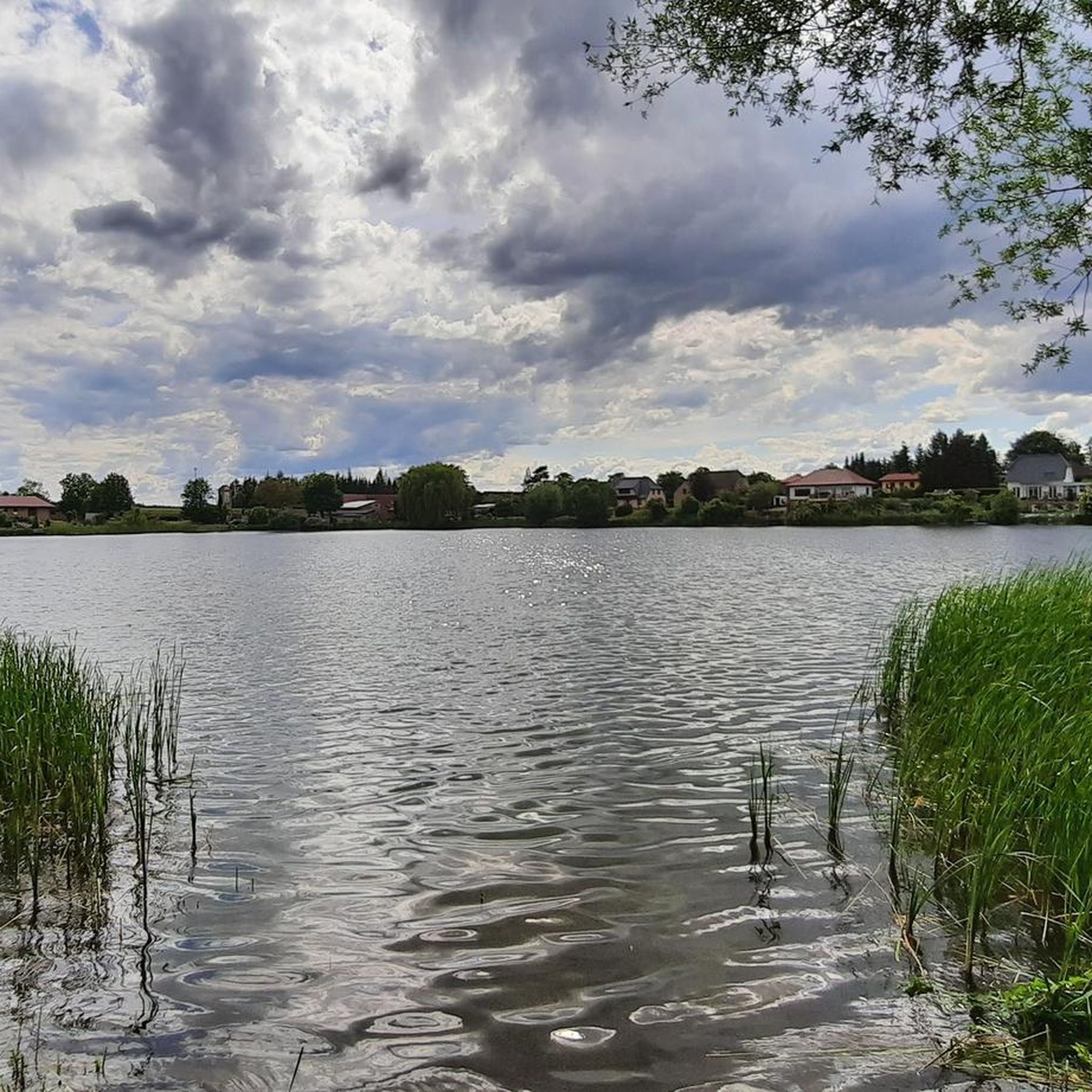
In the 9th and 10th centuries, the Warnowers, a Slavic people, settled on the lake, built a mighty ring wall on the (then) island and thus a castle that could only be reached via a bridge, and their village on the headland in front of it. All of this was excavated again (from 1973 onwards), and because everything was well preserved by the moor, it became an open-air museum and we can look at it. Very interesting, highly recommended. (Now in the off-season, the whole thing is even free.)
2
0

Extensive excavations took place between 1973 and 1980, during which remains of a Slavic settlement from the 9th and 10th centuries were uncovered.
4
0
The circular castle wall, visible from afar, is located on an offshore peninsula. It has a diameter of 50 meters. The castle complex was reconstructed based on the excavations and set up as an archaeological open-air museum
4
0
Frequently Asked Questions
What are the most historically significant castles around Tarnów?
The region around Tarnów is rich in history, featuring both magnificent structures and atmospheric ruins. Tarnowski Castle, located atop St. Martin's Hill, is historically significant as likely the first large residence of secular magnates in Polish history. Another key site is Dębno Castle, a well-preserved late-Gothic knight's residence showcasing a blend of Renaissance and Gothic architecture.
Are there any well-preserved castles near Tarnów that I can visit?
Yes, Dębno Castle is a particularly well-preserved late-Gothic knight's residence. It now houses a branch of the Tarnów Regional Museum, displaying collections of historic period furniture, paintings, and weaponry, offering a deep dive into Polish aristocratic life.
What kind of views can I expect from the castle sites?
From the ruins of Tarnowski Castle on St. Martin's Hill, you can enjoy panoramic views of Tarnów and the surrounding landscape. The elevated position provides a profound historical experience combined with scenic vistas.
What can I do at Dębno Castle besides admire its architecture?
Dębno Castle houses The Museum of Antique Interiors, a branch of the Tarnów Regional Museum. Here, you can explore sumptuous collections of historic period furniture, domestic items, paintings, weaponry, and religious objects. The well-maintained grounds are also ideal for a leisurely walk or a picnic.
How can I reach the castles using public transport?
While specific routes vary, Dębno Castle is noted for its accessibility by bus from Tarnów, making it an easy day trip. For Tarnowski Castle, its location atop St. Martin's Hill within Tarnów means it's generally accessible from the city center, though a walk up the hill is required.
Are there family-friendly activities at the castles around Tarnów?
Visiting Dębno Castle can be a family-friendly experience, especially with its museum exhibits that can engage older children. The well-maintained grounds are also suitable for families to explore. The historical context of Tarnowski Castle ruins can also be an educational outing for families interested in history.
What outdoor activities are available near the castles?
The region around Tarnów offers various outdoor activities. You can find numerous running trails, such as those detailed in the Running Trails around Tarnow guide. For a more relaxed pace, explore easy hikes, with options available in the Easy hikes around Tarnow guide. Gravel biking routes are also popular, as highlighted in the Gravel biking around Tarnow guide.
What is the best time of year to visit the castles near Tarnów?
The castles around Tarnów can be visited throughout the year, each season offering a different charm. Spring and autumn provide pleasant weather for exploring the outdoor ruins of Tarnowski Castle and walking the grounds of Dębno Castle. Summer is also popular, while winter visits can offer a unique, serene atmosphere, especially if there's snow.
Are there any cafes or restaurants near the castles?
While specific establishments directly adjacent to the castles are not detailed, Tarnów itself offers a variety of cafes and restaurants. Dębno Castle is easily accessible from Tarnów by bus, making it convenient to combine a castle visit with dining in the city.
How long should I allocate to visit the castles around Tarnów?
For a comprehensive visit to a well-preserved site like Dębno Castle, including its museum, you might want to allocate 2-3 hours. Exploring the ruins of Tarnowski Castle and enjoying the views could take 1-2 hours. A full day trip could comfortably cover both, especially if you factor in travel time and exploring Tarnów itself.
What kind of terrain can I expect on trails near Tarnów castles?
The terrain around Tarnów varies. For instance, the path to Tarnowski Castle involves an ascent up St. Martin's Hill. Nearby hiking and running trails, as found in the Easy hikes around Tarnow guide, generally offer easy to moderate difficulty, suitable for various fitness levels. Gravel biking routes, detailed in the Gravel biking around Tarnow guide, cover diverse landscapes.
Most popular attractions around Tarnow

Get inspired with the komoot mobile app


Explore more
Looking for the best castles somewhere else? Discover other guides around Tarnow:
