Top 20 Castles in Isère
Castles in Isère offer a journey through centuries of history, from medieval fortresses to elegant Renaissance residences. The Isère department, situated in the French Alps, features a diverse landscape of mountains, valleys, and rivers. This region served as a strategic location, leading to the construction of numerous fortifications and grand estates. Many castles are set within extensive parks, providing both historical exploration and natural appeal.
Best castles in Isère
- The most popular castles is Château de Vizille, a castle…
Last updated: May 11, 2026
Fort of Saint-Eynard
Highlight • Castle
Translated by Google •
Tip by

Château de Vizille
Highlight • Castle
Translated by Google •
Tip by

Sign up now to discover places like this
Get recommendations on the best single tracks, peaks, & plenty of other exciting outdoor places.
Sign up for free
Château de Fallavier
Highlight • Castle
Translated by Google •
Tip by

Château Louis XI
Highlight • Castle
Translated by Google •
Tip by

Château de Bienassis
Highlight • Castle
Translated by Google •
Tip by

Cingle Castle
Highlight • Castle
Translated by Google •
Tip by

Château de Montgontier
Highlight • Castle
Located on the GR 65, facing south, Espace Montgontier dominates the plain of Bièvre.
A large …
Translated by Google •
Tip by

Crémieu, medieval town
Highlight • Historical Site
Translated by Google •
Tip by

Morestel Medieval Town and Castle
Highlight • Castle
Translated by Google •
Tip by

Château Delphinal of Crémieu
Highlight • Castle
Translated by Google •
Tip by

Sign up for free to discover even more castles in Isère.
Sign up for free
Already have an account?
Start today with a free account
Your next adventure awaits.
Login or Signup
Popular around Isère

Triathlon 360 – my journey around the world
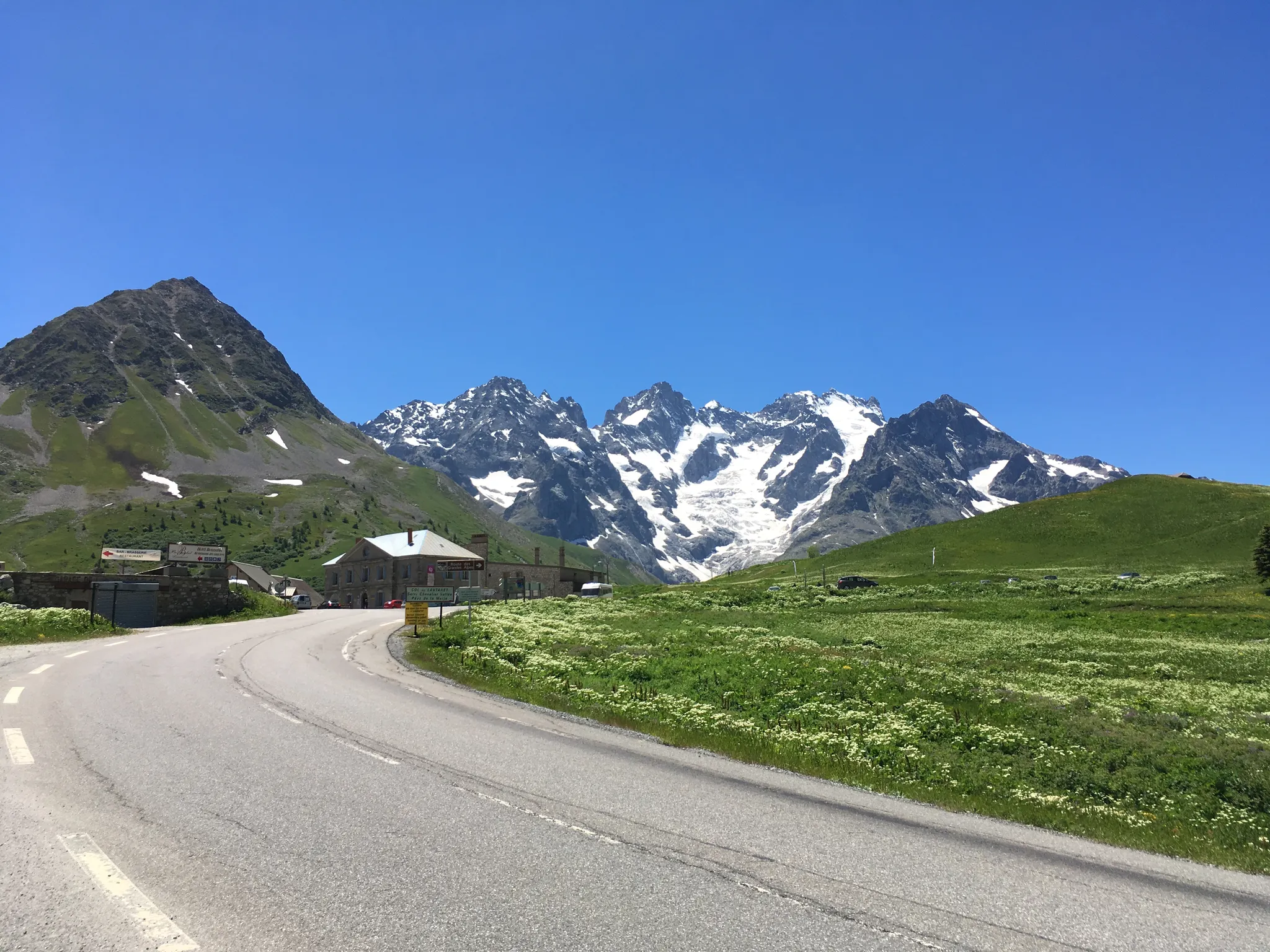
La Marmotte — Panoramas and Mythical Passes
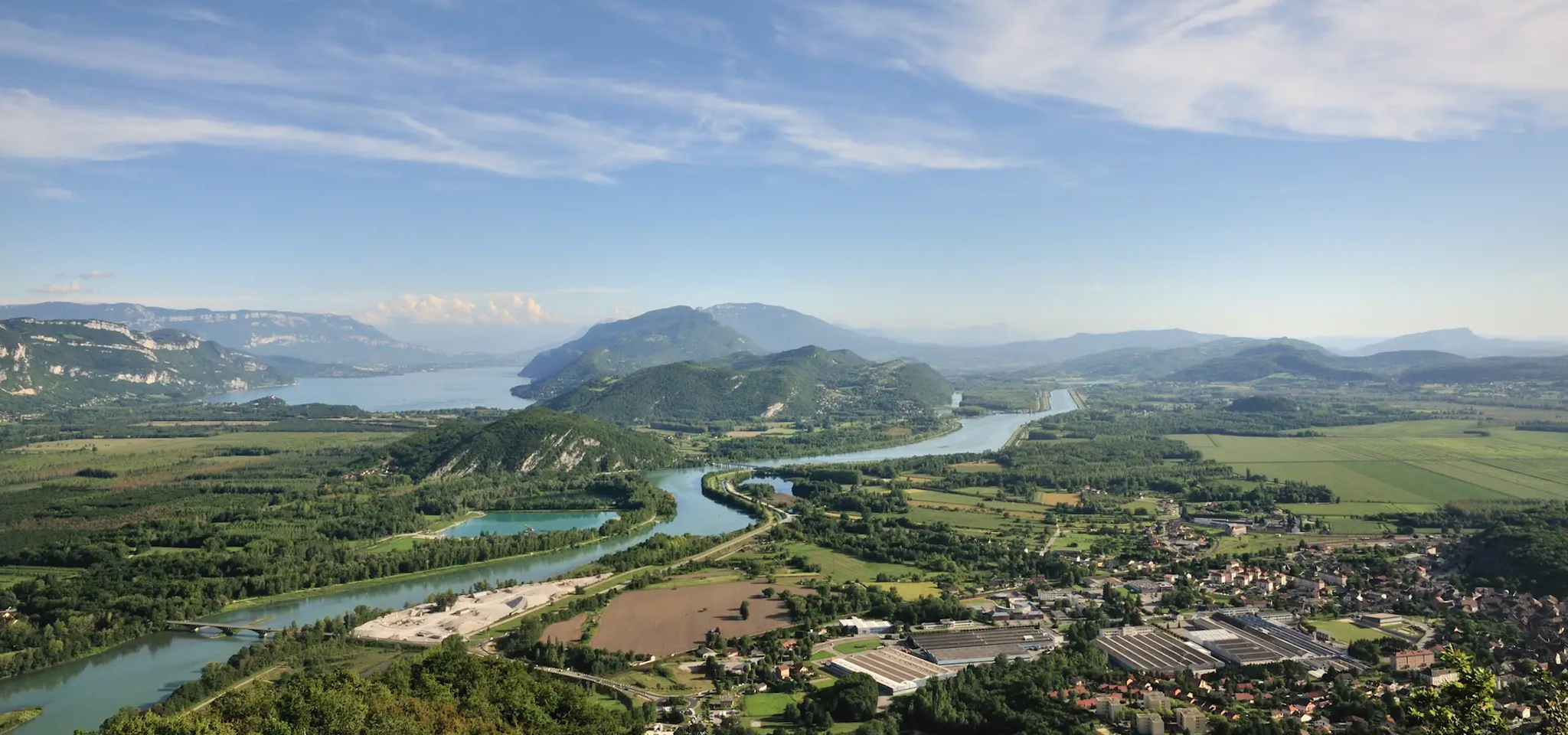
GR 9 from the Jura to the Mediterranean – Crossing contrasts
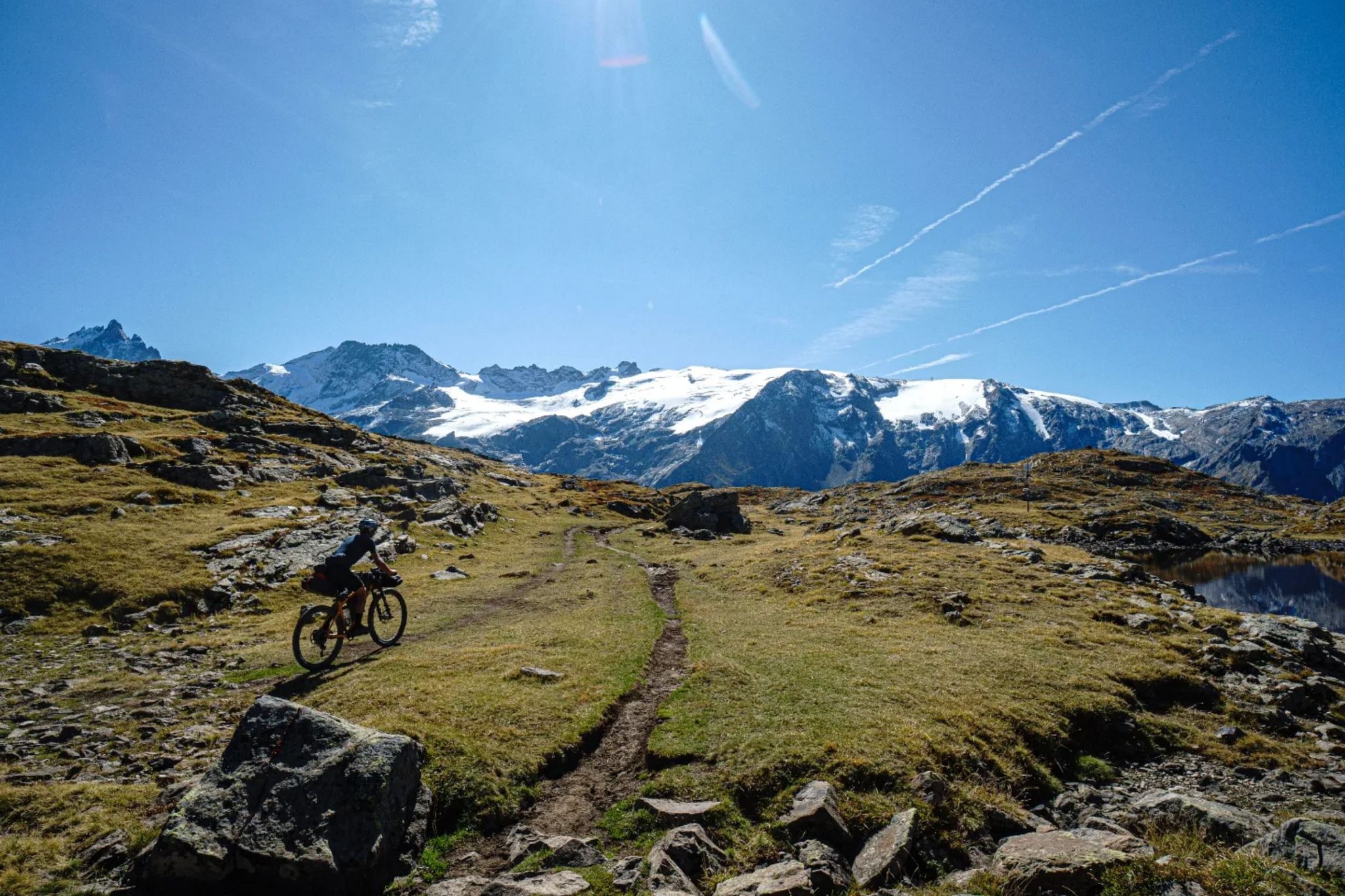
Transalps MTB – Chamonix to the Mediterranean Sea
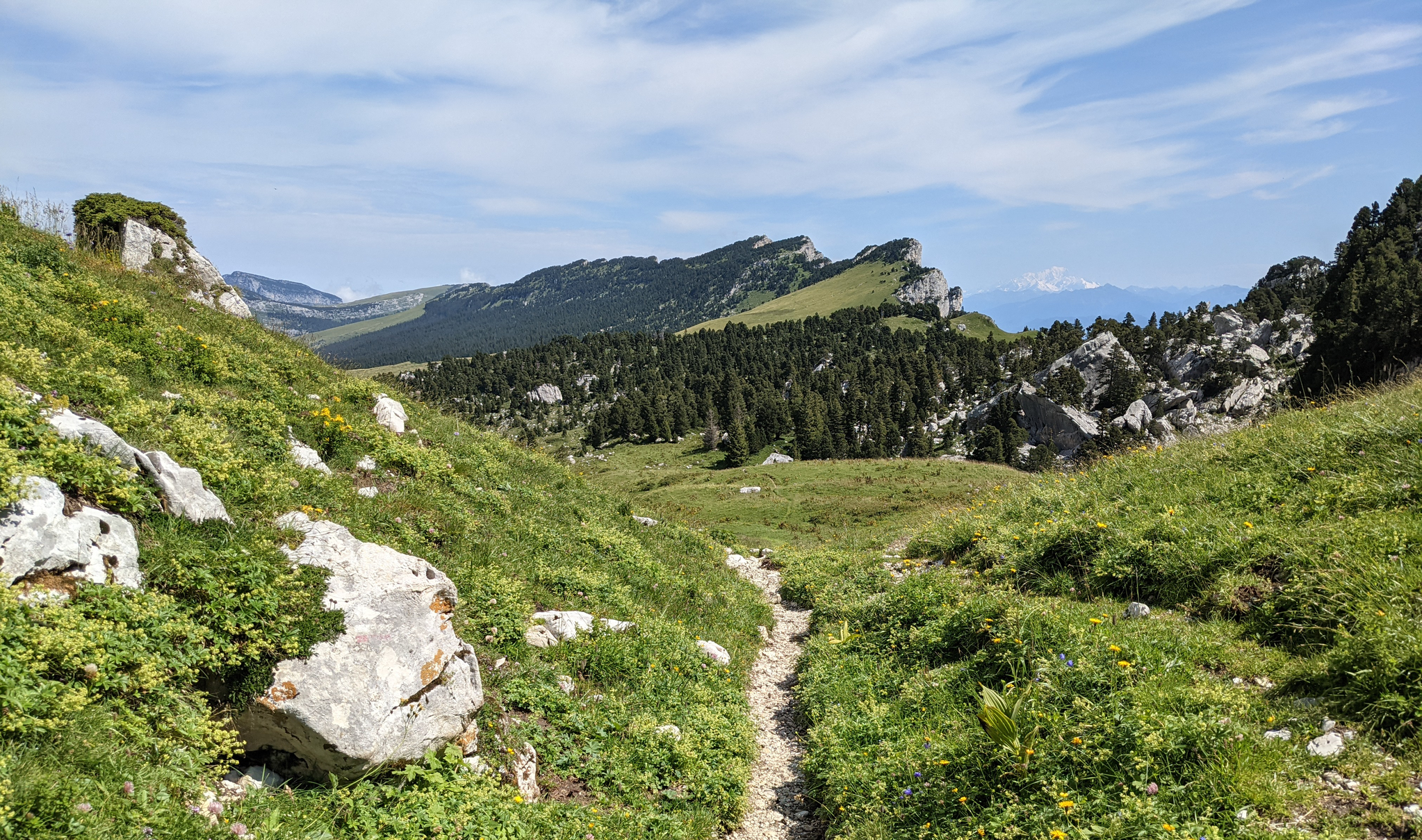
Crossing the Chartreuse – History in the making
Road to Lisbon – bikepacking the Alps, Pyrenees and Picos de Europa
La Grande Traversée du Vercors — In the West of the Alps
Naples to North Cape — Two friends, one purpose and many scoops of ice-cream
Follow the sun – riding from Germany to the south of France
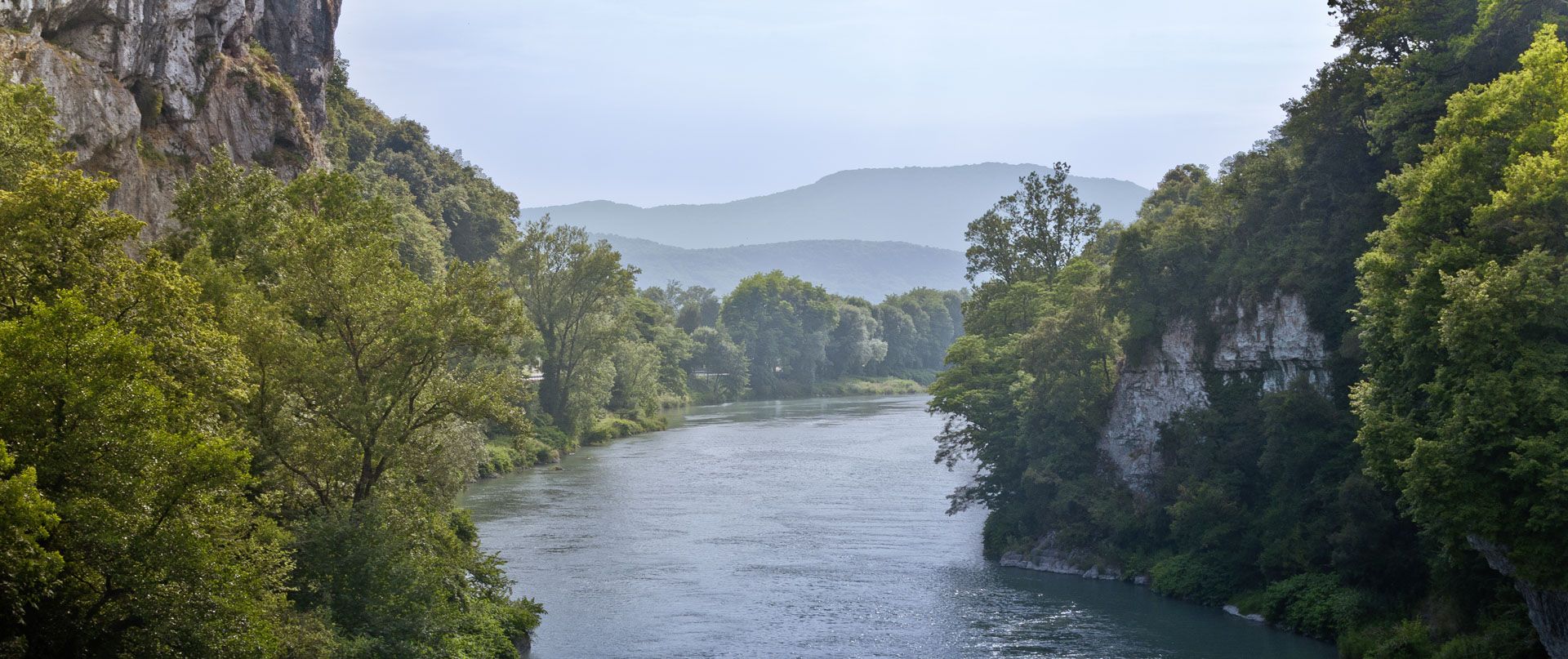
Rhone Cycle Route — From the southern Jura to Lyon
Other adventures in Isère


Tips from the Community

Cool ruins! We really like them. 🤩
1
0

Please note: dogs are not allowed in the castle gardens, even on a leash. This means you'll have to find a different route around the castle with a dog!
0
0

Beautiful little town, quite touristy, but worth the detour
0
0

A beautiful castle that houses the Museum of the Revolution. The park is large and very pretty. It's a paradise for children.
0
0
Beautiful castle that houses the Museum of the Revolution. The park is very beautiful, a paradise for children.
0
0

In 1869, the Marist Brothers purchased the castle and its grounds. They raised the body of the central building by one floor. The castle was then acquired by the city in 1906. In 1914, it became a military hospital and from 1940 to 1960, a modern college. The castle now houses a music school and meeting rooms. Many areas are vacant. The Ministry and the public agency for cultural cooperation (aida) conducted a feasibility study for the establishment of a European Cultural Exchange Center in the building. If you take a walk in the park in the afternoon, you can hear the musicians practicing.
6
0
At guests' disposal: reception rooms for 20 to 170 people, accommodation for up to 102 beds and a shared kitchen, a 500 m2 terrace equipped with tables, arbors and parasols with an exceptional view of the Bièvre plain and a large park of approximately 4000 m2 for an outdoor reception.
9
0

This magnificent castle is located within a park of nearly 100 hectares. Built on the rock of Vizille by the Counts of Grésivaudan, the castle is said to have been the cradle of the Revolution.
0
0
Frequently Asked Questions
Which castles in Isère are particularly significant for their history?
The Isère department is rich in historical castles. The Château de Vizille is highly significant as the site where the French Revolution's groundwork was laid in 1788, now housing the Museum of the French Revolution. The Château de Fallavier, a 13th-century stronghold, played a strategic role in medieval conflicts and offers insights into over 1000 years of history. The medieval town of Crémieu, with its impressive fortifications and 15th-century market hall, also provides a deep dive into the region's past.
Are there castles in Isère with notable gardens or natural surroundings?
Yes, several castles in Isère are celebrated for their beautiful gardens and natural settings. The Château de Vizille features a vast park spanning over 100 hectares, labeled a 'Remarkable Garden of France,' complete with formal French gardens, a large lake, and an animal park. The Château de Virieu boasts beautifully restored 17th-century French gardens with picturesque views of the Bourbre Valley. Additionally, the Château du Touvet is renowned for its magnificent 18th-century Italian-style water staircase and elaborate gardens.
Which castles are suitable for families with children?
Many castles in Isère offer family-friendly experiences. The park at Château de Vizille, with its animal park and extensive grounds, is ideal for families. The Château de Virieu hosts a variety of events for all ages, making it a great choice. The medieval town of Crémieu and Morestel Medieval Town and Castle also provide an engaging historical atmosphere that children often enjoy exploring.
Can I find hiking trails or outdoor activities near the castles in Isère?
Yes, the region around Isère's castles offers various outdoor activities. For example, the Fort of Saint-Eynard is a historical site accessible via a severe climb, offering a great viewpoint and hiking opportunities. You can find numerous hiking trails, including waterfall hikes, and cycling routes (both road cycling and gravel biking) throughout Isère. For more details on routes, you can explore the Waterfall hikes in Isère or Road Cycling Routes in Isère guides.
Are there any castles that offer panoramic views of the Isère landscape?
Absolutely. The Château de Fallavier, perched on the Relong hill, provides panoramic views of the surrounding countryside. Similarly, the Château de Serrières, from its promontory within a 90-hectare park, offers vast and relaxing views of the Isère department and the Pre-Alps, appealing to those who appreciate scenic landscapes alongside historical architecture.
Which castles showcase different architectural styles?
Isère's castles present a range of architectural styles. The Château de Virieu is a beautiful example of medieval military architecture, while the Château de Vizille represents 17th-century design. The Château de Pupetières stands out for its Neo-Gothic restoration by Eugène Viollet-le-Duc. The Château de l'Arthaudière uniquely blends medieval elements (13th-century round tower, 15th-century keep) with Renaissance architecture and terraced gardens, showcasing its evolution over centuries.
What is the best time of year to visit castles in Isère?
The best time to visit castles in Isère is generally from spring to early autumn (April to October). During these months, the weather is pleasant for exploring castle grounds and gardens, and most sites have extended opening hours. Summer offers the warmest temperatures, ideal for outdoor activities, while spring and autumn provide beautiful scenery with fewer crowds. Some castles may have limited access or closures during winter.
Are there any medieval towns with castles that can be explored?
Yes, the medieval town of Crémieu is a prime example. While the 12th-century Delphinal Castle itself is privately owned and not open to visitors, the town is a living museum. Classified as a 'Remarkable Heritage Site,' Crémieu allows visitors to explore its well-preserved old streets, fortified gates, the majestic 15th-century market hall, and the Augustinian convent with its 17th-century cloister, offering an immersive experience of medieval life. Morestel Medieval Town and Castle also offers a similar historical atmosphere.
What do visitors enjoy most about the castles in Isère?
Visitors frequently appreciate the rich history and diverse architectural styles of the castles, from medieval fortresses to elegant residences. The extensive parks and gardens, such as those at Château de Vizille, are often highlighted for their beauty and tranquility. Many also enjoy the panoramic views offered from sites like Château de Fallavier and the immersive experience of exploring well-preserved medieval towns like Crémieu.
Are there any lesser-known or 'hidden gem' castles in Isère worth visiting?
While many castles are well-known, sites like Château de Serrières, considered the best-preserved feudal fortress in the region, offer a compelling visit away from the most popular spots. Its admirable keep and battlements, along with vast panoramic views, make it a rewarding discovery. The architectural blend at Château de l'Arthaudière also makes it a unique site for those seeking something different.
Can I access castles in Isère using public transport?
While some major castles like Château de Vizille are relatively accessible by public transport from Grenoble, many of the more rural castles may require a car for convenient access. It's advisable to check local bus or train schedules for specific castle locations before planning your visit. For detailed information on public transport options, it's best to consult regional transport websites.
Are there facilities like cafes or restaurants near the castles?
Larger and more popular castles, such as Château de Vizille, often have cafes or restaurants on-site or nearby in the surrounding towns. Similarly, medieval towns like Crémieu and Morestel offer a selection of eateries. For more remote castles, it's recommended to bring your own refreshments or check in advance for available amenities. The Fort of Saint-Eynard also has a restaurant, though it's wise to confirm its operating status.
Most popular routes in Isère
Most popular attractions in Isère

Get inspired with the komoot mobile app


Explore more
Looking for the best castles somewhere else? Discover other guides in Isère:
