Top 18 Castles in Indre
Castles in Indre offer a rich historical and architectural experience within this French department. Situated at the gates of the Brenne region and near the Loire Valley, the area features diverse landscapes from river valleys to extensive parklands. Visitors can explore centuries of French heritage, from medieval fortresses to elegant classical châteaux. The region provides a unique blend of cultural significance and natural beauty.
Best castles in Indre
- The most popular castle is Château de Sarzay, a castle that was built in the 14th century. It is a medieval fortress with five round towers and deep moats, offering a genuine step back into the Middle Ages.
- Another must-see spot is Raoul Castle, a castle that gave the town of Châteauroux its name. Originally a 10th-century wooden fortress, it was rebuilt in stone in the 12th century and is surrounded by gardens.
- Visitors also love Cluis-Dessous Castle, an archeological site located on a rocky outcrop. Its keep is the oldest part, dating from the 12th century, with a curtain wall typical of Plantagenet architecture.
- Indre is known for its variety of architectural styles, including medieval fortresses, Renaissance châteaux, and elegant classical manors. These structures showcase centuries of French history and design.
- The castles in Indre are appreciated by the komoot community, with more than 50 upvotes and over 50 photos shared.
Last updated: May 3, 2026
Château de Sarzay
Highlight • Castle
It originally included the stately home, the chapel, 38 defense towers, 2 perimeter walls covering 5 hectares and 3 drawbridges.
Having survived the Hundred Years War, it is now one of the most photographed monuments in the region.
Translated by Google •
Tip by

Cluis-Dessous Castle
Highlight • Historical Site
Translated by Google •
Tip by
Sign up now to discover places like this
Get recommendations on the best single tracks, peaks, & plenty of other exciting outdoor places.
Sign up for free
Châteauroux
Highlight • Castle
This historic town is also home to a Cluniac abbey founded in 917, the surroundings of which can be visited by canoe.
Translated by Google •
Tip by

Château de la Rochechevreux
Highlight • Castle
Translated by Google •
Tip by

Raoul Castle
Highlight • Castle
Translated by Google •
Tip by

Brosse Castle
Highlight • Castle
Translated by Google •
Tip by
Chateau de Forges
Highlight • Castle
Translated by Google •
Tip by
Château d'Azay-le-Ferron
Highlight • Castle
Translated by Google •
Tip by
View of Château de Chabenet
Highlight • Viewpoint
A delightful loop of approximately 8 km that includes everything: views of the Château de Chabenet, a stop at the charming Château du Petit-Broutet, the unique Pont Couvert bridge, and the impressive Viaduc de la Bouzanne.
The mix of riverbanks, forests, and open fields ensures you'll constantly encounter a new setting. There are plenty of quiet spots along the way to pause and enjoy the surroundings. Definitely recommended for those who enjoy combining culture and nature.
Translated by Google •
Tip by
Valençay Castle
Highlight • Castle
Translated by Google •
Tip by

Sign up for free to discover even more castles in Indre.
Sign up for free
Already have an account?
Start today with a free account
Your next adventure awaits.
Login or Signup
Popular around Indre
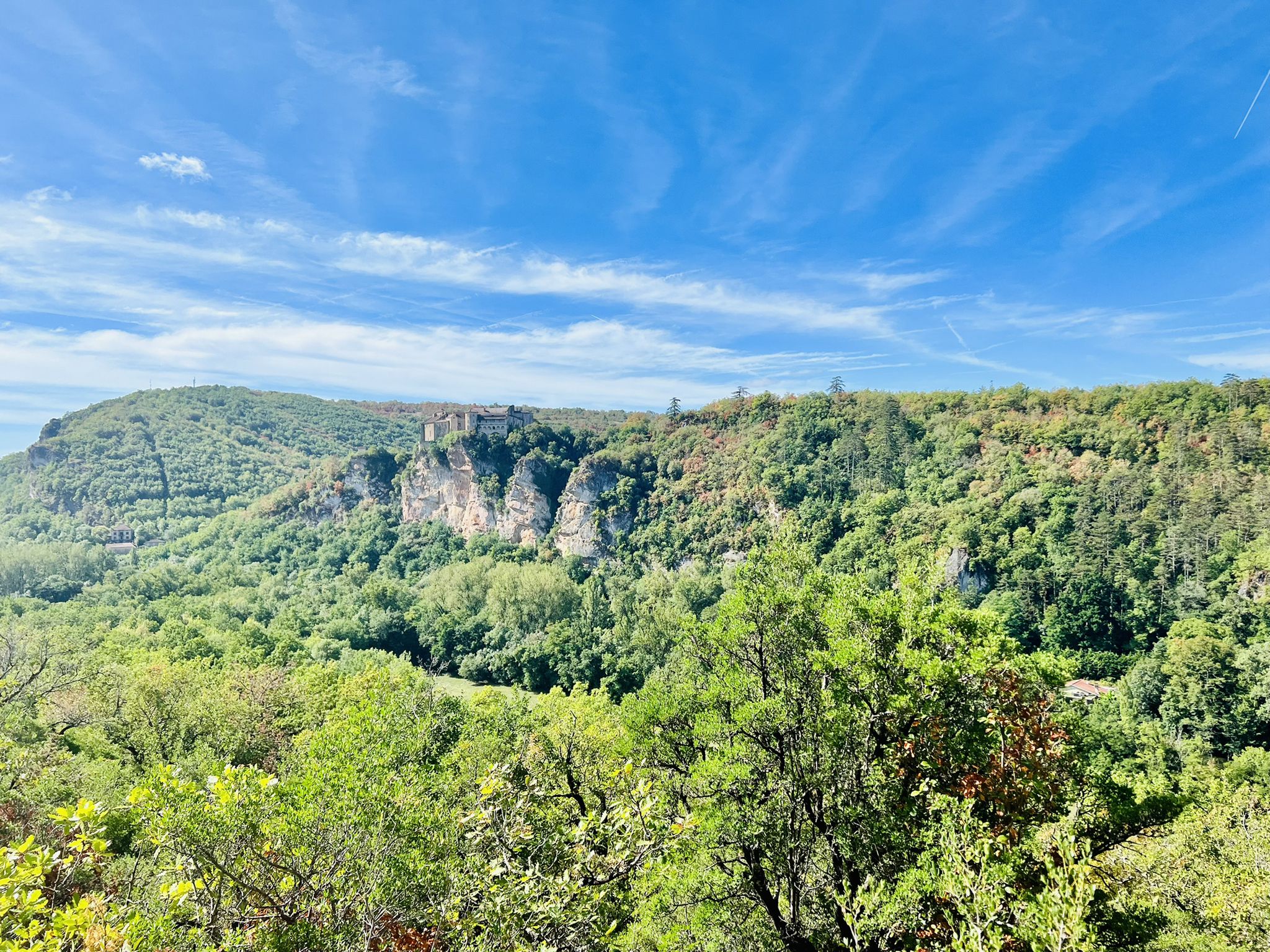
GR 46 — The Truant School
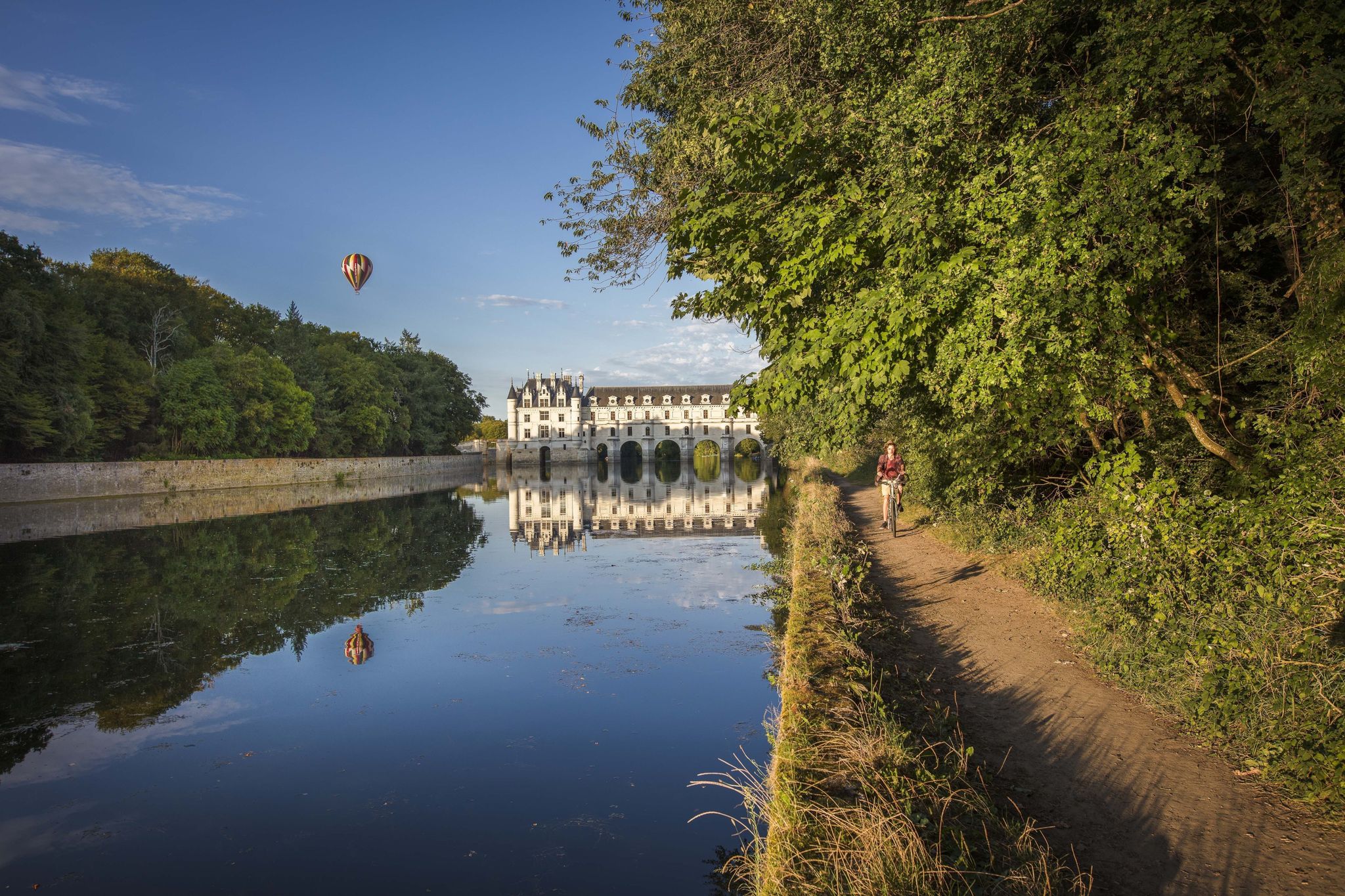
The Loire Valley – escape to the great outdoors
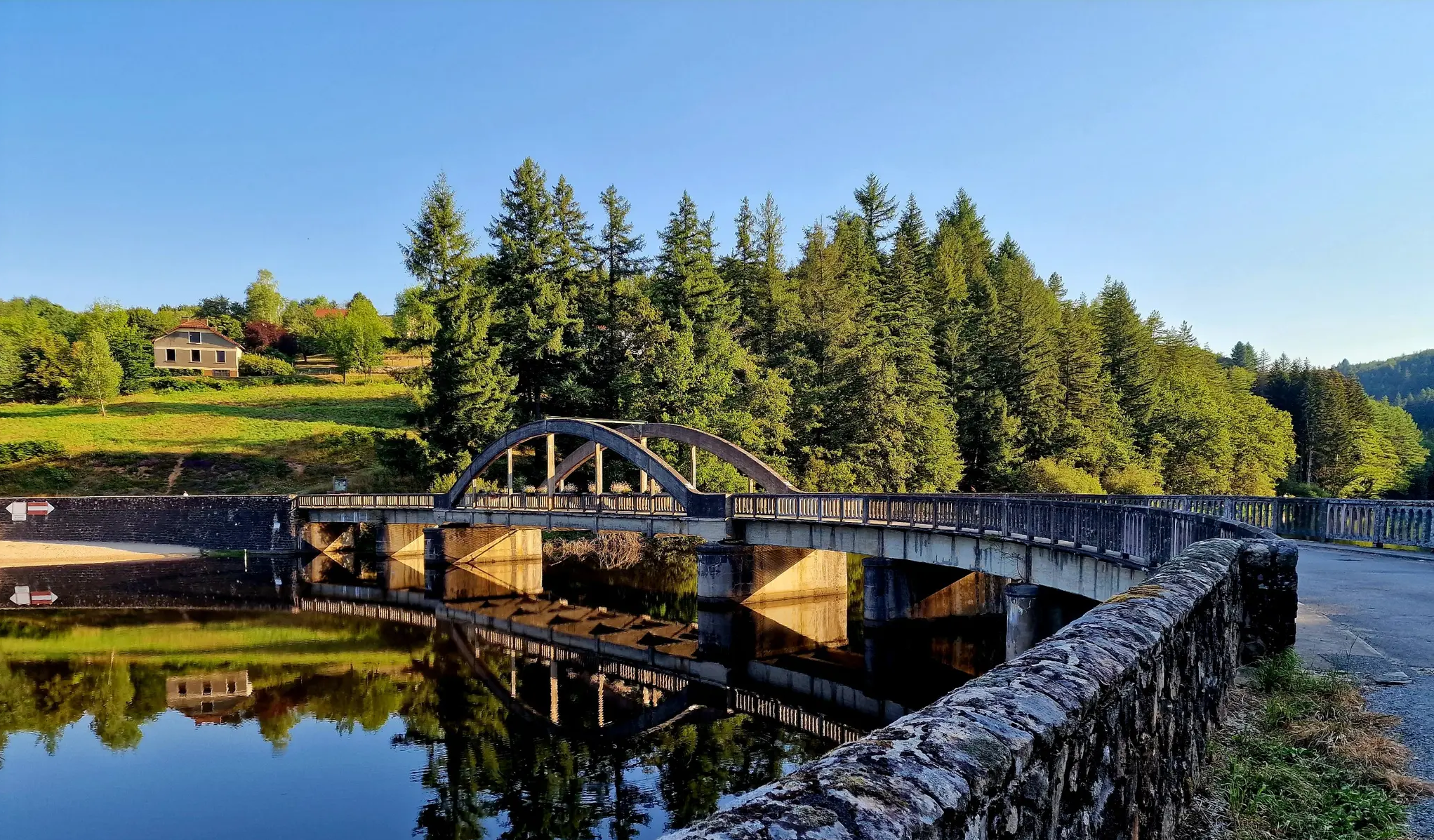
Saint-Jacques by bike – seven days on the Via Vézelay in France
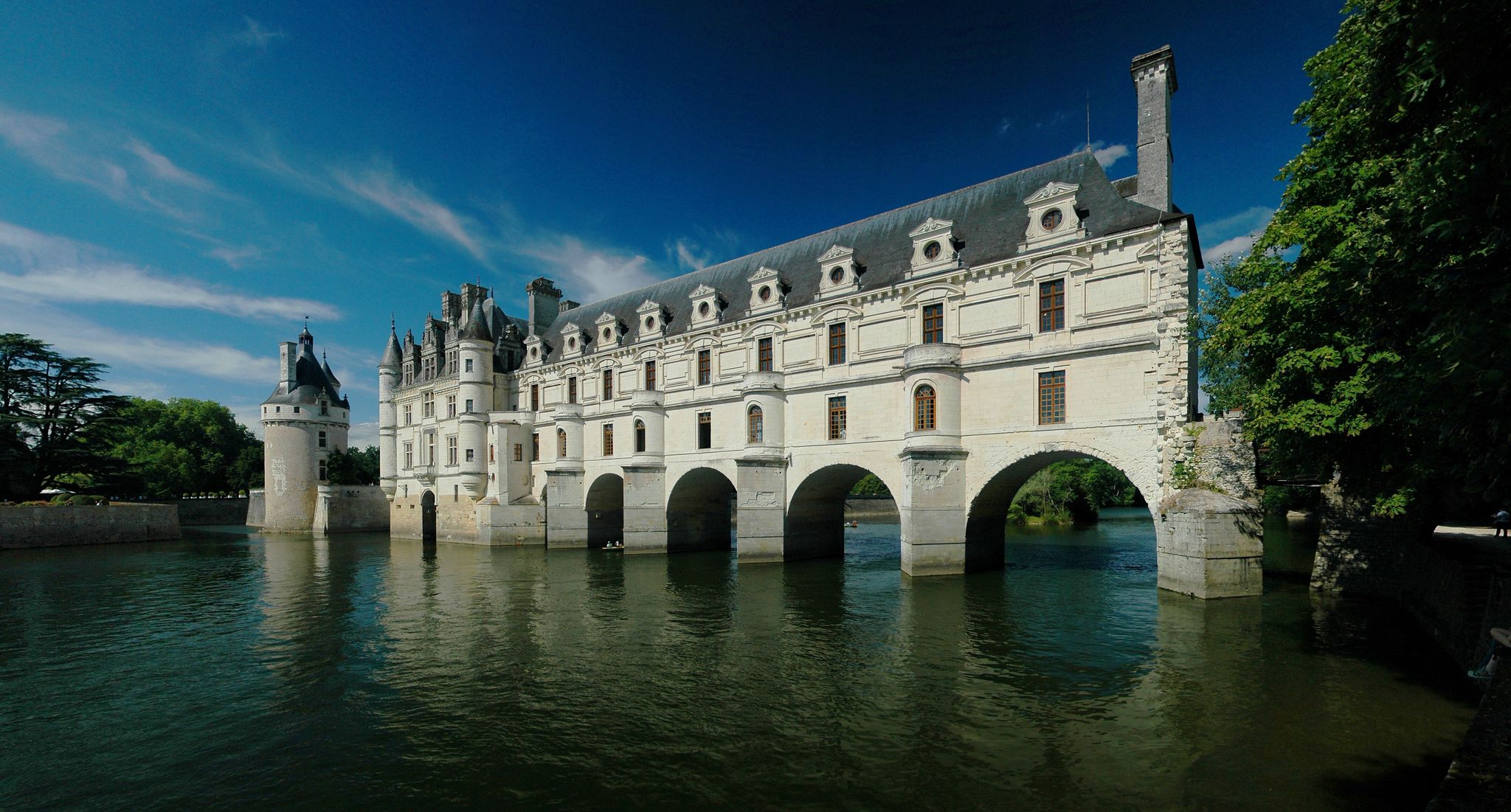
Between Touraine and Berry – France’s Indre River by bike
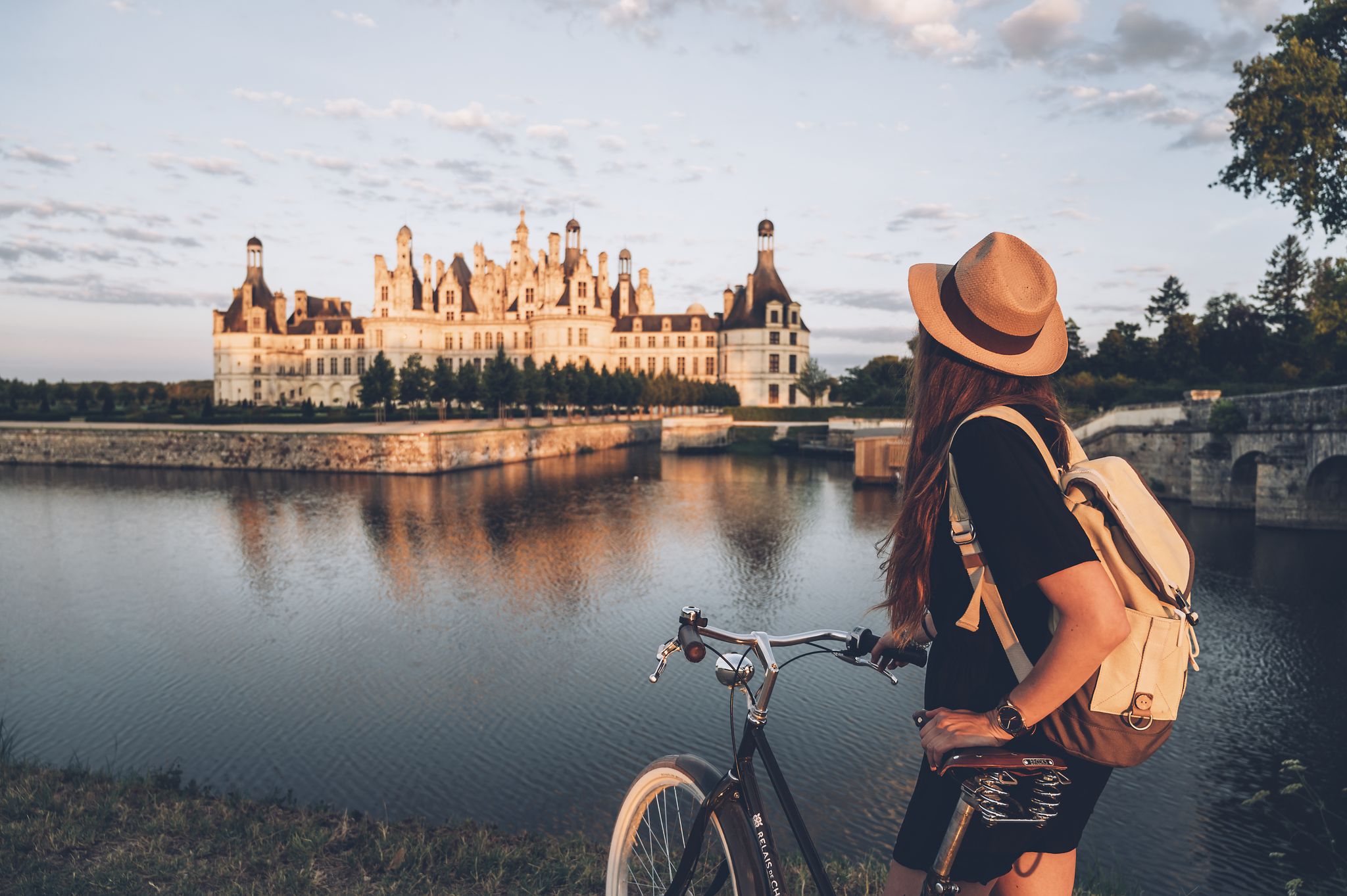
Nature and Culture — discover the Loire and its castles by bike
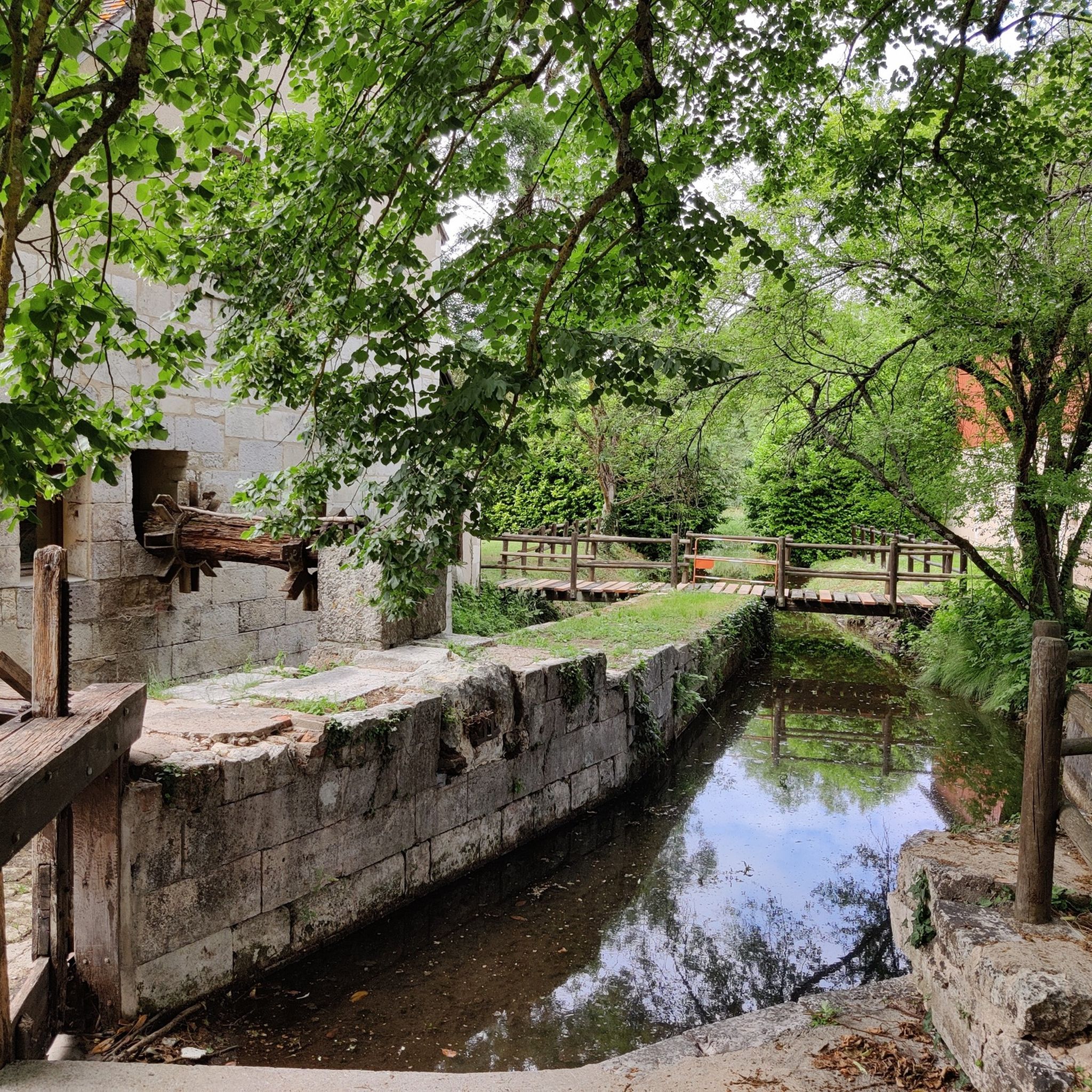
Hiking in Indre
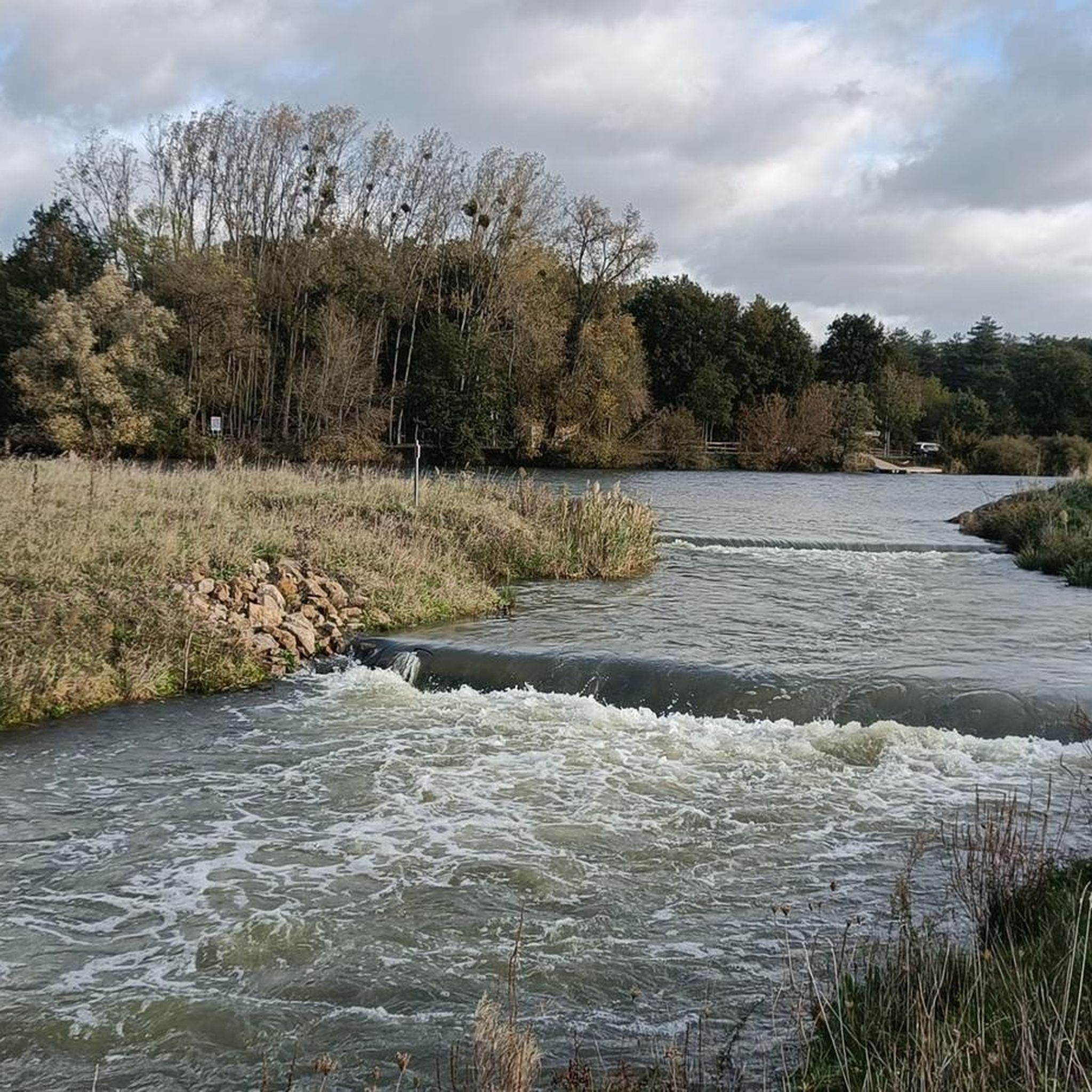
Cycling in Indre
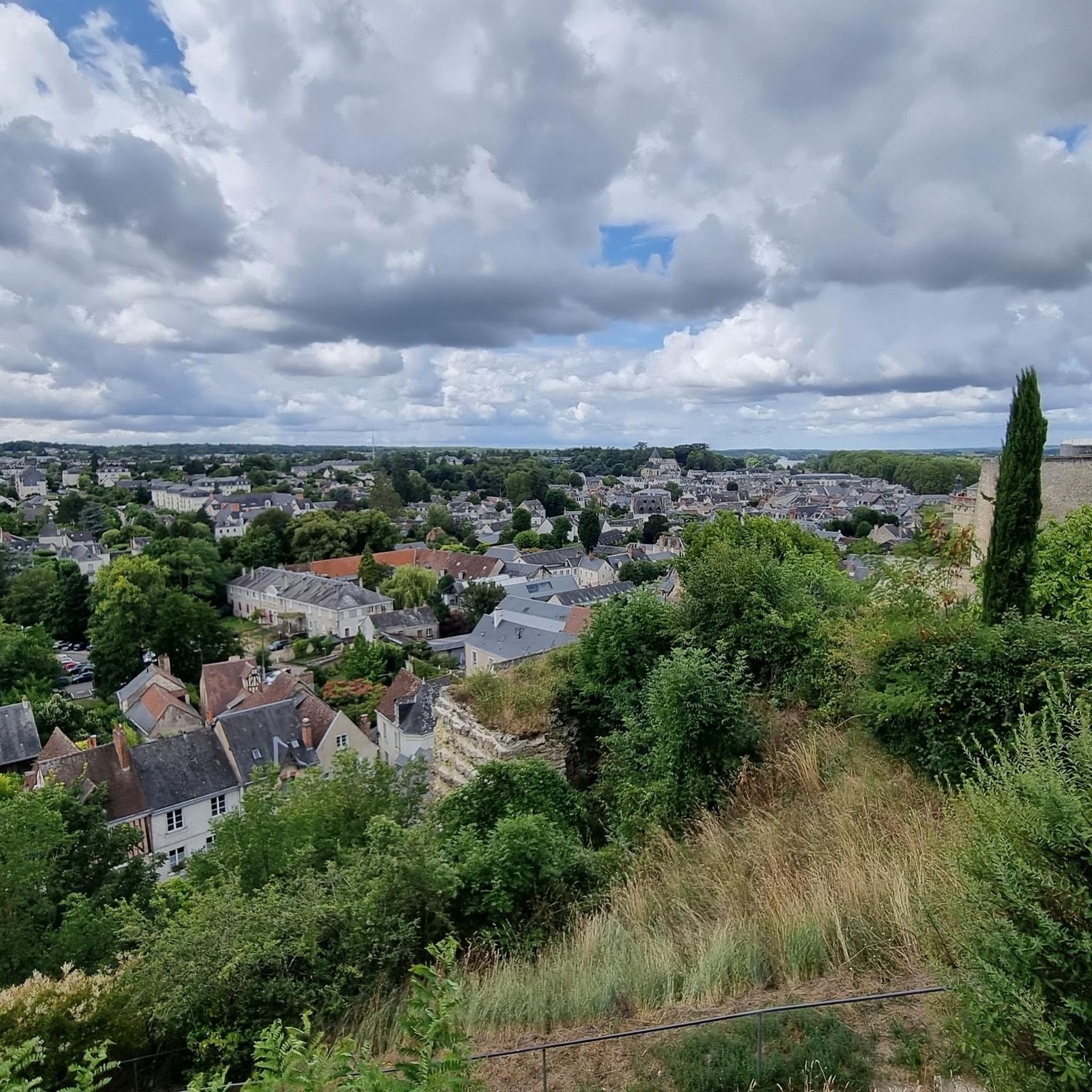
Running Trails in Indre
Road Cycling Routes in Indre
MTB Trails in Indre
Other adventures in Indre


Tips from the Community

Above the Indre River stands the castle that gave the entire town its name. Once, in the 10th century, a wooden fortress belonging to the lords of Déols stood here. In the 12th century, Raoul le Large had it rebuilt in stone—and ever since, it bears his name: Château-Raoul. From that castle, the town's name, Châteauroux, evolved.
3
0
Once a mighty fortress, now remains perched on a rocky ridge, with a round keep as a silent witness. In 1369, Brosse was set on fire, but generations returned to save the stones and preserve the ruins.
3
0
A beautiful route full of variety! A delightful loop of approximately 8 km that includes everything: views of the Château de Chabenet, a stop at the charming Château du Petit-Broutet, the unique Pont Couvert bridge, and the impressive Viaduc de la Bouzanne. The mix of riverbanks, forests, and open fields ensures you'll constantly encounter a new setting. There are plenty of quiet spots along the way to pause and enjoy the surroundings. Definitely recommended for those who enjoy combining culture and nature.
6
0


Very beautiful viewpoint and an emblematic castle of the region
1
0

An imposing 15th century medieval castle, which withstood the Hundred Years' War and the Wars of Religion, as well as the Revolution, it was saved from ruin by its current owner in 1982. This castle was the setting for George Sand's novel "The Miller of Angibault" under the name of Château de Blanchemont.
0
0

Château de Forges is an impressive 15th-century fortified castle located in the Vienne region of New Aquitaine. Built overlooking the Anglin River, it was strategically built to defend against English invasions during the Hundred Years' War, a period of great conflict between France and England. Points of Interest: Military Architecture: Defensive Design: Château de Forges is a remarkable example of medieval military architecture. Built on a rocky promontory, it dominates the Anglin Valley, which gave it a considerable strategic advantage in monitoring and defending the region against invaders. Fortifications: The castle has powerful fortifications, including thick walls, watchtowers, and a sturdy keep. These structures were designed to withstand assaults and protect the occupants against enemy armies. Why visit Château de Forges? Military Heritage: Château de Forges is an iconic example of medieval fortification, offering a fascinating insight into 15th-century military architecture. Local History: A visit to this castle will immerse you in the tumultuous history of the Hundred Years' War and the conflicts that shaped the region. Natural Beauty: Its location overlooking the Anglin River offers a magnificent natural setting, combining history and nature in an enriching experience. In short, Château de Forges is a must-see destination for those passionate about medieval history and fortifications, as well as those who appreciate the picturesque landscapes of the Anglin Valley.
1
0

From the chemin de charrières, which runs along La Bouzanne, you have a fantastic view of the castle above the path. The asphalt path is easy to walk on and has little traffic, even in addition to the fantastic view of the castle. The best way to get to this path from the castle is to walk to the railway bridge. Then turn left into the dead end before the railway bridge. This path, which is also asphalted, leads directly to the chemin de charrières, which you have to follow for about 1 km in the valley to get to the viewing point with a view of the castle. Just do it❗
1
0
Frequently Asked Questions
What are some of the most impressive castles to visit in Indre?
Indre offers a variety of impressive castles. For a deep dive into French history and lavish interiors, consider Valençay Castle, known for its association with Talleyrand. If you're interested in medieval fortresses, Château de Sarzay is a must-see, having survived numerous conflicts. For a blend of architectural styles and extensive gardens, Château d'Azay-le-Ferron is a great choice, while Raoul Castle, which gave Châteauroux its name, offers a glimpse into 12th-century reconstruction.
Are there family-friendly activities available at the castles in Indre?
Yes, several castles in Indre offer family-friendly activities. Valençay Castle, for example, features the Napoleon maze, which is considered France's largest game maze, a scent garden, and a mini-farm, making it engaging for younger visitors.
What kind of historical periods do the castles in Indre represent?
The castles in Indre showcase a broad spectrum of French history. You can explore medieval fortresses like the 14th-century Château de Sarzay, Renaissance and Classical architecture at Valençay Castle, and 18th-century neoclassical elegance at Château de Bouges. Château d'Azay-le-Ferron also demonstrates an evolution of styles from the 15th to the 17th centuries.
Are there hiking or cycling routes near the castles in Indre?
Yes, the Indre region offers various outdoor activities near its castles. For instance, you can find MTB trails like the 'Saint-Cyran Church – Naillac Castle loop' or 'Château de la Rochechevreux – Guillaume Castle loop'. There are also easy hikes, such as the 'Water Lily Horizon Trail', and gravel biking routes like the 'Gargilesse-Dampierre – Cluis-Dessous Castle loop'. You can find more details on these routes in the MTB Trails in Indre, Easy hikes in Indre, and Gravel biking in Indre guides.
What natural features or viewpoints can I find near the castles in Indre?
Many castles in Indre are set amidst beautiful natural landscapes. Valençay Castle boasts a remarkable 50-hectare park with French and Duchess's gardens, and the Forêt des Princes. Château d'Azay-le-Ferron is renowned for its extensive and diverse gardens, including a topiary garden and a rose garden. From View of Château de Chabenet, you can enjoy fantastic views of the castle above the Bouzanne river, surrounded by riverbanks, forests, and open fields.
When is the best time of year to visit the castles in Indre?
The castles in Indre, particularly those with extensive gardens like Valençay Castle and Château d'Azay-le-Ferron, are especially beautiful during spring and summer when the gardens are in full bloom. The weather is also generally more pleasant for exploring the grounds and surrounding areas. However, many castles are open year-round, offering a different charm in autumn or winter.
Are there any lesser-known or 'hidden gem' castles in Indre worth exploring?
While not as widely known as some Loire Valley counterparts, castles like Cluis-Dessous Castle offer a unique experience. It's an archaeological site on a rocky outcrop with a 12th-century keep and Plantagenet architecture. Château de la Rochechevreux, located on a small height, provides extensive views of the valley and features multiple turrets, making it a picturesque discovery.
What do visitors enjoy most about the castles in Indre?
Visitors appreciate the rich historical and architectural experience offered by Indre's castles. Many enjoy the well-preserved nature of sites like Château de Sarzay, which provides a genuine step back into the Middle Ages. The extensive and varied gardens, such as those at Château d'Azay-le-Ferron, are also a significant draw, offering tranquil and picturesque settings. The combination of cultural significance and natural beauty is a recurring highlight.
Can I find accommodation or dining options near the castles in Indre?
The Indre department has various towns and villages near its castles that offer accommodation and dining. For example, Châteauroux, home to Raoul Castle, provides a range of options. Smaller villages near other châteaux often have local restaurants or guesthouses. It's advisable to check specific locations for the best choices.
Are the castles in Indre generally accessible by public transport, or is a car recommended?
While some larger towns like Châteauroux may have public transport links to their local castles, many of the châteaux in Indre are located in more rural settings. For the most flexibility and to visit multiple sites, having a car is generally recommended. Parking is typically available at or near the major castle attractions.
What are some unique architectural features found in Indre's castles?
Indre's castles boast diverse architectural styles. Château de Sarzay is a medieval fortress with five round towers and deep moats. Valençay Castle exemplifies Renaissance and Classical architecture. Château de Bouges is known for its neoclassical style and ingenious interior organization. Château d'Azay-le-Ferron showcases an evolution from 15th-century castle to 17th-century manor.
Most popular routes in Indre
Most popular attractions in Indre

Get inspired with the komoot mobile app


Explore more
Looking for the best castles somewhere else? Discover other guides in Indre:
