Top 20 Lakes around Rumst
Best lakes around Rumst are characterized by a unique blend of natural reclamation and historical industrial landscapes. The area, while not featuring traditional large lakes, offers significant natural spaces with diverse water features and ponds. These sites, often former clay extraction areas, have been reclaimed by nature, providing ecological value and opportunities for outdoor enjoyment. Visitors can explore picturesque landscapes, diverse wildlife, and hiking trails that offer insights into the region's brickmaking past.
Best lakes around Rumst
- The most popular…
Last updated: June 27, 2026
Polders of Kruibeke
Highlight • Natural
Translated by Google •
Tip by

Provincial Park De Schorre
Highlight • Natural
Translated by Google •
Tip by
Sign up now to discover places like this
Get recommendations on the best single tracks, peaks, & plenty of other exciting outdoor places.
Sign up for free
Mispeldonk Nature Reserve
Highlight • Natural
Translated by Google •
Tip by

Birdwatching hide at Hobokense Polder
Highlight • Structure
(Nature point)
Translated by Google •
Tip by

Broek De Naeyer Nature Reserve
Highlight • Natural
Translated by Google •
Tip by

Sign up for free to discover even more lakes around Rumst.
Sign up for free
Already have an account?
Start today with a free account
Your next adventure awaits.
Login or Signup
Tips from the Community

Come down from your attic and walk through the polder...
7
2
Patience and calm are instructive...
4
1

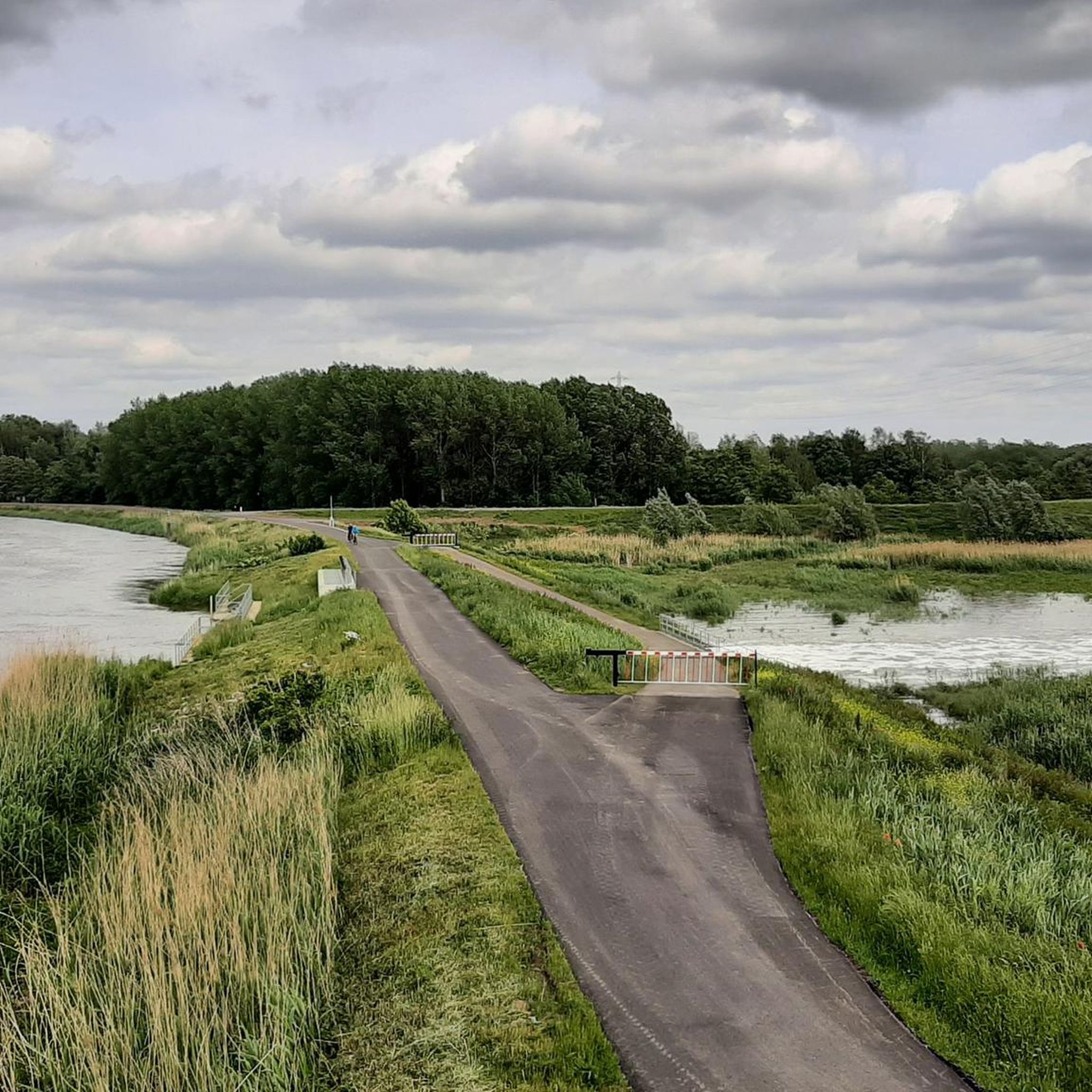
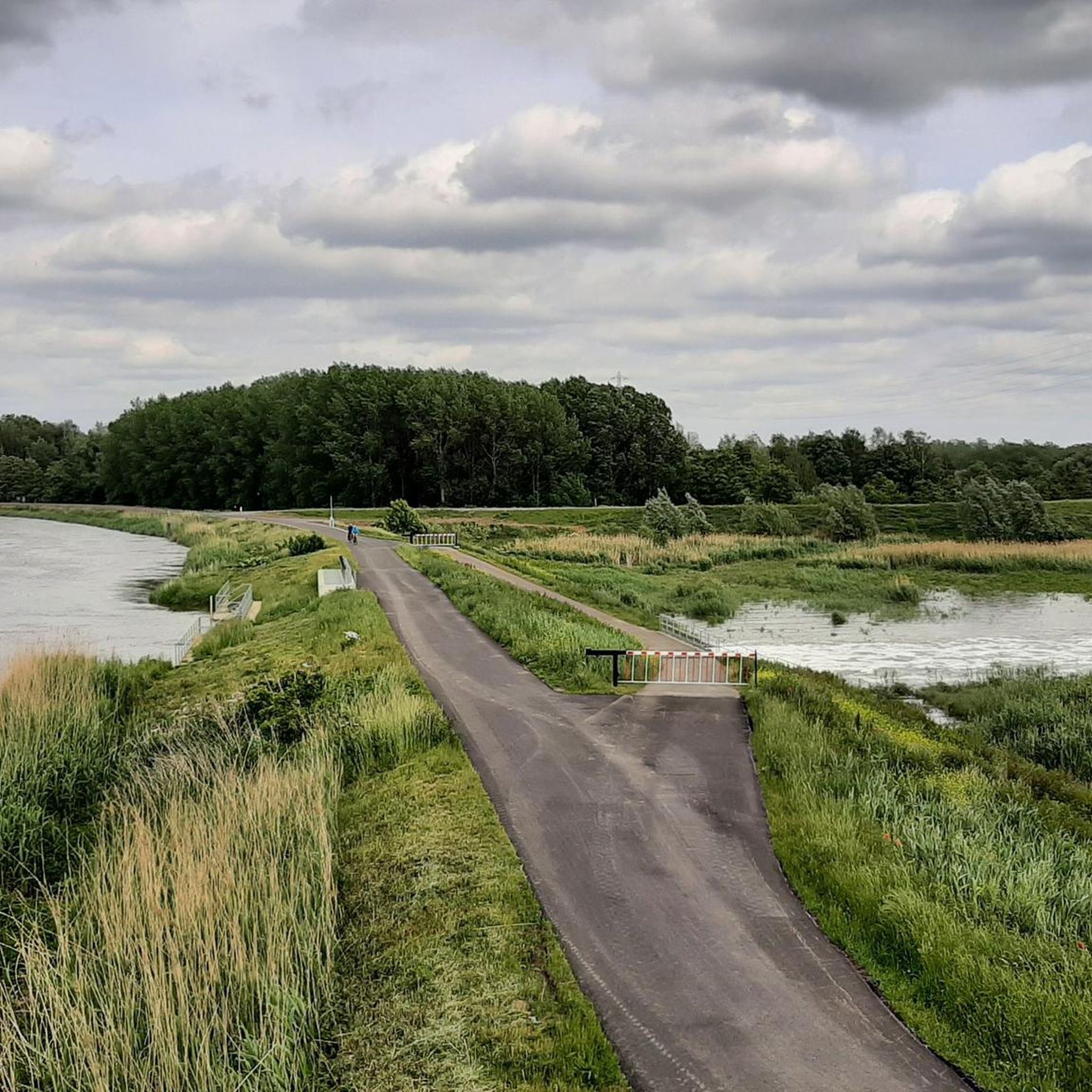
Due to the industrial past, there are a number of safety regulations in this area: THE SLUDGE OF THE PONDS STILL CONTAINS HEAVY METALS. Fish store these toxic substances in their bodies and are therefore certainly not edible. THE PATHS ARE PROVIDED WITH A COVERING LAYER SO THAT YOU DO NOT COME INTO CONTACT WITH POLLUTION. Apart from the paths, we cannot guarantee this. If you do come into contact with soil, it is important to wash your hands very well. Also clean your shoes or boots very thoroughly. DOGS ARE NOT ALLOWED, NOT EVEN ON A LEASH. It is dangerous for your four-legged friend to walk next to the paths because of pollution. Dogs also frighten the animals present (including waterfowl, beavers, otters).
3
0
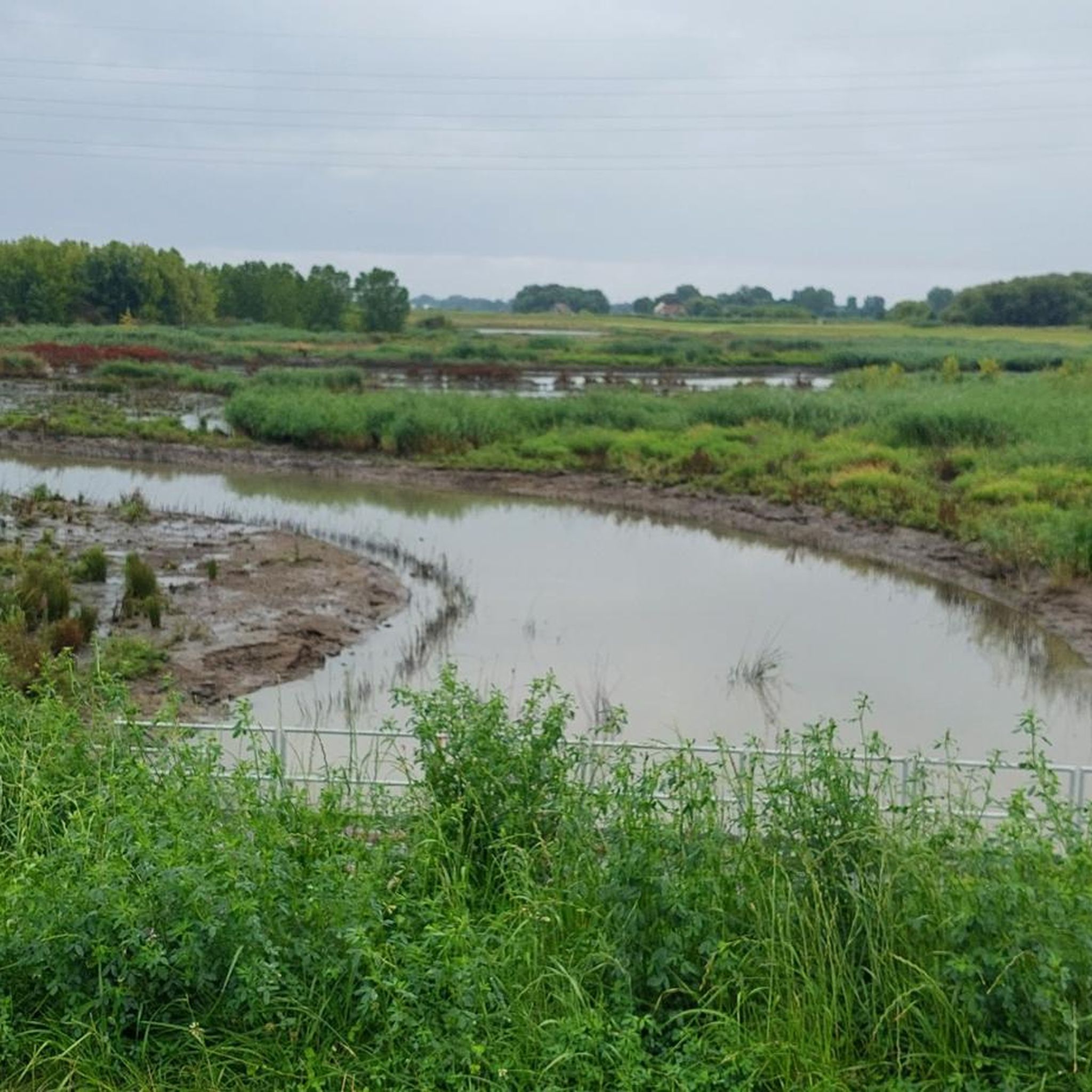
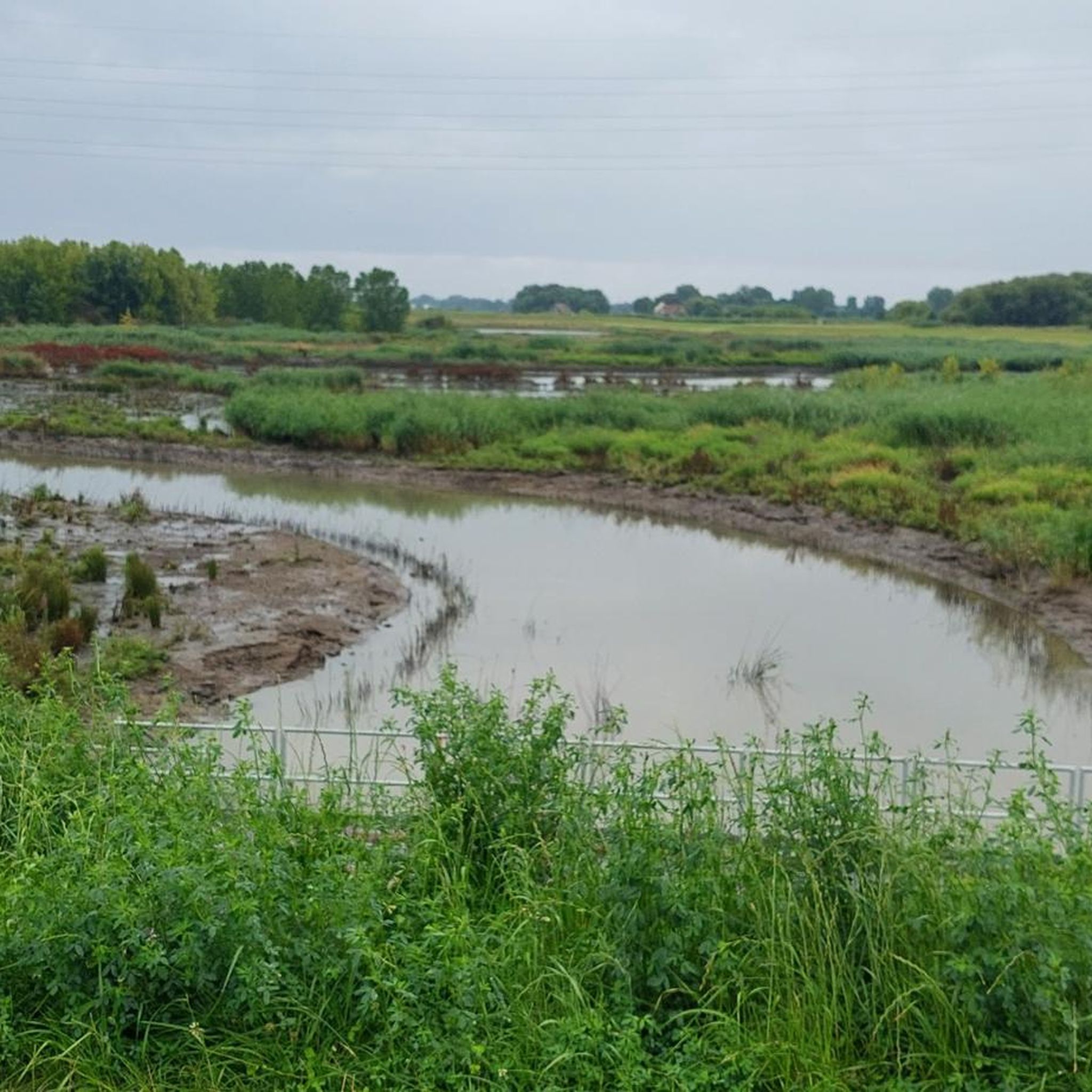
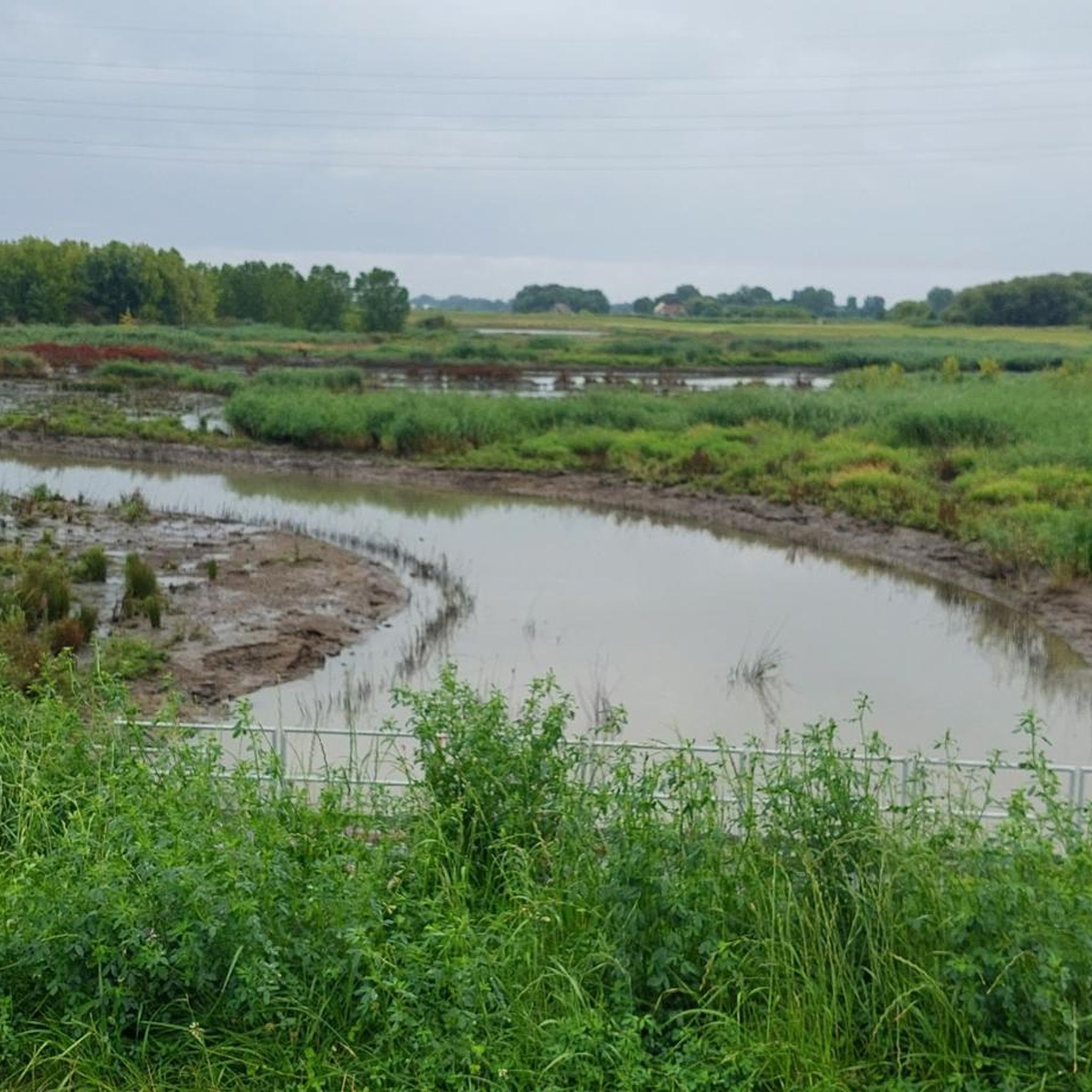
A paradise for water birds This former industrial area has grown into a true paradise for water birds. Many birds, such as the cormorant, find a breeding ground here. Do you want to admire them up close? Then take a seat in one of our two birdwatching huts and watch the birds without disturbing them.
2
0


Very scenic, with great little villages in the background for variety for the eye.
8
1
Mispeldonk Nature Reserve is a beautiful and valuable nature reserve in Bonheiden, located in the province of Antwerp. The area is known for its unique ecosystems, rich biodiversity and the natural beauty of the landscape. Here are some key points about Mispeldonk: Location and Size Mispeldonk is located between Bonheiden and the nearby municipality of Rijmenam, along the banks of the Dijle. The area is part of the larger Dijle landscape, which is known for its wet meadows, meandering waterways and rich flora and fauna. Mispeldonk covers approximately 50 hectares and consists of a mix of marshlands, meadows, forests and ponds. Ecological Importance Mispeldonk is a protected nature reserve because of its special ecological value. The area has a typical structure of a flood plain of the Dijle, which makes it an important habitat for many plant and animal species: • Flora: Various rare and protected plant species grow in the area, such as marsh marigolds, cuckoo flowers and water violets. The wet grasslands and marshes provide unique vegetation that is less common elsewhere in the region. • Fauna: Mispeldonk is an important habitat for birds such as the bluethroat, water rail and reed warbler. Amphibians such as the crested newt and the green frog can also be found there. Furthermore, the area is rich in insects, including butterflies and dragonflies, that thrive in the moist environment. Water management The nature reserve plays an important role in local water management. It is located in a flood-prone area along the Dijle and functions as a natural buffer against flooding. In the event of high water levels, the area can collect water and thus help prevent flooding in nearby villages. The nature reserve contributes to the preservation of water quality by filtering and purifying the water through natural processes. Recreation and Experience Mispeldonk is a popular place for nature lovers and hikers. The area is accessible via various hiking trails that lead through the meadows and forests. There are signposted routes that give walkers the chance to explore the diversity of the landscape and enjoy the peace and quiet of nature. Birdwatchers enjoy visiting the area because of the variety of bird species that can be seen, especially during the breeding season and the migratory bird periods. Management and Protection The nature reserve is managed by Natuurpunt, a Belgian organisation that is committed to nature conservation. Natuurpunt carries out management work to protect biodiversity and maintain the landscape. This includes mowing grasslands, removing invasive plant species and maintaining the walking paths. There is collaboration with local farmers for nature-friendly agriculture, whereby meadows are extensively grazed or mowed, so that they remain suitable for meadow birds and rare plants.
7
1

A beautiful place to relax for a while. Great for young and old. We were lucky to see a couple of swans
3
0
Frequently Asked Questions
What kind of natural features can I expect to see around Rumst's water areas?
The water areas around Rumst are characterized by unique natural reclamation. You'll find diverse water features ranging from ponds and creeks to larger flood zones. These include mudflats and salt marshes, alder forests, reed fields, and restored heathland areas. Sites like Polders of Kruibeke, for example, are Flanders' largest flood plain, offering a dynamic landscape.
What wildlife can be spotted near the lakes and water features in Rumst?
The natural areas around Rumst are rich in biodiversity. Visitors can spot thousands of meadow and water birds, and with luck, even deer, beavers, and otters. The Mispeldonk Nature Reserve is known for species like the kingfisher, while Broek De Naeyer Nature Reserve is home to beavers. Springtime at places like De Kleiputten Terhagen can even bring 'frog concerts'.
Are there good hiking trails around the water areas near Rumst?
Yes, the region offers a variety of hiking trails. Areas like Provincial Park De Schorre feature a network of trails with numerous footbridges. The reclaimed clay pits, such as De Kleiputten Terhagen, are also popular for hiking, with paths winding through unique terrain. For more options, explore the Hiking around Rumst guide.
What historical insights can I gain when visiting the water features in Rumst?
The landscape around Rumst offers a glimpse into the region's industrial past, particularly brickmaking. Many water features are former clay extraction areas that have been reclaimed by nature. You can still see remnants like an old chimney from a brickworks forge, providing a historical perspective on the landscape's transformation. Broek De Naeyer Nature Reserve also has an industrial past, with its ponds originating from peat extraction and a former paper factory.
Are there family-friendly options for exploring the lakes and natural areas?
Absolutely. Several areas are well-suited for families. Provincial Park De Schorre is considered a very nice environment for a day out, especially with children, offering walking, cycling, and even a barefoot path. The Polders of Kruibeke also feature a beaver trail for exploration, which can be engaging for younger visitors.
Can I go swimming in the lakes around Rumst?
Rumst itself does not feature large, traditional lakes typically designated for swimming or extensive water sports. The water features are primarily natural reclamation areas, ponds, and floodplains, valued more for their ecological significance and hiking opportunities rather than recreational swimming. For larger lake complexes suitable for traditional water recreation, you might need to explore other regions in Belgium, such as the Eau d'Heure lakes.
What is the best time of year to visit the natural areas around Rumst?
Spring is particularly vibrant, with 'frog concerts' in areas like De Kleiputten Terhagen and abundant birdlife. The natural floodplains, such as Polders of Kruibeke, are most dynamic when the water recedes after occasional flooding, revealing mudflats and salt marshes. Generally, spring and autumn offer pleasant temperatures for hiking and wildlife spotting, while summer is also suitable for outdoor activities.
Are there facilities like cafes or restaurants near the natural areas?
Yes, some natural areas offer facilities. For instance, Provincial Park De Schorre has a cozy café on its grounds. While not every location will have direct amenities, you can often find cafes and pubs in the nearby towns and villages.
What kind of cycling opportunities are there near Rumst's water features?
Beyond hiking, the region offers various cycling opportunities. Provincial Park De Schorre allows cycling, and the broader area has routes suitable for mountain biking and gravel biking. You can find detailed routes in the MTB Trails around Rumst guide and the Gravel biking around Rumst guide.
Where can I get panoramic views of the Rupelstreek and its water features?
For panoramic views, the Watertoren Rumst (water tower) is an excellent spot. It borders an active clay extraction site and a nature reserve, offering expansive vistas of the Rupelstreek. On clear days, you can distinguish rivers like the Zenne, Dijle, Nete, and Rupel, and observe how nature and industry coexist in the landscape.
Are dogs allowed on the trails around the lakes and natural reserves?
While specific regulations can vary by reserve, many natural areas and trails in Belgium are dog-friendly, often requiring dogs to be on a leash. It's always best to check local signage or the specific reserve's website before visiting. Generally, the extensive network of walking paths in areas like Polders of Kruibeke and Provincial Park De Schorre are popular for walks with canine companions.
What are some less crowded natural spots to explore near Rumst?
For a quieter experience, consider exploring areas like Broek De Naeyer Nature Reserve. It's described as a very peaceful nature reserve where you can enjoy birdsong and the tranquility of nature. The reclaimed clay pits, while popular, also offer numerous paths where you can find solitude away from the main routes.
Most popular attractions around Rumst

Get inspired with the komoot mobile app


Explore more
Still not found your perfect lake around Rumst? Check out the guides of these regions to see even more beautiful places.
