Top 20 Natural Monuments around More
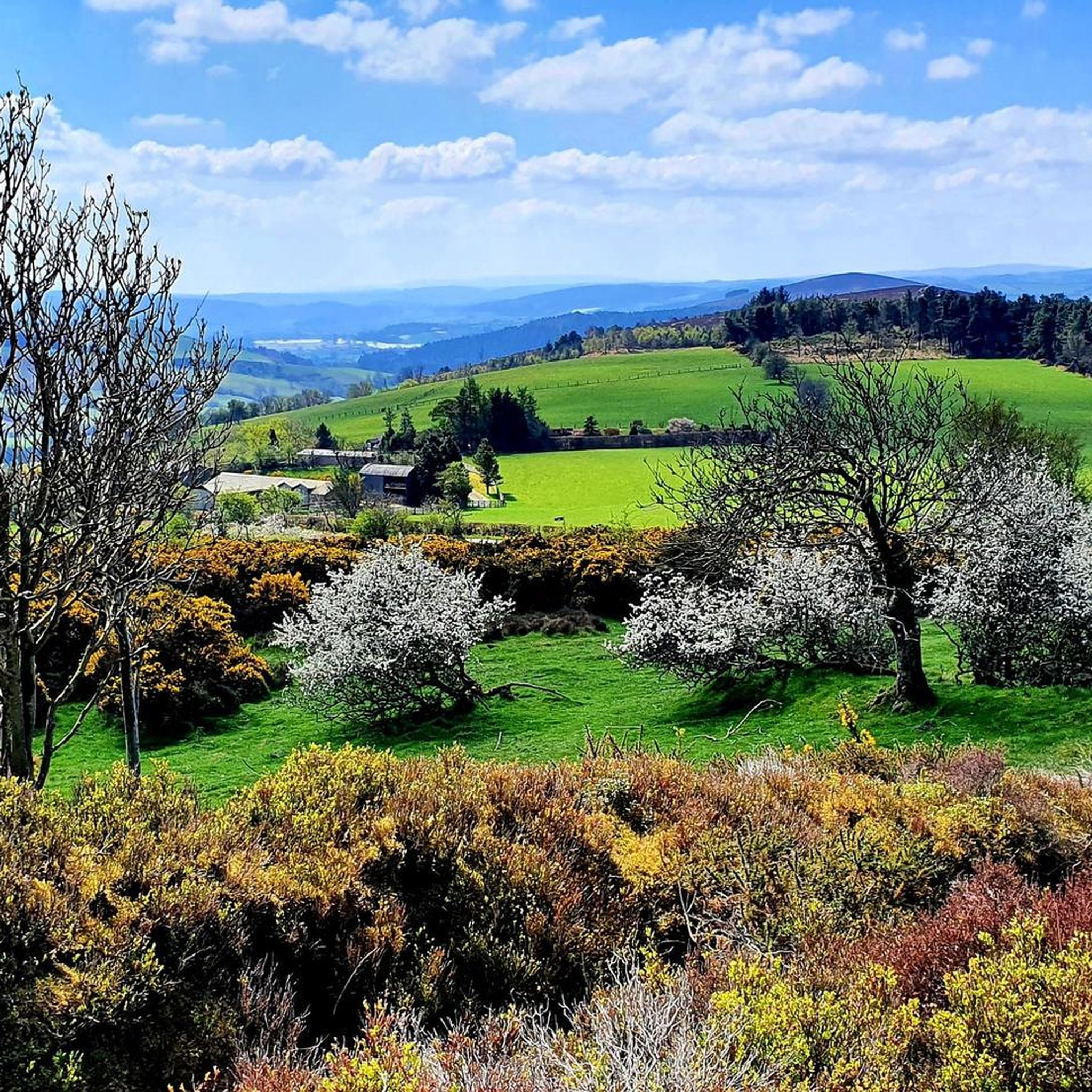
Natural monuments around More offer a diverse landscape characterized by distinctive hills, rocky outcrops, and valleys. This region, situated within the Shropshire hills, features ancient geological formations and significant natural attractions. Visitors can explore summits with panoramic views, dramatic waterfalls, and serene valleys carved by rivers. The area provides a range of natural sights for outdoor enthusiasts.
Best natural monuments around More
- The most popular natural monuments is Stiperstones Summit, a natural monument that features jagged tors and a…
Last updated: October 13, 2026
Stiperstones Summit
Highlight • Natural Monument
Tip by

Corndon Hill summit trig point and cairn
Highlight • Historical Site
Tip by
Sign up now to discover places like this
Get recommendations on the best single tracks, peaks, & plenty of other exciting outdoor places.
Carding Mill Valley
Highlight • Gorge
Tip by

Lightspout Waterfall
Highlight • Waterfall
Tip by
Devil's Chair (Stiperstones)
Highlight • Climb
Tip by
Sign up for free to discover even more natural monuments around More.
Already have an account?
Start today with a free account
Your next adventure awaits.
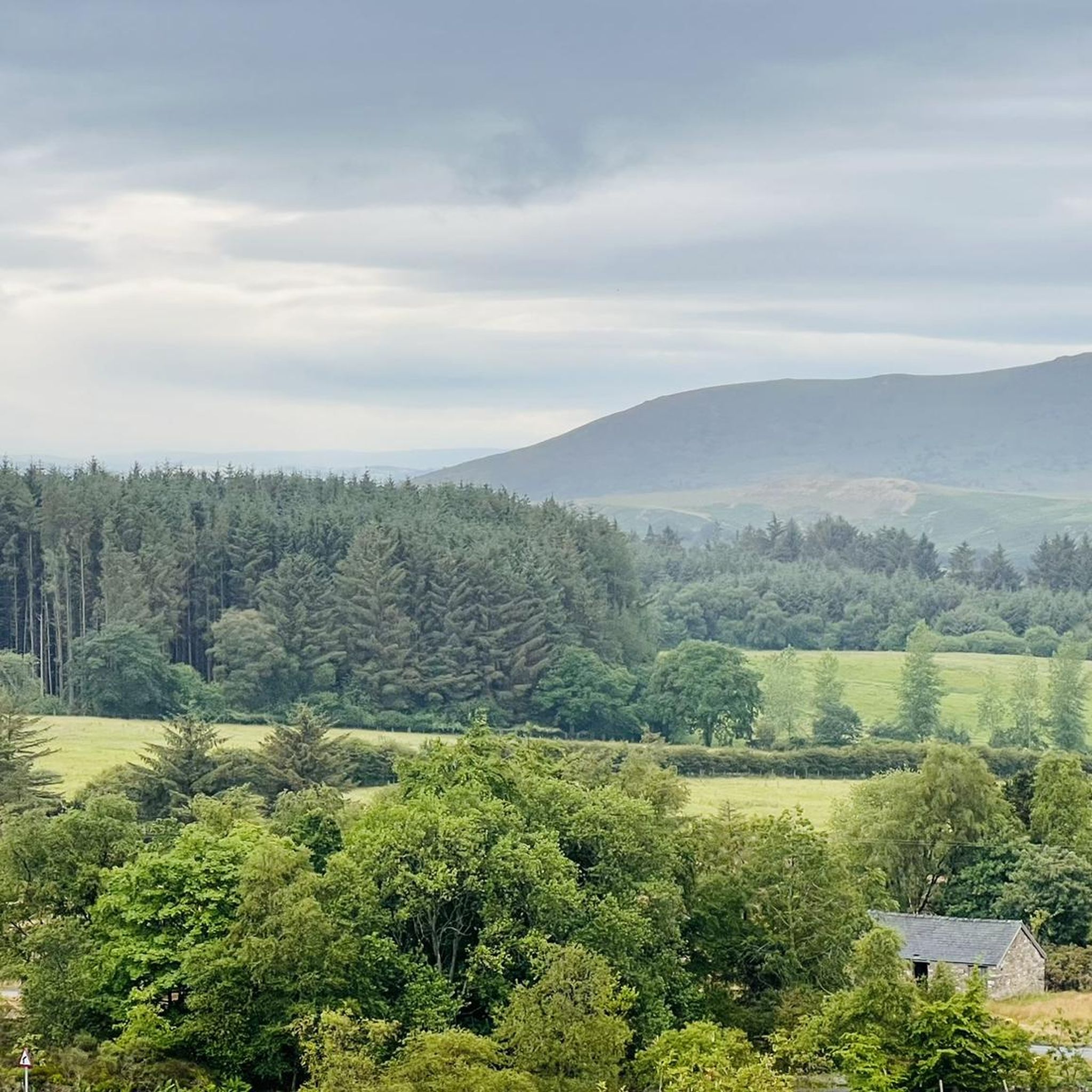
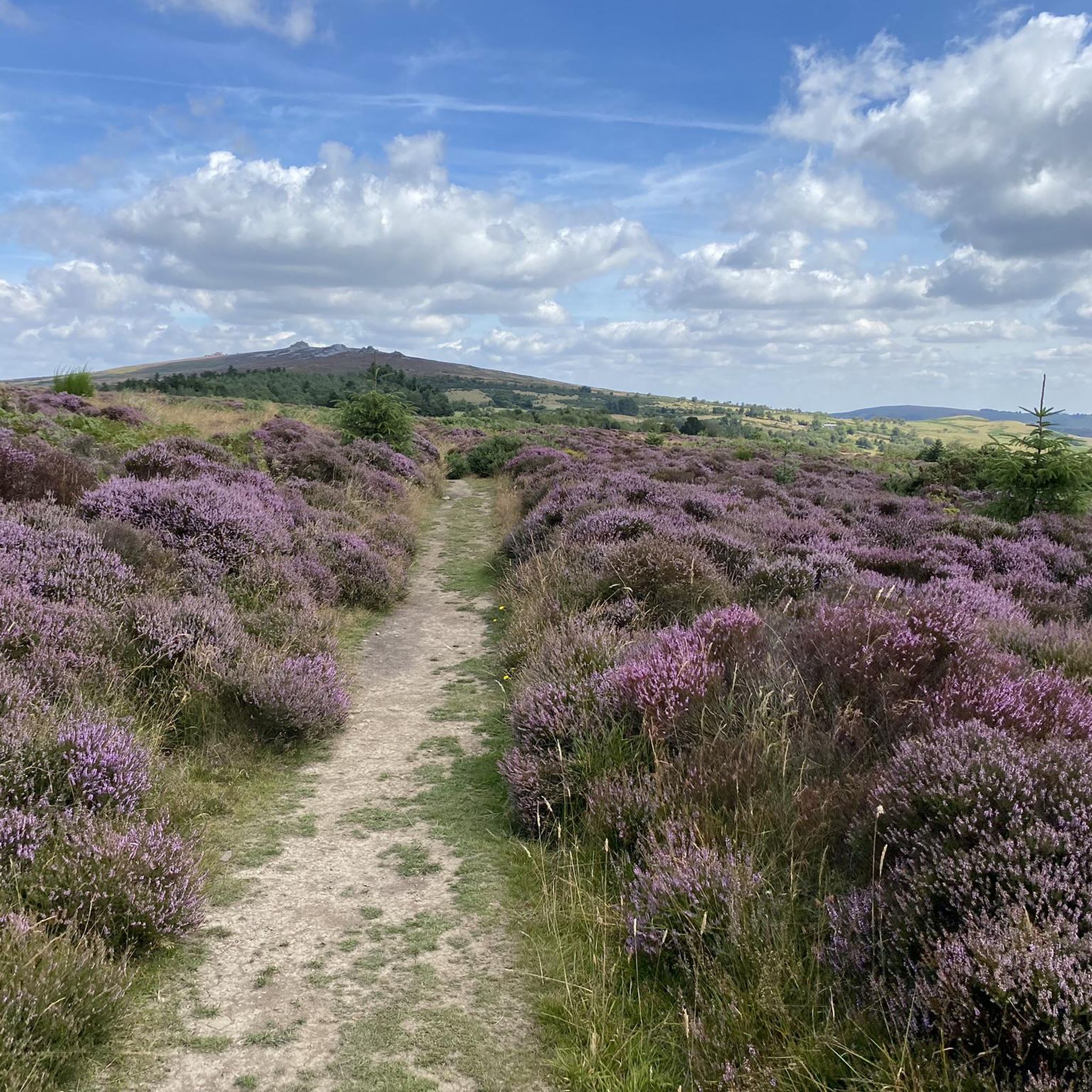
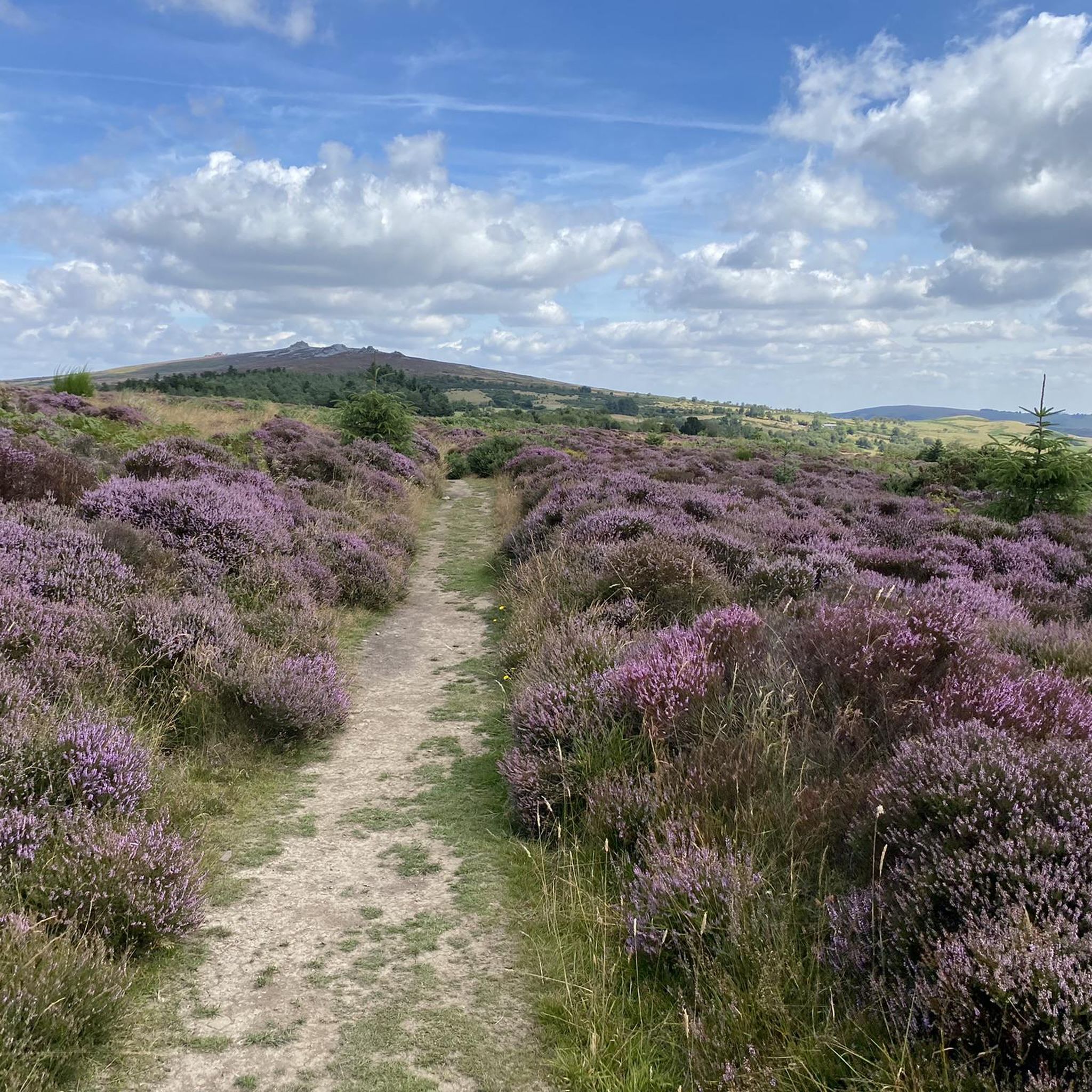
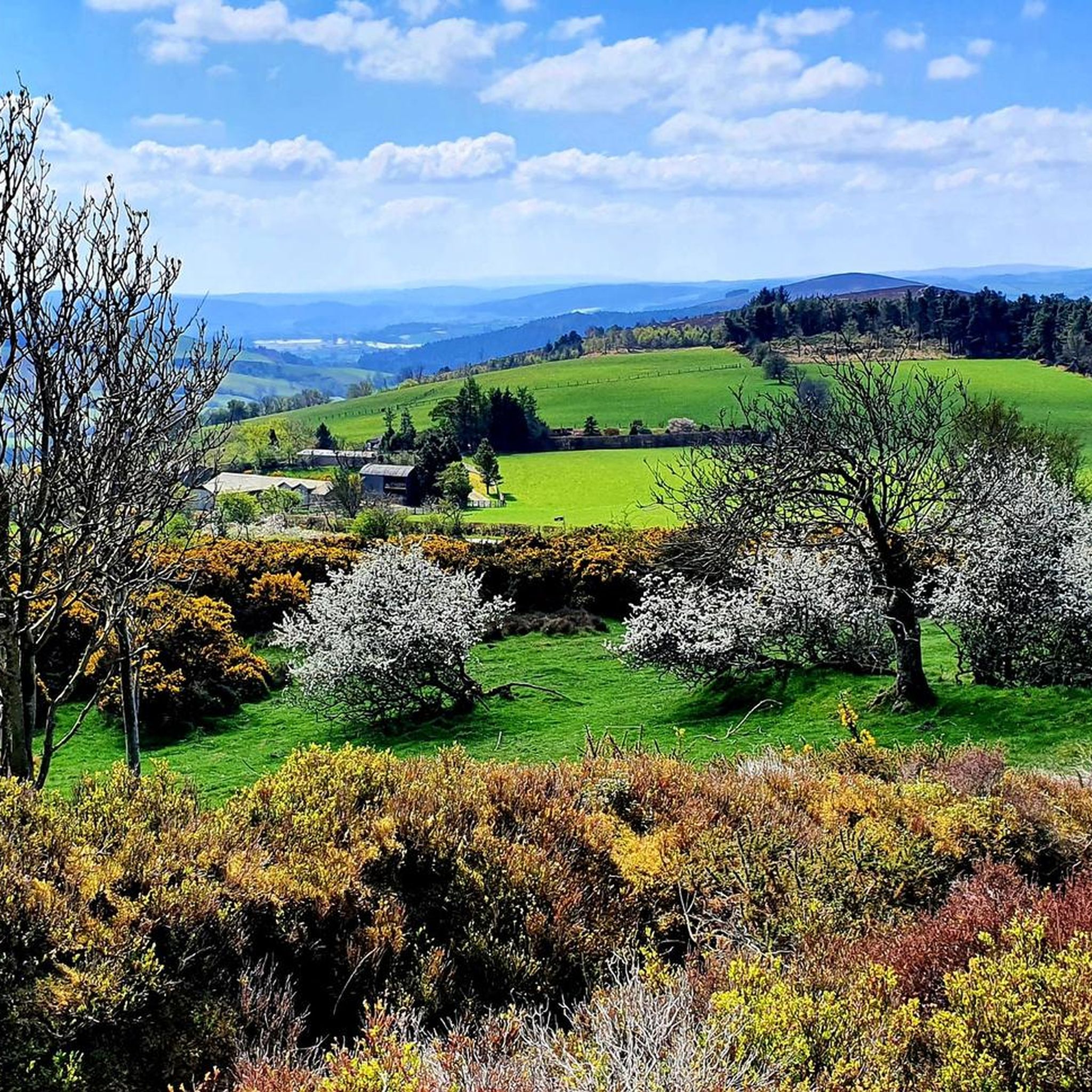

Tips from the Community

Devil's Chair 529.2m P9.7 Shropshire National Landscape Definitive List summit.
0
0

Sturdy footwear recommended, we completed a 4 mile hike, with a couple of steep rock steps to walk up along the way. Other than the steps, the majority of paths are easily accessible. Can get busy when the weather is very good and if you’re lucky, you may get a treat and see the wild horses.
1
0

Be willing to climb to the trig point as it’s placed on top of the summit rock.
0
0

The Devil's Chair is a prominent rock formation located on the Stiperstones ridge in the Shropshire Hills. The ridge is part of the Stiperstones National Nature Reserve and is known for its jagged quartzite rocks, of which the Devil's Chair is the most famous. It stands at around 536 meters and offers sweeping views of the surrounding countryside, including the Welsh borderlands and the Shropshire plains.
1
0

Carding Mill Valley is a stunning valley that runs north-west out of the charming village of Church Stretton. It is the gateway to a plethora of gentle walks, hikes, and bike rides that are available in the Long Mynd area. The Ashbrooke River runs through the centre of this stunning valley, and located in its upper reaches is Lightspout Waterfall. The valley is bordered by the steep but moderate hills of Bodbury Hill and Haddon Hill to the north and Burway Hill and Cow Ridge to the south. There is a National Trust car park, information centre, and cafe at the start of the valley, but get there early, especially on summer weekends and bank holidays, as this is a very popular area.
3
0

Go up the lane past the steep access-path, go past a spring which crosses the stoney lane, arrive at a gate that gives easier access to the summit !! (Only discovered after having hauled my 78years up the previous path!!) Definitely going again! Offa*s Dyke path clearly visible over Long Mountain !! Peter P. from N/C u Lyme.
0
0
Super nice series of rocks that make for a good scrambling play area, or a rest stop. A very nice place with good views on a sky blue day.
0
0
Frequently Asked Questions
What kind of natural features can I expect to see around More?
The natural monuments around More, situated within the Shropshire Hills, showcase a diverse landscape. You'll find distinctive hills, dramatic rocky outcrops, and serene valleys carved by rivers. Notable features include the jagged tors of Stiperstones Summit, the impressive Lightspout Waterfall, and the picturesque Carding Mill Valley with the Ashbrooke River.
Are there challenging natural monuments to visit around More?
Yes, several natural monuments offer a challenging experience. Stiperstones Summit, for instance, involves a surprisingly steep ascent to its 536-meter high peak, requiring sure-footedness. The route to Lightspout Waterfall through Lightspout Hollow is also a fun, rocky, and steep climb.
Are there easy walks to natural monuments in More?
While some areas are challenging, Carding Mill Valley offers a gateway to numerous gentle walks and hikes in the Long Mynd area. Many paths within the valley are easily accessible, though some routes may include steep rock steps.
Are any natural monuments around More wheelchair accessible?
Specific information on wheelchair accessibility for all natural monuments is limited. However, areas like Carding Mill Valley, particularly near the National Trust car park and information centre, may offer more accessible paths. It's advisable to check specific trail conditions before visiting.
Are there family-friendly natural monuments around More?
Absolutely. Carding Mill Valley is a popular family-friendly destination, offering gentle walks and a visitor centre. The area provides a safe and scenic environment for families to explore the natural beauty of the Shropshire Hills.
Can I bring my dog to natural monuments around More?
Many natural monuments and trails around More are dog-friendly, especially in areas like Carding Mill Valley and the wider Long Mynd. However, it's always recommended to keep dogs on a lead, especially near livestock or sensitive wildlife areas, and to follow any local signage.
What is the best season to visit the natural monuments around More?
The natural monuments around More can be enjoyed year-round, but each season offers a different experience. Spring brings wildflowers, summer provides warmer weather for longer hikes, and autumn showcases vibrant foliage. Winter can be beautiful with frost and snow, but trails may be more challenging and require appropriate gear. Summer weekends can be very busy, especially at popular spots like Carding Mill Valley.
How long should I plan for visiting natural monuments in More?
The duration depends on the monument and your activity. A visit to a single site like Lightspout Waterfall or Devil's Chair might take a few hours. For a full exploration of areas like the Stiperstones ridge or Carding Mill Valley, you could easily spend half a day or a full day hiking and enjoying the views.
Do any natural monuments around More have historical significance?
Yes, some natural monuments in the region hold historical significance. For example, the Corndon Hill summit trig point and cairn stands on the remains of Bronze Age burial cairns. The geological formations themselves, like the quartzite rock of the Stiperstones ridge, tell a story stretching back nearly 500 million years, shaped by ancient glaciers and ice ages.
What outdoor activities can I do near these natural monuments?
The area around More offers a wide range of outdoor activities. You can find numerous routes for hiking, including moderate trails like 'The Stiperstones loop'. For cyclists, there are options for gravel biking and road cycling, with routes like 'Stiperstones National Nature Reserve loop'. These activities allow you to explore the natural beauty and diverse landscapes of the region.
Are there less crowded natural monuments to visit around More?
While popular spots like Carding Mill Valley can get busy, especially on nice days, the wider Shropshire Hills offer many quieter trails and less frequented natural areas. The western parts of the Shropshire Hills, including some sections of the Stiperstones, can be less crowded than the more central tourist hubs. Exploring during off-peak hours or weekdays can also help avoid crowds.
Can I spot wildlife near the natural monuments in More?
The natural monuments and surrounding areas are rich in wildlife. You might spot wild horses in Carding Mill Valley. The diverse habitats, from moorland to woodland, support various bird species, insects, and small mammals. Keep an eye out, especially during quieter times of day, for opportunities to observe local fauna.
Most popular attractions around More

Get inspired with the komoot mobile app


Explore more
Extend your search for the best caves by checking out these guides of the top ones around More:
