Top 20 Castles in Manche
Castles in Manche offer a rich array of historical sites, providing insight into the region's past. This department in Normandy features diverse architectural styles, from ancient fortifications to picturesque manors. The area's historical narratives and scenic locations make these sites notable destinations. Many castles are situated in varied landscapes, contributing to their appeal.
Best castles in Manche
- The most popular castles is Mont Saint-Michel, a religious building and castle that is a UNESCO World Heritage Site. It is an…
Last updated: October 9, 2026
Mont Saint-Michel
Highlight • Religious Site
Translated by Google •
Tip by

Ravalets Castle
Highlight • Castle
Translated by Google •
Tip by

Sign up now to discover places like this
Get recommendations on the best single tracks, peaks, & plenty of other exciting outdoor places.
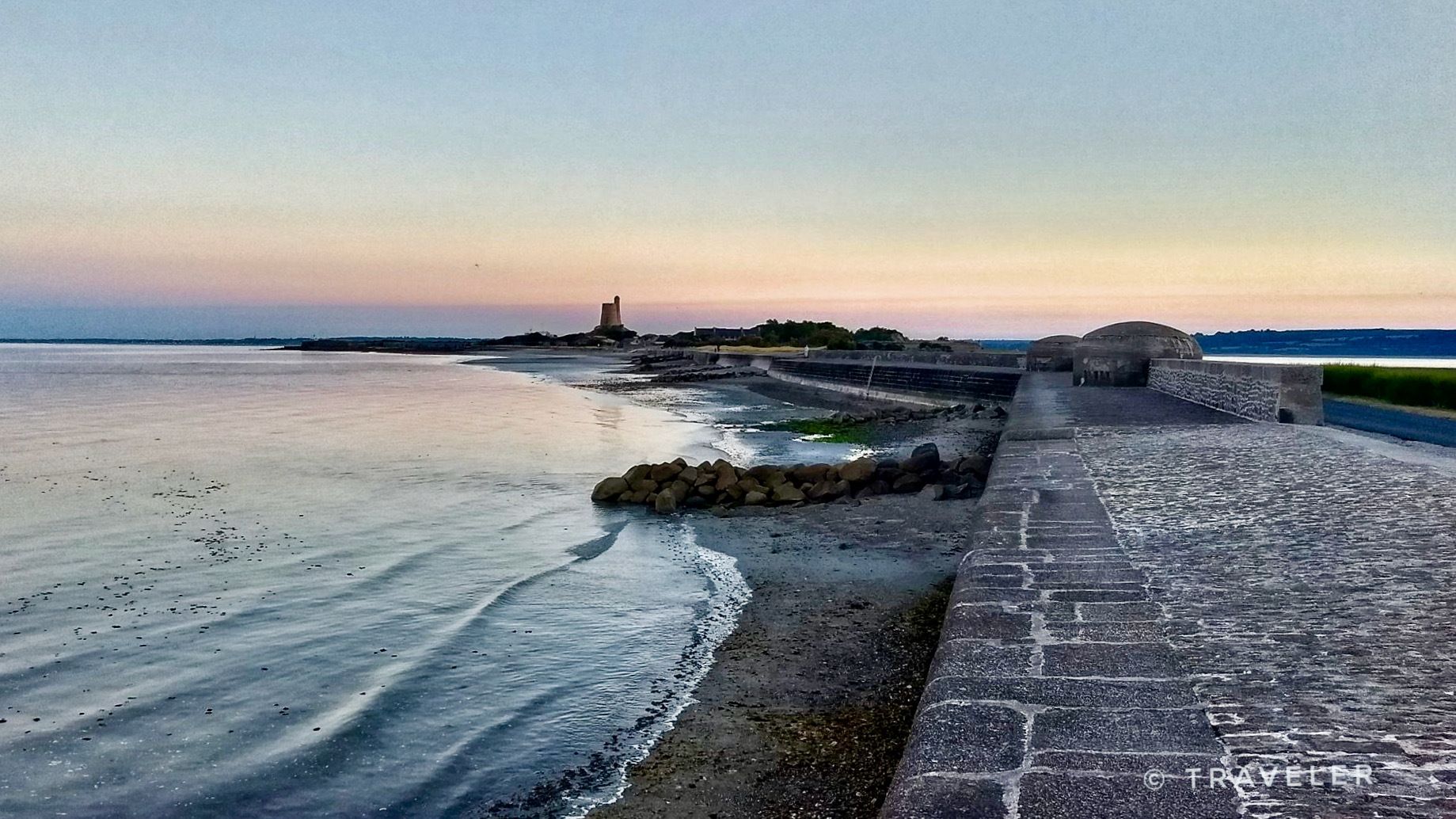
Fort of La Hougue
Highlight • Castle
Tip by

Regnéville-sur-Mer
Highlight • Settlement
Translated by Google •
Tip by

Manoir du Dur-Écu
Highlight • Castle
Translated by Google •
Tip by

Regnéville Castle
Highlight • Castle
Translated by Google •
Tip by

Bréville-sur-Mer
Highlight • Settlement
Translated by Google •
Tip by
Château de Bricquebec
Highlight • Castle
Translated by Google •
Tip by

Montgommery Castle
Highlight • Castle
Translated by Google •
Tip by
Gratot Castle
Highlight • Castle
Translated by Google •
Tip by

Sign up for free to discover even more castles in Manche.
Already have an account?
Start today with a free account
Your next adventure awaits.
Popular around Manche
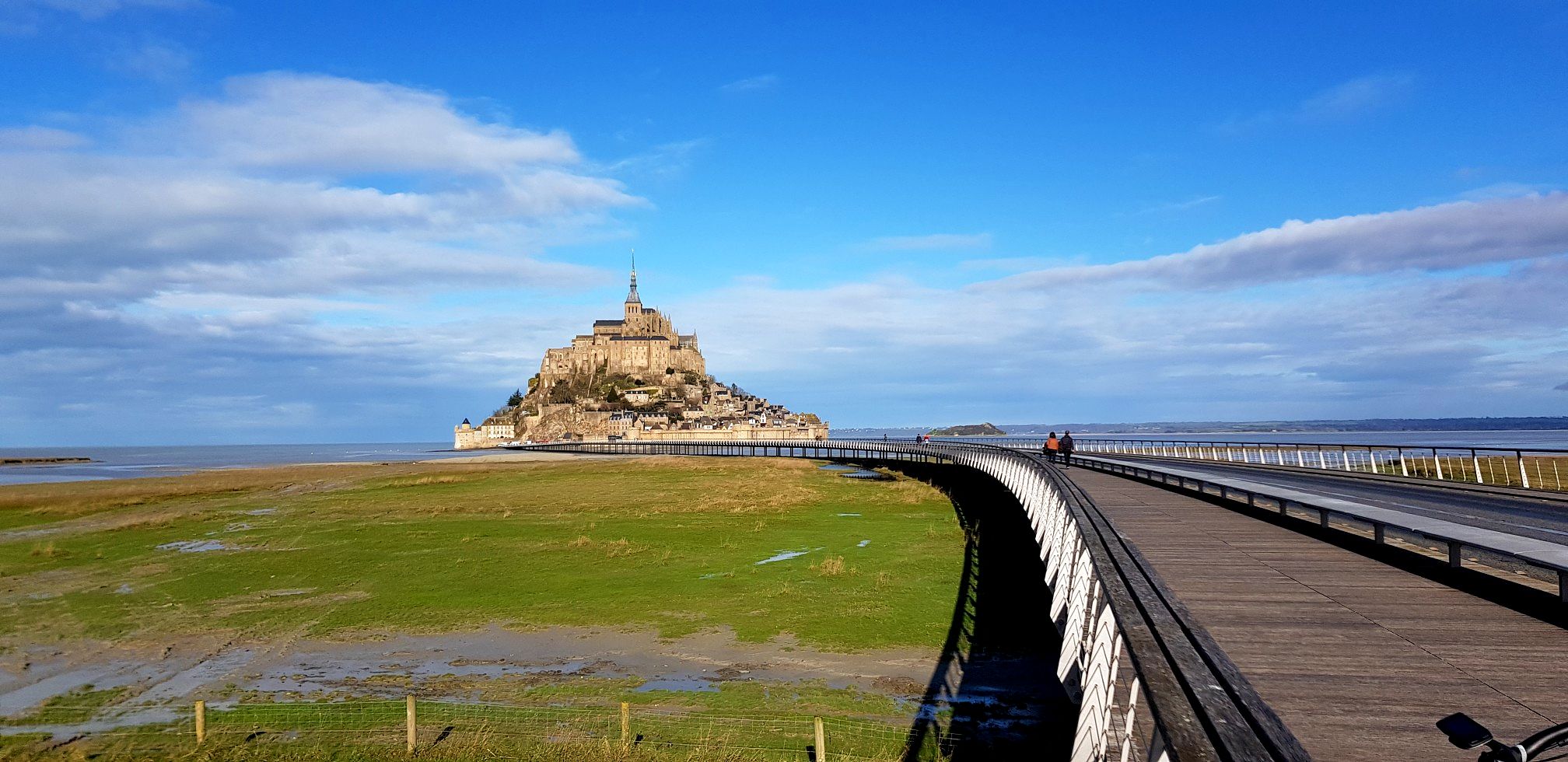
GR 22 to Mont-Saint-Michel – Miquelot's Walk
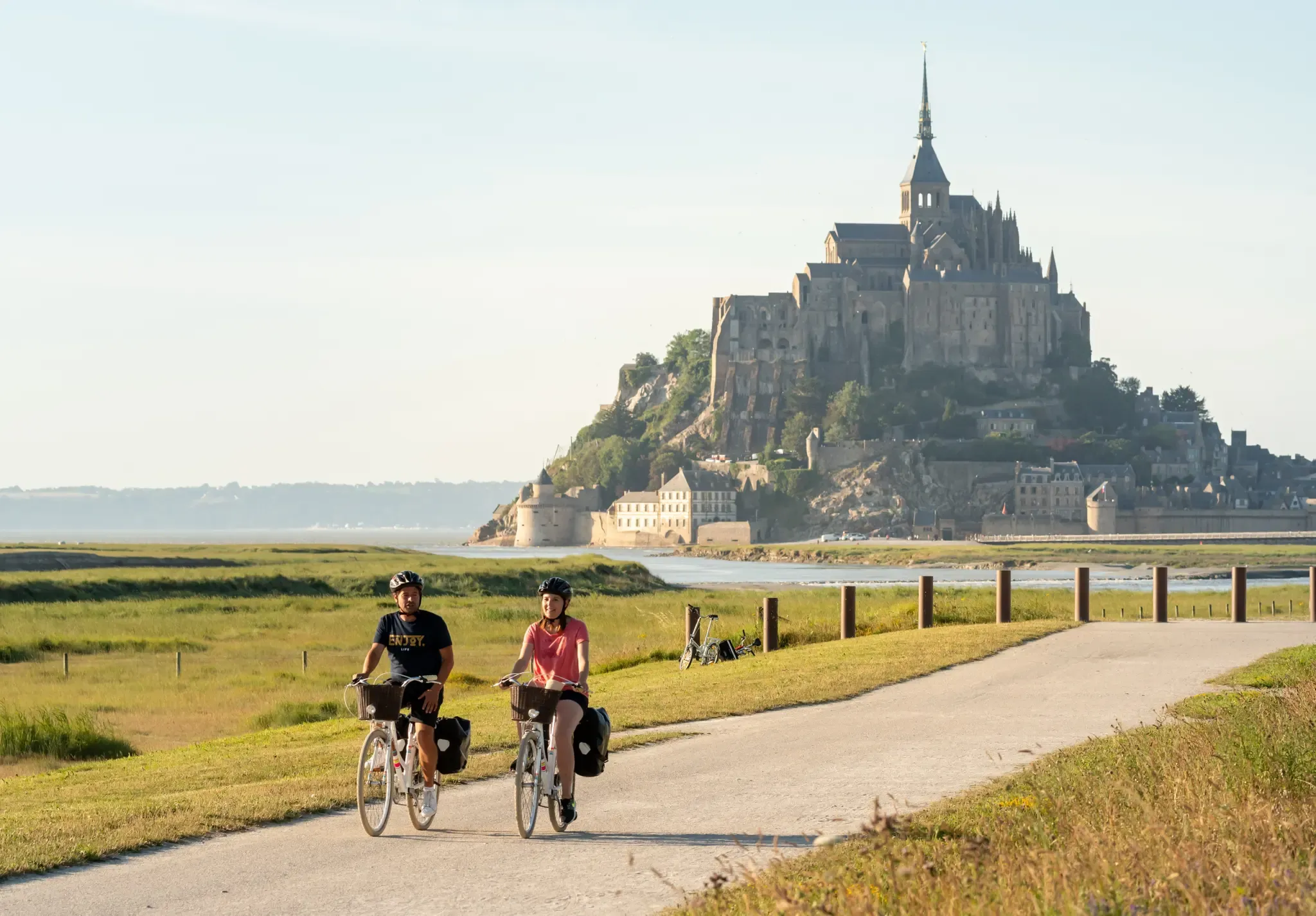
Cycling in Normandy – 7 station to station routes
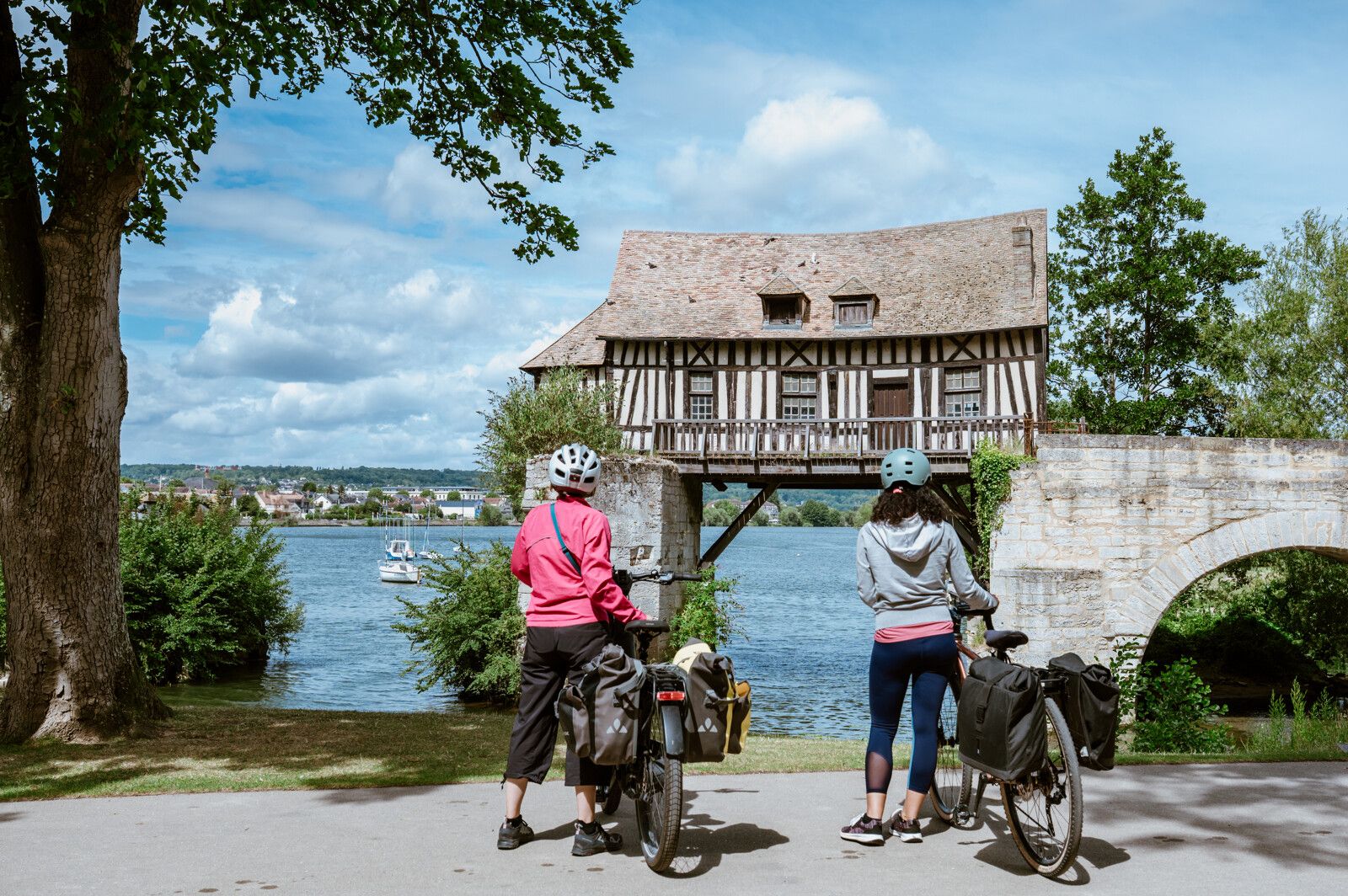
Cycling in Normandy – The most beautiful station to station routes
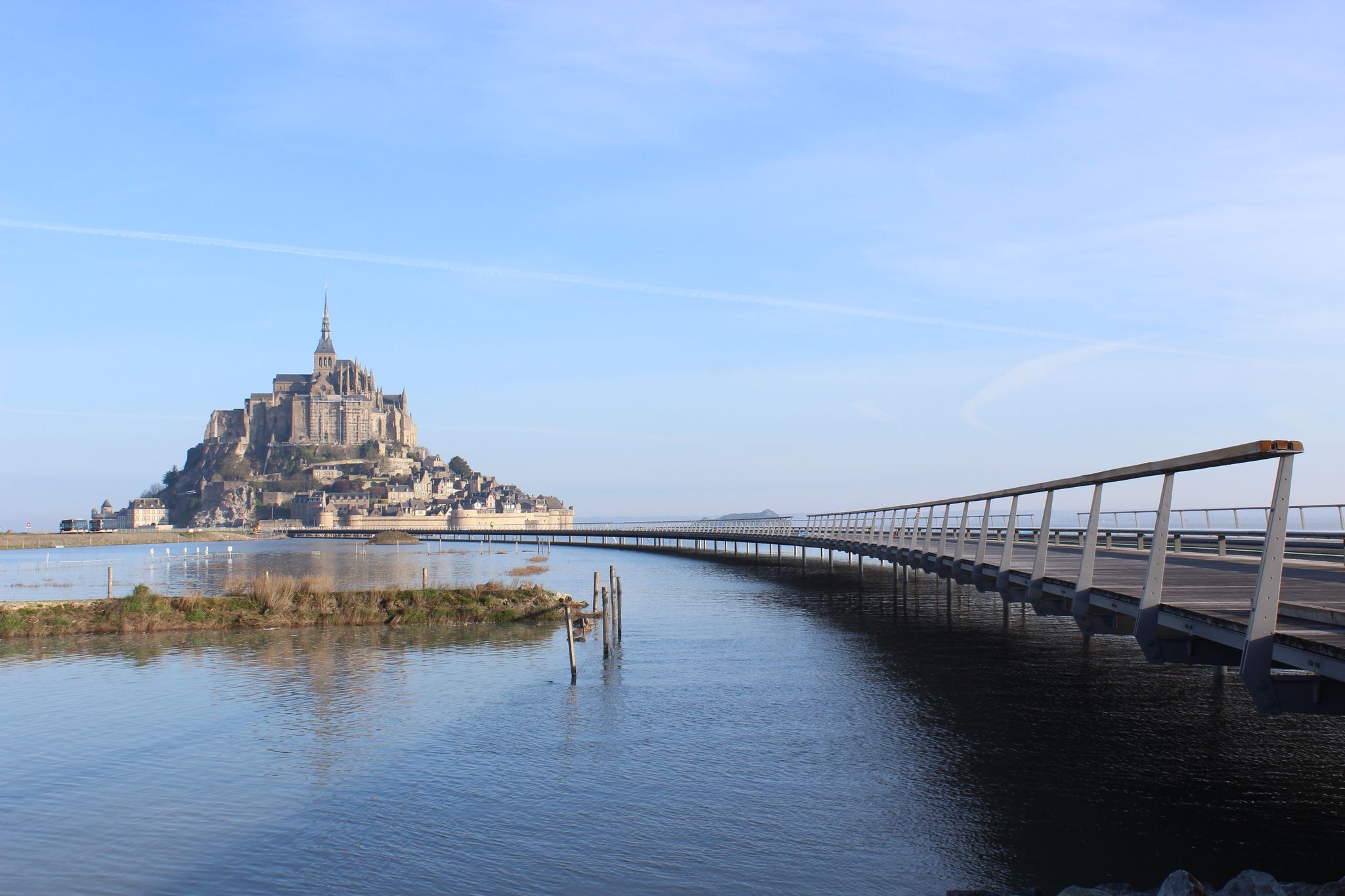
From Paris to Mont-Saint-Michel — La Véloscénie
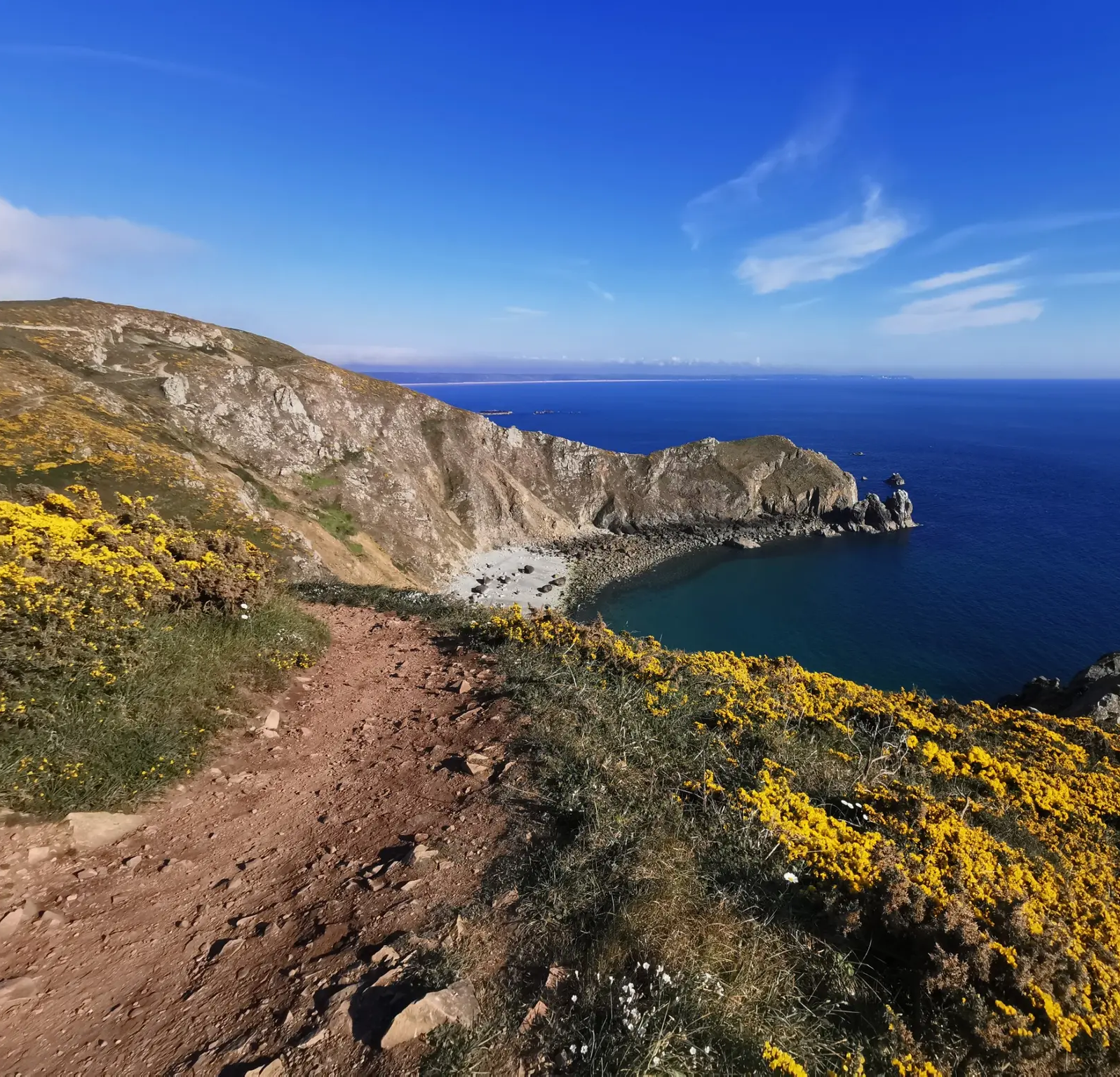
Hike from Cotentin to Mont-Saint-Michel in Normandy – GR 223 (part two)
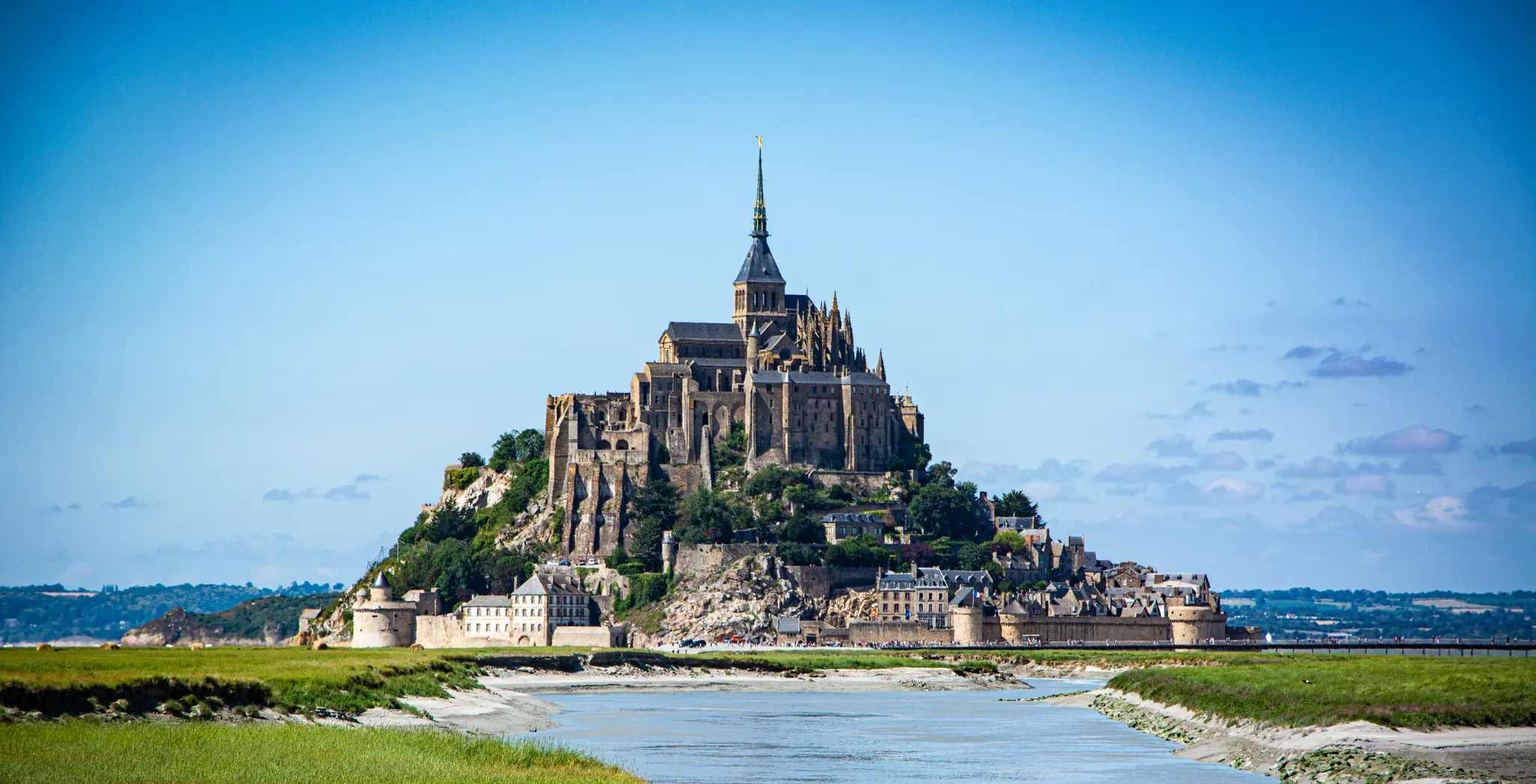
The Customs Officers’ Path – GR 34 between Saint-Malo and Pontorson
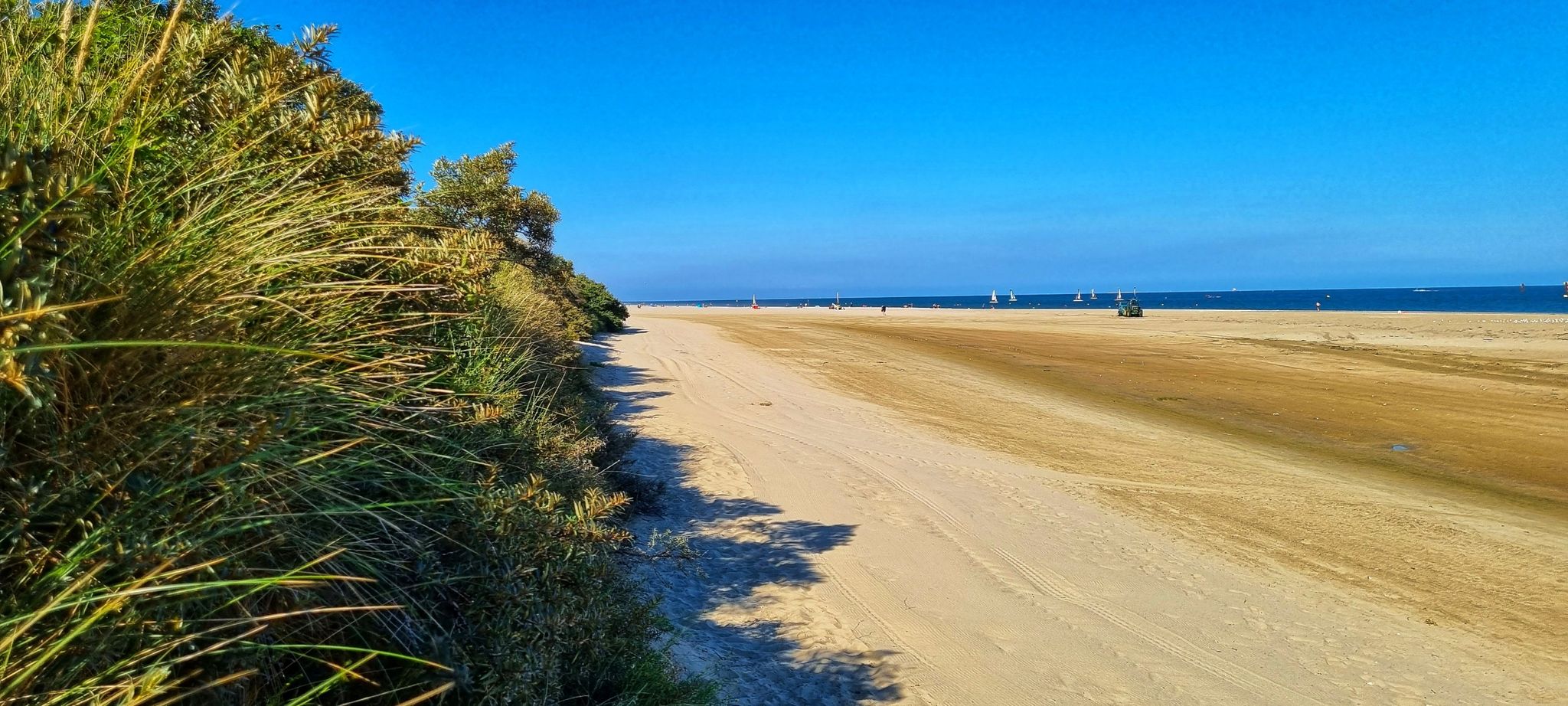
Hike the Normandy coast – GR 223 (part one)
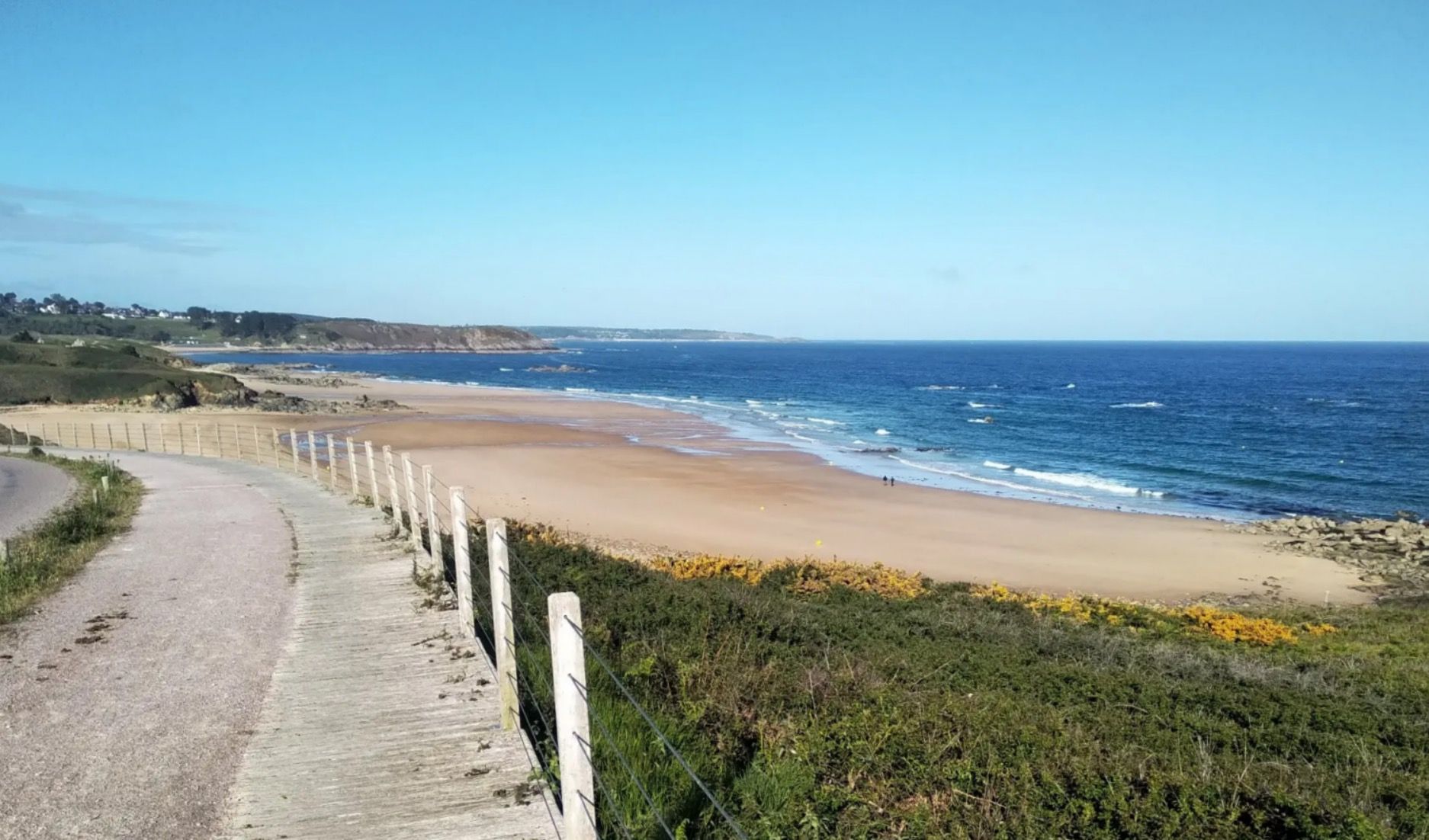
Sun cream and waterproof coats – 11 days in Brittany
From pink granite to the Opal Coast — cycle France’s la Vélomaritime
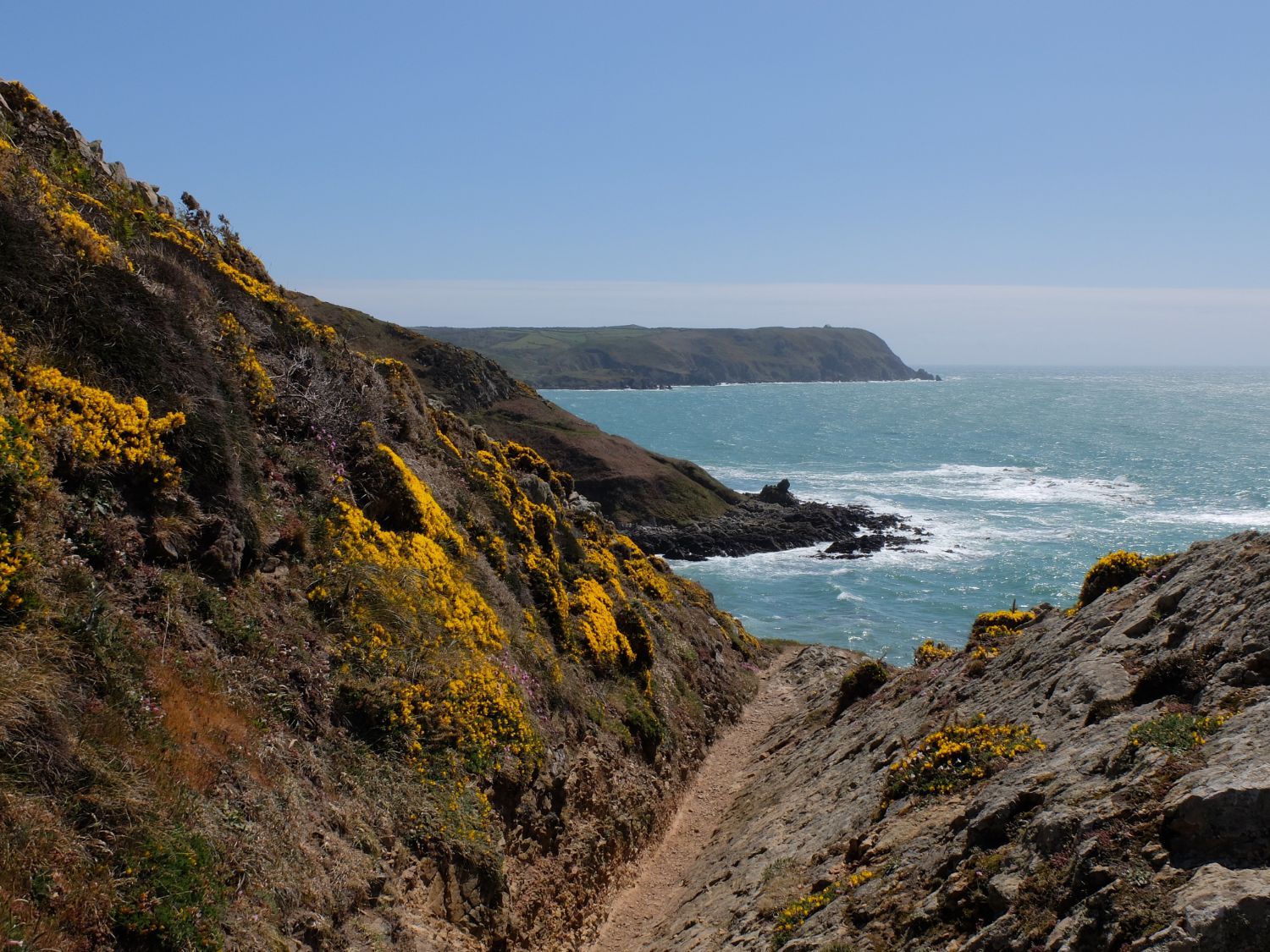
Hiking in the footsteps of writer Sylvain Tesson – 3 days in Normandy’s Cotentin
Other adventures in Manche


Tips from the Community

The Fort de la Hougue is located on a peninsula south of Saint-Vaast-la-Hougue on the east coast of the Cotentin. After the naval battle of La Hougue in 1692, in which numerous French warships were destroyed, Louis XIV had the bay more heavily fortified. Starting in 1694, the mighty Tour de la Hougue was built under the direction of the fortress engineer Benjamin de Combes according to Vauban's principles. Together with the opposite tower on the Île Tatihou, it secured the approach to the bay through overlapping artillery fire. In the 19th century, the complex was expanded with additional batteries and ammunition buildings. During the Second World War, the German occupiers integrated the fort into the Atlantic Wall. Today, therefore, fortification elements from several centuries have been preserved. Since 2008, the Tour de la Hougue, together with Tatihou, has been part of the UNESCO World Heritage "Fortifications of Vauban".
1
0

magnificent castle near Cherbourg
0
0

Beautiful old town with an old castle. The houses here are still the typical stone houses.
0
0

A very beautiful castle to admire from all sides.
0
0

beautiful ruin with exhibition
0
0

Why visit Fort de La Hougue? History and Heritage: The fort is a crucial witness to French military history and an exceptional example of Vauban's genius, offering a fascinating dive into the past. Magnificent Landscapes: The fort offers sublime panoramic views of the sea and coastal landscapes, making the visit a moment of relaxation as much as discovery. Cultural Activities: The exhibitions and events organized at the fort enrich the visit by offering varied perspectives on local history and fortifications. In summary, Fort de La Hougue is a must-see site for lovers of history, military architecture, and beautiful landscapes. It combines culture, nature, and heritage in a unique setting in Normandy.
2
0
Fort de La Hougue is a remarkable historical site located in Saint-Vaast-la-Hougue, on the east coast of the Cotentin Peninsula, Normandy. This fort is one of two defensive works designed by the military engineer Vauban in the 17th century, the other being the fort of Tatihou, located on a neighboring island. Together, these fortifications have been classified as a UNESCO World Heritage Site since 2008 as an example of Vauban's military engineering. Points of Interest: Architecture and Military History: Fort de La Hougue was built between 1694 and 1699 on the orders of Louis XIV, following the French defeat at the Battle of La Hougue in 1692. This fort is a classic example of bastion fortifications, with thick walls, casemates, and a complex network of defenses designed to resist attacks from the sea. The 20-metre-high La Hougue Tower is the most emblematic element of the fort. This tower served as both an observation point and a last refuge in the event of an attack. UNESCO Heritage: The Fort de La Hougue is recognised by UNESCO as a masterpiece of Vauban's military engineering. This classification highlights the importance of the site in French and world military history, as well as the exceptional value of its architecture. A visit to this site allows you to better understand the defence techniques of the time and to appreciate Vauban's ingenuity in designing fortifications. Activities and Access: The fort is accessible on foot from Saint-Vaast-la-Hougue, and it is surrounded by coastal paths offering beautiful walks along the sea. These walks also allow you to discover the local flora and fauna. The nearby island of Tatihou can be reached by boat at high tide or on foot at low tide, offering a complementary excursion to explore another side of Vauban's fortifications.
1
0
Château des Ravalets, also known as Château de Tourlaville, is a magnificent castle located in Tourlaville, a commune attached to Cherbourg-en-Cotentin, in the Manche department of Normandy. This Renaissance-style castle is one of the architectural gems of the region and is definitely worth a visit. Points of Interest: Renaissance Architecture: Built between 1562 and 1575 by Jean II de Ravalet, the castle is a fine example of French Renaissance architecture. It is distinguished by its elegant facades, mullioned windows, and turrets that give a unique charm to the building. The castle has been remarkably well preserved and restored, allowing visitors to appreciate the original architectural details, such as stone sculptures and monumental fireplaces. History and Legends: The castle is also known for the tragic story of Jean II de Ravalet's children, Marguerite and Julien, who were sentenced to death in 1603 for alleged incest. Their story has inspired many legends and is part of the region's collective memory. Over the centuries, the castle has had various owners and has witnessed many historical events, making it a place full of history. Why visit the Château des Ravalets? Architectural Heritage: The castle is an exceptional example of Renaissance architecture in Normandy, offering a fascinating insight into the history and art of this period. Natural and Landscape Setting: The castle's remarkable gardens offer a great opportunity to walk and relax in a historic and green setting. Historical Richness: Between local legends and the tumultuous history of its former owners, the Château des Ravalets is a place full of mysteries and captivating anecdotes. In short, the Château des Ravalets is a must-see destination for anyone interested in history, architecture or simply the beauty of Normandy's historic gardens.
1
0
Frequently Asked Questions
Are there family-friendly castles to visit in Manche?
Yes, several castles in Manche are great for families. Mont Saint-Michel, with its unique island setting and historical significance, is a popular choice. Château de Pirou is often highlighted as a fun and engaging visit for children due to its well-preserved medieval architecture and moat. Gratot Castle also offers an intriguing exploration with its varied towers and moated setting.
Can I visit castles in Manche with my dog?
Some castles in Manche are dog-friendly. For instance, Château de Pirou is listed as dog-friendly. It's always a good idea to check specific castle policies before your visit, as access might be restricted to certain areas or require dogs to be on a leash.
What are some unique historical castles to visit in Manche?
Manche boasts several castles with unique historical features. Château de Bricquebec is notable for its magnificent eleven-sided polygonal keep, which is unique in Europe. Château de Pirou is considered one of Normandy's oldest and best-preserved medieval fortifications, featuring a tapestry similar to the Bayeux Tapestry. Gratot Castle showcases a fascinating blend of architectural styles from different periods, including the unique 15th-century Fairy Tower.
When is the best time to visit castles in Manche?
The best time to visit castles in Manche is generally during the warmer months, from spring to early autumn (April to October), when the weather is pleasant for exploring outdoor grounds and many sites offer extended opening hours or special events. Visiting Mont Saint-Michel early or late in the day is recommended to avoid crowds.
Do castles in Manche offer scenic views or natural features?
Many castles in Manche are set in scenic locations. Mont Saint-Michel offers breathtaking views of its tidal island and the surrounding bay. Gratot Castle is known for its serene setting just outside Coutances, completely surrounded by water ditches. Château de Pirou is surrounded by a moat and trees, making for a picturesque visit.
Are there outdoor activities or trails near the castles in Manche?
Yes, Manche offers various outdoor activities near its castles. You can find numerous hiking, mountain biking, and gravel biking routes throughout the region. For example, there are several hiking trails around Mont Saint-Michel, including a loop in the Bay. You can explore more options for hiking, MTB trails, and gravel biking in Manche.
What is the Fort of La Hougue and why is it significant?
The Fort of La Hougue is a defensive fortress built in 1694 by Benjamin de Combes, a pupil of Vauban. It is significant for its well-preserved water moat and walls around a strategic peninsula. Although it remains a military base, its imposing outdoor area can be explored, and its Vauban tower is a UNESCO World Heritage Site.
What can I expect to see at Manoir du Dur-Écu?
The Manoir du Dur-Écu is an imposing manor house, partly 16th-century, built on 9th-century foundations. It features ten buildings, including three mills and a dovecote with 2,000 balls. While only the courtyard and dovecote are typically accessible to the public, its unique architecture and historical depth make it worth visiting.
Are there any castle ruins in Manche that are open to visitors?
Yes, Regnéville Castle offers accessible ruins. Built in the 12th century, it has a turbulent history, including its demolition by King Louis XIII. Today, a restoration program is underway, and the ruins are open for free visits, often hosting exhibitions and shows during the season.
What is the historical significance of Château de Saint-Sauveur-le-Vicomte?
The Château de Saint-Sauveur-le-Vicomte, built in the 11th and 12th centuries on the site of a Viking fortress, holds significant historical importance. It was strategically crucial as an access point to the Cotentin peninsula, leading to it being besieged twice during the Hundred Years' War. It also played a role in the Wars of Religion and suffered bombardments in WWII, and has been listed as a Historical Monument since 1840.
What do visitors enjoy most about the castles in Manche?
Visitors frequently appreciate the rich historical narratives and diverse architectural styles of Manche's castles. The unique settings, such as the tidal island of Mont Saint-Michel or the moated Gratot Castle, are often highlighted. The opportunity to explore well-preserved medieval fortifications and ruins, and the scenic beauty of their surroundings, also contribute to a memorable experience.
Are there any castles near Saint-Lô?
While Saint-Lô itself was heavily damaged during WWII, you can find historical sites and castles in the wider Manche department. Gratot Castle, with its architectural evolution and serene setting, is located just outside Coutances, which is a reasonable distance from Saint-Lô.
Most popular routes in Manche
Most popular attractions in Manche

Get inspired with the komoot mobile app


Didn’t find what you were looking for?
Explore Manche’s best castles region by region:
Explore more
Looking for the best castles somewhere else? Discover other guides in Manche:
