Top 20 Castles in Nord
Castles in Nord offer a journey through centuries of history in northern France. The department is characterized by its diverse landscapes, from coastal areas to agricultural plains, and its rich cultural heritage. This region, bordering Belgium, features numerous historical sites and fortified towns. Visitors can explore a variety of architectural styles, reflecting different eras and functions of these structures.
Best castles in Nord
- The most popular castles is Château de La Fontaine, a castle that is a majestic 19th-century residence. This site features a 40-hectare park and offers insights into its history and environment.
- Another must-see spot is Citadel Pasture, a historical site. This monument is the Citadel of Lille, built by Vauban in 1670, and is surrounded by a large park open to the public.
- Visitors also love Cassel Village, a fortified settlement. This hilltop town offers beautiful views, historical alleys, and a museum in a historic mansion.
- Nord is known for medieval fortresses, 17th-century Flemish châteaux, and fortified towns. The region offers a variety of castles to see and explore, from private residences to museums and historical sites.
- The castles in Nord are appreciated by the komoot community, with more than 180 upvotes and over 80 photos shared by visitors.
Last updated: June 24, 2026
Marguerite Yourcenar Departmental Park
Highlight • Forest
One of the works is "M for Marguerite", of course placed here in the park.
(If you are standing with your back to the villa: about 50 metres further on, turn left)
Translated by Google •
Tip by

Citadel Pasture
Highlight • Historical Site
Around it and open to the public at all times is a beautiful park (with a zoo and a playground), but if you stay on the path, you walk along this star.
Translated by Google •
Tip by

Sign up now to discover places like this
Get recommendations on the best single tracks, peaks, & plenty of other exciting outdoor places.
Sign up for free
Fort des Dunes
Highlight • Historical Site
Translated by Google •
Tip by

Château de La Fontaine
Highlight • Castle
Translated by Google •
Tip by

Le Quesnoy
Highlight • Historical Site
Translated by Google •
Tip by

Kasteel van Flers
Highlight • Other
In the 19th and 20th centuries, the château enjoyed a second life as a farm: the salon, apartment, and reception hall were converted into a barn, cowshed, and stables. In 1968, with a view to the development of a new town east of Lille, the château was expropriated by the state and, in 1973, entrusted to the Public Institution for the Development of the New Town of Lille-East.
The municipality of Villeneuve-d'Ascq became the owner in 1986. They completed the restoration of the building, which had been entrusted from the outset to architect Maurice Salembier. After restoring its 17th-century appearance, the Château de Flers began a third life as a municipal building in 1991. Today, it houses various services, the tourist office, rooms for official receptions, and a museum.
Source: Information board on site
Translated by Google •
Tip by
Gussignies Castle
Highlight • Castle
The feudal castle of Gussignies has disappeared; the current castle dates from the end of the 18th century, when the Count of Fourmestraulx had a hunting lodge built consisting of a corridor leading to boudoirs (oral tradition), the origin of the current castle.
At the beginning of the 19th century, Anthime-Hyacinthe de Fourmestraulx established a marble sawmill at the bottom of the castle, along the Hogneau, and operated a quarry.
Count Anthime Hyacinthe de Fourmestraulx Saint-Denis had two daughters who shared the castle: Mathilde (1809-1894) married Bertrand Delpoux de Nafines and Zoé (1817-1885) married Count Anne Philippe Picot de Moras. The castle was in poor condition and too small to accommodate the two families. It was transformed in 1865. On the death of the Countess Picot de Moras, the castle represented too large a share in the sharing and had to be sold. The Viscount of Lourmel du Hourmelin bought it in 1887 and in turn sold it in 1912 to Count Édouard Le Mesre de Pas for his daughter Marie-Thérèse, wife of René de Witte14[insufficient source].
The current castle has been the property of the Witte family since 1912. Yves de Witte (theologian) and his wife Renelde Nolet de Brauwere van Steeland took over the property in 1977 followed the following year by his brother Jacques-Antoine (lawyer) and his married Thérèse Delvaux de Fenffe. Their father, Bertrand de Witte and his wife Marie-Simone de la Kethulle de Ryhove, settled in the outbuildings of the castle.
cirkwi.com/fr/point-interet/1157581-chateau-de-gussignies
Translated by Google •
Tip by

Château de Trélon
Highlight • Castle
The de Merode family is one of the largest families that has been associated with most European courts throughout history. Since the 15th century, members of the House of Merode have held titles such as count, baron of the Holy Empire and prince. They are related to families such as Monaco, d'Arenberg, the Spanish and Italian royal families... The estate has been in the family since at least 1580.
The castle offers guided tours from April to October and promises a visit you will long remember!
Translated by Google •
Tip by
The Orangery Castle
Highlight • Parking
Roucourt Castle was built at the end of the 18th century by Monsieur Béranger, a cannon founder under the Empire.
…During World War I, the castle was occupied by the squadron and men of Captain Baron Von Richthofen, known as the "Red Baron," who sheltered his planes in the avenue of over 100-year-old lime trees that precede the entrance gate.
Destroyed by fire in 1918, it was rebuilt between 1921 and 1923 and restored in 1997 by Colette and Guy Becquet de Mégille, the current owners.
Translated by Google •
Tip by

Citadel of Lille
Highlight • Historical Site
Translated by Google •
Tip by

Sign up for free to discover even more castles in Nord.
Sign up for free
Already have an account?
Start today with a free account
Your next adventure awaits.
Login or Signup
Popular around Nord
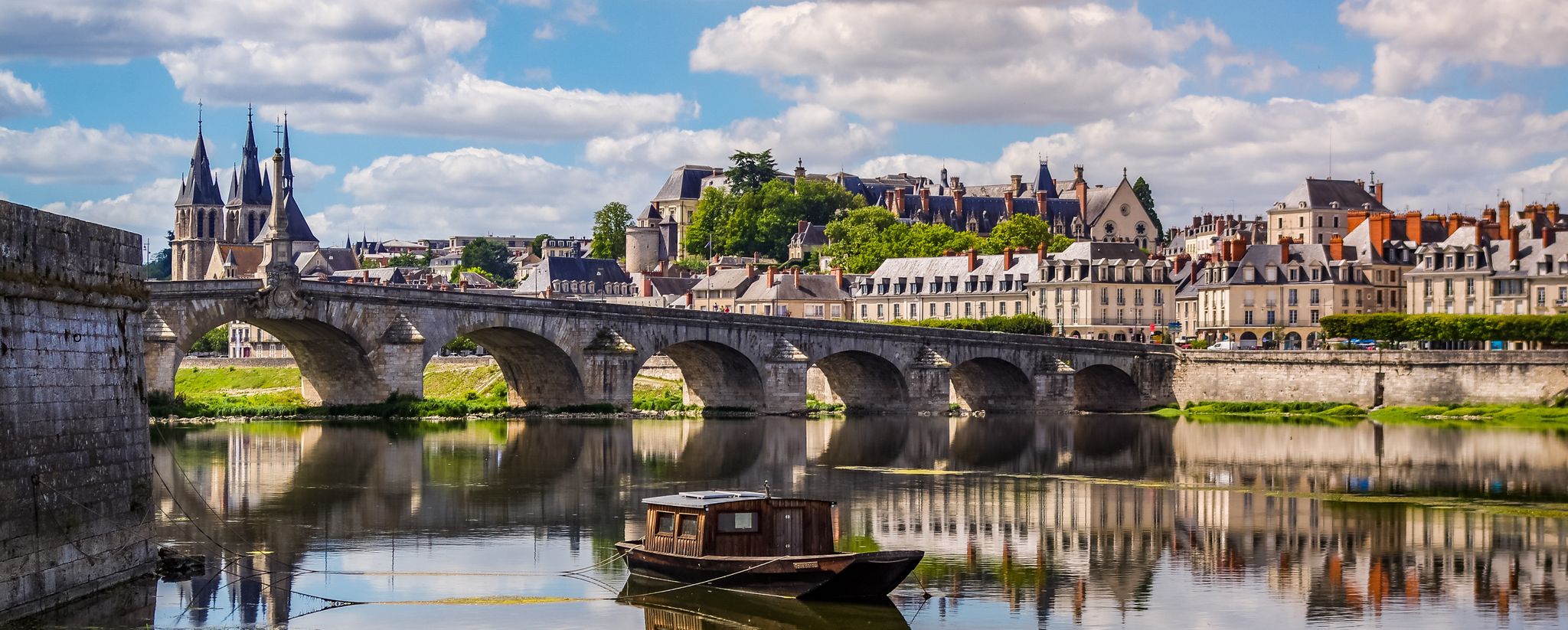
EuroVelo 3 – A cycling pilgrimage from Norway to France
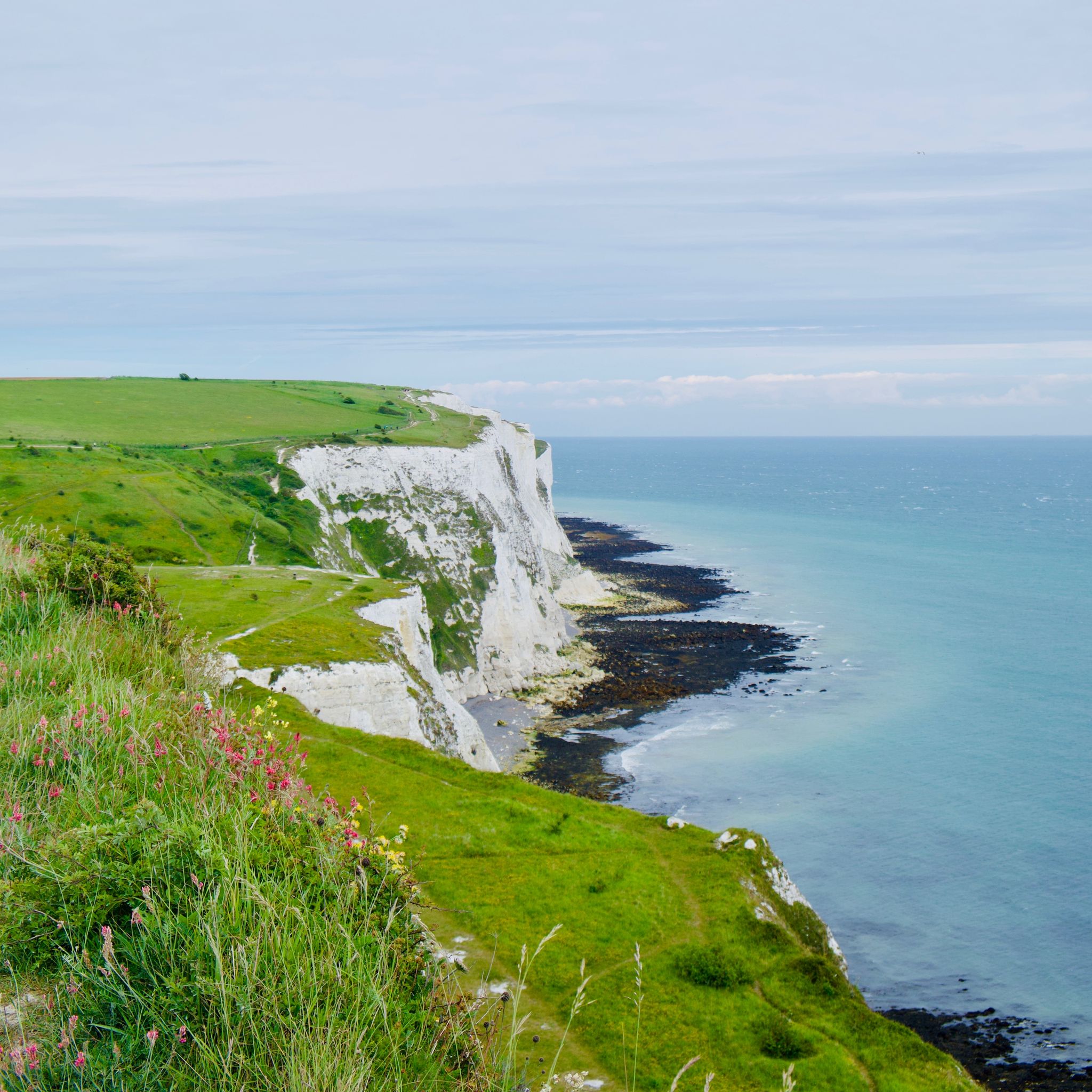
From Amsterdam to London - along the North Sea and across the water
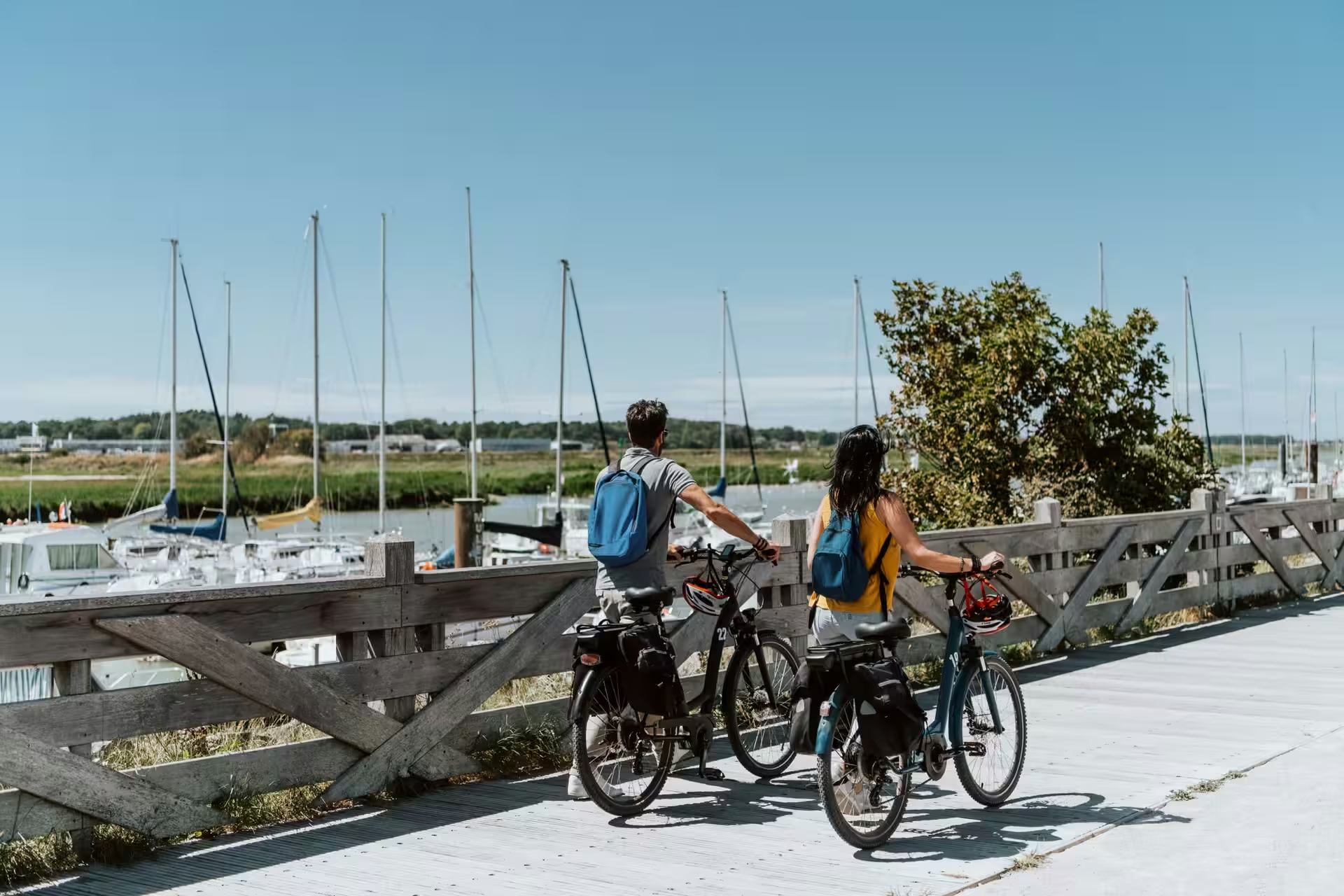
Routes in Hauts-de-France for cycling enthusiasts
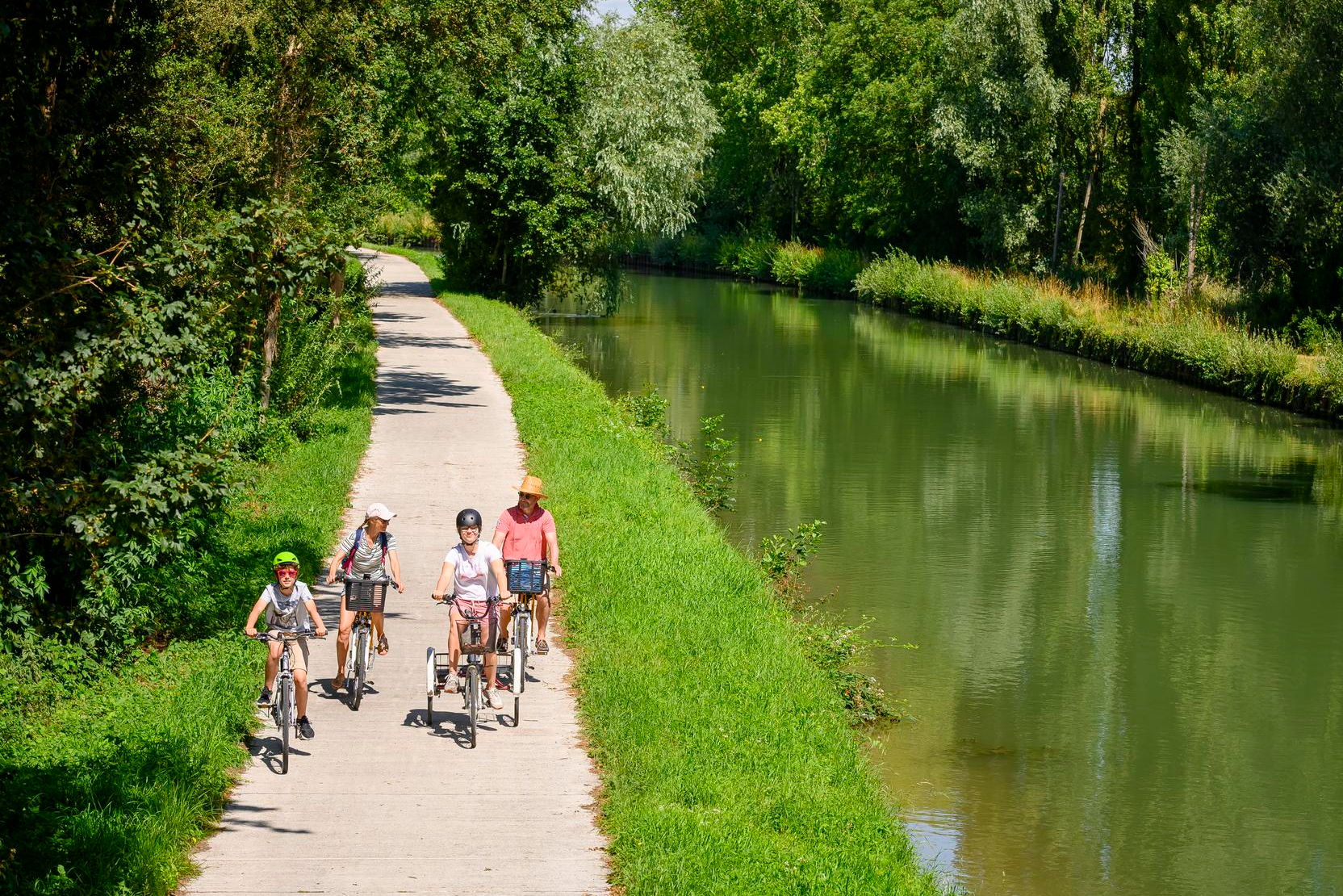
Cycling routes in Hauts-de-France for beginners and families
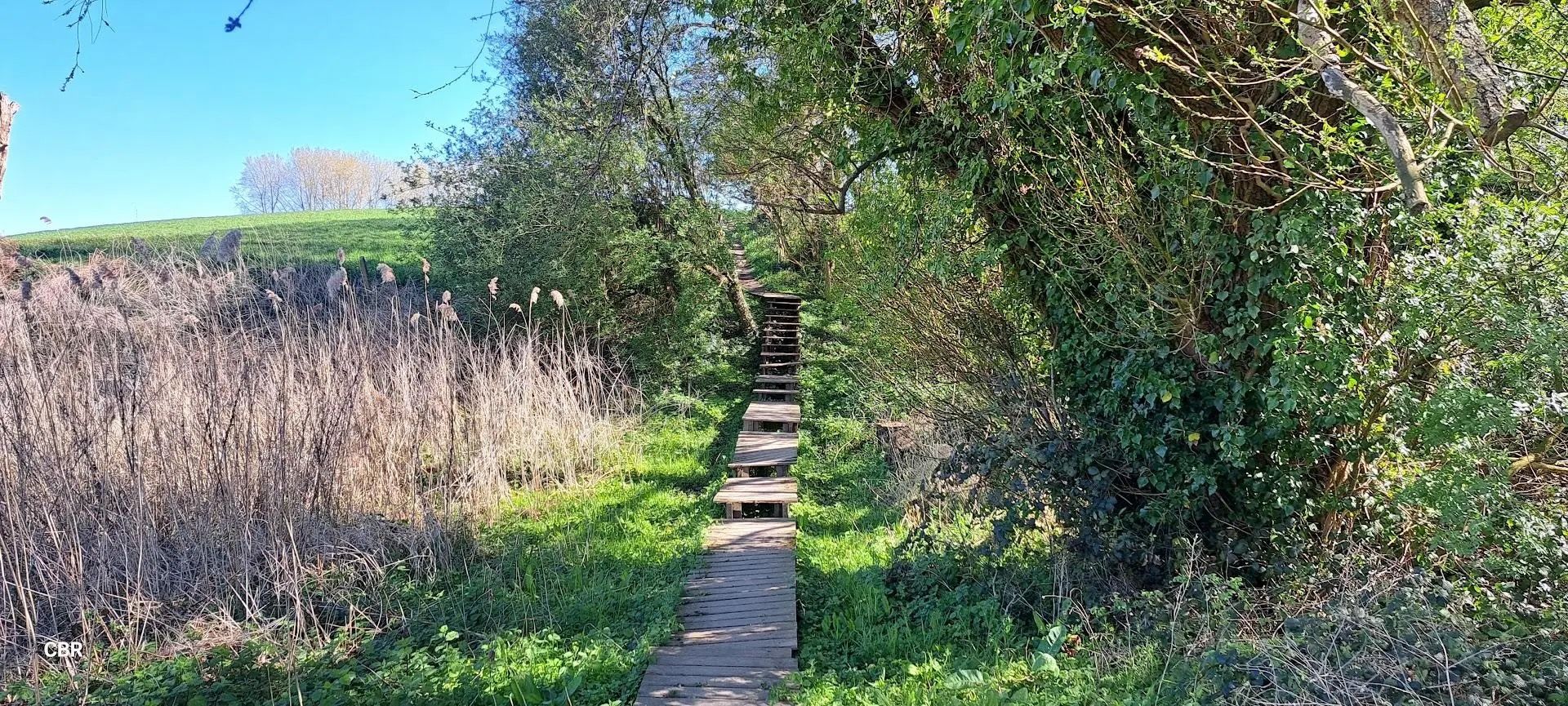
At the pace of the Westhoek - Streek-GR Heuvelland
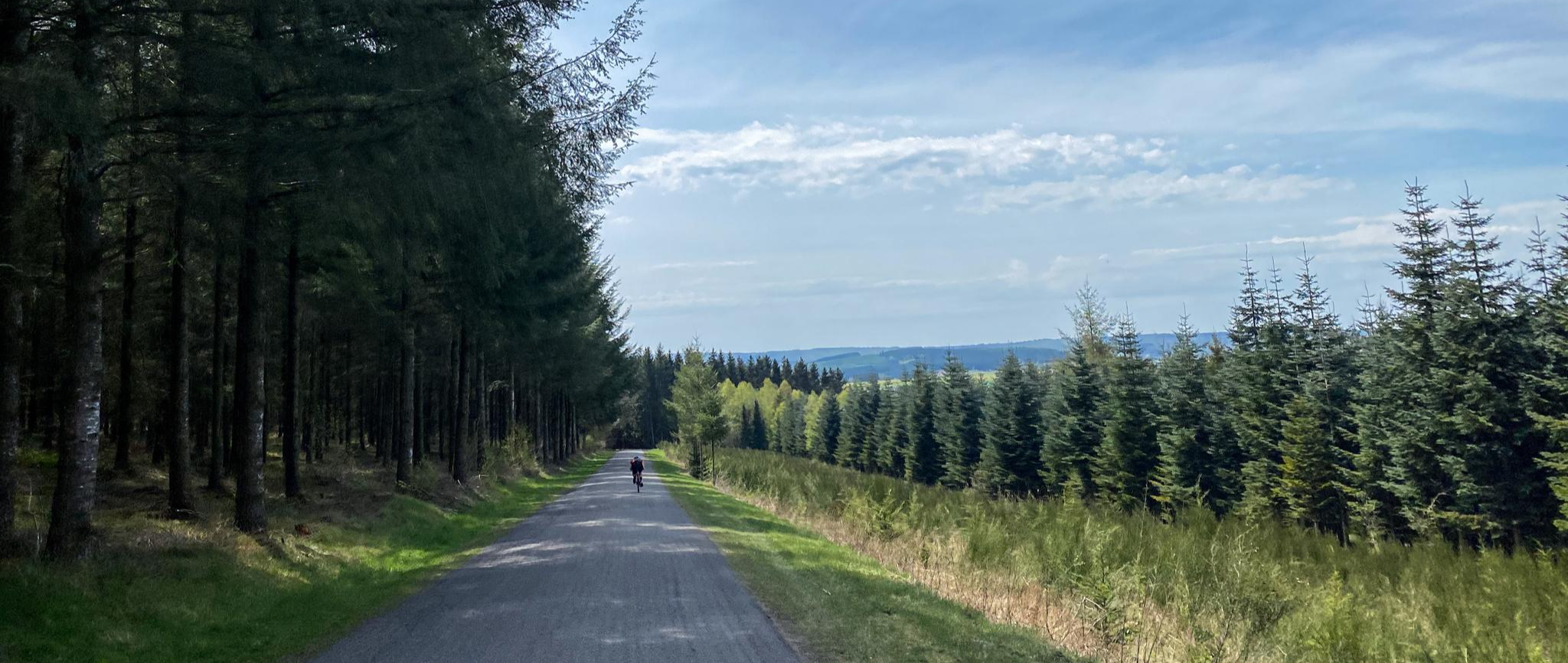
From Picardie to the Ardennes — Crossing Wallonia by Bike
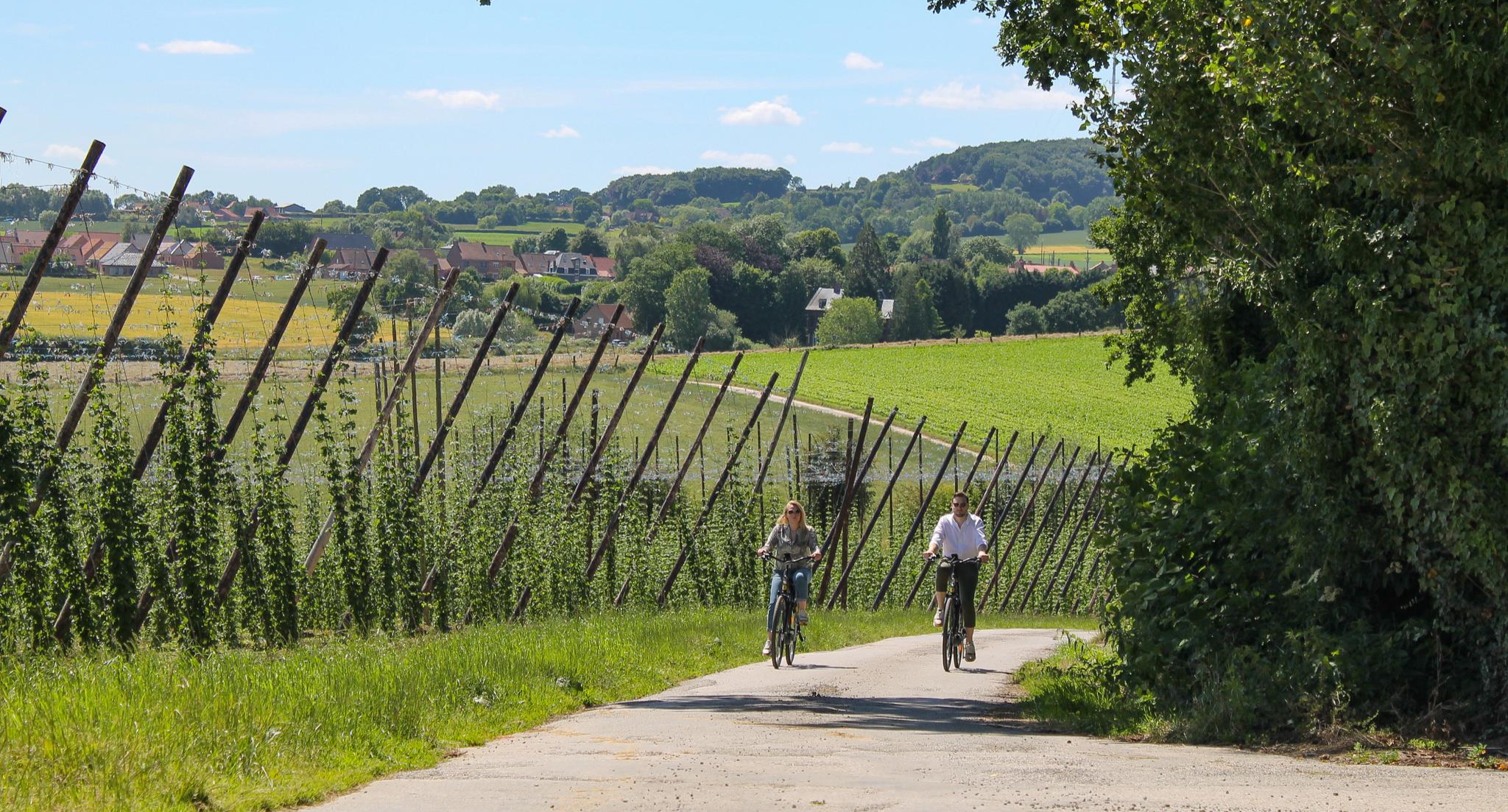
Flanders, Land of Cycling – Hills, Cobblestones and Estaminets
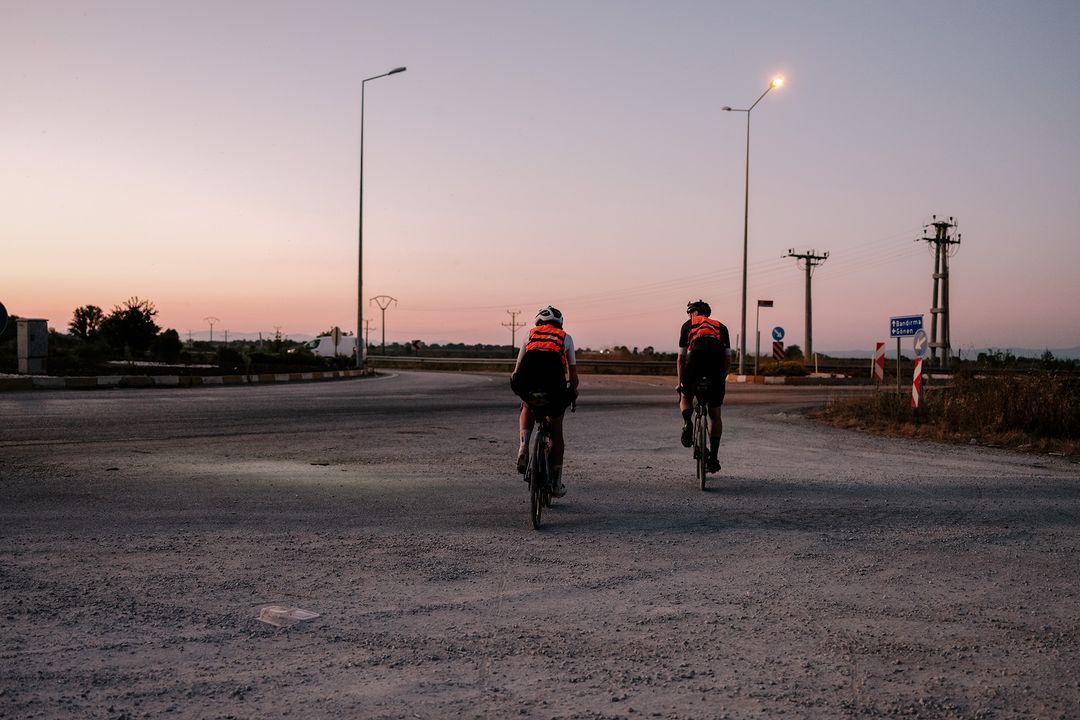
Transcontinental Race No10: crossing Europe from France to Turkey
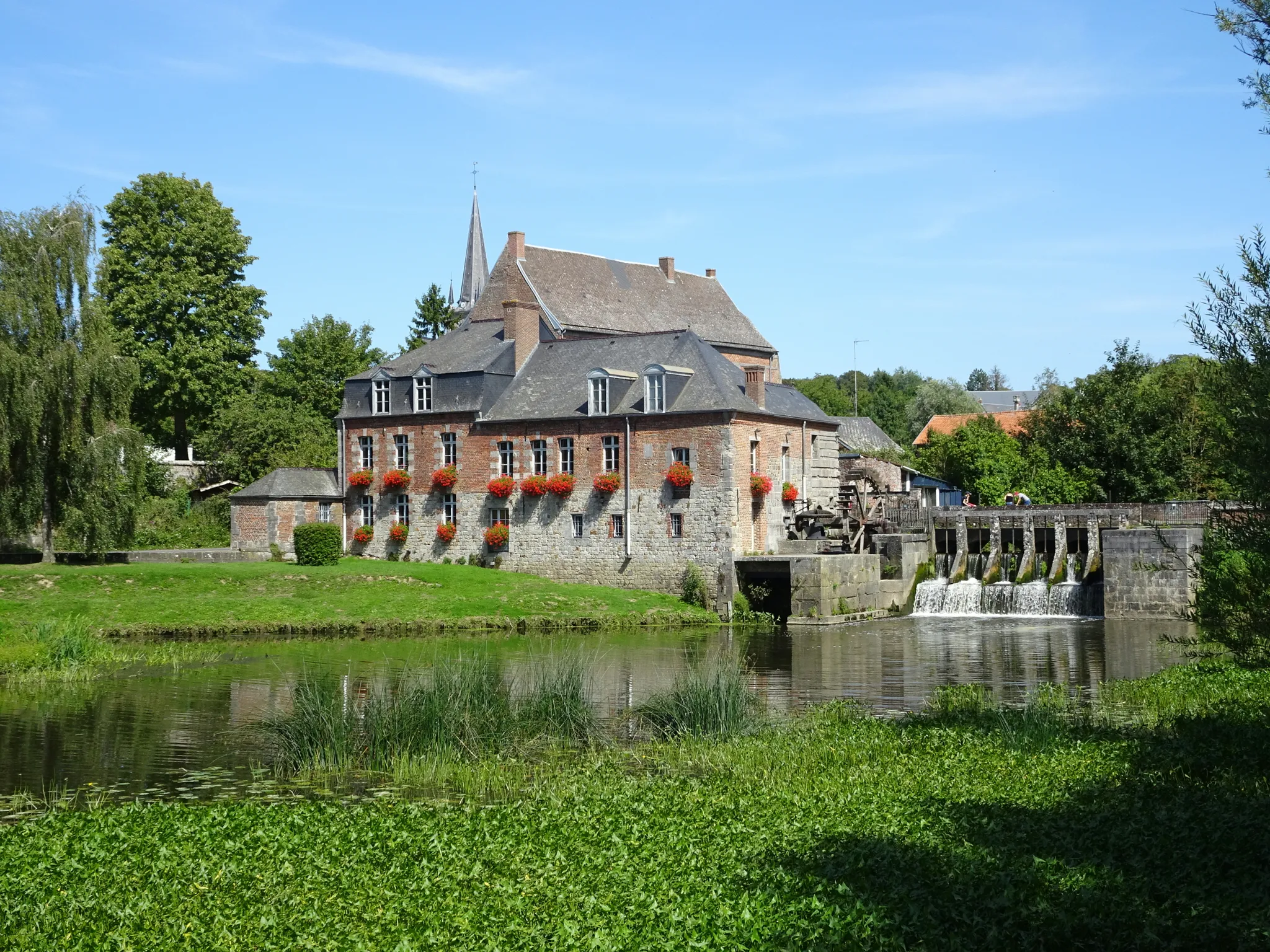
Countryside, cuisine and heritage – 4 bike Tours in the Avesnois
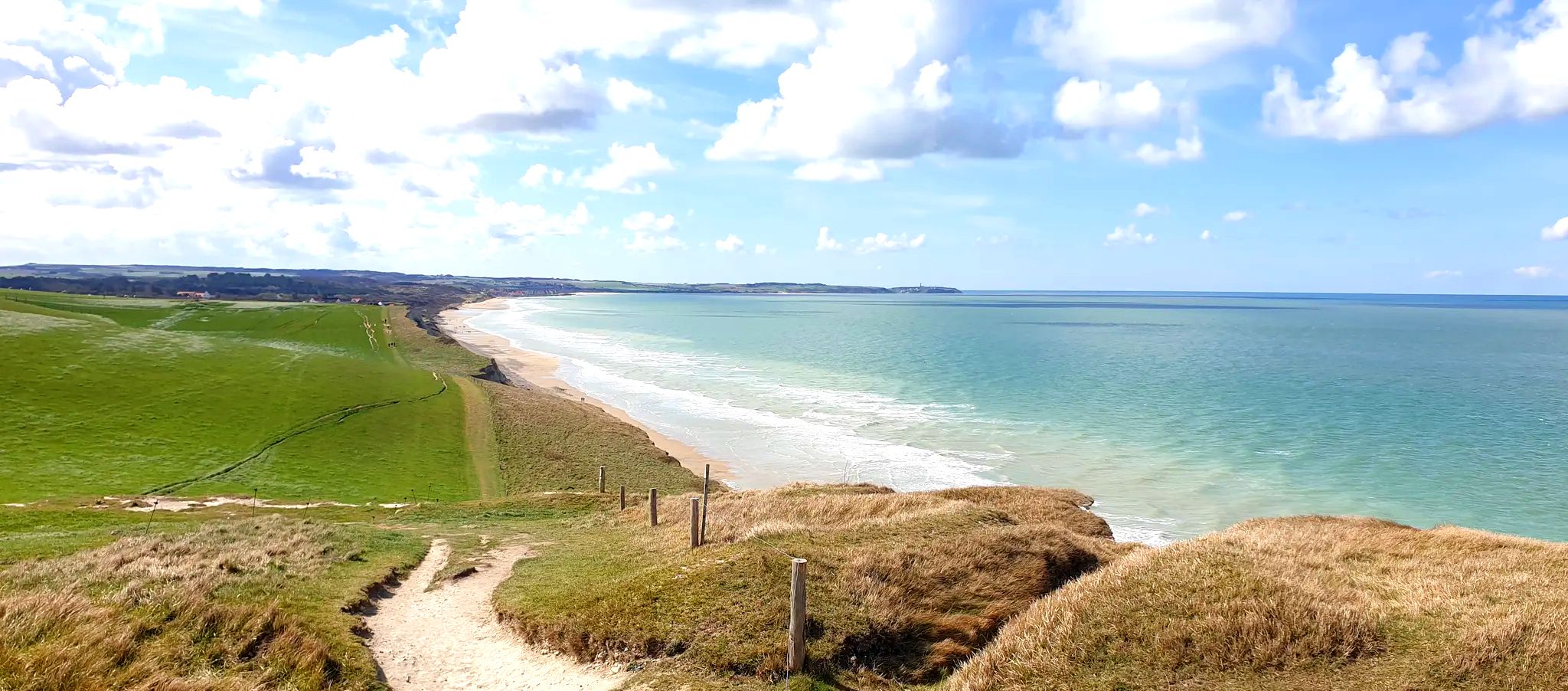
Journey from Flanders to the Somme – GR 120 coastal path
Other adventures in Nord


Tips from the Community

Nice, rolling section with no traffic.
0
0

The Château de Flers, bearing the date "1661" on its facade, was originally the residence of the Lords of Flers. It was destroyed during the French Revolution of 1789, but not confiscated because it belonged at that time to a foreign nobleman, the Baron de Diesbach. In the 19th and 20th centuries, the château enjoyed a second life as a farm: the salon, apartment, and reception hall were converted into a barn, cowshed, and stables. In 1968, with a view to the development of a new town east of Lille, the château was expropriated by the state and, in 1973, entrusted to the Public Institution for the Development of the New Town of Lille-East. The municipality of Villeneuve-d'Ascq became the owner in 1986. They completed the restoration of the building, which had been entrusted from the outset to architect Maurice Salembier. After restoring its 17th-century appearance, the Château de Flers began a third life as a municipal building in 1991. Today, it houses various services, the tourist office, rooms for official receptions, and a museum. Source: Information board on site
0
0

A beautiful, spacious park with grassy areas and clumps of woods. Plenty of space for a relaxing break.
3
0

I only saw it from a distance but it is beautiful
0
0

a nice little walk...
1
2

The ramparts, built in the Spanish period, were modified by the famous Vauban himself. We can still admire the towers surrounding the city since the seventeenth century, as well as many other monuments: the tower of the Edifieur Baudoin, one of the oldest of all, Caesar Bastion built under Louis XIV the Green stronghold and the headquarters hospital, or the Fauroeulx door, the only one that did not suffer the Second World War and its demolition. The current castle, the Cernay, was built in the seventeenth century, replacing the twelfth century built by Baldwin IV of Hainaut. You can still see some remains of the original castle that served as a residence to Charles the Bold, as a gateway and a set of Romanesque cellars.
0
0

Only from a distance, closed on Mondays.
3
0

Along the fortified moats of the Citadel of Lille.
1
0
Frequently Asked Questions
What types of castles can I expect to find in the Nord department?
The Nord department offers a diverse range of castles, from formidable medieval fortresses like the Château de Potelle, to elegant 17th-century Flemish châteaux such as the Château de Flers, and even majestic 19th-century residences like Château de La Fontaine. You'll also find fortified towns and historical sites that have played significant roles throughout history.
Which castles in Nord offer a glimpse into medieval history?
For a deep dive into medieval history, consider visiting the Château de Potelle, a feudal castle built around 1290 with robust defensive architecture, or the Château d'Esnes, which dates back to 1007 and served as a border fortress. Both retain significant medieval features and stories of past conflicts.
Are there castles that showcase 17th-century Flemish architecture?
Yes, the Château de Flers in Villeneuve d'Ascq is a prime example of 17th-century Flemish architecture. Completed in 1661, it features distinctive brick and stone work with crow-stepped gables. Today, it houses a museum and the city's tourism office.
What is the best time of year to visit castles in Nord?
The spring and summer months (May to September) are generally ideal for visiting castles in Nord, offering pleasant weather for exploring grounds and outdoor areas. Some private castles, like Château de Potelle, are only occasionally accessible to the public during special events like European Heritage Days, which typically occur in September.
Are there family-friendly castles or historical sites in Nord?
Many castles and historical sites in Nord are family-friendly. For instance, the Citadel Pasture in Lille, surrounding the Citadel, offers a large park with a zoo and playground. Château de La Fontaine also features a 40-hectare park suitable for families. The fortified town of Cassel Village provides historical alleys and beautiful views for all ages.
Can I visit the Château de Trélon?
Yes, the Château de Trélon is a significant castle in the Nord department, registered as a historic monument. It is known for its majestic Louis XIII style, rich collections of furniture, tapestries, and art. The château offers visitors a chance to explore its architecture and collections, with themed tours sometimes available.
What outdoor activities can I do near these castles?
The Nord department offers various outdoor activities. You can find numerous hiking routes, such as those detailed in the Hiking in Nord guide, with options ranging from easy to difficult. Gravel biking is also popular, with routes like the Val de Marque Greenway, which you can explore in the Gravel biking in Nord guide.
Are there any notable natural features or viewpoints near the castles?
Yes, several locations offer scenic views and natural beauty. Cassel Village, a hilltop town, provides beautiful panoramic views of the surrounding landscape. The Marguerite Yourcenar Departmental Park, near a writer's residence, is a 50-hectare natural space perfect for walks. Additionally, the Citadel Pasture in Lille is surrounded by a large park with greenery and trees.
What are some lesser-known or 'hidden gem' castles in Nord?
While some castles are widely known, others offer a more intimate experience. The Gussignies Castle is one such example, offering a glimpse into local heritage away from the main tourist trails. The Le Quesnoy historical site, with its fortifications, also provides a unique historical perspective.
How long does it typically take to visit a castle in Nord?
The duration of a visit can vary greatly depending on the castle and your interest. For a smaller site or a quick exterior view, 1-2 hours might suffice. For larger castles with museums, extensive grounds, or guided tours, such as Château de La Fontaine or Château de Trélon, you might want to allocate half a day to fully explore the architecture, collections, and surrounding parks.
Are there any castles in Nord that are still private residences but occasionally open to the public?
Yes, the Château de Potelle remains a private residence but is occasionally accessible to the public during special events like the European Heritage Days. Similarly, the Château d'Esnes, while still operating as a private farm, can be visited on specific days and is easily visible from public roads.
Most popular routes in Nord
Most popular attractions in Nord

Get inspired with the komoot mobile app


Explore more
Looking for the best castles somewhere else? Discover other guides in Nord:
