Attractions and Places To See in Yonne - Top 20
Best attractions and places to see in Yonne include a variety of historical landmarks, cultural sites, and natural features. The department, located in Burgundy, France, offers a landscape characterized by rivers, canals, and rolling hills. Visitors can explore medieval towns, Gothic cathedrals, and significant châteaux. The region also provides opportunities to experience natural beauty, from rock formations to scenic waterways.
Best attractions and places to see in Yonne
- The most popular attractions is The Saussois Rocks, a cliff formation…
Last updated: October 17, 2026
The Saussois Rocks
Highlight • Other
Translated by Google •
Tip by

Basilica of Saint Mary Magdalene in Vézelay
Highlight • Religious Site
Translated by Google •
Tip by
Sign up now to discover places like this
Get recommendations on the best single tracks, peaks, & plenty of other exciting outdoor places.
Towpath of the Canal de Bourgogne
Highlight (Segment) • Trail
Translated by Google •
Tip by

Rogny – The Seven Locks
Highlight • Bridge
Translated by Google •
Tip by

Notre-Dame Church of Saint-Père
Highlight • Religious Site
Showing Translation
Tip by

Château de Tanlay
Highlight • Castle
the first of the films "Angélique Marquise des anges" by Bernard Borderie, with Michèle Mercier, Robert Hossein, and Jean Rochefort is …
Translated by Google •
Tip by
Cordelle Chapel
Highlight • Religious Site
Showing Translation
Tip by

Place Surugue and Cadet Roussel Fountain
Highlight • Monument
There is a fountain in the square that is reminiscent of the famous French folk …
Translated by Google •
Tip by

Saint-Étienne Cathedral of Auxerre
Highlight • Religious Site
You can visit the cathedral for free, which you should definitely do. The sight of these incredibly …
Translated by Google •
Tip by
Avallon
Highlight • Settlement
This is composed of a central nave flanked by two side …
Translated by Google •
Tip by
Sign up for free to discover even more attractions in Yonne.
Already have an account?
Start today with a free account
Your next adventure awaits.
Popular around Yonne
The Grande traversée du Massif Central by gravel bike
GR 13 from Gâtinais to Morvan — By Fontainebleau and Burgundy
Tour du Morvan — The little mountain of Burgundy
From north to south - On the slopes of the GTMC
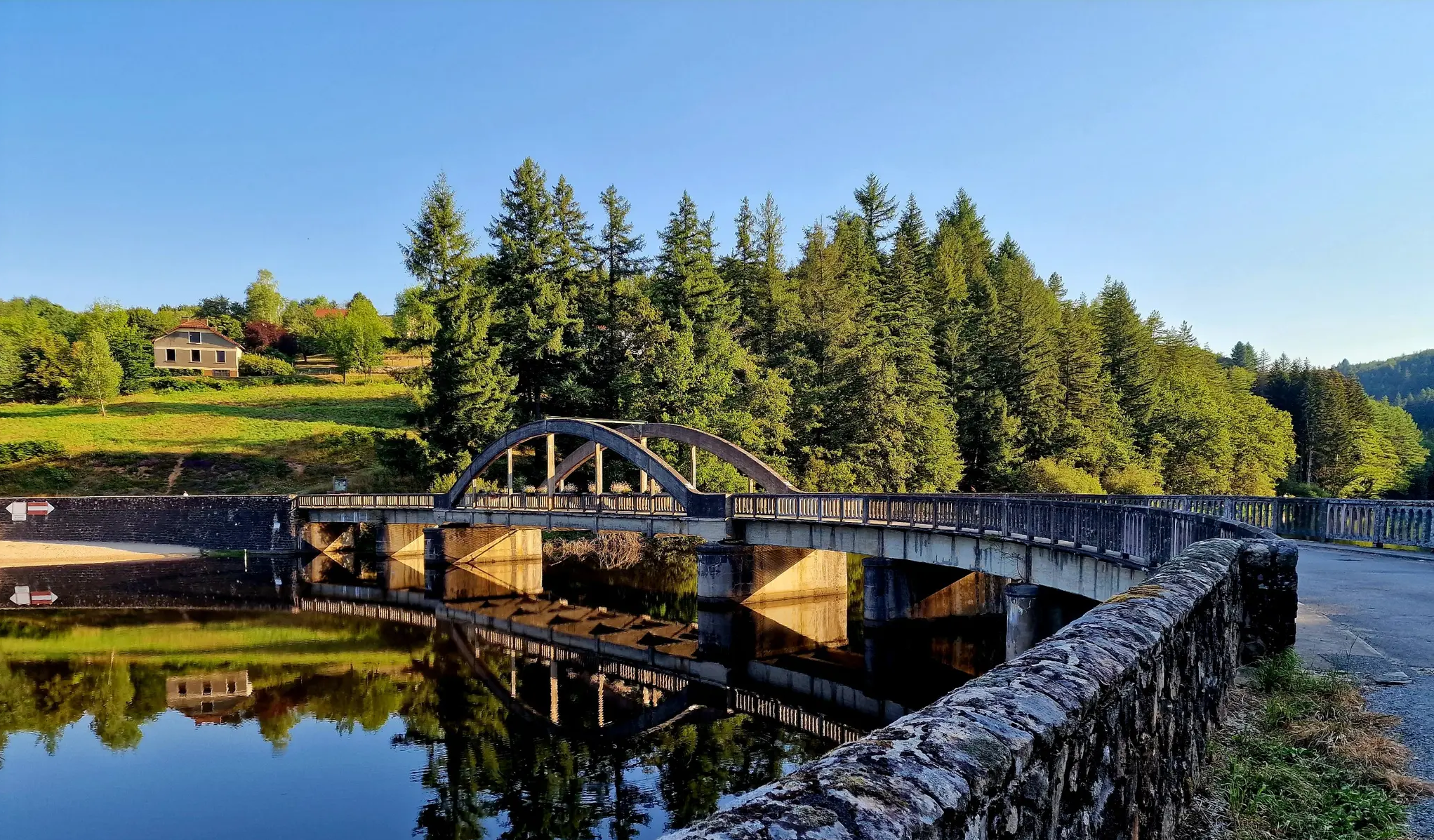
Saint-Jacques by bike – seven days on the Via Vézelay in France
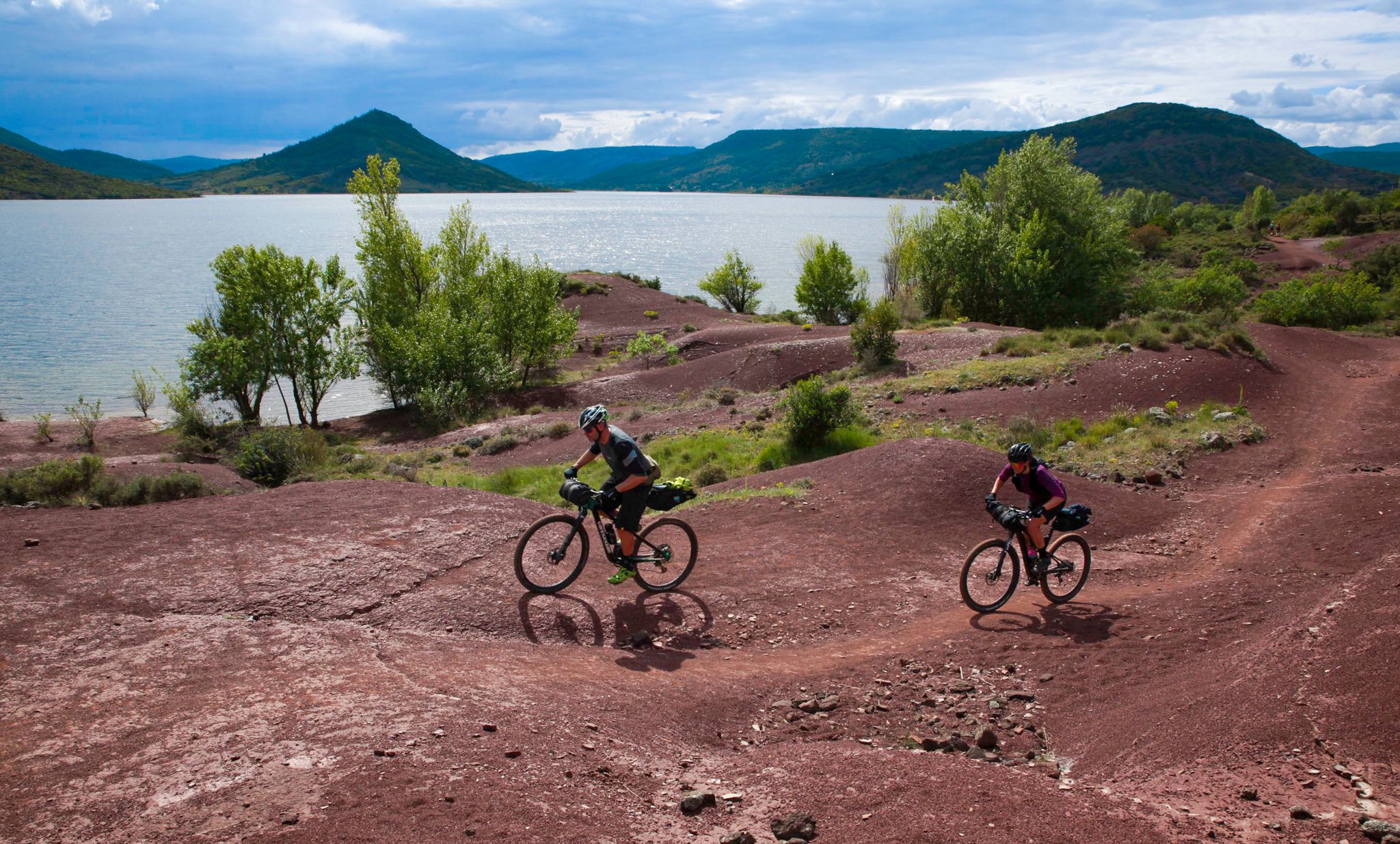
The Great Crossing of France's Massif Central by mountain bike
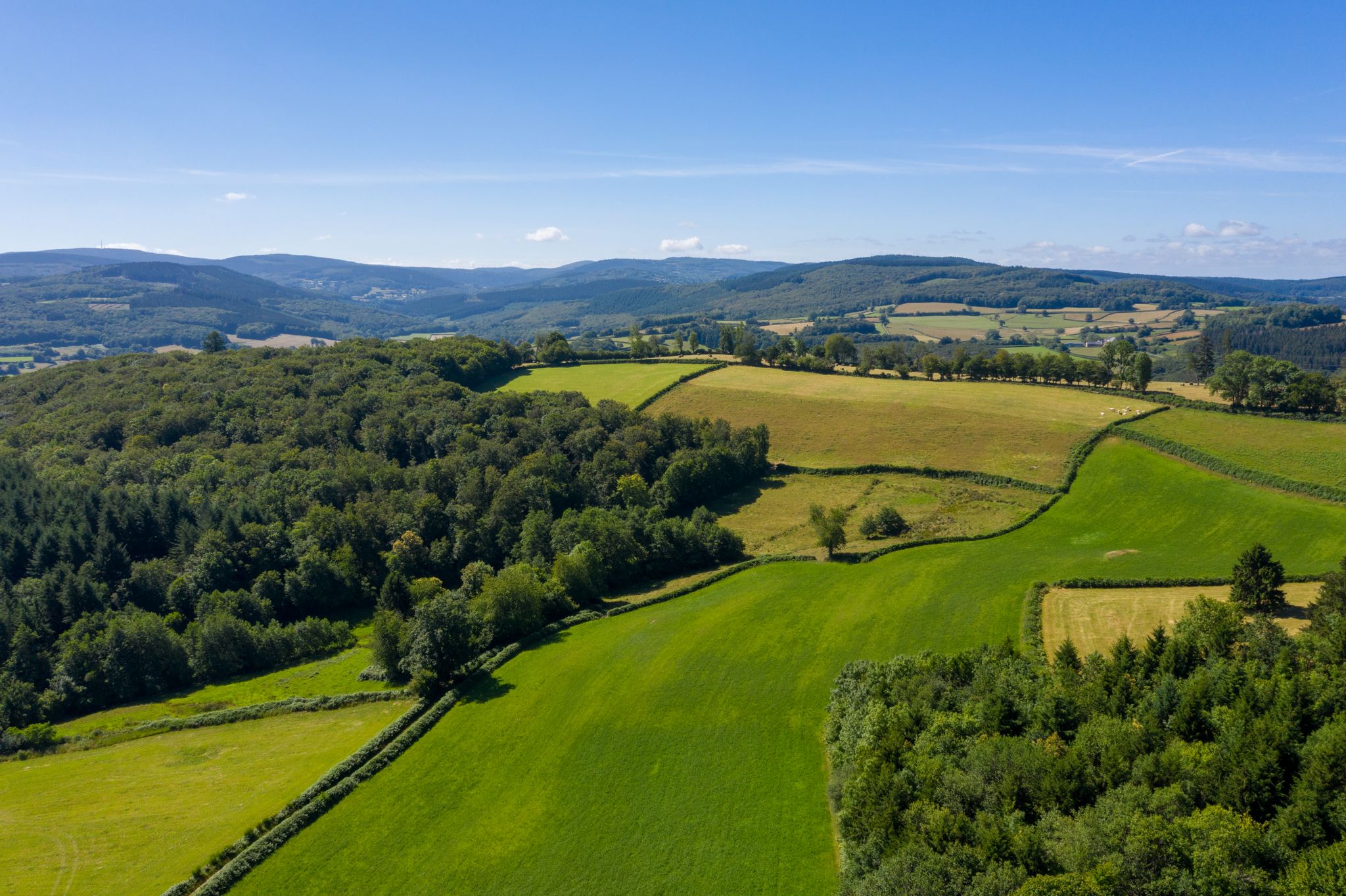
MTB fun in the Massif Central — La Grande Traversée du Morvan
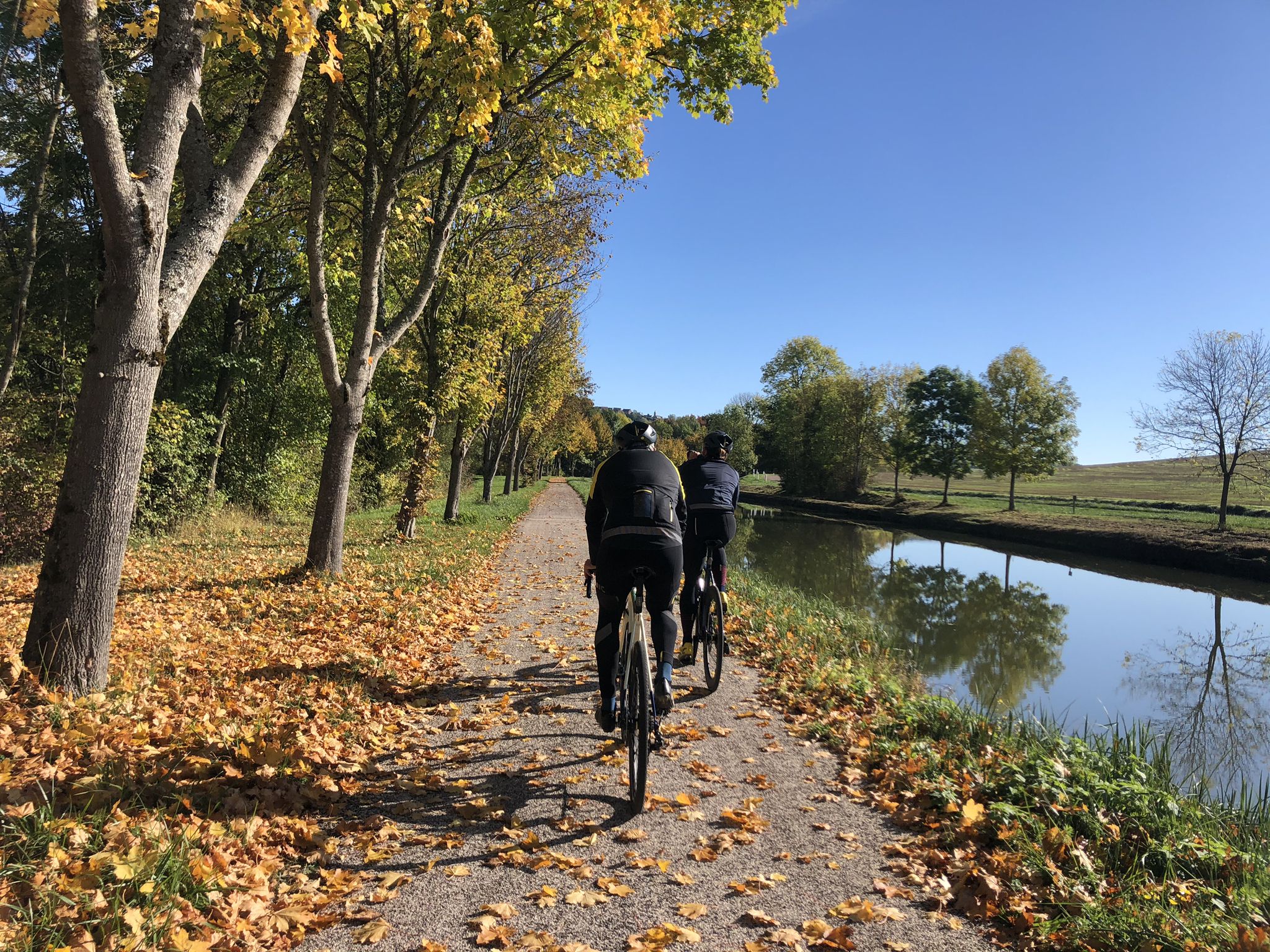
Greenways, vineyards and canals – Le Tour de Bourgogne à vélo
Between summits and big lakes — gravel riding in France’s Morvan park
France’s water-rich region — Burgundy's four canals
Other adventures in Yonne


Tips from the Community

The hermitage of La Cordelle is the first Franciscan settlement in France. Located at the foot of the Vézelay hill, the hermitage of La Cordelle is today inhabited by three brothers who live the heart of the Franciscan mission there: fraternity and the attentive welcome of all, believers or not.
1
0

This church, dedicated to the Holy Cross (Latin: "Santa Croce"), derives its patronage from the cross on which Jesus Christ died. The veneration of the Holy Cross is largely based on Saint Helena, the mother of Emperor Constantine the Great (who, after his victory at the Milvian Bridge in Rome, recognized Christianity as a religion and ended the long period of persecution with the Edict of Toleration of Milan in 312). She made a pilgrimage to the Holy Land (Israel/Palestine) in the early fourth century and brought numerous relics back to Europe, including the "True Cross," on which Jesus Christ was crucified. Helena is therefore often depicted with a cross as an attribute. The Church celebrates the Feast of the Discovery, public presentation, and veneration of the Holy Cross—called the "Exaltation of the Holy Cross"—on September 14th.
1
0

Magnificent Exterior Trompe l'oeil Gallery
0
0
Spectacular and original. A must-see.
0
0
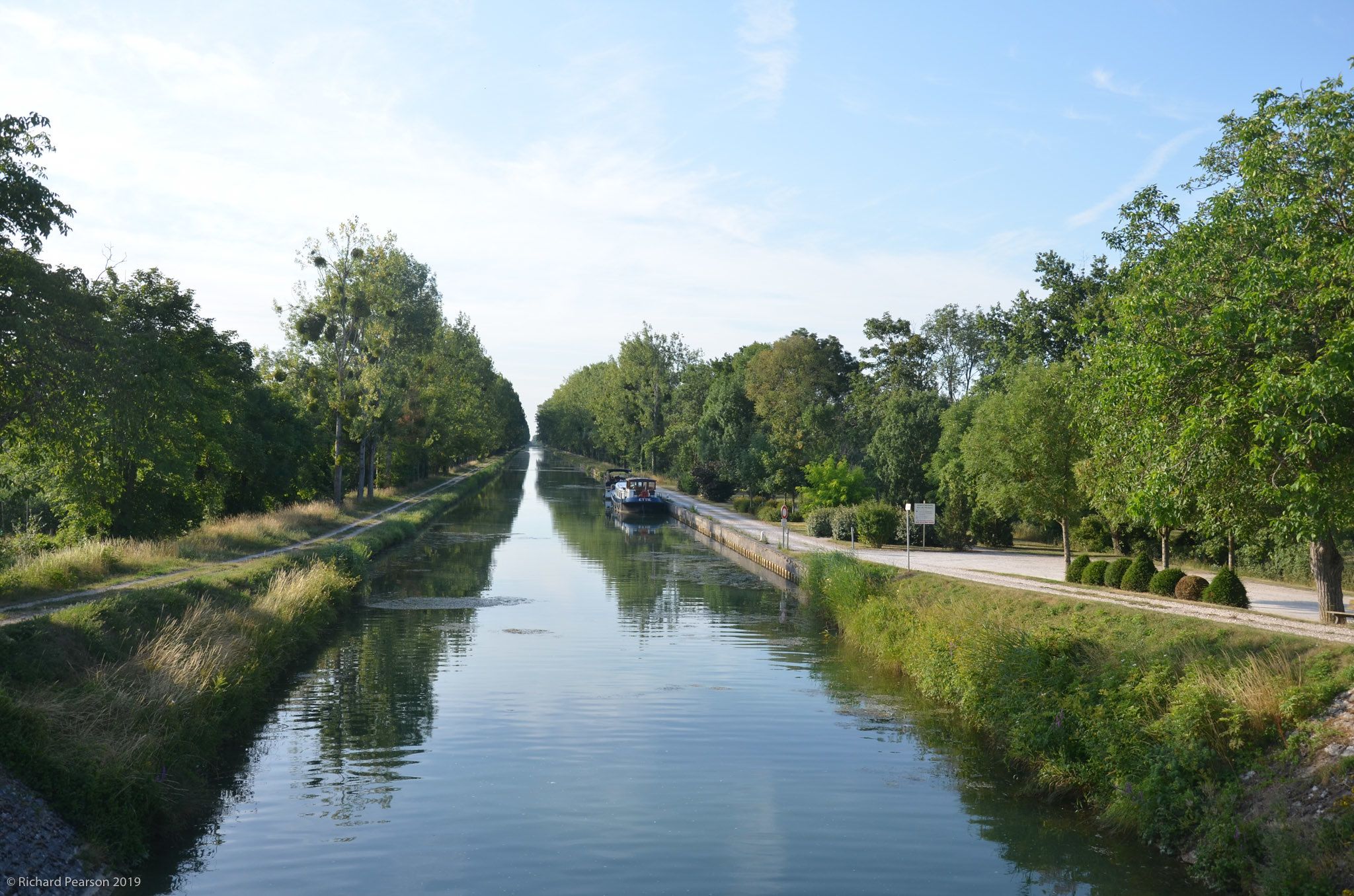
A "chemin de halage", in German "treidelpfad", which runs alongside the waterway right next to the bed of the river or canal, was an indispensable part of the transport infrastructure in earlier times. Before ships could move using motor power, horses ran along the bank and pulled the ship against the current. This was called "treideln", and that is how the "treidelpfad" got its name. Where these paths directly on the bank have been preserved, they are now popular with hikers and cyclists.
1
0

Impressive remains from a time when river transport was essential. This gigantic work of art, designed by Henri IV and the Duke of Sully around 1597, in order to connect the Mediterranean to the Ocean and the Channel by bringing together the Loire and Seine rivers using a canal. The work, led by engineer Hugues Cosnier, lasted 38 years and required 6,000 workers to overcome the 24-metre drop in altitude of the hill.
0
0


Very worthwhile visit to this beautiful church
1
0
Frequently Asked Questions
What historical sites can I visit in Yonne?
Yonne is rich in history, offering numerous sites from medieval towns to grand châteaux. You can explore the Gothic masterpiece of Saint-Étienne Cathedral of Auxerre and the ancient Abbey of Saint-Germain in Auxerre. The UNESCO World Heritage site of Vézelay, with its Basilica of Sainte-Marie-Madeleine, is another significant spiritual and architectural destination. Don't miss the Renaissance-style Château de Tanlay, known for its frescoes and moats, or the unique medieval construction site of Guédelon, where a castle is being built using 13th-century techniques.
Are there family-friendly attractions in Yonne?
Yes, Yonne offers several attractions suitable for families. The medieval construction site of Guédelon is a fascinating experience for all ages, showing how a castle was built in the 13th century. The Rogny – The Seven Locks, a monumental engineering feat, can be an interesting stop. Many historical sites like Château de Tanlay and the town of Avallon are also listed as family-friendly, offering engaging experiences for younger visitors.
What natural features can I explore in Yonne?
The Yonne department boasts diverse natural beauty. The most popular natural attraction is The Saussois Rocks, impressive limestone cliffs popular with climbers. You can also explore the peaceful Towpath of the Canal de Bourgogne, perfect for walking or cycling. The Parc Naturel Régional du Morvan, extending into Yonne, offers forests, lakes, and rivers for outdoor activities. Don't forget the famous Chablis wine region, with its rolling hills and vineyards, and the ancient Fosse Dionne karst spring in Tonnerre.
Are there opportunities for hiking or cycling near these attractions?
Absolutely! Yonne is excellent for outdoor activities. You can find numerous routes for hiking, mountain biking, and road cycling. For hiking, consider trails like the 'Saussois Rocks Loop from Châtel-Censoir' or 'Vézelay Hill Loop'. Cyclists can enjoy the 'Chablis Vineyards Loop' or the 'Charentenay & la riviére de l'Yonne' route. For more detailed routes and options, visit the dedicated guides for Hiking in Yonne, MTB Trails in Yonne, and Road Cycling Routes in Yonne.
Which towns offer a rich historical atmosphere in Yonne?
Several towns in Yonne are steeped in history. Auxerre, the capital, features a medieval old town with timber-framed houses and the impressive Saint-Étienne Cathedral. Vézelay, a UNESCO site, is known for its Romanesque basilica and medieval streets. Avallon offers a fortress-like ambiance with cobbled streets and ramparts. Noyers-sur-Serein is recognized as one of France's 'Most Beautiful Villages' with its charming half-timbered houses. Joigny and Montreal also provide glimpses into the region's rich past with their well-preserved medieval architecture.
When is the best time to visit Yonne?
The best time to visit Yonne largely depends on your interests. Spring (April-May) and Autumn (September-October) offer pleasant weather for exploring historical sites, hiking, and cycling, with the added beauty of blooming landscapes or vibrant fall foliage, especially in the Chablis vineyards. Summer (June-August) is ideal for water activities on the Yonne River and canals, though it can be busier. Many attractions, like Château de Tanlay, organize events throughout the season.
Are there any unique or hidden gems to discover in Yonne?
Beyond the well-known sites, Yonne holds several unique attractions. Guédelon is a truly one-of-a-kind experience, a medieval castle being built from scratch using only period techniques. The Fosse Dionne in Tonnerre is a remarkable ancient karst spring with an extensive underground network. The Caves of Arcy-sur-Cure contain some of France's oldest cave paintings, offering a glimpse into prehistoric art. The charming village of Noyers-sur-Serein, with its preserved medieval character, is also considered a hidden gem.
What are the options for scenic viewpoints in Yonne?
For scenic views, consider visiting the hilltop village of Vézelay, which offers panoramic vistas of the surrounding countryside. The ramparts of Avallon also provide excellent perspectives. The Paul Bert Bridge in Auxerre offers picturesque views of the Yonne River. Additionally, the rolling hills of the Chablis wine region and the Parc Naturel Régional du Morvan provide numerous natural viewpoints.
Can I find accessible attractions in Yonne?
Yes, efforts have been made to ensure some attractions are accessible. For example, Place Surugue and Cadet Roussel Fountain in Auxerre is listed as wheelchair accessible, allowing visitors to enjoy the historic square and its half-timbered houses. It is always recommended to check specific accessibility details with individual venues or local tourism offices for the most up-to-date information.
What cultural experiences, beyond historical sites, does Yonne offer?
Yonne offers rich cultural experiences, particularly around its culinary and artistic heritage. The Chablis wine region is world-renowned, providing opportunities for wine tasting and exploring vineyards. Many towns, like Vézelay and Noyers-sur-Serein, feature artisan galleries and boutiques. Local markets throughout the region offer a taste of regional produce and crafts. The unique Guédelon project also provides a living history lesson in medieval craftsmanship and culture.
What do visitors enjoy most about Yonne's attractions?
Visitors frequently praise the blend of history, natural beauty, and tranquility in Yonne. The imposing The Saussois Rocks are loved for their climbing opportunities and the pleasant riverside setting. The grandeur of Château de Tanlay, with its Renaissance architecture and rich history, is a highlight. The charming atmosphere of historic towns like Auxerre, with its beautiful half-timbered houses and the Cadet Roussel Fountain, is also highly appreciated by tourists.
Most popular routes in Yonne
Most popular attractions in Yonne

Get inspired with the komoot mobile app


Explore more
Still not found the Highlight you’re looking for? See guides of the top attractions in other regions:
