The 20 Most Amazing Peaks in Vosges
Best mountain peaks in Vosges are found within a mountain range in northeastern France, characterized by its rounded summits, known as "ballons," and dense forests. The region offers a diverse landscape, including high-altitude pastures, glacial lakes, and deep valleys. These mountains form a natural boundary and provide varied terrain for outdoor activities. The Vosges mountains are known for their accessible peaks and scenic routes.
Best mountain peaks in Vosges
- The most popular mountain peaks is Hohneck, a summit that is the third highest peak in the Vosges. It offers views and is an ideal starting point for family hikes.
- Another must-see spot is Le Tanet Summit, a summit and natural monument. This peak provides great viewpoints and is part of a very nice hiking trail.
- Visitors also love Roche des Vieux Chevaux, a summit with a viewpoint. This location offers a plunging view over the lake of Longemer.
- Vosges is known for summits, viewpoints, and natural monuments. The region offers a variety of mountain peaks to see and explore, ranging from accessible routes to more challenging trails.
- The mountain peaks in Vosges are appreciated by the komoot community, with more than 2100 upvotes and over 750 photos shared.
Last updated: June 22, 2026
Hohneck
Highlight • Summit
Translated by Google •
Tip by

Merelle Observatory
Highlight • Summit
Translated by Google •
Tip by

Sign up now to discover places like this
Get recommendations on the best single tracks, peaks, & plenty of other exciting outdoor places.
Sign up for free
Gazon du Faing
Highlight • Summit
Translated by Google •
Tip by

Le Tanet Summit
Highlight • Summit
Tip by

Wormspel Combe
Highlight • Gorge
Translated by Google •
Tip by
Roche des Vieux Chevaux
Highlight • Summit
Translated by Google •
Tip by

Gazon du Faing summit
Highlight • Summit
Translated by Google •
Tip by

Grand Ventron Summit
Highlight • Summit
Its height is 1204 meters above sea level.
Particularly striking is the orientation board on the summit.
Translated by Google •
Tip by

View from La Brostille (862 m)
Highlight • Viewpoint
Translated by Google •
Tip by

Haut du Roc Cross
Highlight • Summit
Benches invite you to linger.
Translated by Google •
Tip by

Sign up for free to discover even more peaks in Vosges.
Sign up for free
Already have an account?
Start today with a free account
Your next adventure awaits.
Login or Signup
Popular around Vosges
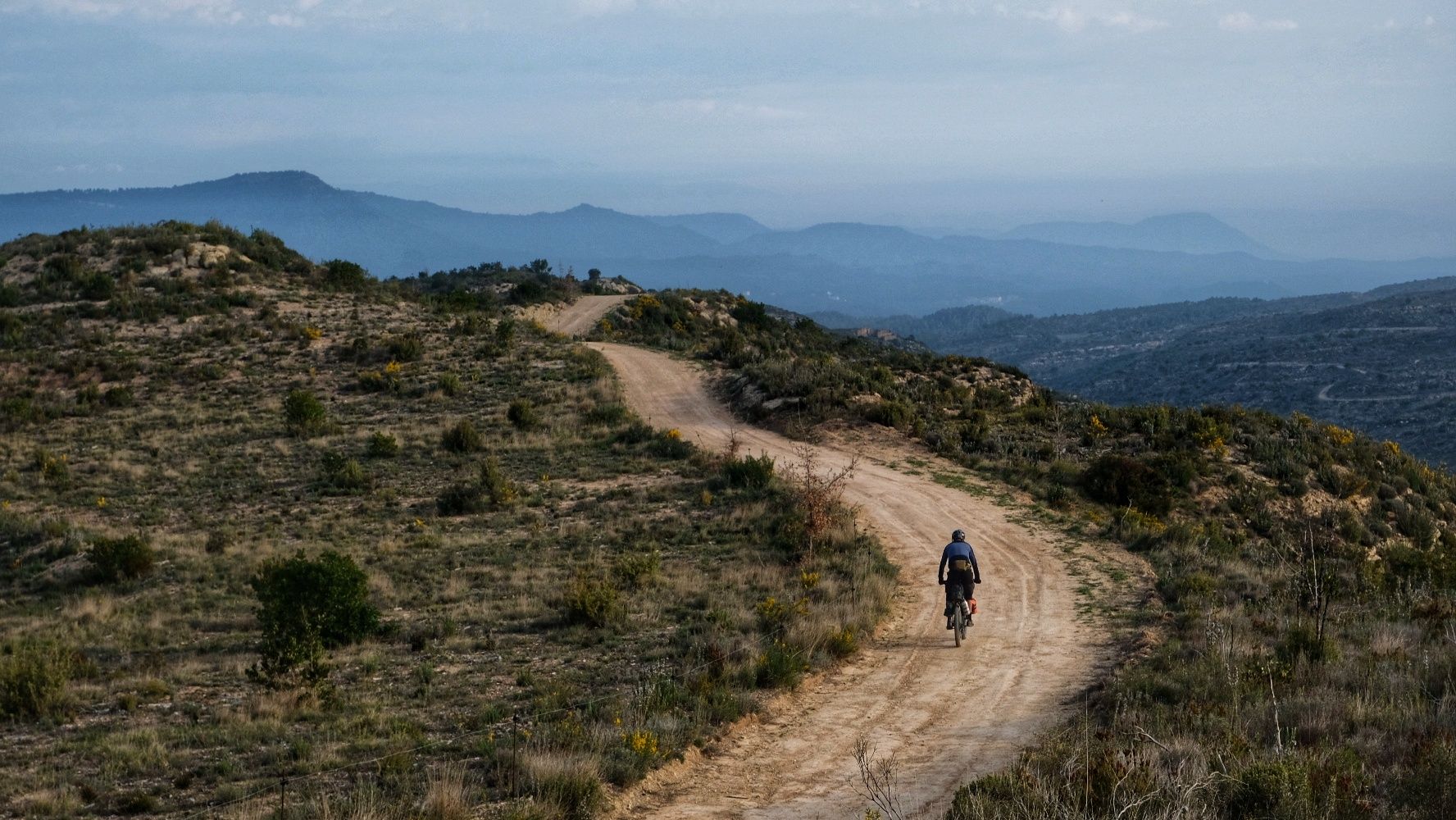
European Divide Trail — 7,600 km across the continent
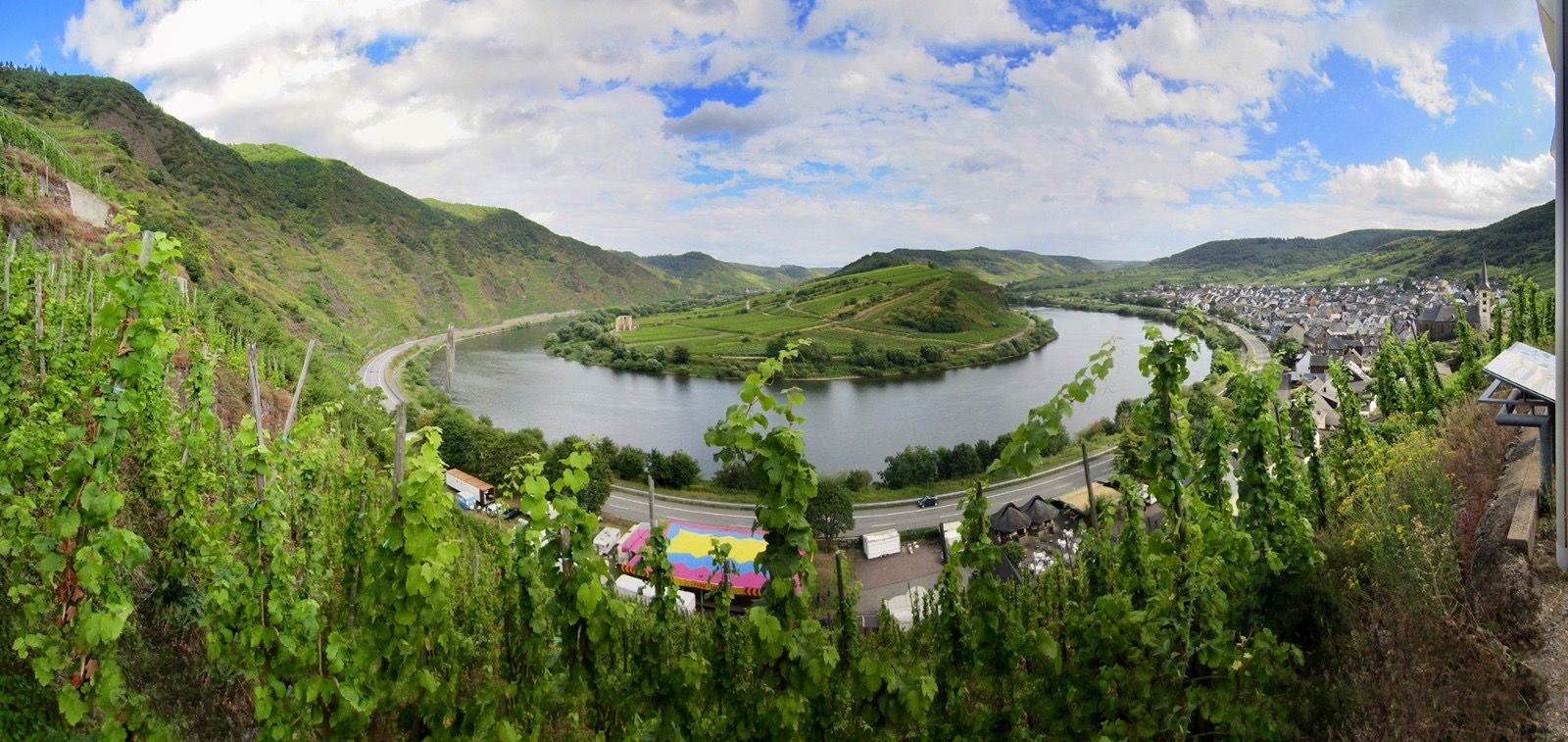
The Moselle cycle path — from the Vosges to the Rhine in 18 stages
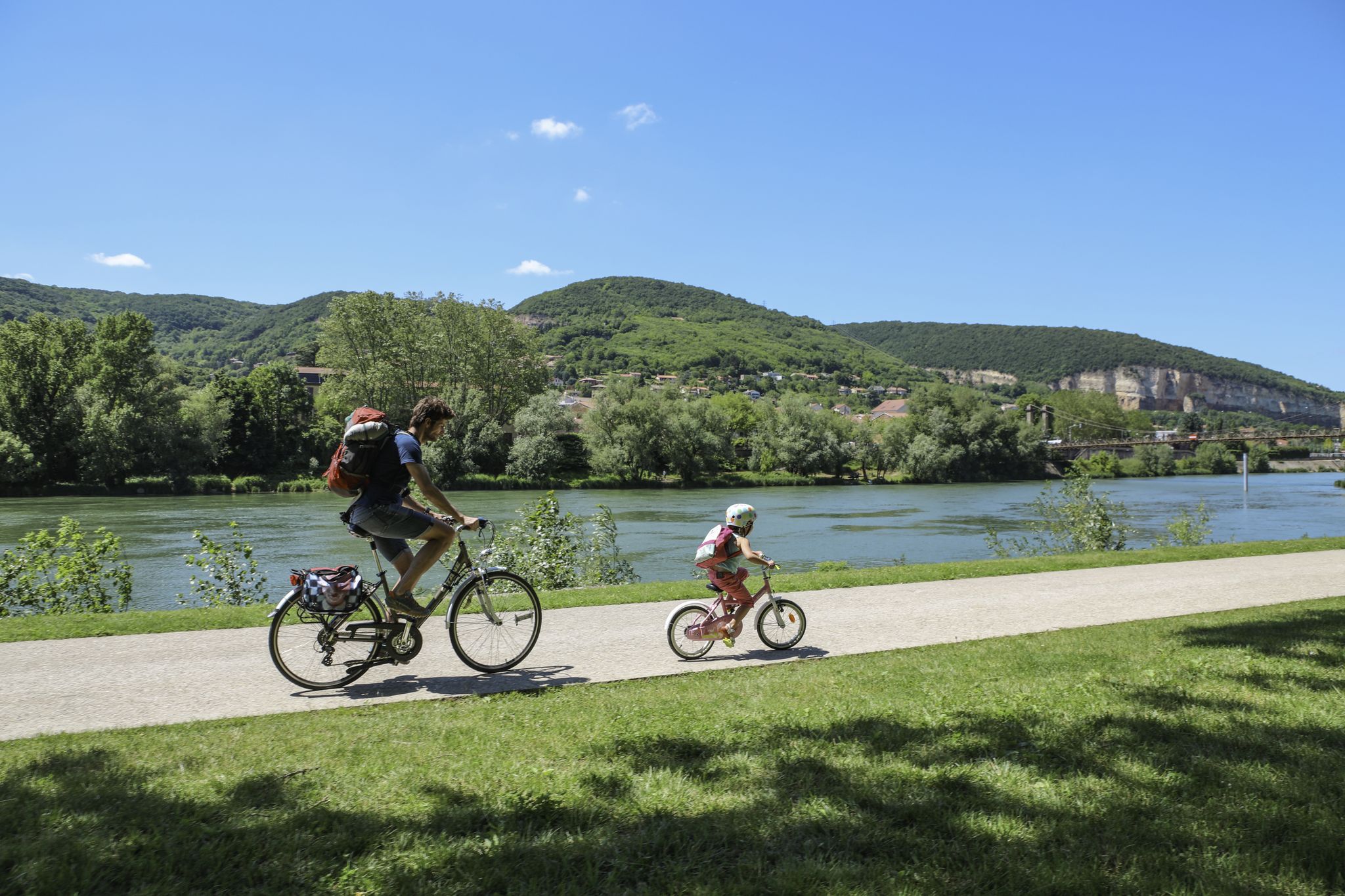
The Voie Bleue – Moselle-Saône by bike
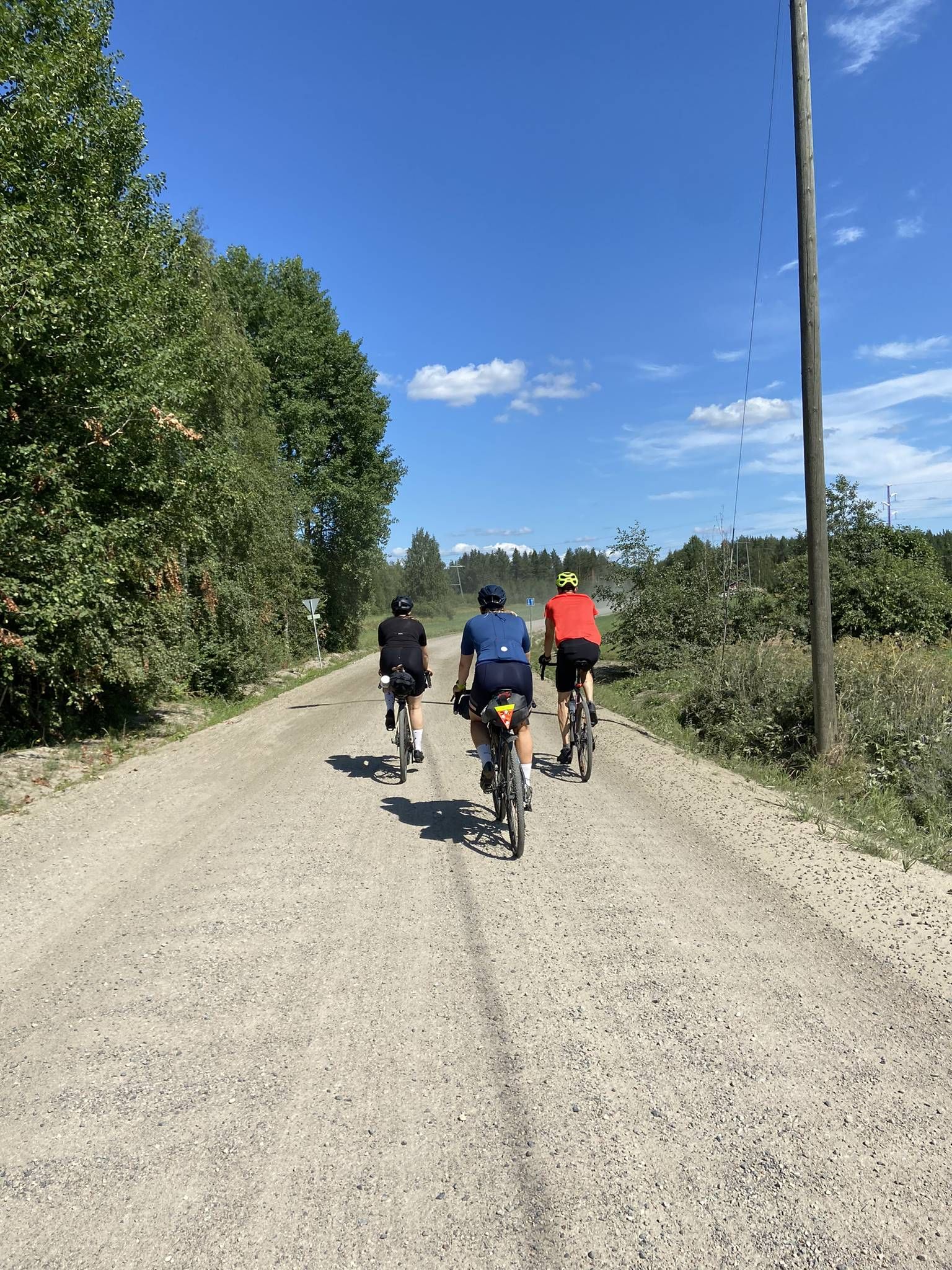
Naples to North Cape — Two friends, one purpose and many scoops of ice-cream
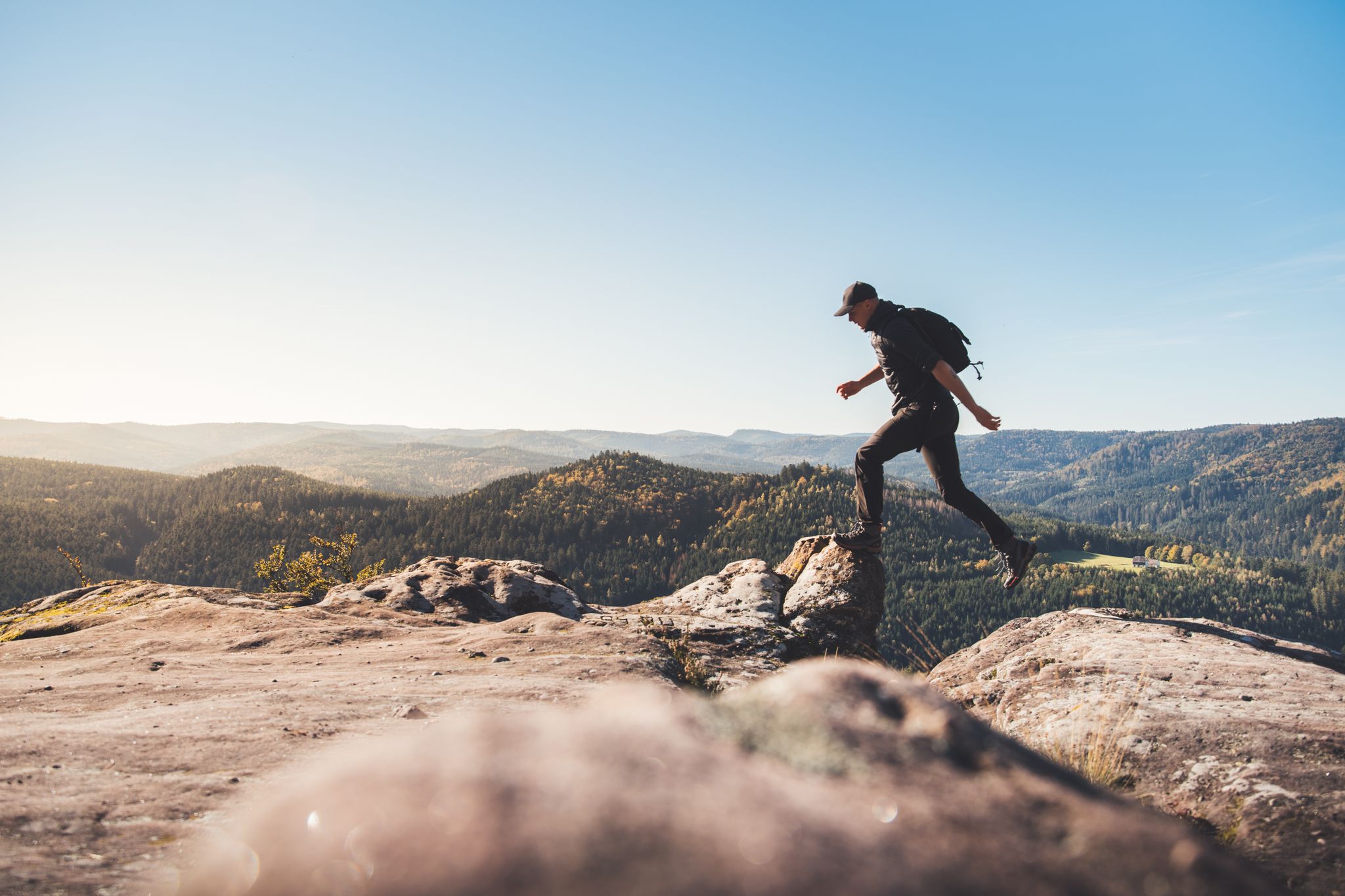
Trail running in the Grand Est – the region's most beautiful hilly trails
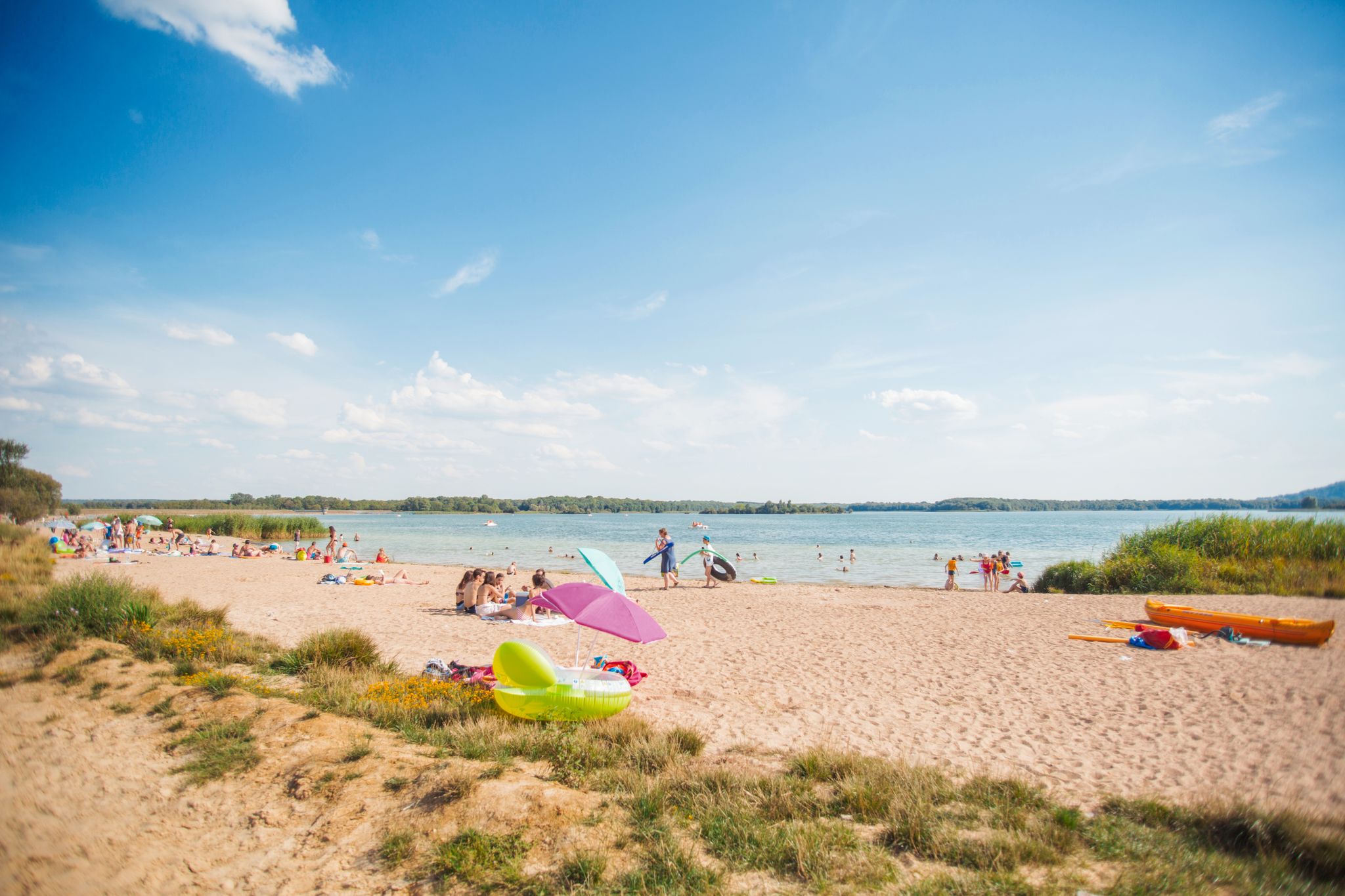
Walking in fresh air or alongside water in the Grand Est
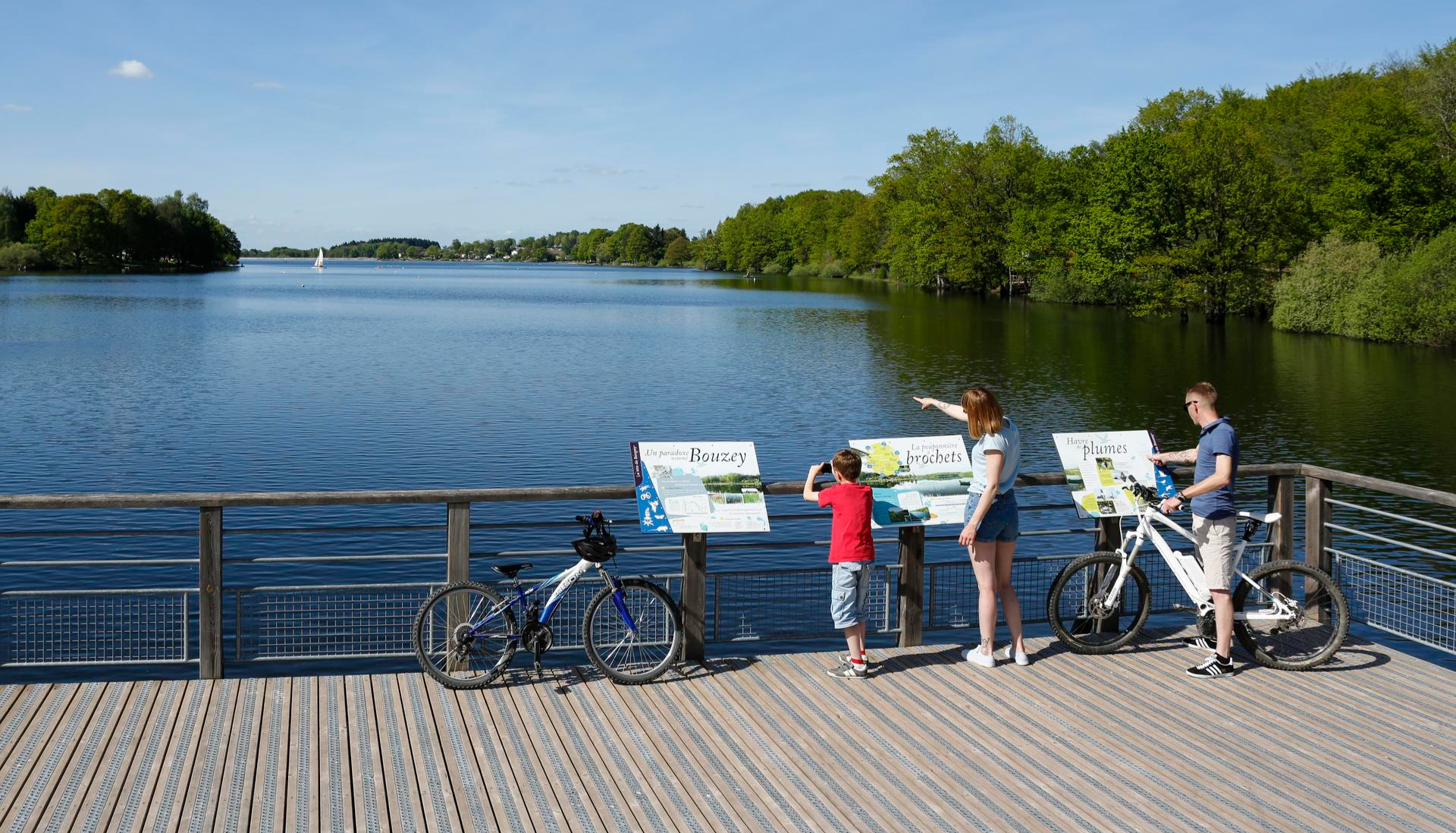
Family getaways – cycling in the Grand Est
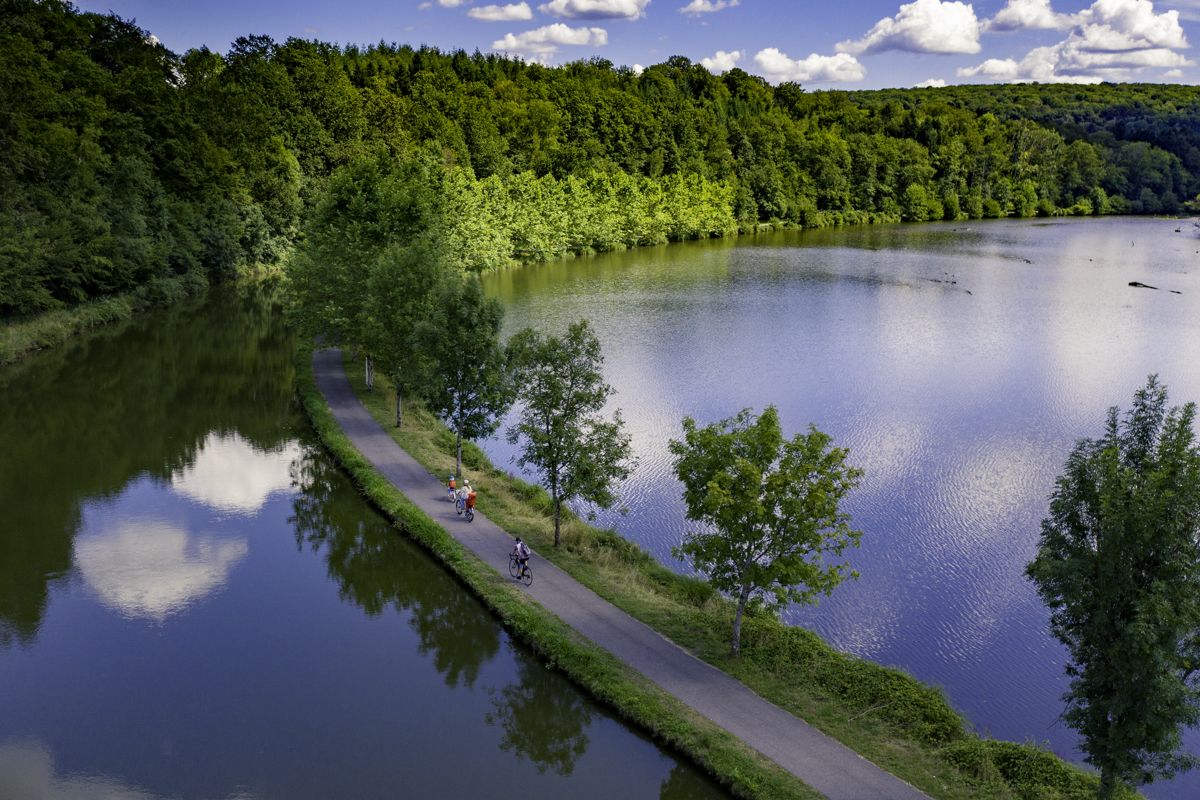
La Voie Bleue — “Cycle Route of the Year 2026”
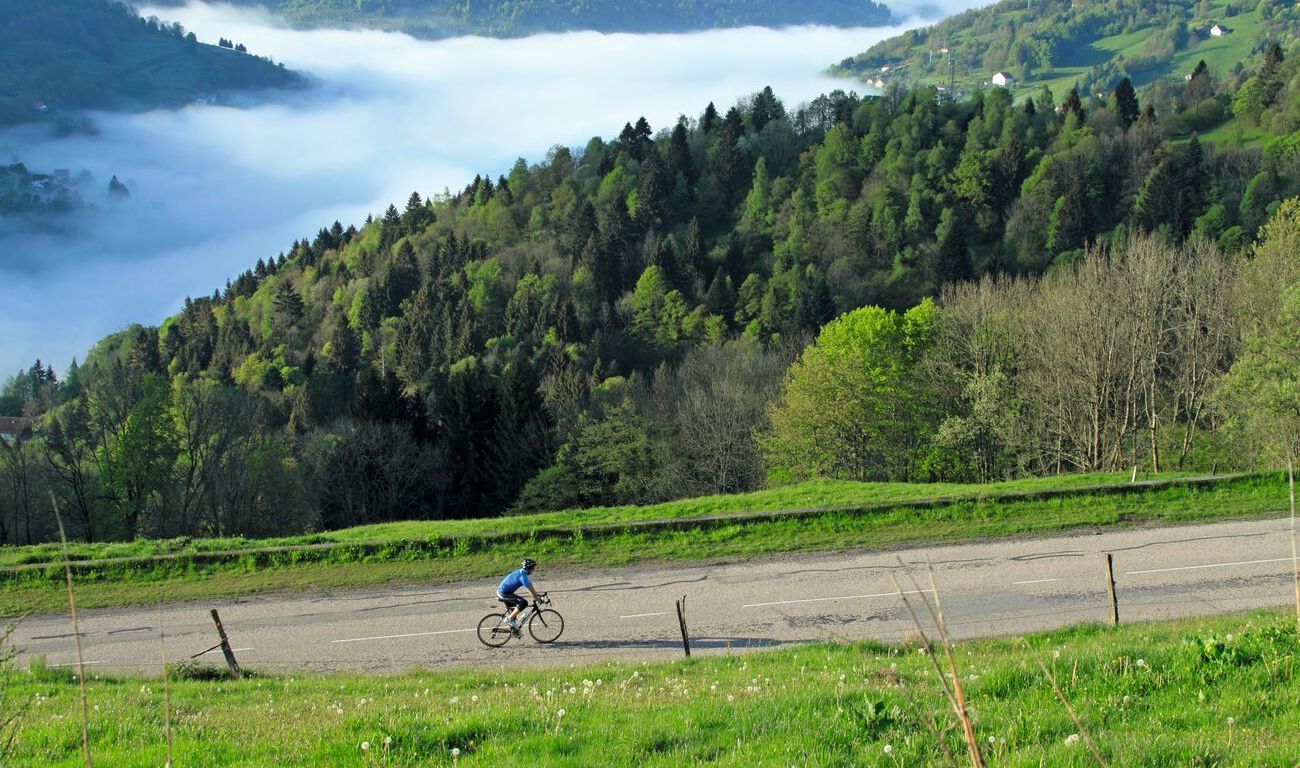
Road bike and gravel tours in the Vosges
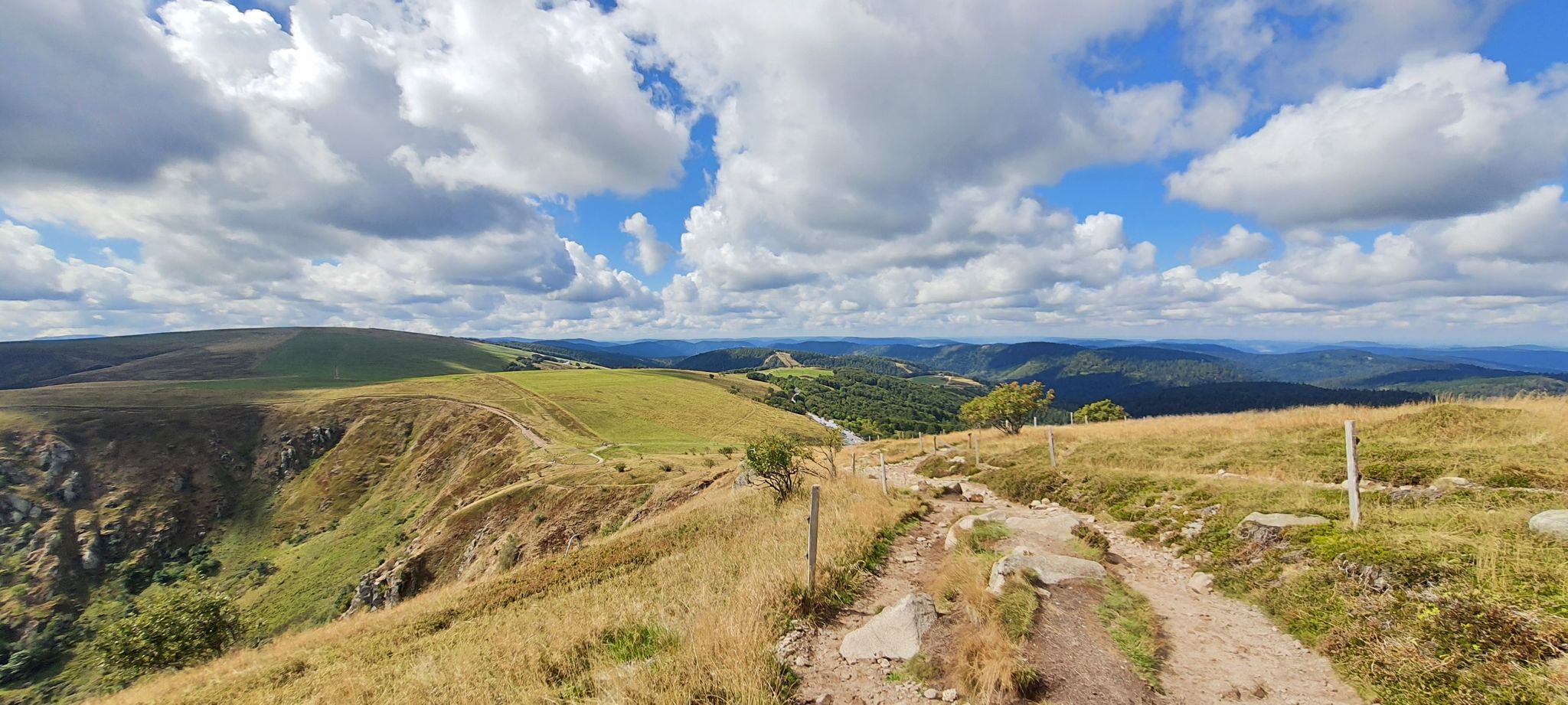
Thatches, lakes and forests – Tour des Ballons des Vosges
Other adventures in Vosges


Tips from the Community

You have to know that there's a viewpoint here—otherwise, all you'll see from the path are rocks and you might carelessly walk past them, because they block the view of the actual viewpoint. Once you find it, you'll have a fantastic view of the valley.
1
0

An unexpected trail but without regrets...
0
0

A beautiful wooden tower with a narrow spiral staircase, it can accommodate a maximum of four people at a time. During the week and in bad weather, you won't have to wait long.
5
0

The reward is beautiful
1
0

Great corner with mega views
0
0

At the place called La Roche des Vieux Chevaux, there is this viewpoint with a magnificent plunging view over the lake of Longemer.
3
0

As already mentioned several times, there can be long waiting times for the climb, as a maximum of 4 people are allowed on the tower. To be honest, I'm used to higher observation towers. This one, with 85 steps, is rather small in my opinion. More information at https://visitgrandest.com/tour-de-merelle
3
0

We were there in bad weather. It was July and drizzling. That meant we didn't have to wait or queue
4
0
Frequently Asked Questions
Which mountain peaks in the Vosges offer the best views?
For breathtaking panoramas, consider Hohneck, which offers splendid views, especially over the lake of Schiessrothried. Le Tanet Summit is another excellent choice with great viewpoints in all directions. Additionally, Roche des Vieux Chevaux provides a magnificent plunging view over the lake of Longemer.
Are there family-friendly mountain hikes in the Vosges?
Yes, the Vosges mountains are known for their accessible peaks and routes suitable for families. Hohneck is highlighted as an ideal starting point for family hikes. Many trails around the 'ballons' (rounded summits) are less strenuous, offering enjoyable experiences for all ages. For more options, explore Easy hikes in Vosges.
What is the best time to visit the Vosges mountains for hiking?
The best time for hiking in the Vosges mountains is typically from late spring (May) through early autumn (October). During these months, the weather is generally mild, trails are clear of snow, and the landscapes are vibrant. Summer offers warmer temperatures, while spring and autumn provide beautiful foliage and fewer crowds. Winter hiking is possible, especially on lower trails, but requires appropriate gear and awareness of snow conditions.
What natural features can I expect to see on the Vosges mountain peaks?
The Vosges mountains are characterized by diverse natural beauty. You'll encounter rounded summits known as 'ballons,' dense forests, high-altitude pastures, and glacial lakes. Many peaks offer stunning viewpoints, such as Gazon du Faing, which is also a natural monument. The region's unique geology includes characteristic sedimentary rocks, as seen near Haut du Roc Cross.
What outdoor activities can I do near the Vosges mountain peaks?
Beyond hiking, the Vosges mountains offer a variety of outdoor activities. You can explore numerous cycling routes, including challenging road cycling ascents and scenic gravel biking trails. For cycling enthusiasts, check out Road Cycling Routes in Vosges and Gravel biking in Vosges. The region's varied terrain is perfect for exploring on two wheels or on foot.
Are there any historical or cultural sites on the Vosges mountain peaks?
While primarily known for natural beauty, some peaks incorporate historical or cultural elements. For instance, Le Tanet Summit is recognized as a natural monument with historical significance. Haut du Roc Cross features a Calvary erected in 1933, serving as a cultural landmark with a rich story.
What do visitors enjoy most about the Vosges mountain peaks?
Visitors frequently praise the magnificent views and the accessibility of the peaks. Many appreciate the well-maintained hiking trails and the opportunity for family-friendly outings. The diverse landscapes, from dense forests to high-altitude pastures, are also a major draw. The komoot community has shown its appreciation with over 2100 upvotes and more than 750 photos shared, highlighting the region's appeal.
How long does it take to hike to the summit of Grand Ballon in the Vosges?
While the Grand Ballon is the highest peak in the Vosges, specific hike durations vary greatly depending on your starting point and chosen route. A typical ascent from a nearby village or parking area can range from 2 to 4 hours, with circular routes taking longer. It's advisable to consult detailed trail maps for precise timings based on your fitness level and desired path.
Are there any challenging mountain peaks for experienced hikers in the Vosges?
Yes, while many peaks are accessible, the Vosges also offer more challenging trails. Peaks like Grand Ventron Summit and routes involving areas like Wormspel Combe can present more demanding terrain and longer distances, suitable for experienced hikers seeking a greater challenge. These often provide more remote experiences and expansive views.
Can I find cafes or refreshments near the Vosges mountain trails?
Yes, especially along popular routes and near major summits, you can often find traditional 'ferme-auberges' (farm inns) or mountain refuges that offer refreshments and local meals. These establishments are particularly common along the Route des Crêtes and near well-frequented peaks like Hohneck, providing a welcome break during your hike.
Are dogs allowed on the mountain trails in the Vosges?
Generally, dogs are welcome on most mountain trails in the Vosges, provided they are kept on a leash. However, it's always recommended to check specific park regulations or nature reserve rules, as some protected areas might have restrictions, especially during nesting seasons for certain wildlife. Always ensure your dog is well-behaved and that you clean up after them.
Where can I find parking for hiking trails in the Vosges mountains?
Parking is typically available at the start of many popular hiking trails and near major summits. You'll find designated parking areas at key access points along the Route des Crêtes, near lakes, and in villages at the base of the mountains. For specific trailheads, it's best to consult detailed hiking maps or route descriptions which often indicate parking locations.
Most popular routes in Vosges
Most popular attractions in Vosges

Get inspired with the komoot mobile app


Explore more
See even more amazing summits in Vosges with these guides:
