The best gravel rides around Abjat-Sur-Bandiat
4.7
(4)
59
riders
5
rides
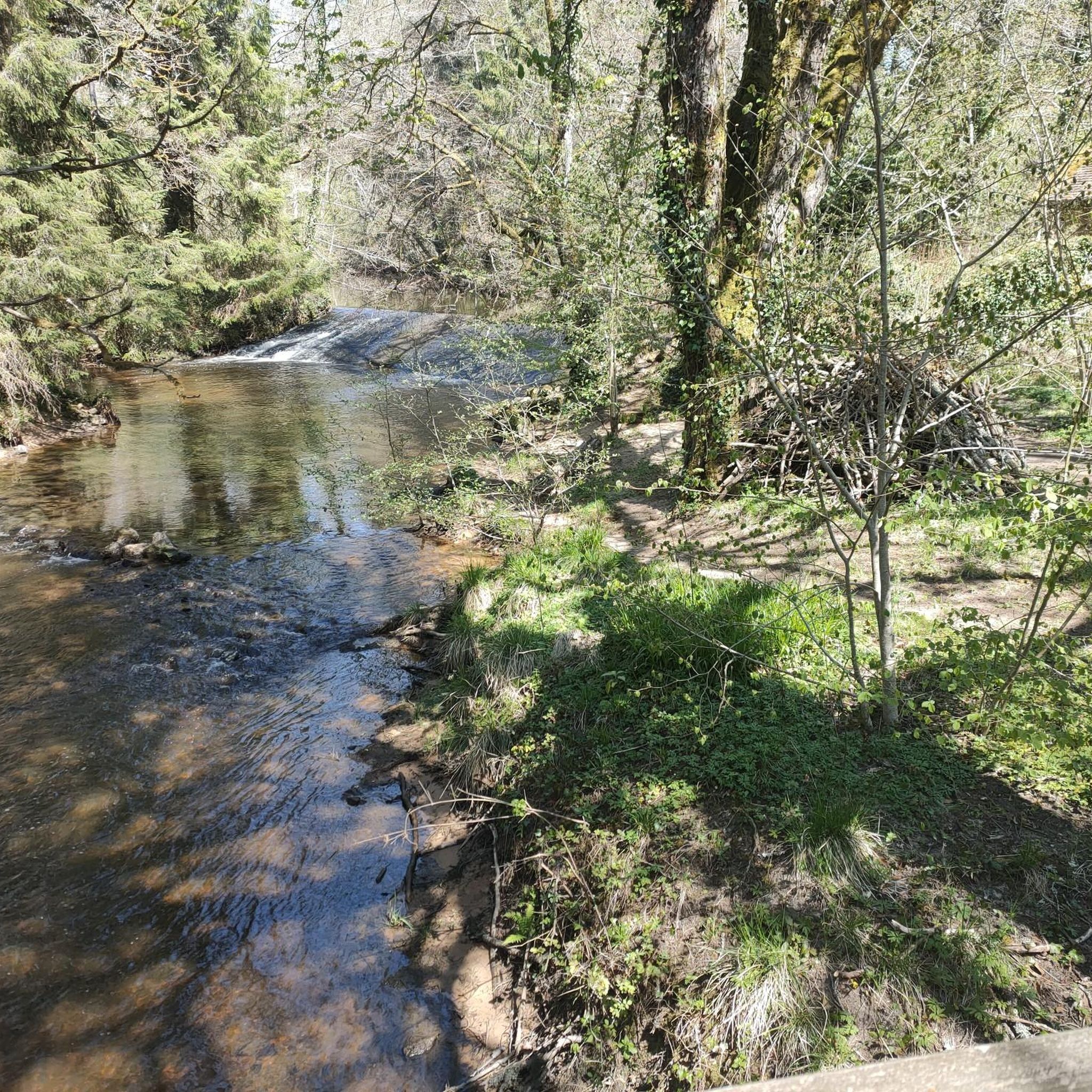
Gravel biking around Abjat-Sur-Bandiat offers diverse landscapes within the Périgord-Limousin Regional Natural Park, characterized by an extensive network of trails and "Chemins blancs." The terrain includes flat sections, rolling hills, and mid-length ascents out of deep gorges, providing varied experiences. Cyclists can explore steep valleys, shady paths, and picturesque riverside trails, often on the uneven surfaces of rural roads. The region features lush greenery, dense woods, and forests, with the Bandiat river winding through the area.
Best gravel bike trails…
Last updated: July 17, 2026
4.0
(1)
11
riders
Moderate gravel ride. Good fitness required. Mostly paved surfaces. Suitable for all skill levels.
23
riders
47.9km
02:36
400m
400m
Moderate gravel ride. Good fitness required. Mostly paved surfaces. Suitable for all skill levels.

Sign up for free
14
riders
Hard gravel ride. Very good fitness required. Mostly paved surfaces. Suitable for all skill levels.
5.0
(2)
3
riders
43.3km
02:26
440m
440m
Moderate gravel ride. Good fitness required. Mostly paved surfaces. Suitable for all skill levels.
5.0
(1)
5
riders
35.2km
01:52
310m
310m
Moderate gravel ride. Good fitness required. Mostly paved surfaces. Suitable for all skill levels.
Our route recommendations are based on thousands of hikes, rides, and runs completed by other people on komoot.
Start today with a free account
Your next adventure awaits.
Login or Signup

Tips from the Community

it's not allowed to camp at this part of the green way but this meadow is pretty nice
0
0

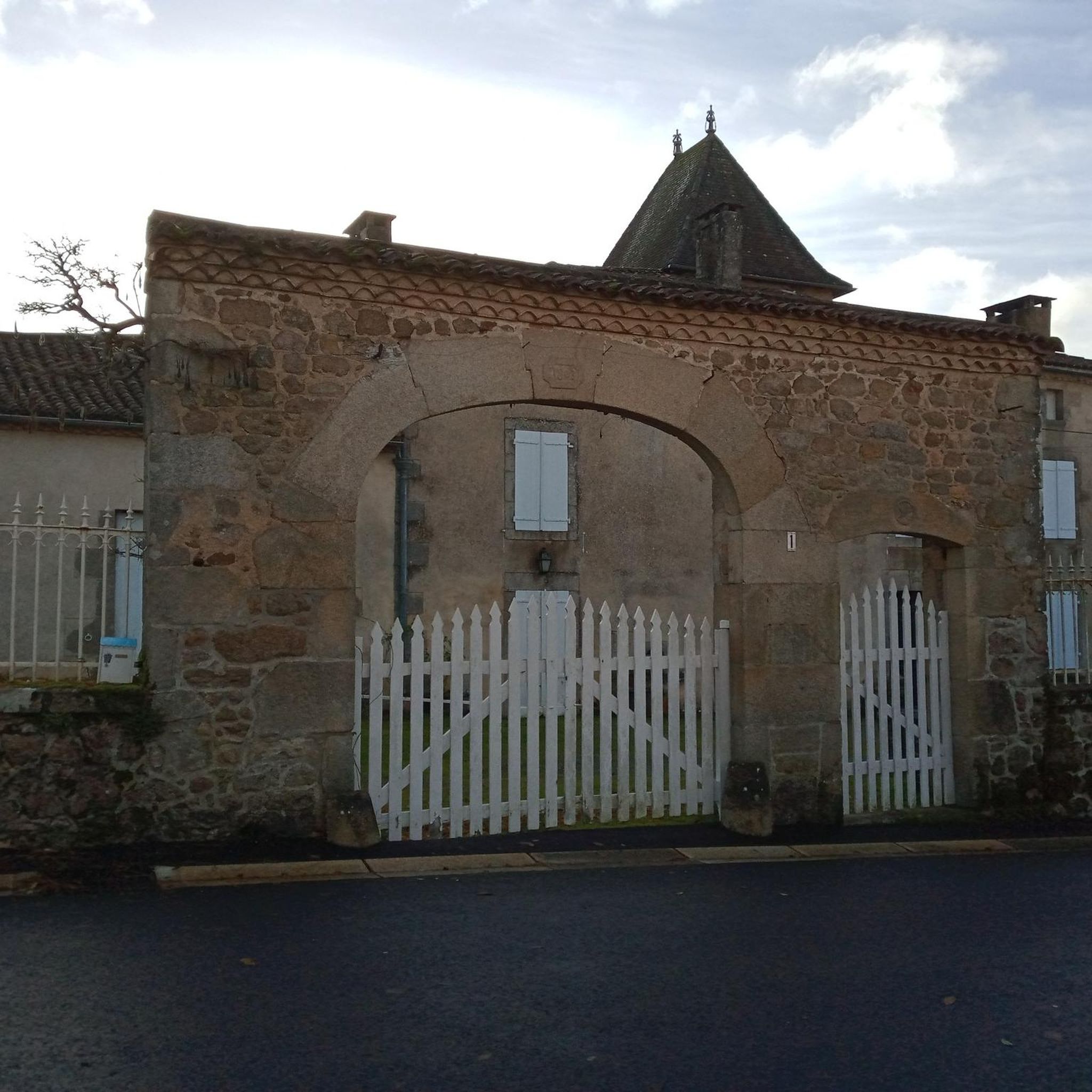
Nontron is a town with a rich history dating back around 3,000 years, with traces of prehistoric and Gallo-Roman habitation. It is known for its traditional crafts, particularly cutlery, with the famous Nontron knife, one of the oldest folding knives in France. The town stretches over a strategic rocky promontory, once home to fortifications and a historic castle, the latter dating back to the 8th century and rebuilt in the 19th century.
1
0

A beautiful cycle path through a beautiful landscape.
1
0

The natural setting: Bordered by the Côle: Saint-Jean-de-Côle is surrounded by nature, with the small Côle river running through the village, offering bucolic and green landscapes. Hiking and walks: The surroundings of the village are full of trails for hiking enthusiasts. These paths allow you to explore the countryside of the Périgord Vert, its forests, and its meadows, while enjoying the calm and beauty of nature. Events and Crafts: Medieval festivals: The village regularly organizes events such as medieval festivals that recreate the atmosphere of the Middle Ages with costumes, shows and craft markets. Local crafts: Saint-Jean-de-Côle is also home to several local artisans and artists who offer their works and creations, whether pottery, textiles or gastronomic products. Why Visit Saint-Jean-de-Côle? For its medieval charm: Ranked among the most beautiful villages in France, Saint-Jean-de-Côle offers a unique setting with its historic buildings, cobbled streets and authentic atmosphere. For history: The Romanesque church, the Château de la Marthonie, and the bridge bear witness to several centuries of history, transporting visitors to another era. For the surrounding nature: In addition to its heritage, the village is an ideal starting point for exploring the countryside of the Périgord Vert, between walks and discoveries of the local fauna and flora. Saint-Jean-de-Côle is therefore an essential destination for those who wish to combine historical and natural heritage, while enjoying the calm and beauty of a Périgord village.
1
0
Saint-Jean-de-Côle, located in the Dordogne, is one of the most beautiful villages in France. Nestled in the heart of the Périgord Vert, this small medieval village seduces with its picturesque architecture and peaceful atmosphere. It is a true jewel of the Périgord heritage, offering visitors an enchanting setting to walk and discover local history. Points of Interest in Saint-Jean-de-Côle: Saint-Jean-Baptiste Church: Romanesque Church: The Saint-Jean-Baptiste Church, built between the 11th and 12th centuries, is a magnificent example of Périgord Romanesque architecture. It is distinguished by its dome-shaped bell tower and its imposing porch. Interior decoration: The interior is sober but impressive with its restored frescoes and its dome, offering an atmosphere imbued with spirituality and history. The Château de la Marthonie: Renaissance Castle: This castle stands proudly on the main square of the village. Built from the 12th century and remodeled during the Renaissance, it once served as a residence for the lords of the region. With its towers and elegant facades, it dominates the village and reinforces its medieval charm. Defensive architecture: The castle retains elements of fortification, recalling the time when it served as a defense against invasions. The Roman Bridge: A little historical gem: This stone bridge, which crosses the Côle River, is a vestige of the village's medieval past. It is lined with small picturesque houses that give the impression that time has stood still. Place for a walk: The bridge and its surroundings are perfect for a leisurely stroll, offering magnificent views of the village and the surrounding countryside. Half-timbered houses: Traditional architecture: Strolling through the cobbled streets, visitors discover charming half-timbered houses with tiled roofs, typical of the rural architecture of the Périgord. These well-preserved houses bear witness to the centuries-old history of the village. Timeless atmosphere: Every street corner invites discovery, with flower-filled houses and small shaded squares.
1
0

Don't miss this village, the most beautiful village in France At the foot of the drip wall of the choir of the church of Saint-Jean-de-Côle lie four respite graves. These are anthropomorphic sarcophagi the size of a newborn. In the Middle Ages, when infant mortality was high, stillborn or young children were often unable to be baptized. They could therefore not be buried in the cemetery, consecrated ground. Installed in respite boxes, they received directly from the roof of the church the dripping rainwater considered blessed. Baptism became effective after a few months and the children could finally be buried in the cemetery.
0
0
There are several bridges on the cycle path that you pass through. Some of them are very impressive.
1
0

One of the few fountains along the way.
3
1
Frequently Asked Questions
How many gravel bike trails are available around Abjat-Sur-Bandiat?
There are currently 6 gravel bike routes listed around Abjat-Sur-Bandiat on komoot, offering a mix of moderate and difficult challenges. These trails explore the diverse landscapes of the Périgord-Limousin Regional Natural Park.
What kind of terrain can I expect on gravel bike trails in Abjat-Sur-Bandiat?
The terrain around Abjat-Sur-Bandiat is quite varied, ranging from flat sections to rolling hills and challenging mid-length ascents out of deep gorges. You'll encounter extensive networks of 'Chemins blancs' (white roads or tracks), steep valleys, shady paths, and picturesque riverside trails, often on uneven rural road surfaces.
Are there any family-friendly gravel biking options in the area?
While many routes offer varied terrain, some sections of the converted railway lines, like parts of the Thiviers Greenway, are generally flatter and more accessible. For a moderate option that incorporates this, consider the Always along the route – Start of the Thiviers Greenway loop from Saint-Pardoux-la-Rivière.
What are some notable natural features or landmarks I can see while gravel biking?
The region is rich in natural beauty. You can explore the lush greenery and dense woods of the Périgord-Limousin Regional Natural Park. Highlights include the Bandiat river, the Saint-Estèphe Pond Beach for a refreshing stop, and the unique natural curiosity of The Rocking Stone near Saint-Estèphe. You might also encounter the Saut du Chalard Waterfall on the Dronne.
Are there any long-distance gravel routes available?
Yes, for those seeking a longer challenge, the Start of the Thiviers Greenway – Old station portico loop from Nontron is a substantial route, covering 123.7 km and typically taking over 8 hours to complete. It leads through varied landscapes, including sections of the Thiviers Greenway.
What do other gravel bikers say about the trails in Abjat-Sur-Bandiat?
The gravel biking routes around Abjat-Sur-Bandiat are highly rated by the komoot community, with an average score of 4.6 stars from over 9 reviews. Many riders praise the extensive network of trails, the rolling hills, and the dense woods that define the area's unique character.
Are there any circular gravel routes?
Yes, many of the gravel routes in the area are designed as loops, allowing you to start and finish in the same location. For example, the Always along the route – Through beautiful bridges loop from Saint-Front-la-Rivière is a challenging 55.7 km circular trail.
What is the best time of year for gravel biking in Abjat-Sur-Bandiat?
The Périgord-Limousin Regional Natural Park is beautiful year-round, but spring and autumn generally offer the most pleasant conditions for gravel biking, with milder temperatures and vibrant natural scenery. Summers can be warm, while winters are typically cooler and wetter.
Are there any routes that follow old railway lines?
Yes, the region is known for converting old railway lines into scenic cycle paths suitable for gravel bikes. The Thiviers Greenway is a prime example. You can experience this on routes like the St jean de Cole – Start of the Thiviers Greenway loop from Milhac-de-Nontron, which offers a moderate 37.3 km ride.
What are the difficulty levels of the gravel trails?
The trails around Abjat-Sur-Bandiat cater to various skill levels. You'll find both moderate routes, such as the Always along the route – Start of the Thiviers Greenway loop from Saint-Pardoux-la-Rivière, and more challenging options like the Chateau Rocher – Walk around section loop from Piégut-Pluviers, which features significant elevation changes.
Can I find routes that pass through charming villages?
Absolutely. The region is dotted with picturesque villages. While specific routes may vary, many trails will take you near or through local settlements. Nontron, for instance, is a notable town in the vicinity and serves as a starting point for some longer routes.
Most popular routes around Abjat-Sur-Bandiat
Most popular attractions around Abjat-Sur-Bandiat

Get inspired with the komoot mobile app


Explore more
Browse the best Gravel rides in other regions.
