The best gravel rides around Les Trois-Moutiers
4.5
(2)
50
riders
7
rides
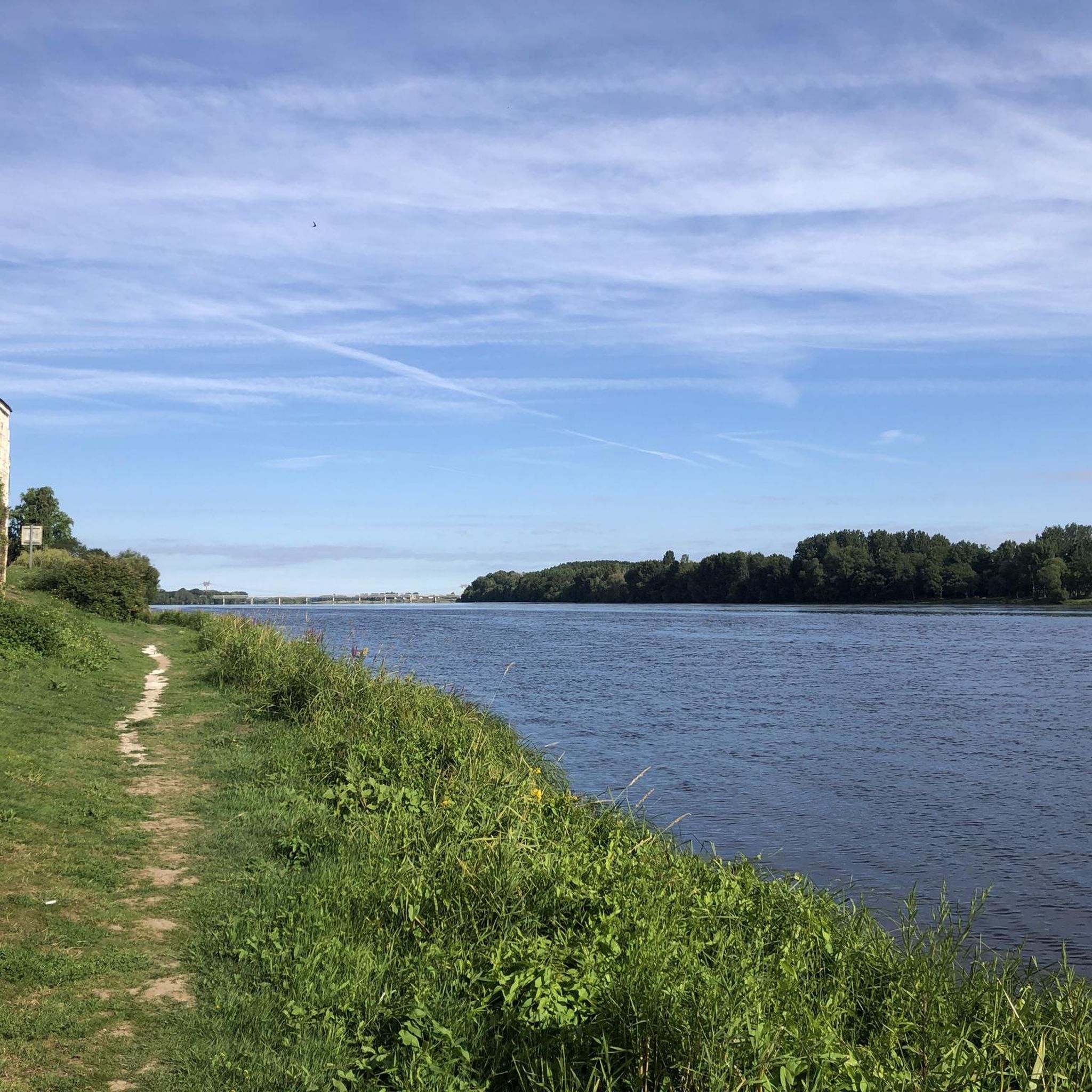
Gravel bike trails around Les Trois-Moutiers traverse a varied landscape characterized by vineyards, agricultural fields, and extensive forests, interspersed with rivers. The region offers a mosaic of mixed surfaces, including unpaved roads, gravel paths, and dirt tracks, suitable for gravel biking. These paths often wind between fields and forests, providing diverse terrain. The gentle undulations of the countryside offer a mix of easy and moderately challenging rides.
Best gravel bike trails around Les Trois-Moutiers
- The most popular gravel bike trail…
Last updated: July 3, 2026
4.0
(1)
26
riders
97.2km
06:31
970m
970m
Hard gravel ride. Very good fitness required. Mostly paved surfaces. Suitable for all skill levels.
5.0
(1)
10
riders
Hard gravel ride. Very good fitness required. Mostly paved surfaces. Suitable for all skill levels.

Sign up for free
7
riders
59.0km
04:09
590m
590m
Hard gravel ride. Very good fitness required. Mostly paved surfaces. Suitable for all skill levels.
1
riders
58.4km
03:48
360m
360m
Moderate gravel ride. Good fitness required. Mostly paved surfaces. Suitable for all skill levels.
2
riders
60.2km
03:41
280m
280m
Moderate gravel ride. Good fitness required. Mostly paved surfaces. Suitable for all skill levels.
Get access to more routes and recommendations from other explorers.
Sign up for free
Already have an account?
Our route recommendations are based on thousands of hikes, rides, and runs completed by other people on komoot.
Start today with a free account
Your next adventure awaits.
Login or Signup
Tips from the Community

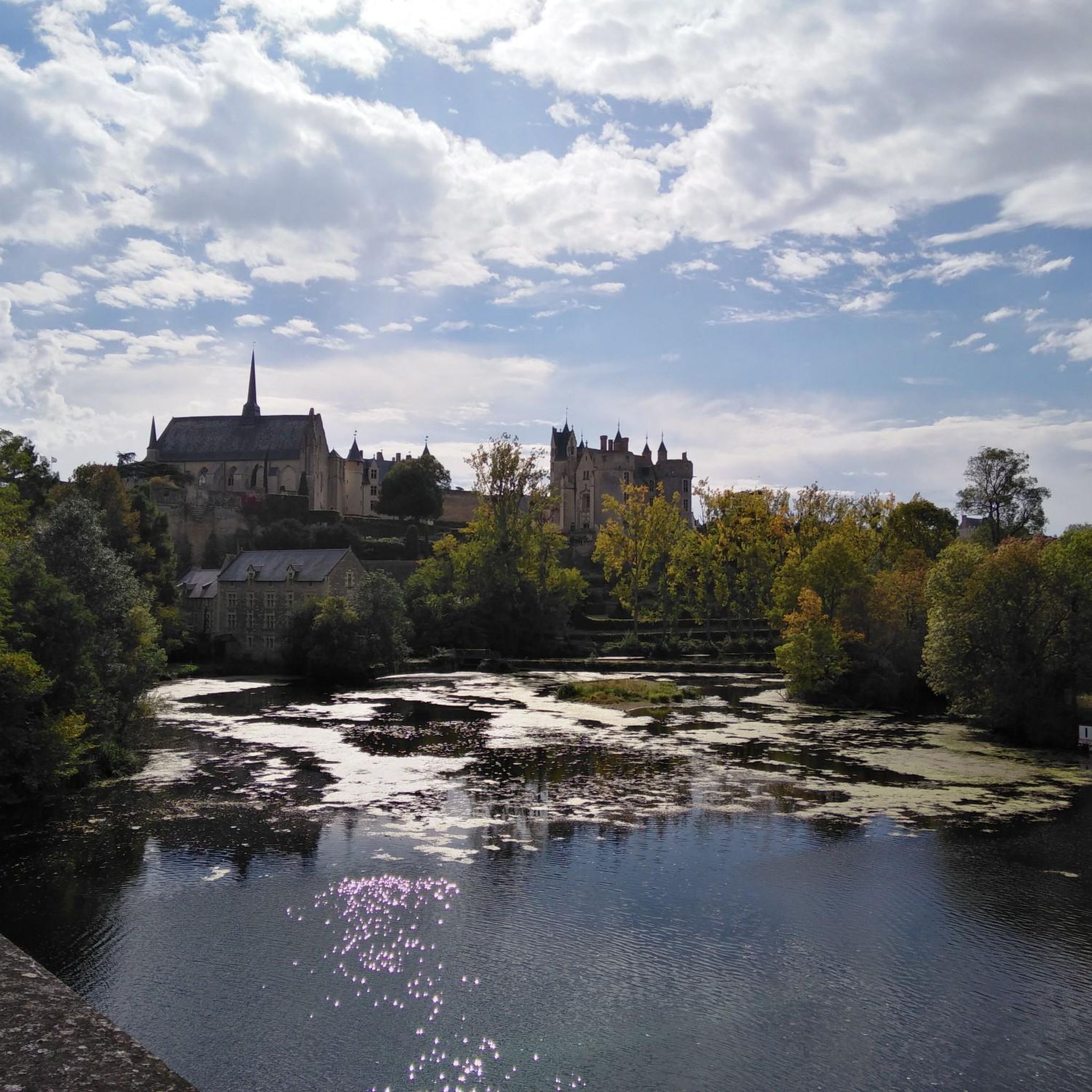
The Church of Saint-Généroux is a site well worth a visit during a hike. It dates back to the 10th century and is considered one of the oldest churches in France, as it features pre-Romanesque architecture found nowhere else. The church is located on the banks of the Thouet River. You can also admire the Romanesque bridge (13th century).
0
0

The Royal Abbey of Fontevraud is one of the largest monastic communities in Europe dating back to the Middle Ages. It is a place with a rich history, located in the heart of the Loire Valley and listed as a UNESCO World Heritage Site. The abbey is a unique cultural site! An abbey with a royal destination, a formidable prison is today a place of creation (museum of modern art).
3
0
History in brief Antiquity: the site is strategically located on a promontory and has been inhabited for 3,000 years. It was not fortified until the end of the Roman Empire. Middle Ages: in 1154, the new King of England, Henry II Plantagenet, became ruler of an empire stretching from Scotland to the Pyrenees and made Chinon his continental capital. He had a large palace built next to the fortress, which has now disappeared. In 1189, abandoned by his sons, Richard the Lionheart and John Lackland, and fleeing from the King of France, he eventually died there. Philippe Auguste had the defensive Tour du Coudray built there after the siege of 1205. Renaissance: in 1454, the fortress became the main residence of Queen Marie d'Anjou, who lived there without her husband. She spent lavishly on decorating the house to her taste. From the 16th century onwards, the fortress was gradually abandoned and fell into disrepair. Despite the dangerous nature of the terrain, it became a public promenade in 1824 and was listed as a monument in 1840. The restoration of the estate began in 1854 thanks to the efforts of the writer Prosper Mérimée. Source: https://loirelovers.fr/en/visit-royal-fort-chinon/
6
0
Tough calf biter. Here you know why there are gears on your bike.
0
0
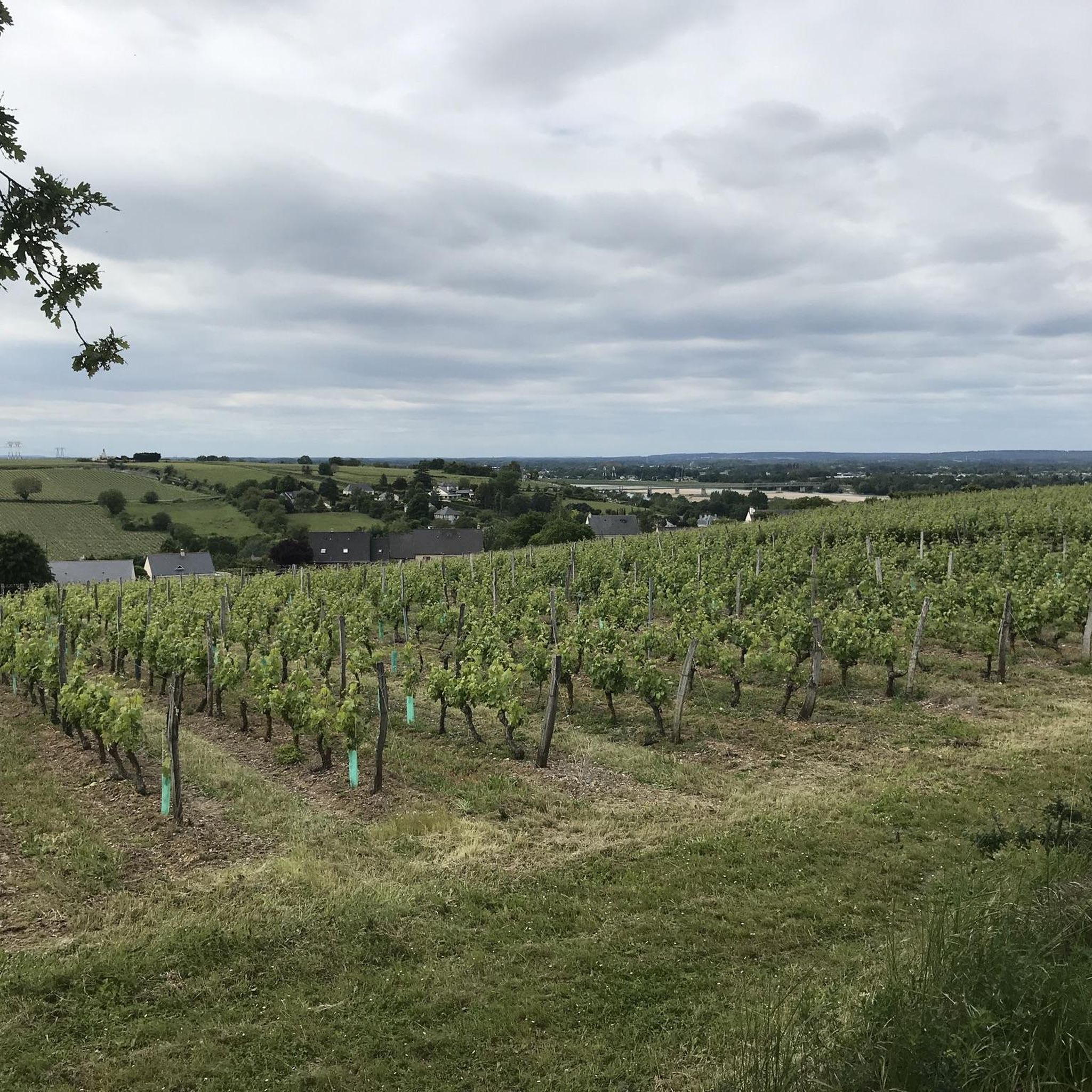
Come in the right season and admire the rolling landscape where sunflowers show their best side.
5
0
Brief: The Notre-Dame-de-Pitié chapel, dating from 1579, is remarkable for both its late Renaissance architecture and its interior decoration, which was completely rebuilt in 1871-1872 around the sculpted group of the Virgin of Pitié that it houses (a work that was handed over after thefts in 2003). The foundations of this chapel are historically linked to the officers of the Abbey of Fontevraud and to Abbess Éléonore de Bourbon. It should be noted that the renovation of the chapel after the Franco-Prussian War took place in connection with the Central Prison of Fontevraud, since prisoners contributed to the painted decorations. The chapel is isolated and has not been maintained for decades. Today, it is in a worrying state: the striking elements of the sculpted furniture have disappeared or have been stored to prevent theft. The painted canvas has been altered and shows a general shabby-chic style. The murals are in some places very degraded (flaking, holes), as is the vault with false wainscoting on plaster laths. A restoration of this interior and fixing the furniture in place would be necessary. This would undoubtedly also help to clarify the question of the decor that already existed in the 1871-1872 program. Want to know more? Click on https://gertrude.paysdelaloire.fr/dossier/IA49010716
4
0
Fontevraud-l'Abbaye is located in the natural region of the Loire Valley, listed as a "living cultural landscape" by UNESCO. As its name suggests, the history and present of the municipality are closely linked to the Abbey of Notre-Dame, founded in 1099. The abbey presents the originality of being part of a mixed order, but led by abbesses until the Revolution. was the necropolis of the Plantagenet dynasty. The recumbent figures of Richard the Lionheart, Henry II and Eleanor of Aquitaine are still preserved there. The vast abbey complex was transformed by Napoleon I into a penal colony and then into a "central house". This extraordinary prison closed its doors in 1963. While the abbey church and the various monastic sites were rehabilitated, the entire old abbey has since housed a prestigious cultural centre with, among other things, a renowned art museum, welcoming meetings and artists in residence. Art, history and heritage are highlighted throughout the year.
4
0
Located at the crossroads of Anjou, Touraine and Poitou, welcome to the Fontevraud-l'Abbaye Tourist Office, our travel advisors will welcome you in front of the Saint-Michel church to help you discover the destination. Let us advise you and discover a village full of charm. Formed around the famous royal abbey, the Plantagenets necropolis, it is today a lively village, rich in numerous monuments, shops and craftsmen. The Tourist Office offers you: a privileged welcome - a free wifi hotspot - a shop with a wide choice of regional products, gifts, books and souvenirs - good tips to visit more and spend less when buying your entrance tickets - a complete tourist guide - a website - but also to travel light, by leaving your luggage with us. More information and opening hours at https://www.ot-saumur.fr/nl/sheets/vvv-kantoor-fontevraud-labbaye-5404626/
5
0
Frequently Asked Questions
What kind of terrain can I expect on gravel bike trails around Les Trois-Moutiers?
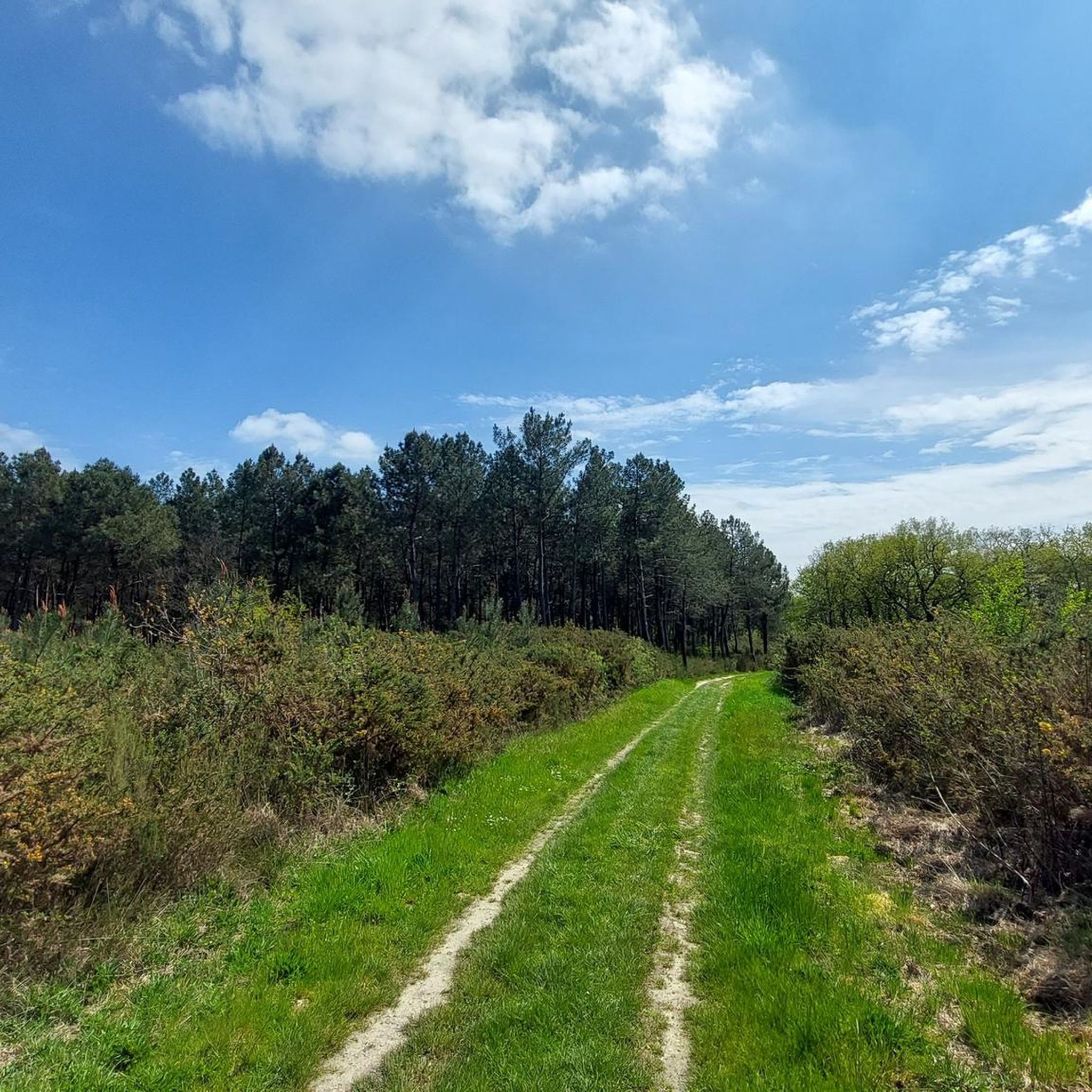
The region around Les Trois-Moutiers offers a diverse landscape ideal for gravel biking. You'll encounter a mosaic of mixed surfaces, including unpaved roads, gravel paths, and dirt tracks, winding through vineyards, agricultural fields, extensive forests, and along rivers. The countryside features gentle undulations, providing a mix of easy and moderately challenging sections.
Are there gravel bike routes suitable for beginners in Les Trois-Moutiers?
While many routes in the area are rated as difficult, there are several moderate options available. For example, the Montreuil-Bellay Castle – Brézé Castle loop from Saint-Léger-de-Montbrillais is a moderate 48.4 km (30.1 mi) trail that offers a less strenuous ride while still showcasing the region's beauty.
What historical landmarks or points of interest can I see along gravel bike routes?
Many gravel routes in the area pass by significant historical sites. You can explore the captivating Château de la Mothe Chandeniers, a romantic castle surrounded by a moat. The Chinon Fortress – Fontevraud Royal Abbey loop from Loudun specifically connects historical landmarks like the Fontevraud Royal Abbey with natural landscapes. You might also encounter ancient Dolmens scattered across the fields, adding a touch of mystery to your ride.
Are there any family-friendly gravel biking options in Les Trois-Moutiers?
The region's varied terrain and network of paths offer opportunities for family-friendly rides, especially on the gentler, less technical sections. While specific 'easy' gravel routes are limited, the general landscape with its greenways and quiet country paths can be adapted for families. Consider routes that pass by attractions like the peaceful Les Trois-Moutiers fishing pond or Center Parcs Le Bois aux Daims for wildlife viewing, which can enhance a family outing.
What is the best time of year for gravel biking in Les Trois-Moutiers?
The 'invigorating countryside' and 'omnipresent nature' of Les Trois-Moutiers are enjoyable throughout much of the year. Spring and autumn generally offer pleasant temperatures and beautiful scenery, with vineyards changing colors. Summer can be warm, but early mornings or late afternoons are ideal. Winter rides are possible, but some unpaved sections might be muddy or more challenging depending on rainfall.
Where can I find parking for gravel bike trails in Les Trois-Moutiers?
Parking availability varies depending on your chosen starting point. Many routes begin from villages or towns like Loudun or Pas-de-Jeu, where public parking is typically available. For routes starting in more rural areas, look for designated parking near trailheads or local amenities. Always ensure you park responsibly and legally.
Are there any loop gravel bike trails in the area?
Yes, many of the gravel bike routes around Les Trois-Moutiers are designed as loops, allowing you to start and finish in the same location. Examples include the challenging Château de Saumur – View of Saumur loop from Berrie and the Pont des Chouans on the Thouet – Saint-Médard Church of Thouars loop from Pas-de-Jeu, which takes you through river valleys and rural areas.
What do other gravel bikers enjoy most about gravel biking in Les Trois-Moutiers?
The area is highly rated by the komoot community, with an average score of 4.5 stars from 8 reviews. Reviewers often praise the diverse terrain, which includes a mix of unpaved roads, gravel paths, and dirt tracks, as well as the scenic beauty of the vineyards, fields, forests, and rivers. The opportunity to combine cycling with exploring historical landmarks is also a highlight for many.
Can I access gravel bike trails using public transport to Les Trois-Moutiers?
Les Trois-Moutiers is a rural commune, and direct public transport options specifically for accessing trailheads might be limited. It's advisable to check local bus services or regional train connections to nearby larger towns like Loudun, and then plan your route from there. Having a car for transport to starting points is often the most convenient option for cyclists in this region.
Are there places to eat or stay near the gravel bike routes?
Yes, the region offers various options for refreshments and accommodation. You'll find cafes, restaurants, and pubs in the villages and towns along or near the routes, such as Loudun. For accommodation, there are guesthouses, B&Bs, and hotels in the wider Loudunais region. Some accommodations may also offer bike storage facilities, which is worth inquiring about when booking.
How long are the typical gravel bike routes around Les Trois-Moutiers?
The gravel bike routes in the area vary significantly in length. You can find shorter, moderate rides like the Montreuil-Bellay Castle – Brézé Castle loop from Saint-Léger-de-Montbrillais at approximately 48.4 km (30.1 mi). Longer, more challenging routes, such as the Le Camp des Romains, Cinais – View of sunflower fields loop from Loudun, can extend to around 58.5 km (36.4 mi), offering extensive exploration of the countryside.
Most popular routes around Les Trois-Moutiers
Most popular attractions around Les Trois-Moutiers

Get inspired with the komoot mobile app


Explore more
Browse the best Gravel rides in other regions.
