Top 5 Castles around Brie-Comte-Robert
Best castles around Brie-Comte-Robert are situated in a region known for its historical significance and natural landscapes. The town itself is home to the medieval Château de Brie-Comte-Robert, a classified historical monument. This area of Seine-et-Marne features a mix of preserved fortresses and residential châteaux, often surrounded by parks and woodlands. The landscape provides opportunities for exploring historical architecture within a rural setting.
Best castles around Brie-Comte-Robert
- The most popular castles is Château des Marmousets, a castle that is…
Last updated: June 19, 2026
Ormesson Castle
Highlight • Historical Site
Translated by Google •
Tip by

Château des Marmousets
Highlight • Castle
Translated by Google •
Tip by

Sign up now to discover places like this
Get recommendations on the best single tracks, peaks, & plenty of other exciting outdoor places.
Sign up for free
Château de Monceau
Highlight • Castle
Translated by Google •
Tip by

Monceau Castle and his bucks
Highlight • Castle
Translated by Google •
Tip by

Rest area at the foot of Brie-Comte-Robert Castle
Highlight • Castle
Translated by Google •
Tip by
Start today with a free account
Your next adventure awaits.
Login or Signup
Tips from the Community

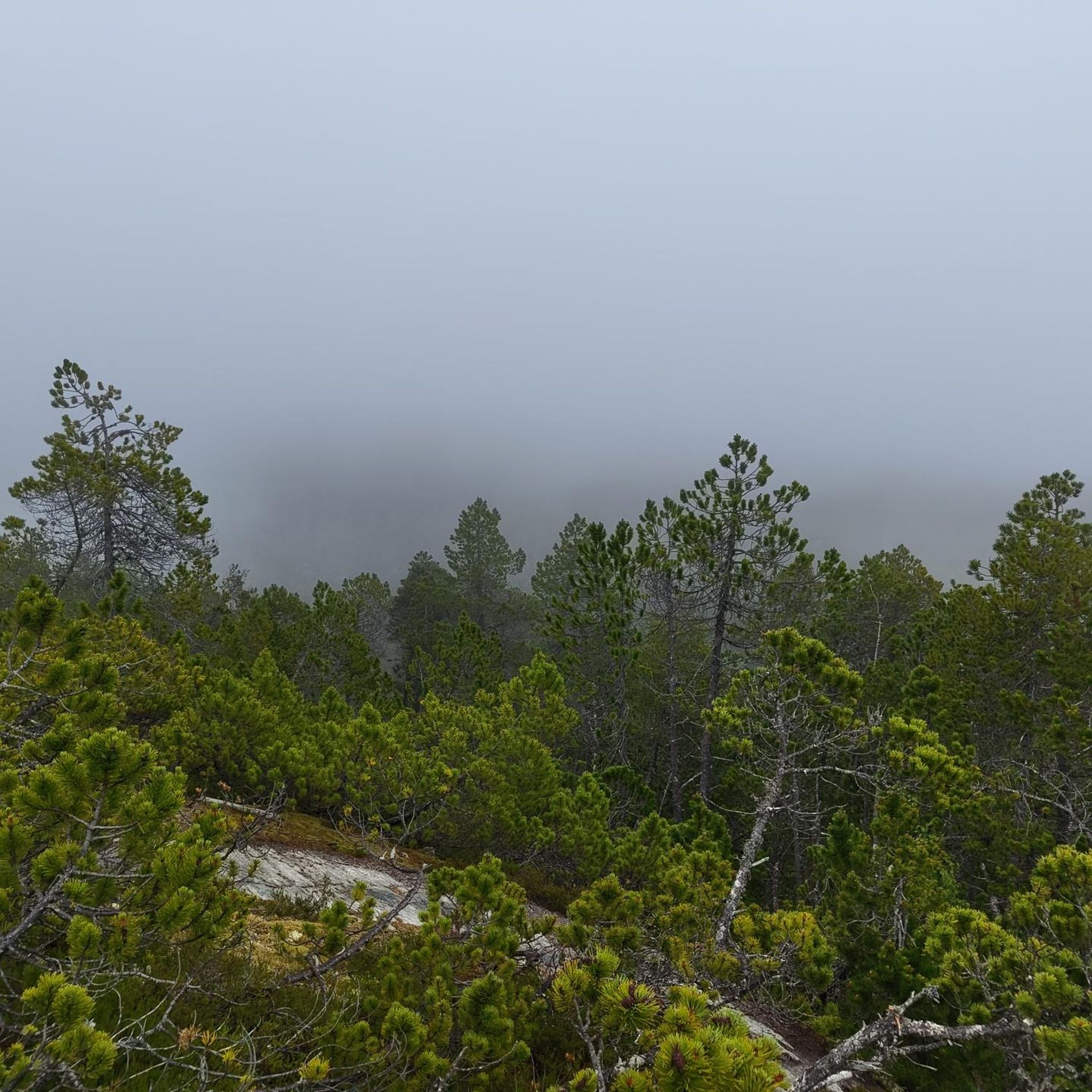
Today's castle is located not far from an old building that it replaced. It was built on the initiative of Louis Picot, Lord of Santeny, and was located at the time in the village of Amboile (old name of the town). Built from 1578, The estate briefly passed into the hands of Cardinal René de Birague, who however died in 1583, and it was bought by the Marquis de Malespine. In 1598, Louis II. Picot bought the lands of Amboile from the Marquis, which he finally separated in 1619 in favor of Nicolas Le Prévost, advisor to the King at the bailiwick and presidency of Amiens. After the death of Nicolas Le Prévost in 1630, the estate passed to his widow Marie le Mairat and two years later to his son-in-law André Lefèvre d'Ormesson, who married his only daughter Anne Le Prévost on July 10, 1604. The estate then passed to the eldest of their ten children, Olivier Lefèvre d'Ormesson, who received it on the occasion of his marriage to Marie de Fourcy on July 2, 1640. She then appealed to the landscape architect André Le Nôtre around 1660 to reorganize the gardens.
0
0

Château des Marmousets, located near La Queue-en-Brie, is an intriguing destination for cycle tourists. The castle, which dates back to the medieval period, is set in a large park filled with ancient trees and serene paths, making it a peaceful stopover. The surrounding countryside offers a pleasant cycle route, with gently rolling terrain and well-maintained paths. As you cycle towards the castle, you will be greeted by impressive views of the castle moat.
1
0

Nestled near La Queue-en-Brie, this Gothic castle, surrounded by centuries-old trees and vast lawns, offers an idyllic setting for a stroll or a contemplative break. Its towers and elegant architecture stand out magnificently in the landscape.
0
0


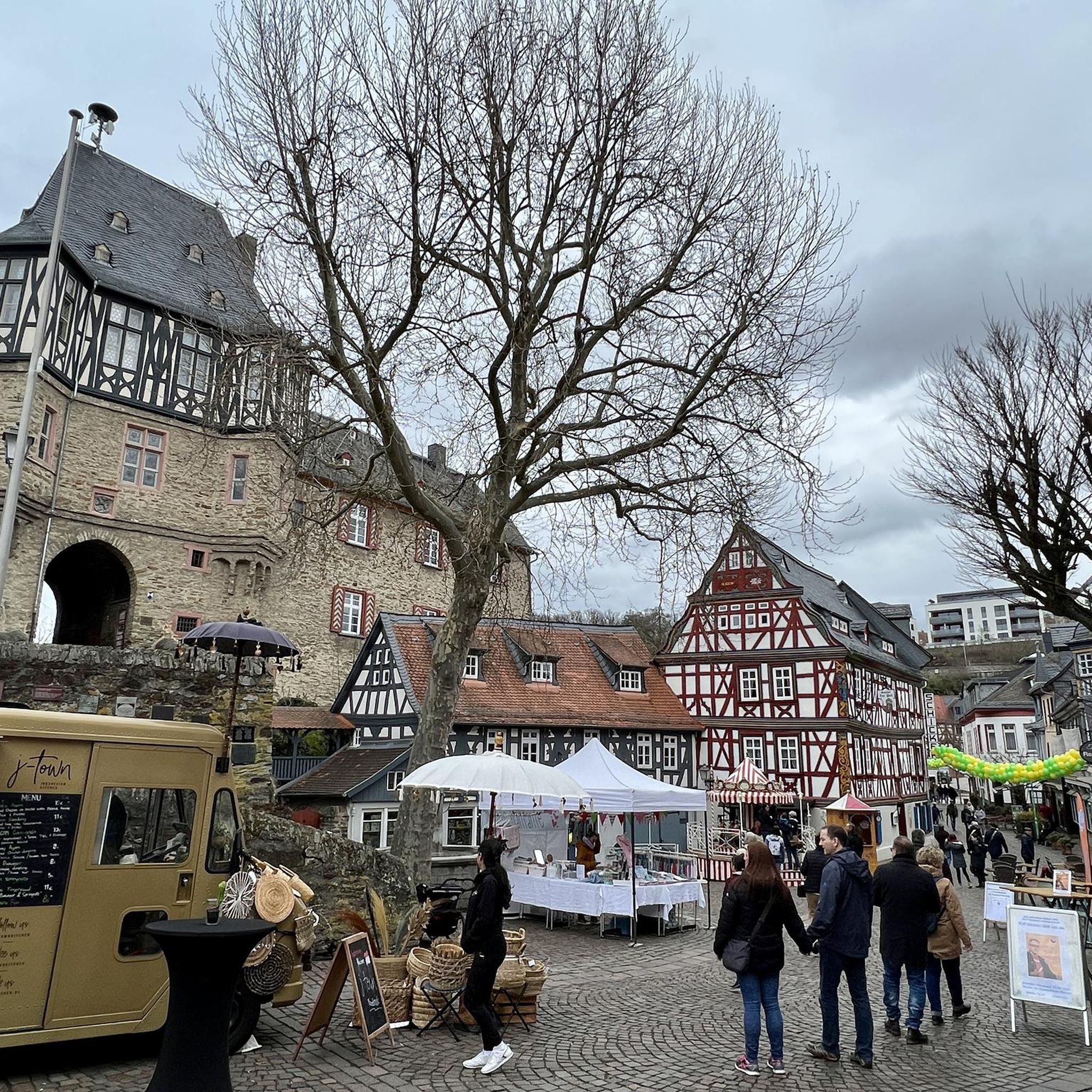
In the heart of this medieval town of Brie Comte Robert you will find its castle full of history. It is even possible from time to time to see some volunteers sculpting the stone that will contribute to its restoration.
0
0

A castle in the city. You can walk around it and even visit the interior. Of course, it's not Versailles but the few information panels, very well done, take us back to times of yore. To do if you are driving in the area. For more information: amisduvieuxchateau.org
0
0

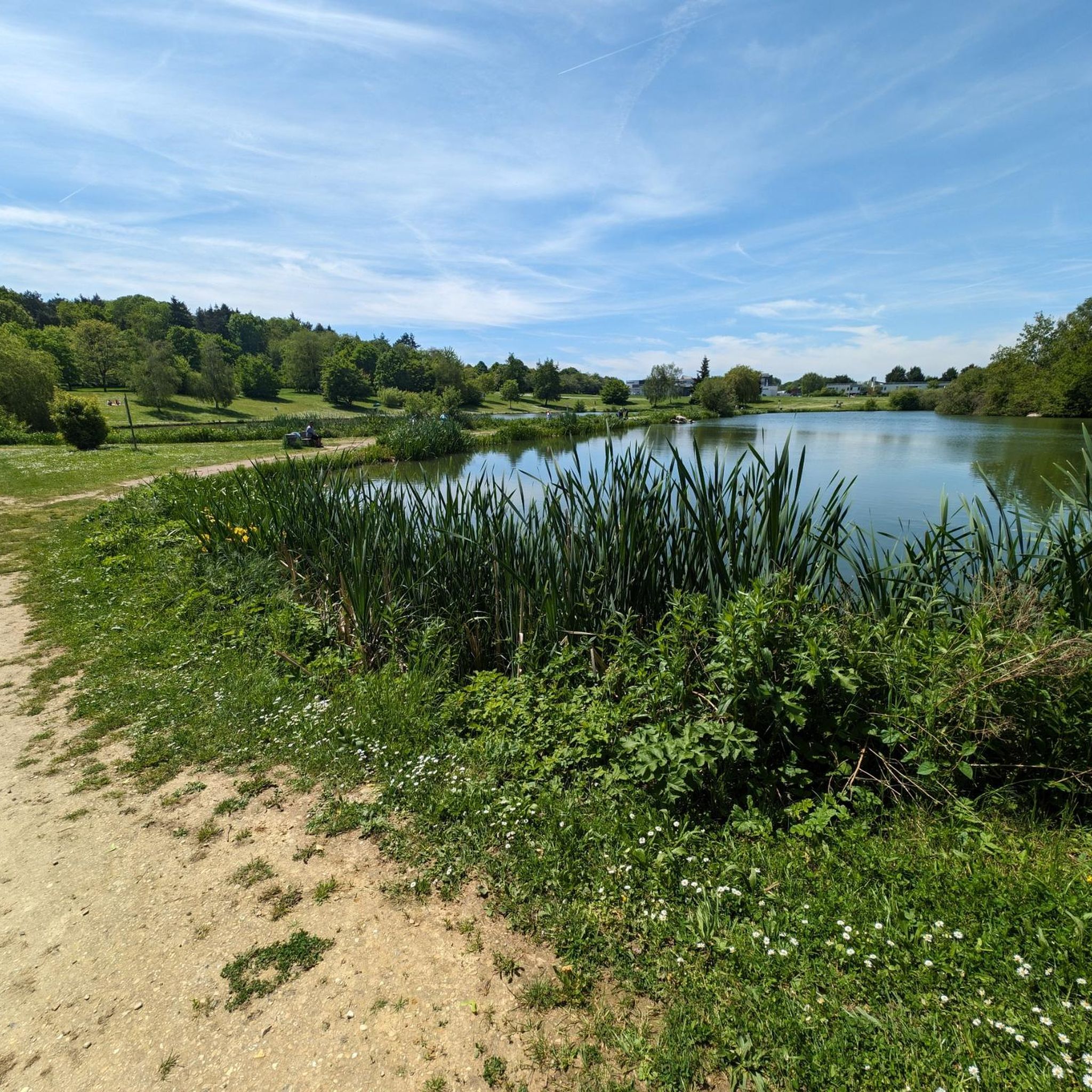
According to the archives of the castle library, the first seigniory of Le Monceau dates back to 1191. From this period, there are still ponds, bridges and vaulted cellars on the estate. Today, exceptional trees adorn the estate. In addition, the 150 ha of woods and 20 ha of pond are conducive to welcoming wildlife, and it is not uncommon to come across a deer, fallow deer or wild boar.
1
0
Ideal for taking the lunch break.
0
0
Frequently Asked Questions
What is the primary historical castle in Brie-Comte-Robert?
The most notable castle in the town itself is the Château de Brie-Comte-Robert, also known as the 'Vieux château'. This medieval fortress, built around 1160 by Count Robert I of Dreux, is a classified historical monument and has undergone significant restoration. It offers a tangible link to medieval history. You can find more information about its history and restoration efforts on Visit Paris Region.
What kind of historical experience does the Château de Brie-Comte-Robert offer?
The Château de Brie-Comte-Robert provides an immersive historical experience. Visitors can explore the ruins, observe architectural elements like the square plan and impressive towers, and learn about its evolution from a defensive fortress to a residential château. There's also a Heritage Interpretation Center on site, showcasing archaeological objects and archives. The ongoing restoration work offers a unique perspective on historical preservation.
Are there family-friendly castles to visit in the Brie-Comte-Robert area?
Yes, several castles in the region are suitable for families. The Château de Monceau (Château de Monceau) is noted for its family-friendly atmosphere, with a large estate featuring exceptional trees, ponds, and wildlife like deer, fallow deer, and wild boar. The 'Rest area at the foot of Brie-Comte-Robert Castle' (Rest area at the foot of Brie-Comte-Robert Castle) is also categorized as family-friendly, offering a place to relax and explore the town's medieval history.
What outdoor activities can I do near the castles around Brie-Comte-Robert?
The region around Brie-Comte-Robert offers various outdoor activities, especially cycling and running. You can find numerous routes for road cycling, touring cycling, and jogging. For example, there are 'Road Cycling Routes around Brie-Comte-Robert' (Road Cycling Routes around Brie-Comte-Robert) and 'Cycling around Brie-Comte-Robert' (Cycling around Brie-Comte-Robert) guides. For runners, there are 'Running Trails around Brie-Comte-Robert' (Running Trails around Brie-Comte-Robert), including routes that pass by the Château de Brie-Comte-Robert.
Are there opportunities for walking or hiking around the castles?
Yes, the natural landscapes surrounding the castles provide excellent opportunities for walks. While specific hiking trails directly within castle grounds might vary, the general area is conducive to exploring on foot. For instance, the Château des Marmousets (Château des Marmousets) is set in a large park with serene paths, ideal for a stroll. Many of the cycling and running routes mentioned also offer scenic paths suitable for walking, allowing you to combine historical exploration with nature.
When is the best time to visit the castles in Brie-Comte-Robert?
The castles, particularly the Château de Brie-Comte-Robert, are generally open to the public on Wednesdays, Saturdays, and Sundays. Visiting during spring or early autumn often provides pleasant weather for exploring the outdoor grounds and parks. However, the Heritage Interpretation Center at Brie-Comte-Robert Castle is indoors, making it a viable option even during cooler or rainy weather. Always check specific opening hours for individual castles before planning your visit.
Can I observe wildlife near any of the castles?
Yes, the Château de Monceau (Château de Monceau) is particularly known for its wildlife. Its extensive 150-hectare woods and 20-hectare pond are home to various game in semi-freedom, making it common to spot deer, fallow deer, or wild boar within the estate. The 'Monceau Castle and his bucks' highlight (Monceau Castle and his bucks) specifically mentions the quantity of game in the park.
Is there parking available near the castles?
While specific parking details for each castle are not provided, the Château de Brie-Comte-Robert is located within the town, suggesting public parking options would be available nearby. For castles like Château des Marmousets or Château de Monceau, which are set in larger estates, it is common for them to have dedicated parking facilities for visitors. It's advisable to check the official websites of individual castles for precise parking information.
What makes Ormesson Castle unique among the castles in the region?
Ormesson Castle (Ormesson Castle) stands out due to its architectural evolution, built between the 16th and 18th centuries. It features a grand French-style park and a distinctive 'horseshoe' esplanade. While generally closed to the public, it can often be admired from afar and is sometimes open during special events like Heritage Days, offering a glimpse into its elegant design and historical significance as a residential château.
Are there any castles that are less crowded or considered 'hidden gems'?
While the Château de Brie-Comte-Robert is the main attraction, exploring castles like Château des Marmousets (Château des Marmousets) or Château de Monceau (Château de Monceau) might offer a more tranquil experience. These are set in large parks, providing ample space for visitors to enjoy the architecture and natural surroundings without feeling overcrowded. Ormesson Castle, being less frequently open to the public, also offers a sense of discovery when it is accessible.
What kind of architecture can I expect to see at the castles?
The castles around Brie-Comte-Robert showcase a range of architectural styles reflecting different historical periods. The Château de Brie-Comte-Robert is a prime example of medieval defensive architecture, with its square enclosure, round towers, and gate-towers. In contrast, Ormesson Castle, built between the 16th and 18th centuries, displays more residential château architecture with its elegant design and French-style park. Château des Marmousets, while medieval in origin, also features elegant architecture and towers.
Most popular routes around Brie-Comte-Robert
Most popular attractions around Brie-Comte-Robert

Get inspired with the komoot mobile app


Explore more
Looking for the best castles somewhere else? Discover other guides around Brie-Comte-Robert:
