The best gravel rides around Sainte-Gemme-Moronval
23
riders
6
rides
Gravel biking around Sainte-Gemme-Moronval features a landscape characterized by a mix of rural paths, forested areas, and gentle hills. The region offers varied terrain suitable for gravel cyclists, including routes that pass by historical sites and through agricultural land. These trails provide opportunities for exploring the French countryside on gravel bikes.
Best gravel bike trails around Sainte-Gemme-Moronval
- The most popular gravel bike trail is Château de Mormoulins – Old aqueduct loop from Marchezais - Broué, a difficult 64.9 miles…
Last updated: July 16, 2026
10
riders
105km
06:44
530m
530m
Hard gravel ride. Very good fitness required. Mostly paved surfaces. Suitable for all skill levels.
5
riders
42.7km
03:19
280m
280m
Hard gravel ride. Good fitness required. You may need to push your bike for some segments of this route.

Sign up for free
5
riders
37.0km
02:42
310m
310m
Moderate gravel ride. Good fitness required. Mostly paved surfaces. Suitable for all skill levels.
1
riders
38.6km
02:19
160m
160m
Moderate gravel ride. Good fitness required. Mostly paved surfaces. Suitable for all skill levels.
1
riders
101km
06:32
590m
590m
Hard gravel ride. Very good fitness required. Mostly paved surfaces. Suitable for all skill levels.
Our route recommendations are based on thousands of hikes, rides, and runs completed by other people on komoot.
Start today with a free account
Your next adventure awaits.
Login or Signup


Tips from the Community

The Moulin de Mormoulins is a watermill located on the Eure River in the hamlet of Mormoulins. This mill dates back to the 18th and 19th centuries and is a listed historical monument. You can admire the old stone building, the wooden wheel, and the canal that diverts water from the river as you pass in front of the mill. The mill is surrounded by green fields and trees, creating a peaceful and relaxing atmosphere.
0
0

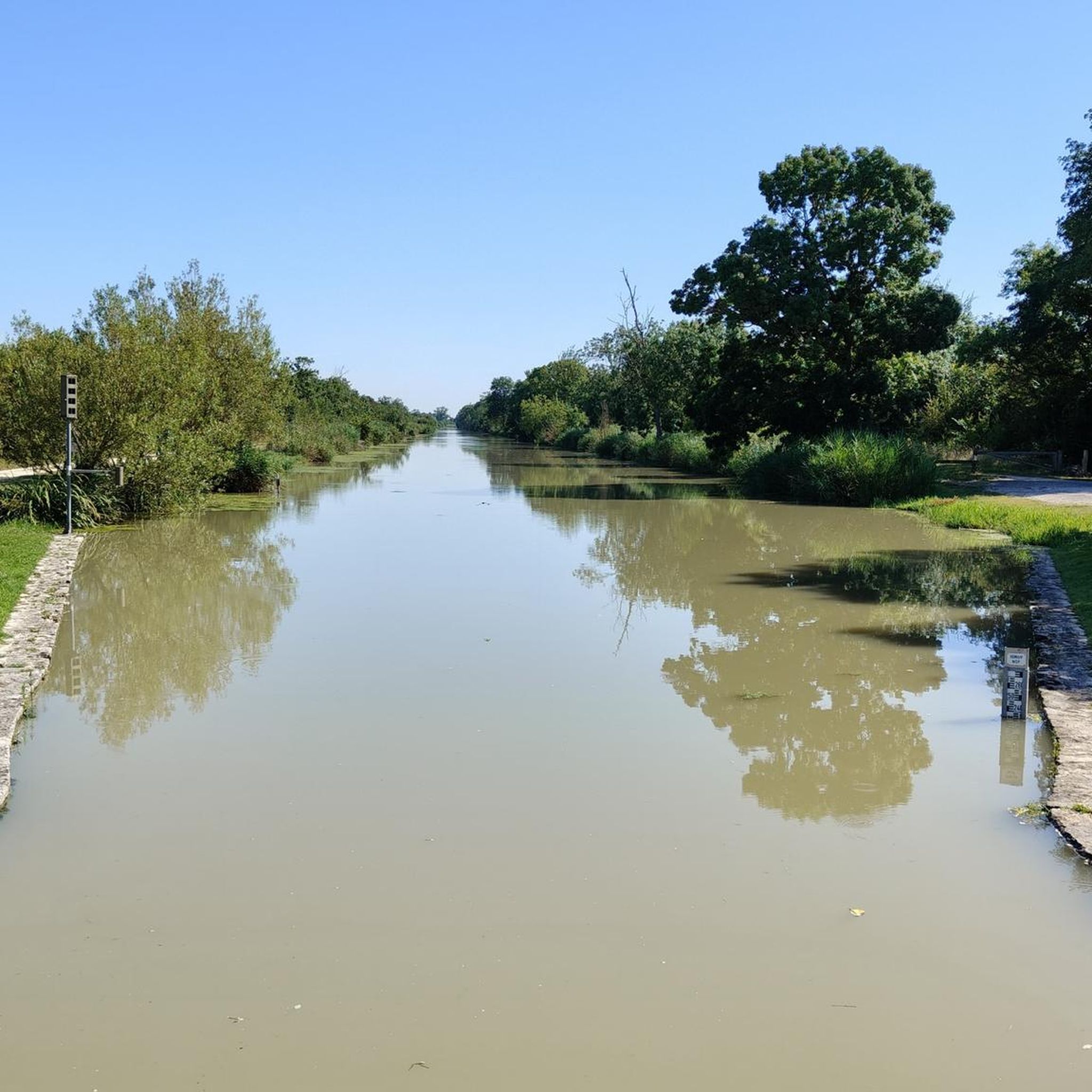
Walking along the canal, surrounded by dense vegetation, is a unique pleasure.
0
0

Very beautiful pond
0
0

Abondant is located in the Eure Valley, in the immediate vicinity of the Dreux national forest and the important Château de Sourches, which was extensively transformed in the 19th century, and whose grounds were designed by the Duchênes. It appears that the extensive work carried out on the church in the 16th and 18th centuries was due to the generosity of this family. The current Saint-Pierre church succeeds a 12th-century building that was under the control of the canons of Saint-Étienne de Dreux and later the monks of Notre-Dame du Bec. Thanks to parish registers, the dates of its construction are precisely known: in 1508, the roof frame was raised; in 1516, construction continued thanks to donations from Pierre de Guerry, then lord of Abondant; in 1548, the erection of a 60-meter bell tower, which was topped with a cross in 1549. The dedication ceremony by the Bishop of Meaux did not take place until 1604. In the same year, a brotherhood of Charity was created under the patronage of Saint Sebastian and Saint Barbara, which remained
0
0
The Church of Saint-Pierre stands in the middle of the village, surrounded by the former cemetery area, which has been transformed into a grassy mound. On the north side, it is dominated by a large three-story stone bell tower. The western façade is preceded by a very rustic enclosed porch. The church consists of a single nave extended by a choir and a five-sided apse. The chapel, which occupies the base of the bell tower to the north, and the south chapel form a false transept. The church is built of flint rubble; the quoins, bands, cornices, and buttresses are made of sandstone. The interior of the building is covered with beautiful wainscoting, with battens, entirely redone based on the original layout above the nave. The radiating wainscoting of the apse is highlighted with a black geometric decoration painted on either side of the battens. The sculpted beams of the roof structure were preserved and placed on the new beams. The 18th-century waxed wooden high altar is decorated with a Crucifixion embroidered on fabric, possibly replacing a painting. The statues of Saint Peter and Saint Paul were placed in the niches to the left and right of the central altarpiece. The church has enclosed wooden pews that have been restored. When the pews were removed, gravestones were unearthed in the floor; they were photographed and drawn. A stone statue with a separated body and head was discovered in the thickness of a wall: it is Saint Peter wearing the papal tiara. During World War II, the bombing of a train stopped at the station destroyed the stained-glass windows, which were of varying value; however, one of them, dating from the 16th century, was listed. In 1948, the Bernard Campin workshop in Chartres was hired to renovate all the windows, in the style of the 1930s. Drainage work, masonry, timber framing, and roofing were carried out throughout the building, the most significant of which was the restoration of the paneled vault. The Sauvegarde de l'Art Français (French National Art Protection Agency) awarded €10,000 in grants in 2005.
0
0
Travel the Eure Valley from Montreuil to Fermaincourt for a scenic ride along quiet country roads. The route passes through charming villages, lush green meadows and peaceful stretches of the Eure River. You'll enjoy gentle slopes that make the ride enjoyable and relaxing, with plenty of places to stop and admire the picturesque countryside.
1
0

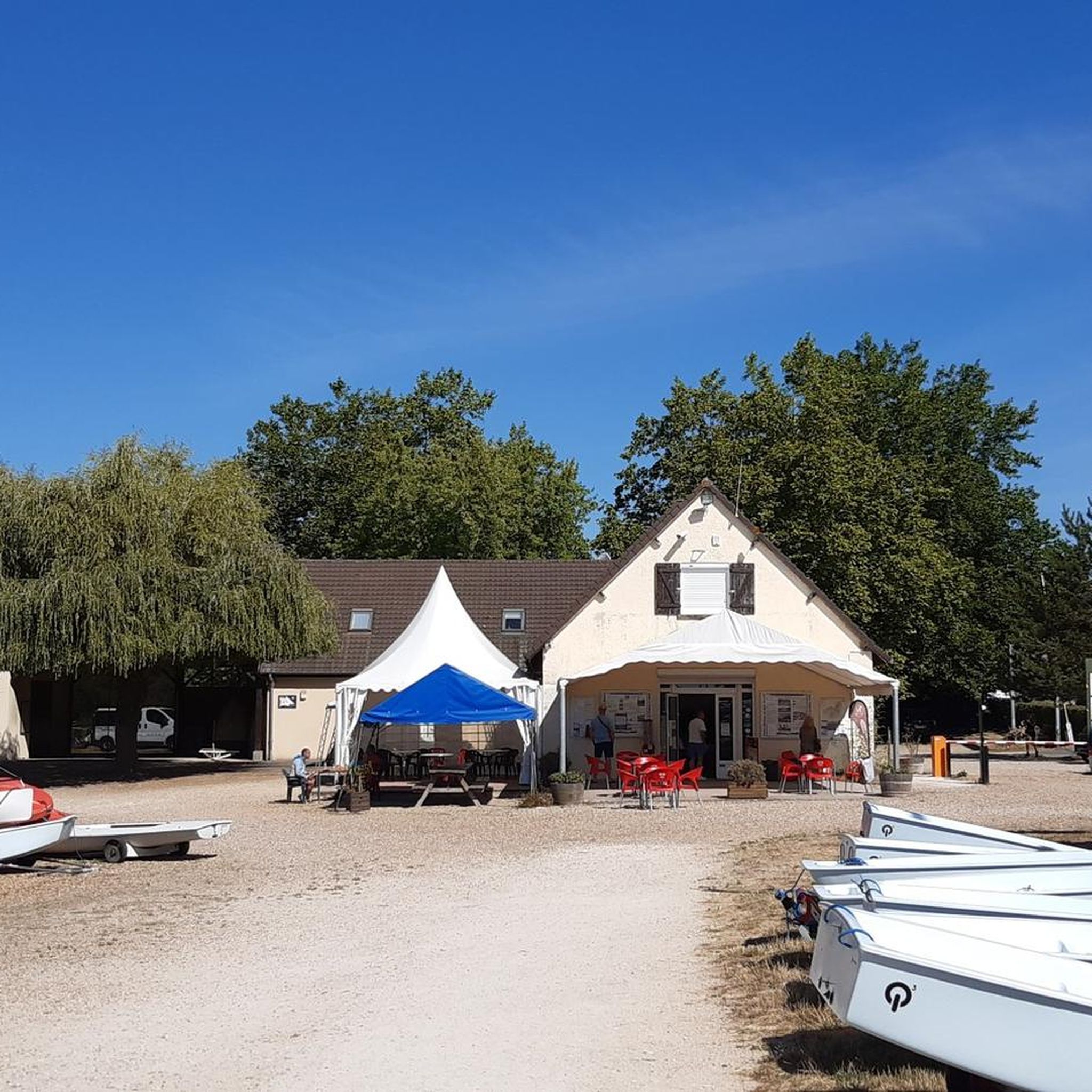
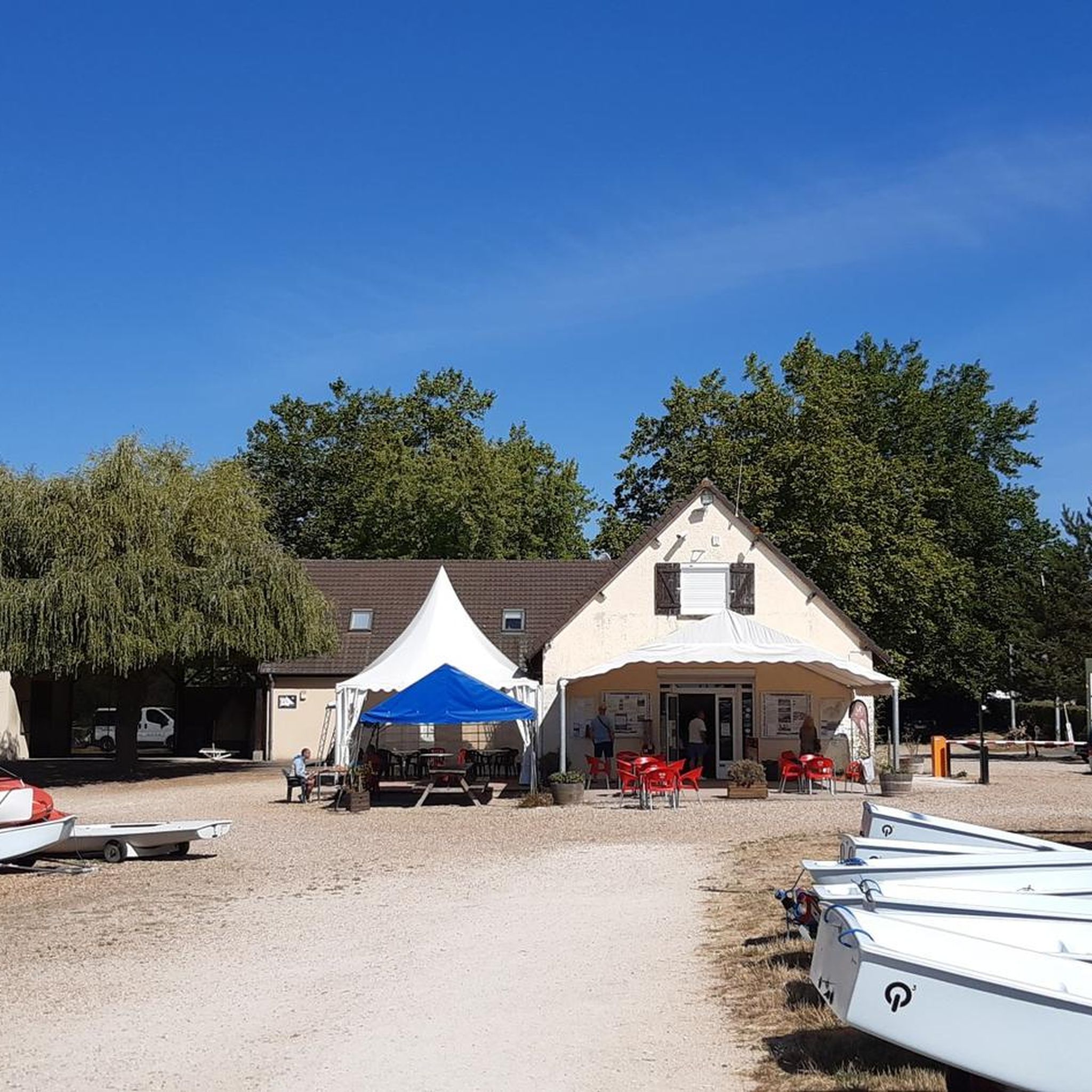
large bird reserve and nautical activities
0
0

mounted when entering Eure-et-Loir
0
0
Frequently Asked Questions
How many gravel bike trails are available in Sainte-Gemme-Moronval?
There are nearly 10 gravel bike routes around Sainte-Gemme-Moronval listed on komoot, offering a variety of experiences across rural paths and forested areas. These include options for easy, moderate, and difficult ability levels.
Are there easy gravel bike trails suitable for beginners or families?
Yes, Sainte-Gemme-Moronval offers at least one easy gravel bike trail. The region's landscape, characterized by gentle hills and rural paths, is generally welcoming for those new to gravel biking or looking for a relaxed family outing.
What kind of terrain can I expect on gravel bike routes in Sainte-Gemme-Moronval?
The gravel bike routes in Sainte-Gemme-Moronval feature a diverse landscape of rural paths, forested sections, and gentle hills. You'll often find yourself cycling through agricultural land and past historical sites, providing a varied and engaging experience.
Are there any gravel bike routes with significant elevation gain for a challenge?
Yes, for those seeking a challenge, routes like the Château de Mormoulins – Old aqueduct loop from Marchezais - Broué offer significant elevation gain, reaching over 500 meters across its 104.4 km distance. This route provides a demanding ride through varied rural landscapes.
What do other gravel bikers enjoy most about the trails in Sainte-Gemme-Moronval?
The gravel biking routes in Sainte-Gemme-Moronval are highly rated by the komoot community, with an average score of 4.2 stars. Reviewers often praise the quiet rural paths, the mix of woodland and open sections, and the opportunity to explore the French countryside.
Are there any circular gravel bike routes available?
Many of the gravel bike routes in the region are designed as loops. For example, the Moulin de la Bellassière – Fontaine les Ribouts loop from Vernouillet is a moderate 30.1 km circular route, perfect for exploring the local area without retracing your steps.
What historical sites or landmarks can I see along the gravel bike trails?
The region is rich in history. You can encounter various historical markers and sites. For instance, the Bas Buissons Hill – Cocherelle Dolmen loop from Chapelle royale de Dreux passes by ancient dolmens. Many routes also offer views of impressive castles such as Château de Mormoulins or Château d'Abondant.
Are there any notable attractions or points of interest near the gravel bike routes?
Beyond the trails, you can explore several attractions. The Avre Aqueduct is a significant man-made monument, and the beautiful church of Prouais is also worth a visit. The area is dotted with charming villages and historical architecture.
What is the best time of year for gravel biking in Sainte-Gemme-Moronval?
While gravel biking is enjoyable year-round, spring and autumn generally offer the most pleasant conditions with mild temperatures and vibrant scenery. Summer can be warm, and winter might bring colder, potentially wetter conditions, but the rural paths are often accessible.
Are there any routes that go through the Dreux Forest?
Yes, the Walk in the Dreux Forest – Sorel Castle loop from La Pinède is a popular option that leads directly through the Dreux Forest, providing a lovely mix of woodland and open sections for gravel cyclists.
Are there any gravel bike routes that pass by churches or other religious sites?
Yes, for those interested in historical religious architecture, the Saint Peter's Church – Saint-Pierre Church of Abondant loop from Cherisy is a moderate route that takes you past significant local churches.
Most popular routes around Sainte-Gemme-Moronval
Most popular attractions around Sainte-Gemme-Moronval

Get inspired with the komoot mobile app


Explore more
Browse the best Gravel rides in other regions.
