Attractions and Places To See in Fjallabyggð - Top 12
Best attractions and places to see in Fjallabyggð include a blend of cultural history and natural landscapes in northern Iceland. This municipality is characterized by its mountains and fjords, offering diverse outdoor activities. Visitors can explore significant cultural sites and experience the region's unique natural features. Fjallabyggð provides a range of experiences from historical museums to scenic trails.
Best attractions and places to see in Fjallabyggð
- The most popular attractions is Herring Era Museum Siglufjörður, a historical site that…
Last updated: July 1, 2026
Herring Era Museum Siglufjörður
Highlight • Historical Site
Translated by Google •
Tip by

Sculpture of the Herring Girl
Highlight • Monument
Translated by Google •
Tip by

Sign up now to discover places like this
Get recommendations on the best single tracks, peaks, & plenty of other exciting outdoor places.
Sign up for free
Traditional Fishermen's Houses of Siglufjörður
Highlight • Historical Site
Tip by

Siglufjörður Town Hall
Highlight • Monument
Translated by Google •
Tip by

Siglufjarðarkirkja
Highlight • Religious Site
Translated by Google •
Tip by
Hotel in Akureyri from 'Trapped'
Highlight • Rest Area
Translated by Google •
Tip by
Andri's Family House from Trapped
Highlight • Settlement
Translated by Google •
Tip by
Herring Café (Sildarkaffi)
Highlight • Cafe
Translated by Google •
Tip by
The Harbour House in Siglufjörður
Highlight • Structure
Translated by Google •
Tip by
Selvíkurnef Lighthouse
Highlight • Monument
Be aware that some parts of the trail along the coast are usually really wet and you should wear waterproof shoes.
Tip by

Sign up for free to discover even more attractions in Fjallabyggð.
Sign up for free
Already have an account?
Start today with a free account
Your next adventure awaits.
Login or Signup
Popular around Fjallabyggð
Tips from the Community

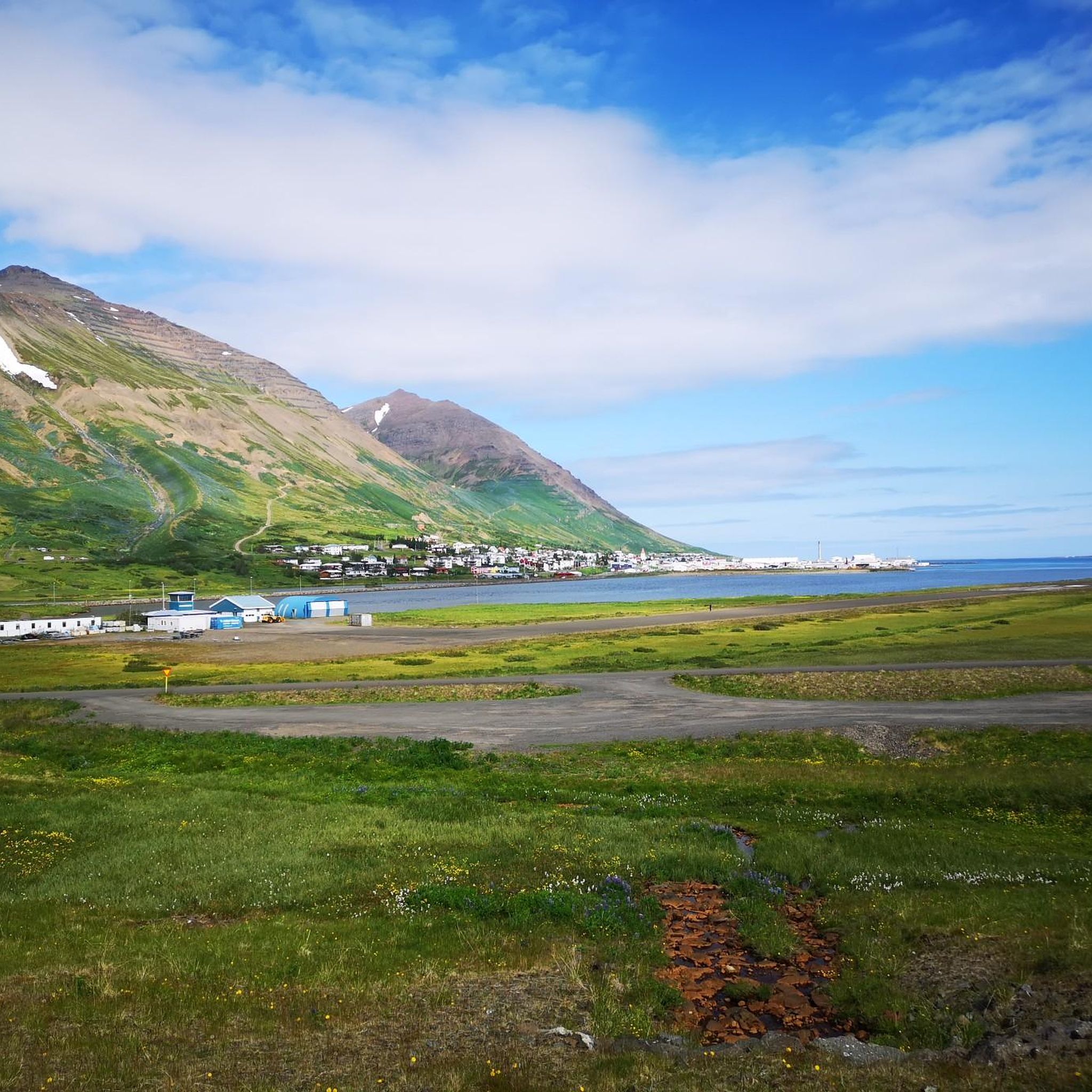
Lost place in a beautiful landscape. Be aware that some parts of the trail along the coast are usually really wet and you should wear waterproof shoes.
0
0

In earlier years, herring was probably salted here. Today, there is a cozy little restaurant (Herring Café or Sildarkaffi) here.
0
0
The Herring Museum in Siglufjörður is one of Iceland's largest museums. Visitors learn the fascinating story of how the Icelandic nation rose from centuries of poverty to widespread prosperity, with herring playing a key role in the dramatic changes to Iceland's way of life in the 20th century. The events surrounding herring were so important to the people and the country that they referred to them as an adventure – the síldarævintýrið (Herring Adventure). Herring farms, large and small, sprang up at every harbor in the north and east of the island, and Siglufjörður, thanks to its favorable location and large, sheltered harbor, became one of Iceland's most important fishing ports. Although the northern herring has long since disappeared due to overfishing, the town bears clear traces of the spectacular events of the herring years. The Síldarminjasafn preserves Iceland's significant past, and in particular, the town, and brings it closer to visitors. At its peak, around 10,000 people were employed in catching and processing fish in Iceland, and the fish market in the center of Siglufjörður was the fifth largest in Iceland.
0
0
Without herring, Iceland would likely not have been able to develop into a modern society. The great herring boom began around 1870. Norwegians came to Iceland and used huge land-based nets in the East Fjords. Norwegian shipowners were soon able to afford land and built houses and piers. However, a cold spell beginning in 1883 with pack ice and cold winters brought an abrupt end to Norwegian fishing activities. It wasn't until the beginning of the 20th century that they returned to Iceland. The huge Norwegian fleet was a fascinating sight for Icelanders. The Norwegians caught fish in the waters off northern Iceland with drift nets. Purse seine nets were also used very successfully. New herring towns were founded, and many Icelanders found work processing herring for Norwegians. Some Icelanders also entered the big business as entrepreneurs. Norwegian dominance in the industry declined, and in 1916, the number of barrels processed by Icelanders exceeded the amount processed by Norwegians for the first time. Power-driven ships and efficient equipment made large-scale herring fishing possible. Salted herring became an important foodstuff, especially during the two World Wars. Besides the Scandinavian countries, Germany, Russia, and the USA were the most important markets. Fish oil and fishmeal were also produced on a large scale from herring. In some years, herring products accounted for almost half of Iceland's export earnings. However, Icelanders discovered that herring is not an inexhaustible resource. Intensive fishing led to overfishing, and catches temporarily fell significantly in the mid-20th century. Then catches rose again, and the herring towns along the coast experienced a brief heyday. In 1969, the herring shoals suddenly disappeared, and the herring adventure was finally over.
0
0
Memorial commemorating the role of the herring girls in the Icelandic economy during the last century. During the peak herring fishing season, about a thousand herring girls were on duty in Siglufjörður, ready to perform their duties day and night, whatever the weather.
0
0

This small building is seen several times in the first season of Trapped. This is where harbor master Sigurdur works.
6
0
The hotel in the first season of Trapped is also a hotel in real life. However, the interior scenes were not filmed here. Some of the stranded ferry passengers stay here and the hotel manager has his office here.
8
0
Andri's in-laws live in this house in the first season. Many scenes take place here and Andri sleeps on the sofa here.
6
0
Frequently Asked Questions
What historical sites can I explore in Fjallabyggð?
Fjallabyggð is rich in history, particularly related to the herring industry. You can visit the Herring Era Museum Siglufjörður, which vividly portrays Iceland's transformation through herring fishing. Also, see the Sculpture of the Herring Girl, a memorial to the women who worked in the industry, and the Traditional Fishermen's Houses of Siglufjörður, reflecting the town's boom period.
What natural attractions are unique to Fjallabyggð?
The region boasts spectacular natural beauty with awe-inspiring mountains and fjords. A unique natural wonder is Lake Ólafsfjardarvatn, listed in the Nature Conservation Register, known for its freshwater floating on saltwater. The area is also ideal for observing the Midnight Sun in summer and the Northern Lights in winter due to its northern location.
Are there opportunities for bird watching in Fjallabyggð?
Yes, bird watching is a popular activity, especially at Leirurnar, the tidal flats at the innermost end of the fjord. Up to 40 species can be found nesting there, making it a prime spot for enthusiasts.
What kind of hiking trails are available in Fjallabyggð?
Fjallabyggð offers an extensive network of well-marked hiking trails varying in length and difficulty, catering to all levels. The forestry area in Siglufjörður is a natural gem for walking and relaxation. You can find various routes, including easy loops like the "View of Siglufjörður loop from Siglufjörður" or the "Siglufjörður Town Hall – Siglufjörður Harbour loop from Siglufjörður." For more options, explore the Hiking in Fjallabyggð guide.
What family-friendly activities are available in Fjallabyggð?
Many attractions are family-friendly, including the Herring Era Museum Siglufjörður and the Sculpture of the Herring Girl. The towns of Siglufjörður and Ólafsfjörður also offer public swimming pools with amenities like hot tubs, slides, and saunas, which are great for families.
What cultural centers or museums are there besides the Herring Era Museum?
Beyond the Herring Era Museum, you can visit Pálshús - Natural Museum of Ólafsfjörður, housed in one of Ólafsfjörður's oldest buildings. It features a natural history museum and an exhibition titled "The Desire to Fly." The Ólafsfjörður Museum of Natural History, primarily a bird collection, is also located there.
Can I experience the Midnight Sun or Northern Lights in Fjallabyggð?
Yes, Fjallabyggð is an excellent location for both. During summer, you can observe the Midnight Sun, and in winter, it's a prime spot for viewing the Northern Lights (Aurora Borealis), especially as it's one of Iceland's northernmost populated areas.
What winter activities are popular in Fjallabyggð?
In winter, skiing is popular, with a ski area and lift available in Ólafsfjörður. The region's northern location also makes it an ideal place for observing the Northern Lights.
Are there any unique outdoor activities like jet ski tours?
Yes, jet ski tours are available from Ólafsfjörður, offering a unique way to experience the unspoiled nature under the Ólafsfjarðarmúla and Hvanndalabj mountains.
Where can I find a cafe or a place to relax in Siglufjörður?
In Siglufjörður, you can visit the Herring Café (Sildarkaffi) for a relaxing break. Additionally, Segull 67 Brewery, located in a renovated old fish factory, offers brewing tours and product tastings.
What is the best time of year to visit Fjallabyggð?
The best time to visit depends on your interests. Summer (June-August) is ideal for hiking, enjoying the Midnight Sun, and general outdoor activities. Winter (October-March) offers opportunities for skiing and experiencing the Northern Lights.
Are there any attractions related to the TV series 'Trapped' in Fjallabyggð?
Yes, fans of the TV series 'Trapped' can recognize several locations. The Siglufjörður Town Hall played a major role in the first season, and Siglufjarðarkirkja (the town's church) was also featured.
Most popular routes in Fjallabyggð

Get inspired with the komoot mobile app


Explore more
Still not found the Highlight you’re looking for? See guides of the top attractions in other regions:
