Top 20 Lakes around Beemster
Best lakes around Beemster are characterized by the region's unique history of land reclamation. The entire Beemster Polder, a UNESCO World Heritage Site, was once a large lake drained in the 17th century. Today, the area features an intricate network of canals and polder waters, reflecting its historical transformation and geometric landscape design. This cultural landscape offers insights into Dutch water management and agricultural beauty.
Best lakes around Beemster
- The most popular lakes is Zwaansmeerpad, a cycle way that…
Last updated: June 22, 2026
Oostzanerveld Nature Reserve
Highlight • Natural
Translated by Google •
Tip by

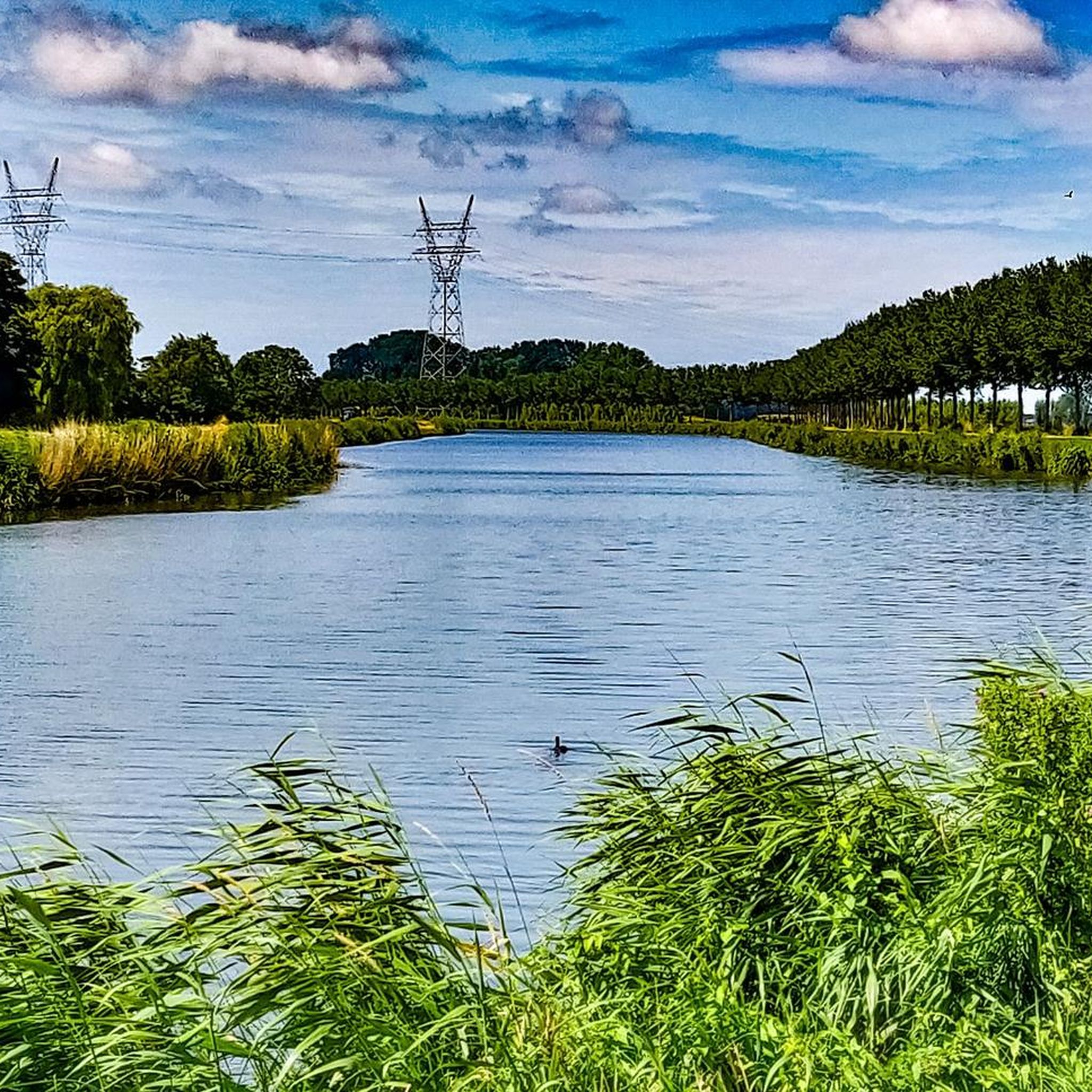
Ring Canal of Het Twiske
Highlight • Lake
Translated by Google •
Tip by

Sign up now to discover places like this
Get recommendations on the best single tracks, peaks, & plenty of other exciting outdoor places.
Sign up for free
Moordenaarsbraak Nature Reserve
Highlight • Natural Monument
Translated by Google •
Tip by

Twiske Recreation Area
Highlight • Natural
Translated by Google •
Tip by

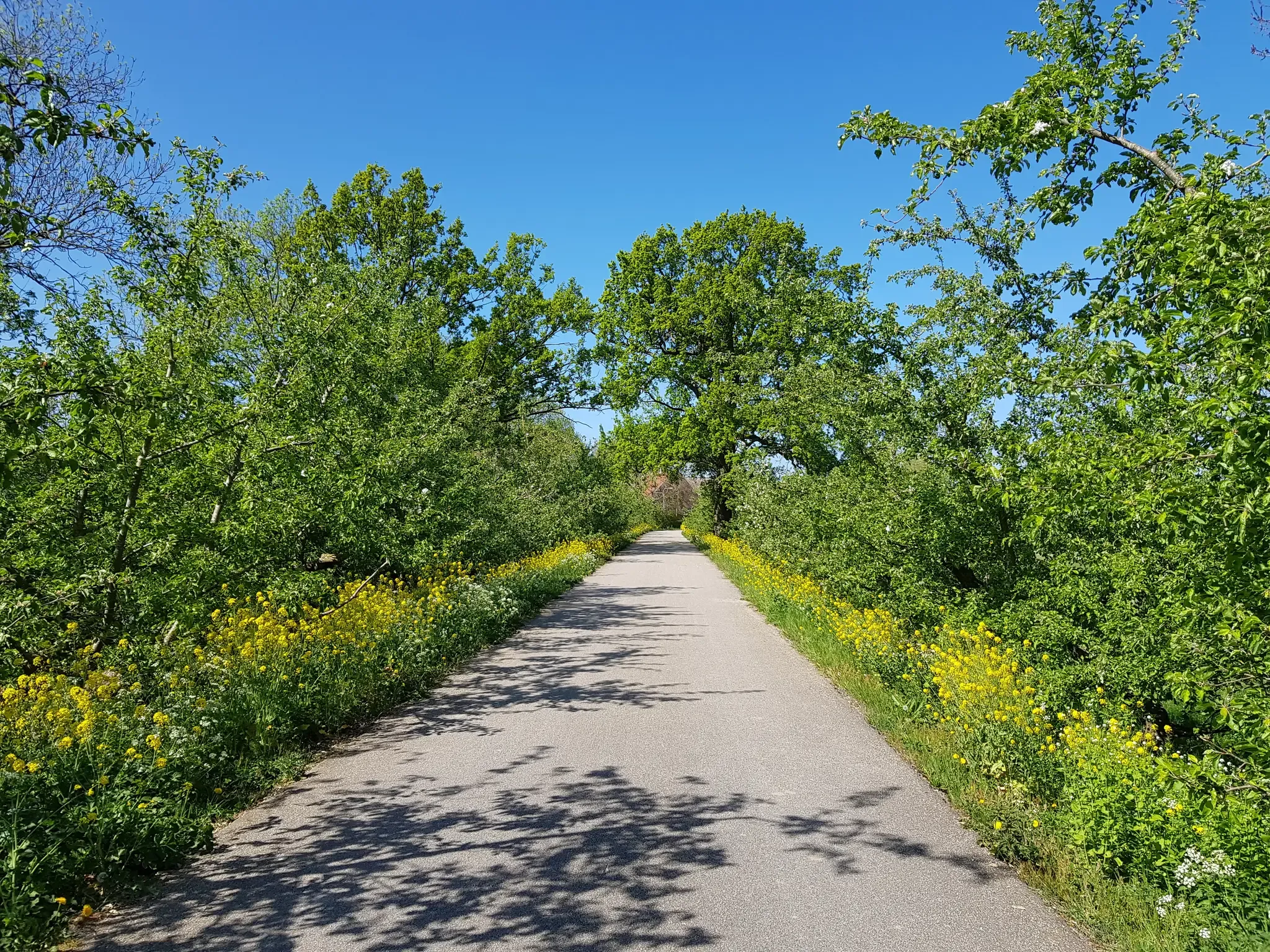
Zwaansmeerpad
Highlight (Segment) • Cycleway
Adjusting speed saves a lot of annoyance, and is necessary when overtaking.
Translated by Google •
Tip by

Sign up for free to discover even more lakes around Beemster.
Sign up for free
Already have an account?
Start today with a free account
Your next adventure awaits.
Login or Signup
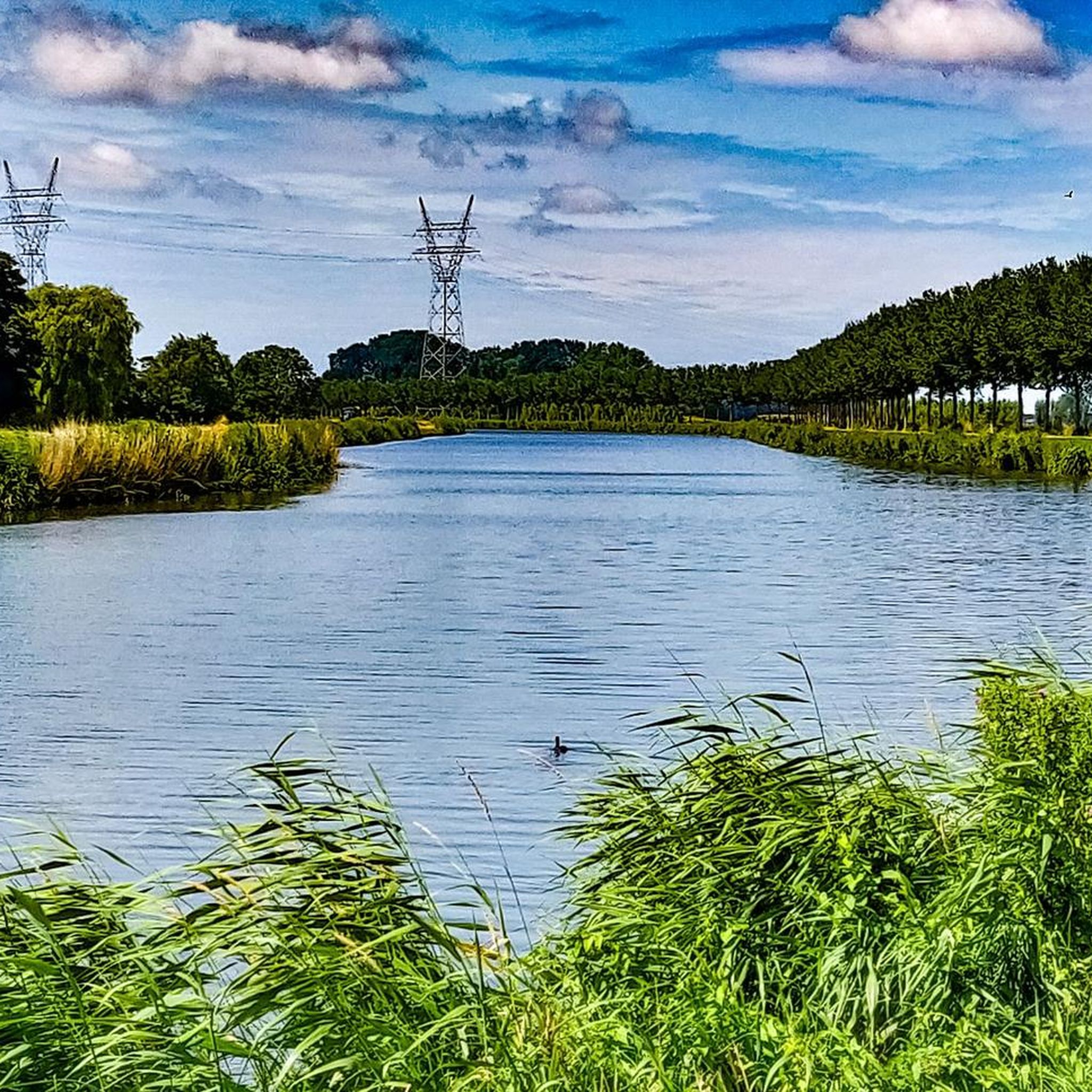
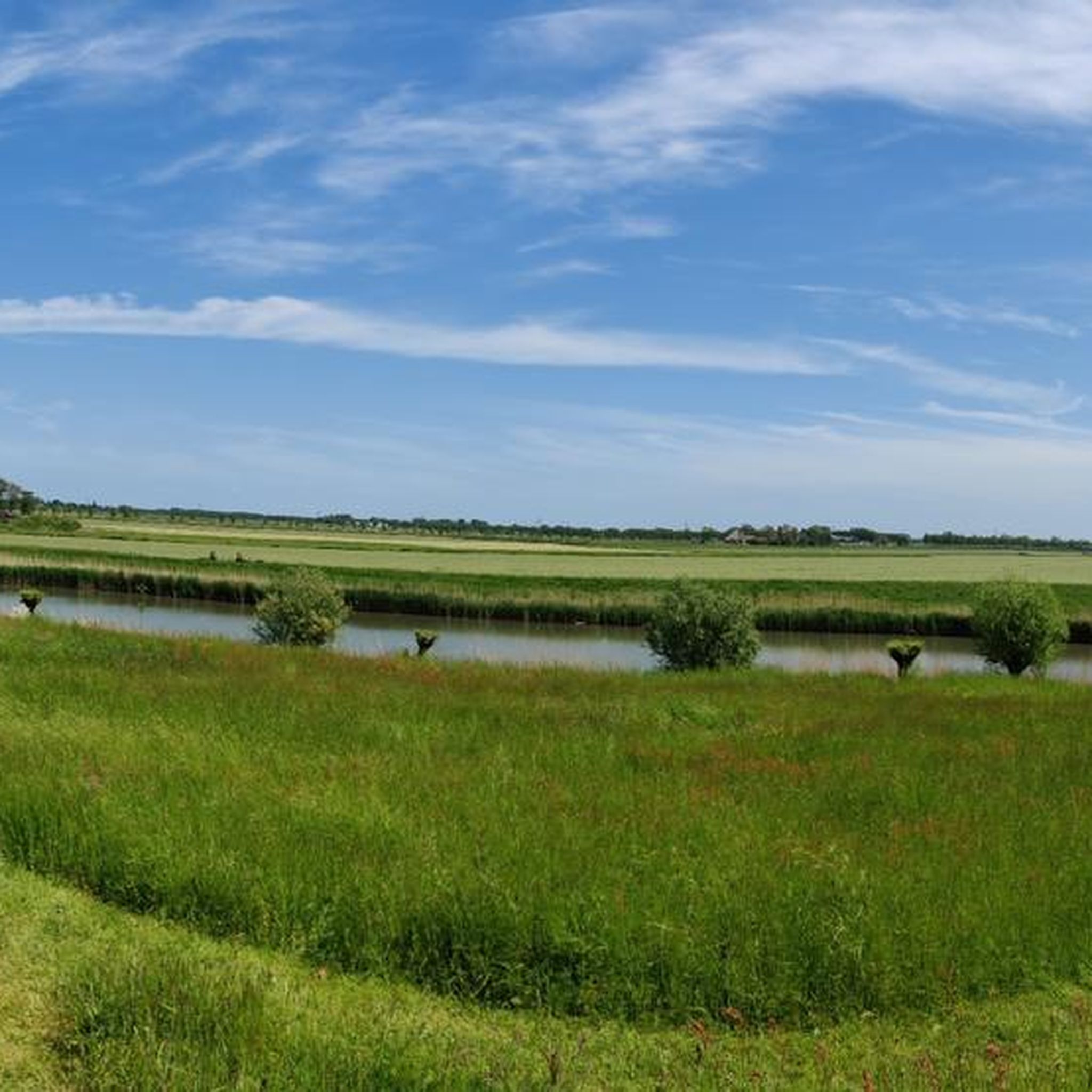
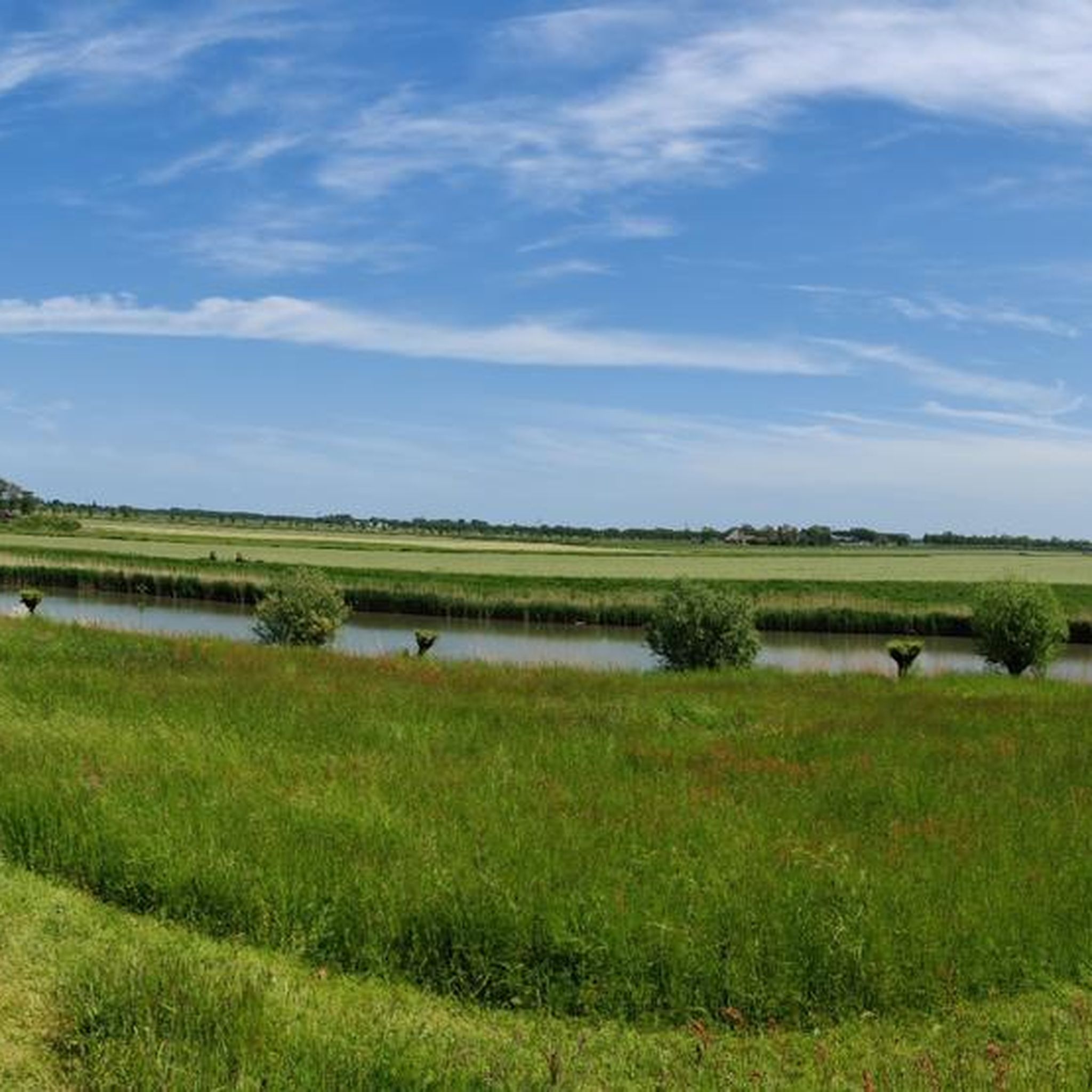


Tips from the Community


IJsselmeer dike between Edam and Warder. From Wikipedia
0
0
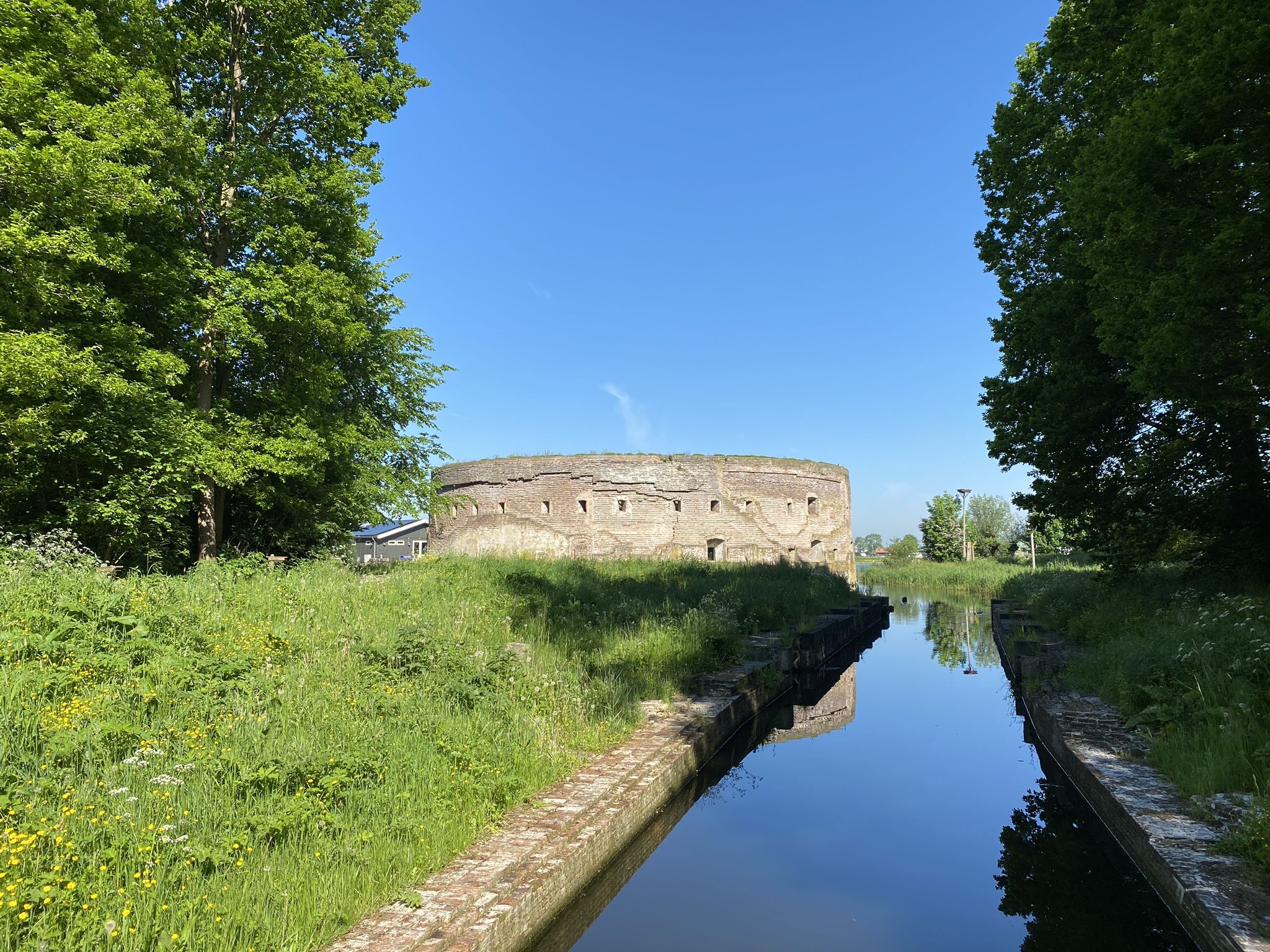
The Moordenaarsbraak is the remains of one of the many dike breaches in North Holland caused by flooding of the Zuiderzee. Between Edam and Hoorn, the IJsselmeer dike owes its winding shape to the dike breaches, which the dike was then built around. The Moordenaarsbraak probably originated in the period between 1775 and 1849.[1] The Moordenaarsbraak is a more or less circular water area, which is bordered by a reed collar. The Moordenaarsbraak has been designated as a provincial monument because it is seen as a "defining element in the North Holland Polder landscape".[2] The name Moordenaarsbraak refers to the violence of the sea, which caused people in the area to be murdered.[3] The nature reserve is managed by Staatsbosbeheer. Just south of the Moordenaarsbraak are the Groote Braak and the Kleine Braak and just north of the Zandbraak and the Hogendijkerbraak, all located within a distance of approximately 5 kilometers along the IJs
0
0

Perfect area for amateur ornithologists.
0
0

If you love the combination of water, grass, sunbathing lawns and great bike paths right in the middle, this is the place for you. AMAZING!!!
0
0

Part of the Natura-2000 area in Oostzaan, just like the Twiske. Sandwiched between the A7, A8 and the village of Oostzaan, it is an area that can almost only be reached by water. Or with the skate on the rare days when there is enough ice. The cows here are still taken by boat from one pasture to another by one of the few 'Vaarboeren' who still actually work like this. The current farmer is called Koeman and his boat is called the Koeman Express.
1
0

The Ilperveld, Oostzanerveld and Varkensland together form the largest peat bog complex north of Amsterdam. The field consists of elongated meadows surrounded by water. It is a typical peat meadow area and habitat for many birds.
1
1

Beautiful Mill road to it was special. See the tour video.
1
0
Frequently Asked Questions
What kind of 'lakes' can I expect to find in the Beemster region?
The Beemster region is unique because it was once a large lake, the Beemstermeer, which was drained in the 17th century. Today, you won't find traditional natural lakes, but rather an intricate network of canals, polder waters, and recreational water bodies that are integral to its UNESCO World Heritage landscape. These waterways are remnants of its history and are used for drainage, agriculture, and recreation.
Are there any nature reserves or significant natural areas to explore around Beemster?
Yes, you can explore areas like the Oostzanerveld Nature Reserve, which is a typical peat meadow area with elongated meadows surrounded by water, known for its rich bird habitat. Another notable spot is the Moordenaarsbraak Nature Reserve, a circular water area that is a provincial monument, formed from historical dike breaches.
What activities can I do in the recreational areas near Beemster?
The Twiske Recreation Area is a popular spot offering opportunities for relaxation, cycling, and enjoying the combination of water, grass, and well-maintained paths. You can also find quiet places for picnics and refreshments there. The Ring Canal of Het Twiske is particularly spacious and family-friendly.
Are there good cycling routes that incorporate the water features of Beemster?
Absolutely. The region is excellent for cycling. You can find routes like the Zwaansmeerpad, a scenic, narrow cycle path that runs between water and meadows, offering beautiful views. For more options, you can explore various cycling routes around Beemster, including those that highlight regional products or connect to nearby towns, available in the Cycling around Beemster guide.
What is the terrain like for outdoor activities in the Beemster Polder?
The Beemster Polder is characterized by its flat, geometric landscape, a result of its 17th-century land reclamation. This makes it ideal for easy to moderate cycling and walking. The terrain primarily consists of agricultural land, meadows, and an extensive network of canals and dikes, offering a tranquil and picturesque environment.
Are there family-friendly options for visiting the water areas around Beemster?
Yes, areas like the Ring Canal of Het Twiske and the broader Twiske Recreation Area are noted as family-friendly. They offer spacious environments for picnics, well-maintained paths for cycling, and opportunities for relaxation by the water.
Can I go hiking near the water bodies in Beemster?
While Beemster is more known for cycling, there are hiking opportunities that allow you to experience the unique polder landscape and its waterways. You can find various routes, from easy walks to moderate hikes, that often pass by canals and meadows. Check the Hiking around Beemster guide for detailed routes like the 'Church in Noordeinde – Former Town Hall of De Rijp loop'.
What is the historical significance of the water landscape in Beemster?
The entire Beemster Polder is a UNESCO World Heritage Site, celebrated for its unique history as a drained lake. It was reclaimed from the Beemstermeer between 1609 and 1612 using windmills, creating fertile agricultural land. This landscape is a masterpiece of Renaissance planning, showcasing Dutch ingenuity in water management and landscape design, with its precise grid of fields, roads, and canals.
What is the best time of year to visit the Beemster region?
The Beemster region is beautiful year-round, but the spring and summer months (April to September) are particularly pleasant. During this time, the weather is generally mild, making it ideal for cycling, walking, and enjoying the lush green farmlands and waterways. Summer days can make popular cycle paths like the Zwaansmeerpad quite busy.
Are there any specific bird-watching spots near the water in Beemster?
Yes, the Oostzanerveld Nature Reserve is an excellent spot for bird-watching. It's a typical peat meadow area and a significant habitat for many bird species, making it perfect for amateur ornithologists. It forms part of a larger peat bog complex and is a Natura-2000 area.
What makes the Beemster Polder a UNESCO World Heritage site?
The Beemster Polder is recognized by UNESCO for its outstanding universal value as a testament to Dutch ingenuity in water management and landscape planning. It's an exceptional example of reclaimed land, featuring a perfectly geometric landscape with a precise grid of fields, roads, and canals, reflecting 17th-century architectural and planning ideals. You can learn more about its designation on the UNESCO website.
Most popular attractions around Beemster

Get inspired with the komoot mobile app


Explore more
Still not found your perfect lake around Beemster? Check out the guides of these regions to see even more beautiful places.
