Top 4 Castles around Lussac
Best castles around Lussac are found within the Gironde department, a region primarily known for its viticulture, particularly the Lussac-Saint-Émilion appellation. The area features a blend of historical estates and natural landscapes, offering insights into the region's past. Visitors can explore various architectural styles, from grand 19th-century châteaux to remnants of medieval fortifications. This setting provides a diverse experience for those interested in historical sites and the local culture.
Best castles around Lussac
- The most popular castles is Château de…
Last updated: July 4, 2026
Château Angélus
Highlight • Historical Site
Translated by Google •
Tip by

Château de Monbadon
Highlight • Castle
Translated by Google •
Tip by

Sign up now to discover places like this
Get recommendations on the best single tracks, peaks, & plenty of other exciting outdoor places.
Sign up for free
Lake Gurson and Ruins of Gurson Castle
Highlight • Lake
Translated by Google •
Tip by

Château Siran
Highlight • Castle
Translated by Google •
Tip by

Start today with a free account
Your next adventure awaits.
Login or Signup

Tips from the Community

Superb property of great classified growths.
1
1

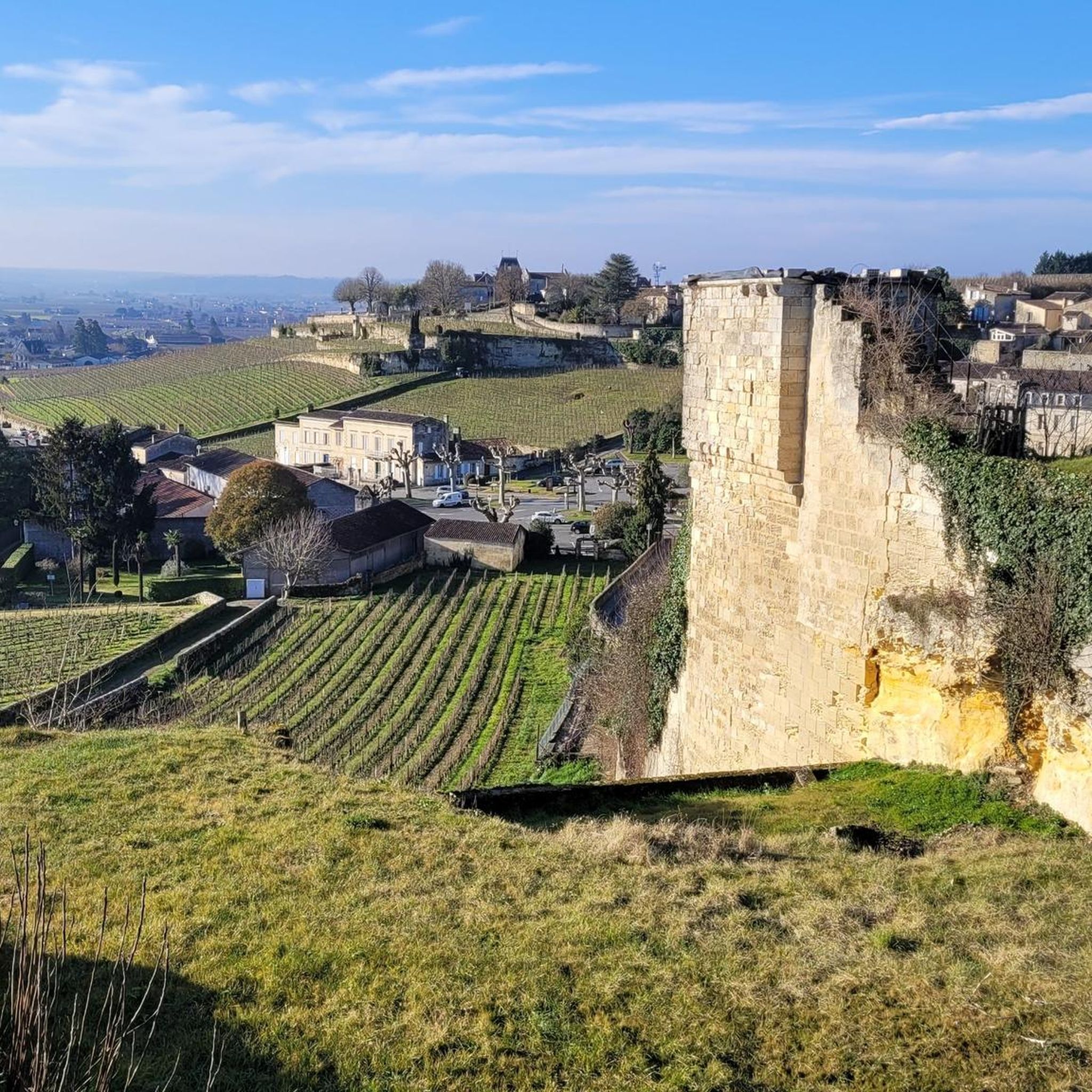
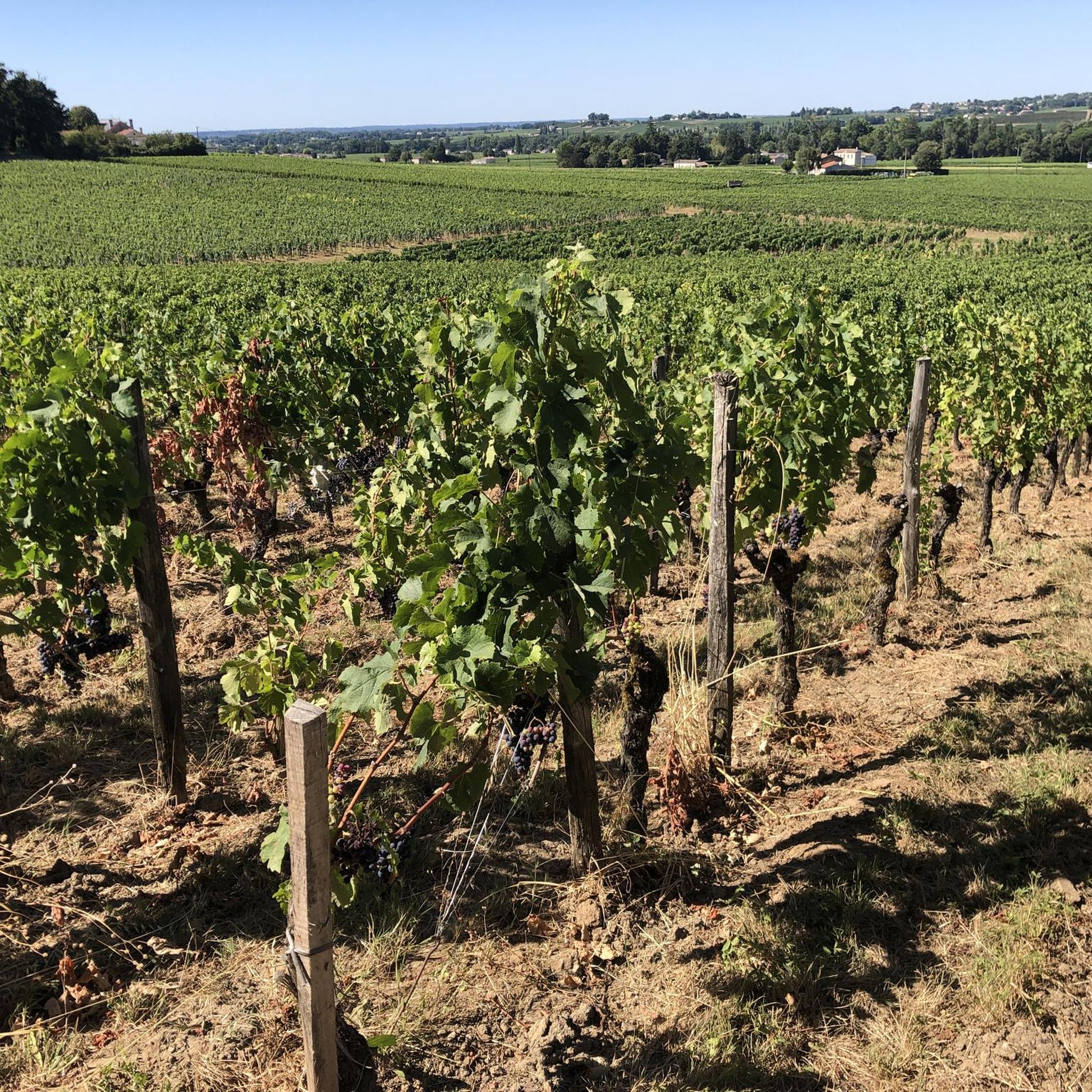
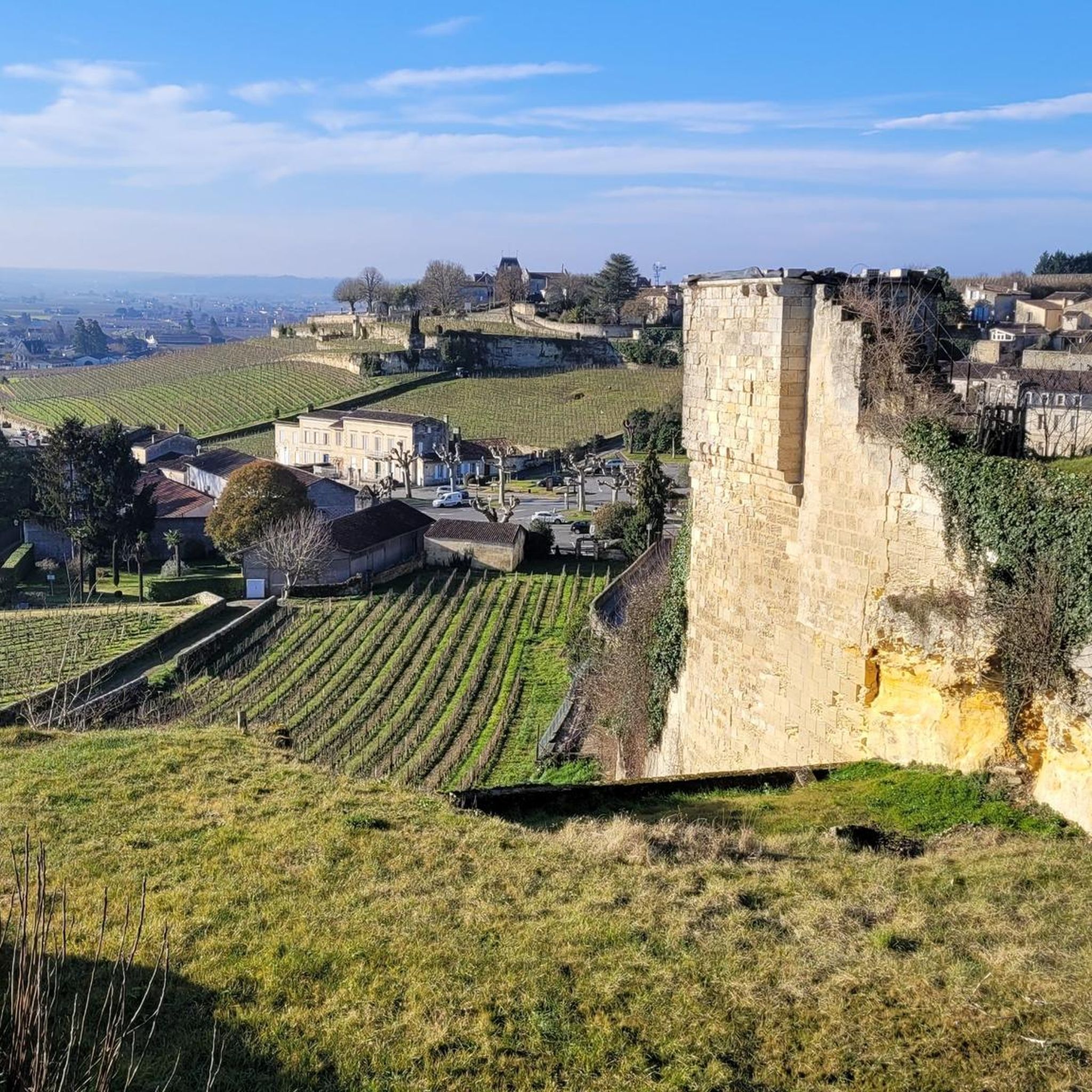
Château Angélus, located in the heart of the prestigious Saint-Émilion vineyard, is a renowned wine estate that combines tradition and modernity. Surrounded by perfectly maintained vines, this iconic château offers a sumptuous setting where you can discover the art of winemaking for its Grands Crus Classés. The view of the vineyard from the château is simply magnificent, with its rows of vines stretching as far as the eye can see. Wine lovers will appreciate the guided tours and tastings.
2
0
Château Angélus, located in the heart of the prestigious Saint-Émilion vineyard, is one of the most famous Grands Crus Classés of Bordeaux. Nestled in the middle of perfectly maintained vines, a visit to the château allows you to discover the wine history of the region, its impressive cellars and its ultra-modern winery. Wine lovers will appreciate tastings of the refined vintages.
1
0

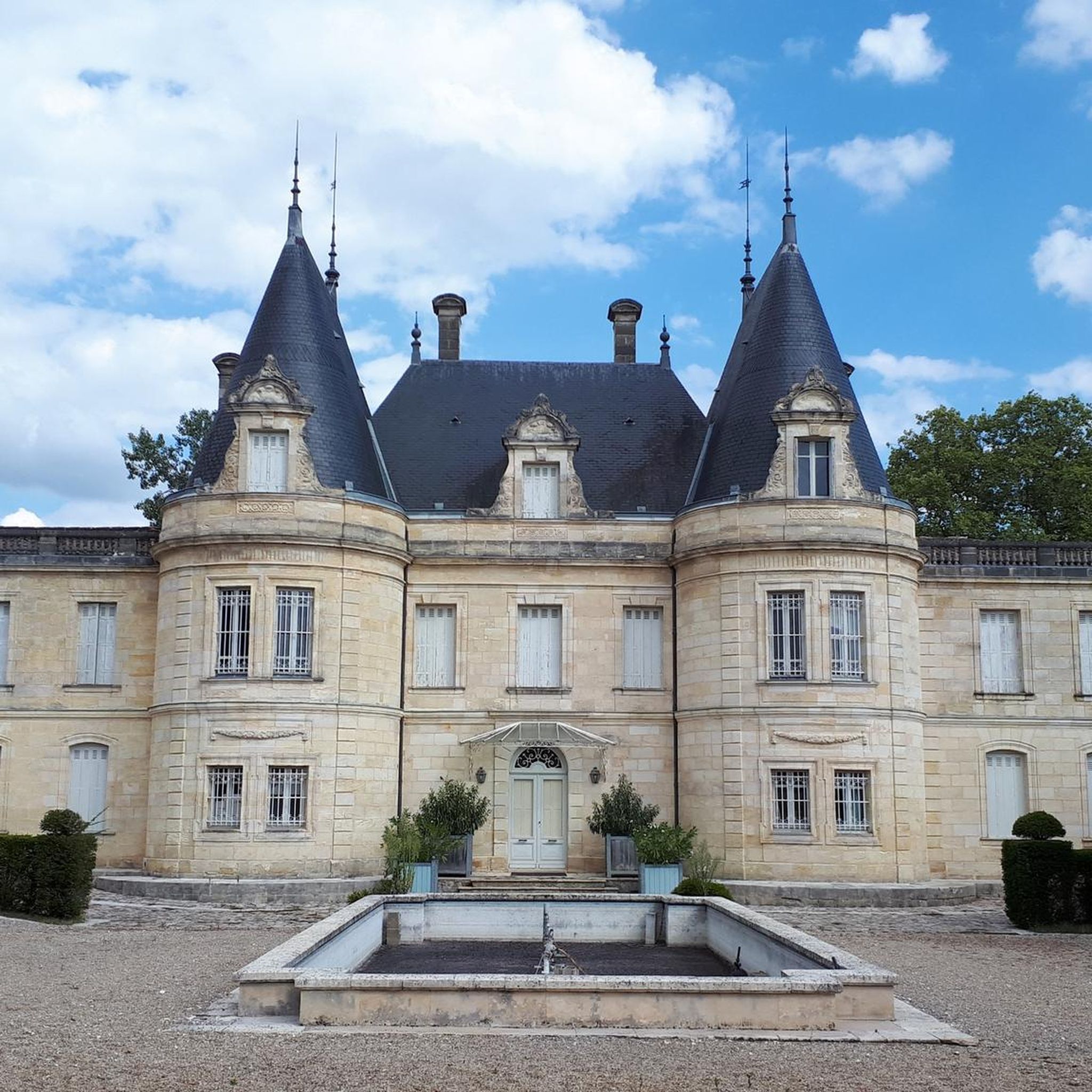
Beautiful chateau on the way. Of course you can taste wine. But the visit is worth it because of the beautiful garden. There are also occasional artistic events,
1
0

As the turning point of a tour beautiful. You can swim and visit Gurson Castle (on private property). Quite full on the weekend.
1
0
You drive downhill from the forest on a good road surface directly towards the castle. A great sight that is also worthwhile when approaching from the other direction. There is also a café at the foot of the château. Unfortunately you are sitting directly on / on the street.
1
0

This one, you don't expect to find out, no matter which side of the road you arrive on. Well hidden by the relief and vegetation, it only reveals at the last moment, straight from medieval dreams. Do not forget the 12th century Romanesque church at its feet.
1
0
Frequently Asked Questions
What historical castles can I visit in the Lussac area?
The Lussac region offers a blend of historical sites. You can explore the medieval Château de Monbadon, which is well-hidden by the landscape and features a 12th-century Romanesque church at its base. Additionally, the historic Ruins of Gurson Castle are near Lake Gurson, offering a glimpse into the past, though the castle itself is on private property. The region also boasts the ancient Château de Clan, a 12th-century fortified residence that played a significant role during the Hundred Years' War and is now preserved as a museum.
Are there any castles in Lussac known for wine production?
Yes, the Lussac region is renowned for its viticulture. You can visit Château Angélus, a prestigious wine estate in the heart of the Saint-Émilion vineyard, offering guided tours and tastings of its Grands Crus Classés. Another notable wine-producing château is Château Siran, which also has a beautiful garden and occasionally hosts artistic events. Furthermore, the elegant Château de Lussac, established in 1876, is a distinguished 30-hectare wine estate producing AOC Lussac-Saint-Émilion wine, where visitors can tour cellars and partake in wine tasting.
Are there family-friendly castles to visit near Lussac?
Several castles and sites around Lussac are suitable for families. Château Angélus is listed as family-friendly, offering a chance to see a working vineyard. Lake Gurson and Ruins of Gurson Castle is also family-friendly, where you can swim in the lake and explore the historical surroundings. Château Siran, with its beautiful garden, is another family-friendly option.
What outdoor activities can I do near these castles?
The Lussac area offers various outdoor activities, often incorporating views of the châteaux and vineyards. For running, you can find routes like the "Château de Monbadon loop from Hôtel Château Fleur des Roques" or the "Château Angélus – Château Angélus loop from Montagne." Cyclists can enjoy tours such as the "Vines – Château Angélus loop from Montagne." If you prefer hiking, consider the "Lussac Castle. – Kirche von Lussac loop from Lussac." You can find more details on these and other routes in the Running Trails around Lussac, Cycling around Lussac, and Hiking around Lussac guides.
What natural features can I see near the castles?
Beyond the architectural marvels, the region offers beautiful natural landscapes. Lake Gurson is a significant natural feature where visitors can swim. The area is also characterized by extensive vineyards, especially around estates like Château Angélus, offering picturesque views of rows of vines stretching as far as the eye can see. The relief and vegetation around Château de Monbadon also contribute to its hidden charm.
What do visitors enjoy most about the castles around Lussac?
Visitors particularly appreciate the blend of history, stunning architecture, and the beautiful vineyard landscapes. Many enjoy the unexpected discovery of Château de Monbadon, which appears straight out of medieval dreams. The magnificent views of the vineyards from estates like Château Angélus are also highly praised, as are the guided tours and wine tastings. The beautiful garden at Château Siran is another highlight for many.
Are there any castles that offer accommodation or unique experiences?
While not a medieval fortress, the elegant Château de Lussac, a 19th-century wine estate, offers visitors an immersive "château life" experience. Guests can stay in one of its guest rooms, tour the cellars, partake in wine tasting sessions, and enjoy amenities like walks through its grounds, a swimming pool, and a padel court. This provides a unique opportunity to experience the region's winemaking culture firsthand.
What is the best time to visit the castles around Lussac?
The Lussac region, with its vineyards and historical sites, is generally pleasant to visit during spring (April-June) and autumn (September-October). During these seasons, the weather is typically mild, ideal for exploring the castle grounds and vineyards. Autumn is particularly beautiful as the vine leaves change color, and it's also harvest season, offering a vibrant atmosphere at the wine châteaux.
Are there any castles that are particularly good for photography?
Yes, the castles and estates in Lussac offer numerous photographic opportunities. Château de Monbadon, with its medieval appearance and hidden location, provides a dramatic subject. The perfectly maintained vineyards and grand architecture of Château Angélus offer stunning landscape shots, especially with the rows of vines stretching into the distance. The 19th-century classical architecture of Château de Lussac and the beautiful garden at Château Siran are also very photogenic.
Can I find cafes or restaurants near the castles?
While specific cafes directly at every castle might be limited, the Lussac village and surrounding areas offer dining options. For instance, there is a café at the foot of Château de Monbadon. The region, being a wine destination, also has various restaurants and establishments where you can enjoy local cuisine and wines. For more options, exploring the nearby towns and villages is recommended.
Are there any castles with unique architectural styles?
Absolutely. The region showcases diverse architectural styles. Château de Monbadon evokes medieval dreams with its hidden, fortified appearance. The historic Château de Clan, dating back to the 12th century, features typical medieval architecture with a central keep and rounded towers. In contrast, Château de Lussac, built in 1876, displays an eclectic 19th-century classical style, with a central body flanked by pavilions and a monumental Renaissance-inspired pediment.
Most popular attractions around Lussac

Get inspired with the komoot mobile app


Explore more
Looking for the best castles somewhere else? Discover other guides around Lussac:
