Top 9 Castles around Houthulst
Best castles around Houthulst offer a glimpse into the region's historical context and natural beauty in West Flanders, Belgium. The area is characterized by its connection to the Vrijbos forest and significant sites from the First World War. Visitors can explore a variety of historical structures, from medieval origins to 19th-century hunting lodges. These sites are often integrated with natural landscapes, providing opportunities for outdoor exploration.
Best castles around Houthulst
- The most popular castles is Blankaart Castle, a castle…
Last updated: June 28, 2026
Blankaart Castle
Highlight • Castle
Translated by Google •
Tip by

Vredesmolen (Peace Mill) Klerken
Highlight • Monument
Translated by Google •
Tip by

Sign up now to discover places like this
Get recommendations on the best single tracks, peaks, & plenty of other exciting outdoor places.
Sign up for free
Viconia Castle Farm
Highlight • Historical Site
Translated by Google •
Tip by

Zonnebeke Castle Domain and Memorials
Highlight • Castle
Translated by Google •
Tip by

Castle of Vlamertinge
Highlight • Castle
During World War I, the castle was damaged by war; it was restored in 1920.
Translated by Google •
Tip by

Sign up for free to discover even more castles around Houthulst.
Sign up for free
Already have an account?
Start today with a free account
Your next adventure awaits.
Login or Signup

Tips from the Community

you should definitely go in there, if only for a cup of coffee. The place is an info about the plan map which only gives interesting facts
0
0

Zonnebeke, a charming municipality in West Flanders, is a place where history and nature come together. Known for its role in the First World War, it is home to impressive memorial sites such as Tyne Cot Cemetery, the largest British military cemetery in the world. In addition to its historical significance, Zonnebeke offers beautiful landscapes and recreational routes, ideal for a trip through the rolling Flemish countryside. The Zonnebeke Castle Estate is an absolute must, where you can not only enjoy the green surroundings, but also take a culinary break at Koklikoo, a charming place for lunch, coffee and sweet temptations.
7
0

Château du Parc, or Château de Vlamertinge, is a 19th-century castle in Vlamertinge, a municipality of Ypres in West Flanders. Located west of the Kemmelbeek stream, the castle was built between 1857 and 1858 by order of Pierre-Gustave du Parc (who would become Viscount in 1888), based on plans by architect Joseph Schadde. The castle is built in the Neo-Flemish Renaissance style and has a relatively symmetrical layout. During the First World War, the castle was damaged by war; it was restored in 1920.
1
0

The Blankaart is freely accessible from sunrise to sunset. The visitor centre (currently still in the castle, but will 'soon' move to a new building closer to the car park) is open at least every week from Wednesday to Sunday from 1:30 to 4:30 p.m.
3
0
The castle's coach house has been the workshop or studio for Natuurpunt volunteers who are involved in nature management on the Blankaart for years. Natuurpunt was able to purchase that site in 2011. Natuurpunt volunteers provide permanent staff in the visitors' centre in the castle. They provide reception, provide information to visitors and run a small cafeteria. This year, work will start on a new studio and a new reception in the visitors' domain. Because it also became apparent that restoring the studio was not feasible, we decided with Natuurpunt to demolish the studio and build something new there with a dual function: studio and reception. After all, the accessibility of the current visitors' centre is literally insufficiently accessible: you have to overcome quite a few (fairly high) stairs. The new building in a wooden frame is very close to the car park, will only be on the ground floor and visitors will be guided from the car park past the reception. Source: https://www.nieuwsblad.be/cnt/dmf20231005_95097412
3
0
Although the fame of this place as "Peace Mill" refers to the First World War (a monument value that only acquired its current form in the summer of 2013), the history of the mill goes back to the third quarter of the 18th century. In 1766, a wooden post mill was built here. In 1879, the then owner replaced the wooden mill with the stone tower mill, supplemented a year later with a steam engine (in an outbuilding), so that milling could also take place when there was no wind. The current outbuilding dates from after WWI (1920).
4
0

The Vredesmolen (also "Old mill", "Van Couillie's mill" or "Shooted mill") is a former windmill in the Belgian village of Klerken (Houthulst). The former wooden grain and oil mill is located at the highest point of the village (43 meters) and was therefore used as a lookout post by the Germans during the First World War. During the final offensive it was captured by the Allies, but the Germans had already left the mill via an underground passage. The mill is a rare example of a mill ruin and became a protected monument on April 1, 1999. On the same date it also received its official name "Peace Mill". source: https://nl.wikipedia.org/wiki/Vredesmolen
0
0

Frequently Asked Questions
Which castles around Houthulst offer a strong connection to nature?
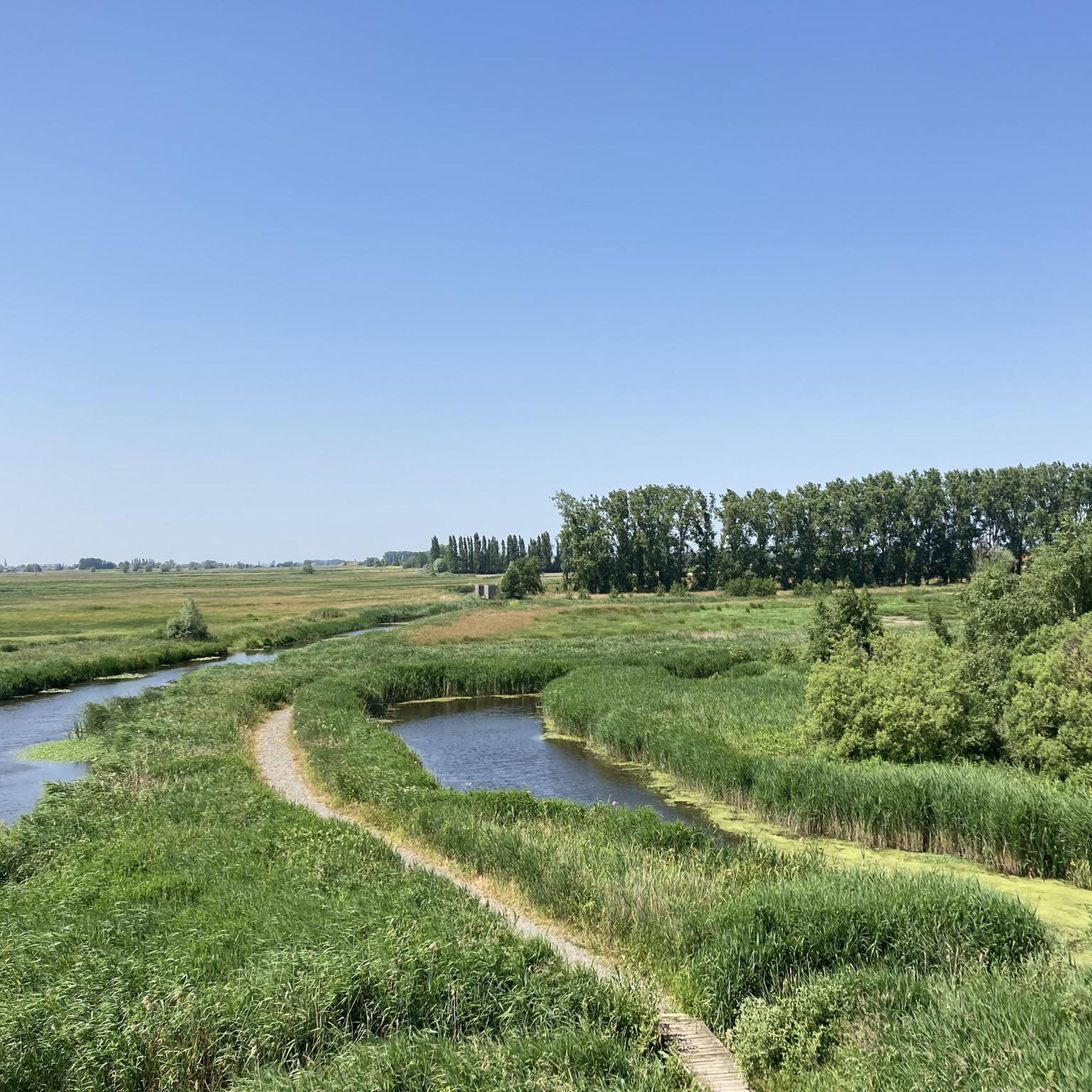
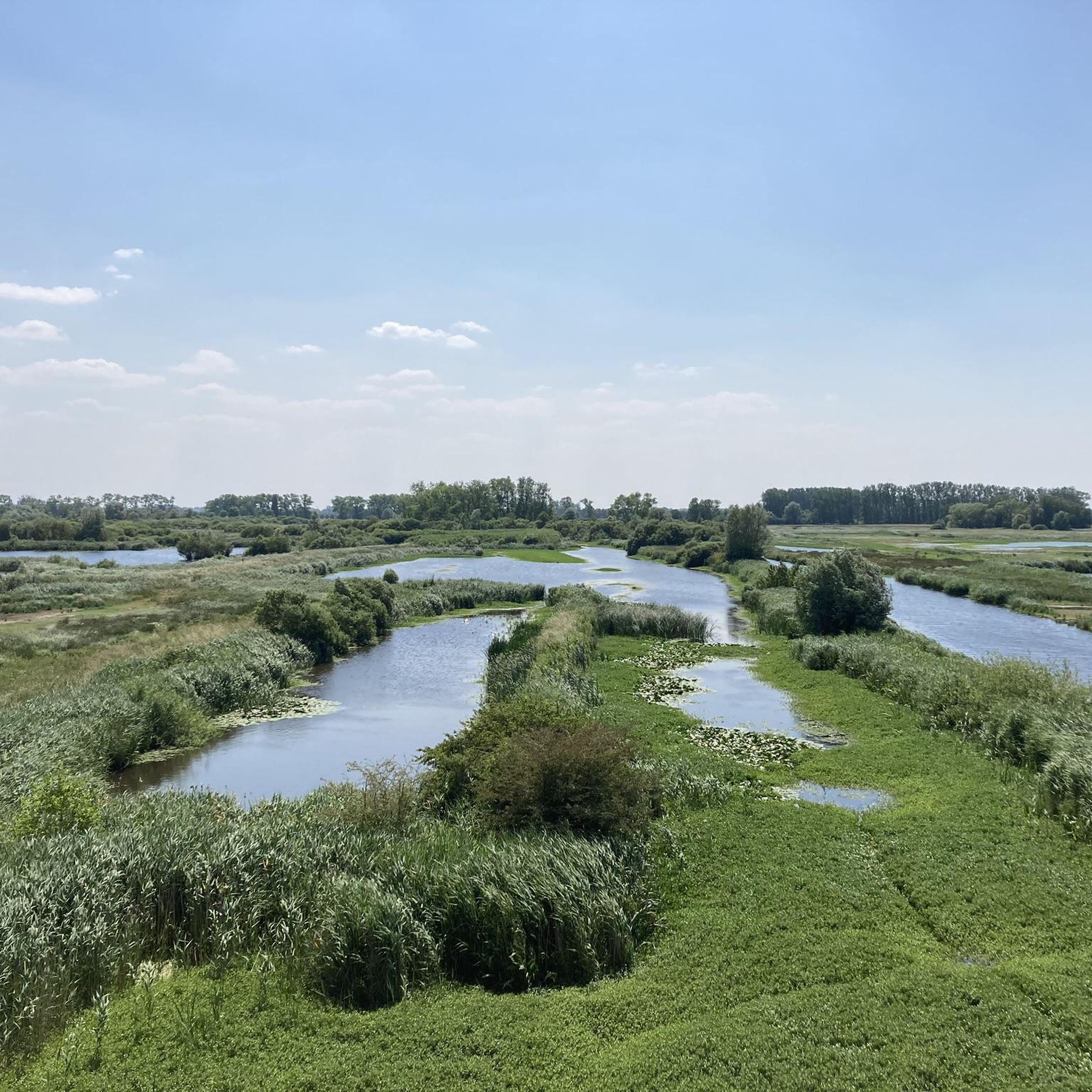
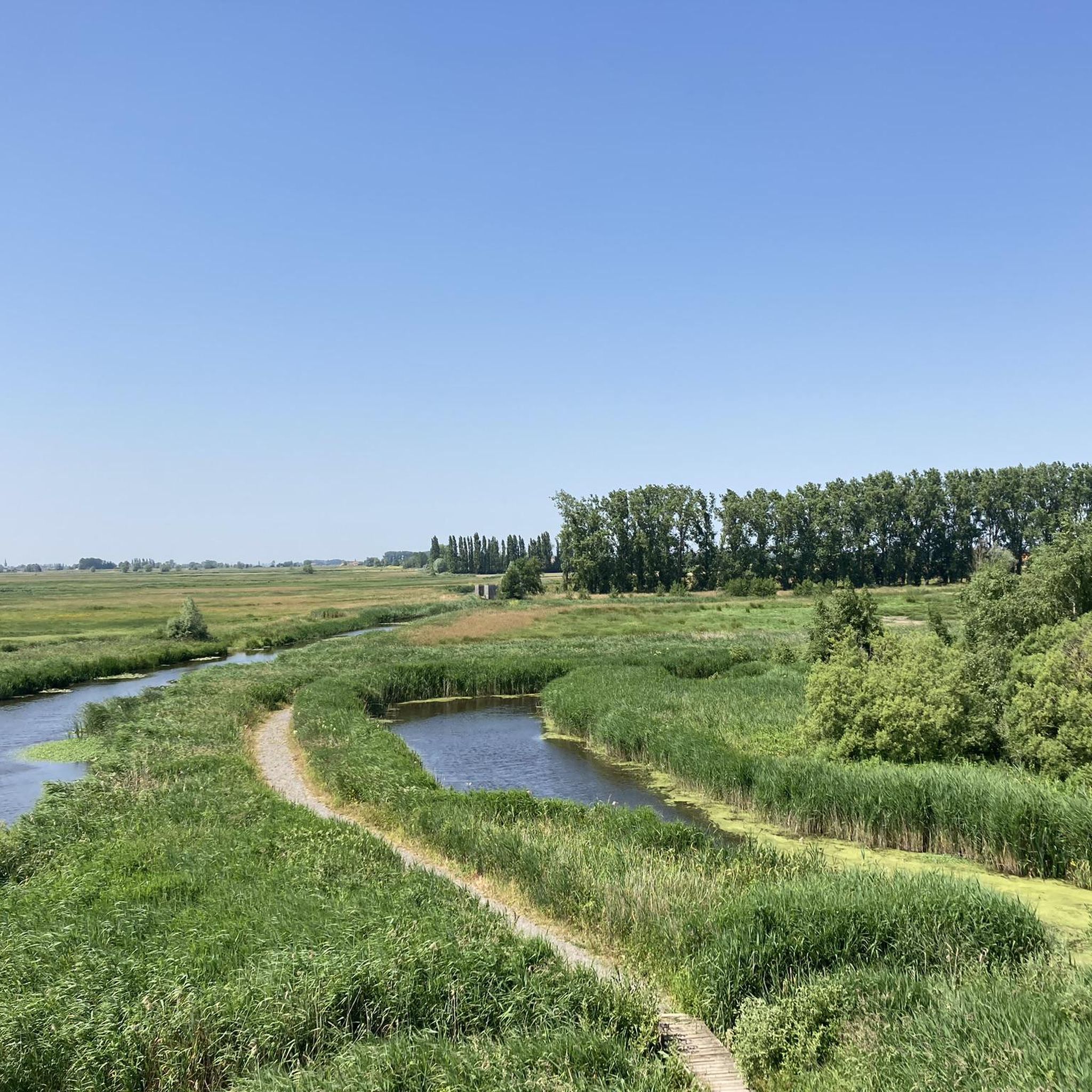
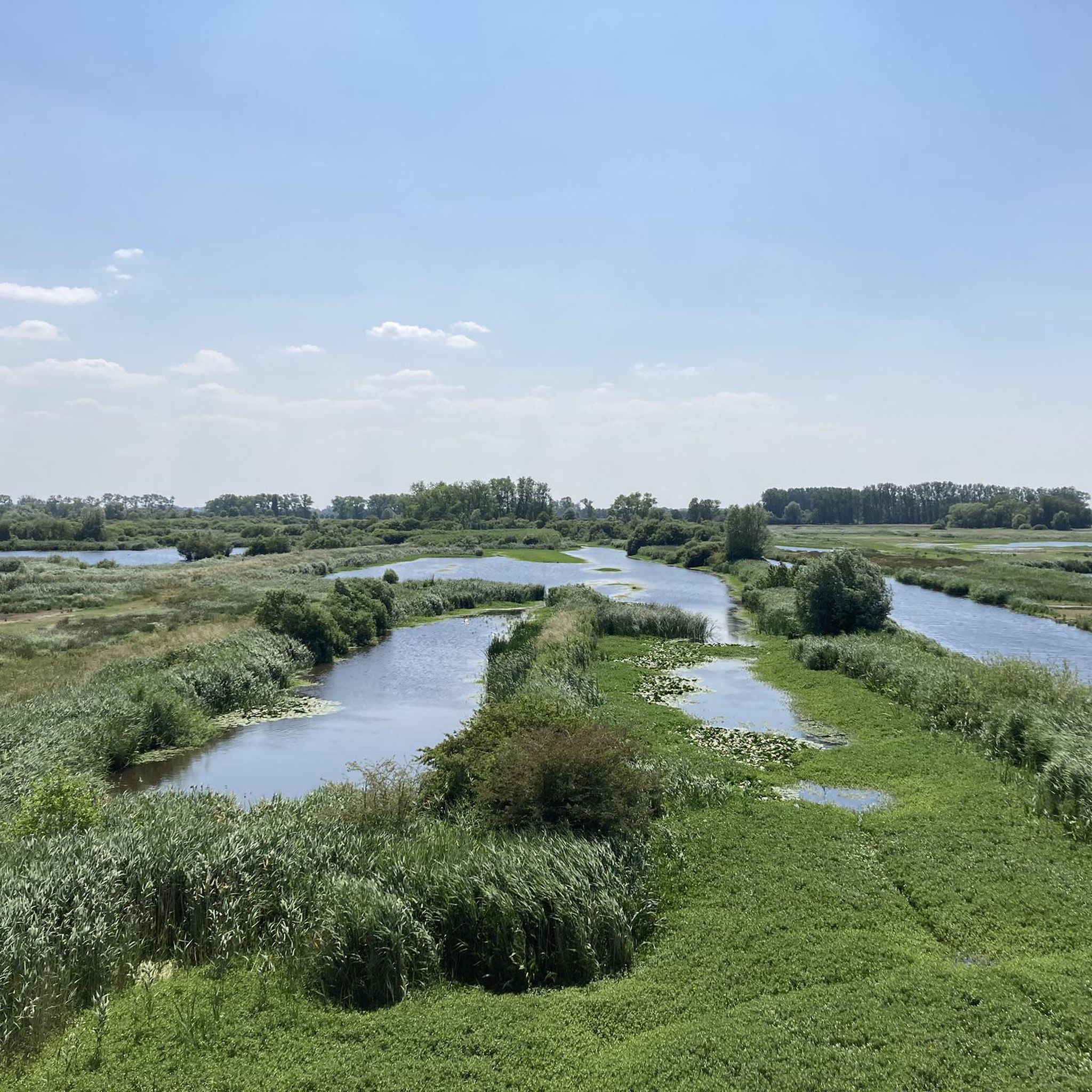
For nature lovers, Blankaart Castle is an excellent choice. It is set within the recognized De Blankaart nature reserve, known for its wide reed collar, willow forests, and as a habitat for rare reed birds and marsh plants like the bittern. The area also features low-lying hay fields and meadows, providing a picturesque landscape for visitors.
Are there castles around Houthulst with significant World War I history?
Yes, several castles in the region bear the scars of World War I. Viconia Castle Farm, for instance, was completely destroyed during the war and rebuilt in 1925. Similarly, Castle of Vlamertinge was damaged and restored in 1920. Kasteel de Groote in Houthulst served as a care center for wounded soldiers during WWI, and Kasteel van Merkem, though rebuilt, still has remnants of a German observation tower from the war on its grounds.
What kind of architecture can I expect to see among the castles near Houthulst?
The castles around Houthulst showcase a range of architectural styles. You can find 19th-century hunting lodges like Kasteel de Groote, medieval origins as seen in Kasteel van Merkem (rebuilt in Flemish style), and the Neo-Flemish Renaissance style of the 19th-century Castle of Vlamertinge.
Are there family-friendly castles to visit near Houthulst?
Yes, the Viconia Castle Farm is categorized as family-friendly. Additionally, the Zonnebeke Castle Domain and Memorials offers green surroundings and is home to the Passchendaele Museum, which can be an educational experience for families.
What outdoor activities can I combine with a castle visit in the Houthulst area?
The region offers excellent opportunities for outdoor activities. Near Blankaart Castle, you can enjoy hiking in the De Blankaart nature reserve. For more extensive options, you can explore various hiking trails around Houthulst, including routes like 'View of De Blankaart Castle – The Blankaart Observation Tower loop from Woumen'. There are also MTB trails and road cycling routes available in the wider area.
What is the best time to visit the castles around Houthulst?
The best time to visit is generally during spring, summer, or early autumn when the weather is mild and the natural surroundings are at their most vibrant. This allows for comfortable exploration of castle grounds and integration with outdoor activities like hiking or cycling. Winter visits are possible, but some natural features might be less accessible or picturesque.
Are there any viewpoints near the castles in Houthulst?
While not a castle itself, the Vredesmolen (Peace Mill) Klerken, a former windmill, is located at the highest point of the village and offers beautiful views in clear weather, extending to the Heuvelland and even the coastline. It also has historical significance as a German lookout post during WWI.
Can I find cafes or accommodation near the castles?
Yes, some castle domains offer amenities. For example, the Zonnebeke Castle Domain hosts Koklikoo, a charming place for lunch, coffee, and sweet temptations. Viconia Castle Farm is currently a holiday hotel, offering accommodation directly on a historical site.
What historical periods are represented by the castles in this region?
The castles around Houthulst cover a broad historical spectrum. You can explore sites with medieval origins, such as the 12th-century Kasteel van Merkem and Viconia Castle Farm. There are also 19th-century structures like Kasteel de Groote and Castle of Vlamertinge, many of which were impacted and rebuilt after the First World War, adding layers of 20th-century history.
What makes the De Blankaart nature reserve, near Blankaart Castle, special?
The De Blankaart nature reserve, surrounding Blankaart Castle, is unique due to its extensive reed marsh and willow forests. It's a vital habitat for many rare reed birds and marsh plants, including the elusive bittern. The Blankaart Pond, formed by peat extraction, is the core of this recognized nature reserve, offering a rich ecosystem for observation and enjoyment.
Are there any castles that were originally hunting lodges?
Yes, Kasteel de Groote in Houthulst originated as a 19th-century hunting lodge. Its location at the edge of the Vrijbos (Houthulst Forest) highlights its historical connection to the region's natural landscape and recreational pursuits.
What is the significance of the Vrijbos (Houthulst Forest) in relation to the castles?
The Vrijbos, or Houthulst Forest, is an important natural feature in the region, historically connected to Kasteel de Groote, which began as a hunting lodge on its edge. The forest provides a natural backdrop and opportunities for walks, complementing visits to the nearby historical sites. You can find various hiking routes that explore the Vrijbos area.
Most popular routes around Houthulst
Most popular attractions around Houthulst

Get inspired with the komoot mobile app


Explore more
Looking for the best castles somewhere else? Discover other guides around Houthulst:
