Top 20 Natural Monuments around Bassano Del Grappa
Best natural monuments around Bassano Del Grappa are situated at the foot of the Venetian Prealps, where the Brenta River flows through the landscape. This region features a diverse natural environment, including limestone massifs and karst systems, supporting varied flora and fauna. The area also holds historical significance, particularly from World War I, with visible remnants and monuments. These natural settings offer opportunities to explore the local geography and cultural heritage.
Best natural monuments around Bassano Del Grappa
- The most…
Last updated: October 13, 2026
Silan Waterfalls
Highlight • Waterfall
Translated by Google •
Tip by

Monte Caina Summit and Madonna di Fatima Statue
Highlight • Summit
Translated by Google •
Tip by
Sign up now to discover places like this
Get recommendations on the best single tracks, peaks, & plenty of other exciting outdoor places.
Anguane's Cave
Highlight • Cave
Translated by Google •
Tip by

Calieroni of Valstagna
Highlight • Natural Monument
Translated by Google •
Tip by
Col del Fenilon
Highlight • Monument
Translated by Google •
Tip by

Sign up for free to discover even more natural monuments around Bassano Del Grappa.
Already have an account?
Start today with a free account
Your next adventure awaits.
Popular around Bassano Del Grappa
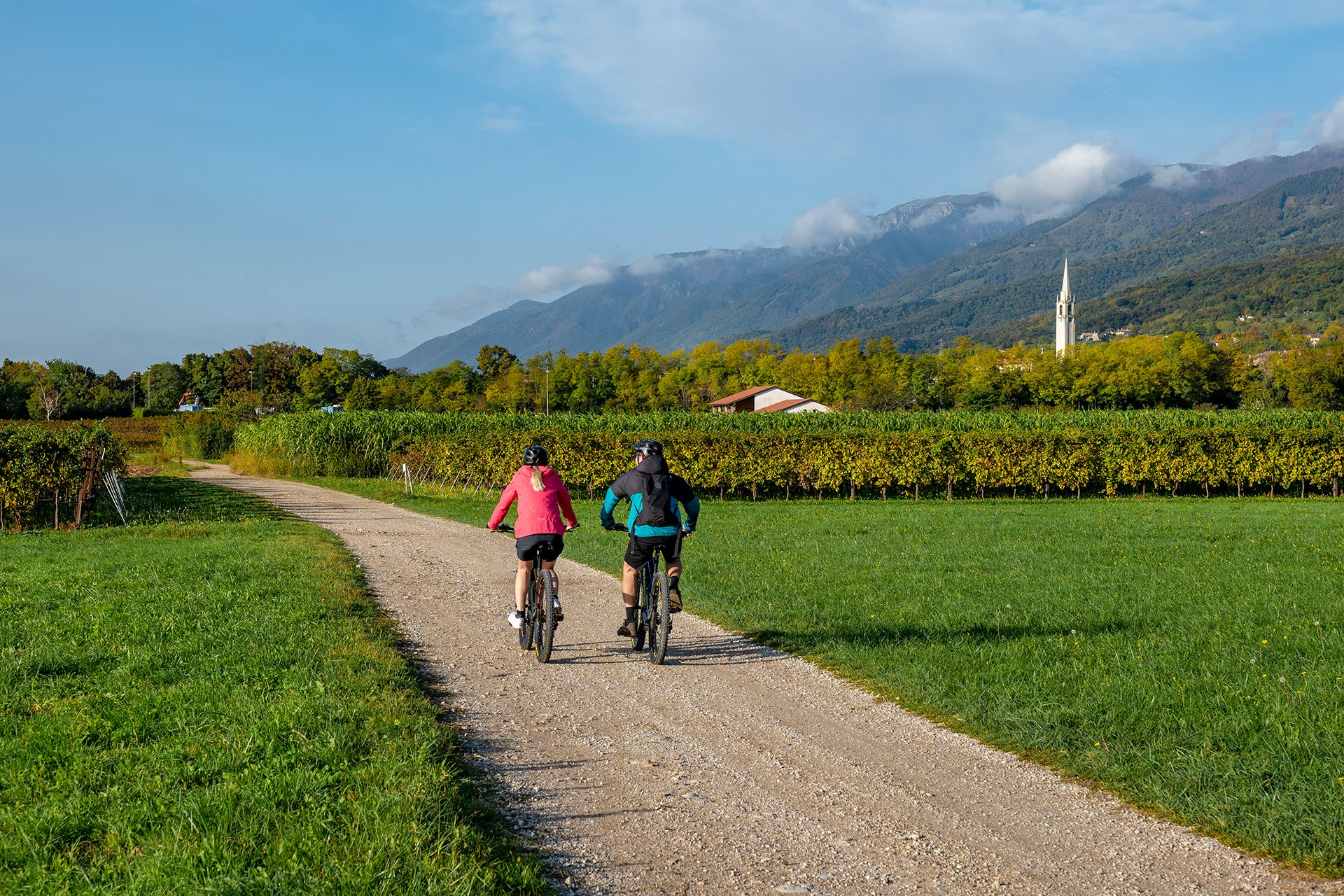
Cycling in the presence of Grappa – where nature and culture meet
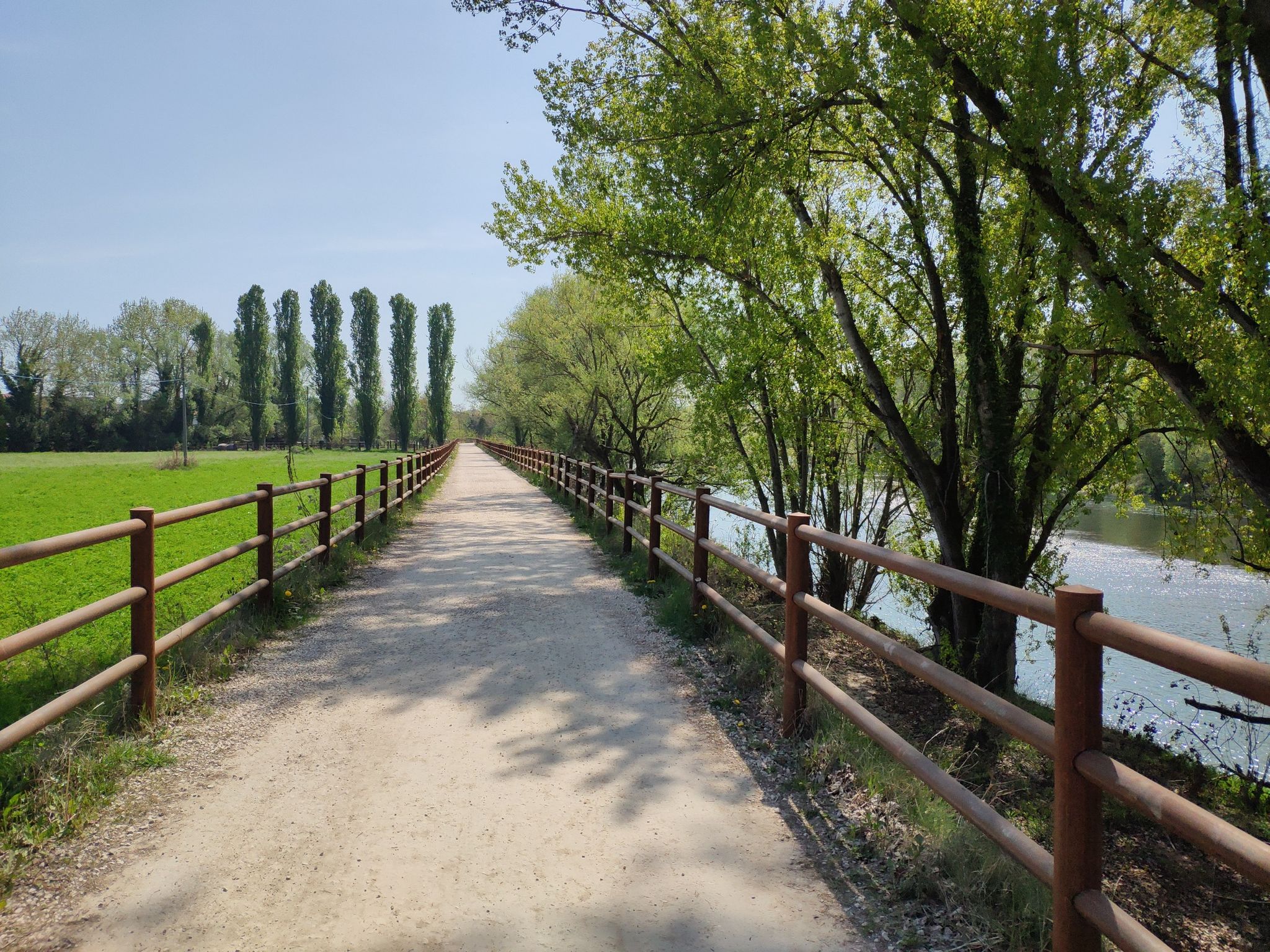
From the sea to the mountains – Veneto Gravel 2023
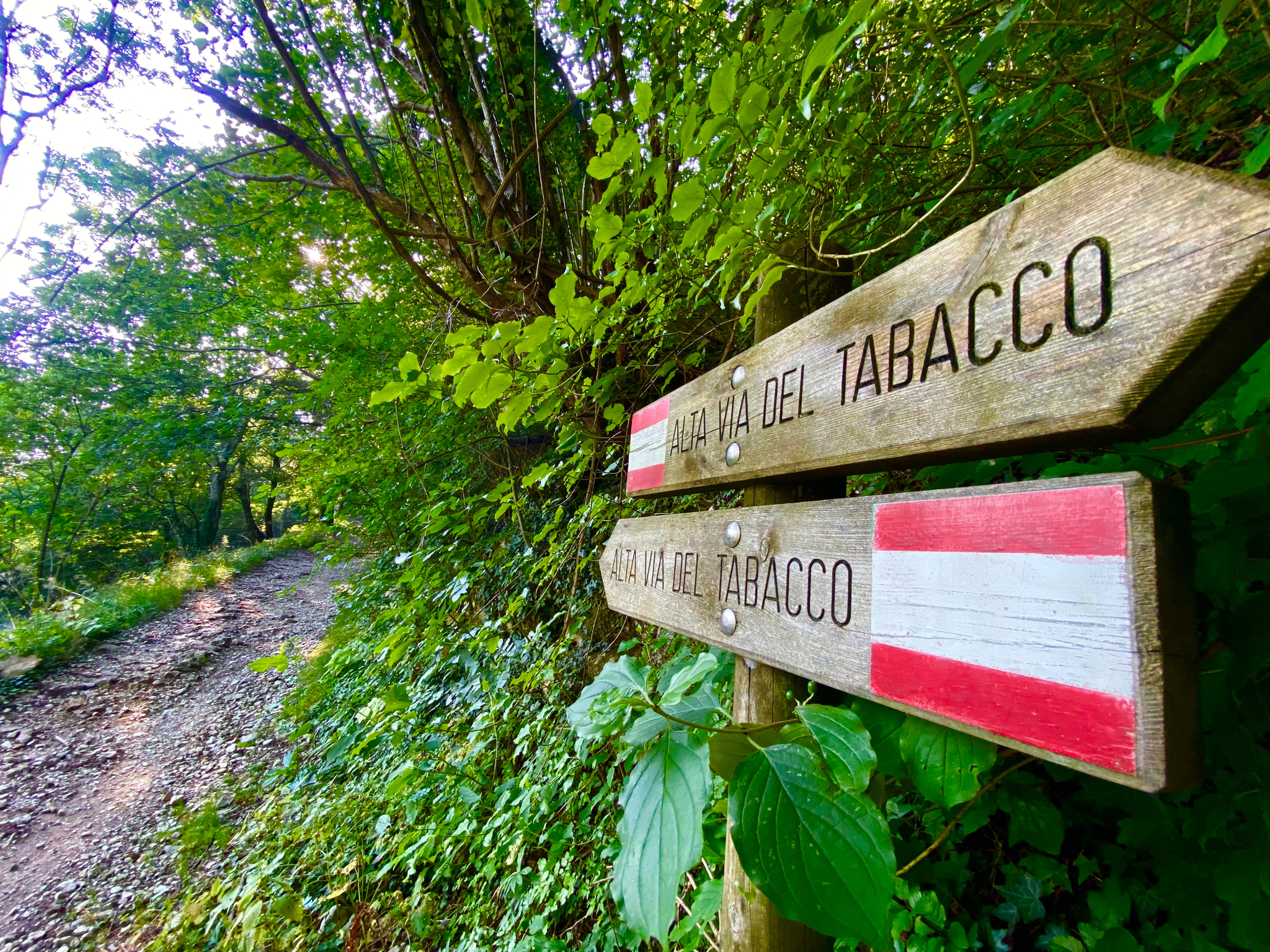
Hike an old smugglers’ road – Alta Via del Tabacco
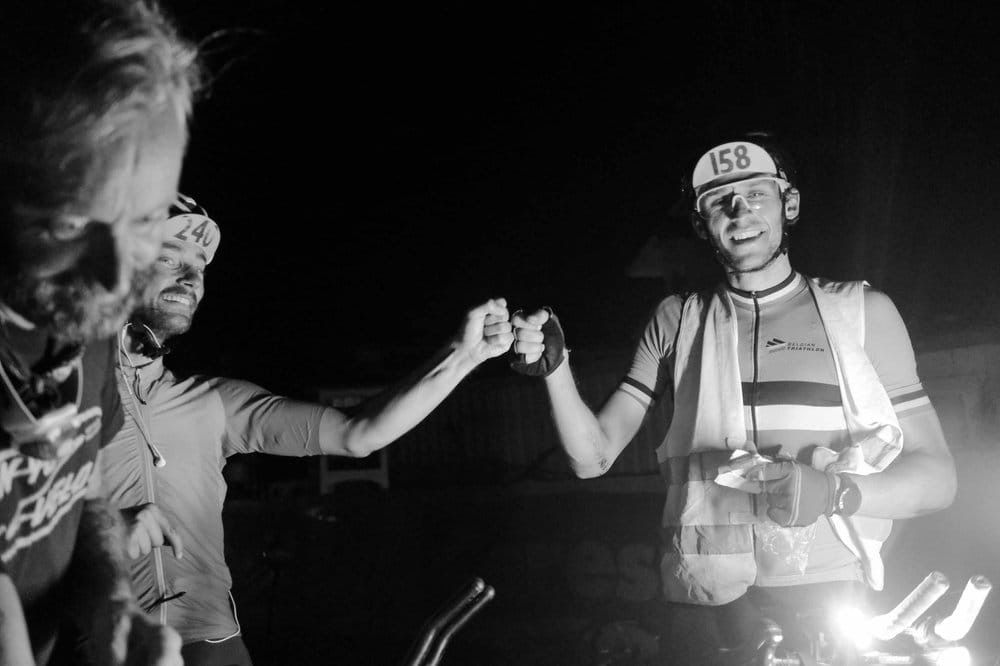
TCR No. 8 — racing across Europe
The water loop — gravel riding between Venice, Treviso and Bassano
rEUnion – a gravel ride without borders with Max Riese & Bruno Ferraro
Hiking around Bassano Del Grappa
Road Cycling Routes around Bassano Del Grappa
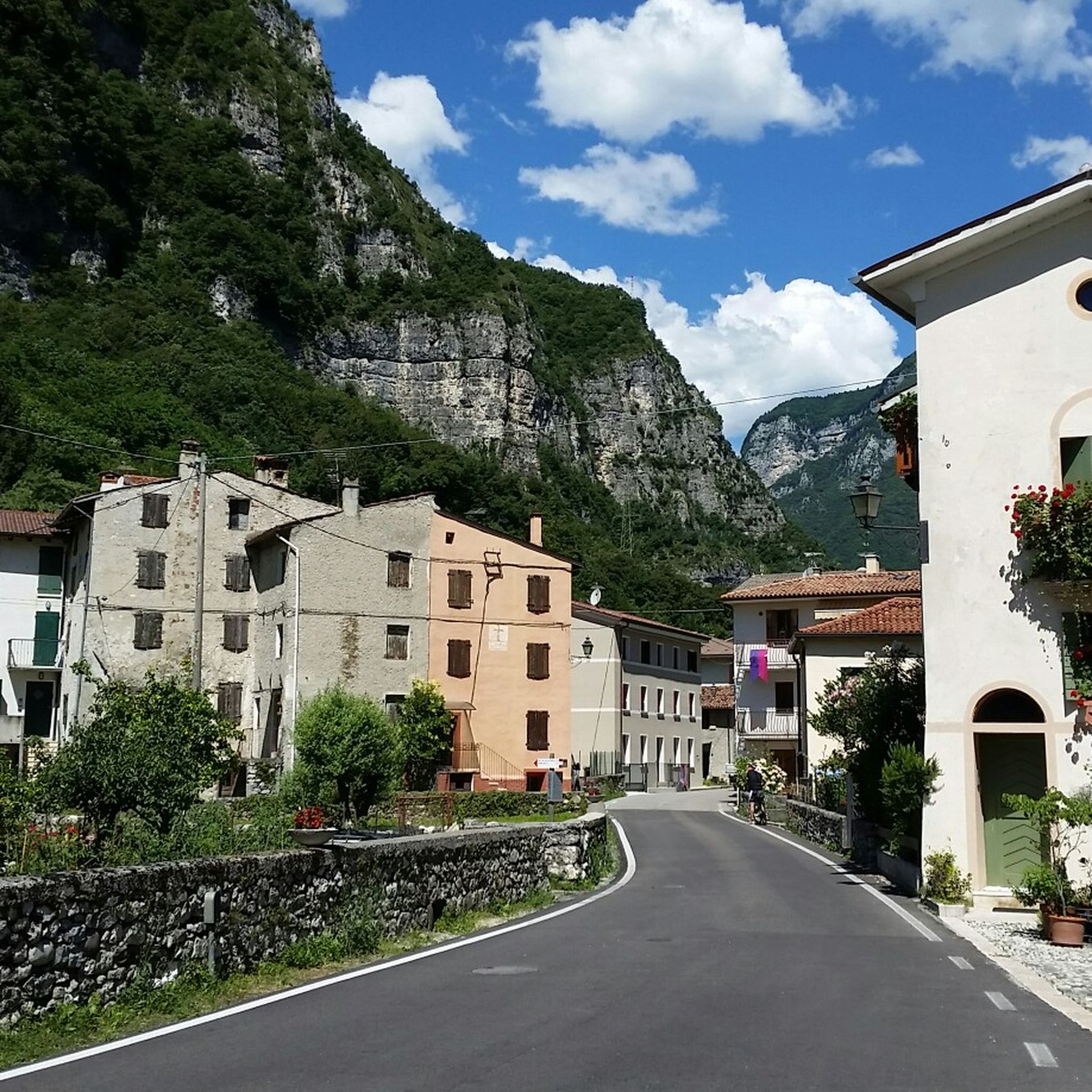
Cycling around Bassano Del Grappa
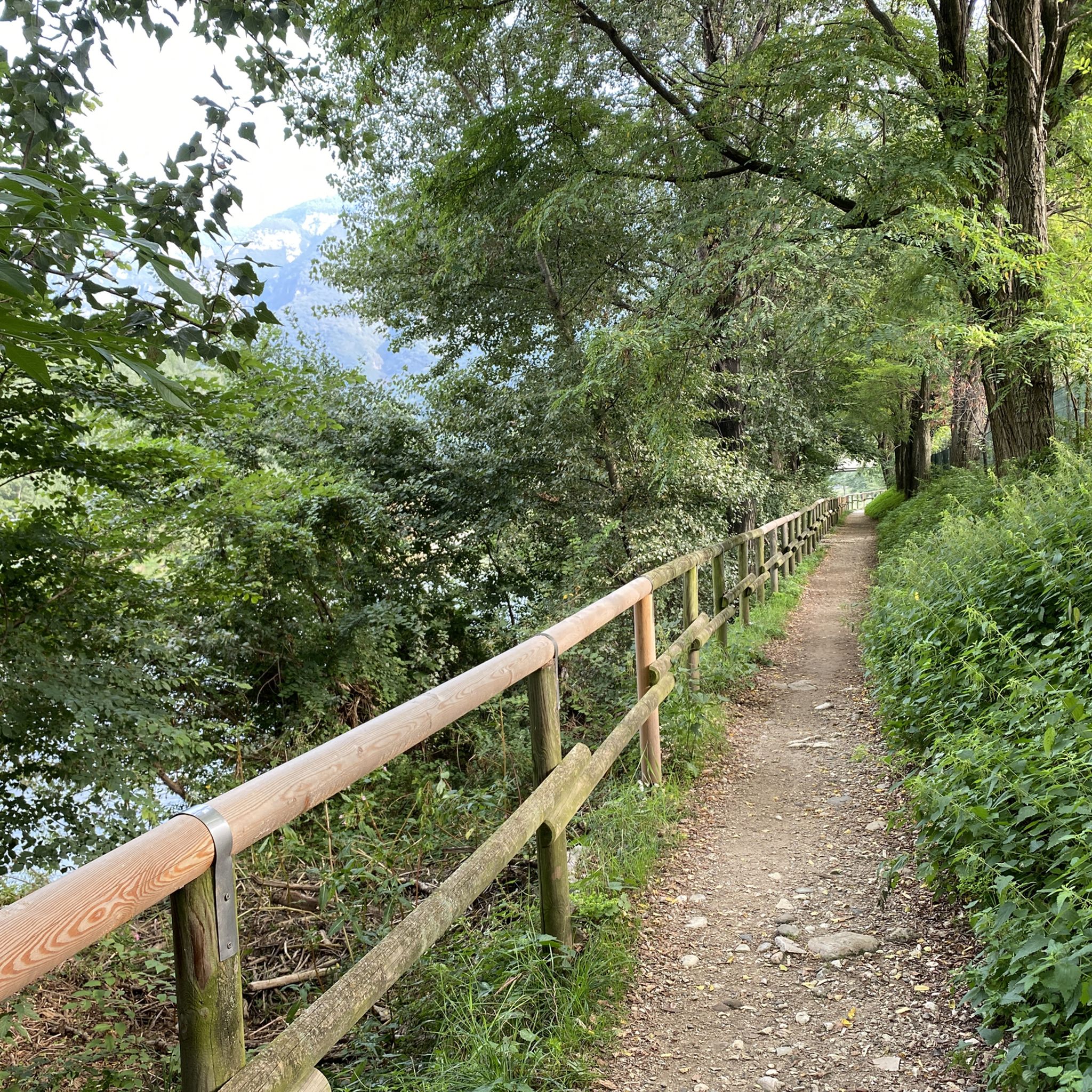
MTB Trails around Bassano Del Grappa
Other adventures around Bassano Del Grappa


Tips from the Community

Col Fenilon is a green, rounded hill rising among the Colli Alti, offering a splendid 360° panorama, even better than the more famous (and lower) Col Moschin: the view extends over the plain, Bassano and the Brenta Valley, the Asiago Plateau, the Lagorai, Mount Grappa, and, on the horizon, the Dolomites. During the First World War, the Colli Alti del Grappa (including Col Fenilon and Col Moschin) were a crucial and extreme point of Italian resistance defending the plain. In June 1918, they were conquered by the Austro-Hungarians, and later retaken by the Italians in a lightning-fast and legendary action. The name derives from "buon fieno" (good hay), due to the excellent mountain pastures it has provided for centuries.
0
0
The Calieroni are a series of natural pools with crystal-clear, exotic-looking water, connected by lively waterfalls: a small and charming hidden treasure nestled among the tightly packed houses of Valstagna overlooking the eponymous stream. The circular potholes have been shaped over millennia by two phenomena: mechanical action, in which rocks and pebbles carried by the swollen river swirl, creating a centrifugal effect that erodes the surrounding rock; and chemical action, in which the carbonic acid in the water dissolves the calcium in the limestone, eroding it. The Calieroni take their name from rural Venetian tradition: the dialect word 'caliera' refers to a large pot (usually made of beaten copper) used to make polenta for the whole family... the shape of the round cavity resembles a cauldron filled with water! When water levels are low, you can reach the Calieroni by abseiling down into the stream bed, either from the mountain or from the small bridge downstream. This route requires caution due to the smooth, wet rock. In the summer, they become a natural swimming pool with icy waters, popular with the young people of Valstagna.
1
0

Crazy view on the Bassano valley
1
1


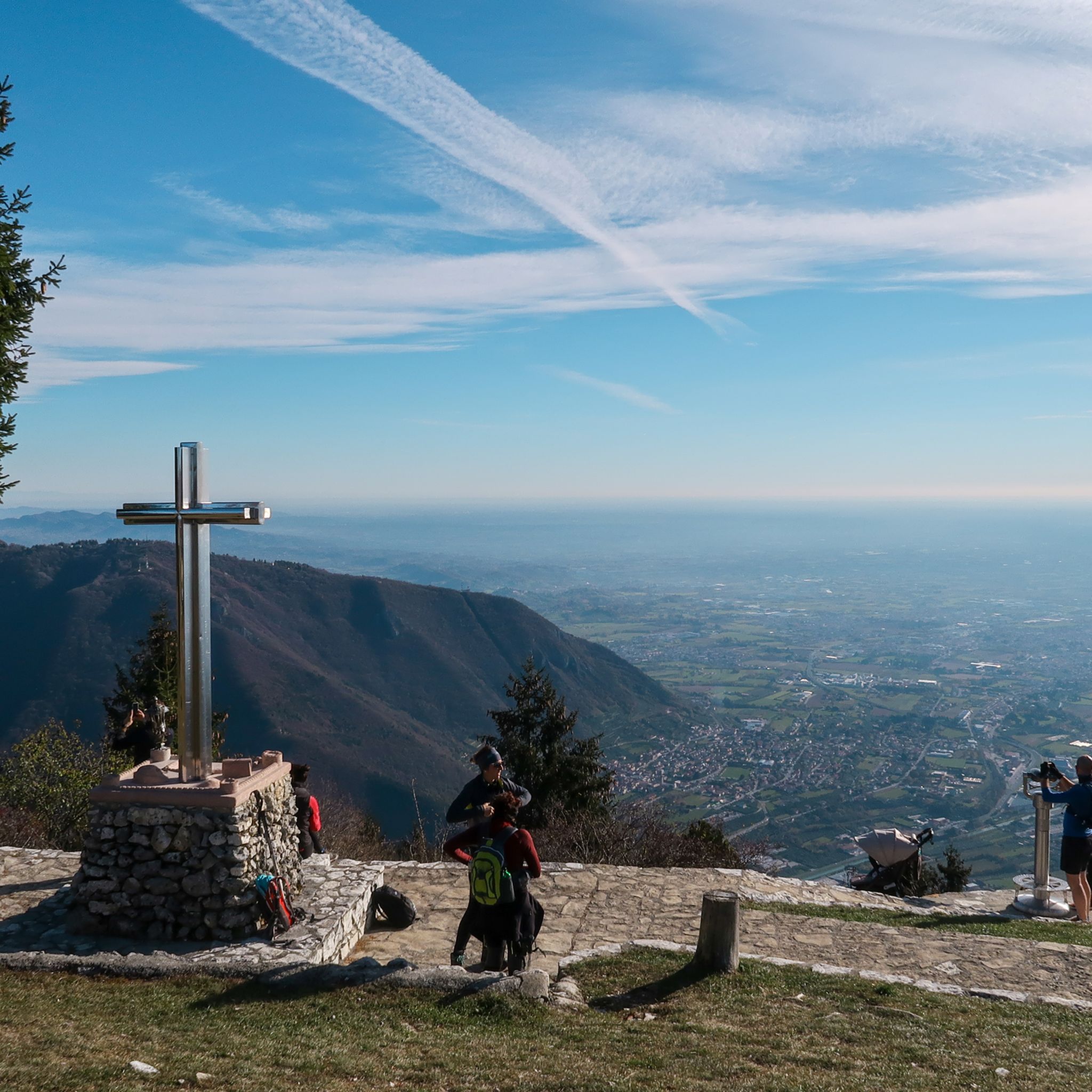
The large cross of Col del Fenilon (1327 m) is in memory of the fallen and heroic deeds that characterized these places during the First World War. From here the view is truly magnificent. You can admire in one fell swoop the plain up to the sea, the Brenta Valley, the Asiago Plateau and the Grappa peak.
0
0

Among the Bassano hills, the Silàn stream rises in the hamlet of Valrovina and descends along the valley of the same name, forming here a spectacular and unexpected waterfall with jutting out and natural pools of crystalline water. The waterfall ends in an enchanting clearing, in the middle of a lush forest with impressive centuries-old chestnut trees, with enormous and twisted trunks. 'Silàn' is a Cimbrian toponym that means 'place where water flows'.
7
0
Mount Caina (1,002 m) is a splendid panoramic balcony, thanks to its privileged and unique location, right on the southeastern corner of the Asiago Plateau. It offers a sweeping view of the entire Po Valley, from the Lessini Mountains to the Upper Adriatic. In the foreground is Bassano and the entrance to the Brenta Valley. To the left, the vertical, rocky western slope of the Grappa massif, with the profile of the Shrine atop it. On clear days, you can clearly see Venice itself, and even the bell tower of St. Mark's Basilica! The site is meticulously maintained: a green lawn, a cross, an Italian flag, a black statue dedicated to Our Lady of Fatima, benches, and—the icing on the cake—a powerful pair of binoculars (free) for hunting for details and places, both well-known and lesser-known!
5
0
Frequently Asked Questions
What are some of the most popular natural monuments around Bassano Del Grappa?
Visitors frequently enjoy the Silan Waterfalls, known for its spectacular cascades and natural pools amidst a lush forest. Another highly-rated spot is the Monte Caina Summit and Madonna di Fatima Statue, which offers expansive panoramic views of the Po Valley and even the Venice Lagoon on clear days. The tranquil Anguane's Cave is also a unique natural experience.
What kind of natural features can I expect to see in the Bassano Del Grappa area?
The region boasts a diverse range of natural features. You can explore majestic limestone massifs like Monte Grappa, which is a UNESCO MAB Biosphere Reserve, and its karst systems. The Brenta River, a vital natural artery, features both calm stretches and exciting rapids. There are also impressive waterfalls, serene caves, and unique geological formations such as the Monte Corno Rock Labyrinth.
Are there any natural monuments with historical significance?
Yes, several natural monuments in the area are intertwined with history. Monte Grappa, for instance, was a key battleground during World War I, with visible trenches and defensive structures. The Col del Fenilon also holds historical importance from WWI, with a cross commemorating fallen soldiers and offering a splendid 360° panorama. The Monte Corno Rock Labyrinth contains Italian artillery emplacements from the same period.
What outdoor activities can I do near these natural monuments?
The area offers a wide array of outdoor activities. The Brenta River is popular for rafting, canoeing, and hydrospeed. Its banks are ideal for walking, cycling, and mountain biking, with trails like the Brenta trail. Monte Grappa is a hotspot for paragliding, cycling, hiking, and trekking. You can find many routes for mountaineering, hiking, and MTB, such as those listed in the Mountain Hikes around Bassano Del Grappa guide or the MTB Trails around Bassano Del Grappa guide.
Are there family-friendly natural monuments around Bassano Del Grappa?
Yes, the Silan Waterfalls are considered family-friendly, offering a beautiful walk immersed in nature. The Giardino Parolini, a botanical garden in Bassano, also provides a peaceful and enriching experience for families, showcasing a rich diversity of plant species.
What kind of wildlife can be observed in the natural monuments area?
Monte Grappa, as a UNESCO MAB Biosphere Reserve, is home to diverse fauna including roe deer, chamois, squirrels, woodpeckers, and various birds of prey like the golden eagle. The Brenta River supports a prosperous aquatic and riverside fauna, including red squirrels and various other small mammals, along with a variety of typical plants along its wooded banks.
Are there hiking trails near these natural monuments?
Absolutely. The region is excellent for hiking. You can explore trails leading to the Monte Caina Summit, or follow the Brenta River Path. The Alta Via del Tabacco is a historical path winding through the Brenta Valley, perfect for hikers. For more options, check out the Hiking around Bassano Del Grappa guide, which includes routes like the Monte Caina Summit Trail and the San Michele to Rubbio via Silan Waterfalls.
What is the best time to visit the natural monuments in Bassano del Grappa?
The natural monuments around Bassano del Grappa can be enjoyed throughout much of the year. Spring and autumn generally offer pleasant temperatures for hiking and outdoor activities, with vibrant flora or beautiful fall colors. Summer is ideal for water activities on the Brenta River, though some trails might be more challenging due to heat. Winter can offer a unique, serene experience, especially in higher elevations like Monte Grappa, but requires appropriate gear and caution due to snow and ice.
What do visitors particularly enjoy about the natural monuments here?
Visitors frequently praise the stunning panoramic views, especially from spots like the Monte Caina Summit and Col del Fenilon. The tranquility and immersion in nature, particularly at places like Anguane's Cave and the Silan Waterfalls, are also highly appreciated. Many enjoy the blend of natural beauty with the rich historical context, particularly on Monte Grappa and along the Alta Via del Tabacco.
Are there any botanical gardens or unique plant-focused natural sites?
Yes, the Giardino Parolini, located in the historic center of Bassano, is a unique botanical garden established in 1805. It was renowned for cultivating over 3,000 different plant species, both native and tropical. You can see notable trees like the famous Cedar of Lebanon, the Pinus Parolinii, and a 30-meter-tall Platanus Orientalis, offering a peaceful green island for botanical appreciation.
What should I wear when visiting the natural monuments?
Given the diverse terrain and activities, it's recommended to wear comfortable clothing suitable for outdoor exploration. Sturdy trekking shoes are advisable, especially for trails that can be slippery or uneven, such as those near the Silan Waterfalls or within the Monte Corno Rock Labyrinth. Layers are always a good idea, as weather conditions can change, especially at higher altitudes like Monte Grappa.
Can I find cafes or local products near the natural monuments?
Yes, particularly around Monte Grappa, you can explore traditional 'malghe' (mountain inns) that offer local products like 'Morlacco' cheese. In the valleys and towns surrounding the natural areas, you'll find various cafes and eateries. For instance, near the Silan Waterfalls, visitors have recommended stopping at local bakeries in Valrovina.
Most popular routes around Bassano Del Grappa
Most popular attractions around Bassano Del Grappa

Get inspired with the komoot mobile app


Explore more
Extend your search for the best caves by checking out these guides of the top ones around Bassano Del Grappa:
