Top 20 Natural Monuments around Capriana
Best natural monuments around Capriana offer diverse natural landscapes for exploration. The region features geological formations and protected areas. These sites provide opportunities to experience natural beauty and ecological value. Visitors can find a variety of natural features to discover.
Best natural monuments around Capriana
- The most popular natural monuments is Bletterbach Gorge, a gorge known for its geological history. This approximately 8 km long and 400 m deep gorge was formed about 15,000 years ago and is notable…
Last updated: June 26, 2026
Bletterbach Gorge
Highlight (Segment) • Gorge
Showing Translation
Tip by

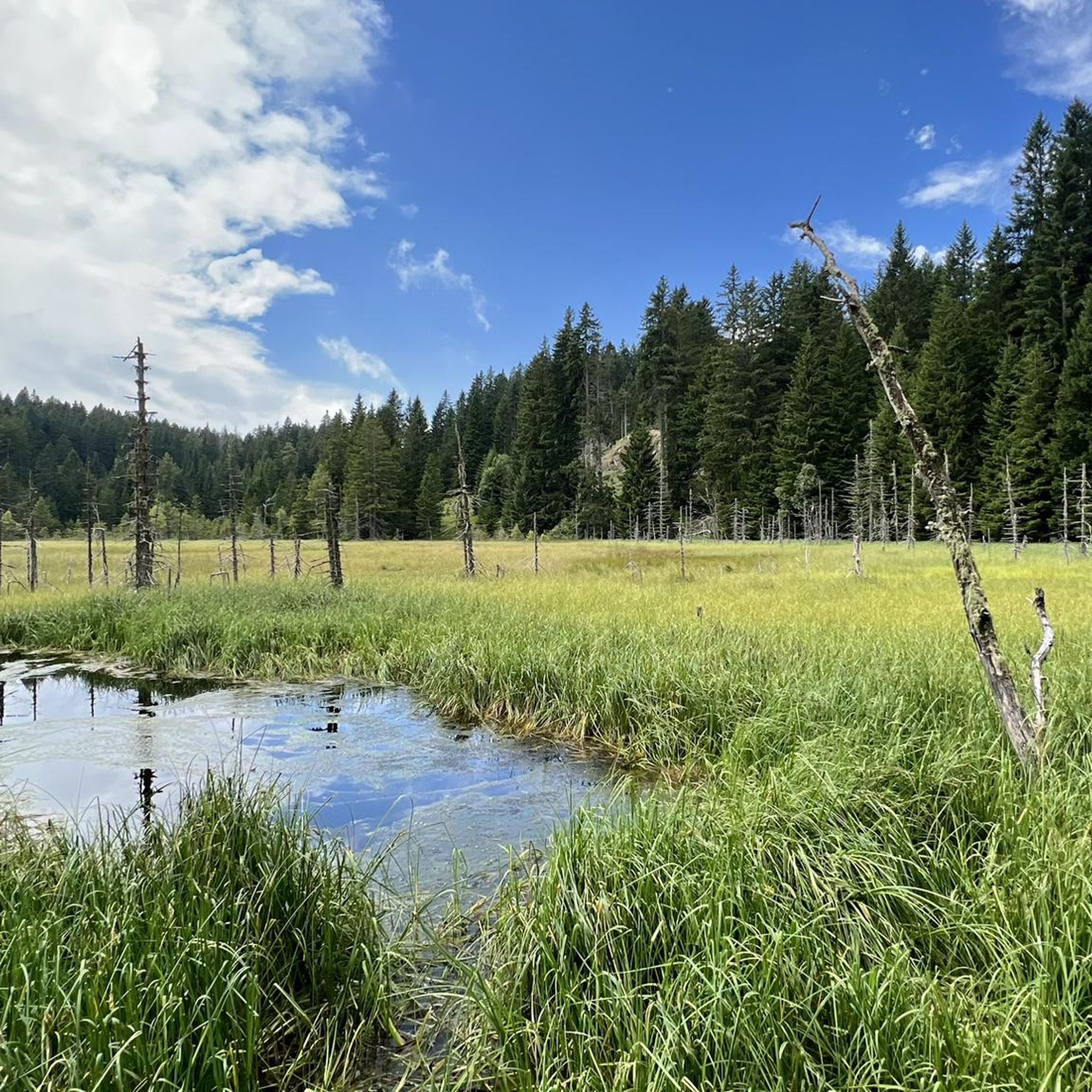
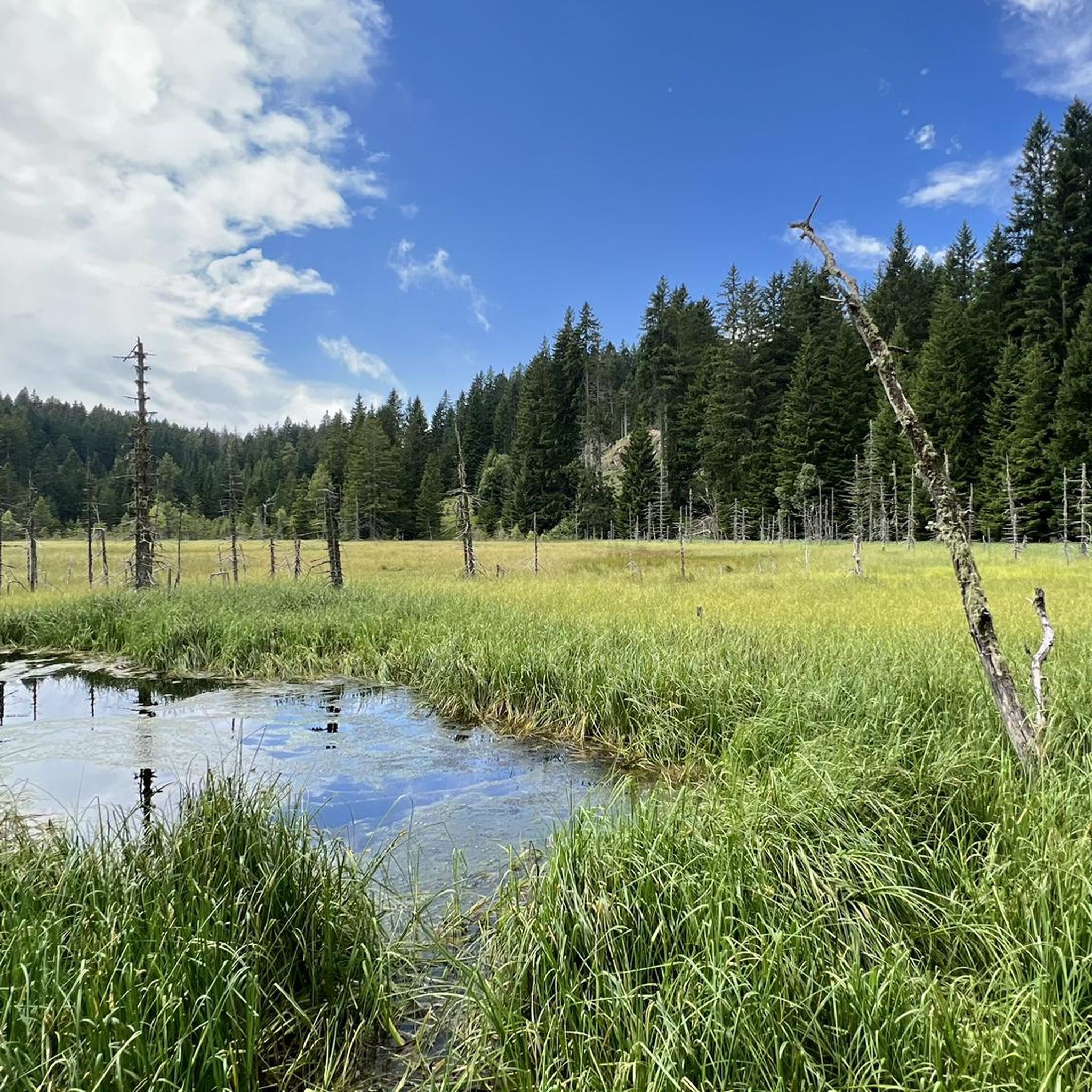
Frog pond, water turtle footbridge - Kaltern biotope
Highlight • Trail
Translated by Google •
Tip by

Sign up now to discover places like this
Get recommendations on the best single tracks, peaks, & plenty of other exciting outdoor places.
Sign up for free
Bletterbach Geopark Visitor Center
Highlight • Rest Area
Translated by Google •
Tip by

Descent into the Bletterbach Gorge
Highlight • Gorge
Translated by Google •
Tip by

Butterloch Waterfall (Bletterbach Gorge)
Highlight • Waterfall
Translated by Google •
Tip by

Sign up for free to discover even more natural monuments around Capriana.
Sign up for free
Already have an account?
Start today with a free account
Your next adventure awaits.
Login or Signup

Other adventures around Capriana

Tips from the Community

In 9/2023 there was nothing to eat here, contrary to what Meike says.
1
0
Interesting information boards that very few people read.
0
0

2 beautiful jetties at the back of the lake🤗
8
0

Two beautiful long wooden walkways lead through the moor of the lake 👍
10
0

At the end of the circular route towards the info point you can see different types of rock with relevant information about them. Very interesting. Also for children.
0
0

The Bletterbach is a watercourse located in the area of the municipality of Aldine and forms the Bletterbach gorge at the foot of the 2,316 m high Corno Biano, also known as the "Grand Canyon of South Tyrol". The gorge, which was formed about 15,000 years ago in the ice age, is about eight kilometers long and 400 meters deep. It has been slowly sculpted by water erosion, making different sedimentary layers visible. In addition to the geological interest, the Bletterbach Gorge offers a unique landscape. It is impressive to walk between the steep walls of the gorge. Access is allowed only with a protective helmet and the entrance to the park is paid but it's worth it.
2
0

The chunks of stone have been ground to a small extent. The difference is nice to look at.
0
0

The dinosaur trail at the beginning of the trail has lots of information and is especially nice for children!
0
0
Frequently Asked Questions
What are the most popular natural monuments around Capriana?
The most popular natural monument is the Bletterbach Gorge, often called the “Grand Canyon of South Tyrol.” Visitors also highly appreciate the Descent into the Bletterbach Gorge, which allows for an immersive experience of its geological features, and the Bletterbach Geopark Visitor Center for its educational exhibits.
Are there family-friendly natural monuments to visit near Capriana?
Yes, the Frog pond, water turtle footbridge - Kaltern biotope is particularly suitable for families. It features a nature adventure trail where you can observe frogs, amphibians, and over 100 species of birds from a lookout tower. The Bletterbach Geopark Visitor Center also offers educational insights into geological history, making it an engaging stop for all ages before exploring the gorge.
What kind of natural features can I expect to see in the natural monuments around Capriana?
You can expect to see dramatic geological formations like the deep Bletterbach Gorge with its distinct rock layers and fossil finds, as well as impressive waterfalls such as the Butterloch Waterfall. The region also features protected wetlands and lakes, exemplified by the Kaltern biotope, which is rich in biodiversity.
What outdoor activities can I do near these natural monuments?
The area around Capriana offers various outdoor activities. For hiking, you can explore mountain trails, including routes like the 'View of the Bletterbach Gorge – Weißhorn Summit loop' or 'Zissweg-Trail – Monte Corno Summit Cross loop'. Find more details on these and other routes in the Mountain Hikes around Capriana guide. Road cycling and running trails are also available, with guides like Road Cycling Routes around Capriana and Running Trails around Capriana.
Are there any viewpoints to enjoy scenic vistas of the natural monuments?
Yes, the Bletterbach Gorge itself offers magnificent views into its depths. The trail for the Descent into the Bletterbach Gorge provides initial glimpses into the vast canyon. Additionally, the Kaltern biotope has a lookout tower for observing birds and the surrounding wetland landscape.
What makes the Bletterbach Gorge geologically significant?
The Bletterbach Gorge is geologically significant because it was formed about 15,000 years ago during the Ice Age, revealing distinct rock layers that tell a story of 40 million years of geological history. It is renowned for numerous fossil finds, making it a key site for understanding the Dolomites' formation. The Bletterbach Geopark Visitor Center provides in-depth information on this.
What do visitors enjoy most about the natural monuments around Capriana?
Visitors frequently praise the sheer magnificence and wild nature of the Bletterbach Gorge, especially the beautiful waterfalls after rainfall. The geological interest and the opportunity to step back millions of years in time are also highly valued. For the Kaltern biotope, the peaceful atmosphere and the chance to observe diverse bird and marsh animal life are highlights.
How long does it take to visit the Bletterbach Gorge?
A visit to the Bletterbach Gorge can vary. The gorge itself is about 8 km long and 400 m deep. Exploring the main trails, including the Descent into the Bletterbach Gorge and reaching the Butterloch Waterfall, can take several hours, especially if you take your time to appreciate the geological features. It's recommended to allocate at least half a day for a thorough experience, including a stop at the Bletterbach Geopark Visitor Center.
Are there any specific considerations for hiking in the Bletterbach Gorge?
When hiking in the Bletterbach Gorge, sure-footedness is an advantage, especially if you plan to go to the end where the waterfalls are. Some levels can be steep, as noted for the Descent into the Bletterbach Gorge. It's also mandatory to wear a protective helmet, which can be rented at the Bletterbach Geopark Visitor Center, due to the risk of falling rocks.
Can I find parking and facilities near the natural monuments?
Yes, the Bletterbach Geopark Visitor Center serves as an entry point for the gorge and offers parking and toilets. There is an entry fee for the Geopark, which includes access to the gorge and the visitor center exhibition. For the Kaltern biotope, there are also facilities and parking available near Lake Kaltern.
What is the best time to visit the natural monuments around Capriana?
The best time to visit depends on your interests. For the Bletterbach Gorge, visiting after sufficient rainfall can enhance the experience of the waterfalls. The Kaltern biotope is particularly vibrant during bird migration seasons or in warmer months when marsh animals are more active. Generally, spring to autumn offers pleasant weather for exploring the outdoor sites.
Most popular routes around Capriana
Most popular attractions around Capriana

Get inspired with the komoot mobile app


Explore more
Extend your search for the best caves by checking out these guides of the top ones around Capriana:
