The best running trails in Rawah Wilderness
17
runners
2
runs
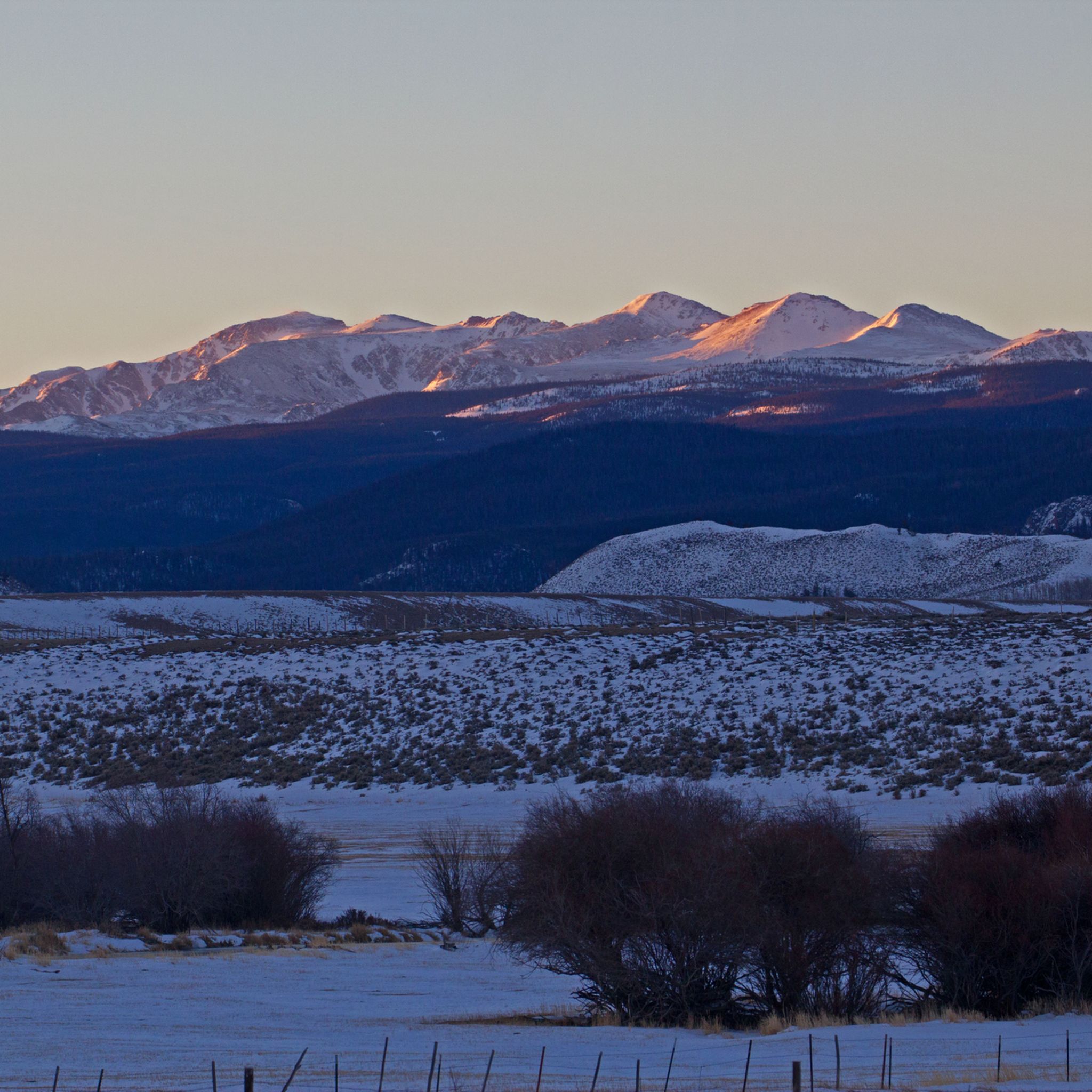
Jogging in Rawah Wilderness offers access to a remote and rugged environment within the Medicine Bow Range of the Rocky Mountains. The region is characterized by dense pine and spruce forests, alpine meadows, and mountain peaks reaching up to 13,000 feet. Glacial activity has shaped dramatic U-shaped valleys and moraines, while 26 alpine and subalpine lakes, including the Rawah Lakes chain, are fed by melting snow. Elevations range from 8,400 to 13,000 feet, providing varied terrain for running.
Best jogging…
Last updated: April 30, 2026
6
runners
12.8km
01:49
500m
500m
Hard run. Very good fitness required. Mostly paved surfaces. Suitable for all skill levels.
11
runners
31.1km
04:19
1,110m
1,110m
Hard run. Very good fitness required. Mostly paved surfaces. Suitable for all skill levels.

Sign up for free
12.8km
01:49
290m
290m
Hard run. Good fitness required. Sure-footedness, sturdy shoes and alpine experience required.
Our route recommendations are based on thousands of hikes, rides, and runs completed by other people on komoot.
Start today with a free account
Your next adventure awaits.
Login or Signup
Popular around Rawah Wilderness
Tips from the Community

Between 1879 and 1884 Lulu City was built solely for the search for precious minerals, in this case silver. It appeared very quickly like a mushroom and disappeared as soon as the silver rush ended. The trail takes you to the few remains of this ghost village. The place itself is pleasant and you understand why the site has been chosen in the middle of nowhere.
0
0
Between 1879 and 1884 Lulu City was built solely for the search for precious minerals, in this case silver. The town was built very quickly and disappeared as soon as the silver rush ended. The trail takes you to the few remains of this ghost village. The place itself is pleasant and you understand why the site has been chosen in the middle of nowhere.
2
0
Frequently Asked Questions
How many running routes are available in Rawah Wilderness?
Komoot features several curated running routes in Rawah Wilderness, with options ranging from moderate to difficult. The region itself boasts an extensive network of over 75 miles of trails, offering diverse terrain for trail running enthusiasts.
What kind of terrain can I expect on jogging trails in Rawah Wilderness?
Jogging in Rawah Wilderness means encountering a variety of landscapes. You'll find dense pine and spruce forests, beautiful alpine meadows, and rugged mountain peaks. Trails can range from mostly flat paths to challenging ascents with significant elevation changes, rocks, and roots, reflecting the region's glacial history with U-shaped valleys and moraines.
Are there any easy or beginner-friendly running routes in Rawah Wilderness?
While many routes in Rawah Wilderness are challenging, there are options suitable for different skill levels. For a moderate experience, consider the Running loop from Masonville, which is 4.3 miles (6.9 km) and leads through forested areas. The wider trail network also includes some easier paths, though many are intermediate to difficult.
What are some of the longer, more challenging running routes in the area?
For experienced trail runners seeking a challenge, Rawah Wilderness offers demanding routes. The Seven Utes Mountain – Willey Lumber Camp loop from CMS Seven Utes Basecamp Yurt is a difficult 19.3-mile (31.1 km) path winding through varied mountain landscapes with significant elevation changes. Another difficult option is the Snow Lake – American Lakes loop from Cameron Pass, a 7.9-mile (12.8 km) trail exploring high alpine terrain.
Are there any loop trails for running in Rawah Wilderness?
Yes, Rawah Wilderness features several loop trails perfect for running. Examples include the Snow Lake – American Lakes loop from Cameron Pass and the Seven Utes Mountain – Willey Lumber Camp loop from CMS Seven Utes Basecamp Yurt. These loops allow you to experience diverse scenery without retracing your steps.
What natural features can I expect to see while running in Rawah Wilderness?
Rawah Wilderness is known for its stunning natural beauty. Runners can expect to see dense pine and spruce forests, expansive alpine meadows, and dramatic mountain peaks. The region is also home to 26 alpine and subalpine lakes, including the picturesque Rawah Lakes chain, Lost Lake, and Twin Crater Lakes, fed by melting snow. Wildflower-studded tundra and breathtaking vistas are also common sights.
What is the best time of year for trail running in Rawah Wilderness?
The best time for trail running in Rawah Wilderness is typically during the warmer months, from late spring through early fall, when trails are clear of snow and accessible. During this period, you can enjoy the alpine meadows and lakes. Winter running conditions can be challenging due to snow and ice, requiring specialized gear and experience.
Can I spot wildlife while jogging in Rawah Wilderness?
Yes, Rawah Wilderness is a haven for wildlife. While running, you might encounter a diverse array of animals, including moose, elk, mule deer, black bears, bighorn sheep, beavers, golden eagles, red-tailed hawks, and ravens. Maintaining a respectful distance and being aware of your surroundings is always recommended.
What elevations do the running routes in Rawah Wilderness reach?
The elevations within the Rawah Wilderness range significantly, from 8,400 feet to 13,000 feet. This means many running routes will involve substantial elevation changes, offering challenging ascents and descents, and providing runners with high-altitude training opportunities and expansive views.
What do other runners say about the trails in Rawah Wilderness?
Runners who have explored Rawah Wilderness often praise the remote and rugged environment, the pristine nature of the trails, and the stunning mountain scenery. Many appreciate the variety of terrain, from dense forests to alpine lakes, and the opportunity to experience true wilderness.
Are there any running routes that pass by notable lakes?
Yes, the Rawah Wilderness is characterized by its abundance of water, with 26 alpine and subalpine lakes. The Snow Lake – American Lakes loop from Cameron Pass, for instance, explores high alpine terrain that includes beautiful lake views. The Rawah Lakes chain, Lost Lake, and Twin Crater Lakes are prominent features in the region, offering scenic backdrops for your run.
Most popular routes in Rawah Wilderness

Get inspired with the komoot mobile app


Explore more
Browse the best Running Trails & Routes in other regions.
