Top 6 Castles around Röbel/Müritz
Castles around Röbel/Müritz are found in Mecklenburg-Vorpommern, Germany, offering glimpses into the region's rich history. Many of these structures, including castles and manor houses, are set amidst picturesque landscapes. The area provides a diverse range of historical sites, from well-preserved buildings to ancient ruins. These locations often reflect various architectural styles and have been repurposed over time.
Best castles around Röbel/Müritz
- The most popular castles is Klink Castle, a castle built in 1898 in the style of French chateaux. It now operates as a hotel and features a restaurant with views of Lake Müritz.
- Another must-see spot is Fleesensee Castle, a castle constructed in the Neo-Baroque style. This manor house, originally built in 1842, now functions as a hotel with conference facilities and golf amenities.
- Visitors also love Wredenhagen Castle, a historical site with origins dating back to 1284. Largely consisting of ruins, the renovated castle gate is accessible, and exhibitions on its history are open seasonally.
- Röbel/Müritz is known for medieval ruins, Neo-Baroque manor houses, and Renaissance Revival castles. The region offers a variety of historical architecture to explore.
- The castles around Röbel/Müritz are appreciated by the komoot community, with more than 3600 upvotes and over 1400 photos shared.
Last updated: July 8, 2026
Klink Castle
Highlight • Castle
Translated by Google •
Tip by

Fleesensee Castle
Highlight • Castle
Translated by Google •
Tip by

Sign up now to discover places like this
Get recommendations on the best single tracks, peaks, & plenty of other exciting outdoor places.
Sign up for free
Wredenhagen Castle
Highlight • Castle
Translated by Google •
Tip by

Motte-and-bailey castle Leizen
Highlight • Historical Site
Translated by Google •
Tip by
Gutshaus Retzow
Highlight • Castle
Translated by Google •
Tip by

Sign up for free to discover even more castles around Röbel/Müritz.
Sign up for free
Already have an account?
Start today with a free account
Your next adventure awaits.
Login or Signup
Popular around Röbel/Müritz
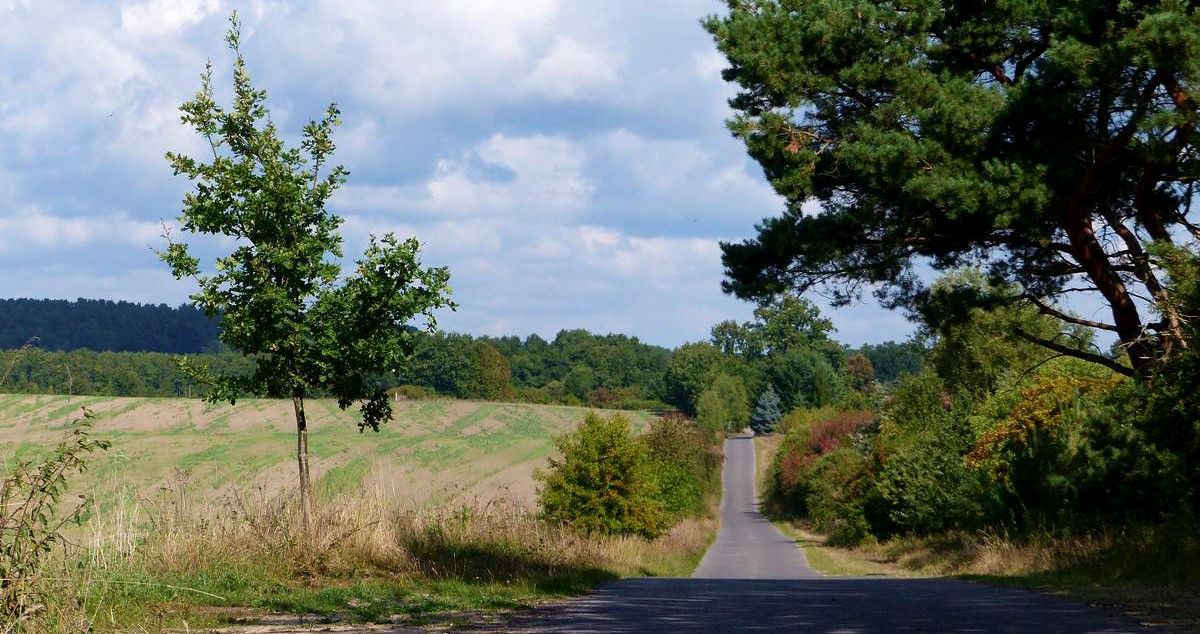
Cycling the Ice Age Route in the Mecklenburg Lake District
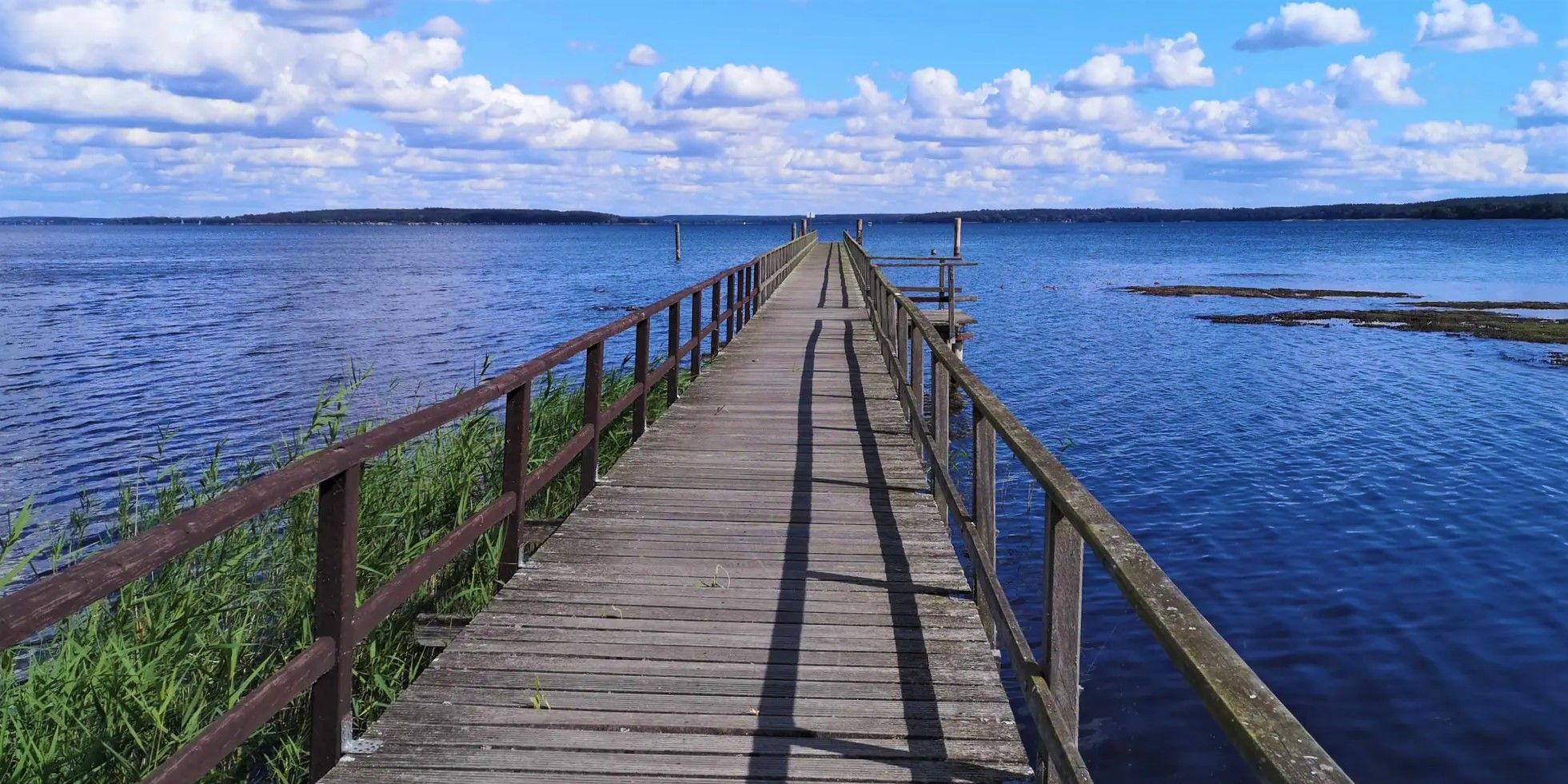
Cycling and swimming fun – Mecklenburg Lakes Cycle Route
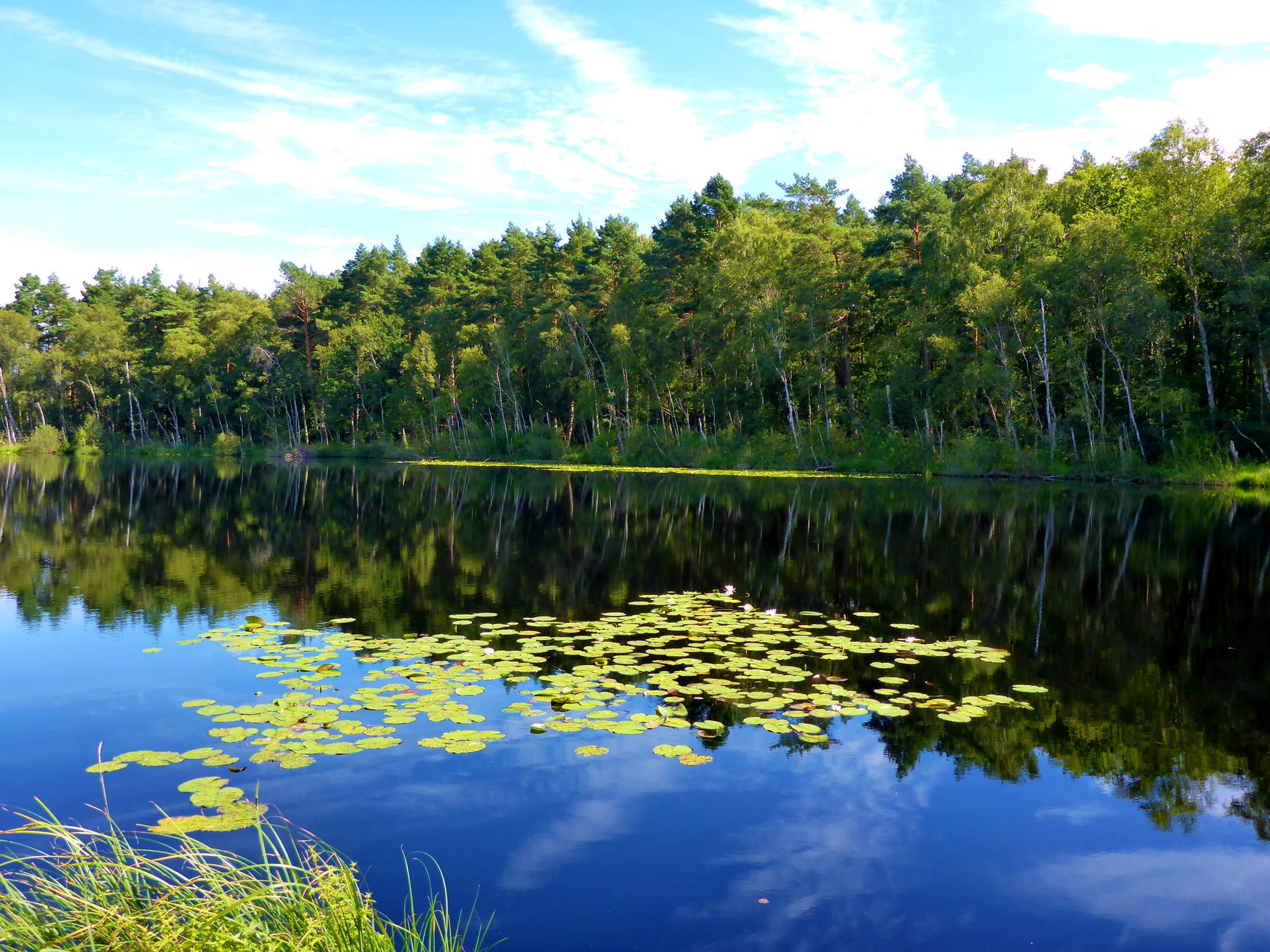
Mecklenburg Lake District – hiking in the Land of a Thousand Lakes
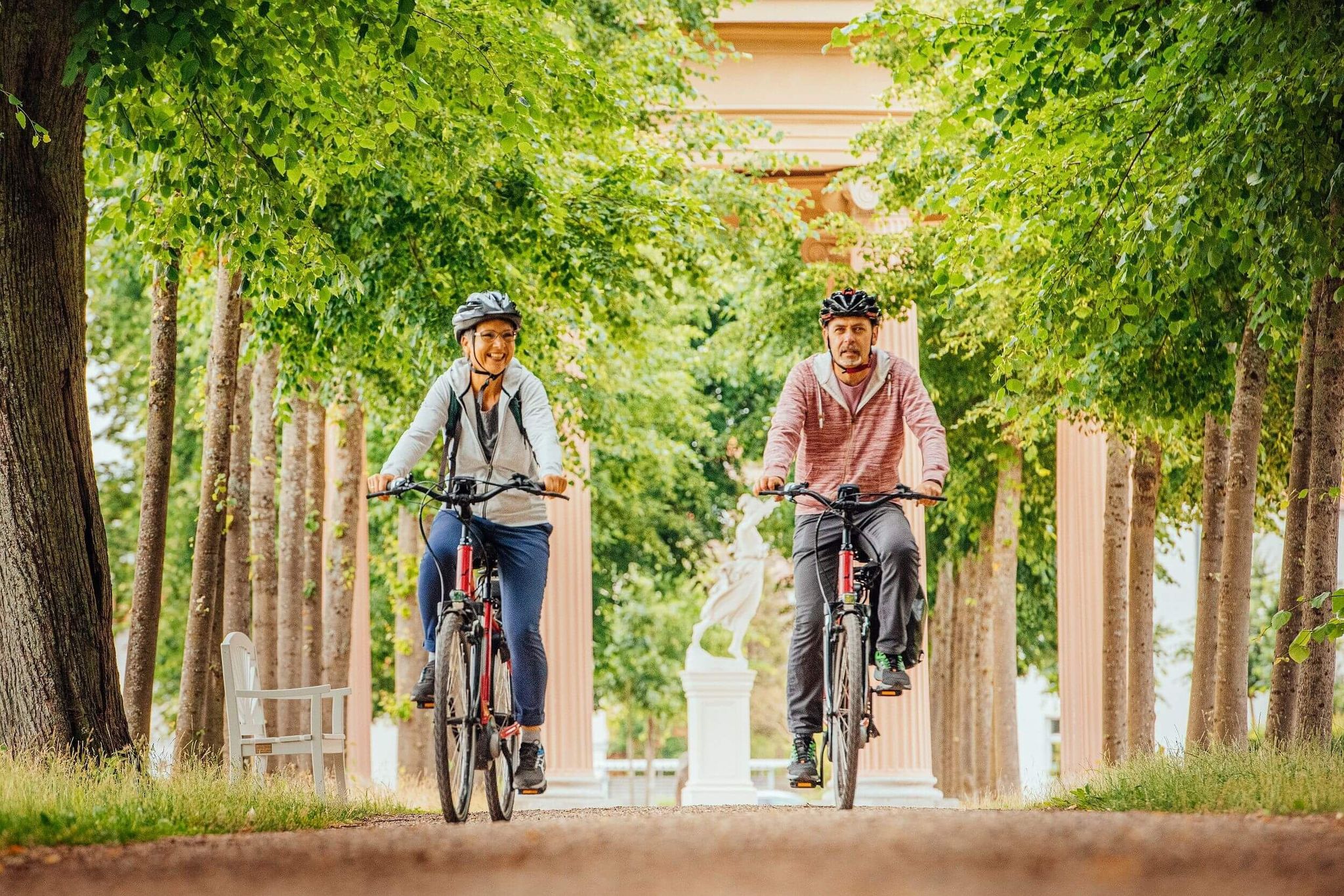
Unterwegs auf der Eiszeitroute
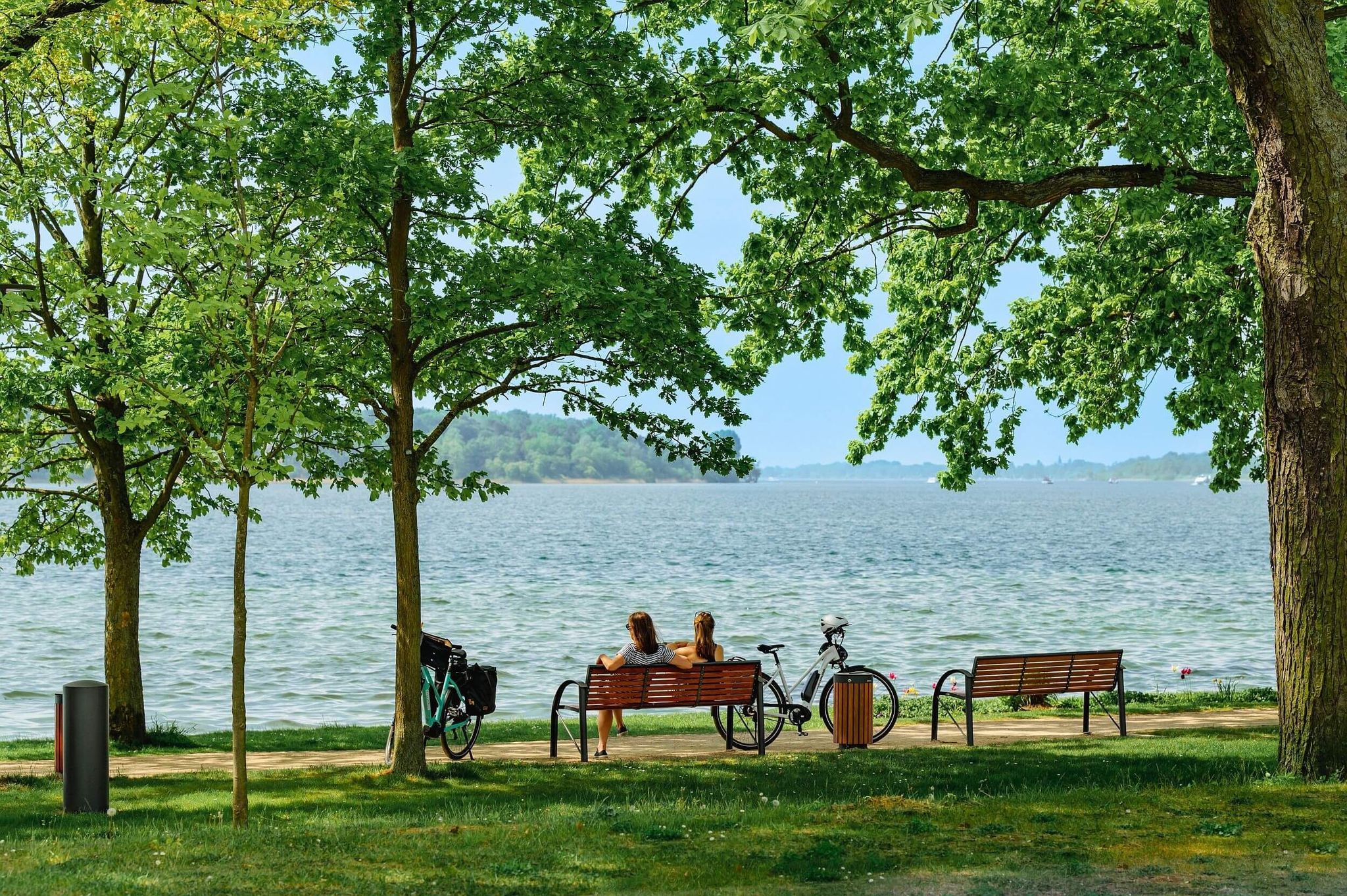
Elbe-Oderhaff Radweg
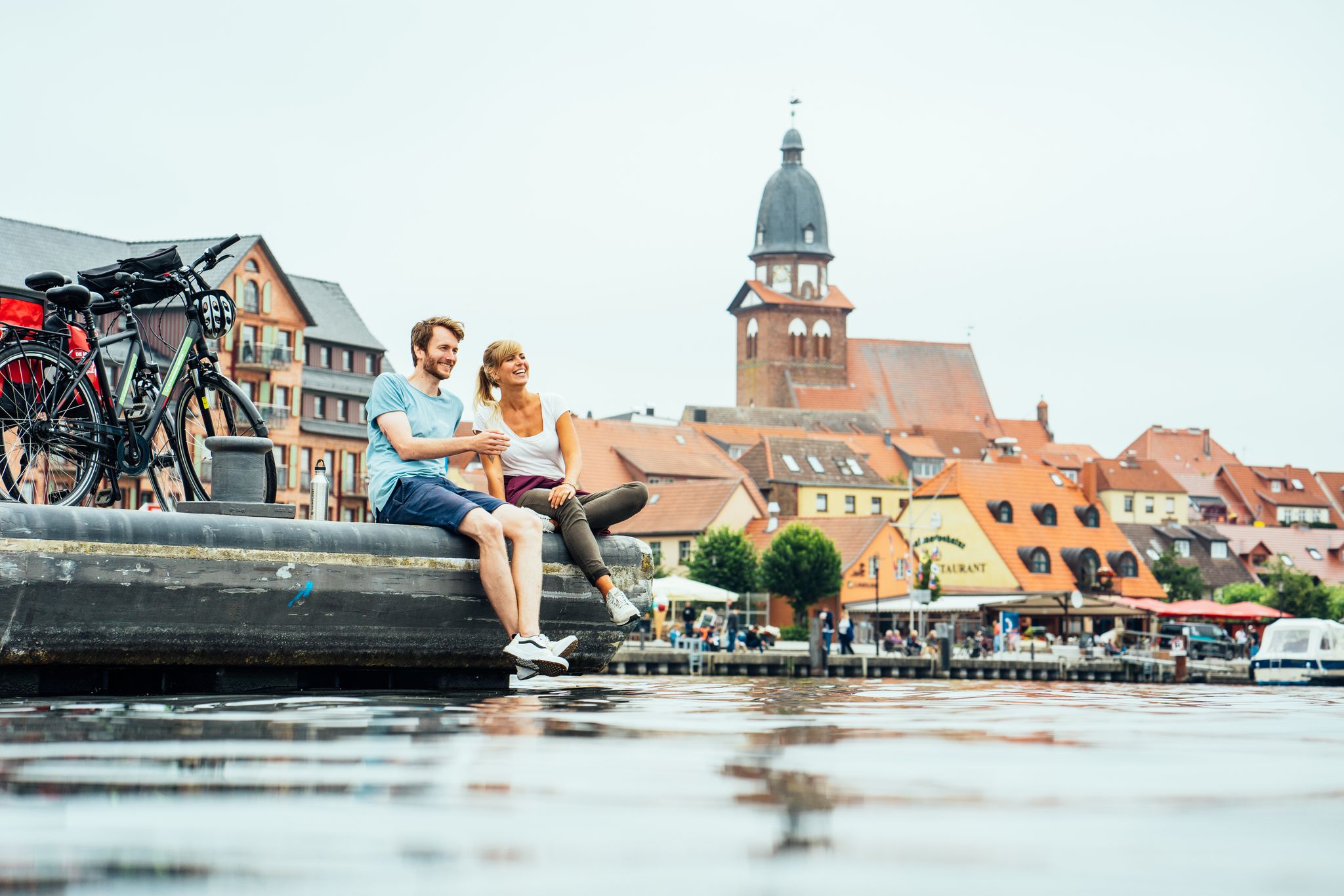
Müritz-Rundweg: Entdecke die Weite der Natur!
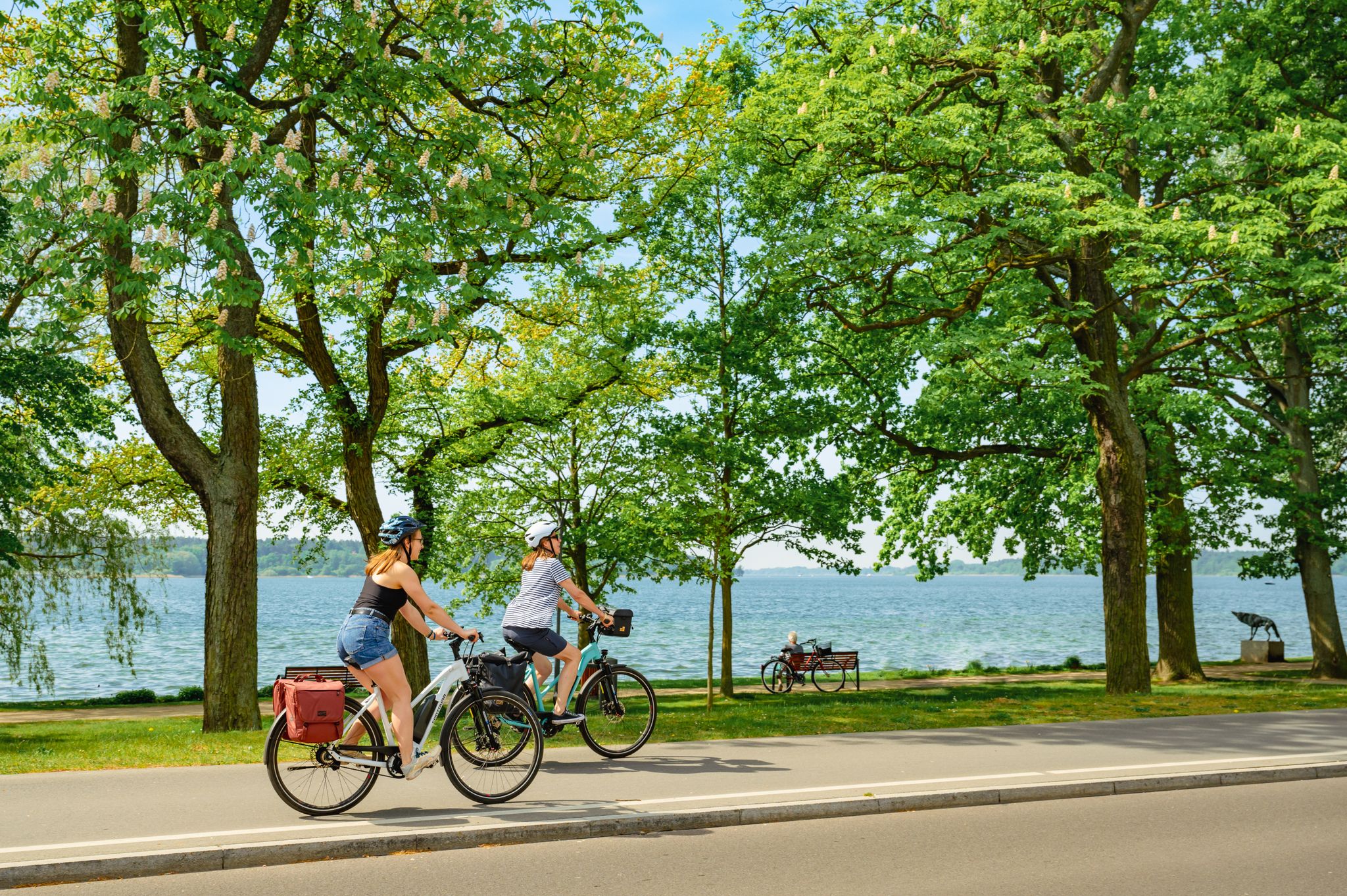
Elbe-Müritz Rundweg: Radeln zwischen Fluss und Seenparadies
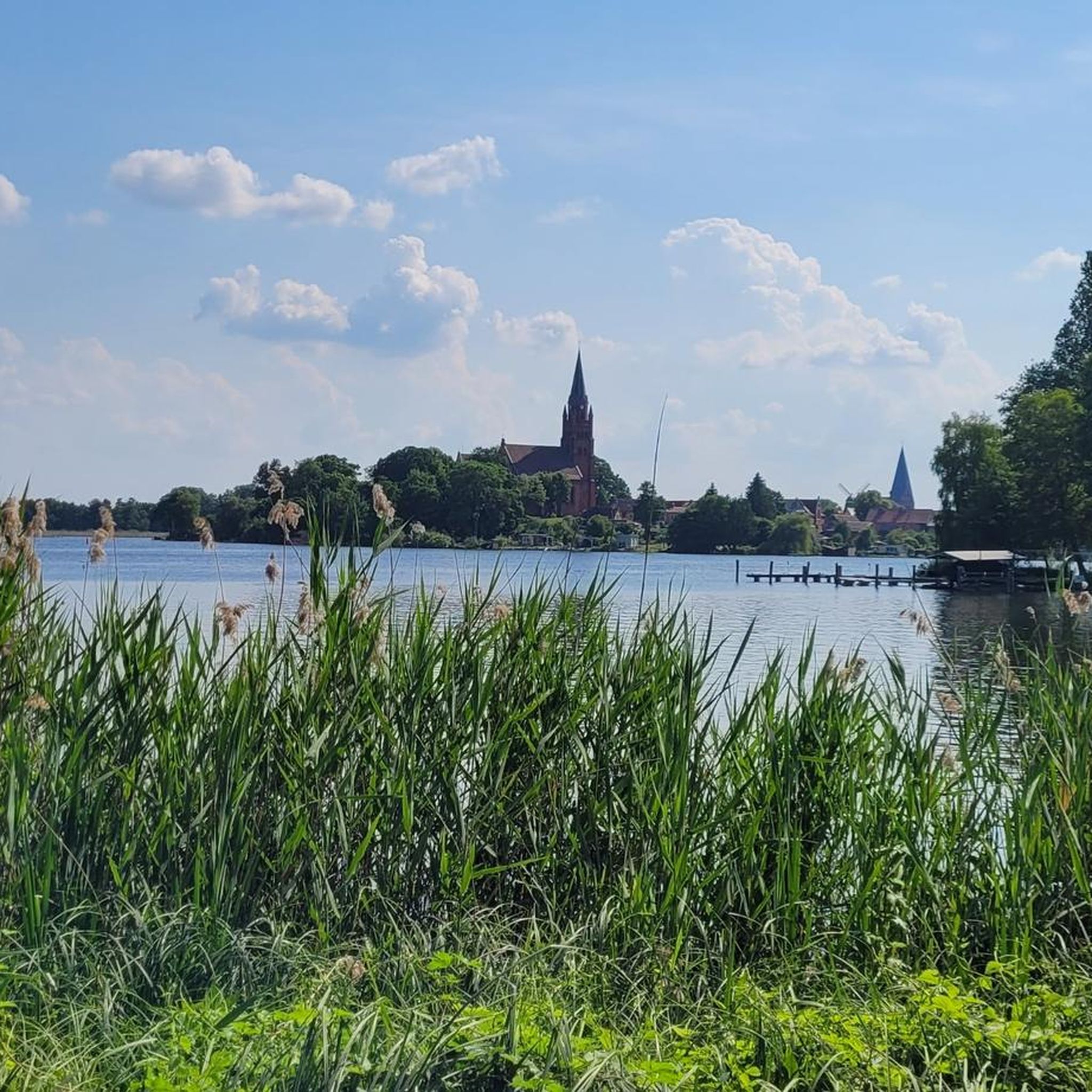
Cycling around Röbel/Müritz
Hiking around Röbel/Müritz
MTB Trails around Röbel/Müritz
Other adventures around Röbel/Müritz


Tips from the Community

The Seehotel Schloss Klink is located directly on Lake Müritz, in a 35,000 m² park with a white sandy beach and an adjacent marina with boat rentals.
10
0

Schloss Lebbin is the manor house of the former Gutshof Lebbin in today's municipality of Göhren-Lebbin, Mecklenburg-West Pomerania. The original building, erected in 1842, was badly damaged by a fire in 1912, most of the remains were demolished and replaced by a more representative new building in the neo-baroque style. Today it houses the "Schlosshotel Fleesensee".
5
0

Fleesensee Castle is a manor house that was built in the neo-baroque style with over 100 rooms and a ballroom. A manor house stood here before it was built in 1910, but it was destroyed by fire. The new building was sold in 1934 and is then used for different purposes. In 1997 the manor house was completely renovated and has been used as a hotel ever since. In addition to the almost 180 hotel rooms and suites, there are also conference facilities, a restaurant and golf and wellness offers.
3
0

Schloss Lebbin is the manor house of the former Gutshof Lebbin in today's municipality of Göhren-Lebbin in Mecklenburg-Western Pomerania. The original building, erected in 1842, was badly damaged by a fire in 1912, most of the remains were demolished and replaced by a more representative new building in the neo-baroque style. Today it houses the "Schlosshotel Fleesensee".
5
0

In the midst of the peace and seclusion of a unique natural landscape, in the heart of the Mecklenburg Lake District, the Schlosshotel is perhaps closer than you think: Only 160 km from Berlin and 200 km from Hamburg, you will find the time and leisure to be in an exclusive environment to arrive to you. The SCHLOSS, built in 1842, was extensively renovated in 2016 and 2021. The 175 modern hotel rooms and exclusive suites combine historical ambience and timeless design. Each furnished with a great sense of aesthetics, a top-class stay awaits you. The SCHLOSS is also an excellent place to spoil body and soul with outstanding culinary delights. The gastronomic offer is high-quality, varied and places great value on fresh, regional products - some even from our own cultivation. https://www.mecklenburgische-seenplatte.de/reisezielen/schlosshotel-fleesensee
9
1
On the border with Brandenburg, in the town of Wredenhagen, there is an old castle complex belonging to the princes of Werle. There was a wall ring behind the moat, access to the complex was through a gate. Inside, next to the residential and farm buildings, there was a stone keep. Next to the gatehouse stood the original residential building, on the foundations of which the office building was later built. In front of the gate there was a bailey, which also surrounded the village church and other buildings. The "new Werle Castle" was mentioned in a document in 1284 as the seat of the Lords of Werle. In 1316, the Brandenburg margraves Waldemar and Johann conquered the castle, but in 1329 it fell back to the Werle rulers. After the land around Röbel was pledged to Duke Albrecht II of Mecklenburg in 1362, it was pledged to the Lords of Flotow auf Stuer and then passed from hand to hand until it became the residence of Duke Charles I in 1571 and later Duke Ulrich. After that, the castle was no longer used as a princely seat and was leased. After the defensive character of the castle was abandoned in 1612, the complex served as a domanial office and was leased. From 1712 to 1770 the farmyard with barns and stables was built and from 1775 to 1791 a new building complex with an office, tenants' apartments and a church hall. In the 19th century, the residential tower and the building complex were demolished, and a new office building, into which the forest administration moved, and the manor house were built. School lessons have been held in the manor house since 1927. The other buildings were and are inhabited or served for administration and the community. https://gutshaeuser.de/de/burgen_festungen/burg_und_gutshaus_wredenhagen
2
0

he formerly Slavic Rundling Leizen appeared for the first time in 1298 in the local church chronicle. In the Middle Ages there was already a hilltop castle, later a castle was built nearby.
3
0

Archaeological feature: a tower hill castle, inhabited from the 13th to the 15th century. For me as a layman, a round hill shape is recognizable, over which the bike path ran and which is overgrown with nettles all around.
1
0
Frequently Asked Questions
What are some historical facts about the castles in the Röbel/Müritz region?
The castles and manor houses around Röbel/Müritz offer a rich history, with some dating back to the 13th century. For instance, the origins of Wredenhagen Castle go back to 1284. Many structures, like Klink Castle (built in 1898) and Fleesensee Castle (originally 1842, rebuilt in Neo-Baroque style), have been repurposed over time, often as hotels, while still showcasing their original architectural grandeur.
Are there family-friendly castles to visit near Röbel/Müritz?
Yes, several castles in the region are considered family-friendly. Klink Castle and Fleesensee Castle, both now hotels, offer impressive architecture and grounds that families can explore. For a more historical experience, the archaeological monument of Motte-and-bailey castle Leizen provides an interesting glimpse into medieval times.
What kind of outdoor activities can I do near these castles?
The region around Röbel/Müritz offers various outdoor activities. You can find numerous cycling routes, including road cycling, touring, and mountain biking. For example, near Klink Castle, there are routes like the 'Klink Castle – Cycle Path to Röbel loop' for road cycling or the 'Klink Castle – Klink Beach on Lake Müritz loop' for mountain biking. You can explore more options on the Cycling around Röbel/Müritz guide.
Are there any castles with significant historical ruins to explore?
For those interested in historical ruins, Wredenhagen Castle is a notable site. While largely consisting of ruins, its renovated castle gate is accessible, and exhibitions on its history are open seasonally. It offers a tangible connection to the past, with origins dating back to 1284.
Which castles offer unique architectural styles?
The castles in the Röbel/Müritz region showcase diverse architectural styles. Klink Castle, built in 1898, was modeled after the elegant French chateaux of the Loire Valley, featuring a distinctive Renaissance Revival style. Fleesensee Castle (also known as Schloss Lebbin) is a grand Neo-Baroque manor house. Mirow Castle, located on an island, includes Baroque elements and a Renaissance gatehouse.
What are the best times of year to visit the castles around Röbel/Müritz?
The castles are generally enjoyable throughout the warmer months, from spring to autumn, when the surrounding landscapes are lush and outdoor activities are pleasant. Some sites, like Wredenhagen Castle, have exhibitions open seasonally, typically from July 1st to September 30th. Visiting during the Mecklenburg-Vorpommern Festival can also offer a unique cultural experience at places like Ulrichshusen Castle.
Are there options for dining or accommodation near the castles?
Yes, many castles in the region have been repurposed to include dining and accommodation. Klink Castle and Fleesensee Castle both operate as hotels with restaurants, offering regional cuisine. Ulrichshusen Castle also features a restaurant in its former horse stables. These provide convenient options for visitors looking to stay or dine close to the historical sites.
What natural features can I enjoy around the castles?
The castles are often set amidst picturesque natural landscapes. Klink Castle is located directly on Lake Müritz, offering scenic views and a white sandy beach within its 35,000 m² park. Mirow Castle is romantically situated on an island, allowing visitors to enjoy its natural beauty and even take steamer tours of the lake. Ulrichshusen Castle provides magnificent views over its lake and historic park.
Is parking available at the castles?
Parking availability varies by castle. For those repurposed as hotels, such as Klink Castle and Fleesensee Castle, visitor parking is generally provided. For historical sites like Wredenhagen Castle, it's advisable to check local signage or official websites for specific parking information.
Are there any castles that host cultural events?
Ulrichshusen Castle is particularly renowned as a significant venue for the Mecklenburg-Vorpommern Festival, hosting classical music stars and orchestras from around the world annually. Its historical ambiance combined with world-class cultural events makes it a unique destination for visitors interested in arts and culture.
Can I find circular walks or hiking trails around the castles?
Yes, the region offers opportunities for circular walks and hiking. Many cycling routes, such as those around Klink Castle or Fleesensee Castle, can also be adapted for walking or provide scenic paths for exploration. You can find detailed routes and their difficulty levels on guides like Cycling around Röbel/Müritz, which often pass by these historical sites.
What makes Mirow Castle a significant historical site?
Mirow Castle is significant for its connection to the Mecklenburg-Strelitz dynasty and is considered the last preserved monument of their ducal residential culture. Located romantically on an island, its ensemble includes the castle, a gatehouse, the Cavaliers' House, a coach house, and the Johanniterkirche (St. John's Church) with the family crypt of the Strelitz ducal house. Visitors can explore the castle's museum and wander through its park.
Most popular routes around Röbel/Müritz
Most popular attractions around Röbel/Müritz

Get inspired with the komoot mobile app


Explore more
Looking for the best castles somewhere else? Discover other guides around Röbel/Müritz:
