Attractions and Places To See in Bács-Kiskun - Top 20
Best attractions and places to see in Bács-Kiskun, Hungary's largest county, offers a diverse range of sites. Situated between the Danube and Tisza rivers, the region is characterized by its flatland scenery of the Great Hungarian Plain. Visitors can explore historical landmarks, cultural sites, expansive natural landscapes, and thermal baths.
Best attractions and places to see in Bács-Kiskun
- The most popular attractions is Ornamented Cifra Palace 🏛️ Cifra Palota, Kecskemét, a man-made monument that is an Art Nouveau building serving as an art gallery and museum. Its decoration, inspired by ancient Magyar and Turkic folk art, played a role in the National Romanticism movement.
- Another must-see spot is Holy Trinity Square (Szentháromság tér), a significant square in Baja. The square is home to Baja's Town Hall and the Holy Trinity Column, a late Baroque monument from the 18th century.
- Visitors also love Katona József Theatre and Millennium Monument, Kecskemét, a historic building and one of the most richly decorated theatres in the country. This cultural institution was built between 1895-96 and features an eclectic architectural style with neo-baroque ornaments.
- Bács-Kiskun is known for its historical landmarks, cultural sites, and natural features. The region offers a variety of attractions to see and explore, from architectural monuments to riverside areas.
- The attractions in Bács-Kiskun are appreciated by the komoot community, with 36 upvotes and 8 photos shared by visitors.
Last updated: July 6, 2026
Ornamented Cifra Palace 🏛️ Cifra Palota, Kecskemét
Highlight • Monument
Translated by Google •
Tip by

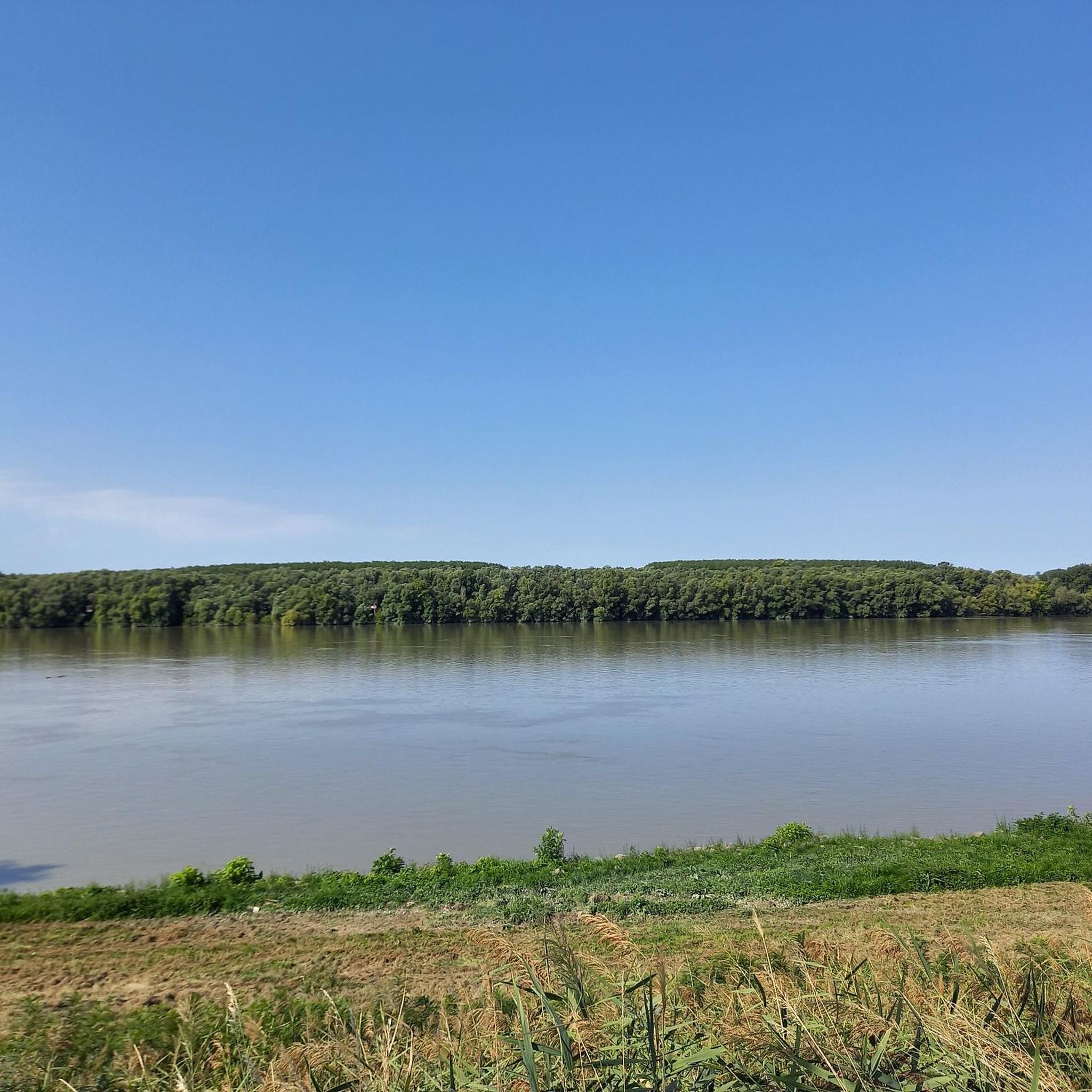
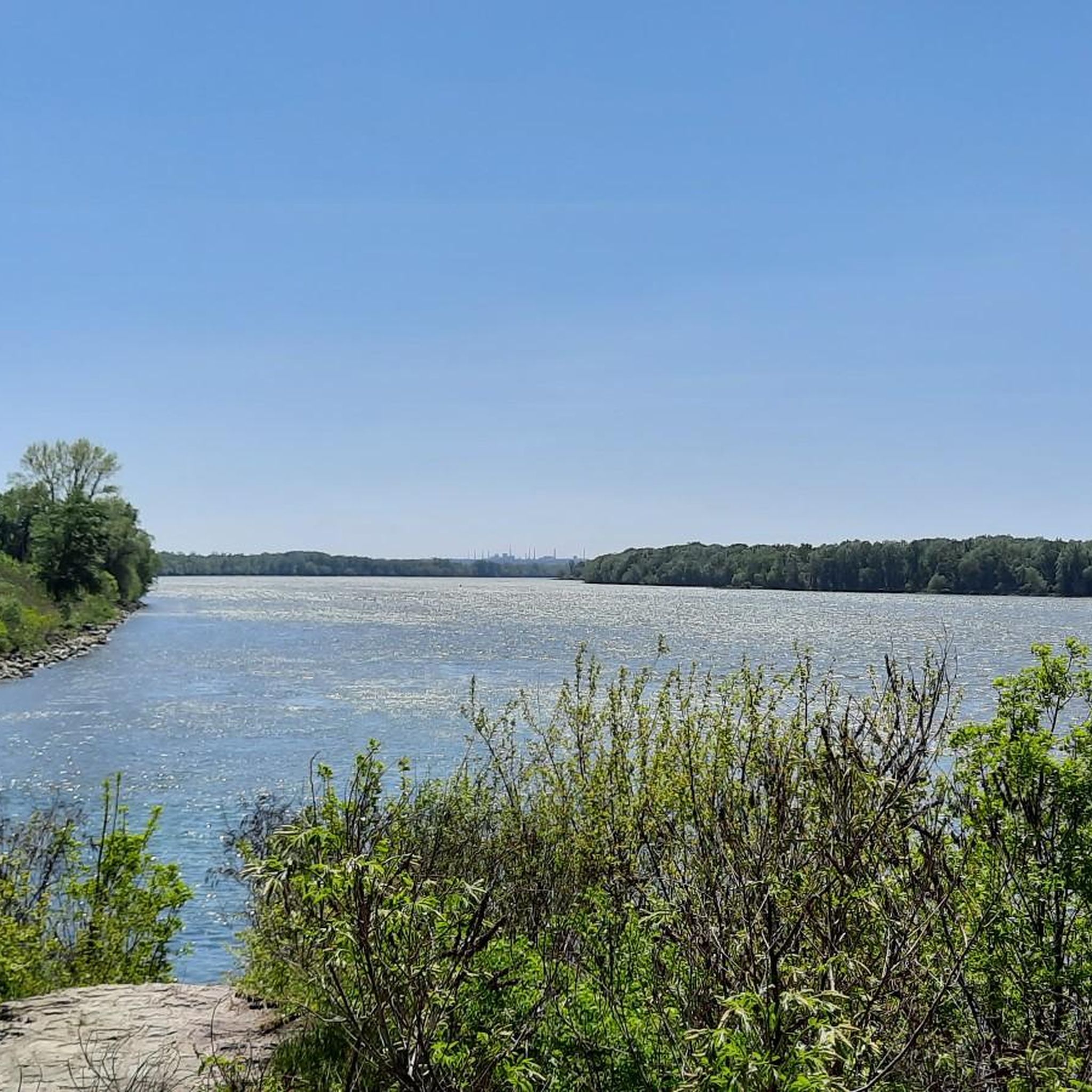
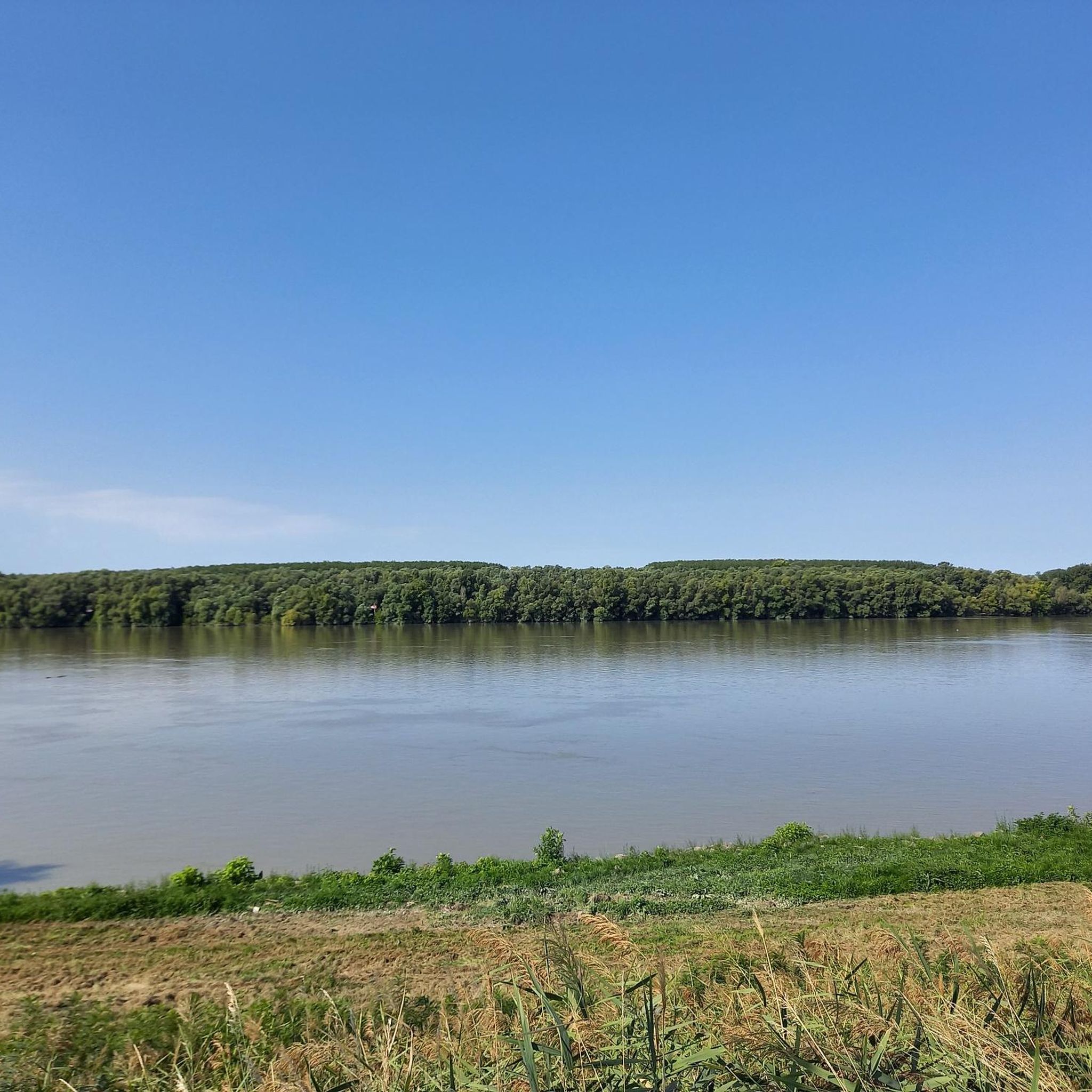
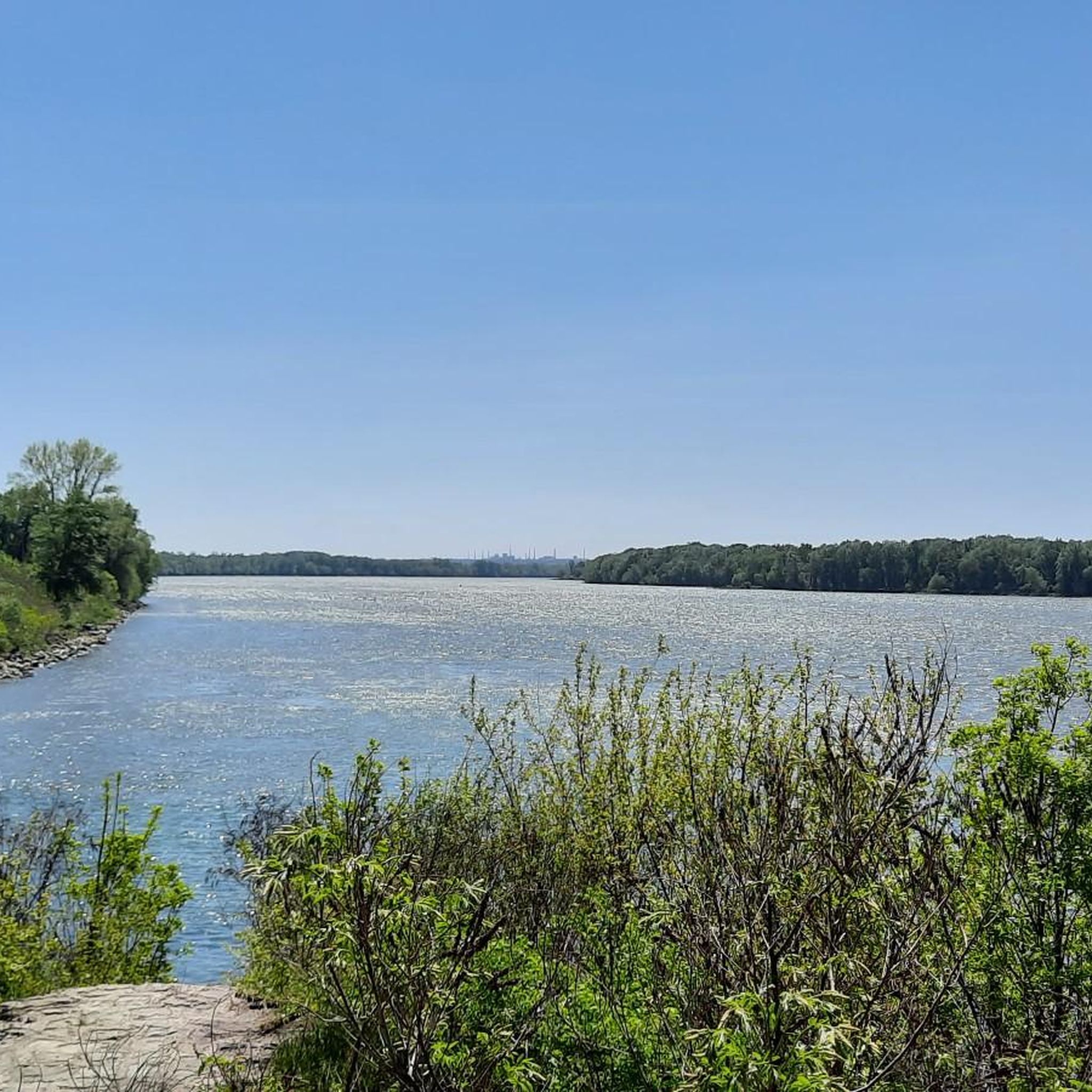
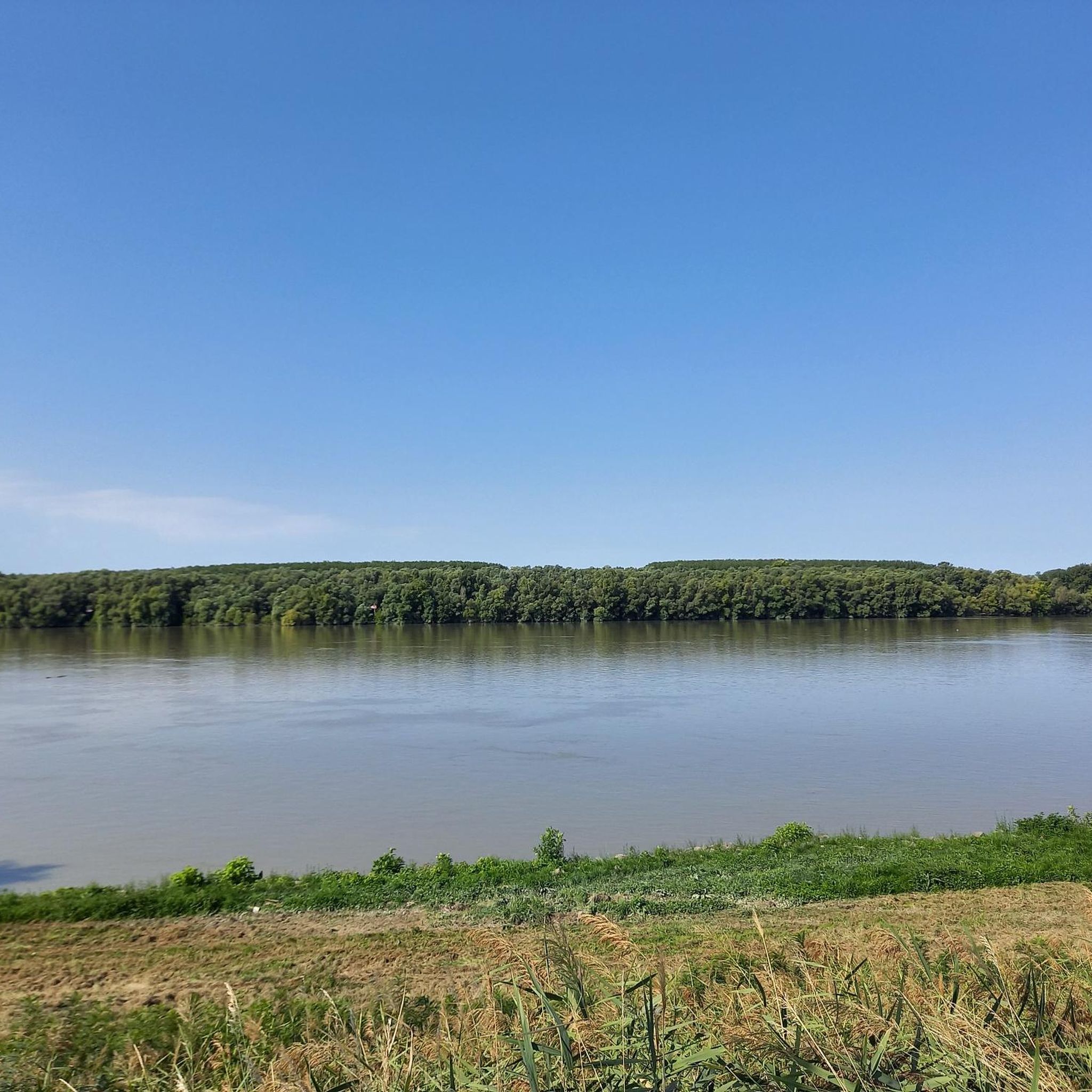
Harta — Danube Riverside Beach and Campsite
Highlight • Beach
Sure, it's Sunday and the place is well visited. The cleaning will be done the next morning.
And there is no Wi-Fi and no network. After most of the visitors are away from the beach I set up my tent and spend the evening with a beautiful sunset on the beach of the Danube.
Before, I had a drink and food in the nearby village.
Translated by Google •
Tip by

Sign up now to discover places like this
Get recommendations on the best single tracks, peaks, & plenty of other exciting outdoor places.
Sign up for free
Katona József Theatre and Millennium Monument, Kecskemét
Highlight • Monument
Translated by Google •
Tip by

Baja Harbor Campsite
Highlight • Rest Area
Translated by Google •
Tip by

Main Square 🏛️ City Hall & all Churches ⛪ Kecskemét
Highlight • Historical Site
The current City Hall,built in 1893, was designed by Ödön Lechner and Gyula Pártos. The decoration of the building, which consists of Zsolnay tile patterns inspired by old Magyar and Turkic folk art, was the start of the National Romanticism movement, which culminated in the Museum of Applied Arts in Budapest.
The building itself is more of a mixture between renaissance and baroque styles, for which it has been criticized by National Romanticists like Károly Kós. Bertalan Székely, who also decorated the interior of the Matthias Church in Budapest, painted gilded murals on the interior of the Grand Hall. en.wikipedia.org/wiki/Kecskem%C3%A9t_City_Hall
Tip by

Kecskemét City Center
Highlight • Settlement
Wealthy peasants began to adopt bourgeois customs and goods, stimulating trade in the town and new buildings, especially those surrounding Kecskemét's main square. This Art Nouveau complex is architecturally significant: the Town Hall, the New College, the Ornamented Palace, the Luther-Palace, the House of Trade (today the House of Young), and the Gentlemen's Casino, now used as the Hungarian Museum of Photography.
In 1950 Kecskemét became seat of the country's largest county, Bács-Kiskun, helping its growth. The architect József Kerényi (1900–1975) adapted and renovated several historic buildings for other uses, helping keep the varied historical character of the city alive. For instance, in the early 1970s, he renovated the early-eighteenth-century Franciscan monastery for use as the Zoltán Kodály Conservatory; it opened for classes in 1975.
The Hungarian Association of Photographers
in 1990 helped raise funds to restore an 18th-century building in Kecskemét last used as an Orthodox synagogue, adapted for the Hungarian Museum of Photography (Magyar Fotográfiai Múzeum), which opened in 1991. The museum holds work by Hungarian and other photographers of international and national reputation.
Unemployment is extremely low at 3%: In 2012, German automobile manufacturer Daimler AG opened a plant near Kecskemét to manufacture the new B-Class, A-Class and CLA-Class models. The €800 million (US$1.24 billion) new plant created 5,000 jobs in the region, to produce more than 100,000 vehicles annually.
en.wikipedia.org/wiki/Kecskem%C3%A9t
Tip by
Ráday Museum 🏛️ Reformed Old College, Kecskemét
Highlight • Historical Site
This district is the largest Reformed church administration unit in Hungary. The collection area of themuseum covers the whole church district, including material (historical sources, fine arts, industrial and folk art) representing the life and history of the churches in Kebel. The material of the museum today is mostly donated, to introduce visitors to the life of Calvinist churches. It presentd the typical furnishings of churches, the liturgical traditions of the Reformed worship, and the ensembles of objects associated with it. These, though made with special needs, carry the typical styles of their age.
Exhibits cover cultural history, church history, art history, and related objects.
Ókollégium: The Ráday Museum is located in the building of the Old College of Kecskemét. The Old sign indicates that this is the older school building of the Kecskemét Reformed Church. Here, like the big mother schools (Debrecen, Sárospatak, Pápa), multilevel education took place. Today, the word "college" means primary and secondary education and a Reformed college providing student accommodation. For a long time, this college was the most important school in the district. The later erected school building is called Újkollégium (Kecskemét).
Technical design of the Old College was made by József Hofrichter (1779-1835), a master builder from Pest, whose best known work is the Calvinist Church in Budapest. According to plans, construction began in the spring of 1830 under the supervision of local master Augustus Fischer.
In 1865, a hanging corridor was built towards the courtyard façade to better access the halls.
Tuesday to Sunday: 10am - 6pm
Adult: 600 Ft
Student, retired, group (>10 people), other reduced: 300 Ft
photo ticket: 500 Ft
Guided tour with prior arrangement, in Hungarian: 2.000 Ft
radaymuzeum.hu
Tip by
Railway Square, Kecskemét 🚂⛲
Highlight • Monument
Wealthy peasants began to adopt bourgeois customs and goods, stimulating trade and new buildings, especially those surrounding Kecskemét's main square. This Art Nouveau complex is architecturally significant: the Town Hall, the New College, the Ornamented Palace, the Luther-Palace, the House of Trade (today the House of Young), and the Gentlemen's Casino, now used as the Hungarian Museum of Photography.
In 1950 Kecskemét became seat of the country's largest county, Bács-Kiskun, helping its growth. The architect József Kerényi (1900–1975) adapted and renovated several historic buildings for other uses, helping keep the varied historical character of the city alive. For instance, in the early 1970s, he renovated the early-eighteenth-century Franciscan monastery for use as the Zoltán Kodály Conservatory; it opened for classes in 1975.
The Hungarian Association of Photographers
in 1990 helped raise funds to restore an 18th-century building in Kecskemét last used as an Orthodox synagogue, adapted for the Hungarian Museum of Photography (Magyar Fotográfiai Múzeum), which opened in 1991. The museum holds work by Hungarian and other photographers of international and national reputation.
Unemployment is extremely low at 3%: In 2012, German automobile manufacturer Daimler AG opened a plant near Kecskemét to manufacture the new B-Class, A-Class and CLA-Class models. The €800 million (US$1.24 billion) new plant created 5,000 jobs in the region, to produce more than 100,000 vehicles annually.
en.wikipedia.org/wiki/Kecskem%C3%A9t
Tip by
Holy Trinity Square (Szentháromság tér)
Highlight • Settlement
• In the center of the square stands the Holy Trinity Column, a late Baroque monument from the 18th century.
Translated by Google •
Tip by

EV6 Cycle Path – Paved Section with 2.2t Limit
Highlight • Cycleway
Translated by Google •
Tip by

Sign up for free to discover even more attractions in Bács-Kiskun.
Sign up for free
Already have an account?
Start today with a free account
Your next adventure awaits.
Login or Signup
Tips from the Community

• The square is home to Baja's Town Hall, a former castle originally built in the Baroque style and later rebuilt in the Classicist and Neo-Renaissance styles. • In the center of the square stands the Holy Trinity Column, a late Baroque monument from the 18th century.
1
0

Very friendly, well-kept, but little shade.
0
0

The Cifra Palace (Hungarian: Cifrapalota) in the Hungarian city of Kecskemét is a townhouse and an important example of Hungarian Art Nouveau. The building was designed by Géza Márkus and was completed in 1902. The facade of the house is completely decorated with majolica tiles from the Zsolnay Porcelain Manufactory, whose motifs are borrowed from Hungarian folk art. The most striking stylistic element of the tiles, which were made using the sgraffito technique, are floral motifs. The ceramics are framed in round floral or mushroom-shaped elements. The roof of the palace is covered with green and light brown roof tiles. Today the building houses the József Katona Museum. Source: Wikipedia
1
0
Between the years 1895-96, to commemorate the 1000th anniversary of the country, based on the plans of the famous Viennese architect couple Ferdinand Fellner and Hermann Helmer, the Kecskemet City Theatre was built. The architectural masterpiece, often called a jewel box, is now a historic building and is still considered one of the most beautiful and richly decorated theatres in the country. The eclectic style of the building is enriched with neo-baroque ornaments, mostly the work of Henrik Hausbeitner's amazing sculptural craft. On the beautiful facade in window niches one can find the portrait sculptures of Károly Kisfaludy and Jezsef Katona. The theatre has been modernized several times, the most complex renovation in 1986.
0
0

Very good quality the piece
0
0

very nice to have a longer route in very good quality
0
0

The building is currently being renovated (4/2024) and is covered. However, the cover reflects the final form and is worth seeing in itself.
6
0

Very friendly, German-speaking young woman at the reception. Washing machine (without washing powder), refrigerator, small kitchen, bicycle storage room, everything was really great.
2
0
Frequently Asked Questions
What historical and cultural sites can I explore in Bács-Kiskun?
Bács-Kiskun offers a rich array of historical and cultural sites. In Kecskemét, you can visit the impressive Ornamented Cifra Palace, an Art Nouveau building housing an art gallery, or the historic Kecskemét City Hall. The Katona József Theatre is another architectural gem. Kalocsa features the significant Archiepiscopal Palace, while Kiskőrös is home to the Petőfi Sándor Birthplace and Memorial Museum. Don't miss the Hajós Baroque Castle, one of the oldest and most significant castles in the Great Plain.
Are there any unique architectural landmarks in the region?
Yes, Bács-Kiskun boasts several unique architectural landmarks. The Ornamented Cifra Palace in Kecskemét is a prime example of Hungarian Art Nouveau, adorned with majolica panels inspired by ancient Magyar and Turkic folk art. The Kecskemét City Hall, designed by Ödön Lechner, showcases a blend of Renaissance and Baroque styles with Zsolnay tile patterns. The Hajós Baroque Castle is also a significant architectural and cultural-historical building.
What natural attractions does Bács-Kiskun offer?
The region is rich in natural beauty. The vast Kiskunság National Park protects unique habitats, including saline lakes, sand dunes, and floodplains, perfect for nature trails and bird-watching. The Danube River forms the western border, offering riverside activities, while the Tisza River borders the east, with popular spots like the protected dead branch at Lakitelek (Tőserdő). You can also explore the Magyarkert - Kis-Magyarország Botanical Garden in Jakabszállás, which features a scaled-down topographical map of Hungary.
Where can I experience traditional Hungarian Puszta life?
To experience traditional Hungarian Puszta life, visit Bugac Puszta, which is part of the Kiskunság National Park. Here, you can see reproductions of old buildings, enjoy horse shows, and take horse-drawn carriage rides or go horseback riding, offering a glimpse into the region's pastoral heritage.
Are there opportunities for hiking or cycling in Bács-Kiskun?
Absolutely! Bács-Kiskun offers various routes for outdoor enthusiasts. For hiking, you can find easy trails like the Szent Jakab Promenade loop or the Császártöltés Nature Trail. Cyclists can enjoy the EV6 Cycle Path, known for its good quality paved sections. For more options, explore the dedicated guides for easy hikes, running trails, and MTB trails in Bács-Kiskun.
What family-friendly attractions are available in Bács-Kiskun?
Families will find plenty to enjoy. The Jonathermál Medical Bath and Water Park in Kiskunmajsa is a popular year-round destination with various pools. The Kecskemét Zoo offers an engaging experience for children and adults. The János Vitéz Visitor Center in Kiskőrös provides an interactive journey through the story of 'János Vitéz' with multimedia rooms. Additionally, the Harta Danube Riverside Beach and Campsite is a great spot for waterside fun.
Can I go swimming or enjoy waterside activities in Bács-Kiskun?
Yes, Bács-Kiskun provides several options for swimming and waterside activities. The Jonathermál Medical Bath and Water Park in Kiskunmajsa is excellent for thermal and adventure swimming. You can also visit the Harta Danube Riverside Beach and Campsite for public access to the Danube. Tiszakécske Beach is another popular destination for swimming and relaxation.
Where can I learn about traditional Hungarian folk art and crafts in Bács-Kiskun?
To delve into traditional Hungarian folk art and crafts, visit the Halasi Lace House and Lace Museum in Kiskunhalas. This museum is dedicated to the exquisite 'Halasi lace,' often called the 'queen of laces,' and showcases the history and artistry of this unique craft. Kalocsa is also renowned for its traditional folk art, particularly paprika production.
What is the best time to visit Bács-Kiskun for outdoor activities?
Bács-Kiskun enjoys a sunny climate, making spring and autumn ideal for outdoor activities when temperatures are mild and the landscapes are vibrant. Summer is also popular, especially for waterside activities along the Danube and Tisza rivers or at thermal baths. The Kiskunság National Park is beautiful year-round for wildlife watching, though specific bird migration seasons might offer unique experiences.
Are there any accessible attractions for visitors with mobility needs?
Several attractions in Bács-Kiskun are noted for their accessibility. The Ornamented Cifra Palace, Railway Square, Kecskemét City Center, and Holy Trinity Square in Baja are highlighted as wheelchair accessible. The EV6 Cycle Path also offers a smooth, paved section suitable for various users.
What do visitors enjoy most about the attractions in Bács-Kiskun?
Visitors frequently appreciate the architectural beauty and historical significance of sites like the Ornamented Cifra Palace and the Katona József Theatre in Kecskemét. The quality of the cycling routes, such as the EV6 Cycle Path, is also highly rated. The region's diverse offerings, from cultural landmarks to natural landscapes and relaxing thermal baths, contribute to a well-rounded and enjoyable experience.
Most popular routes in Bács-Kiskun
Most popular attractions in Bács-Kiskun

Get inspired with the komoot mobile app


Didn’t find what you were looking for?
Are you keen on exploring more awesome places nearby? Browse our guides:
Explore more
Still not found the Highlight you’re looking for? See guides of the top attractions in other regions:
